• Home
  • About Us
  • Toolkit
  • Getting Finances Done
    • Hiring Advisors
    • Debt Management
    • Spending Plan
  • Insurance
    • Life Insurance
    • Health Insurance
    • Disability Insurance
    • Homeowners/Renters Insurance
  • Contact Us
  • Privacy Policy
  • Risk Tolerance Quiz

The Free Financial Advisor

You are here: Home / Archives for Vanessa Bermudez

14 Things That Are Never a Good Deal at Warehouse Stores

May 6, 2024 by Vanessa Bermudez Leave a Comment

a woman carrying boxes

123rf

Warehouse stores often entice consumers with savings through bulk purchases. However, not everything in these vast retail landscapes is a bargain. 

Savvy shoppers know that some items are consistently better to buy elsewhere, especially considering quality, quantity, and price factors. Here’s a guide to what you should think twice before tossing into your oversized shopping cart.

1. Name-Brand Clothing

a woman shopping for clothes

123rf

While tempting, name-brand clothing at warehouse stores often isn’t the best deal. The selection can be limited, and sizes are not always consistent. 

More importantly, these items often appear in warehouse stores because they didn’t sell well elsewhere, so the styles might be out of trend. Additionally, the price difference from regular retail stores, especially during sales, is usually minimal.

2. Books and DVDs

books

123rf

In the age of digital media, purchasing books and DVDs in bulk isn’t cost-effective. Streaming services offer books and movies at competitive subscriptions that are more convenient and often cheaper than physical copies. 

Moreover, warehouse stores don’t typically offer the best prices on these items compared to online retailers or digital marketplaces.

3. Condiments and Spices

condiments

123rf

Buying condiments and spices in large quantities can lead to waste. Most households can’t use a giant container of mustard or a pound of paprika before expiration. 

Not only does this negate any initial savings, but the loss of flavor over time also compromises the quality of your meals.

4. Sunscreen

sunscreen

123rf

Sunscreen has a limited shelf life, typically around three years, which can be even shorter if stored in high temperatures. Buying in bulk may mean you end up with expired sunscreen, which is less effective at protecting your skin. 

It’s wiser to purchase smaller quantities you can use within the expiration period.

5. Electronics

a man checking a phone

123rf

Warehouse stores are not always the best places for purchasing electronics. Their deals on TVs, laptops, and other gadgets might seem good, but they often feature older models. 

Additionally, electronic stores or online retailers often provide better warranties and return policies, which are crucial for significant purchases.

6. Pre-packaged Produce

fresh produce

123rf

Pre-packaged produce might look convenient, but it’s often more expensive per unit than local grocery stores. You also lose the ability to handpick the freshest items and are stuck with a large quantity that might spoil before you can use it all.

7. Diapers

bulk diapers

123rf

While buying diapers in bulk seems logical, it can be problematic due to sizing issues as babies grow. You might end up with a box of diapers that no longer fit your baby. 

It’s more practical to watch for sales at various retailers where you can buy the right size as needed.

8. Baking Ingredients

mother and child baking

123rf

Large bags of flour, sugar, or baking mixes might go to waste unless you frequently bake. These ingredients also have a shelf life and can develop bugs or go stale if stored too long. Smaller packages ensure freshness and reduce waste.

9. Canned Goods

canned goods

123rf

The savings on canned goods at warehouse stores can be minimal. Local supermarkets often have sales that beat warehouse prices, and you can buy quantities that match your actual needs without the risk of storing bulky items for long periods.

10. Paper Goods

toilet paper

123rf

While buying paper goods in bulk is common, prices at warehouse stores are not always competitive. Frequent sales at local grocery stores or through online subscriptions can offer better savings, plus you avoid storing massive quantities at home.

11. Over-the-Counter Medications

over the counter medicine

123rf

Bulk packages of medications can lead to having excess that you may never use. With expiration dates usually within a year or two, you could be wasting money on medication that goes unused. Smaller packs ensure you use all contents within their effective period.

12. Jewelry and Luxury Goods

jewelry

123rf

Warehouse stores often market jewelry as high-value items, but they are typically not the best places to make such personalized and significant investments. 

Specialty stores offer not just broader selections but also expert advice and better customer service, which are essential when buying luxury goods.

13. Specialty Cheeses

cheese

123rf

Warehouse stores may offer specialty cheeses in bulk, but the quality may vary, and the large quantities can lead to spoilage. Local delis or specialty stores provide a wider variety of fresh cheeses and, often, at competitive prices.

14. Pet Food

dog and pet food

123rf

Buying pet food in massive bags might save a few dollars, but it can compromise freshness and taste for your pet, particularly if it takes a long time to consume. Smaller bags ensure the food remains appetizing and nutritious for your furry friends.

Beware of These Rip-Offs 

wholesale store

123rf

Understanding what not to buy at warehouse stores can save you money, reduce waste, and ensure you get the best products available. 

Always weigh the pros and cons of bulk buying against your actual consumption, preferences, and storage capabilities to maximize your shopping trips.

Read More

13 Incredible Shopping Tips That Will Save You Money

Money-Saving Tricks for Online Shopping

Vanessa Bermudez
Vanessa Bermudez
Vanessa Bermudez is a content writer with over eight years of experience crafting compelling content across a diverse range of niches. Throughout her career, she has tackled an array of subjects, from technology and finance to entertainment and lifestyle. In her spare time, she enjoys spending time with her husband and two kids. She’s also a proud fur mom to four gentle giant dogs.

Filed Under: saving money Tagged With: bulk shopping, discounts, grocery shopping, Shopping, warehouse stores

The Unseen Goodbye: 14 Signs Your Friend Is Slowly Withdrawing

May 6, 2024 by Vanessa Bermudez Leave a Comment

fading friendship

DALL-E

Sometimes, goodbyes aren’t loud or overt in the dynamic landscape of friendships. Instead, they’re subtle shifts that can quickly go unnoticed until it’s too late. 

Recognizing the signs of a friend slowly withdrawing can be crucial in preserving the bond before it’s too late. Here are 14 indicators to keep an eye on:

1. Decreased Communication

decreased communication

123rf

Once frequent and lively conversations might now occur less often and with less enthusiasm. If your friend’s responses have become shorter or they often take longer to reply without a busy schedule as an excuse, it could be a sign that they are distancing themselves.

2. They Cancel Plans More Frequently

cancel plans

123rf

Repeatedly canceling plans or making excuses to avoid spending time together is another indicator of withdrawal. While everyone has occasional conflicts, consistent cancellations without rescheduling or genuine reasons could signify a desire for distance.

3. Less Interest in Your Life

Less Interest in Your Life

123rf

When a friend thinks of stepping back, they might show less interest in your life’s details. If questions about your well-being or achievements have dwindled, and your conversations have become one-sided, likely, they are emotionally retreating.

4. They Avoid Deep Conversations

avoiding deep conversation

123rf

A friend who avoids engaging in deep, meaningful conversations like they used to might signal a shift. If discussions have surface-level quality and your attempts to delve deeper are met with resistance, this might be a subtle cue of withdrawal.

5. Change in Body Language

change in body language

123rf

Pay attention to non-verbal cues during interactions. A friend who used to be open and engaged may now exhibit closed-off body language, such as crossed arms or avoiding eye contact, signaling discomfort or disinterest.

6. Lack of Shared Activities

lack of shared activities

123rf

Friends often bond over shared interests and activities. If your friend consistently declines invitations to participate in things you both enjoy or stops suggesting new things to do together, it could signify a disconnection.

7. Change in Social Media Interaction

change in social media interaction

123rf

Social media can also be a barometer for relationship health. A notable decrease in likes, comments, or shares from your friend, or their absence from your online social gatherings, might be their way of pulling back quietly.

8. Avoidance of Conflict

avoidance of conflict

DALL-E

This is common in strained relationships. If your friend consistently avoids discussing issues or becomes defensive when confronted with concerns, they may be unwilling to invest in resolving conflicts, leading to further distance.

9. Minimal Effort in Communication

minimal effort in communication

123rf

When communication does occur, observe if your friend’s messages lack depth or sincerity. Short, impersonal responses or generic greetings may indicate a need for more emotional investment.

10. No Future Plans

no future plan

123rf

Friends often make plans for the future, whether attending events together or discussing long-term goals. If your friend avoids making plans or seems indifferent to the idea, it could signal a lack of commitment to the friendship.

11. Reluctance to Share

reluctance to share

DALL-E

A withdrawing friend may become hesitant to share personal updates or struggles. They may downplay their emotions or brush off your concerns, preferring to keep their distance rather than open up.

12. Unresponsiveness in Times of Need

unresponsiveness in times of need

123rf

During challenging times, friends typically offer support and comfort to one another. If your friend is consistently unresponsive or dismissive when you seek help or advice, it may indicate a lack of emotional availability.

13. New Friendships or Groups

new friendships

123rf

If your friend has started to invest significantly in new friendships or different social groups and seems less available to you, it may not just be a broadening of their social circle but a sign they are moving away from your friendship.

14. Absence of Reciprocity

absence oacf reciprocity

123rf

Healthy friendships thrive on mutual give-and-take. If you consistently find yourself trying to maintain the relationship while receiving little in return, it may be a sign that your friend is withdrawing emotionally.

Is It Time to Let Go?

girl sitting alone

123rf

Recognizing the signs of a friend slowly withdrawing can be challenging, but paying attention to subtle changes in behavior and communication can help preserve the friendship or initiate an honest conversation about its future. 

By addressing concerns early and openly, you may be able to strengthen the bond or gracefully navigate its transition. Remember, friendships evolve, and sometimes, saying goodbye, even if unseen, is a natural part of the journey.

Read More

Breaking Free After 50: 12 Relationship Norms to Toss Out the Window

15 Social Situations Extroverts Absolutely Dread (and How to Avoid Them)

Vanessa Bermudez
Vanessa Bermudez
Vanessa Bermudez is a content writer with over eight years of experience crafting compelling content across a diverse range of niches. Throughout her career, she has tackled an array of subjects, from technology and finance to entertainment and lifestyle. In her spare time, she enjoys spending time with her husband and two kids. She’s also a proud fur mom to four gentle giant dogs.

Filed Under: relationships Tagged With: Friends, friendships, relationships

From Cold Cures to Detox Diets: 15 Health Myths Unmasked

May 3, 2024 by Vanessa Bermudez Leave a Comment

health

123rf

In an era dominated by information overload and a plethora of self-proclaimed health gurus, distinguishing fact from fiction in the world of wellness can be daunting. 

From old wives’ tales about curing a common cold to modern marketing ploys like detox diets, it’s easy to get caught up in health myths that promise quick fixes and dramatic results. This article will explore and debunk some of the most common misconceptions to ensure you make well-informed health decisions.

1. Cold Weather Causes Colds

man with colds

123rf

One of the most persistent health myths is that exposure to cold weather can make you sick. In reality, colds are caused by viruses, not temperature. 

While it’s true that colds are more common in winter, this is likely due to people spending more time indoors near each other, thus facilitating virus transmission. 

Dressing warmly and avoiding the cold does not directly prevent colds; it’s more about practicing good hygiene and maintaining a healthy immune system.

2. Starve a Fever, Feed a Cold

woman with fever

123rf

This saying suggests that eating less during a fever and more when you have a cold can help you recover. However, both parts of this advice are misleading. 

When you’re ill, good nutrition always matters. Your body needs more energy and nutrients to fight the infection, whether it’s a cold or a fever.

Proper hydration and a balanced diet can support recovery from any illness.

3. Detox Diets Cleanse Your Body

detox diet

123rf

Detox diets are often touted as a way to remove toxins from the body and promote weight loss. However, the liver and kidneys are naturally efficient at filtering out most toxins. 

Most detox diets are not only unnecessary but can be potentially dangerous by depriving the body of essential nutrients. A balanced diet high in fiber, fruits, and vegetables supports the body’s detox pathways more effectively than any quick-fix detox diet.

4. Carrots Improve Your Vision

woman with poor eyesight

123rf

Carrots are rich in beta-carotene, which the body converts into vitamin A, a nutrient essential for good vision. However, the belief that eating carrots can improve your eyesight is a myth. 

While vitamin A deficiency can lead to vision problems, consuming excess carrots will not enhance vision beyond normal levels. Good eye health is better supported by a diet that includes a variety of nutrients, such as omega-3 fatty acids, antioxidants, and minerals.

5. You Should Drink Eight Glasses of Water a Day

drinking water

123rf

While hydration is essential, the often-cited rule of drinking eight glasses of water per day is not based on scientific evidence. Individual water needs vary based on factors like age, activity level, climate, and dietary intake. 

It’s better to listen to your body and drink when you’re thirsty. Remember that other beverages and high-water-content foods also contribute to your daily water intake.

6. Reading in Dim Light Ruins Your Eyesight

reading in dim light

123rf

Reading in low light won’t permanently damage your eyesight. It can cause temporary eye strain or fatigue, but these are not lasting conditions. 

To avoid discomfort, it’s best to use adequate lighting when reading or doing detailed work. This myth persists likely because people may experience more eye strain as they age, regardless of lighting conditions.

7. Cracking Your Knuckles Causes Arthritis

cracking knuckles

123rf

The sound of cracking knuckles comes from bubbles bursting in the synovial fluid, which helps lubricate joints. While it can be annoying to others, there is no scientific evidence linking this habit to the development of arthritis. 

However, habitual knuckle-cracking may lead to hand swelling and reduced grip strength over time, so while it’s not as harmful as once thought, it’s not entirely benign.

8. Eating Sugar Causes Diabetes

sugar

123rf

Eating sugar by itself does not cause diabetes. Type 2 diabetes develops from a combination of genetic and lifestyle factors, including poor diet, excessive calorie intake, and lack of exercise. 

While sugary foods can contribute to weight gain, which is a risk factor for diabetes, they are not a direct cause. Maintaining a balanced diet and a healthy weight are key preventive measures.

9. You Can Lose Weight in Specific Areas

weight loss

123rf

The idea that you can target fat loss in specific body areas through diet or exercise is a myth. When you lose weight, you lose it throughout your body, depending on your genetic predisposition. 

Focus on a whole-body approach—like cardio, strength training, and a healthy diet—to achieve a toned appearance and reduce overall body fat.

10. Skipping Meals Helps You Lose Weight

woman holding food

123rf

Skipping meals is not an effective strategy for weight loss. It can actually backfire by causing you to eat more at other meals due to increased hunger. 

Regular meals help maintain blood sugar levels, reduce cravings, and improve metabolism. A better approach to weight loss includes eating balanced meals and controlling portion sizes.

11. Eggs Are Bad for Your Heart

sweaty woman

123rf

The myth that eggs are bad for your heart because they contain cholesterol has been debunked. Recent studies show that moderate egg consumption (up to one a day) does not increase the risk of heart disease in healthy individuals. 

Eggs are a nutritious source of protein and other important nutrients that can play a part in a balanced diet.

12. If You’re Not Sweating, You’re Not Working Out Hard Enough

sweaty woman

123rf

Sweat is not a reliable indicator of physical exertion. Sweating is the body’s mechanism to cool down, not necessarily an indicator of calorie burn or workout intensity. 

Some people sweat more than others due to genetic factors or environmental conditions, not because they’re working out harder. Judge the effectiveness of your workout on your heart rate and muscle fatigue, not just the amount of sweat produced.

13. More Protein is Always Better

food rich in protein

123rf

The body needs protein, but more is not always better. Excessive protein intake can lead to digestive, kidney, and vascular problems. 

The key is balance. Ensure you consume the right amount of protein for your body type, activity level, and health goals.

14. Microwaving Food Destroys Nutrients

microwave oven

123rf

Microwaving food is actually one of the best methods to preserve nutrients during cooking, contrary to the myth that it destroys them. The shorter cooking times and reduced use of water in microwaving help retain vitamins and minerals that might be lost in other cooking methods like boiling.

15. Natural or Herbal Products Are Always Safe

herbal products

123rf

Just because a product is labeled natural or herbal does not automatically make it safe for everyone. These products are not always thoroughly tested for efficacy and safety before marketing. 

Some can interact negatively with prescription medications or may not be suitable for everyone, especially pregnant women and those with certain health conditions. 

Always consult with a healthcare professional before starting any new treatment or supplement, especially if it is labeled as natural.

Health is Wealth

woman enjoys sunset

123rf

By challenging these myths with scientific insight and encouraging a more nuanced understanding of health, we empower individuals to make better, more informed decisions about their wellness. Remember, a critical mind is just as important as a healthy body in navigating the complex landscape of modern health advice.

Read More

Stay Young Forever? 14 Non-Exercise Tips That Actually Work

9 Reasons Baby Boomers Are Healthier Than Other Generations

Vanessa Bermudez
Vanessa Bermudez
Vanessa Bermudez is a content writer with over eight years of experience crafting compelling content across a diverse range of niches. Throughout her career, she has tackled an array of subjects, from technology and finance to entertainment and lifestyle. In her spare time, she enjoys spending time with her husband and two kids. She’s also a proud fur mom to four gentle giant dogs.

Filed Under: Myths Tagged With: health, health myths, myths

10 Gadgets From the 2000s That Gen Alpha Will Think Are From the Stone Age

May 3, 2024 by Vanessa Bermudez Leave a Comment

gen alpha and gadgets from the year 2000

DALL-E

Step into the time machine of technology, and let’s zoom back to the 2000s—a decade where flip phones ruled, MP3 players were the ultimate in portable music, and everyone was untangling their Ethernet cables.

Now, as the new generation grows up in a world dominated by smart devices, cloud-based everything, and AI at their fingertips, the devices that once defined the cutting edge may seem as archaic to them as tools from the Stone Age.

Here’s a fun look at 10 gadgets from the 2000s that will have Gen Alpha scratching their heads, wondering how we ever managed with such primitive tech. Get ready for a fun and eye-opening journey through the not-so-distant past, highlighting how rapidly technology evolves and shapes our lives.

1. Flip Phones

flip phones

123rf

Once the epitome of cool, flip phones are now a curious artifact to the generation that sees smartphones as extensions of their hands. 

These compact devices required manual flipping open to answer calls and lacked the touchscreens, apps, and high-speed internet that are standard today. 

Gen Alpha might chuckle at the tiny screens, limited functionality, and painstaking text messaging via T9 word prediction.

2. Portable DVD Players

portable dvd player

123rf

Long before Netflix and other streaming services became the norm for in-transit entertainment, portable DVD players were the go-to for watching movies. 

These bulky gadgets came with their own set of frustrations, from scratched discs that would skip to batteries that barely lasted through a movie. 

Kids today might find the idea of carrying around a physical library of discs as quaint as carrying stone tablets.

3. MP3 Players

mp3 player

123rf

Before music was streamed from the cloud, it was stored on MP3 players. Unlike today’s virtually unlimited music libraries accessible from any device, these players could only hold a limited number of songs depending on their memory capacity. 

Generation Alpha might find the concept of downloading and syncing music files as archaic as using a phonograph.

4. CRT Televisions

crt tv

123rf

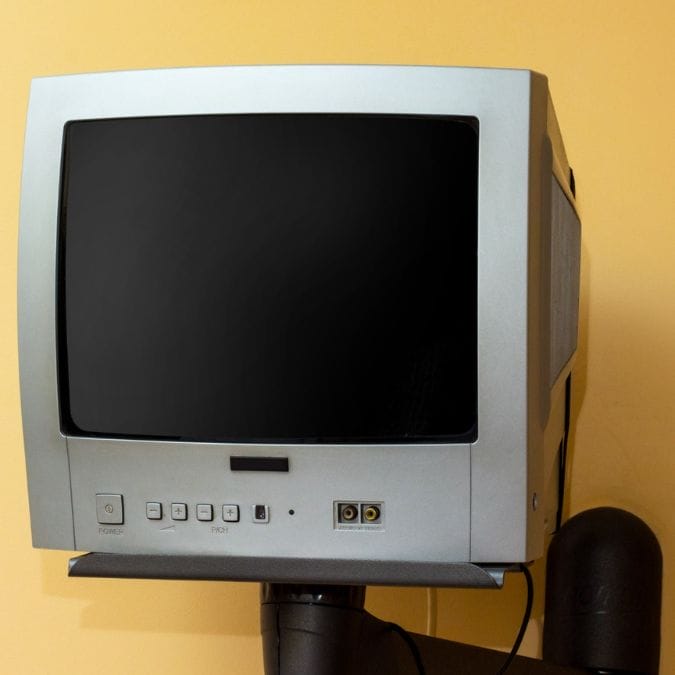
The bulky, box-shaped CRT TVs were once a living room staple. Their heavy, unwieldy frames and deep backs were a far cry from today’s sleek, wall-mounted flat screens. 

Gen Alpha kids familiar with 4K and smart TV technologies might view these as dinosaur-age tech, especially considering the space they took up and the lower quality of the image displayed.

5. Disposable Cameras

disposable camera

123rf

In an age where photos are instantly reviewed and shared, the concept of a disposable camera, with its limited number of shots and no delete option, is nearly incomprehensible. 

These cameras required an actual film to be developed, a process taking days. Gen Alpha’s penchant for swift digital feedback makes the disposable camera an amusing historical footnote.

6. PDA Devices

pda

DALL-E

Personal Digital Assistants (PDAs) were once cutting-edge for offering mobile computing capabilities, such as managing contacts, appointments, and notes. 

However, compared to the multifunctionality of modern smartphones, PDAs, with their styluses and clunky interfaces, would seem needlessly complicated and single-purpose to today’s tech-savvy youth.

7. VHS Tapes and VCRs

vhs tapes and vcr

123rf


Video Home System (VHS) tapes and their players, VCRs, are likely to elicit bewilderment from children who stream everything these days. 

The idea of rewinding and fast-forwarding through tapes, dealing with tape jams, and the lower resolution might be as perplexing to them as the concept of dial-up internet.

8. Wired Internet

ethernet cable

123rf

Today’s generation enjoys wireless connectivity almost universally, from homes to cafes to parks. The concept of a wired internet connection, with Ethernet cables stretching across rooms, would be an odd limitation. After all, Gen Alpha likely equates internet access with air—ever-present and invisible.

9. Early GPS Units

gps unit

123rf

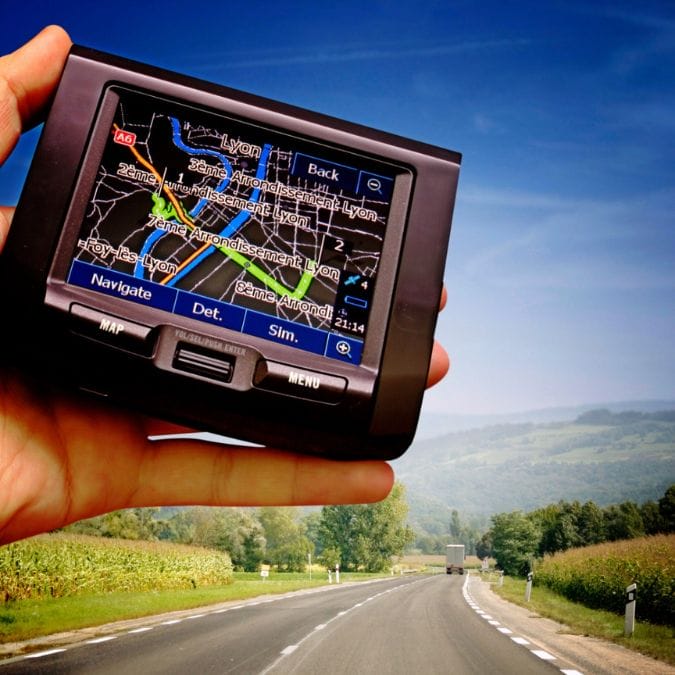
While navigation is second nature today, often integrated into every smartphone or vehicle, early GPS units were standalone devices that required manual updates. Sometimes, they even led drivers astray with outdated maps. 

The inefficiency and bulk of these units might appear to Gen Alpha as navigating by the stars once did to early explorers.

10. Fax Machines

fax machine

123rf

In an era of email, instant messaging, and cloud-based file sharing, the fax machine—a device that transmits scans of paper documents via telephone lines—sounds like a communication tool from the ancient world. 

The slow transmission speeds, noisy operation, and physical paper trail are curiosities in today’s digital-first environment.

Oldies but Goodies

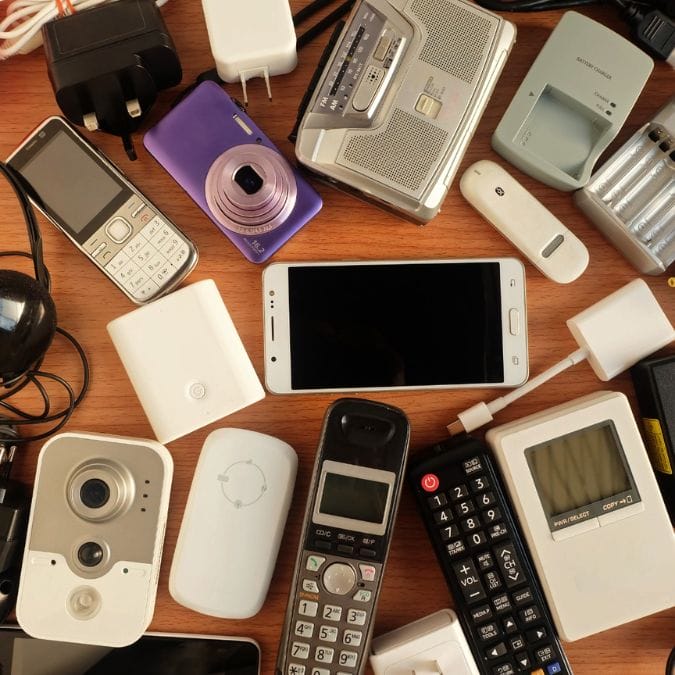
old school gadgets

123rf

These gadgets from the 2000s, revolutionary in their time, now serve as a testament to the rapid evolution of technology. They remind us that today’s cutting-edge devices might one day be the artifacts future generations marvel at or giggle over as relics from a simpler, slower-tech era.

Read More

14 Millennial Phrases That Are Becoming More Annoying Than Trendy

How Surveillance Technology Is Changing The Face Of Finance

Vanessa Bermudez
Vanessa Bermudez
Vanessa Bermudez is a content writer with over eight years of experience crafting compelling content across a diverse range of niches. Throughout her career, she has tackled an array of subjects, from technology and finance to entertainment and lifestyle. In her spare time, she enjoys spending time with her husband and two kids. She’s also a proud fur mom to four gentle giant dogs.

Filed Under: Technology Tagged With: gadgets, gen alpha, millenials, technology

12 Times When It’s Better To Use Credit Instead of Debit

May 2, 2024 by Vanessa Bermudez Leave a Comment

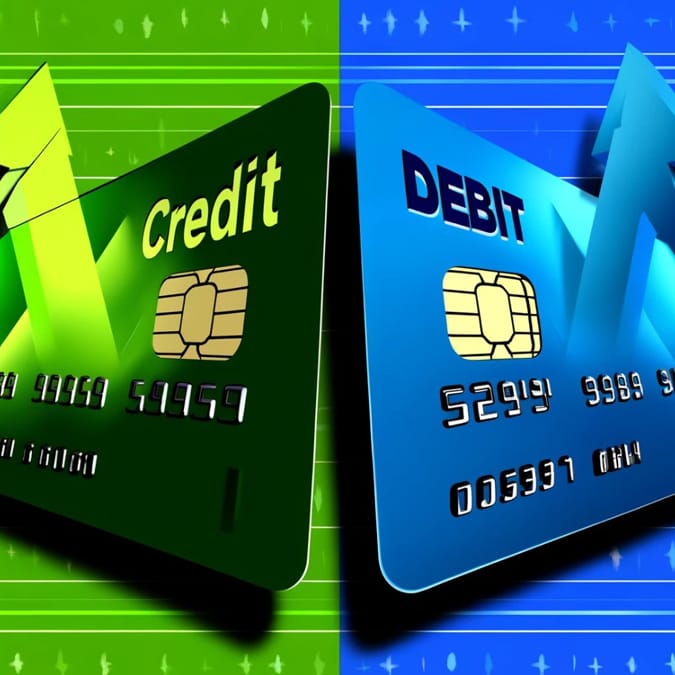
credit vs debit

DALL-E

In today’s fast-paced financial landscape, navigating the choice between credit and debit cards can be more than just a transactional decision—it can be a strategic one. 

Each swipe, chip insertion, or online checkout carries potential impacts on your financial health, security, and even your lifestyle perks. While debit cards draw directly from your bank account, offering a straightforward reflection of your spending, credit cards open the door to a myriad of benefits often overlooked in daily finance management. 

Here are 12 scenarios where opting for credit over debit might be your best move.

1. Building Your Credit Score

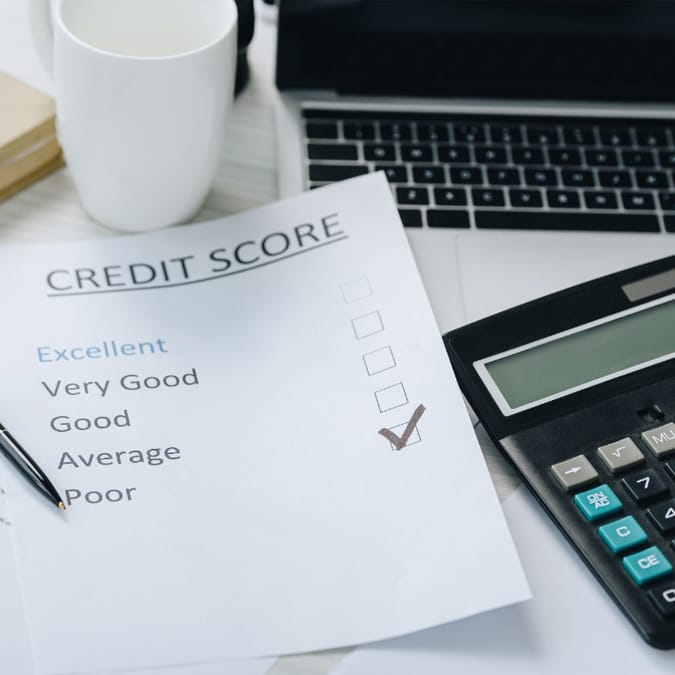
credit score

123rf

Using a credit card responsibly is one of the most effective ways to build your credit score. Unlike debit cards, credit cards can help you establish a credit history, demonstrating to lenders that you can manage debt effectively. Regular purchases with prompt payments can significantly enhance your creditworthiness.

2. Shopping Online

credit card for online shopping

123rf

Credit cards offer superior fraud protection compared to debit cards, which is especially important when shopping online. Usually, online merchants have credit card processing systems in place which protects credit card transactions even in industries such as firearms. If fraudulent charges appear, credit cards provide more robust dispute rights that can keep your actual funds safely in your bank account, not tied up during a fraud investigation.

3. Large Purchases

credit card purchase warranty

123rf

Credit cards often come with benefits such as extended warranties, purchase protection, and return guarantees. When buying high-value items like electronics or appliances, using a credit card can provide additional assurances that aren’t typically available with debit cards.

4. Traveling Abroad

credit card for travelling

123rf

For international travelers, credit cards are indispensable. They not only reduce the need to carry large amounts of cash but also offer better exchange rates and travel-specific perks such as luggage insurance, trip cancellation insurance, and emergency assistance, which debit cards seldom provide.

5. Renting Cars or Booking Hotels

credit card and house keys

123rf

Many car rental companies and hotels prefer credit cards over debit cards for holds and deposits. Using a credit card can avoid the immediate financial pinch of a hefty deposit, as these funds won’t be directly withdrawn from your checking account.

6. Dining Out

dine in using credit card

123rf

When you dine out, using a credit card can be a smarter choice due to the potential for fraud. Restaurants are one of the places where your card is taken out of sight to process payment, and you would want fraud protection that doesn’t immediately impact your bank account balance.

7. Monthly Subscriptions

credit card for monthly subscriptions

123rf

Credit cards offer a way to track spending easily and efficiently for recurring payments like subscriptions or membership fees. Also, should you decide to cancel, credit cards provide a more straightforward dispute process if the merchant continues charging you.

8. During a Financial Pinch

wallet with credit cards

123rf

If you’re facing a temporary financial shortfall, using a credit card can provide a short-term solution without the risk of overdrawing your bank account. This should be managed carefully, however, to avoid high-interest debt.

9. Maximizing Rewards and Cashback

credit card rewards

123rf

Many credit cards offer rewards, points, or cashback on purchases, which debit cards do not. If you pay off your balance each month, using a credit card for everyday purchases can actually earn you money or other benefits.

10. When You Need a Cash Advance

credit card and cash

123rf

Although cash advances on credit cards come with fees and higher interest rates, they can still be a better alternative during emergencies compared to the potential overdraft fees on a debit card.

11. Paying Taxes

tax form

123rf

Some might choose to pay taxes with a credit card to earn rewards or to manage cash flow better. The fees associated with credit card payments can often be offset by the benefits of rewards earned or the convenience of delayed payment.

12. Investing in Security

security lock on credit card

123rf

Given the superior fraud protection features of credit cards, using them can be a form of investing in your financial security. The layers of security provided can shield you from the direct financial repercussions of fraud.

Credit vs. Debit: Which is the Wise Choice?

credit cards

123rf

By understanding and leveraging the strategic benefits of credit cards in these scenarios, you can not only manage your finances more effectively but also take advantage of numerous protections and rewards not offered by debit cards. 

Knowing when to use credit instead of debit can significantly enhance your financial strategy, whether for security, convenience, or financial optimization.

Read More

Freedom Debt Relief- How to Negotiate Debt with Your Credit Card Company

Debit or Credit: What Works For You?

Vanessa Bermudez
Vanessa Bermudez
Vanessa Bermudez is a content writer with over eight years of experience crafting compelling content across a diverse range of niches. Throughout her career, she has tackled an array of subjects, from technology and finance to entertainment and lifestyle. In her spare time, she enjoys spending time with her husband and two kids. She’s also a proud fur mom to four gentle giant dogs.

Filed Under: money management Tagged With: credit, credit card, debit, Debit card, Debt

The Financial Black Sheep: 15 Traits That Set You Apart From The Rest Of Your Family

May 2, 2024 by Vanessa Bermudez Leave a Comment

financial black sheep

DALL-E

Every family often has a dynamic where financial habits and attitudes toward money are passed down from generation to generation. However, some individuals break away from these patterns, standing out as the “financial black sheep” of the family. 

These individuals exhibit distinct traits that set them apart from their relatives in the realm of personal finance. Here are 15 traits that can mark you as the financial black sheep of your family:

1. Embracing Financial Independence

financial freedom

123rf

While your family may rely on traditional sources of income or support systems, you’ve taken the path of financial independence. You prioritize building wealth and do not rely on others for financial stability.

2. Risk-Taking Mindset

a risk-taker

123rf

Unlike risk-averse family members, you embrace calculated risks in your financial ventures. Whether investing in stocks or starting a business, you understand that taking risks can lead to substantial rewards.

3. Entrepreneurial Spirit

entrepreneurial spirit

123rf

While some in your family may favor conventional career paths, you possess an entrepreneurial spirit. You’re not afraid to pursue unconventional opportunities and create your own path to success.

4. Wise Investor

savvy investor

123rf

You’ve cultivated a deep understanding of investing and actively manage your investment portfolio. While others may shy away from the complexities of the stock market, you see it as an opportunity for wealth growth.

5. Financial Literacy Advocate

financial literacy

123rf

You recognize the importance of financial education and advocate for it within your family. You strive to empower others with the knowledge and skills to make sound financial decisions.

6. Frugal by Choice

frugal

123rf

While your family may indulge in lavish spending, you value frugality and mindful spending. You understand the value of money and prioritize saving and investing for the future.

7. Debt-Free Lifestyle

debt-free lifestyle

123rf

Debt may be typical among your family members, but you’ve made a conscious effort to live a debt-free lifestyle. You prioritize paying off what you owe and avoid unnecessary borrowing.

8. Long-Term Financial Planning

financial planning

123rf

While some may live for the moment, you take a proactive approach to long-term financial planning. You set clear financial goals and work diligently towards achieving them, whether it’s saving for retirement or purchasing a home.

9. Diversified Income Streams

diverse income streams

123rf

Instead of relying solely on a single source of income, you’ve diversified your income streams. Regardless of whether it’s through side hustles, investments, or passive money streams, you understand the importance of multiple revenue sources.

10. Generous Philanthropist

handing out money

123rf

Some may hoard their wealth, but you believe in giving back to your community and making a positive impact. You actively donate to charitable causes and use your financial resources to help those in need.

11. Tech-Savvy Financial Management

tech savvy

123rf

You leverage technology to manage your finances efficiently. Whether using budgeting apps, robo-advisors, or online banking platforms, you embrace innovative tools to streamline your financial management process.

12. Continuous Learning

handing out money

123rf

You recognize that the world of finance is constantly evolving, so make an effort to stay informed about the latest trends and developments. You actively seek out opportunities for learning and self-improvement in the world of personal finance.

13. Focus on Financial Wellness

a woman holding a piggy back and calculator

123rf

Beyond just wealth accumulation, you prioritize overall financial wellness. You understand the importance of balancing financial stability with mental and physical well-being, striving for a holistic approach to prosperity.

14. Resilience in Financial Setbacks

resilient businesswoman

123rf

Despite facing financial setbacks or challenges, you remain resilient and adaptable. You view obstacles as opportunities for growth and learn valuable lessons from adversity.

15. Visionary Financial Goals

money and target

123rf

You have ambitious financial goals that extend beyond mere monetary wealth. Whether achieving financial freedom, leaving a legacy for future generations, or significantly impacting the world, you have a clear vision for your financial future.

Is Being a Financial Black Sheep Good or Bad?

black sheep and money

DALL-E

Being the financial black sheep of your family isn’t about rebelling against established norms. Instead, it’s embracing a mindset of empowerment, education, and innovation in personal finance. By embodying these traits, you pave the way for your own financial success and inspire others to follow suit.

Read More

How To Get Your Freelancing Finances In Order

Decoding the Differences: Understanding Financial Freedom vs Financial Independence

Vanessa Bermudez
Vanessa Bermudez
Vanessa Bermudez is a content writer with over eight years of experience crafting compelling content across a diverse range of niches. Throughout her career, she has tackled an array of subjects, from technology and finance to entertainment and lifestyle. In her spare time, she enjoys spending time with her husband and two kids. She’s also a proud fur mom to four gentle giant dogs.

Filed Under: money management, Personal Finance, saving money Tagged With: finance, financial advice, financial black sheep

Hidden Hazards: Exploring the Dark Side of Popular Careers

May 1, 2024 by Vanessa Bermudez Leave a Comment

Burnout Employee

123rf

In today’s fast-paced world, certain careers glitter with promise and allure, attracting droves of aspirants eager to bask in their perceived glory. However, beneath the surface lies a shadowy underworld overflowing with hidden hazards that can trap the unsuspecting. 

In this article, we delve into the darker aspects of some of the most popular career paths, shedding light on the perils that often lurk behind the glamour.

Tech: Burnout and Ethical Dilemmas

Busy Tech Worker

123rf

The tech industry, renowned for its innovation and boundless opportunities, is not immune to its share of hidden hazards. High-pressure work environments and relentless deadlines can lead to burnout, taking a toll on mental and physical well-being. 

Moreover, ethical dilemmas abound, as tech professionals grapple with the implications of their creations on privacy, democracy, and societal well-being. From addictive algorithms to invasive surveillance, the appeal of tech comes with a hefty moral price tag.

Finance: Stress and Moral Dilemmas

Finance Worker

123rf

Finance, synonymous with wealth and prestige, conceals its own set of pitfalls beneath the surface sheen. The relentless pursuit of profit often breeds a culture of cutthroat competition, where stress levels soar and work-life balance becomes a distant dream. 

Additionally, moral quandaries abound as financial professionals navigate murky waters of insider trading, corporate greed, and ethical compromises. Behind the opulent facades of skyscrapers, lies a world where moral compasses are frequently tested and integrity hangs in the balance.

Entertainment: Exploitation and Mental Health Struggles

Celebrity Paparazzi

123rf

Entertainment, with its temptation of fame and fortune, harbors a darker side that often remains hidden from the spotlight. Exploitation runs rampant, as aspiring artists and performers are enticed by promises of exposure, only to find themselves trapped in exploitative contracts and abusive power dynamics. 

Furthermore, the relentless scrutiny of the public eye takes a toll on mental health, fueling anxiety, depression, and substance abuse. Beneath the fancy red carpets and flashing cameras lies a harsh reality where dreams can swiftly morph into nightmares.

Healthcare: The Silent Battle of Healthcare Workers

Tired Nurse

123rf

Healthcare, esteemed for its noble mission of healing and compassion, carries its own set of concealed hazards for those who dedicate their lives to its service. The relentless demands of patient care, coupled with long hours and understaffing, often result in burnout and emotional exhaustion among healthcare professionals. 

Moreover, the constant exposure to suffering and trauma can lead to compassion fatigue, eroding empathy and resilience over time. Behind the sterile walls of hospitals and clinics lies a world where caregivers themselves are in dire need of care.

Business: Financial Instability and Mental Strain

Young Businessman Taking a Risk

123rf

Entrepreneurship, glorified for its promise of autonomy and limitless potential, harbors its own share of hidden perils beneath the facade of innovation and success. Financial instability looms large, as fledgling ventures navigate the turbulent waters of market fluctuations and funding uncertainties. 

Moreover, the relentless pressure to succeed can take a heavy toll on mental health, fueling anxiety, self-doubt, and burnout. Behind the veneer of flashy startups and overnight success stories lies a reality where the path to prosperity is fraught with uncertainty and sacrifice.

Investment Banking: The High-Pressure Industry

Journalism

123rf

Investment banking is renowned for its fast-paced environment, long hours, and intense competition. The pressure to meet deadlines, close deals, and outperform peers can take a significant toll on mental and physical health.

Additionally, the culture of “work hard, play hard” can contribute to unhealthy habits such as excessive drinking and substance abuse. Job seekers considering a career in investment banking must be prepared for the demanding nature of the job and take steps to prioritize their well-being.

Journalism: Navigating Bias and Sensationalism

Journalism

123rf

Journalists play a crucial role in shaping public discourse and holding power to account. However, the media landscape is rife with challenges such as bias, sensationalism, and pressure to generate clicks and views. 


Journalists may find themselves compromising their integrity in pursuit of ratings and revenue, leading to skewed narratives and misinformation. It’s essential for journalists to uphold ethical standards and strive for impartiality in their reporting to maintain public trust and credibility.

Hospitality: Dealing with Stress and Customer Demands

Disappointed Server

123rf

The hospitality industry is known for its fast-paced and demanding nature, with workers often facing long hours, high stress, and demanding customers. 

Whether it’s managing guest complaints, working irregular hours, or dealing with tight deadlines, hospitality professionals must navigate a variety of challenges in their day-to-day work. 

The pressure to provide exceptional service while maintaining a positive attitude can take a toll on one’s well-being. Hospitality workers must prioritize self-care and set boundaries to prevent burnout and maintain their passion for customer service.

Education: Balancing Classroom Management and Students Needs

Tired Teacher

123rf

Teaching is a rewarding yet challenging profession that requires balancing the needs of students with the demands of curriculum and classroom management. Teachers often face overcrowded classrooms, limited resources, and pressure to meet standardized testing goals, all of which can contribute to stress and exhaustion. 

Also, teachers may encounter difficult students or challenging behaviors that require patience and empathy to address effectively.

Retail: Dealing with Customer Service Pressures and Job Insecurity

Lady Checking Shoes

123rf

Working in retail can be physically demanding and emotionally draining, with employees often facing long hours, low pay, and demanding customers. The pressure to meet sales targets and provide excellent customer service can create a high-stress environment for retail workers. 

Further, retail employees may face job insecurity due to automation and the rise of online shopping, leading to uncertainty about their future employment prospects. 

Navigating Hidden Hazards in Today’s Job Market

Job Seekers

123rf

While these careers may offer enticing opportunities, job seekers need to be aware of the hidden hazards that may accompany them. Whether it’s the mental toll of high-pressure environments, ethical dilemmas in corporate settings, or physical risks in hazardous occupations, understanding these challenges is the first step toward effectively navigating them.

By prioritizing self-care, upholding ethical principles, and advocating for safer workplaces, individuals can empower themselves to thrive in their careers while mitigating the risks that come with them.

After all, true success is not just about reaching the pinnacle, but also about weathering the storms along the way.

Read More

Why Stress Relief and Work-life Balance Is Critical for Career Success

5 Details to Pay Attention to Regarding Your Job

Vanessa Bermudez
Vanessa Bermudez
Vanessa Bermudez is a content writer with over eight years of experience crafting compelling content across a diverse range of niches. Throughout her career, she has tackled an array of subjects, from technology and finance to entertainment and lifestyle. In her spare time, she enjoys spending time with her husband and two kids. She’s also a proud fur mom to four gentle giant dogs.

Filed Under: Career Tagged With: careers, careers hazard, popular careers, stress

Stay Young Forever? 14 Non-Exercise Tips That Actually Work

May 1, 2024 by Vanessa Bermudez Leave a Comment

girl stands on a mountain and looks at the sunset

123rf

In a society obsessed with youthfulness and vitality, the quest to stay young forever is a common aspiration. While exercise is often touted as a key component of anti-aging strategies, numerous non-exercise tips can also contribute to maintaining a youthful appearance and vibrant health. 

In this article, we’ll explore 14 non-exercise tips that actually work, helping you defy the effects of aging and feel your best at any age.

1. Prioritize Sleep for Rest and Regeneration

woman in bed waking up

123rf

Quality sleep is essential for overall health and well-being, including maintaining a youthful appearance. During sleep, the body undergoes important processes of repair and regeneration. This includes the production of growth hormone, which helps keep skin firm and elastic. 

Aim for 7-9 hours of quality sleep each night, and establish a consistent sleep schedule to optimize the benefits of restorative rest.

2. Hydrate Your Skin Inside and Out

a person drinking water

123rf

Proper hydration is crucial for achieving youthful, radiant skin. Drink plenty of water throughout the day to keep your skin hydrated from the inside out. Consider using a moisturizer with hydrating ingredients like hyaluronic acid to lock in moisture.

Additionally, incorporating foods high in water content, such as fruits and vegetables, into your diet can further support skin hydration and all-around health.

3. Protect Your Skin from Sun Damage

woman wearing sunglasses

123rf

Excessive sun exposure is a major contributor to premature aging, causing wrinkles, age spots, and loss of skin elasticity. Protect your skin by wearing sunscreen with broad-spectrum protection every day and seeking shade during peak sun hours.

Plus, wearing protective clothing like hats and sunglasses can further shield your skin from harmful UV rays.

4. Healthy Diet Rich in Antioxidants

healthy diet

123rf

Eating a balanced diet rich in antioxidants can help protect your body from the damaging effects of free radicals, which contribute to aging and disease. Add fruits and vegetables, whole grains, lean proteins, and healthy fats into your meals to provide essential nutrients and support good health.

Foods high in antioxidants, such as berries, leafy greens, and nuts, can also help combat inflammation and oxidative stress, promoting youthful vitality.

5. Learn Stress Management Techniques

yoga exercise

123rf

Chronic stress can accelerate the aging process and contribute to a variety of health issues, including inflammation, hormonal imbalances, and impaired immune function. Do stress management techniques such as meditation, deep breathing exercises, yoga, or tai chi to promote relaxation and reduce stress levels.

Prioritizing self-care activities and finding healthy ways to cope with stress can help you keep a youthful mindset and vibrant energy.

6. Cultivate Meaningful Relationships and Social Connections

a group of friends

123rf

Strong social connections and meaningful relationships are essential for overall well-being and can profoundly impact aging. Engage in regular social activities, spend time with loved ones, and cultivate friendships that bring joy and fulfillment to your life.

Research suggests that maintaining social connections can help reduce stress, boost immunity, and even prolong lifespan, highlighting the importance of nurturing relationships for healthy aging.

7. Mindfulness and Mental Fitness Practices

woman watching sunset

123rf

Mindfulness practices, such as meditation and cognitive behavioral therapy, can help improve mental fitness and resilience. By cultivating awareness of your thoughts, emotions, and sensations, you can develop greater emotional intelligence and adaptive coping skills to navigate life’s challenges.

Regular practice of these techniques can also enhance brain function, improve mood, and reduce symptoms of anxiety and depression, contributing to a more youthful outlook on life.

8. Prioritize Brain Health with Mental Stimulation

crossword puzzle

123rf

Just as physical exercise is important for maintaining physical health, mental stimulation is crucial for preserving cognitive function and brain health as you age. Engage in activities that challenge your brain, such as puzzles, crosswords, learning a new language, or playing musical instruments.

Continuous mental stimulation can help build cognitive reserve, reduce the risk of cognitive decline, and promote lifelong learning and growth.

9. Get Regular Health Screenings and Check-ups

regular checkup

123rf

Regular health screenings and check-ups are essential for early detection and prevention of age-related health issues. Schedule routine appointments with your healthcare provider to monitor key health indicators, such as blood pressure, cholesterol, and blood sugar levels. 

Additionally, discuss any concerns or symptoms you may have with your doctor to address them proactively and avoid health complications.

10. Maintain Good Posture and Mobility

good posture sitting down

123rf

Poor posture and limited mobility can contribute to muscle imbalances, joint stiffness, and increased risk of falls as you age. Observe good posture habits, such as sitting and standing tall with shoulders back and chin up, to maintain proper spinal alignment and reduce strain on your muscles and joints.

Incorporate regular stretching and mobility exercises into your daily routine to improve flexibility, range of motion, and balance, helping you stay active and independent as you age.

11. Limit Alcohol Consumption and Avoid Smoking

drinking alcohol

123rf

Excessive alcohol consumption and smoking are two major lifestyle factors that can accelerate the aging process and contribute to a variety of health issues. Limit alcohol intake to moderate levels to reduce the risk of liver damage, heart disease, and premature aging.

Avoid smoking and exposure to secondhand smoke, as smoking is a major contributor to wrinkles, dull skin, and other signs of premature aging.

12. Practice Gratitude and Positive Thinking

think positive

123rf

Developing a mindset of gratitude and positive thinking can profoundly affect your health and well-being. Take time each day to reflect on the things you’re grateful for and express appreciation for the blessings in your life.

Positive affirmations and gratitude practices can help shift your focus from negativity to abundance, fostering a more optimistic outlook and enhancing your overall quality of life.

13. Have a Sense of Purpose and Meaning

volunteer work

123rf

Having a sense of purpose and meaning in life is essential for overall well-being and can contribute to a longer, healthier life. Engage in activities that bring joy and fulfillment, whether it’s pursuing hobbies, volunteering, or contributing to causes you’re passionate about. 

Cultivate a sense of purpose by setting meaningful goals, nurturing your talents and interests, and finding ways to make a positive impact on the world around you.

14. Embrace Change and Adaptability

embrace change

123rf

As you age, embracing change and adaptability is important to navigate life’s transitions with ease. Welcome new experiences, challenges, and opportunities for growth, and approach change with an open mind and a willingness to learn.

Adaptability can help you thrive in the face of adversity, maintain a sense of curiosity, and continue to grow throughout your life.

Aging Gracefully with These Non-Exercise Tips

father and daughter enjoy sunset

123rf

In essence, embracing non-exercise activities alongside a healthy lifestyle can contribute significantly to aging gracefully. By nurturing physical health, mental agility, and social connections, individuals can lead fulfilling and vibrant lives as they grow older.

Read More

9 Reasons Baby Boomers Are Healthier Than Other Generations

Not Just For Kids: 10 Reasons Even Baby Boomers Should Play Outside

Vanessa Bermudez
Vanessa Bermudez
Vanessa Bermudez is a content writer with over eight years of experience crafting compelling content across a diverse range of niches. Throughout her career, she has tackled an array of subjects, from technology and finance to entertainment and lifestyle. In her spare time, she enjoys spending time with her husband and two kids. She’s also a proud fur mom to four gentle giant dogs.

Filed Under: Mental Health, Misc. Tagged With: exercise, Fitness, health

  • « Previous Page
  • 1
  • …
  • 5
  • 6
  • 7

FOLLOW US

Search this site:

Recent Posts

  • Can My Savings Account Affect My Financial Aid? by Tamila McDonald
  • 12 Ways Gen X’s Views Clash with Millennials… by Tamila McDonald
  • What Advantages and Disadvantages Are There To… by Jacob Sensiba
  • 10 Tactics for Building an Emergency Fund from Scratch by Vanessa Bermudez
  • Call 911: Go To the Emergency Room Immediately If… by Stephen Kanaval
  • 7 Weird Things You Can Sell Online by Tamila McDonald
  • 10 Scary Facts About DriveTime by Tamila McDonald

Copyright © 2026 · News Pro Theme on Genesis Framework