• Home
  • About Us
  • Toolkit
  • Getting Finances Done
    • Hiring Advisors
    • Debt Management
    • Spending Plan
  • Insurance
    • Life Insurance
    • Health Insurance
    • Disability Insurance
    • Homeowners/Renters Insurance
  • Contact Us
  • Privacy Policy
  • Risk Tolerance Quiz

The Free Financial Advisor

You are here: Home / Archives for exercise

Why Some Trainers Push Workouts That Hurt You On Purpose

May 29, 2025 by Travis Campbell Leave a Comment

hard workout

Image Source: pexels.com

You’re not alone if you’ve ever left a workout session feeling more battered than better. Many people have experienced trainers who seem to push them past their limits, sometimes to the point of pain. It’s easy to wonder: Is this just part of getting fit, or is something else going on? Understanding why some trainers push workouts that hurt you on purpose is crucial for anyone looking to get healthier without risking injury or burnout. Whether you’re new to fitness or a seasoned gym-goer, knowing the motivations behind these tough-love tactics can help you make smarter choices for your body and your wallet. Let’s explain the reasons behind this controversial approach and what you can do to protect yourself.

1. The “No Pain, No Gain” Mentality

The phrase “no pain, no gain” has existed for decades, and some trainers take it to heart. They believe pushing clients to their physical limits is the only way to see real results. This mindset can lead to intentionally grueling workouts, with the idea that discomfort equals progress. While challenging yourself is essential, pain is not always a sign of growth. Pain can be a warning that you’re overdoing it or risking injury. The best trainers know the difference between healthy challenge and harmful strain, but unfortunately, not all do. If your trainer insists that pain is necessary in every session, it might be time to question their approach.

2. Chasing Quick Results for Client Satisfaction

Some trainers feel pressured to deliver fast, visible results to keep clients happy and returning. This can lead them to design overly intense workouts, hoping to produce rapid changes in appearance or performance. While you might see short-term gains, this approach can backfire. Overly aggressive workouts increase the risk of injury and can lead to burnout, making it harder to stick with your fitness routine in the long run. Sustainable progress is built on consistency and gradual improvement, not on pushing your body to the brink every time you hit the gym.

3. Lack of Proper Education or Certification

Not all trainers have the same level of education or certification. Some may lack a solid understanding of exercise science, anatomy, or injury prevention. As a result, they might rely on outdated or unsafe training methods, believing that harder is always better. This can lead to workouts that hurt you on purpose, simply because the trainer doesn’t know any better. Before hiring a trainer, ask about their credentials and seek certifications from reputable organizations. A knowledgeable trainer will prioritize your safety and long-term health over short-term intensity.

4. Copying Trends Without Personalization

Fitness trends come and go, and some trainers jump on the latest bandwagon without considering whether it’s right for you. High-intensity interval training (HIIT), boot camps, and extreme challenges can be practical for some people, but they’re not suitable for everyone. Trainers who push these workouts on every client, regardless of fitness level or goals, may do more harm than good. Personalized training plans are key to safe and effective progress. If your workouts feel like a one-size-fits-all approach, it’s worth conversing about your individual needs.

5. Misunderstanding the Difference Between Discomfort and Pain

There’s a big difference between the discomfort of a challenging workout and the pain that signals something is wrong. Some trainers, however, don’t make this distinction clear. They might encourage you to “push through the pain,” not realizing that you could be risking injury. Learning to listen to your body is essential. Soreness and fatigue are normal, but sharp or persistent pain is not. A good trainer will help you recognize the difference and adjust your workouts accordingly.

6. Building a Tough Reputation

Some trainers pride themselves on being the toughest in the gym. They believe that by pushing clients to their limits, they’ll earn a reputation for delivering results. While this approach might attract certain clients, it can also lead to unnecessary injuries and discourage people from sticking with their fitness journey. Remember, the best trainers are those who help you progress safely and sustainably, not those who leave you limping out the door.

7. Ignoring Individual Differences

Everybody is different. Age, fitness level, medical history, and personal goals all play a role in determining what kind of workout is right for you. Trainers who ignore these differences and push everyone through the same punishing routines are setting clients up for failure—or worse, injury. A personalized approach is always best. If your trainer isn’t considering your unique needs, it’s time to speak up or seek out someone who will.

Rethinking the “No Pain, No Gain” Approach

Workouts that hurt you on purpose are rarely the answer. The “no pain, no gain” mentality can do more harm than good, both physically and mentally. The best trainers understand that progress comes from consistency, smart programming, and listening to your body, not from pushing through pain at all costs. If you’re dreading workouts or dealing with frequent injuries, it’s worth reevaluating your approach and finding a trainer who values your long-term health.

Have you ever had a trainer push you too hard? Share your story or tips in the comments below!

Read More

12 Private Clubs Only the Wealthy Can Afford

Fitness Fads: 12 Reasons Everyone is Talking About Mewing

Travis Campbell
Travis Campbell

Travis Campbell is a digital marketer/developer with over 10 years of experience and a writer for over 6 years. He holds a degree in E-commerce and likes to share life advice he’s learned over the years. Travis loves spending time on the golf course or at the gym when he’s not working.

Filed Under: Health & Wellness Tagged With: exercise, Fitness, gym advice, health, injury prevention, personal training, workout safety

10 Things You Don’t Realize You’re Doing Wrong in the Gym

May 26, 2025 by Travis Campbell Leave a Comment

man in gym

Image Source: pexels.com

If you’re like most people, you walk into the gym with the best intentions—maybe you want to get stronger, lose weight, or just feel better. But what if some of your well-meaning habits are actually holding you back? Even seasoned gym-goers make mistakes that can stall progress, cause injuries, or simply waste time. Whether you’re a fitness newbie or a regular, understanding what you might be doing wrong in the gym can make all the difference in reaching your goals. Let’s break down the ten most common gym mistakes and how to fix them, so you can maximize every workout and see real results.

1. Skipping the Warm-Up

It’s tempting to jump right into your workout, especially when you’re short on time. But skipping your warm-up is one of the most common gym mistakes. Warming up increases blood flow, loosens your muscles, and preps your body for more intense activity. Without it, you’re more likely to get injured or feel sluggish during your session. Even five minutes of dynamic stretching or light cardio can make a big difference. According to the American Heart Association, warming up helps prevent injuries and improves performance.

2. Using Poor Form

You might be lifting heavy, but if your form is off, you’re not getting the full benefit and risking injury. Poor form can sneak in when you’re tired, distracted, or trying to lift more than you can handle. Focus on quality over quantity. Ask a trainer for help or watch reputable instructional videos if you’re unsure about your technique. Good form ensures you’re working the right muscles and staying safe.

3. Lifting Too Heavy, Too Soon

Getting caught up in the numbers is easy, but lifting weights that are too heavy for your current strength level is a recipe for disaster. Not only does it compromise your form, but it also increases your risk of strains and sprains. Start with manageable weights and gradually increase the load as you get stronger. Remember, progress is about consistency, not ego.

4. Neglecting the “Mind-Muscle Connection”

Many people rush through their reps without really focusing on the muscles they’re working. The “mind-muscle connection” means being intentional with each movement, which can lead to better muscle activation and growth. Slow down, concentrate on the muscle you’re targeting, and you’ll see better results from your gym time.

5. Doing the Same Routine Every Time

Your body adapts quickly to repetitive workouts. You’ll eventually hit a plateau if you’re always doing the same exercises, sets, and reps. Mix things up by changing your routine every few weeks—try new exercises, adjust your rep ranges, or switch up the order of your workout. Variety keeps your muscles guessing and your motivation high.

6. Ignoring Recovery and Rest Days

Rest is just as important as your workouts. Overtraining can lead to fatigue, decreased performance, and even injury. Make sure you’re giving your body time to recover with at least one or two rest days per week. Incorporate active recovery like walking or yoga to keep your body moving without overdoing it. The Mayo Clinic emphasizes that rest days are crucial for muscle repair and growth.

7. Not Fueling Properly Before and After Workouts

What you eat before and after your workout can greatly impact your performance and recovery. Skipping meals or eating the wrong foods can leave you feeling weak or sluggish. Aim for a balanced meal with protein and carbs about 1-2 hours before your workout, and refuel with a similar meal or snack afterward to help your muscles recover and grow.

8. Forgetting to Hydrate

Dehydration can sneak up on you, especially during intense workouts. Not drinking enough water can lead to fatigue, cramps, and decreased performance. Make it a habit to drink water before, during, and after your gym session. If you’re sweating a lot, consider an electrolyte drink to replenish lost minerals.

9. Relying Too Much on Machines

Machines can be great for beginners or isolating specific muscles, but relying solely on them can limit your progress. Free weights and bodyweight exercises engage more stabilizing muscles and improve functional strength. Try to incorporate a mix of machines, free weights, and bodyweight movements for a well-rounded routine.

10. Comparing Yourself to Others

It’s easy to look around the gym and feel like you’re not measuring up, but everyone is on their own fitness journey. Comparing yourself to others can lead to frustration and even push you to make unsafe choices. Focus on your own progress and celebrate your wins, no matter how small. Remember, consistency is key to long-term success in the gym.

Make Every Gym Session Count

The gym should be a place where you feel empowered, not overwhelmed or discouraged. By avoiding these common mistakes, you’ll set yourself up for safer, more effective workouts and steady progress toward your fitness goals. Remember, it’s not about being perfect—it’s about making small, smart changes that add up over time. Next time you hit the gym, remember these tips and watch your results improve.

What’s your biggest gym mistake, and how did you fix it? Share your story in the comments below!

Read More

12 Private Clubs Only the Wealthy Can Afford

Fitness Fads: 12 Reasons Everyone is Talking About Mewing

Travis Campbell
Travis Campbell

Travis Campbell is a digital marketer/developer with over 10 years of experience and a writer for over 6 years. He holds a degree in E-commerce and likes to share life advice he’s learned over the years. Travis loves spending time on the golf course or at the gym when he’s not working.

Filed Under: Health & Wellness Tagged With: exercise, Fitness, gym advice, gym mistakes, health, healthy habits, strength training, workout tips

6 Times Group Fitness Became Cult-Like and Dangerous

May 25, 2025 by Travis Campbell Leave a Comment

fitness

Image Source: pexels.com

Group fitness is supposed to be fun, motivating, and a great way to stay healthy. But sometimes, the energy in these classes can go from inspiring to downright intense—and not in a good way. When group fitness becomes cult-like, it can lead to dangerous behaviors, both physically and mentally. You’re not alone if you’ve ever felt pressured to push past your limits or noticed a class that seemed more about loyalty than health. Understanding when group fitness crosses the line is crucial for your well-being and financial health, especially when expensive memberships or hidden costs are involved. Let’s explore six real-life examples where group fitness became cult-like and dangerous, and what you can do to protect yourself.

1. The Rise of “No Days Off” Mentality

One of the most common signs that group fitness is veering into cult-like territory is the “no days off” mantra. While consistency is important, some fitness groups take this idea to the extreme, shaming members who miss a class or take a rest day. This relentless pressure can lead to overtraining, injuries, and burnout. According to the American Council on Exercise, overtraining can cause fatigue, decreased performance, and even long-term health issues. Remember, rest is just as important as exercise. If your group fitness class makes you feel guilty for listening to your body, it’s time to reconsider your commitment.

2. Financial Pressure and Hidden Costs

Some group fitness programs operate like exclusive clubs, requiring expensive memberships, branded gear, or even mandatory retreats. The financial pressure can be intense, with members feeling obligated to keep up with the group’s spending habits. This cult-like focus on material participation can quickly drain your bank account and create unnecessary stress. The average American spends over $112,000 on fitness in their lifetime. If your group fitness class is pushing you to spend beyond your means, it’s a red flag. Always prioritize your financial health over fitting in.

3. Idolizing the Instructor

It’s normal to admire a great instructor, but some group fitness environments take this admiration to an unhealthy level. When the instructor becomes the unquestioned leader, members may feel pressured to follow their advice without question, even if it’s unsafe or unrealistic. This dynamic can lead to dangerous practices, such as ignoring injuries or adopting extreme diets. A healthy group fitness class encourages questions and respects individual boundaries. If you notice that dissent is discouraged or the instructor is treated like a guru, it’s time to step back and evaluate the situation.

4. Shaming and Exclusion

Group fitness should be inclusive and supportive, but some classes use shame as a motivator. Whether it’s calling out members for missing sessions, not keeping up, or not following the group’s lifestyle choices, this behavior can be emotionally damaging. The cult-like atmosphere thrives on conformity, making anyone who doesn’t fit the mold feel unwelcome. This can lead to anxiety, low self-esteem, and even disordered eating. If your group fitness class uses shame or exclusion as a tactic, it’s not a healthy environment. Seek out classes that celebrate diversity and support every member’s journey.

5. Extreme Challenges and Unsafe Practices

Some group fitness programs pride themselves on pushing members to their absolute limits, often through extreme challenges or “hardcore” events. While a little friendly competition can be motivating, these challenges can quickly become dangerous. From marathon-length workouts to fasting challenges, the risks can outweigh the rewards. According to the Mayo Clinic, overexercising can lead to serious health problems, including heart issues and immune system suppression. Always listen to your body and avoid any group fitness class that encourages unsafe practices.

6. Social Isolation from “Outsiders”

A hallmark of cult-like group fitness is the idea that the group is superior to “outsiders.” Members may be encouraged to spend all their free time with the group, cutting off relationships with friends and family who don’t participate. This social isolation can be subtle at first, but over time, it can erode your support system and make it harder to leave the group if you want to. Healthy fitness communities support your life outside the gym, not just within it. If you notice your group fitness class discouraging outside relationships, it’s a sign that things have gone too far.

Protecting Your Health and Wallet in Group Fitness

Group fitness can be a fantastic way to stay motivated and make new friends, but it should never come at the cost of your physical, emotional, or financial well-being. If you notice any of these cult-like behaviors—such as the “no days off” mentality, financial pressure, idolizing the instructor, shaming, extreme challenges, or social isolation—it’s important to take a step back. Prioritize your health, set boundaries, and remember that you’re in control of your fitness journey. Plenty of supportive, inclusive group fitness options will help you reach your goals without the drama or danger.

Have you ever experienced a group fitness class that felt a little too intense or cult-like? Share your stories and tips in the comments below!

Read More

10 Fascinating Insights into the World’s Most Mysterious Cults

15 Health Fads Gen Z is Into That Doctors Warn Against

Travis Campbell
Travis Campbell

Travis Campbell is a digital marketer/developer with over 10 years of experience and a writer for over 6 years. He holds a degree in E-commerce and likes to share life advice he’s learned over the years. Travis loves spending time on the golf course or at the gym when he’s not working.

Filed Under: Health & Wellness Tagged With: cult-like fitness, exercise, Financial Wellness, fitness advice, fitness safety, group fitness, health, wellness

5 Workouts That Age Your Body Faster Than Smoking

May 25, 2025 by Travis Campbell Leave a Comment

man working out

Image Source: pexels.com

If you’re like most people, you probably think of exercise as the ultimate anti-aging tool. After all, regular movement is linked to a longer, healthier life. But what if some workouts speed up the aging process, sometimes even more than smoking? It sounds shocking, but certain exercise habits can put so much stress on your body that they accelerate wear and tear, leading to joint pain, chronic inflammation, and even cellular aging. Understanding which workouts to avoid (or at least approach cautiously) can help you protect your health, wallet, and future. Let’s dive into the five workouts that age your body faster than smoking, and what you can do instead to stay fit and youthful.

1. Chronic Long-Distance Running

Long-distance running has die-hard fans, but pounding the pavement for hours can age your body faster than you think. While moderate running is great for cardiovascular health, chronic long-distance running—think marathons or daily 10-mile jogs—can lead to repetitive stress injuries, joint degeneration, and even heart scarring. Studies have shown that excessive endurance exercise can increase inflammation and oxidative stress, both linked to premature aging at the cellular level. According to Harvard Health, overdoing endurance workouts can actually harm your heart over time. If you love running, try mixing in lower-impact activities and give your body plenty of time to recover.

2. High-Intensity Interval Training (HIIT) Without Adequate Rest

HIIT is all the rage for its fat-burning and time-saving benefits, but there’s a dark side if you’re not careful. Pushing yourself through back-to-back HIIT sessions without proper rest can lead to overtraining syndrome, which is notorious for causing hormonal imbalances, chronic fatigue, and even immune system suppression. Over time, this can make you look and feel older than you are. The key is balance: HIIT can be a powerful tool, but your body needs time to repair and rebuild. Experts recommend limiting HIIT to two or three times weekly and always listening to your body’s signals.

3. Heavy Weightlifting With Poor Form

Lifting heavy weights can build muscle and boost metabolism, but if your form is off, you’re setting yourself up for injuries that can age your body fast. Poor technique puts excessive strain on your joints, ligaments, and spine, leading to chronic pain and mobility issues down the road. Over time, these injuries can become as debilitating as the effects of smoking, limiting your ability to stay active and independent. If you’re new to weightlifting or increasing your load, consider working with a certified trainer to ensure your form is spot-on. Remember, quality always trumps quantity when it comes to lifting.

4. Excessive Spin Classes

Spin classes are a fun way to torch calories, but too much time in the saddle can wreak havoc on your hips, knees, and lower back. The repetitive motion and constant pressure on your joints can accelerate cartilage breakdown, leading to early-onset arthritis and chronic pain. Additionally, the hunched posture typical in spin classes can contribute to poor spinal alignment and muscle imbalances. If you love cycling, balance your routine with strength training, stretching, and outdoor rides to reduce repetitive stress. Your joints will thank you in the long run.

5. Bootcamp-Style Workouts With No Recovery

Bootcamp workouts promise fast results with their intense, military-inspired routines. But when you’re constantly pushing your body to the limit without adequate recovery, you’re inviting trouble. Chronic inflammation, muscle breakdown, and even adrenal fatigue can set in, making you feel older and more worn out than you should. Over time, this can lead to a weakened immune system and increased risk of injury—two things that can age you faster than lighting up a cigarette. To get the benefits of bootcamp without the downsides, schedule rest days and listen to your body’s need for downtime.

The Real Secret to Staying Young: Smart, Balanced Movement

The truth is, not all workouts are created equal regarding aging. While exercise is essential for a long, healthy life, the wrong approach can backfire—sometimes even more than smoking. The real secret to staying young isn’t about pushing harder or going longer; it’s about moving smarter. Prioritize variety, listen to your body, and don’t underestimate the power of rest and recovery. By choosing balanced, sustainable workouts, you’ll protect your joints, preserve your energy, and keep your body feeling youthful for years to come.

Have you ever tried a workout that left you feeling older instead of younger? Share your story or tips in the comments below!

Read More

12 Health Fads That Became Useless Over Time

Fitness Fads: 12 Reasons Everyone is Talking About Mewing

Travis Campbell
Travis Campbell

Travis Campbell is a digital marketer/developer with over 10 years of experience and a writer for over 6 years. He holds a degree in E-commerce and likes to share life advice he’s learned over the years. Travis loves spending time on the golf course or at the gym when he’s not working.

Filed Under: Health & Wellness Tagged With: anti-aging, exercise, Fitness, health, healthy living, Longevity, wellness, workouts

9 Ways Exercise Could Be Messing With Your Mental Health

May 21, 2025 by Travis Campbell Leave a Comment

exercise and mental health

Image Source: pexels.com

Staying active is often hailed as a cure-all for stress, anxiety, and even depression. But what if your workout routine is actually making your mental health worse? While exercise and mental health are closely linked, the relationship isn’t always as straightforward as we’d like to believe. Sometimes, the very thing we turn to for relief can backfire, leaving us feeling more anxious, irritable, or even burned out. You’re not alone if you’ve ever wondered why you don’t always feel better after a sweat session. Let’s explore nine ways exercise could be messing with your mental health—and what you can do about it.

1. Overtraining and Burnout

It’s easy to think that more is always better when it comes to exercise and mental health, but pushing yourself too hard can have the opposite effect. Overtraining can lead to physical exhaustion, irritability, and even symptoms of depression. When your body doesn’t have enough time to recover, your mind suffers too. If you’re feeling constantly tired, moody, or unmotivated, it might be time to scale back and prioritize rest days. Remember, rest is just as important as movement for a healthy mind.

2. Exercise Addiction

For some, the endorphin rush from working out can become addictive. While regular activity is great for exercise and mental health, obsessively chasing that “high” can lead to unhealthy patterns. Exercise addiction can cause anxiety, guilt, and even social withdrawal if you miss a workout. If you plan your entire day around exercise or feel panicked when you can’t fit it in, it may be time to reassess your relationship with fitness. Moderation is key, and seeking support from a mental health professional can help you find balance.

3. Comparing Yourself to Others

Social media is filled with fitness influencers flaunting their routines and results. While this can be motivating, it can also trigger feelings of inadequacy and self-doubt. Constantly comparing your progress, body, or abilities to others can erode your self-esteem and negatively impact your mental health. Instead, focus on your own journey and celebrate small victories. Everyone’s path with exercise and mental health is unique, and someone else’s highlight reel doesn’t define your worth.

4. Ignoring Mental Health Red Flags

Sometimes, we use exercise as a way to avoid dealing with deeper emotional issues. While a good workout can temporarily boost your mood, it shouldn’t be your only coping mechanism. Ignoring signs of anxiety, depression, or chronic stress by masking them with exercise can delay getting the help you need. If you notice persistent sadness, irritability, or loss of interest in activities you once enjoyed, consider reaching out to a mental health professional. Exercise is a tool, not a cure-all.

5. Disrupted Sleep Patterns

You might think that exercising will help you sleep better, but that’s not always the case. Exercising too late in the evening can actually disrupt your sleep cycle, making it harder to fall or stay asleep. Poor sleep can worsen anxiety and mood disorders, creating a vicious cycle. Try to schedule workouts earlier in the day and establish a calming bedtime routine.

6. Body Image Issues

While exercise can boost confidence, it can also fuel body image concerns if your motivation is rooted in appearance rather than health. Focusing solely on weight loss or muscle gain can lead to dissatisfaction, even if you’re making progress. This negative self-talk can harm your mental health and make exercise feel like a punishment instead of a celebration of what your body can do. Shift your mindset to appreciate the non-physical benefits of movement, like improved mood and energy.

7. Increased Anxiety from High-Intensity Workouts

High-intensity workouts like HIIT or boot camps are popular for their efficiency, but they’re not for everyone. For some, these intense sessions can actually spike anxiety levels, especially if you’re already prone to stress. The adrenaline rush that comes with pushing your limits can leave you feeling jittery or overwhelmed. If you notice this happening, try incorporating gentler forms of exercise, such as yoga or walking, which have been shown to support exercise and mental health in a more calming way. The Mayo Clinic offers more insight on how different types of exercise affect stress.

8. Neglecting Social Connections

Solo workouts can be empowering, but too much isolation can take a toll on your mental health. If you’re skipping social events or avoiding friends to stick to your fitness routine, you might miss out on the mental health benefits of connection. Group classes, team sports, or even a walk with a friend can combine the perks of exercise and mental health with the joy of social interaction. Don’t underestimate the power of community in your wellness journey.

9. Setting Unrealistic Goals

Ambitious fitness goals can be motivating, but setting the bar too high can lead to disappointment and frustration. If you’re constantly falling short of your expectations, it can chip away at your confidence and make you dread working out. Instead, set realistic, achievable goals that focus on progress rather than perfection. Celebrate every step forward, no matter how small, and remember that consistency is more important than intensity when it comes to exercise and mental health.

Finding Your Balance: Exercise and Mental Health in Harmony

Exercise is a powerful tool for supporting mental health, but it’s not a magic bullet. The key is listening to your body, respecting your limits, and approaching fitness with self-compassion. By being mindful of how your routine affects your mood and well-being, you can create a sustainable relationship with exercise and mental health that truly supports you. Remember, it’s okay to rest, ask for help, and redefine what “healthy” means for you.

What about you? Have you ever noticed exercise affecting your mental health in unexpected ways? Share your story in the comments below!

Read More

12 Private Clubs Only the Wealthy Can Afford

10 Better Ways to Lose Weight Than Ozempic

Travis Campbell
Travis Campbell

Travis Campbell is a digital marketer/developer with over 10 years of experience and a writer for over 6 years. He holds a degree in E-commerce and likes to share life advice he’s learned over the years. Travis loves spending time on the golf course or at the gym when he’s not working.

Filed Under: Mental Health Tagged With: anxiety, depression, exercise, Fitness, healthy habits, mental health, overtraining, self-care, wellness

Why Cardio Might Be Wrecking Your Hormones—Not Helping Them

May 20, 2025 by Travis Campbell Leave a Comment

man running

Image Source: pexels.com

If you’re like most people trying to get healthier, you’ve probably been told that cardio is the golden ticket. Whether it’s running, cycling, or endless hours on the elliptical, cardio is often seen as the go-to for weight loss, heart health, and overall fitness. But what if I told you that too much cardio could actually be sabotaging your hormones—and, by extension, your health? This isn’t just fitness fear-mongering. There’s growing evidence that excessive cardio can throw your hormones out of whack, leading to fatigue, stubborn weight gain, and even mood swings. Your cardio routine might be the culprit if you’re feeling stuck despite your best efforts. Let’s break down why this happens and what you can do about it.

1. Cardio and Cortisol: The Stress Hormone Spiral

When you engage in long, intense cardio sessions, your body releases cortisol, the primary stress hormone. While a little cortisol is normal and even helpful, chronic overproduction can wreak havoc on your body. Elevated cortisol levels are linked to increased belly fat, poor sleep, and even suppressed immune function. According to Harvard Health, chronic stress and high cortisol can lead to a host of health issues, including hormonal imbalances. If you’re constantly pushing yourself with cardio, you might be stuck in a stress cycle that’s hard to break.

2. The Thyroid Connection: Slowing Down Your Metabolism

Your thyroid gland is responsible for regulating your metabolism, energy, and even mood. Overdoing cardio can signal to your body that it’s under threat, causing your thyroid to slow down production of key hormones like T3 and T4. This can result in fatigue, weight gain, and a general sense of sluggishness. If you’ve noticed that your energy levels are tanking or that you’re gaining weight despite regular exercise, your thyroid might be waving a red flag.

3. Disrupting Sex Hormones: Why You Might Feel “Off”

Cardio isn’t just tough on your stress hormones—it can also disrupt your sex hormones, like estrogen and testosterone. For women, excessive cardio can lead to irregular periods or even amenorrhea (loss of menstruation), which is a clear sign that your body is under too much stress. For men, too much cardio can lower testosterone levels, leading to decreased muscle mass, low libido, and mood changes. These hormonal shifts can make you feel “off” in ways that are hard to pinpoint but impossible to ignore.

4. Insulin Sensitivity: When Cardio Backfires

Insulin is the hormone that helps your body use sugar for energy. While moderate exercise improves insulin sensitivity, too much cardio can actually have the opposite effect. Overtraining can make your body less responsive to insulin, increasing your risk for blood sugar issues and even type 2 diabetes. If you’re noticing energy crashes or intense sugar cravings after your workouts, your insulin response might be out of balance. The key is finding the sweet spot—enough movement to support insulin health, but not so much that you tip the scales in the wrong direction.

5. Muscle Loss: The Hidden Hormonal Cost

Many people turn to cardio to lose weight, but excessive cardio can actually lead to muscle loss. When your body is under constant stress from long workouts, it may start breaking down muscle tissue for energy, especially if you’re not eating enough. This muscle loss can further disrupt your hormones, as muscle tissue is crucial for maintaining a healthy metabolism and balanced hormone levels. If you’re losing strength or noticing a “skinny fat” look, it might be time to rethink your cardio-heavy routine.

6. Sleep Disruption: The Vicious Cycle

You might think that more exercise equals better sleep, but too much cardio can actually disrupt your sleep patterns. High cortisol levels and hormonal imbalances can make it harder to fall asleep and stay asleep, leaving you feeling groggy and unmotivated. Poor sleep, in turn, further disrupts your hormones, creating a vicious cycle that’s hard to escape. Prioritizing rest and recovery is just as important as the workouts themselves.

7. Practical Tips: How to Balance Cardio and Hormone Health

So, what’s the solution? You don’t have to ditch cardio altogether, but finding a balance is essential. Aim for moderate-intensity sessions a few times a week, and mix in strength training, yoga, or walking to support overall hormone health. Listen to your body—if you’re feeling run down, take a rest day. Focus on quality over quantity and remember that more isn’t always better. If you’re unsure where to start, consider working with a fitness professional who understands the importance of hormone balance.

Rethinking Your Cardio Routine for Lasting Health

The bottom line? Cardio can be a fantastic tool for health and fitness, but more isn’t always better, especially regarding your hormones. By tuning into your body’s signals and prioritizing balance, you can enjoy the benefits of exercise without the hormonal fallout. Remember, your health is about more than just burning calories; it’s about supporting your body in a way that feels good and sustainable for the long haul.

Have you ever noticed mood, energy, or weight changes from too much cardio? Share your story or tips in the comments below!

Read More

Fitness Fads: 12 Reasons Everyone is Talking About Mewing

10 Better Ways to Lose Weight Than Ozempic

Travis Campbell
Travis Campbell

Travis Campbell is a digital marketer/developer with over 10 years of experience and a writer for over 6 years. He holds a degree in E-commerce and likes to share life advice he’s learned over the years. Travis loves spending time on the golf course or at the gym when he’s not working.

Filed Under: Health & Wellness Tagged With: cardio, cortisol, exercise, Fitness, hormone health, metabolism, stress, thyroid, weight loss, wellness

10 Things Your Personal Trainer Won’t Say (But Should)

May 19, 2025 by Travis Campbell Leave a Comment

personal trainer

Image Source: pexels.com

If you’ve ever worked with a personal trainer, you know the drill: upbeat encouragement, tough love, and a whole lot of sweat. But behind the motivational slogans and perfectly timed high-fives, there are some things your personal trainer probably isn’t telling you—things that could make a real difference in your fitness journey. Whether you’re a gym newbie or a seasoned lifter, understanding these unspoken truths can help you set realistic expectations, avoid common pitfalls, and maximize your investment. Let’s remove the curtain and reveal what your trainer won’t say (but absolutely should).

1. Results Take Longer Than You Think

We all want quick results, but the truth is, sustainable fitness progress takes time. Your personal trainer might not want to dampen your enthusiasm, but it’s important to know that real change—fat loss, muscle gain, or improved endurance—usually happens over months, not weeks. The Centers for Disease Control and Prevention, a safe and sustainable rate of weight loss is 1-2 pounds per week. So, don’t get discouraged if you’re not seeing dramatic changes after a few sessions. Consistency is your best friend.

2. Nutrition Is More Important Than Exercise

You can’t out-train a bad diet. While your personal trainer might focus on your workout routine, what you eat is much bigger in your results. Research shows that nutrition accounts for up to 80% of your body composition changes. If you’re not seeing progress, it might be time to look closely at your eating habits. Consider consulting a registered dietitian or using reputable resources like Harvard’s Nutrition Source to guide your choices.

3. I Don’t Have All the Answers

Personal trainers are knowledgeable but not miracle workers or medical professionals. Your trainer should encourage you to consult a doctor or physical therapist if you have chronic pain, injuries, or health conditions. Don’t be afraid to ask questions or seek second opinions. The best trainers know their limits and will refer you to the right experts when needed.

4. You Might Not Need Me Forever

It might sound counterintuitive, but a great personal trainer wants you to become independent. The goal is to teach you proper form, help you build confidence, and give you the tools to work independently. If you still rely on your trainer for every workout after a year, it might be time to reassess your goals and see if you’re ready to fly solo.

5. Rest Days Are Essential

Many people think more is always better, but overtraining can actually set you back. Your personal trainer might push you hard, but they should also remind you that rest and recovery are just as important as the workouts themselves. Rest days help your muscles repair, reduce injury risk, and motivate you. Listen to your body and don’t feel guilty about taking a break.

6. Progress Isn’t Always Linear

Some weeks you’ll crush your goals, and others you might feel like you’re moving backward. That’s normal! Plateaus, setbacks, and fluctuations are all part of the process. Your personal trainer should help you celebrate small wins and stay focused on long-term progress, not just the scale numbers or the bar’s weight.

7. Form Matters More Than Weight

Chasing bigger numbers is tempting, but lifting heavier with poor form is a recipe for injury. Your personal trainer should prioritize teaching you proper technique over adding more weight. Mastering the basics will help you avoid setbacks and make steady progress. Don’t be afraid to ask for feedback or to lower the weight if your form slips.

8. Motivation Will Come and Go

Even the most dedicated gym-goers have days when they’d rather stay in bed. Your personal trainer might seem endlessly enthusiastic, but they know motivation is fleeting. The key is to build habits and routines that keep you moving even when you’re not feeling it. Set realistic goals, track your progress, and find ways to make fitness enjoyable—whether that’s trying new activities or working out with friends.

9. Supplements Aren’t Magic

Getting caught up in the latest supplement trends is easy, but most people don’t need fancy powders or pills to see results. Your personal trainer should be honest about what’s truly necessary. Focus on whole foods, hydration, and sleep before spending money on supplements. If you’re considering adding something new to your routine, consult a healthcare professional first.

10. Your Mental Health Matters, Too

Fitness isn’t just about physical gains. Exercise can boost your mood, reduce stress, and improve your overall well-being. But it’s also important to recognize when you’re pushing too hard or using exercise as a way to cope with deeper issues. Your personal trainer should encourage a balanced approach and support you in seeking help if you’re struggling with anxiety, depression, or body image concerns. Remember, a healthy mind is just as important as a healthy body.

Empower Yourself for Lasting Results

The best personal trainers are those who empower you with knowledge, honesty, and support. By understanding these ten truths, you can set realistic expectations, avoid common mistakes, and take charge of your own fitness journey. Remember, your personal trainer is a guide, not a magician. The real magic happens when you combine their expertise with your own commitment and self-awareness.

What’s something you wish your personal trainer had told you sooner? Share your thoughts and experiences in the comments below!

Read More

12 Private Clubs Only the Wealthy Can Afford

10 Things You Should Never Try to Negotiate in a Job Compensation Package

Travis Campbell
Travis Campbell

Travis Campbell is a digital marketer/developer with over 10 years of experience and a writer for over 6 years. He holds a degree in E-commerce and likes to share life advice he’s learned over the years. Travis loves spending time on the golf course or at the gym when he’s not working.

Filed Under: Health & Wellness Tagged With: exercise, fitness tips, gym, healthy habits, mental health, motivation, nutrition, personal trainer, weight loss, workout advice

Stay Young Forever? 14 Non-Exercise Tips That Actually Work

May 1, 2024 by Vanessa Bermudez Leave a Comment

girl stands on a mountain and looks at the sunset

123rf

In a society obsessed with youthfulness and vitality, the quest to stay young forever is a common aspiration. While exercise is often touted as a key component of anti-aging strategies, numerous non-exercise tips can also contribute to maintaining a youthful appearance and vibrant health. 

In this article, we’ll explore 14 non-exercise tips that actually work, helping you defy the effects of aging and feel your best at any age.

1. Prioritize Sleep for Rest and Regeneration

woman in bed waking up

123rf

Quality sleep is essential for overall health and well-being, including maintaining a youthful appearance. During sleep, the body undergoes important processes of repair and regeneration. This includes the production of growth hormone, which helps keep skin firm and elastic. 

Aim for 7-9 hours of quality sleep each night, and establish a consistent sleep schedule to optimize the benefits of restorative rest.

2. Hydrate Your Skin Inside and Out

a person drinking water

123rf

Proper hydration is crucial for achieving youthful, radiant skin. Drink plenty of water throughout the day to keep your skin hydrated from the inside out. Consider using a moisturizer with hydrating ingredients like hyaluronic acid to lock in moisture.

Additionally, incorporating foods high in water content, such as fruits and vegetables, into your diet can further support skin hydration and all-around health.

3. Protect Your Skin from Sun Damage

woman wearing sunglasses

123rf

Excessive sun exposure is a major contributor to premature aging, causing wrinkles, age spots, and loss of skin elasticity. Protect your skin by wearing sunscreen with broad-spectrum protection every day and seeking shade during peak sun hours.

Plus, wearing protective clothing like hats and sunglasses can further shield your skin from harmful UV rays.

4. Healthy Diet Rich in Antioxidants

healthy diet

123rf

Eating a balanced diet rich in antioxidants can help protect your body from the damaging effects of free radicals, which contribute to aging and disease. Add fruits and vegetables, whole grains, lean proteins, and healthy fats into your meals to provide essential nutrients and support good health.

Foods high in antioxidants, such as berries, leafy greens, and nuts, can also help combat inflammation and oxidative stress, promoting youthful vitality.

5. Learn Stress Management Techniques

yoga exercise

123rf

Chronic stress can accelerate the aging process and contribute to a variety of health issues, including inflammation, hormonal imbalances, and impaired immune function. Do stress management techniques such as meditation, deep breathing exercises, yoga, or tai chi to promote relaxation and reduce stress levels.

Prioritizing self-care activities and finding healthy ways to cope with stress can help you keep a youthful mindset and vibrant energy.

6. Cultivate Meaningful Relationships and Social Connections

a group of friends

123rf

Strong social connections and meaningful relationships are essential for overall well-being and can profoundly impact aging. Engage in regular social activities, spend time with loved ones, and cultivate friendships that bring joy and fulfillment to your life.

Research suggests that maintaining social connections can help reduce stress, boost immunity, and even prolong lifespan, highlighting the importance of nurturing relationships for healthy aging.

7. Mindfulness and Mental Fitness Practices

woman watching sunset

123rf

Mindfulness practices, such as meditation and cognitive behavioral therapy, can help improve mental fitness and resilience. By cultivating awareness of your thoughts, emotions, and sensations, you can develop greater emotional intelligence and adaptive coping skills to navigate life’s challenges.

Regular practice of these techniques can also enhance brain function, improve mood, and reduce symptoms of anxiety and depression, contributing to a more youthful outlook on life.

8. Prioritize Brain Health with Mental Stimulation

crossword puzzle

123rf

Just as physical exercise is important for maintaining physical health, mental stimulation is crucial for preserving cognitive function and brain health as you age. Engage in activities that challenge your brain, such as puzzles, crosswords, learning a new language, or playing musical instruments.

Continuous mental stimulation can help build cognitive reserve, reduce the risk of cognitive decline, and promote lifelong learning and growth.

9. Get Regular Health Screenings and Check-ups

regular checkup

123rf

Regular health screenings and check-ups are essential for early detection and prevention of age-related health issues. Schedule routine appointments with your healthcare provider to monitor key health indicators, such as blood pressure, cholesterol, and blood sugar levels. 

Additionally, discuss any concerns or symptoms you may have with your doctor to address them proactively and avoid health complications.

10. Maintain Good Posture and Mobility

good posture sitting down

123rf

Poor posture and limited mobility can contribute to muscle imbalances, joint stiffness, and increased risk of falls as you age. Observe good posture habits, such as sitting and standing tall with shoulders back and chin up, to maintain proper spinal alignment and reduce strain on your muscles and joints.

Incorporate regular stretching and mobility exercises into your daily routine to improve flexibility, range of motion, and balance, helping you stay active and independent as you age.

11. Limit Alcohol Consumption and Avoid Smoking

drinking alcohol

123rf

Excessive alcohol consumption and smoking are two major lifestyle factors that can accelerate the aging process and contribute to a variety of health issues. Limit alcohol intake to moderate levels to reduce the risk of liver damage, heart disease, and premature aging.

Avoid smoking and exposure to secondhand smoke, as smoking is a major contributor to wrinkles, dull skin, and other signs of premature aging.

12. Practice Gratitude and Positive Thinking

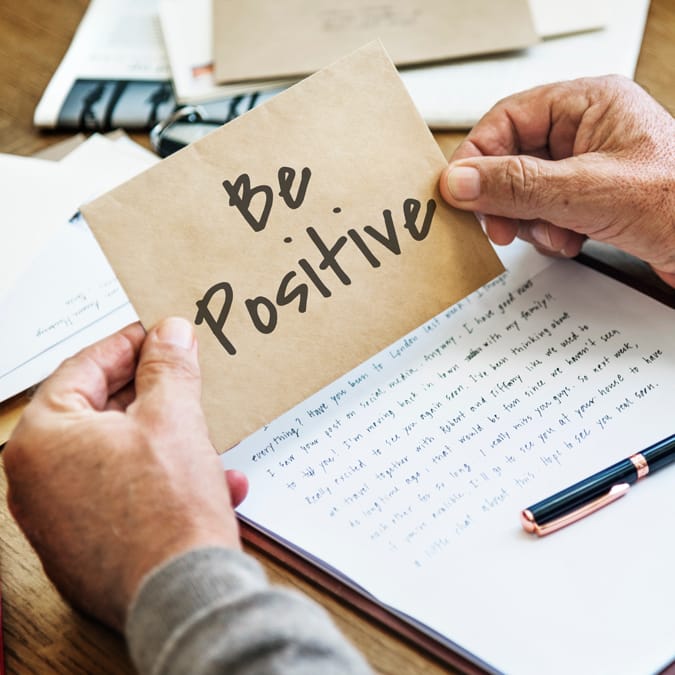
think positive

123rf

Developing a mindset of gratitude and positive thinking can profoundly affect your health and well-being. Take time each day to reflect on the things you’re grateful for and express appreciation for the blessings in your life.

Positive affirmations and gratitude practices can help shift your focus from negativity to abundance, fostering a more optimistic outlook and enhancing your overall quality of life.

13. Have a Sense of Purpose and Meaning

volunteer work

123rf

Having a sense of purpose and meaning in life is essential for overall well-being and can contribute to a longer, healthier life. Engage in activities that bring joy and fulfillment, whether it’s pursuing hobbies, volunteering, or contributing to causes you’re passionate about. 

Cultivate a sense of purpose by setting meaningful goals, nurturing your talents and interests, and finding ways to make a positive impact on the world around you.

14. Embrace Change and Adaptability

embrace change

123rf

As you age, embracing change and adaptability is important to navigate life’s transitions with ease. Welcome new experiences, challenges, and opportunities for growth, and approach change with an open mind and a willingness to learn.

Adaptability can help you thrive in the face of adversity, maintain a sense of curiosity, and continue to grow throughout your life.

Aging Gracefully with These Non-Exercise Tips

father and daughter enjoy sunset

123rf

In essence, embracing non-exercise activities alongside a healthy lifestyle can contribute significantly to aging gracefully. By nurturing physical health, mental agility, and social connections, individuals can lead fulfilling and vibrant lives as they grow older.

Read More

9 Reasons Baby Boomers Are Healthier Than Other Generations

Not Just For Kids: 10 Reasons Even Baby Boomers Should Play Outside

Vanessa Bermudez
Vanessa Bermudez
Vanessa Bermudez is a content writer with over eight years of experience crafting compelling content across a diverse range of niches. Throughout her career, she has tackled an array of subjects, from technology and finance to entertainment and lifestyle. In her spare time, she enjoys spending time with her husband and two kids. She’s also a proud fur mom to four gentle giant dogs.

Filed Under: Mental Health, Misc. Tagged With: exercise, Fitness, health

How You Can Help Your Brain Heal

February 24, 2021 by Jacob Sensiba 1 Comment

Your brain, my brain, everyone’s brain could sustain damage throughout life. The brain is incredibly resilient and has tremendous healing qualities. We will talk about what happens to a damaged brain and how you can help your brain heal.

My accident

Back in January, I got into an accident. Here’s what happened:

I went ice fishing with my dad. I pulled my car into a snow-covered parking lot. We got done fishing. I attempted to back out and my car was stuck. I pushed from the front and my dad hooked up his ATV to the back of my car, and I put the vehicle in reverse to help it out.

With my pushing and (mostly) my dad’s pulling, we got the car out. Unfortunately, the car didn’t stop rolling. I rushed to get into the car to stop it because I was in a parking lot and I was going to run into another car. As I attempted to get into the rolling car, I slipped and hit my head on the inside of my door.

I stopped the car though.

Aftermath

I definitely got a concussion. I’ve had a few before so I know what they feel like. You’re disoriented. Your equilibrium is off. Your brain is not firing on all cylinders. Sometimes you’re dizzy. Sometimes, it can knock you out cold.

I went to my parents’ house instead of going home because I had my son. I needed someone to watch him while I rested.

The following weeks have been interesting, to say the least. The week after required time off of work. I was dizzy, nauseous, had headaches, and had annoying brain fog.

The headaches and brain fog persisted for weeks to the point where I couldn’t take it anymore and got a CT scan. Thankfully, the scan came back normal, but I still have bad days. It’s going to take time.

While I rest and get better, I found ways to help myself.

Brain injuries

They’re incredibly common. Per the CDC, there are 2.8 million traumatic brain injuries per year. That number, though, is not accurate because the majority of people that experience a brain injury don’t get diagnosed. They don’t seek treatment.

A brain injury can result in physical ailments like brain fog, forgetfulness, trouble with day-to-day activities, and drowsiness. It can also lead to psychological illnesses like anxiety, depression, bipolar disorder, and mood instability. 

Healing the brain

As I mentioned, the brain does an extraordinary job of healing itself. 90% of people that experience a traumatic brain injury recover without any long-term effects.

Here are some other things that I’ve implemented and some things I would like to do to help my mind and my body:

  • Meditation
  • Exercise
  • Eating healthy
  • Listening to music
  • Learning something new
  • Getting enough sleep
  • Brain stimulating games/activities

Exercise, eating healthy, and getting enough sleep to establish an imperative foundation for healthy living, but also helps tremendously when recovering from a brain injury.

Brain stimulating games, learning something new, and meditation are methods to help create new neural pathways

I believe establishing these practices in my daily life will help my brain in the short-term and the long-term.

Related reading:

10 Ways to Help your Brain Heal

Stock Splits, Asset Allocation, Cognitive Bias


**Securities offered through Securities America, Inc., Member FINRA/SIPC. Advisory services offered through Securities America Advisors, Inc. Securities America and its representatives do not provide tax or legal advice; therefore, it is important to coordinate with your tax or legal advisor regarding your specific situation. Please see the website for full disclosures: www.crgfinancialservices.com

Jacob Sensiba
Jacob Sensiba

Jacob Sensible is a financial advisor with decades of experience in the financial planning industry.  His journey into finance began out of necessity, stepping up to support his grandfather during a health crisis. This period not only grounded him in the essentials of stock analysis, investment strategies, and the critical roles of insurance and trusts in asset preservation but also instilled a comprehensive understanding of financial markets and wealth management.  Jacob can be reached at: jake.sensiba@mygfpartner.com.

mygfpartner.com/jacob-sensiba-wisconsin-financial-advisor/

Filed Under: Mental Health, Psychology Tagged With: brain, brain damage, diet, exercise, heal brain, meditate, meditation

FOLLOW US

Search this site:

Recent Posts

  • Can My Savings Account Affect My Financial Aid? by Tamila McDonald
  • 12 Ways Gen X’s Views Clash with Millennials… by Tamila McDonald
  • What Advantages and Disadvantages Are There To… by Jacob Sensiba
  • 10 Tactics for Building an Emergency Fund from Scratch by Vanessa Bermudez
  • Call 911: Go To the Emergency Room Immediately If… by Stephen Kanaval
  • 7 Weird Things You Can Sell Online by Tamila McDonald
  • 10 Scary Facts About DriveTime by Tamila McDonald

Copyright © 2026 · News Pro Theme on Genesis Framework