• Home
  • About Us
  • Getting Finances Done
    • Hiring Advisors
    • Debt Management
    • Spending Plan
  • Insurance
    • Life Insurance
    • Health Insurance
    • Disability Insurance
    • Homeowners/Renters Insurance
  • Contact Us
  • Our Editorial Commitment

The Free Financial Advisor

You are here: Home / Archives for real estate market

North Carolina Buyers Are Facing a New Affordability Problem Beyond Mortgage Rates

May 29, 2026 by Brandon Marcus Leave a Comment

North Carolina Buyers Are Facing a New Affordability Problem Beyond Mortgage Rates
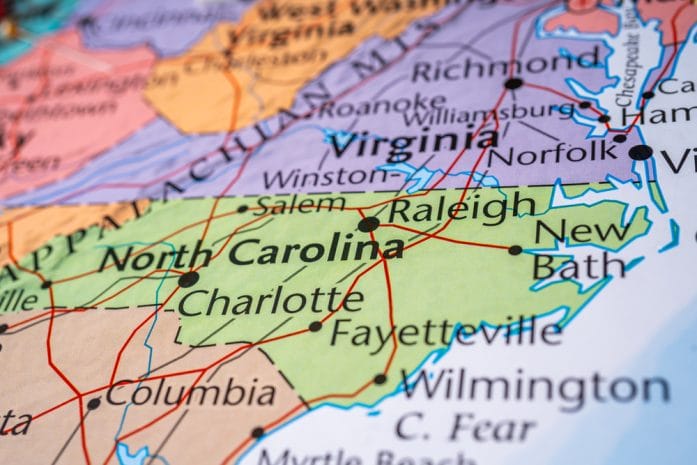
North Carolina residents are in the midst of an affordability crisis, and here is why – Shutterstock

Homebuyers in North Carolina keep watching mortgage rates like they hold the only key to affordability, but another wave of costs is quietly tightening the pressure. Even when rates dip slightly, monthly budgets still feel stretched thin in ways that surprise many buyers stepping into today’s market. Home prices across cities like Charlotte, Raleigh, and Durham continue to reflect strong demand, yet the real shock often arrives after the offer gets accepted.

Closing costs, insurance premiums, property taxes, and ongoing fees now reshape what “affordable” actually looks like. Buyers who once planned around a mortgage number quickly discover that the full cost of ownership tells a very different story. The challenge no longer centers on borrowing money alone, but on sustaining the entire financial weight of owning a home in a fast-changing state economy.

Rising Property Taxes Add a Steady Monthly Shock

Property taxes across many North Carolina counties have climbed as local governments adjust to rising home values and infrastructure demands. Even modest homes now carry higher annual assessments that push monthly housing budgets beyond initial expectations. A buyer who budgets tightly around a mortgage payment often forgets how significantly taxes can shift the total cost of ownership. Counties like Wake and Mecklenburg have seen steady reassessments that increase tax bills even without dramatic changes in home size or condition. That steady rise creates a hidden pressure that builds month after month instead of showing up as a one-time hit.

Homebuyers often feel surprised when escrow adjustments increase their monthly payments without warning. Many lenders estimate taxes at closing, but those estimates rarely match future reassessments. That gap creates frustration for buyers who believed they locked in a stable monthly cost. Over time, property taxes become one of the most consistent upward pressures in the North Carolina housing equation. Buyers who ignore this factor often find themselves stretching budgets just to stay in their homes comfortably.

Homeowners Insurance Costs Are Climbing Faster Than Expected

Insurance premiums in North Carolina have surged due to rising repair costs, more expensive materials, and increased weather-related risks. Even inland areas now face higher rates as insurers adjust statewide risk models. A home that cost a manageable premium five years ago may now require significantly more monthly spending just for basic coverage. Buyers often focus heavily on mortgage approvals and overlook how insurance companies evaluate property location, age, and replacement costs. That oversight leads to unexpected budget strain right after moving in.

Weather patterns also play a growing role in shaping insurance costs, especially with storms affecting multiple regions of the state. Insurers factor in wind, hail, and flood risks, even for homes far from coastal zones. That broader risk assessment spreads cost increases across a wider group of homeowners. Buyers who do not shop aggressively for coverage often accept the first quote, which can inflate long-term expenses. Over time, insurance becomes one of the most unpredictable parts of owning a home in North Carolina.

North Carolina Buyers Are Facing a New Affordability Problem Beyond Mortgage Rates
Home insurance prices are just one of the many reasons why owning a home in North Carolina isn’t as easy as it once was – Shutterstock

Hidden HOA Fees and Community Costs Keep Adding Up

Homeowners association fees continue to rise in many North Carolina communities, especially in new developments near growing urban centers. Builders often include HOA structures to manage amenities, landscaping, and shared infrastructure, but those services come at a recurring cost. Buyers drawn to modern neighborhoods sometimes underestimate how quickly these fees accumulate over the course of a year. A monthly HOA payment that seems small at first can rival utility bills or even approach a portion of a mortgage in certain communities. That shift changes how affordable a home truly feels after move-in.

HOA fees also tend to increase over time as communities age and maintenance demands grow. Pools, clubhouses, and shared green spaces require upkeep that rarely stays within original budget projections. Residents often face special assessments when major repairs or upgrades arise unexpectedly. Those added charges can disrupt financial plans and create tension among homeowners who did not anticipate extra costs. Buyers who ignore HOA structures during the search process often feel the impact later when budgets tighten.

Utility Costs and Maintenance Expenses Close the Gap on Affordability

Energy bills, water costs, and routine maintenance now play a bigger role in North Carolina housing affordability than many buyers expect. Older homes especially require higher heating and cooling expenses, which fluctuate with seasonal extremes. Even newer homes come with rising utility rates that reflect broader infrastructure and energy pricing changes. Buyers often underestimate how much these ongoing expenses affect total monthly ownership costs. That oversight creates a gap between what buyers think they can afford and what they actually spend.

Maintenance costs also increase pressure as homeowners take responsibility for repairs that renters never see. Roof upkeep, HVAC servicing, lawn care, and appliance replacements all stack up throughout the year. Unexpected repairs often hit at the worst possible time, especially right after closing when savings feel depleted. Buyers who do not build a buffer for maintenance risks quickly feel financial strain. Over time, these “small” expenses become one of the largest drivers of long-term affordability challenges.

The Real Affordability Equation in North Carolina Housing

Affordability in North Carolina no longer revolves around mortgage rates alone, even though rates still influence buyer decisions. A full picture now includes taxes, insurance, HOA fees, utilities, and ongoing maintenance that together reshape monthly budgets. Buyers who focus only on loan approvals risk stepping into homes that stretch finances beyond comfort. That disconnect explains why some homeowners feel “house rich but cash poor” shortly after moving in. The real challenge lies in understanding the combined weight of all ownership costs before signing the final paperwork.

What do you think has the biggest impact on home affordability in North Carolina right now—taxes, insurance, or something else? Hop into our comments to share your thoughts!

You May Also Like…

North Carolina Retirees Are Filing for Social Security Earlier as Insolvency Fears Grow

Why Bills Are Jumping in North Carolina, Ohio, and Arizona

Summer Special Session Could Add Property Tax Elimination to the 2026 Ballot—Time Is Running Out

Texas Retirees: Property Insurance Premiums Rose Over 20% in Some Counties Last Year — Here’s What Seniors Are Cutting to Keep Up

9 Financial Dangers of Ignoring Property Taxes

Brandon Marcus
Brandon Marcus

Brandon Marcus is a writer who has been sharing the written word since a very young age. His interests include sports, history, pop culture, and so much more. When he isn’t writing, he spends his time jogging, drinking coffee, or attempting to read a long book he may never complete.

Filed Under: Lifestyle Tagged With: Cost of living, home affordability, homeowners insurance, mortgage rates, North Carolina housing, property taxes, real estate market

The $124 Trillion Hand-Off: How the Great Wealth Transfer is Quietly Saving the Real Estate Market

March 10, 2026 by Brandon Marcus Leave a Comment

The $124 Trillion Hand-Off: How the Great Wealth Transfer is Quietly Saving the Real Estate Market
Image Source: Unsplash.com

The $124 trillion hand-off already started, and it will reshape the housing market more than interest rates, construction shortages, or economic forecasts ever could. Financial analysts estimate that roughly $124 trillion in wealth will move from older generations to younger ones over the next two decades, according to research from Cerulli Associates.

Homes represent one of the largest stores of wealth in modern economies, and when ownership changes hands, the entire property market feels the ripple. Younger households now step into opportunities that previous generations spent decades building. That new capital arrives at a moment when housing affordability, inventory shortages, and economic uncertainty dominate headlines. Yet the wealth transfer introduces a powerful counterforce that many analysts believe could stabilize demand in ways few expected.

A Generational Tidal Wave of Money

Demographics drive the engine behind this historic shift. Members of the Silent Generation and the Baby Boomer generation accumulated enormous wealth during decades of rising home values, expanding stock markets, and relatively affordable housing. Those assets now move gradually toward younger generations through inheritance, gifts, and estate transfers.

Analysts at Cerulli Associates estimate that trillions will flow directly to heirs, while billions more will reach charities and other institutions. Homes account for a major share of that wealth. Many families hold their largest asset inside the walls of a house purchased decades ago for a fraction of its current value.

Younger adults often struggle with down payments and rising home prices, but inherited wealth changes that equation dramatically. A financial boost from family assets can transform the path to homeownership overnight. Instead of saving for ten or fifteen years, some households suddenly hold the capital needed to enter the housing market immediately. That influx of funds creates a quiet but powerful stabilizer. Even when mortgage rates climb or economic uncertainty rattles confidence, inherited wealth often fuels home purchases that might otherwise stall. This can be the gift that keeps on giving for years to come.

Real Estate: The Crown Jewel of Family Wealth

Homes sit at the center of generational wealth for a simple reason: property values climbed steadily for decades across much of the developed world. Families who purchased homes in the 1970s, 80s, or 90s often watched their properties multiply in value several times over. Data from the Federal Reserve consistently shows that primary residences represent the largest asset for many households. Retirement accounts, investment portfolios, and savings accounts all matter, but a house often carries the greatest dollar value.

When ownership transfers, several outcomes usually follow. Some heirs keep the property and move in, which adds another homeowner to the market. Others sell the home and use the proceeds to purchase property somewhere else. Some convert inherited homes into rental properties, which expands housing supply for tenants.

Each path feeds activity into the real estate ecosystem. Title transfers create sales, renovations create construction jobs, and new owners stimulate local housing markets. Even a single inherited home can spark a chain reaction of transactions that stretches across several properties.

Millennials and Gen Z Finally Gain Leverage

For years, younger adults struggled with rising home prices, heavy student loan debt, and wage growth that lagged behind housing costs. Many economists predicted that those financial pressures might permanently delay homeownership for millions.

The wealth transfer changes that narrative in dramatic ways. Millennials already stand on the front line of the transfer simply because of age demographics. Many now enter their late 30s and early 40s, which historically marks the prime home-buying stage of life. When inherited assets enter the picture, those households suddenly gain the leverage needed to compete in tight housing markets.

Financial gifts from parents or grandparents also accelerate the process. Some families choose to provide down payments while they remain alive rather than wait for inheritance. That decision allows younger buyers to secure homes earlier, build equity sooner, and avoid years of renting.

The shift carries serious implications for the housing market. Younger buyers armed with family wealth often enter bidding wars with far stronger financial positions than traditional first-time buyers.

Why This Wealth Transfer Supports Housing Demand

Housing markets rely heavily on confidence and access to capital. When buyers hold cash, equity, or financial backing, they move faster and compete more aggressively for property. The wealth transfer injects both ingredients directly into the market. Inherited assets can eliminate or reduce mortgage borrowing, which lowers monthly housing costs. Buyers with larger down payments often qualify for better loan terms and lower interest rates. Some households skip mortgages entirely and purchase homes outright.

That financial flexibility stabilizes demand even during economic slowdowns. Families with inherited wealth rarely abandon housing plans simply because interest rates tick upward. Instead, they adjust strategies, expand search areas, or purchase smaller homes.

Real estate professionals already report a growing number of transactions fueled by inheritance money, trust funds, or family gifts. Each transaction reinforces demand and prevents the severe downturns that some analysts predicted.

The $124 Trillion Hand-Off: How the Great Wealth Transfer is Quietly Saving the Real Estate Market
Image Source: Unsplash.com

A Hidden Driver Behind Renovations and Upgrades

The wealth transfer does more than spark home purchases. It also fuels renovations, remodeling projects, and property upgrades across the housing market. Inherited homes rarely match the tastes or needs of the next generation perfectly. Many heirs update kitchens, replace aging roofs, install modern appliances, or redesign entire interiors. That renovation activity pumps money into local economies while improving the quality of the housing stock.

Contractors, designers, and construction companies often see a surge in projects after estate transfers occur. Some families even rebuild older homes entirely while keeping the property itself within the family. Those improvements carry long-term consequences for real estate values. Renovated homes raise neighborhood property standards and push nearby home prices higher over time.

Smart Moves in the Middle of the Transfer

Families who expect to receive inherited wealth can take several steps to maximize the opportunity. Early financial planning creates the biggest advantage. Conversations about estates, trusts, and property plans prevent confusion and help families prepare for future decisions. Clear planning also reduces the risk of rushed property sales during emotionally difficult times.

Prospective buyers can also use inheritance strategically. Large down payments lower mortgage costs dramatically and strengthen offers during competitive bidding situations. Some households choose multi-generational living arrangements, which allow families to share property expenses while keeping valuable real estate within the family.

Investment property offers another path. Some heirs convert inherited homes into rental units that generate steady income while property values continue to rise. Careful planning turns inherited assets into long-term financial stability rather than a short-term windfall.

The Quiet Force Reshaping the Housing Future

The housing market rarely moves for a single reason. Interest rates, construction supply, migration patterns, and economic growth all influence property demand. Yet the $124 trillion wealth transfer adds a powerful force that operates quietly behind the scenes.

That generational shift redistributes decades of accumulated wealth into younger hands, and real estate sits directly in the path of that money. Homes represent security, investment potential, and family legacy all at once. When wealth changes generations, property often becomes the first major financial decision.

What do you think? Will this historic wave of inherited wealth create a new generation of homeowners, or will it reshape the housing market in ways no one expects? Give us your insight in the comments section below.

You May Also Like…

13 Eye-Opening Truths About Real Estate Crowdfunding Ventures

Not Your Kids, Not Your Siblings: Who Millennials Are Naming as Beneficiaries Now

8 Real Reasons Millennials Can’t Save Money (and How to Fix It)

10 Amazing Opportunities in Global Real Estate Markets Now

6 Digital Account Transfers That Can’t Be Reversed Easily

Brandon Marcus
Brandon Marcus

Brandon Marcus is a writer who has been sharing the written word since a very young age. His interests include sports, history, pop culture, and so much more. When he isn’t writing, he spends his time jogging, drinking coffee, or attempting to read a long book he may never complete.

Filed Under: Real Estate Tagged With: generational wealth, homeownership trends, housing demand, housing economy, housing trends, Inheritance, Millennials, Planning, property investing, real estate market, wealth transfer

Follow Us

Search this site:

Recent Posts

  • Can My Savings Account Affect My Financial Aid? by Tamila McDonald
  • 12 Ways Gen X’s Views Clash with Millennials… by Tamila McDonald
  • What Advantages and Disadvantages Are There To… by Jacob Sensiba
  • 10 Tactics for Building an Emergency Fund from Scratch by Vanessa Bermudez
  • Call 911: Go To the Emergency Room Immediately If… by Stephen Kanaval
  • 7 Weird Things You Can Sell Online by Tamila McDonald
  • 10 Scary Facts About DriveTime by Tamila McDonald

Copyright © 2026 · News Pro Theme on Genesis Framework