• Home
  • About Us
  • Toolkit
  • Getting Finances Done
    • Hiring Advisors
    • Debt Management
    • Spending Plan
  • Insurance
    • Life Insurance
    • Health Insurance
    • Disability Insurance
    • Homeowners/Renters Insurance
  • Contact Us
  • Risk Tolerance Quiz
  • Our Editorial Commitment

The Free Financial Advisor

You are here: Home / Archives for travel hacks

How “Budget” Airlines Are Costing You More Than Premium

July 4, 2025 by Travis Campbell Leave a Comment

airline
Image Source: pexels.com

If you’ve ever booked a flight with a “budget” airline, you probably felt a rush of excitement at the low fare staring back at you. Who wouldn’t want to save a few hundred bucks on airfare? But here’s the catch: those rock-bottom prices often come with a hidden cost that can leave your wallet lighter than if you’d just booked with a premium carrier in the first place. From sneaky fees to time-consuming hassles, budget airlines have mastered the art of making you pay more for less. If you’re looking to travel smart and actually save money, it’s time to look beyond the sticker price and see what you’re really getting into. This article breaks down the real costs of budget airlines and why that “deal” might not be as sweet as it seems.

1. The Hidden Fees Add Up Fast

Budget airlines are notorious for their à la carte pricing. The base fare may seem like a steal, but once you start adding essentials—such as a carry-on bag, checked luggage, seat selection, and even printing your boarding pass—the total can quickly skyrocket. Many travelers are shocked by the final bill, which often rivals or exceeds what a premium airline would charge for an all-inclusive ticket. For example, a 2024 study by NerdWallet found that some budget carriers charge up to $100 for a single checked bag on international flights. These fees aren’t always obvious at booking, so it’s easy to underestimate your true cost.

2. Inconvenient Airports and Flight Times

Budget airlines often operate out of secondary airports located far from city centers. While this helps them keep costs down, it can mean extra time and money for you. You might need to pay for a long taxi ride, extra train tickets, or even an overnight hotel stay if your flight lands late at night. These “hidden” travel expenses can quickly erase any savings from your cheap ticket. Premium airlines, on the other hand, usually fly into major airports with better connections and more convenient schedules, saving you both time and hassle.

3. Poor Customer Service and Limited Support

When things go wrong—delays, cancellations, lost bags—budget airlines are often less equipped to help. Their customer service teams are typically smaller, and some carriers only offer support via email or online chat, with long response times. If you need to rebook a missed connection or resolve a problem quickly, you may find yourself stranded or forced to pay out of pocket for a new ticket. Premium airlines generally provide more robust support, including dedicated phone lines and airport staff who can assist you on the spot.

4. Less Legroom and Comfort

Budget airlines maximize profits by squeezing more seats into their planes, which means less legroom and narrower seats for passengers. On a short hop, this might not matter much, but on longer flights, cramped quarters can make for a miserable experience. If you want extra space, you’ll have to pay for it—sometimes as much as the cost of your original ticket. Premium airlines typically offer more generous seat pitch and amenities, making your journey more comfortable without the upcharge.

5. No Free Food or Drinks

On most budget airlines, even a bottle of water will cost you. Forget about complimentary snacks or meals—everything is for sale, and prices are often inflated. If you’re traveling with family or on a long-haul flight, these costs can add up quickly. In contrast, premium airlines usually include at least some food and beverages in the ticket price, so you’re not nickel-and-dimed at 30,000 feet.

6. Strict Baggage and Check-In Policies

Budget airlines enforce strict rules about baggage size, weight, and check-in times. If your bag is even slightly over the limit, you could face hefty penalties at the gate. Miss the online check-in window? That could mean another fee. These policies are designed to catch travelers off guard and generate extra revenue. Premium airlines tend to be more flexible, with more generous baggage allowances and less punitive policies.

7. Higher Risk of Delays and Cancellations

Budget airlines often operate with tighter schedules and fewer backup planes. If something goes wrong—like a mechanical issue or bad weather—there may not be another flight available for hours or even days. This can lead to missed connections, extra hotel nights, and lost vacation time. A recent report from the U.S. Department of Transportation shows that budget carriers have higher rates of delays and cancellations compared to premium airlines, putting your plans at risk.

8. The True Cost of Your Time

Time is money, and budget airlines often cost you both. From longer lines at check-in to inconvenient airports and frequent delays, the hours you lose can outweigh any savings. If you value your time—or need to be somewhere on schedule—a premium airline may actually be the better deal. Consider the full journey, not just the ticket price, when making your decision.

Why Paying More Upfront Can Save You in the End

When you add up all the extra fees, inconvenience, and potential headaches, budget airlines often end up costing more than premium carriers. The promise of a cheap flight is tempting, but the reality is that you’re paying for every little thing—and sometimes, for things you can’t control. By choosing a premium airline, you get more value, better service, and a smoother travel experience. Next time you’re booking a flight, look beyond the base fare and consider the total cost of your trip.

Have you ever been surprised by the true cost of a budget airline ticket? Share your story or tips in the comments below!

Read More

Vacation Without Breaking the Bank

5 Biggest Refinance Concerns

Travis Campbell
Travis Campbell

Travis Campbell is a digital marketer/developer with over 10 years of experience and a writer for over 6 years. He holds a degree in E-commerce and likes to share life advice he’s learned over the years. Travis loves spending time on the golf course or at the gym when he’s not working.

Filed Under: Travel Tagged With: airfare, airline fees, budget airlines, hidden costs, premium airlines, travel hacks, travel tips

7 Travel Safety Tips You’ve Never Heard Before

June 10, 2025 by Travis Campbell Leave a Comment

travel
Image Source: pexels.com

Traveling is one of life’s greatest joys, but it also comes with its own set of risks. Whether you’re exploring a new city or venturing off the beaten path, staying safe should always be a top priority. While you’ve probably heard the standard advice—like keeping your valuables close and avoiding poorly lit areas—there’s a whole world of lesser-known travel safety tips that can make a real difference. These strategies aren’t just for the ultra-cautious; they’re for anyone who wants to enjoy their trip with peace of mind. If you’re ready to go beyond the basics and truly protect yourself on your next journey, these seven travel safety tips you’ve never heard before are for you.

1. Create a “Digital Breadcrumb Trail”

Most travelers know to share their itinerary with a friend or family member, but you can take this a step further by creating a digital breadcrumb trail. Use a secure cloud service to upload copies of your passport, travel insurance, and important documents. Then, set up a shared folder with someone you trust and update it with your location or plans as you go. This way, if you lose your phone or get into trouble, someone back home can help authorities track your movements and provide critical information. It’s a simple, tech-savvy way to enhance your travel safety tips arsenal.

2. Use a Decoy Wallet

Pickpocketing is a common concern, especially in crowded tourist areas. Instead of just hiding your cash, carry a decoy wallet with a small amount of money and expired cards. If you’re ever confronted, you can hand over the decoy without losing your real valuables. Keep your actual wallet in a hidden money belt or a secure pocket. This clever trick can help you avoid a major financial headache and is one of those travel safety tips that’s easy to implement but often overlooked.

3. Learn Local Emergency Codes

Every country has its emergency numbers and procedures, which are not always 911. Before you travel, look up the local emergency codes for police, fire, and medical help. Save them in your phone and write them down somewhere accessible. Some countries even have specific numbers for tourist police or embassy assistance. Knowing these codes can save precious time in a crisis and is a travel safety tip that can make all the difference when seconds count.

4. Pack a Doorstop Alarm

Hotel room security is often taken for granted, but break-ins can happen anywhere. A portable doorstop alarm is a lightweight, inexpensive device that wedges under your door and emits a loud sound if someone tries to enter. Packaging and working in hotels, hostels, or even Airbnb rentals is easy. This extra layer of protection can help you sleep soundly and is one of those travel safety tips that’s especially useful for solo travelers or anyone staying in unfamiliar accommodations.

5. Use “Invisible” Luggage Markings

Luggage theft is a real risk, especially at busy airports and train stations. Instead of flashy tags or ribbons, mark your bags with something only you would recognize, like a small piece of colored tape inside a pocket or a unique stitch. This makes it easier to identify your luggage if it’s lost or stolen and won’t attract unwanted attention. For added security, take photos of your bags and their contents before you travel. This travel safety tip can help you recover your belongings faster and provide proof for insurance claims if needed.

6. Master the Art of “Blending In”

Standing out as a tourist can make you a target for scams or theft. Research local dress codes and customs before you go, and try to blend in as much as possible. Avoid wearing expensive jewelry, branded gear, or anything that screams “tourist.” Even small changes—like carrying a reusable shopping bag instead of a backpack—can help you look more like a local. This travel safety tip isn’t about losing your identity; it’s about minimizing risk and confidently moving through new environments.

7. Set Up “Geo-Fencing” Alerts

Many smartphones and banking apps now offer geo-fencing features, which send you alerts if your cards are used outside a designated area. Before your trip, set up these alerts to monitor your accounts for suspicious activity. If your card is used in a location you haven’t visited, you’ll know immediately and can take action. This proactive travel safety tip helps you stay ahead of potential fraud and gives you greater control over your finances while on the road.

Travel Smarter, Worry Less

Traveling should be about making memories, not worrying about what could go wrong. By adding these lesser-known travel safety tips to your routine, you’ll be better prepared for the unexpected and able to focus on enjoying your adventure. Remember, safety isn’t about paranoia—it’s about being proactive and making smart choices that protect your well-being and your wallet.

What’s the most unusual travel safety tip you’ve ever used? Share your stories or advice in the comments below!

Read More

5 Safety Measures You’re Probably Ignoring That Could Save Your Life

How to Keep Your Car Secure from Vandals and Thieves

Travis Campbell
Travis Campbell

Travis Campbell is a digital marketer/developer with over 10 years of experience and a writer for over 6 years. He holds a degree in E-commerce and likes to share life advice he’s learned over the years. Travis loves spending time on the golf course or at the gym when he’s not working.
Filed Under: Travel Tagged With: Personal Finance, safe travel, travel hacks, travel planning, travel safety, travel security, travel tips

How to Take A Trip To Paris For $1000 or Less

April 23, 2025 by Travis Campbell Leave a Comment

paris
Image Source: unsplash.com

Paris, the City of Light, often carries a reputation as a budget-buster destination. However, with strategic planning and insider knowledge, experiencing the magic of Paris doesn’t require emptying your savings account. Whether you’re dreaming of strolling along the Seine, admiring world-class art, or savoring authentic French cuisine, a budget-friendly Paris trip is entirely possible. This guide will walk you through practical steps to experience Paris for $1000 or less, proving that this iconic destination can be accessible to budget-conscious travelers.

1. Time Your Visit Strategically

Visiting Paris during off-peak seasons (November through March, excluding holidays) can save you hundreds on airfare and accommodations. Winter in Paris offers a unique charm with fewer tourists and significantly lower prices. January and February typically offer the best deals, with hotel rates dropping by 30-40% compared to summer prices.

Airlines often run sales for winter travel to Europe, with round-trip flights from major US cities sometimes dipping below $400. Set fare alerts on sites like Skyscanner or Google Flights to catch these deals when they appear. Mid-week departures and returns (Tuesday through Thursday) typically offer the best value.

The cooler weather also provides a perfect excuse to experience Paris’s famous café culture, where you can linger over a single coffee while people-watching without feeling rushed.

2. Find Budget Accommodation Alternatives

Traditional hotels in central Paris will quickly deplete your budget. Instead, consider these alternatives:

Hostels have evolved significantly, with many offering private rooms alongside dormitories. Hostels like Generator Paris or Les Piaules provide clean, stylish accommodations starting around $30-40 per night for dorms and $80-100 for private rooms.

Apartment rentals through platforms like Airbnb can be economical, especially for stays longer than three days. Look for properties in neighborhoods like Belleville, Canal Saint-Martin, or the 11th arrondissement, where a studio apartment might cost $60-80 per night.

Consider staying slightly outside the city center near Metro stations. Areas like Montrouge or Levallois-Perret offer more affordable accommodations while remaining just a short Metro ride from major attractions.

You can keep your 6-night stay under $400 by choosing alternative accommodations, leaving more of your budget for experiences.

3. Master Paris Public Transportation

Paris boasts one of the world’s most efficient public transportation systems, making splurging on taxis or rideshares unnecessary. A “carnet” (book of 10 tickets) costs approximately €16.90, which is cheaper than buying individual tickets at €2.10 each.

For more extended stays, consider the Paris Visite travel pass, which offers unlimited travel across zones 1-3 (covering all major attractions) for about €27 for three days. The Metro runs from 5:30 AM until 1:15 AM (2:15 AM on weekends), making it convenient for most itineraries.

Walking is also an excellent option in Paris, as many major sights are closer together than they appear on maps. The city is designed for pedestrians, and wandering its streets is part of the authentic Paris experience.

Tourists who rely on public transportation save an average of €30-40 per day compared to those using taxis.

4. Eat Smart Without Sacrificing Experience

Food is an essential part of the Paris experience, but it doesn’t have to break your budget:

For fresh bread, cheese, and produce, shop at local markets like Marché d’Aligre or Marché Bastille. A picnic along the Seine can be one of your most memorable meals, costing under €10.

Take advantage of “formule” lunch specials, where restaurants offer 2-3 course meals for €15-20, significantly less than dinner prices for similar quality.

Bakeries (boulangeries) offer affordable yet authentic options like quiches and sandwiches for €4-7. A classic jambon-beurre sandwich and an éclair make a perfect lunch under €10.

Save on water by carrying a reusable bottle – Paris has over 800 public drinking fountains throughout the city.

Reserve one special meal at a traditional bistro, but make it lunch rather than dinner to enjoy the experience at about 60% of the evening price.

5. Prioritize Free and Low-Cost Attractions

Paris offers numerous free or inexpensive attractions that rival their pricier counterparts:

Many museums offer free admission on the first Sunday of each month. The Louvre, Musée d’Orsay, and Centre Pompidou all participate in this program.

Churches like Notre Dame (exterior), Sacré-Cœur, and Sainte-Chapelle offer architectural splendor and cultural significance. While Sainte-Chapelle has an entrance fee (around €11), its stained-glass windows justify the cost.

Parks and gardens, including Luxembourg Gardens, Tuileries Garden, and Parc des Buttes-Chaumont, provide beautiful settings for relaxation at no cost.

Free walking tours operate on a tips-only basis. Companies like Discover Walks offer themed tours covering different neighborhoods and historical periods.

6. Shop for Souvenirs Strategically

Avoid tourist trap souvenir shops along major attractions. Instead, visit:

Flea markets like Marché aux Puces de Saint-Ouen for unique vintage finds
Monoprix (a French department store) for affordable French food products and household items
Independent bookshops for used French books or prints that make meaningful souvenirs

Set a souvenir budget of €50-75 and stick to it by deciding in advance what meaningful items you want to bring home.

7. The Paris Experience Is About Moments, Not Money

The most memorable Paris experiences often cost nothing: watching the sunset behind the Eiffel Tower from Trocadéro, discovering hidden passages like Passage des Panoramas, or simply observing Parisian life from a park bench.

Create a “Paris budget trip” focusing on authentic experiences rather than checking off expensive tourist attractions. Research suggests that travelers prioritizing experiences over commercial activities report higher trip satisfaction.

Remember that the Paris you see in movies is accessible without premium prices – the architecture, atmosphere, and culture are available to all visitors regardless of budget. Focusing on what makes Paris special rather than what costs the most makes your $1000 budget more than adequate for a meaningful journey.

Have you ever visited a supposedly “expensive” destination on a tight budget? What creative strategies did you use to make your travel dreams a reality while keeping costs down?

Read More

Travel the World in Style with United Explorer Credit Cards

How to Attend Sporting Events on the Cheap: 5 Tips for Frugal People

Travis Campbell
Travis Campbell

Travis Campbell is a digital marketer/developer with over 10 years of experience and a writer for over 6 years. He holds a degree in E-commerce and likes to share life advice he’s learned over the years. Travis loves spending time on the golf course or at the gym when he’s not working.

Filed Under: Travel Tagged With: affordable European vacation, budget Paris accommodations, budget travel, cheap Paris trip, Paris on a budget, Paris travel tips, travel hacks

7 Airline Perks You Didn’t Know You Were Entitled To

March 21, 2025 by Latrice Perez Leave a Comment

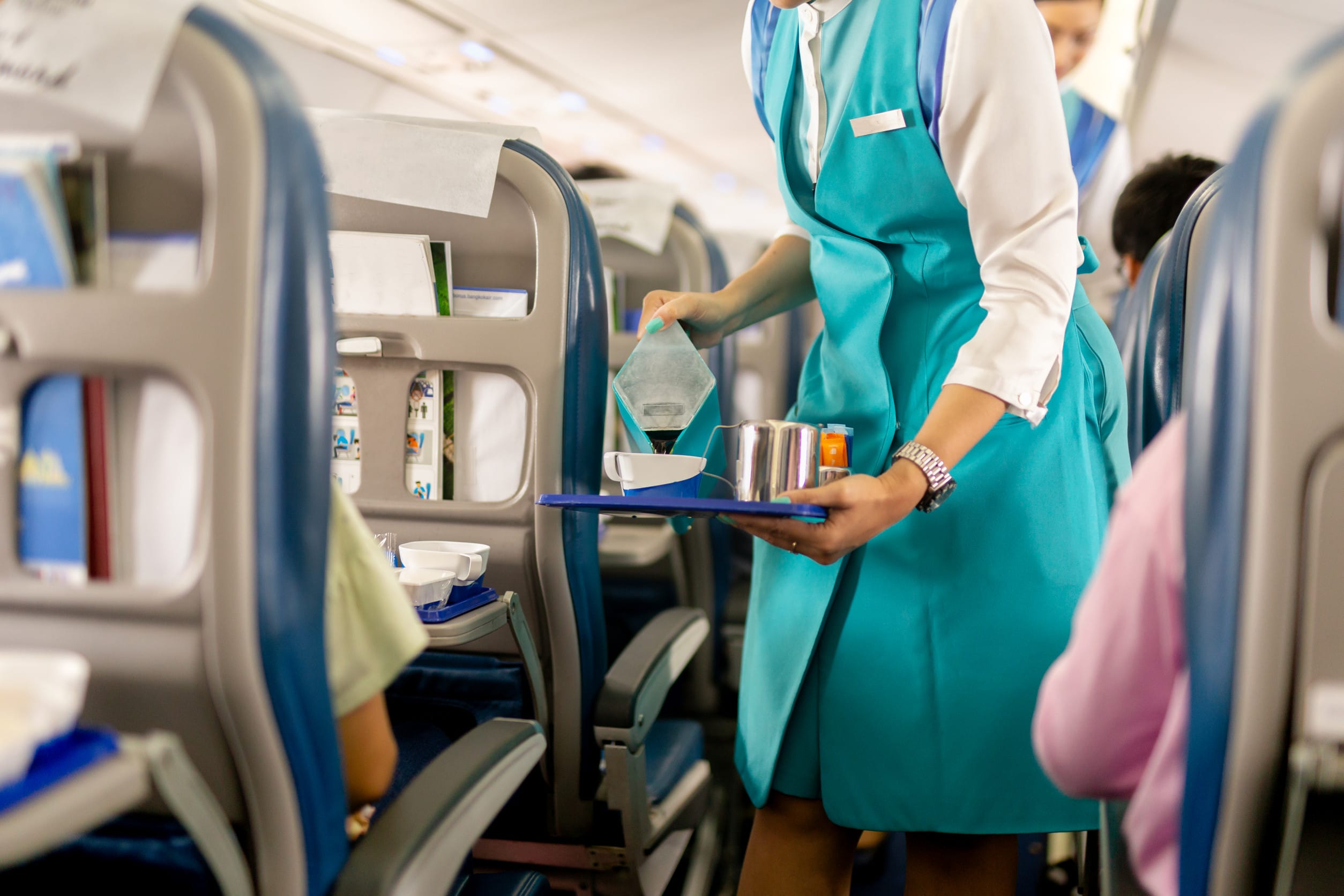
Flight attendant serve food and drinks to passengers on board
Image Source: 123rf.com

Flying isn’t always a pleasant experience, but many travelers don’t realize that airlines offer perks that can make the journey much smoother. From free upgrades to priority boarding, airlines provide benefits that most passengers never take advantage of. Some perks require a little effort to claim, while others are given away with just a simple request. If you want to make your next flight more comfortable, here are seven airline perks you might not know you’re entitled to.

1. Free Upgrades (If You Know How to Ask)

Anything that is considered an upgrade is not as easy to come by as in the past. Most of them come with a nice price tag. However, that’s not always the case. If a flight is oversold in economy, airlines may bump passengers to business or first class for free. The key is knowing how to ask—dressing neatly, being polite, and arriving early can increase your chances. If you have elite status with an airline, you may also get automatic upgrades on select flights. Don’t be afraid to inquire about available upgrades at check-in.

2. Extra Snacks and Drinks

Many airlines provide more than just the basic snack and drink you get during the flight. If you’re still hungry or thirsty, you can often ask the flight attendant for extra items. On longer flights, some airlines even have snack baskets available in the galley. Premium drinks, like wine and cocktails, may also be complimentary on international flights. The trick is to ask nicely and be respectful to the crew.

3. Lounge Access Without a First-Class Ticket

Airport lounges aren’t just for business travelers or first-class passengers. Many credit cards offer free lounge access, and some airlines allow you to enter with a day pass. Even economy passengers may be eligible for lounge access if their flight is delayed or canceled. Lounges provide free food, drinks, Wi-Fi, and comfortable seating, making layovers much more bearable. Before your next trip, check if your airline or credit card offers this perk.

4. Free Wi-Fi and Entertainment

Not all in-flight entertainment requires payment. Some airlines offer free access to movies, TV shows, and even in-flight messaging services. While Wi-Fi usually comes with a fee, certain airlines provide complimentary access for messaging apps like WhatsApp or iMessage. Checking the airline’s website ahead of time can help you figure out what’s free on your flight. This small perk can make a long journey feel much shorter.

5. Free Hotel Stays for Long Layovers

Hotel sign over entrance
Image Source: 123rf.com

If you have an extended layover, some airlines will cover the cost of a hotel room for the night. This perk, known as a “stopover program,” is available on international flights with layovers longer than a certain number of hours. Airlines like Turkish Airlines, Qatar Airways, and Emirates offer this benefit in select cities. If you’re booking a long-haul flight, it’s worth checking whether your airline provides a free hotel stay.

6. Complimentary Seat Selection for Families

Many airlines charge extra fees for preferred seating, but families traveling with young children can often get seats together for free. Airlines understand that separating parents and kids creates a hassle for everyone onboard. If you’re traveling with children, call the airline in advance and ask about complimentary seat arrangements. While it’s not guaranteed, airlines are often willing to accommodate families.

7. Special Occasion Perks

Celebrating a birthday, honeymoon, or anniversary? Some airlines will offer small perks, such as complimentary champagne or a dessert. Flight attendants often appreciate when passengers let them know about special occasions in a polite and friendly manner. While you shouldn’t expect a grand gesture, a simple mention could make your flight a little more special.

Take Advantage of These Perks on Your Next Flight

Airlines offer more free perks than most travelers realize. Whether it’s a seat upgrade, extra snacks, or a complimentary hotel stay, knowing your rights as a passenger can make flying much more enjoyable. The key is to be informed and ask politely—many perks are available, but only if you request them.

Have you ever received an unexpected airline perk? What’s your best travel hack? Share your experiences in the comments!

Read More:

Are People Really Paying for Flights with AfterPay?

8 Company Perks That Sound Great But Are Total Traps

Latrice Perez

Latrice is a dedicated professional with a rich background in social work, complemented by an Associate Degree in the field. Her journey has been uniquely shaped by the rewarding experience of being a stay-at-home mom to her two children, aged 13 and 5. This role has not only been a testament to her commitment to family but has also provided her with invaluable life lessons and insights.

As a mother, Latrice has embraced the opportunity to educate her children on essential life skills, with a special focus on financial literacy, the nuances of life, and the importance of inner peace.

Filed Under: Travel Tagged With: airline perks, airline secrets, airport lounges, flight upgrades, flying benefits, frequent flyer, travel hacks, travel tips

FOLLOW US

Search this site:

Recent Posts

  • Can My Savings Account Affect My Financial Aid? by Tamila McDonald
  • 12 Ways Gen X’s Views Clash with Millennials… by Tamila McDonald
  • What Advantages and Disadvantages Are There To… by Jacob Sensiba
  • 10 Tactics for Building an Emergency Fund from Scratch by Vanessa Bermudez
  • Call 911: Go To the Emergency Room Immediately If… by Stephen Kanaval
  • 7 Weird Things You Can Sell Online by Tamila McDonald
  • 10 Scary Facts About DriveTime by Tamila McDonald

Copyright © 2026 · News Pro Theme on Genesis Framework