• Home
  • About Us
  • Toolkit
  • Getting Finances Done
    • Hiring Advisors
    • Debt Management
    • Spending Plan
  • Insurance
    • Life Insurance
    • Health Insurance
    • Disability Insurance
    • Homeowners/Renters Insurance
  • Contact Us
  • Privacy Policy
  • Risk Tolerance Quiz

The Free Financial Advisor

You are here: Home / Archives for tax extension

Missing This IRS Filing Deadline Leads to Automatic Penalties—No Exceptions

April 18, 2026 by Brandon Marcus Leave a Comment

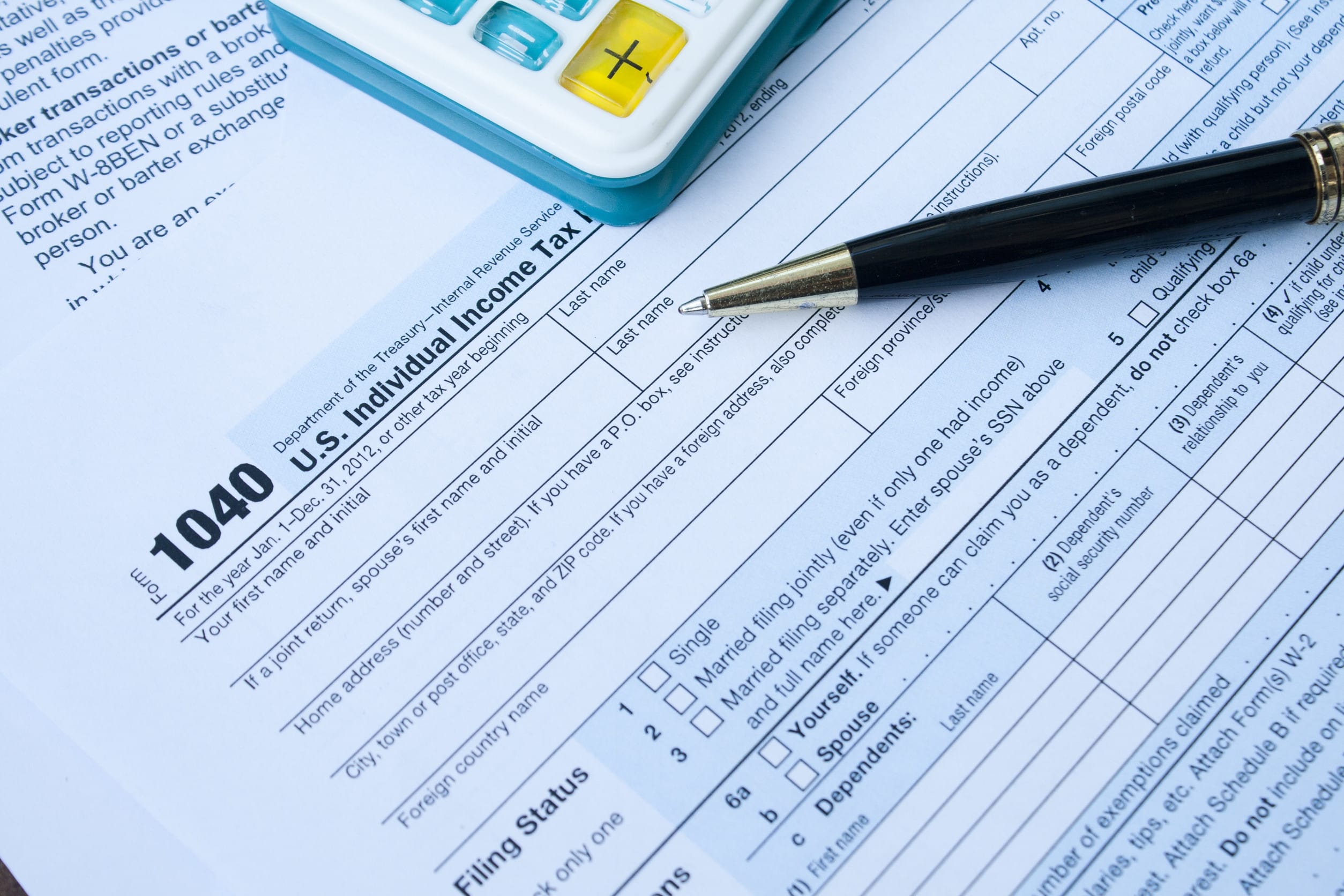
Missing This IRS Filing Deadline Leads to Automatic Penalties—No Exceptions

Image Source: Shutterstock.com

If you’ve ever told yourself, “I’ll get to my taxes later,” this is your wake-up call. The IRS isn’t known for flexibility, and when it comes to filing deadlines, it plays by a strict set of rules that rarely bend. Miss the cutoff—even by a day—and you could be facing automatic penalties that start adding up immediately.

What makes it worse is that many taxpayers assume they’ll get a warning or grace period, but that’s not how it works. Understanding exactly what happens when you miss the IRS filing deadline could save you from a costly and frustrating mistake.

Why the IRS Filing Deadline Is Non-Negotiable

The IRS filing deadline isn’t just a suggestion—it’s a legally enforced requirement that applies to nearly every taxpayer. Typically falling on April 15 (or the next business day if it lands on a weekend or holiday), this date marks the cutoff for submitting your federal income tax return without penalties. If you miss it and owe taxes, the IRS immediately begins assessing a failure-to-file penalty, which can grow quickly over time. This penalty is usually 5% of your unpaid taxes for each month your return is late, up to a maximum of 25%. That means procrastination can turn into a surprisingly expensive habit.

Even if you’re only a few days late, the IRS doesn’t make exceptions for forgetfulness or poor planning. There’s no built-in grace period, and penalties start accruing from the very first day after the deadline. Many taxpayers mistakenly believe they’ll receive a warning letter before penalties apply, but in reality, the charges begin automatically. This strict enforcement is designed to encourage timely compliance and maintain fairness across the tax system. Knowing this ahead of time can help you prioritize filing, even if you’re not fully prepared to pay what you owe.

The Real Cost of Missing the IRS Filing Deadline

Missing the IRS filing deadline can trigger more than just a single penalty—it often creates a chain reaction of financial consequences. In addition to the failure-to-file penalty, you may also face a failure-to-pay penalty, which is typically 0.5% of your unpaid taxes per month. Interest is also added on top of these penalties, compounding daily until your balance is paid in full. Over time, this combination can significantly increase the amount you owe, sometimes by hundreds or even thousands of dollars. What started as a manageable tax bill can quickly spiral out of control.

There’s also the potential for delayed refunds if you’re owed money instead of owing taxes. While you won’t face penalties in that case, waiting too long to file could mean putting off money that’s rightfully yours. Additionally, failing to file for multiple years can raise red flags with the IRS, increasing the likelihood of audits or enforcement actions. For self-employed individuals or those with complex finances, the risks can be even higher. Staying on top of deadlines isn’t just about avoiding penalties—it’s about protecting your overall financial health.

Extensions Help—But Only If You Use Them Correctly

One common misconception is that filing an extension gives you more time for everything, but that’s only partially true. An extension allows you to delay submitting your tax return, usually by six months, but it does not extend the time you have to pay any taxes owed. If you don’t pay at least an estimated amount by the original deadline, penalties and interest will still apply. This catches many taxpayers off guard, especially those who assume they’ve bought themselves extra breathing room. Understanding this distinction is crucial to avoiding unnecessary charges.

Filing for an extension is relatively simple and can be done electronically or by submitting IRS Form 4868. It’s often a smart move if you’re missing documents or need more time to prepare an accurate return. However, you should still calculate and pay as much of your expected tax liability as possible before the deadline. Doing so can significantly reduce or even eliminate penalties. Think of an extension as a tool—not a loophole—and use it strategically to stay compliant.

Common Mistakes That Lead to Missed Deadlines

Missing the IRS filing deadline often comes down to a handful of preventable mistakes. Some people underestimate how long it takes to gather documents like W-2s, 1099s, or investment statements, leading to last-minute delays. Others rely too heavily on memory instead of setting reminders or calendar alerts, which can easily slip through the cracks during a busy season. Technical issues, such as problems with tax software or e-filing systems, can also cause unexpected setbacks. Even something as simple as waiting for a tax preparer appointment can push you past the deadline.

Another common issue is confusion about eligibility requirements or filing status, which can cause people to delay starting their return. For example, individuals with side gigs or freelance income may not realize they need to file if they didn’t receive a traditional paycheck. This misunderstanding can lead to unintentional noncompliance and eventual penalties. Being proactive—starting early, organizing documents, and seeking clarification when needed—can make a huge difference. A little preparation goes a long way in avoiding unnecessary stress and costs.

Missing This IRS Filing Deadline Leads to Automatic Penalties—No Exceptions

Image Source: Shutterstock.com

What To Do If You’ve Already Missed the IRS Filing Deadline

If you’ve already missed the IRS filing deadline, don’t panic—but don’t ignore it either. The worst thing you can do is delay further, as penalties and interest will continue to accumulate. File your return as soon as possible, even if you can’t pay the full amount owed right away. The IRS offers payment plans and installment agreements that can help you manage your balance over time. Taking action quickly shows good faith and can sometimes reduce the severity of penalties.

You may also qualify for penalty relief in certain situations, such as if this is your first time missing a deadline or if you experienced a significant hardship. This is known as First-Time Penalty Abatement, and it’s worth exploring if you meet the criteria. Keep records of any circumstances that may have contributed to the delay, as documentation can support your request. While the IRS is strict, it does provide limited avenues for relief when justified. The key is to act promptly and stay informed about your options.

Don’t Let One Missed Date Derail Your Finances

Missing the IRS filing deadline isn’t just a minor slip—it can have lasting financial consequences that ripple through your budget. The penalties, interest, and added stress can all be avoided with a bit of planning and awareness. Filing on time, or at least requesting an extension and paying what you can, keeps you in control of your finances. It’s one of those small actions that can prevent a much bigger headache down the road. Staying organized and proactive is the best defense against unnecessary IRS trouble.

Have you ever missed a tax deadline or come close? What strategies do you use to stay on track each year? Share your experience in the comments—we’d love to hear how you handle tax season.

You May Also Like…

California Heirs Are Facing Higher Property Taxes Under Prop 19 Transfer Rules

​5 Hidden Triggers That Can Turn Your Tax Refund Into an IRS Audit

California Heirs Are Facing Higher Property Taxes Under Prop 19 Transfer Rules

The IRS Doesn’t Warn You Twice — Tax Deadlines That Could Cost You Thousands

Why Do Some Retirees End Up Paying Taxes Twice on the Same Money

Brandon Marcus
Brandon Marcus

Brandon Marcus is a writer who has been sharing the written word since a very young age. His interests include sports, history, pop culture, and so much more. When he isn’t writing, he spends his time jogging, drinking coffee, or attempting to read a long book he may never complete.

Filed Under: tax tips Tagged With: filing taxes late, IRS filing deadline, IRS rules, late taxes, Personal Finance, tax extension, tax penalties, tax tips

7 Ways to Report Your Income to The IRS When Your Employer Refuses to Issue a W2

February 5, 2025 by Latrice Perez Leave a Comment

Filing Your Taxes

Image Source: 123rf.com

Tax season is stressful enough without having to deal with the added complication of your employer refusing to provide you with a W2. This can leave you feeling stuck without a W2, wondering how to report your income and fulfill your tax obligations. Fortunately, there are several options available to ensure that you can still file your taxes properly, even if your W2 is nowhere to be found. Here’s a breakdown of the seven steps you should take to report your income to the IRS when your employer refuses to issue a W2.

1. Contact Your Employer and Attempt to Resolve the Issue

The first step in handling this situation is to contact your employer directly. It’s possible that the W2 has been delayed or that there was a simple oversight in issuing it. Reach out to your HR or payroll department to inquire about the missing form. Explain your situation and politely ask when you can expect to receive it. Keep a record of your communications in case you need to escalate the issue later. If the employer continues to refuse to provide the form, it may be time to take further action.

2. Review Your Pay Stubs and Gather Your Income Information

While you’re waiting for your W2, gather all the pay stubs you have from the tax year in question. Pay stubs provide essential details about your earnings, tax withholding, and other deductions. The total earnings and the amount of federal, state, and local taxes withheld can help you estimate your income for the year. If your employer is not forthcoming with a W2, you can use these pay stubs as a reference for reporting your income. Make sure to compile all your pay stubs from the year, as they will provide a clearer picture of your total income and taxes paid.

3. Use IRS Form 4852: Substitute for Form W2

If you still haven’t received your W2, you can fill out IRS Form 4852, which serves as a substitute for the missing W2. Form 4852 allows you to report your income and withholding without relying on your employer’s W2. When completing this form, use the information from your pay stubs or any other records of your earnings for the year. You’ll need to provide details such as your wages, the amount of federal income tax withheld, and any other relevant information. Be aware that using Form 4852 may delay the processing of your return, as the IRS may need additional time to verify the information provided.

4. Report Your Income on Schedule C if You’re Self-Employed

If you were treated as a contractor or self-employed worker, rather than a traditional employee, you will need to report your income differently. In this case, you would file Schedule C (Profit or Loss From Business) along with your Form 1040. On Schedule C, you’ll report your total income from self-employment and any business-related expenses. Although this isn’t the same as receiving a W2, it still allows you to report your earnings to the IRS accurately. If you’re unsure whether you qualify as self-employed or what income to report, it’s a good idea to consult a tax professional for guidance.

5. File Your Taxes Using Form 1040

Once you have gathered all the necessary information—whether through Form 4852 or by reporting income on Schedule C—it’s time to file your taxes using Form 1040. This form is used by most individual taxpayers to report their income, deductions, and credits. You will include your total income, deductions, and the taxes you’ve already paid (through withholding or estimated payments) on Form 1040. Keep in mind that if you’re using Form 4852, the IRS may take longer to process your return, so be patient if your refund is delayed. Double-check everything on your 1040 before submitting to ensure accuracy and completeness.

6. Contact the IRS if Your Employer Continues to Refuse

Contact IRS

Image Source: 123rf.com

If you’ve made multiple attempts to reach your employer and they are still refusing to issue your W2, it’s time to contact the IRS directly. The IRS can assist in situations where an employer refuses to provide a W2. You’ll need to provide the IRS with details such as your employer’s name, address, and your dates of employment, along with copies of your pay stubs or other supporting documentation. The IRS may contact your employer to request the missing form on your behalf. However, keep in mind that the IRS might not be able to resolve the issue immediately, so it’s best to allow some time for them to act.

7. Consider Filing for an Extension if You Need More Time

If you’re unable to resolve the W2 issue in time for the tax filing deadline, consider filing for an extension. Filing for an extension gives you an additional six months to file your return, though it doesn’t extend the time to pay any taxes owed. If you expect to owe taxes, it’s crucial to estimate and pay the amount due by the original deadline to avoid interest and penalties. Filing for an extension can give you the breathing room you need to ensure your taxes are reported correctly, even if your W2 has not been provided. Remember, the extension applies only to filing, not to payment.

Don’t Let a Missing W2 Derail Your Taxes

It can be frustrating and stressful when your employer refuses to provide you with the necessary tax forms, but there are steps you can take to ensure your taxes are filed accurately. From contacting your employer to using IRS Form 4852 or Schedule C, there are several ways to report your income and avoid penalties. If you are unable to resolve the issue with your employer, contacting the IRS or filing for an extension can help give you the extra time needed to gather your documentation. Don’t let a missing W2 keep you from fulfilling your tax obligations—stay proactive and seek out solutions.

Read More:

Are There Taxes That Have to Be Paid On Yearly Bonuses?

Taxes for Life: Even in Retirement You Need These 5 Hacks for Retirement Tax Planning

Latrice Perez

Latrice is a dedicated professional with a rich background in social work, complemented by an Associate Degree in the field. Her journey has been uniquely shaped by the rewarding experience of being a stay-at-home mom to her two children, aged 13 and 5. This role has not only been a testament to her commitment to family but has also provided her with invaluable life lessons and insights.

As a mother, Latrice has embraced the opportunity to educate her children on essential life skills, with a special focus on financial literacy, the nuances of life, and the importance of inner peace.

Filed Under: tax tips Tagged With: contractor income, Form 4852, income reporting, IRS, missing W2, self-employment tax, tax extension, tax filing, W2 issues

FOLLOW US

Search this site:

Recent Posts

  • Can My Savings Account Affect My Financial Aid? by Tamila McDonald
  • 12 Ways Gen X’s Views Clash with Millennials… by Tamila McDonald
  • What Advantages and Disadvantages Are There To… by Jacob Sensiba
  • Call 911: Go To the Emergency Room Immediately If… by Stephen Kanaval
  • 10 Tactics for Building an Emergency Fund from Scratch by Vanessa Bermudez
  • 7 Weird Things You Can Sell Online by Tamila McDonald
  • 10 Scary Facts About DriveTime by Tamila McDonald

Copyright © 2026 · News Pro Theme on Genesis Framework