• Home
  • About Us
  • Toolkit
  • Getting Finances Done
    • Hiring Advisors
    • Debt Management
    • Spending Plan
  • Insurance
    • Life Insurance
    • Health Insurance
    • Disability Insurance
    • Homeowners/Renters Insurance
  • Contact Us
  • Risk Tolerance Quiz
  • Our Editorial Commitment

The Free Financial Advisor

You are here: Home / Archives for home decor

7 Retro Design Trends That Deserve a Comeback

November 7, 2025 by Travis Campbell Leave a Comment

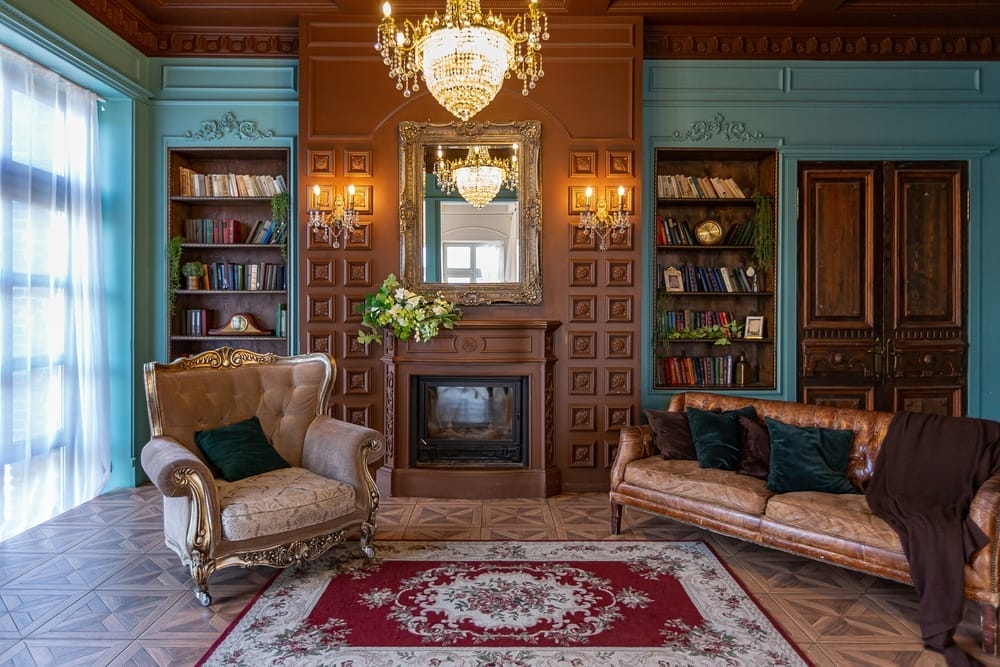
Interior of home
Image source: shutterstock.com

Design styles come and go, but certain styles continue to draw in repeat customers due to their lasting appeal. Designers from the past created distinctive and expressive designs that deviated from contemporary standardized templates and algorithmic filters during the previous design era. Homeowners, together with designers and small business owners, currently seek design ideas from past decades. A well-placed splash of vintage flair can make a space or product stand out in a world of sameness. Retro design trends offer more than nostalgia, as they help people unite past elements with modern ones to create unique designs that feel both new and familiar.

1. Mid-Century Modern Simplicity

Clean lines, organic shapes, and warm wood tones define mid-century modern design. It first took hold in the 1950s and 1960s, but its influence never really disappeared. The focus on functional beauty and minimal clutter makes this trend perfect for contemporary living. Whether it’s a low-profile sofa, tapered legs on furniture, or a statement pendant lamp, the look feels both classic and current.

Homeowners love how this style pairs easily with modern materials like metal and glass. It’s a great reminder that simplicity can be stylish and that functional design never goes out of fashion.

2. Bold Geometric Patterns

Geometric prints dominated the 1970s and 1980s, adding energy to walls, fabrics, and flooring. Today, these bold patterns are creeping back into interiors and branding projects. Designers use them sparingly to add visual rhythm without overwhelming the eye. A single accent wall or patterned rug can change the mood of a room instantly.

When used thoughtfully, geometric designs convey confidence and creativity. They’re ideal for anyone who wants to make a statement while staying true to the roots of retro design trends.

3. Earthy Color Palettes

Before minimalist whites and grays dominated, interiors were full of rich, earthy hues. Think olive green, burnt orange, mustard yellow, and deep brown. These tones create warmth and comfort, especially when combined with natural materials like wood and rattan. They make a home feel grounded and inviting.

Color experts note that these shades pair well with modern neutrals. A small dose—a terracotta vase, a rust-colored throw pillow, or a forest-green accent chair—can instantly bring a room to life.

4. Vintage Typography

Typography tells a story, and retro fonts have a personality that sleek modern typefaces often lack. From groovy 1970s lettering to art deco curves, vintage typography brings character to branding, posters, and packaging. It’s particularly effective for businesses that want to communicate authenticity and heritage.

Many designers turn to online archives or platforms like Font Squirrel for free vintage-inspired typefaces. The right font can set the tone before a single word is read, making it a powerful asset in both digital and print design.

5. Textured Surfaces and Materials

Modern spaces can sometimes feel too smooth, too polished. Retro design embraced texture—macramé wall hangings, shag rugs, and rough ceramics all added tactile interest. Bringing back texture helps soften the sharp edges of modern interiors and invites touch and warmth.

Layering materials like velvet, linen, and wood can create depth without clutter. It’s a small but meaningful way to reintroduce the human touch that older design eras celebrated.

6. Neon and Chrome Accents

Few things scream “retro” like neon lights and chrome finishes. These elements once symbolized optimism and progress, especially in the 1980s. Today, they’re being reimagined in smaller doses—think neon signage in a home office or chrome bar stools in a kitchen. The result is fun and nostalgic without feeling dated.

Even tech companies and restaurants are using neon-inspired graphics to stand out online. A simple glow effect can transform a logo or website banner into something memorable. Sites like Canva make it easy to experiment with neon visuals for both digital and physical projects.

7. Retro Appliances and Fixtures

Appliances with rounded corners, bright colors, and chrome details bring instant character to kitchens and bathrooms. Brands have begun releasing new models inspired by the aesthetics of the 1950s and 1960s, but with modern efficiency. It’s a smart way to blend nostalgia with practicality.

Retro-inspired fridges, toasters, and even faucets can serve as focal points in a room, adding a touch of nostalgia. They remind us that design can be playful, even in the most functional spaces. As more homeowners seek individuality, these small touches can make a big impact.

Why Retro Still Resonates

People choose genuine products because society has reached a point where mass-produced standardized products have become overwhelming. Retro design trends foster deep connections because they incorporate human elements through their storytelling and textured, imperfect design elements. The method enables designers to develop new solutions that do not need a complete space or brand redesign. Sustainable design solutions are developed by combining modern design elements with classic design principles to create personalized spaces.

The financial element also contributes to this situation. Old furniture pieces and decorative items can be repurposed to achieve both monetary savings and environmental sustainability. The primary goal involves understanding historical ideas by using contemporary viewpoints. Which of these retro design trends would you bring back into your home or workspace?

What to Read Next…

  • The Subtle Home Smells That Real Estate Agents Say Ruin Sales
  • 7 Popular Cleaning Products That Can Destroy Your Plumbing
  • 9 Common Products That May Be Illegal To Resell Online
  • 8 Everyday Services That Are Slowly Becoming Subscription Only
  • 7 Tactics Grocery Stores Use To Keep You From Thinking About Price
Travis Campbell
Travis Campbell

Travis Campbell is a digital marketer/developer with over 10 years of experience and a writer for over 6 years. He holds a degree in E-commerce and likes to share life advice he’s learned over the years. Travis loves spending time on the golf course or at the gym when he’s not working.

Filed Under: Lifestyle Tagged With: design, home decor, interior design, retro, vintage style

Household Decor That Can Increase Fire Damage

July 6, 2025 by Travis Campbell Leave a Comment

decor
Image Source: pexels.com

Fire damage is one of the most devastating risks homeowners face, and it often starts with the most unexpected sources. While we all want our homes to look beautiful and feel cozy, some popular decor choices can actually make a house more vulnerable to fire. Understanding which household items increase fire damage risk is crucial for protecting your family, your property, and your peace of mind. By making a few smart changes, you can enjoy a stylish home without sacrificing safety. Let’s look at the decor items that could be putting your home at greater risk for fire damage—and what you can do about it.

1. Candles and Open Flames

Candles are a classic way to add ambiance and warmth to any room, but they’re also a leading cause of residential fire damage. Even a small, unattended candle can ignite curtains, furniture, or paper in seconds. Scented candles, decorative oil lamps, and even incense sticks all pose similar risks. If you love the glow of candlelight, consider switching to flameless LED candles. Always keep open flames away from flammable materials and never leave them unattended while burning.

2. Overloaded Electrical Outlets and Extension Cords

Decorative lighting, from string lights to floor lamps, can transform a space, but plugging too many devices into one outlet is a recipe for fire damage. Overloaded outlets and tangled extension cords can overheat, spark, and ignite nearby materials. This is especially risky in older homes with outdated wiring. Use surge protectors, avoid daisy-chaining extension cords, and unplug decor items when not in use. Regularly check cords for fraying or damage, and replace them as needed.

3. Flammable Fabrics and Textiles

Plush throw blankets, decorative pillows, and drapes add comfort and style, but many are made from highly flammable synthetic materials. In the event of a fire, these items can accelerate the spread of flames and increase fire damage throughout your home. Choose textiles labeled as flame-retardant whenever possible, and keep fabrics away from heat sources like space heaters, radiators, and fireplaces. Launder and maintain them according to the manufacturer’s instructions to preserve their fire-resistant qualities.

4. Artificial Plants and Dried Floral Arrangements

While real plants can help purify the air, artificial plants and dried flowers are often made from plastic or preserved materials that burn quickly and produce toxic smoke. These decorative items are frequently placed on mantels, shelves, or near windows—areas where they can easily catch fire from a stray spark or candle. If you love the look of greenery, opt for live plants or ensure artificial arrangements are kept far from any potential ignition sources.

5. Wall Hangings and Tapestries

Tapestries, fabric wall art, and even large framed prints can contribute to fire damage if they’re hung near heat sources. These items can ignite quickly and help flames travel up walls and across ceilings, making a fire harder to contain. When decorating, keep wall hangings at least three feet away from fireplaces, stoves, and space heaters. Consider using fire-resistant mounting materials and avoid placing decor directly above electrical outlets or switches.

6. Cluttered Shelves and Decorative Displays

A shelf filled with books, knick-knacks, and collectibles may look charming, but clutter can fuel a fire and block escape routes. Paper, cardboard, and other combustible materials stacked together can create a path for flames to spread, increasing fire damage and making it harder for firefighters to control the blaze. Keep shelves organized and avoid overcrowding. Store important documents in fireproof containers and regularly declutter to reduce risk.

7. Area Rugs and Carpets

Area rugs and carpets, especially those made from synthetic fibers, can ignite easily and contribute to fire damage by allowing flames to move quickly across a room. Rugs placed near fireplaces, heaters, or in high-traffic areas are particularly vulnerable. Choose rugs with a fire-resistant label and always use a fire screen with fireplaces. Vacuum regularly to prevent dust and debris buildup, which can also be flammable.

8. Decorative Mirrors and Glass Objects

Mirrors and glass decor can unintentionally focus sunlight onto flammable surfaces, especially when placed near windows. This “magnifying glass” effect has been known to start fires in rare cases, leading to unexpected fire damage. Be mindful of where you place reflective objects, and check throughout the day to see how sunlight moves through your home. If you notice a concentrated beam of light, reposition the item to a safer spot.

9. Vintage or Antique Electrical Decor

Old lamps, light fixtures, and other vintage electrical items may add character to your home, but they often lack modern safety features. Frayed wires, outdated plugs, and faulty switches can all spark fires and increase fire damage risk. If you love antique decor, have it inspected and rewired by a professional before use. Never use electrical items that show signs of wear or damage.

10. Holiday Decorations

Seasonal decor like Christmas trees, string lights, and festive garlands is a major source of fire damage during the holidays. Dry trees, overloaded outlets, and flammable ornaments can all contribute to a dangerous situation. Water live trees daily, use LED lights, and turn off all decorations before leaving the house or going to bed.

Creating a Safer, Stylish Home

Decorating your home should be fun and expressive, but it’s important to consider how your choices might increase fire damage risk. By being mindful of flammable materials, electrical safety, and placement of decor, you can enjoy a beautiful space that’s also safe for your family. Small changes—like choosing flame-retardant fabrics or updating old wiring—can make a big difference in preventing fire damage and protecting what matters most.

What household decor choices have you reconsidered for fire safety? Share your thoughts and experiences in the comments below!

Read More

Ripped From The Headlines: Bad Holiday Economic Mood

Vacation Without Breaking The Bank

Travis Campbell
Travis Campbell

Travis Campbell is a digital marketer/developer with over 10 years of experience and a writer for over 6 years. He holds a degree in E-commerce and likes to share life advice he’s learned over the years. Travis loves spending time on the golf course or at the gym when he’s not working.

Filed Under: safety Tagged With: fire damage, fire prevention, fire safety, home decor, home safety, household hazards, risk reduction

FOLLOW US

Search this site:

Recent Posts

  • Can My Savings Account Affect My Financial Aid? by Tamila McDonald
  • 12 Ways Gen X’s Views Clash with Millennials… by Tamila McDonald
  • What Advantages and Disadvantages Are There To… by Jacob Sensiba
  • 10 Tactics for Building an Emergency Fund from Scratch by Vanessa Bermudez
  • Call 911: Go To the Emergency Room Immediately If… by Stephen Kanaval
  • 7 Weird Things You Can Sell Online by Tamila McDonald
  • 10 Scary Facts About DriveTime by Tamila McDonald

Copyright © 2026 · News Pro Theme on Genesis Framework