• Home
  • About Us
  • Toolkit
  • Getting Finances Done
    • Hiring Advisors
    • Debt Management
    • Spending Plan
  • Insurance
    • Life Insurance
    • Health Insurance
    • Disability Insurance
    • Homeowners/Renters Insurance
  • Contact Us
  • Privacy Policy
  • Risk Tolerance Quiz

The Free Financial Advisor

You are here: Home / Archives for Housing Market

Why New Home Construction Could Plummet by 40% This Year

July 15, 2025 by Travis Campbell Leave a Comment

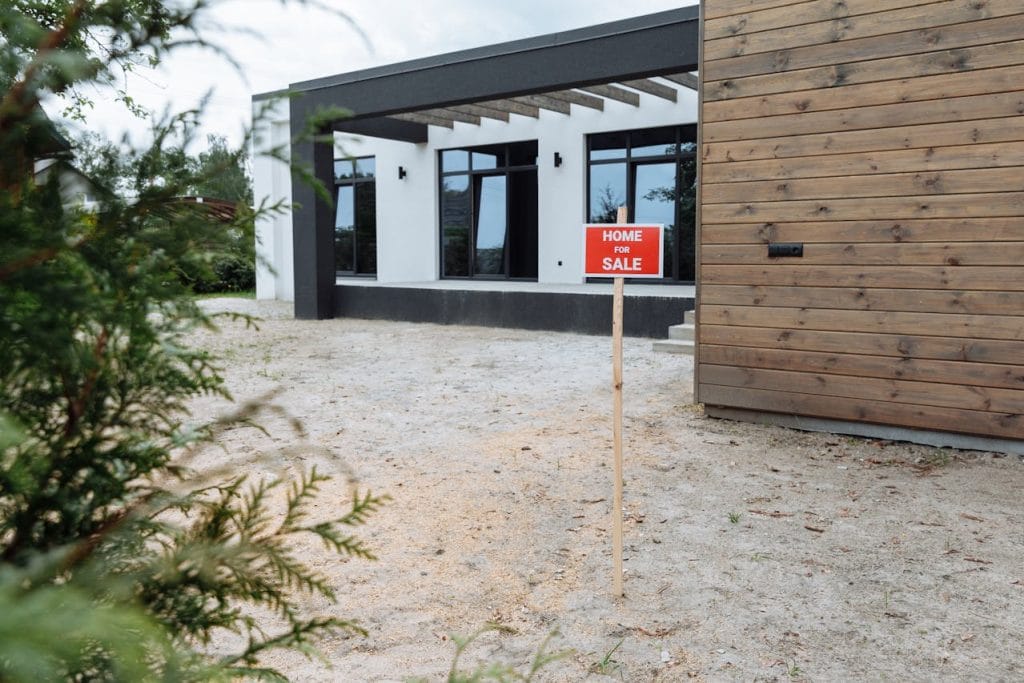
home construction

Image Source: pexels.com

Building a new home is a big dream for many people. But this year, that dream might get harder to reach. New home construction could drop by as much as 40%. This isn’t just a number. It affects families, builders, and anyone hoping to buy a house soon. If you’re thinking about building or buying, you need to know what’s happening. Here’s why this matters and what you can do about it.

1. High Interest Rates Are Freezing Buyers

Interest rates are up, and that’s making mortgages expensive. When rates go up, monthly payments go up too. Many buyers can’t afford the extra cost. Some people who planned to build are now waiting. Others are priced out completely. Builders see fewer buyers, so they slow down or stop new projects. This is a big reason why new home construction could plummet by 40% this year. If you’re thinking about building, check current rates and see how they affect your budget.

2. Construction Costs Keep Rising

Building a house costs more than it did a few years ago. Lumber, concrete, and other materials are expensive. Labor costs are up, too. Builders have to charge more to cover these costs. Some buyers can’t pay the higher prices, so they back out. Others decide to wait for prices to drop. This cycle means fewer new homes get built. If you’re planning a build, get quotes from several builders. Ask about ways to save on materials or design. Even small changes can help lower your costs.

3. Supply Chain Problems Aren’t Over

You might think supply chain issues are old news, but they’re still here. Builders can’t always get what they need when they need it. Delays in getting windows, appliances, or even nails can stop a project for weeks. Some builders are tired of waiting and are taking on fewer jobs. Others are raising prices to cover the risk of delays. If you’re building, ask your builder about supply chain risks. Find out what’s in stock and what might be delayed. Planning ahead can help you avoid surprises.

4. Fewer Workers in the Industry

There aren’t enough skilled workers to build all the homes people want. Many workers left construction during the last recession and never came back. Others are retiring. New workers aren’t joining fast enough. This shortage means projects take longer and cost more. Some builders can’t find enough workers, so they build fewer homes. If you’re hiring a builder, ask about their crew. Make sure they have enough people to finish your project on time.

5. Homeowners Are Staying Put

People who already own homes with low mortgage rates don’t want to move. Selling and buying a new home would mean paying a much higher rate. So, they stay where they are. This means fewer existing homes for sale, and less demand for new homes. Builders see this and slow down construction. If you’re hoping to buy, look at both new and existing homes. You might find a better deal by being flexible.

6. Tougher Lending Standards

Banks are being careful about who they lend to. They want to avoid risky loans. This means it’s harder to get a mortgage, especially for new construction. Some buyers can’t get approved, even if they have good credit. Builders also have a harder time getting loans to start new projects. If you’re planning to build, get pre-approved for a loan before you start. This can save you time and stress later.

7. Local Regulations Slow Things Down

Building a new home isn’t just about money and materials. Local rules and permits can slow things down. Some cities have strict zoning laws or long approval times. This makes it harder and slower to start new projects. Builders may decide it’s not worth the hassle. If you’re building, check local rules early. Talk to your city or county office. Knowing the process can help you plan better.

8. Uncertain Economic Outlook

People are worried about the economy. Some fear a recession. Others worry about job security. When people feel uncertain, they put off big decisions like building a house. Builders see this and slow down new projects. If you’re unsure about your job or finances, it’s smart to wait. But if you’re ready, you might find less competition and better deals.

9. Investors Are Pulling Back

Investors used to buy new homes to rent or flip. Now, many are waiting. High interest rates and uncertain prices make investing risky. With fewer investors, builders lose a big group of buyers. This means fewer new homes get built. If you’re a first-time buyer, this could mean less competition from investors. But it also means fewer new homes to choose from.

10. Affordability Crisis Hits Hard

Many people simply can’t afford a new home right now. Prices are high, and wages haven’t kept up. This affordability crisis means fewer buyers and less demand for new construction. Builders respond by cutting back. If you’re struggling with affordability, look for programs that help first-time buyers.

What This Means for Your Next Move

New home construction could plummet by 40% this year. This affects buyers, sellers, and anyone in the housing market. If you’re thinking about building, plan carefully. Watch interest rates, check your budget, and talk to builders about risks. If you’re buying, be flexible and look at all your options. The market is changing fast, but with the right information, you can make smart choices.

Have you thought about building a new home this year? What challenges are you seeing in your area? Share your thoughts in the comments.

Read More

Signs Your Home Has Become a Financial Liability

Home Security Mistakes That Attract Break-Ins

Travis Campbell
Travis Campbell

Travis Campbell is a digital marketer/developer with over 10 years of experience and a writer for over 6 years. He holds a degree in E-commerce and likes to share life advice he’s learned over the years. Travis loves spending time on the golf course or at the gym when he’s not working.
Filed Under: Personal Finance Tagged With: affordability, construction costs, home buying, Housing Market, interest rates, new home construction, Real estate, supply chain

Neighborhoods With the Fastest Decline in Home Equity

July 8, 2025 by Travis Campbell Leave a Comment

neighborhood

Image Source: pexels.com

Homeownership is often seen as a cornerstone of financial security, but what happens when your home’s value starts to slip? The decline in home equity can catch even the most prepared homeowners off guard, impacting everything from your net worth to your ability to refinance or sell. With shifting market conditions, some neighborhoods are experiencing a much faster drop in home equity than others. Understanding where these declines are occurring—and why—can help you make more informed decisions about buying, selling, or holding onto your property. Whether you’re a current homeowner, a prospective buyer, or just keeping an eye on your local market, knowing which areas are most at risk is crucial for protecting your financial future.

Let’s break down the neighborhoods with the fastest decline in home equity and what you can do if you find yourself in one of these areas.

1. Urban Centers Facing Population Decline

Major cities that once attracted waves of new residents are now seeing people move out in search of affordability and space. As remote work becomes more common, urban neighborhoods in cities like San Francisco and New York have seen a noticeable decline in home equity. Fewer buyers and increased inventory mean home values can drop quickly. If you own property in one of these urban centers, consider how local job trends and migration patterns might affect your home’s value. Staying informed about city planning and economic development can help you anticipate further changes.

2. Suburbs With Overbuilt Housing

During the housing boom, many suburban neighborhoods saw rapid construction to meet demand. Now, some of these areas are experiencing a decline in home equity as supply outpaces demand. Overbuilt suburbs, especially those on the outskirts of major cities, can see home values drop when there are too many similar properties on the market. If you live in a newer development, keep an eye on the number of homes for sale nearby. To protect your investment, focus on maintaining your property and consider upgrades that make your home stand out from others in the neighborhood.

3. Regions Hit Hard by Natural Disasters

Neighborhoods that have recently faced hurricanes, wildfires, or floods often see a sharp decline in home equity. Insurance costs rise, and buyers become wary of future risks, leading to lower demand and falling prices. For example, parts of Florida and California have experienced significant declines in home values following repeated natural disasters. If you’re in a high-risk area, investing in mitigation measures—like flood-proofing or fire-resistant landscaping—can help preserve your home’s value.

4. Rust Belt Cities with Declining Industries

Cities in the Rust Belt, such as Detroit and Cleveland, have long struggled with job losses and population decline. Neighborhoods in these areas often experience a steady decline in home equity as local economies contract. If you own property in a city with shrinking industries, diversifying your investments and staying involved in community revitalization efforts can help offset potential losses. Watch for signs of new economic development, as these can signal a turnaround in home values.

5. Vacation Destinations Losing Popularity

Some neighborhoods in traditional vacation hotspots are seeing a decline in home equity as travel trends shift. Areas that once thrived on seasonal tourism—like certain beach towns or ski resorts—may struggle when visitor numbers drop. This can lead to an increase in homes on the market and falling prices. If you own a property in a vacation area, consider how changes in travel habits or local attractions might affect demand. Renting out your home during peak seasons or marketing it to remote workers can help maintain its value.

6. Older Neighborhoods with Aging Infrastructure

Neighborhoods with outdated infrastructure—such as old water lines, roads, or schools—can see a faster decline in home equity. Buyers are often wary of the potential costs and inconveniences associated with repairs and upgrades. If you live in an older area, staying proactive about maintenance and advocating for community improvements can help protect your investment. Joining local homeowner associations or attending city council meetings can give you a voice in neighborhood upgrades.

7. Areas With High Foreclosure Rates

High foreclosure rates can drag down home values in any neighborhood. When multiple homes are repossessed and sold at a discount, it sets a lower benchmark for the entire area, accelerating the decline in home equity. If you notice an uptick in foreclosures in your area, it’s essential to monitor your home’s value and consider refinancing or selling before prices drop further. Staying connected with local real estate professionals can provide early warnings about market shifts.

Protecting Your Home Equity in a Changing Market

The decline in home equity isn’t just a headline—it’s a real challenge that can affect your financial stability and future plans. By staying informed about local trends, maintaining your property, and being proactive about upgrades, you can help shield your investment from market downturns. Remember, real estate markets are cyclical, and neighborhoods can rebound with the right mix of community action and economic development. Keep an eye on the factors that influence your area, and don’t hesitate to seek professional advice if you’re concerned about your home’s value.

Have you noticed changes in home equity in your neighborhood? Share your experiences or tips in the comments below!

Read More

5 Biggest Refinance Concerns

Federal Reserve Report: Hang On For Rough Ride…

Travis Campbell
Travis Campbell

Travis Campbell is a digital marketer/developer with over 10 years of experience and a writer for over 6 years. He holds a degree in E-commerce and likes to share life advice he’s learned over the years. Travis loves spending time on the golf course or at the gym when he’s not working.

Filed Under: Real Estate Tagged With: home equity, homeownership, Housing Market, neighborhoods, Personal Finance, property value, Real estate, real estate trends

Should You Really Buy a Home Right Now? The Unfiltered Math

May 27, 2025 by Travis Campbell Leave a Comment

buying a home

Image Source: pexels.com

Buying a home has always been a milestone for many Americans, but lately, the question “Should you really buy a home right now?” feels more loaded than ever. With headlines warning of sky-high prices, mortgage rates climbing, and stories of buyers waiving inspections just to get a foot in the door, it’s easy to feel overwhelmed. For many, the dream of homeownership is colliding with the harsh reality of today’s market math. Understanding the real numbers behind the decision is crucial if you’re weighing whether to jump in or sit tight. Let’s break down the unfiltered math so you can make a choice that truly fits your financial life.

1. Home Prices: Still at Record Highs

Home prices across the U.S. remain stubbornly high, even as the market cools in some regions. The median existing-home price hit $407,600 in April 2024, up 5.7% from a year earlier, according to the National Association of Realtors. In many cities, prices are even higher—San Francisco, Boston, and Seattle all report median prices well above $800,000.

This means that the entry point is steeper for many buyers than ever. For example, a first-time buyer in Austin, Texas, now faces a median price of $450,000, compared to $325,000 just five years ago. These numbers aren’t just abstract—they translate into larger down payments, higher monthly payments, and more risk if the market shifts.

The underlying cause is a persistent shortage of homes for sale, combined with strong demand from millennials entering their peak buying years. Even with new construction picking up, inventory remains tight, keeping prices elevated. If you’re considering buying, be prepared for stiff competition and the possibility of paying above asking price in many markets.

2. Mortgage Rates: The Cost of Borrowing Has Doubled

The cost of borrowing is a game-changer in today’s housing market. Mortgage rates have more than doubled since early 2022, with the average 30-year fixed rate hovering around 7% as of May 2025. Just two years ago, rates were closer to 3%.

What does this mean for your wallet? On a $400,000 loan, a 3% rate would cost about $1,686 per month (principal and interest). At 7%, that jumps to $2,661—a difference of nearly $1,000 every month. Over 30 years, that’s an extra $350,000 in interest alone.

This shift has priced many buyers out of the market or forced them to lower their budgets. It also means that even if home prices stabilize, the total cost of ownership remains much higher than in recent years. If you’re stretching to afford a home at today’s rates, consider whether you’d still be comfortable if your financial situation changed.

3. Rent vs. Buy: The Math Isn’t Always Obvious

With home prices and mortgage rates both high, the classic rent vs. buy debate is more relevant than ever. In many cities, renting is now significantly cheaper than buying. For example, in Los Angeles, the average rent for a two-bedroom apartment is about $2,900, while the monthly cost to own a similar home (including mortgage, taxes, and insurance) can exceed $4,500.

But the math goes beyond monthly payments. Homeownership comes with additional costs—maintenance, repairs, HOA fees, and property taxes—that can add up to 1-2% of your home’s value each year. On a $500,000 home, that’s $5,000 to $10,000 annually.

On the flip side, owning a home can build equity over time, especially if prices continue to rise. However, if you plan to move within five years, buying and selling transaction costs may outweigh any gains. Use a rent vs. buy calculator to see how the numbers stack up for your situation.

4. Down Payments and Hidden Costs: The Barriers to Entry

Saving for a down payment is one of the biggest hurdles for buyers today. With median prices above $400,000, a traditional 20% down payment means coming up with $80,000—no small feat. While some loans allow for lower down payments, this often means paying private mortgage insurance (PMI), which can add hundreds to your monthly bill.

Beyond the down payment, buyers face closing costs (typically 2-5% of the purchase price), moving expenses, and the immediate need for repairs or upgrades. For example, a $400,000 home could require $8,000 to $20,000 in closing costs alone.

These upfront costs can drain savings and leave new homeowners financially vulnerable. If you’re considering buying, make sure you have a healthy emergency fund and budget for the true all-in cost, not just the sticker price.

5. Market Uncertainty: What If Prices Drop?

One of the biggest fears for buyers right now is the risk of buying at the top of the market. While most experts don’t predict a 2008-style crash, some regions are seeing price corrections as affordability wanes. If you buy now and prices dip, you could end up underwater on your mortgage, owing more than your home is worth.

This risk is especially real if you need to sell within a few years due to a job change or family needs. Homeownership is best viewed as a long-term investment. If you’re not sure you’ll stay put for at least five to seven years, renting may offer more flexibility and less financial risk.

Making the Numbers Work for You

The unfiltered math of buying a home right now is sobering, but it’s not all doom and gloom. If you have a stable income, a solid down payment, and plan to stay in your home for the long haul, buying can still make sense, especially if you find a property that fits your budget and needs.

However, don’t let FOMO or pressure from friends and family push you into a decision that doesn’t add up. Run the numbers carefully, consider your long-term plans, and be honest about your financial comfort zone. Sometimes, waiting or renting a bit longer is the smartest move.

Are you wrestling with the decision to buy a home right now? What’s the biggest factor influencing your choice? Share your thoughts in the comments below.

Read More

Is It Ever a Good Idea to Move Back in with Your Parents to Pay Off Debt?

8 Hidden Costs of Buying a Home

Travis Campbell
Travis Campbell

Travis Campbell is a digital marketer/developer with over 10 years of experience and a writer for over 6 years. He holds a degree in E-commerce and likes to share life advice he’s learned over the years. Travis loves spending time on the golf course or at the gym when he’s not working.

Filed Under: Real Estate Tagged With: first-time buyers, home buying, Housing Market, mortgage rates, Personal Finance, Real estate, rent vs buy

Here’s What It Cost To Buy A Home in 2010

May 18, 2025 by Travis Campbell Leave a Comment

home sold

Image Source: pexels.com

Buying a home is one of the biggest financial decisions most people will ever make. But have you ever wondered what the cost of buying a home in 2010 was? Whether you’re a first-time buyer, a seasoned homeowner, or just curious about how the real estate market has changed, understanding the costs from a decade and a half ago can offer valuable perspective. The housing market in 2010 was still reeling from the effects of the Great Recession, and prices, interest rates, and buyer incentives looked very different from what we see today. Looking back, we can better appreciate how far the market has come—and what lessons we can apply to our financial journeys. So, let’s take a trip down memory lane and break down exactly what buying a home in 2010 costs.

1. The National Median Home Price in 2010

In 2010, the national median home price was about $221,800, according to the National Association of Realtors. This figure represented a significant drop from the housing bubble peak in 2006, when prices soared above $250,000. The aftermath of the financial crisis meant that home values had plummeted, making 2010 a buyer’s market in many regions. This was an opportunity for buyers with stable finances to purchase homes at prices not seen in years. However, the low prices also reflected the uncertainty and caution that defined the market at the time.

2. Mortgage Interest Rates: Historically Low

One of the most striking aspects of buying a home in 2010 was the historically low mortgage interest rates. According to Freddie Mac, the average 30-year fixed mortgage rate hovered around 4.69% for much of the year. This was a significant drop from the double-digit rates seen in the 1980s, which were even lower than the rates in the early 2000s. These low rates made monthly payments more affordable and allowed buyers to qualify for larger loans. For many, this was the perfect time to lock in a low rate and save thousands over the life of their mortgage.

3. Down Payments: How Much Did Buyers Need?

In 2010, the standard down payment for a conventional loan was typically 20% of the home’s purchase price. However, many buyers took advantage of FHA loans, which required as little as 3.5% down. For a median-priced home, that meant a down payment of about $7,763 with an FHA loan, or $44,360 for a conventional loan. The lower down payment options helped more first-time buyers enter the market, especially those who might have struggled to save a large lump sum. Still, buyers needed to factor in private mortgage insurance (PMI) if they put down less than 20%, which added to their monthly costs.

4. Closing Costs: The Hidden Expenses

Beyond the down payment, buyers in 2010 also had to budget for closing costs, which typically ranged from 2% to 5% of the home’s purchase price. A $221,800 home meant an additional $4,436 to $11,090 in fees for things like appraisals, title insurance, and loan origination. Some buyers were able to negotiate with sellers to cover part of these costs, especially in a market where sellers were eager to close deals. However, it was essential for buyers to be prepared for these expenses, as they could quickly add up and catch the unprepared off guard.

5. Tax Credits and Buyer Incentives

One unique aspect of buying a home in 2010 was the availability of government incentives. The federal government offered a first-time homebuyer tax credit of up to $8,000, which was a huge help for many buyers. This program, part of the economic stimulus efforts following the recession, was designed to encourage home purchases and stabilize the housing market. While the tax credit expired in mid-2010, those who bought early in the year could still take advantage of this significant financial boost. For some, this incentive made the difference between renting and owning.

6. Regional Price Differences

While the national median gives a good overview, the cost to buy a home in 2010 varied widely by region. In cities hit hardest by the housing crash, like Las Vegas and Phoenix, home prices dropped dramatically, sometimes by more than 50% from their peaks. In contrast, markets like New York and San Francisco remained relatively expensive, though they too saw some price declines. This regional variation meant that buyers in certain areas could find incredible bargains, while others still faced steep prices. Understanding these differences is crucial for anyone comparing today’s market to the past.

7. The Cost of Waiting: Then vs. Now

Looking back, it’s clear that 2010 was a unique window of opportunity for homebuyers. Those who bought at the bottom of the market likely saw significant home value appreciation. For example, the national median home price has more than doubled since 2010, reaching over $400,000 in 2024. This dramatic increase highlights the long-term benefits of buying during a downturn and underscores the importance of timing and market conditions. While no one can predict the future, understanding the past can help buyers make more informed decisions.

Lessons From 2010: What Today’s Buyers Can Learn

Unique economic forces shaped the cost of buying a home in 2010, but the lessons still apply today. Low prices, favorable interest rates, and government incentives created opportunities for those ready to act. Today’s buyers can learn from this period by staying informed, being prepared for all costs (not just the sticker price), and looking for opportunities in changing markets. Whether you’re buying your first or fifth home, understanding the cost to buy a house in 2010 can help you make smarter, more confident decisions in today’s market.

What do you remember about the housing market in 2010? Did you buy a home then, or were you waiting on the sidelines? Share your story in the comments below!

Read More

8 Hidden Costs of Buying a Home

How Much House Can I Afford? Use This House Affordability Calculator

Travis Campbell
Travis Campbell

Travis Campbell is a digital marketer/developer with over 10 years of experience and a writer for over 6 years. He holds a degree in E-commerce and likes to share life advice he’s learned over the years. Travis loves spending time on the golf course or at the gym when he’s not working.

Filed Under: Real Estate Tagged With: 2010, first-time buyers, home buying, home prices, Housing Market, mortgage, Planning, Real estate

Here’s What is Cost To Buy A Home in 2000

May 17, 2025 by Travis Campbell Leave a Comment

hand holding key against house background

Image Source: 123rf.com

Buying a home is one of the biggest financial decisions most people will ever make. But have you ever wondered what buying a home in 2000 actually cost? Whether you’re a first-time buyer, a seasoned homeowner, or just curious about how the real estate market has changed, understanding the cost to buy a home in 2000 can offer a valuable perspective. It’s not just about nostalgia—comparing past and present home prices can help you make smarter decisions today. It’s fascinating to see how much the market has shifted in just a few decades. Let’s take a trip down memory lane and break down what it really cost to buy a home in 2000, and what that means for you now.

1. The National Median Home Price in 2000

Back in 2000, the national median home price was about $119,600, according to the U.S. Census Bureau. That number might sound shockingly low compared to today’s prices, but it’s important to remember that wages, interest rates, and the overall economy were very different. The cost of buying a home in 2000 was much more accessible for many families, especially when compared to the rapid price increases seen in the years since. This figure is a great starting point if you’re comparing your current home search to what your parents or older siblings experienced.

2. Mortgage Rates Made a Big Difference

Interest rates played a considerable role in the cost of buying a home in 2000. At the start of the millennium, the average 30-year fixed mortgage rate hovered around 8%. While that’s higher than the historic lows we’ve seen in recent years, it was actually considered reasonable at the time. Higher rates meant higher monthly payments, even lower home prices. For example, a $120,000 mortgage at 8% interest would result in a monthly payment of about $880 (excluding taxes and insurance). Understanding how mortgage rates impact affordability is crucial, whether you’re looking back or planning your next move.

3. Down Payments and Loan Options

In 2000, the standard down payment was typically 20%, though some buyers qualified for FHA loans with as little as 3% down. A typical buyer must save around $24,000 for a median-priced home. The cost to buy a home in 2000 wasn’t just about the sticker price but also about how much cash you needed upfront. While there were fewer low-down-payment options than today, programs for first-time buyers were becoming more common. If you’re saving for a home now, it’s helpful to know that buyers in 2000 faced similar challenges when scraping together a down payment.

4. Closing Costs and Other Fees

Beyond the purchase price and down payment, buyers in 2000 also had to budget for closing costs. These typically ranged from 2% to 5% of the home’s price, covering things like loan origination fees, title insurance, and inspections. A $120,000 home meant an additional $2,400 to $6,000 out of pocket. The cost to buy a home in 2000 included these “hidden” expenses, which often caught first-time buyers by surprise. Today, closing costs remain a significant part of the home-buying process, so planning for them early is wise.

5. Regional Price Differences

Like today, the cost of buying a home in 2000 varied widely depending on where you lived. Home prices in the Midwest and South were often well below the national median, sometimes under $100,000. Meanwhile, buyers in places like California or the Northeast faced much steeper prices, with some markets already pushing past $200,000 for a modest home. These regional differences highlight why it’s important to look beyond national averages and consider your local market when considering affordability.

6. The Impact of Inflation

It’s easy to look at the cost to buy a home in 2000 and feel a pang of envy, but don’t forget about inflation. Adjusted for inflation, that $119,600 median price is roughly equivalent to about $210,000 in today’s dollars. While homes were still more affordable by many measures, the gap isn’t quite as dramatic as it first appears. This perspective can help you set realistic expectations and appreciate the long-term value of real estate as an investment.

7. Wages and Affordability

One of the most important factors in the cost of buying a home in 2000 was how much people earned. The median household income in 2000 was about $42,000. That means the typical home costs about 2.8 times the average annual income. By comparison, today’s home prices are often five or six times the median income, making affordability a much bigger challenge. If you’re feeling squeezed by today’s market, you’re not alone—wages simply haven’t kept pace with rising home prices.

8. What You Got for Your Money

Homes built or bought in 2000 were often smaller and had fewer amenities than many new builds today. The average new home was about 2,000 square feet, with three bedrooms and two bathrooms. The cost to buy a home in 2000 got you a comfortable, functional space, but not necessarily the open floor plans, granite countertops, or smart home features that are common now. If you’re house hunting today, it’s worth considering what features matter most to you and where you might be willing to compromise.

Looking Back to Move Forward

Reflecting on the cost to buy a home in 2000 isn’t just an exercise in nostalgia—it’s a powerful reminder of how much the housing market has changed, and how important it is to plan carefully. While prices have risen and affordability has become more challenging, understanding the past can help you make smarter decisions for your future. Whether you’re saving for your first home or thinking about moving up, knowing what it cost to buy a home in 2000 can inspire you to set realistic goals and stay focused on what matters most.

How does your experience compare to the cost of buying a home in 2000? Share your thoughts or stories in the comments below!

Read More

8 Hidden Costs of Buying a Home

How Much House Can I Afford? Use This House Affordability Calculator

Travis Campbell
Travis Campbell

Travis Campbell is a digital marketer/developer with over 10 years of experience and a writer for over 6 years. He holds a degree in E-commerce and likes to share life advice he’s learned over the years. Travis loves spending time on the golf course or at the gym when he’s not working.

Filed Under: Real Estate Tagged With: affordability, first-time buyers, home buying, Housing Market, Inflation, mortgage rates, real estate history

5 Times Buying A Home Makes Sense and 3 Times It’s A Big Mistake

May 6, 2025 by Travis Campbell Leave a Comment

home for sale

Image Source: pexels.com

Deciding whether to buy a home represents one of life’s most significant financial commitments. While homeownership remains a cornerstone of the American Dream, it isn’t always the right financial move. The housing market’s complexity means that timing and personal circumstances dramatically impact whether purchasing property builds wealth or creates financial strain. Understanding when buying makes sense—and when it doesn’t—can save you from costly mistakes and help you build lasting financial security.

1. When Buying Makes Sense: You’re Financially Stable

Homeownership works best when you have your financial house in order. This means having:

  • A stable income source with reasonable job security
  • An emergency fund covering 3-6 months of expenses
  • Manageable debt levels (ideally a debt-to-income ratio below 36%)
  • A solid credit score (preferably 720+)
  • Sufficient savings for a down payment (ideally 20% to avoid PMI)

According to NAR, homeowners with strong financial foundations tend to build wealth more effectively through real estate before purchasing. You can weather unexpected costs like repairs without derailing your broader financial goals when financially prepared.

2. When Buying Makes Sense: You Plan to Stay Put

Buying makes financial sense when you remain in one location for at least 5-7 years. This timeframe typically allows enough time to:

  • Recoup closing costs (which average 2-5% of the purchase price)
  • Build meaningful equity through mortgage payments
  • Potentially benefit from property appreciation
  • Avoid the transaction costs of frequent moves

The longer you stay, the more likely your home becomes a wealth-building asset rather than a financial burden. Short-term homeownership often results in net losses when accounting for all transaction costs.

3. When Buying Makes Sense: The Market Conditions Are Favorable

Strategic timing can significantly impact your home-buying success. Favorable conditions include:

  • Interest rates below historical averages
  • A balanced market (neither extremely favoring buyers nor sellers)
  • Home prices that align with local income levels
  • Positive economic indicators in your target location

While perfectly timing the market is impossible, buying when reasonably favorable conditions exist improves your long-term financial outcome. The National Association of Realtors provides regular housing market updates that can help gauge current conditions.

4. When Buying Makes Sense: The Numbers Work in Your Favor

Smart home buying means running the numbers carefully. Purchasing makes sense when:

  • The monthly payment (including mortgage, taxes, insurance, and HOA fees) doesn’t exceed 28% of your gross income
  • The price-to-rent ratio in your area suggests buying is more economical in the long term
  • Property taxes and maintenance costs are manageable within your budget
  • You’ve calculated the true cost of ownership beyond just the mortgage

Remember that the purchase price is just the beginning—ongoing costs determine whether homeownership enhances or hinders your financial health.

5. When Buying Makes Sense: You Value Control and Customization

Beyond finances, homeownership provides intangible benefits that matter to many buyers:

  • Freedom to renovate, decorate, and personalize your space
  • Stability for family planning and community integration
  • Pride of ownership and emotional satisfaction
  • Control over your living environment without landlord restrictions

While difficult to quantify, these quality-of-life factors represent real value that can make buying worthwhile even when the pure financial case isn’t overwhelming.

1. When Buying Is a Mistake: You’re Financially Stretched

Purchasing a home when financially unprepared often leads to disaster. Warning signs include:

  • Depleting all savings for the down payment
  • Relying on the absolute maximum mortgage approval amount
  • Counting on future income increases to make payments affordable
  • Already struggling with existing debt obligations
  • Unstable employment or income

A Consumer Financial Protection Bureau report found that housing cost burden is a primary driver of financial distress. When buying stretches your finances too thin, you risk foreclosure, damaged credit, and significant stress.

2. When Buying Is a Mistake: Your Future Plans Are Uncertain

Homeownership requires stability and commitment. Buying is often a mistake when:

  • Career changes might necessitate relocation
  • Relationship status is in flux
  • Family size may change dramatically in the near term
  • You’re considering significant lifestyle changes
  • You value flexibility and mobility

The transaction costs of buying and selling within a short timeframe can easily exceed any potential appreciation, making renting the more financially sound choice during periods of life transition.

3. When Buying Is a Mistake: You’re Buying for the Wrong Reasons

Purchasing property based on emotional or social pressure rather than sound financial reasoning frequently leads to regret:

  • Buying because “that’s what adults do”
  • Rushing to purchase before fully understanding the market
  • Viewing real estate as a guaranteed investment
  • Trying to keep up with friends or family members
  • Believing renting is “throwing money away”

Home buying should align with your personal financial goals and circumstances, not external expectations or misconceptions about real estate.

The Home Buying Decision: Personal Finance in Its Truest Form

The decision to buy a home represents personal finance at its most personal. While homeownership can build wealth through forced savings, tax advantages, and appreciation, it’s not universally beneficial. The right choice depends on your unique financial situation, life stage, goals, and values. By carefully evaluating both the financial and lifestyle implications, you can make a housing decision that supports your broader financial well-being rather than undermining it.

Have you faced a difficult home buying decision? What factors ultimately influenced your choice to buy or continue renting? Share your experience in the comments below!

Read More

8 Hidden Costs of Buying a Home

5 Ways to Save Up to Buy a House

Travis Campbell
Travis Campbell

Travis Campbell is a digital marketer/developer with over 10 years of experience and a writer for over 6 years. He holds a degree in E-commerce and likes to share life advice he’s learned over the years. Travis loves spending time on the golf course or at the gym when he’s not working.

Filed Under: Real Estate Tagged With: first-time homebuyers, home buying mistakes, homeownership, Housing Market, mortgage, Planning, Real Estate Investment

Here’s Why It’s A Great Time To Purchase A Home In Ohio

April 25, 2025 by Travis Campbell Leave a Comment

columbus, ohio

Image Source: pixabay.com

The Ohio housing market is showing promising signs for potential homebuyers in 2025. With steady price growth, increasing inventory, and favorable economic conditions, now might be the perfect opportunity to invest in Ohio real estate. Let’s explore why the Buckeye State deserves your attention if you’re considering a home purchase.

1. Steady Price Appreciation Offers Investment Security

Ohio’s housing market demonstrates remarkable stability with consistent price growth. According to recent data from Ohio REALTORS®, the average home price reached $301,158 in September 2024, representing a 9.3% increase year-over-year. This steady appreciation trend has continued into 2025, with the current median home price at $247,200, up 11% from the previous year.

Unlike volatile markets elsewhere, Ohio’s price growth follows a sustainable pattern, making it an excellent long-term investment. Twelve out of fourteen major markets across the state showed increased average sales prices, indicating widespread value growth rather than isolated hotspots.

2. Increasing Inventory Gives Buyers More Options

After years of tight inventory, Ohio’s housing supply is finally expanding. Housing inventory has increased by 16.3% year-over-year, with approximately 37,809 homes currently for sale across the state. This growth in available properties means buyers have more choices and potentially more negotiating power than in recent years.

The average months of supply stands at about 2 months, which still indicates a relatively competitive market but offers significantly more breathing room than the extreme seller’s market conditions of previous years. This balanced inventory creates a healthier environment for thoughtful purchasing decisions.

3. Mortgage Rates Are Becoming More Favorable

Current mortgage rates in Ohio range between 6.37% and 6.62%, which, while not at historic lows, have stabilized after the volatility of recent years. Economic forecasts suggest potential rate decreases in the coming months as inflation continues to ease, potentially increasing buyers’ purchasing power.

For prospective homeowners, locking in today’s rates before potential market shifts could prove advantageous, especially considering the steady appreciation of Ohio properties that can offset financing costs over time.

4. Ohio’s Strong Economic Foundation

Ohio’s diverse economy provides a solid foundation for real estate investment. The state’s unemployment rate of 4.5% demonstrates economic resilience, with strong opportunities in technology, healthcare, manufacturing, education, and professional services sectors.

Cities like Shaker Heights and Columbus are experiencing particularly robust job markets, creating demand for housing and supporting property values. This economic diversity helps insulate the housing market from sector-specific downturns that might affect more specialized regional economies.

5. Affordability Compared to National Averages

Despite steady price appreciation, Ohio remains significantly more affordable than many other states. Ohio’s average cost of living is approximately $48,000, below the national average, while the median household income is $67,520.

According to recent reports, Ohio consistently ranks among the states with the most affordable housing markets. This makes homeownership accessible to a broader range of buyers, and the affordability factor, combined with steady appreciation, creates an attractive value proposition for homebuyers.

6. Competitive Market Without Being Overheated

Ohio’s real estate market demonstrates healthy competition without the frenzied bidding wars seen in some markets. Homes spend an average of 45 days on the market before going under contract, indicating strong demand without the pressure of instant decisions.

The sale-to-list price ratio is 100.1%, meaning homes typically sell very close to the asking price. This balanced dynamic allows buyers to make decisions while benefiting from a market that supports property values.

7. Diverse Housing Options Across Urban and Suburban Areas

Ohio offers remarkable diversity in housing options, from historic homes in established neighborhoods to new construction in growing communities. Major metropolitan areas like Cincinnati, Columbus, and Cleveland each have distinct submarkets catering to different preferences and price points.

New construction projects that were delayed during the pandemic are now coming to market, further increasing buyer options. This diversity allows purchasers to find properties that precisely match their needs and budgets.

8. Potential for Seller Concessions

With the recent National Association of REALTORS® settlement removing mandatory buyer agent compensation requirements, the market dynamics are shifting in ways that may benefit buyers. Sellers may increasingly offer concessions to attract qualified buyers, potentially including closing cost assistance or other financial incentives.

This evolving landscape creates opportunities for savvy buyers to negotiate favorable terms beyond just the purchase price, enhancing the overall value of their investment.

9. Long-Term Growth Potential in Key Markets

Several Ohio markets show particularly strong potential for continued growth. Cities like Columbus, Cincinnati, and emerging suburban areas are experiencing population growth and economic development that support long-term housing demand.

According to market forecasts, areas like Shaker Heights and Sandusky expect significant surges in home prices (66.8% and 79.8%, respectively) in the coming years, suggesting that early entry into these markets could yield substantial returns.

10. The Perfect Balance of Timing

The current Ohio market represents a rare equilibrium that favors thoughtful buyers. With increasing inventory providing more options, stable price growth offering investment security, and economic fundamentals supporting long-term value, the timing aligns perfectly for home purchases.

Market experts describe Ohio’s housing landscape as “strong and steady,” suggesting that the current conditions represent a momentary opportunity and a sustainable environment for real estate investment.

Making Your Ohio Dream Home a Reality

The combination of steady appreciation, increasing inventory, economic stability, and relative affordability makes 2025 an ideal time to purchase a home in Ohio. Whether you’re a first-time homebuyer, looking to upgrade, or considering an investment property, the Buckeye State offers compelling advantages in today’s real estate landscape.

As with any significant investment, working with knowledgeable local real estate professionals can help you navigate specific market conditions and identify the best opportunities in your target area. With proper research and guidance, your Ohio home purchase could provide both immediate satisfaction and long-term financial benefits.

Have you been considering a home purchase in Ohio? What factors are most important in your decision-making process?

Read More

8 Hidden Costs of Buying a Home

5 Ways to Save Up to Buy a House

Travis Campbell
Travis Campbell

Travis Campbell is a digital marketer/developer with over 10 years of experience and a writer for over 6 years. He holds a degree in E-commerce and likes to share life advice he’s learned over the years. Travis loves spending time on the golf course or at the gym when he’s not working.

Filed Under: Real Estate Tagged With: affordable housing, homebuying, Housing Market, mortgage rates, Ohio real estate, property values, Real Estate Investment

Why Boomers Think Everyone Should Own a House—Even When It’s Not Possible

April 19, 2025 by Travis Campbell Leave a Comment

keys and toy house

Image Source: unsplash.com

The generational divide over homeownership has never been more pronounced. Baby Boomers, who purchased homes during economic conditions vastly different from today’s, often struggle to understand why younger generations aren’t following their path. This disconnect creates tension at family gatherings and shapes political discourse about housing policy. For millennials and Gen Z facing skyrocketing prices, stagnant wages, and mounting student debt, the traditional homeownership advice can feel not just outdated but impossible. Understanding this generational perspective gap is crucial for making informed financial decisions that align with today’s economic realities rather than yesterday’s expectations.

1. The Boomer Homeownership Experience Was Fundamentally Different

When Baby Boomers purchased their first homes, they enjoyed economic advantages that simply don’t exist today. In the 1970s and 1980s, the median home price was approximately 2-3 times the median annual income. Today, that ratio has ballooned to 5-7 times annual income in many markets, and double digits in coastal cities.

Interest rates, while higher in nominal terms during the Boomer era, were offset by rapid wage growth and inflation that effectively reduced mortgage debt over time. Additionally, Boomers benefited from robust pension systems and employer loyalty that provided financial security and predictable career trajectories.

According to research from the Urban Institute, homeownership rates among young adults have fallen significantly compared to previous generations at the same age.

2. The “Guaranteed Investment” Mindset Ignores Market Realities

Boomers often view homeownership as the ultimate financial no-brainer because their generation witnessed unprecedented home value appreciation. Many purchased modest starter homes that multiplied in value several times over during their ownership.

This experience created a deeply ingrained belief that real estate always appreciates substantially over time. While housing has historically been a solid long-term investment, this perspective overlooks:

  • The significant regional variations in housing markets
  • The possibility of buying at market peaks
  • The substantial carrying costs of homeownership (maintenance, taxes, insurance)
  • The opportunity cost of tying up capital that could be invested elsewhere

For many younger people, especially those in high-cost areas, renting and investing the difference in low-cost index funds might actually produce better financial outcomes than stretching to buy an overpriced home.

3. The “Rent Is Throwing Money Away” Fallacy

Perhaps no phrase better encapsulates the Boomer homeownership philosophy than “renting is throwing money away.” This oversimplification ignores the substantial costs of homeownership beyond the mortgage payment.

The first 5-7 years of mortgage payments go primarily toward interest, not equity building. Add in property taxes, insurance, maintenance (typically 1-4% of home value annually), and the transaction costs of buying and selling (5-10%), and the financial advantage of owning isn’t always clear-cut.

In high-cost markets or for those who might need to relocate for career opportunities, renting provides flexibility that can translate to higher lifetime earnings. As The Economist reported, the rent-vs-buy calculation varies dramatically based on location, time horizon, and individual circumstances.

4. The Changing Nature of Work Makes Homeownership Riskier

Boomers often built careers with a single employer or within a single geographic area, making a 30-year mortgage commitment sensible. Today’s workforce experiences:

  • More frequent job changes (average tenure under 5 years)
  • Greater geographic mobility requirements
  • More contract and gig work with inconsistent income
  • Remote work possibilities that change location preferences

These shifts make the traditional homeownership model riskier and potentially less advantageous. Being tied to a specific location can limit career growth and income potential in ways that weren’t as pronounced for previous generations.

5. The Hidden Privilege in Homeownership Advice

When Boomers recommend homeownership, they often overlook the privileges that made their own purchases possible:

  • Family assistance with down payments
  • Less competitive housing markets
  • Less student debt burden
  • Stronger first-time homebuyer programs
  • More accessible lending standards (before the 2008 crash)

Today, the median first-time homebuyer is 33 years old and earns significantly above the national median. This reflects the growing barriers to entry rather than a lack of desire or financial responsibility among younger generations.

The Path Forward: Redefining Housing Success

Rather than clinging to outdated homeownership timelines, we need a more nuanced approach to housing decisions. Financial success shouldn’t be measured by whether you own or rent, but by whether your housing situation supports your broader life goals and financial health.

For some, this might mean delaying homeownership to prioritize career flexibility, debt reduction, or investment diversification. For others, it might mean exploring alternative paths to ownership like co-buying with friends, house hacking, or relocating to more affordable markets.

The primary SEO keyword “homeownership expectations” reflects the need to adjust our expectations about homeownership to match current economic realities rather than past experiences.

Have you felt pressure from older generations about homeownership? How have you navigated these conversations while making housing decisions that work for your financial situation? Share your experiences in the comments below.

Read More

An Introduction to Homeownership

Selling Your House: 3 Options You Should Consider

Travis Campbell
Travis Campbell

Travis Campbell is a digital marketer/developer with over 10 years of experience and a writer for over 6 years. He holds a degree in E-commerce and likes to share life advice he’s learned over the years. Travis loves spending time on the golf course or at the gym when he’s not working.

Filed Under: Real Estate Tagged With: boomer advice, generational wealth gap, homeownership expectations, Housing Market, millennial finances, Real Estate Investment, rent vs buy

Should Boomers Stop Giving Financial Advice That Doesn’t Work in 2025?

April 17, 2025 by Travis Campbell Leave a Comment

boomer next to car

Image Source: pixabay.com

In today’s rapidly evolving financial landscape, advice that worked decades ago often falls flat for younger generations. With their wealth of experience, baby boomers frequently offer financial guidance based on economic conditions that simply no longer exist. While their intentions are good, their advice can sometimes be outdated or even counterproductive in the 2025 economy. This article examines whether Boomer financial wisdom still applies and what advice needs updating for today’s financial realities.

1. The Housing Market Myth: “Just Buy a House as Soon as Possible”

Boomers often push homeownership as the cornerstone of wealth building, citing their own experiences of affordable housing and steady appreciation. Today’s reality features skyrocketing property prices that have outpaced wage growth by several multiples in most urban centers. The traditional 20% down payment now represents years of aggressive saving for many millennials and Gen Z, making this advice increasingly unrealistic. Mortgage interest rates fluctuate in ways that can dramatically affect affordability, creating scenarios where renting might actually be the more financially sound decision. The housing market of 2025 bears little resemblance to the market Boomers navigated in their youth, with factors like remote work, climate concerns, and population shifts creating new considerations for potential homebuyers.

2. Education Expectations: “Just Get a Degree, Any Degree”

Many Boomers promote higher education as a guaranteed path to success, reflecting an era when college degrees were less common and more affordable. The average student loan debt has increased by over 300% since the 1990s, turning what was once a stepping stone into a potential financial burden. Today’s job market demands specific skills and credentials that don’t always align with traditional four-year degrees, making trade schools and specialized certifications increasingly valuable alternatives. Technology has democratized education through online learning platforms, coding boot camps, and self-directed professional development that didn’t exist for previous generations. The ROI calculation for education has fundamentally changed, requiring a more nuanced approach than yesteryear’s blanket “get a degree” advice.

3. Career Trajectory: “Stay Loyal to One Company”

Boomers often advocate for company loyalty as the path to career advancement, reflecting their experience with pension plans and predictable promotion tracks. Modern career advancement frequently requires strategic job-hopping, with studies showing that changing employers typically results in larger salary increases than internal promotions. The gig economy and remote work have fundamentally altered the employer-employee relationship, creating opportunities for portfolio careers that weren’t possible in previous decades. Company loyalty is rarely rewarded with the same benefits packages Boomers received, with defined-benefit pensions largely replaced by self-directed retirement accounts. The concept of a 40-year career with one organization has become increasingly rare, making adaptability and continuous skill development more valuable than longevity.

4. Retirement Planning: “Social Security Will Take Care of You”

Many Boomers underestimate Social Security’s challenges, having benefited from more favorable demographic ratios during their working years. Current projections suggest that without reforms, Social Security trust funds could be depleted by the mid-2030s, potentially reducing benefits for future retirees. The shift from pension plans to 401(k)s has transferred retirement risk from employers to individuals, requiring a more active approach to retirement planning than previous generations needed. Longer lifespans mean retirement savings must last decades longer than they did for previous generations, creating new longevity risks. Healthcare costs continue to outpace general inflation, making medical expenses a major consideration in retirement planning that wasn’t as significant for previous generations.

5. Investment Strategy: “Invest Conservatively and Avoid Risk”

Risk-averse Boomers often recommend conservative investment strategies that may have worked in higher interest-rate environments but deliver inadequate returns today. Modern portfolio theory and index investing have democratized access to diversified investments, making sophisticated strategies accessible to average investors. Digital platforms have dramatically reduced investment costs and minimum requirements, allowing younger investors to start building wealth with minimal capital. Cryptocurrency, ESG investing, and alternative assets represent new investment categories that weren’t available to previous generations, requiring updated perspectives. The information advantage that professional investors once held has been significantly reduced by technology, creating more opportunities for self-directed investing than existed in previous decades.

Bridging the Generational Financial Divide

Financial advice should evolve with economic realities, not remain frozen in time based on experiences from different eras. Boomers possess valuable wisdom about financial discipline, long-term thinking, and weathering economic cycles that remain relevant regardless of changing circumstances. Younger generations bring important perspectives on technological disruption, changing work patterns, and emerging asset classes that can benefit older investors. The most productive financial conversations happen when all generations acknowledge both the timeless principles and the changing realities of personal finance. Intergenerational financial mentoring works best as a two-way exchange rather than a one-way lecture, with each generation having valuable insights to contribute.

Have you encountered outdated financial advice from older generations? What financial wisdom do you think remains timeless despite changing economic conditions? Share your thoughts in the comments below!

Read More

13 Things Young People Won’t Stop Doing That Elderly People Don’t Understand

12 Skills Millennials Have That Boomers Want

Travis Campbell
Travis Campbell

Travis Campbell is a digital marketer/developer with over 10 years of experience and a writer for over 6 years. He holds a degree in E-commerce and likes to share life advice he’s learned over the years. Travis loves spending time on the golf course or at the gym when he’s not working.

Filed Under: Personal Finance Tagged With: baby boomers, Career Advice, financial advice, Housing Market, investment strategy, modern finance, retirement planning

Beyond the White Picket Fence: Is Homeownership Still the Goal?

April 12, 2025 by Travis Campbell Leave a Comment

small home and keys

Image Source: pixabay.com

For generations, owning a home has symbolized the American Dream—financial stability, personal achievement, and a place to call your own. But in today’s rapidly changing economic landscape, many are questioning whether this traditional milestone still makes sense. Rising home prices, shifting work arrangements, and evolving lifestyle preferences have prompted a reevaluation of homeownership as the ultimate financial goal. This article explores whether buying a home remains a wise investment or if alternative paths might better serve your financial future.

1. The Changing Economics of Homeownership

The financial equation of buying versus renting has become increasingly complex in recent years. Home prices in many markets have outpaced wage growth, increasing the entry barrier for first-time buyers. The traditional wisdom that mortgage payments build equity while rent is “throwing money away” oversimplifies a multifaceted financial decision that depends on numerous personal factors. Property taxes, maintenance costs, and insurance create significant ongoing expenses that renters don’t directly face. The opportunity cost of tying up substantial capital in a single, relatively illiquid asset can limit other investment opportunities that might generate higher returns. Recent research suggests that in many high-cost areas, renting and investing the difference can actually outperform homeownership in terms of wealth building over time.

2. Flexibility in an Uncertain World

The pandemic dramatically reshaped how we think about where and how we live and work. Remote work options have freed many professionals from geographic constraints, allowing them to choose locations based on lifestyle rather than proximity to an office. Young professionals increasingly value the ability to relocate for career opportunities without the anchor of property ownership. The financial commitment of a mortgage can limit career flexibility at a time when job-hopping often leads to higher salary growth. Housing needs change throughout life stages, and renting allows easier transitions as family situations evolve. The psychological burden of being tied to a specific location has become a significant consideration for those who value experiences and mobility over traditional stability.

3. The Hidden Costs of Homeownership

The true cost of owning a home extends far beyond the mortgage payment advertised in real estate listings. Maintenance expenses typically average 1-4% of a home’s value annually—a significant sum that many prospective buyers underestimate when calculating affordability. Property taxes, homeowners insurance, and possibly HOA fees create recurring costs that typically increase over time, regardless of whether your mortgage payment remains fixed. Major repairs like roof replacements, HVAC systems, or foundation issues can require substantial emergency funds that many homeowners fail to prepare for adequately. The time commitment for maintenance and management represents an often-overlooked opportunity cost that doesn’t appear in financial calculations. Unexpected neighborhood changes, market downturns, or environmental factors can negatively impact property values despite your best maintenance efforts.

4. Alternative Paths to Financial Security

Building wealth doesn’t necessarily require homeownership as the cornerstone strategy it once was. Diversified investment portfolios, including stocks, bonds, and alternative assets, can provide growth potential without concentrating risk on a single property. Retirement accounts offer tax advantages that real estate typically doesn’t, potentially accelerating wealth accumulation for disciplined investors. Geographic arbitrage—living in lower-cost areas while earning income from higher-paying markets—has become increasingly viable with remote work options. Investment properties or REITs (Real Estate Investment Trusts) allow participation in real estate markets without the commitment of a primary residence. The flexibility to adjust investment strategies as economic conditions change represents a significant advantage over the relatively fixed nature of homeownership.

5. The Psychological Value of Ownership

Despite financial considerations, the emotional aspects of homeownership remain powerful motivators for many buyers. The sense of stability and belonging that comes with owning property continues to hold significant psychological value across generations. Personalization opportunities—from paint colors to major renovations—provide satisfaction that rental properties typically cannot match. Community connection often deepens with homeownership as residents invest in neighborhood relationships and local issues. The pride of ownership and accomplishment represents an intangible benefit that doesn’t appear in spreadsheet calculations. For many families, the emotional security of having a permanent home outweighs potential financial disadvantages in their decision-making process.

Finding Your Own Path Forward

The homeownership question ultimately comes down to aligning your housing choices with your unique financial situation, lifestyle preferences, and long-term goals. There’s no universal right answer—what works for your parents or peers might not be optimal for your circumstances. Carefully analyzing your career trajectory, desired flexibility, and investment alternatives provides a stronger foundation for decision-making than simply following traditional advice. Consider running multiple financial scenarios with realistic assumptions about all costs involved before committing to either path. Remember that renting isn’t “throwing money away” if it enables lifestyle choices and investment opportunities that better serve your overall financial health. The most successful financial strategies are those tailored to your personal values rather than societal expectations about what constitutes financial success.

What’s your take on homeownership in today’s economy? Have you chosen to buy, rent, or pursue an alternative housing arrangement? Share your experience in the comments below!

Read More

How Much House Can I Afford? Use This House Affordability Calculator

What Does It Mean to Recast Your Mortgage?

Travis Campbell
Travis Campbell

Travis Campbell is a digital marketer/developer with over 10 years of experience and a writer for over 6 years. He holds a degree in E-commerce and likes to share life advice he’s learned over the years. Travis loves spending time on the golf course or at the gym when he’s not working.

Filed Under: Real Estate Tagged With: homeownership, Housing Market, Planning, Real Estate Investment, renting vs buying

  • « Previous Page
  • 1
  • …
  • 3
  • 4
  • 5
  • 6
  • Next Page »

FOLLOW US

Search this site:

Recent Posts

  • Can My Savings Account Affect My Financial Aid? by Tamila McDonald
  • 12 Ways Gen X’s Views Clash with Millennials… by Tamila McDonald
  • What Advantages and Disadvantages Are There To… by Jacob Sensiba
  • 10 Tactics for Building an Emergency Fund from Scratch by Vanessa Bermudez
  • Call 911: Go To the Emergency Room Immediately If… by Stephen Kanaval
  • 7 Weird Things You Can Sell Online by Tamila McDonald
  • 10 Scary Facts About DriveTime by Tamila McDonald

Copyright © 2026 · News Pro Theme on Genesis Framework