• Home
  • About Us
  • Toolkit
  • Getting Finances Done
    • Hiring Advisors
    • Debt Management
    • Spending Plan
  • Insurance
    • Life Insurance
    • Health Insurance
    • Disability Insurance
    • Homeowners/Renters Insurance
  • Contact Us
  • Privacy Policy
  • Risk Tolerance Quiz

The Free Financial Advisor

You are here: Home / Archives for alternative investments

7 Strange Investments That Rarely Pay Off

September 13, 2025 by Travis Campbell Leave a Comment

investments

Image source: pexels.com

Everyone wants to find the next big thing when it comes to investments. The idea of investing in unconventional opportunities and seeing them skyrocket in value is appealing. But strange investments that rarely pay off can be more trouble than they’re worth. Chasing after oddball assets might seem exciting, but most people end up with disappointment instead of profit. Understanding the risks of these unusual choices is essential if you want to protect your hard-earned money. Let’s look at seven strange investments that rarely pay off, so you can steer clear of costly mistakes.

1. Collectible Beanie Babies

In the 1990s, Beanie Babies were all the rage. People believed these stuffed animals would become valuable collector’s items. Some even bought them by the box, hoping to fund college with their future sales. Fast forward to today, and most Beanie Babies are worth little more than their original price, if that. The market became oversaturated, and the hype fizzled out.

This is a classic example of a strange investments that rarely pay off. Rarity is only valuable if there’s genuine, lasting demand. In the case of Beanie Babies, the collector bubble burst, leaving many people with boxes of plush toys collecting dust.

2. Timeshares

Timeshares promise a slice of paradise for a fraction of the cost. The reality? They’re notoriously hard to resell and come with ongoing fees that can quickly add up. Many buyers find themselves stuck paying maintenance costs long after the excitement of vacationing in the same spot wears off.

Timeshares are one of those strange investments that rarely pay off because there’s rarely a true secondary market. When it’s time to sell, most owners struggle to find buyers, often walking away at a loss or giving them away for free just to escape the fees.

3. Autographed Sports Memorabilia

It’s tempting to think that a signed baseball or jersey will one day be worth a fortune. But the world of autographed memorabilia is full of pitfalls. Forgeries are common, and even authentic items can lose value if the athlete falls out of favor or the market becomes saturated.

Unless you have deep knowledge of the industry and can verify authenticity, this investment is risky. Most pieces end up being worth far less than what collectors originally paid.

4. Rare Coins and Stamps

Collecting rare coins and stamps is a hobby for many, but it’s a tough way to make money. Prices can fluctuate wildly, and the market is full of fakes. Grading and authentication add extra costs, and it’s difficult to predict what will be in demand years down the road.

While a handful of rare items have fetched high prices at auction, most collectors never see a significant return. For the majority, these strange investments that rarely pay off are better enjoyed as hobbies than as financial strategies.

5. Celebrity-Endorsed Products

From branded perfumes to limited-edition sneakers, celebrity-endorsed products lure fans in with the promise of exclusivity. But the value of these items is often tied to fleeting trends. Once the celebrity moves on or the hype dies down, prices usually drop.

Very few celebrity-backed products hold their value over time. Unless you’re buying for personal enjoyment, these investments tend to leave buyers disappointed and out of pocket.

6. Exotic Pets

Some investors have tried to turn a profit by breeding or selling exotic pets, like reptiles or rare birds. This market is unpredictable and fraught with legal and ethical issues. Many exotic pets require special care, and owners may face restrictions or bans as laws change.

The costs of caring for these animals can quickly outweigh any potential profit. It’s another example of strange investments that rarely pay off and can even land you in trouble if you’re not careful.

7. Wine and Whiskey Futures

Investing in wine or whiskey before it’s bottled might sound glamorous, but it’s a gamble. Not every vintage ages well, and factors like storage and provenance can affect value. The market is also highly specialized, so it’s easy for inexperienced investors to overpay.

While some rare bottles fetch high prices, the majority of investors don’t see the returns they hoped for. If you’re not a connoisseur with deep industry connections, this strange investment can quickly turn sour.

How to Protect Yourself from Bad Investments

Chasing strange investments that rarely pay off can be tempting, especially when you hear stories of people striking it rich. But the reality is that most unconventional assets come with high risks and low chances of reward. Before putting your money into anything unusual, do your homework. Ask yourself if there’s a real, sustainable market for the asset. Be wary of hype, and avoid investments that rely on trends or celebrity endorsements to maintain value.

If you’re looking for more reliable ways to grow your wealth, consider learning about diversification strategies or reading up on simple portfolio approaches that have stood the test of time. Remember, patience and discipline usually beat speculation in the long run.

Have you ever tried one of these strange investments that rarely pay off? Share your experience or questions in the comments below!

What to Read Next…

  • 10 Guaranteed Return Investments That Usually Disappoint
  • 5 Home Investment Plans That Legal Experts Say To Avoid
  • 7 Investment Loopholes That Can Be Closed Without Warning
  • 8 Subtle Illusions Used By Scammers In Investment Offers
  • Why So Many Investors Are Losing Assets In Plain Sight
Travis Campbell
Travis Campbell

Travis Campbell is a digital marketer/developer with over 10 years of experience and a writer for over 6 years. He holds a degree in E-commerce and likes to share life advice he’s learned over the years. Travis loves spending time on the golf course or at the gym when he’s not working.

Filed Under: Investing Tagged With: alternative investments, collectibles, investment mistakes, money management, Personal Finance, risky assets

7 Strange Things That End Up in High-Net-Worth Portfolios

August 30, 2025 by Travis Campbell Leave a Comment

investment

Image source: pexels.com

When people imagine high-net-worth portfolios, they usually think of blue-chip stocks, real estate, or maybe some private equity. But the reality is far more interesting. Wealthy investors often look beyond traditional assets to find value, hedge risk, or simply express their personality and interests. This can lead to some unusual choices that most people wouldn’t expect to see in a portfolio. Understanding these “strange” investments sheds light on how the ultra-wealthy approach diversification—and why their strategies sometimes outperform the mainstream. If you’ve ever wondered what really goes into a high-net-worth portfolio, you might be surprised at just how creative and unconventional these holdings can get.

1. Fine Art and Rare Collectibles

Art isn’t just for museums or living room walls. High-net-worth portfolios often include paintings, sculptures, and even rare collectibles like vintage cars or comic books. These assets can appreciate significantly over time and aren’t always correlated with the stock market. For investors looking to diversify, art offers both a hedge and a conversation starter. It also brings a level of personal enjoyment that’s hard to match with a mutual fund statement.

Managing this kind of investment does require expertise. Authentication, storage, and insurance all add to the complexity. Still, many wealthy individuals find that the unique combination of potential returns and personal satisfaction makes fine art a natural fit for a high-net-worth portfolio.

2. Wine and Whiskey Collections

Some high-net-worth portfolios include cellars full of rare wines or barrels of collectible whiskey. These alternative assets have grown in popularity as investors search for returns outside traditional markets. Wine and whiskey can appreciate in value as bottles become rarer or gain critical acclaim. In some cases, entire funds are dedicated to investing in these beverages, pooling resources to acquire and store the best vintages.

Of course, this strategy isn’t for everyone. Proper storage and authentication are essential, and liquidity can be a challenge. Still, for those with a taste for the finer things, adding wine or whiskey to a high-net-worth portfolio can be both profitable and enjoyable.

3. Farmland and Timberland

It might sound old-fashioned, but owning a slice of productive land is a staple in many high-net-worth portfolios. Farmland and timberland generate income through crops, grazing, or harvesting trees, all while typically appreciating in value. These assets also offer a hedge against inflation and can be less volatile than stocks or bonds.

Investing in land takes patience and expertise, but it’s a strategy that has stood the test of time. Some wealthy investors even use farmland to support sustainable agriculture or conservation efforts, combining financial returns with personal values.

4. Sports Team Ownership Stakes

For some, being a fan isn’t enough. Partial ownership in a sports franchise is one of the flashiest—and strangest—entries in a high-net-worth portfolio. These investments can be lucrative, especially if the team’s value rises or it secures a championship. They’re also a way to gain access to exclusive events, network with other wealthy individuals, and enjoy the thrill of competition from the owner’s box.

However, sports teams can be a risky investment. Revenues depend on performance, attendance, and media rights. Still, for those who can afford it, owning a piece of a beloved team is the ultimate trophy asset.

5. Intellectual Property Rights

High-net-worth portfolios sometimes include rights to music, books, patents, or even movie scripts. These intellectual property assets can generate steady royalties, providing a passive income stream. For example, owning the rights to a hit song or a popular book series can be surprisingly lucrative over time.

Managing intellectual property requires legal know-how and careful contract negotiation. But for investors willing to do their homework, it’s a way to participate in industries like entertainment and technology without having to start a business from scratch.

6. Cryptocurrencies and NFTs

In recent years, digital assets have become a strange but increasingly common part of the high-net-worth portfolio. Cryptocurrencies like Bitcoin and Ethereum offer both high risk and high reward, attracting investors who want exposure to emerging technology. Non-fungible tokens (NFTs) add another layer, allowing ownership of unique digital art, collectibles, or even virtual real estate.

This area is still evolving, with regulatory uncertainty and volatility posing real risks. But for those comfortable with technology and risk, digital assets offer diversification and the chance to be on the cutting edge.

7. Private Islands and Exotic Real Estate

Nothing says “unique” like owning your own island. Private islands and unusual real estate, such as castles or historic estates, show up in more high-net-worth portfolios than you might think. These assets can appreciate, generate rental income, or simply serve as a private retreat. In some cases, they’re also used for conservation purposes or exclusive events.

However, these investments come with significant carrying costs, including maintenance, security, and sometimes political risk. They’re not for everyone, but for the select few, private islands represent the ultimate diversification play.

What These Strange Assets Teach Us

Looking at the oddities inside a high-net-worth portfolio reveals an important lesson: true diversification goes beyond stocks and bonds. The wealthy aren’t just chasing returns—they’re also seeking assets that reflect their interests, hedge against unique risks, and sometimes even shape their legacy. By exploring art, land, collectibles, and digital assets, they expand the definition of what a portfolio can be.

While not every strange asset is right for everyone, thinking creatively about what goes into a high-net-worth portfolio can inspire smarter, more personalized investing. What’s the most unusual investment you’ve come across—or would consider adding to your own portfolio?

What to Read Next…

  • Why So Many Investors Are Losing Assets in Plain Sight
  • 7 Areas of Your Portfolio Exposed to Sudden Market Shocks
  • 7 Investment Loopholes That Can Be Closed Without Warning
  • 8 Things Rich People Never Finance and You Shouldn’t Either
  • 10 Hidden Profit Sharing Clauses in Investment Products
Travis Campbell
Travis Campbell

Travis Campbell is a digital marketer/developer with over 10 years of experience and a writer for over 6 years. He holds a degree in E-commerce and likes to share life advice he’s learned over the years. Travis loves spending time on the golf course or at the gym when he’s not working.

Filed Under: Finance Tagged With: alternative investments, collectibles, high-net-worth portfolio, portfolio diversification, Real estate, unusual assets, Wealth management

Why Do the Rich Invest in Art While the Middle Class Avoids It

August 30, 2025 by Travis Campbell Leave a Comment

art

Image source: pexels.com

Art has always fascinated people, but when it comes to investing, the divide between the rich and the middle class is striking. Why do the wealthy pour money into paintings and sculptures while most middle-class families steer clear? This isn’t just about taste or style. The reasons touch on risk tolerance, access, and financial goals. Understanding why the rich invest in art while the middle class avoids it can shed light on broader issues of wealth, opportunity, and financial strategy. If you’ve ever wondered why art seems off-limits or mysterious as an investment, you’re not alone. Let’s break down what’s really happening.

1. Art as a Store of Wealth

The primary reason the rich invest in art is that it acts as a store of wealth. Unlike stocks or bonds, art is tangible—something you can see and touch. For the wealthy, preserving value is just as important as growing it. High-value art pieces often maintain or even increase their value over decades. In times of economic uncertainty, art can be a safe haven, as it’s less likely to swing wildly in value compared to financial markets.

The middle class is often more focused on assets that are liquid and easy to access, like savings accounts or retirement funds. Art, in contrast, can take months or even years to sell, making it less practical for those who may need quick access to their money. This difference in investment priorities is a big reason why the rich invest in art while the middle class avoids it.

2. Access to Expert Networks

Investing in art isn’t as simple as picking a painting that looks nice. The wealthy often have access to exclusive networks of dealers, advisers, and galleries. These experts help them choose works with the best potential for appreciation. They also offer insights that the average person can’t easily get—like which artists are trending or when a piece might come up for auction.

The middle class, on the other hand, rarely has access to these resources. Without expert advice, the risk of buying overvalued or inauthentic art is higher. This lack of confidence and expertise keeps many would-be investors from dipping their toes into the art market.

3. Tax Benefits and Estate Planning

Another reason the rich invest in art while the middle class avoids it is the tax advantages. Art can be used strategically for estate planning and tax mitigation. Donating art to museums or institutions can result in significant tax deductions. Passing art to heirs, when structured correctly, can also reduce estate taxes.

These strategies require specialized knowledge and often the help of tax attorneys or financial planners. The middle class typically doesn’t have the means or the need to engage in complex estate planning. For them, the potential tax benefits don’t outweigh the challenges and uncertainties of investing in art.

4. Diversification Beyond Traditional Assets

Wealthy investors look for ways to diversify their portfolios beyond stocks, bonds, and real estate. Fine art offers a way to spread risk across different asset classes. In periods when other markets decline, art may hold its value or even appreciate. This kind of diversification is a luxury that comes with having more money and a longer investment horizon.

The middle class often needs to prioritize liquidity and growth for retirement, education, or emergencies. Tying up funds in an illiquid asset like art isn’t practical when other financial needs take priority. This is another reason why the rich invest in art while the middle class avoids it.

5. Social Status and Cultural Capital

For many wealthy individuals, owning art is about more than money. It’s a symbol of status, taste, and cultural capital. Displaying rare or famous works signals success and sophistication. Art collecting can open doors to elite social circles, exclusive events, and even direct relationships with artists.

The middle class, by contrast, may view art as decorative but not as a meaningful investment or social tool. The high entry costs and perceived elitism of the art world can also be deterrents. Without the same social incentives, there’s less motivation for the average person to invest in art.

6. Barriers to Entry and Market Transparency

The art market is notoriously opaque. Prices aren’t always public, and valuations can be subjective. This lack of transparency creates barriers for new investors. The rich can afford to hire experts and absorb losses if a piece doesn’t pan out. For the middle class, the risk of making a costly mistake is much higher.

Additionally, transaction costs—like auction fees and insurance—are significant. These costs eat into returns, making art less attractive unless you’re investing large sums. The complexities and risks reinforce why the rich invest in art while the middle class avoids it.

Making Sense of the Art Investment Divide

The reasons why the rich invest in art while the middle class avoids it are deeply tied to differences in wealth, access, and financial priorities. Art offers the wealthy not just a potential for profit, but also status, security, and tax advantages. For the middle class, the risks, costs, and lack of expertise often outweigh the rewards.

Art isn’t just for the ultra-wealthy, but entering the market requires caution and patience.

Would you ever consider adding art to your investment portfolio? Share your thoughts or experiences in the comments below!

What to Read Next…

  • Why Even Wealthy Families Are Now Fighting Over Heirlooms
  • 6 Trends That Suggest The Middle Class Is Dying In Suburbia
  • 8 Things Rich People Never Finance And You Shouldn’t Either
  • 10 Places Where Middle Class Americans Are Quietly Disappearing
  • Why Do Adult Children Fight More Over Jewelry Than Homes
Travis Campbell
Travis Campbell

Travis Campbell is a digital marketer/developer with over 10 years of experience and a writer for over 6 years. He holds a degree in E-commerce and likes to share life advice he’s learned over the years. Travis loves spending time on the golf course or at the gym when he’s not working.

Filed Under: Personal Finance Tagged With: alternative investments, art investing, art market, investment strategies, Planning, Wealth management

Investing in Collectibles: Passion or Profit?

June 9, 2025 by Travis Campbell Leave a Comment

collectables

Image Source: pexels.com

Collectibles have always held a certain allure. Whether it’s vintage comic books, rare coins, classic cars, or limited-edition sneakers, the world of collectibles is as diverse as it is fascinating. For some, investing in collectibles is a way to combine personal passion with the hope of financial gain. For others, it’s a calculated move to diversify their investment portfolio. But is investing in collectibles truly a smart financial strategy, or is it just an expensive hobby? Understanding the risks, rewards, and realities of this unique investment avenue can help you decide if it’s the right fit for your financial goals.

If you’ve ever wondered whether your love for baseball cards or antique furniture could translate into real profit, you’re not alone. The collectibles market has seen significant growth in recent years, with some items fetching eye-popping prices at auction. However, not every collectible is destined to appreciate in value. Before you dive in, it’s important to weigh the pros and cons and to approach this market with both eyes open. Here’s what you need to know about investing in collectibles—whether you’re driven by passion, profit, or a bit of both.

1. Understanding the Collectibles Market

The collectibles market is vast and varied, ranging from art and wine to toys and memorabilia. Each category has its own trends, cycles, and communities. Unlike stocks or bonds, collectibles don’t generate income or dividends. Their value is largely determined by rarity, condition, provenance, and demand. This makes the market unpredictable and sometimes volatile. For example, the value of Beanie Babies soared in the 1990s, only to crash later, leaving many investors with plush toys worth far less than they paid.

Before investing, research the specific market you’re interested in. Look for reputable price guides, auction results, and expert opinions. Sites like Heritage Auctions and Sotheby’s offer insights into recent sales and market trends. Understanding the nuances of your chosen collectible can help you avoid costly mistakes and spot genuine opportunities.

2. Balancing Passion and Profit

One of the biggest draws of investing in collectibles is the personal enjoyment they provide. Unlike stocks, you can display a rare painting or wear a vintage watch. However, passion can cloud judgment. It’s easy to overpay for an item you love or ignore warning signs about authenticity or market trends.

To strike a balance, set clear investment goals and stick to a budget. Ask yourself if you’d still be happy owning the item if its value never increased. If the answer is yes, you’re likely investing in passion. If not, make sure your decisions are driven by research and financial logic, not just emotion.

3. Assessing Risks and Rewards

Investing in collectibles comes with unique risks. Items can be lost, stolen, or damaged. Market demand can shift suddenly, and fakes or forgeries are a constant threat. Unlike traditional investments, collectibles are illiquid—you can’t always sell them quickly or at a fair price.

On the flip side, some collectibles have delivered impressive returns. For instance, the Knight Frank Luxury Investment Index reported that rare whisky and classic cars outperformed many traditional assets over the past decade. However, these gains are not guaranteed, and past performance doesn’t predict future results. Always weigh the potential rewards against the risks, and never invest more than you can afford to lose.

4. Authenticity and Provenance Matter

The value of a collectible hinges on its authenticity and history. Provenance—the documented history of an item—can significantly boost its value. For example, a guitar owned by a famous musician will fetch more than a similar model with no notable history.

Always buy from reputable dealers or auction houses that provide certificates of authenticity and detailed provenance. Be wary of deals that seem too good to be true, as the market is rife with counterfeits. Investing in expert appraisals and insurance can protect your investment and give you peace of mind.

5. The Importance of Storage and Maintenance

Proper storage and maintenance are crucial for preserving the value of collectibles. Environmental factors like humidity, light, and temperature can damage items over time. For example, comic books should be stored in acid-free sleeves, while wine requires climate-controlled storage.

Neglecting maintenance can erode value and make resale difficult. Factor in the costs of storage, insurance, and upkeep when calculating potential returns. Sometimes, these expenses can outweigh the profits, especially for items that require specialized care.

6. Tax Implications and Selling Strategies

Profits from selling collectibles are subject to capital gains tax, often at higher rates than other investments. In the U.S., collectibles are taxed at a maximum rate of 28%, compared to 15-20% for long-term capital gains on stocks. Keep detailed records of your purchases, sales, and expenses to simplify tax reporting.

When it’s time to sell, consider your options carefully. Auction houses, online marketplaces, and private sales each have pros and cons. Auctions can reach a wide audience but charge significant fees. Online platforms offer convenience but may attract less serious buyers. Choose the method that aligns with your goals and timeline.

Collectibles: A Personal Investment Journey

Investing in collectibles is as much about the journey as the destination. Whether you’re motivated by passion, profit, or a mix of both, success depends on research, discipline, and a willingness to learn. The collectibles market can be rewarding, but it’s not without pitfalls. By approaching it with clear eyes and practical strategies, you can enjoy the process—and maybe even see your treasures appreciate in value.

What’s your experience with investing in collectibles? Do you lean more toward passion or profit? Share your thoughts in the comments below!

Read More

Masterworks: The Retail Investor’s Gateway to Blue-Chip Art Investments

How Color Affects Your Investment Decisions

Travis Campbell
Travis Campbell

Travis Campbell is a digital marketer/developer with over 10 years of experience and a writer for over 6 years. He holds a degree in E-commerce and likes to share life advice he’s learned over the years. Travis loves spending time on the golf course or at the gym when he’s not working.

Filed Under: Investing Tagged With: alternative investments, asset diversification, collectibles, investing, passion investments, Personal Finance

Sounds Good To Help Someone Like You: Understanding the Risks of Peer-to-Peer Lending

June 8, 2025 by Travis Campbell Leave a Comment

lending p to p

Image Source: pexels.com

Ever thought about lending money to someone online and earning a tidy return? Peer-to-peer lending (P2P lending) makes it sound easy—and even a little heartwarming. You get to help real people reach their goals, and in return, you might earn more than you would from a traditional savings account. But before you jump in, it’s important to know that peer-to-peer lending isn’t all sunshine and rainbows. Real risks could impact your wallet and your peace of mind. If you’re considering this alternative investment, understanding the potential pitfalls is just as important as dreaming about the rewards.

Peer-to-peer lending has become popular, with platforms promising attractive returns and a chance to cut out the middleman. But as with any investment, there’s no such thing as a free lunch. You’re in the right place if you’re curious about how peer-to-peer lending works and what you should watch out for. Let’s break down the key risks you need to know—so you can make smart, informed decisions with your money.

1. Borrower Default: When Good Intentions Go Bad

One of the biggest risks in peer-to-peer lending is that the person you lend money to might not pay you back. Unlike banks, P2P platforms don’t always have strict lending standards or the same resources to chase down late payments. If a borrower defaults, you could lose some or all of your investment. While some platforms offer a “provision fund” to cover losses, these aren’t foolproof and can run out during tough times. It’s crucial to remember that you’re not just helping someone—you’re taking on the risk that they might not be able to repay you.

2. Platform Risk: What Happens If the Website Shuts Down?

When you invest through a peer-to-peer lending platform, you’re trusting that company to handle your money, process payments, and keep everything running smoothly. But what if the platform itself goes out of business? Your investment could be tied up in legal limbo, and you might have a hard time getting your money back. Some platforms have safeguards in place, but not all do. Before you invest, check if the platform is regulated and what protections are in place if things go south.

3. Lack of Liquidity: Your Money Could Be Stuck

Unlike stocks or mutual funds, peer-to-peer lending isn’t something you can easily cash out of whenever you want. Once you lend money, you’re usually locked in until the borrower repays the loan, which could take years. Some platforms offer a secondary market where you can sell your loans, but there’s no guarantee you’ll find a buyer or get your full investment back. If you need quick access to your cash, peer-to-peer lending might not be the best fit.

4. Economic Downturns: Risk Rises When Times Get Tough

Peer-to-peer lending can seem stable when the economy is humming along, but things can change quickly during a downturn. If unemployment rises or people face financial hardship, default rates on P2P loans can spike. This means you could lose more money than you expected, especially if you’re heavily invested in riskier loans. Diversifying your investments and not putting all your eggs in the peer-to-peer lending basket is a smart move.

5. Limited Regulation: The Wild West of Lending

Peer-to-peer lending is still a relatively new industry, and regulations can be patchy depending on where you live. Some platforms operate with minimal oversight, which can increase the risk of fraud or mismanagement. Without strong consumer protections, you could be left holding the bag if something goes wrong. Always research the platform’s regulatory status and look for transparency in how they operate. Don’t be afraid to ask questions or walk away if something doesn’t feel right.

6. Returns Aren’t Guaranteed: The Fine Print Matters

It’s easy to get excited about the high returns advertised by peer-to-peer lending platforms. But remember, those numbers are averages, and they don’t account for defaults, fees, or other costs. Your actual return could be much lower, especially if you invest in riskier loans. Always read the fine print and understand how returns are calculated. Don’t invest more than you can afford to lose, and consider peer-to-peer lending as just one part of a balanced investment strategy.

7. Emotional Investing: Don’t Let Your Heart Rule Your Wallet

Peer-to-peer lending platforms often share borrowers’ stories, making it feel personal and rewarding to help someone in need. While it’s great to feel good about your investments, don’t let emotions cloud your judgment. Treat peer-to-peer lending like any other investment—do your homework, assess the risks, and make decisions based on facts, not feelings. Remember, you’re not just helping someone; you’re also responsible for protecting your own financial future.

Smart Lending Starts With Smart Questions

Peer-to-peer lending can be a rewarding way to diversify your portfolio and help others, but it’s not without its risks. You can make more informed choices and avoid costly mistakes by understanding the potential pitfalls, like borrower default, platform risk, and lack of liquidity. Always do your research, ask tough questions, and never invest more than you’re willing to lose. With the right approach, peer-to-peer lending can be a valuable tool in your financial toolkit—but only if you go in with your eyes wide open.

What’s your experience with peer-to-peer lending? Have you faced any surprises—good or bad? Share your story in the comments below!

Read More

Exploring Different Options for Borrowing Money

4 Tips to Help Increase Approval Odds for a Personal Loan When Bad Credit Haunts You

Travis Campbell
Travis Campbell

Travis Campbell is a digital marketer/developer with over 10 years of experience and a writer for over 6 years. He holds a degree in E-commerce and likes to share life advice he’s learned over the years. Travis loves spending time on the golf course or at the gym when he’s not working.

Filed Under: Finance Tagged With: alternative investments, financial advice, investing, loans, peer-to-peer lending, Personal Finance, Risk management

Why Gen Z Is Rejecting Traditional Retirement Planning

April 14, 2025 by Travis Campbell Leave a Comment

Gen Z

Image Source: unsplash.com

Generation Z is rewriting the rules of financial planning, particularly regarding retirement. Born between 1997 and 2012, this digital-native generation has witnessed economic volatility, crushing student debt, and rapidly evolving career landscapes. Their approach to long-term financial security looks dramatically different from their predecessors. Rather than following the conventional path of working for decades toward a traditional retirement, Gen Z is crafting alternative strategies that align with their values, priorities, and economic realities.

1. Financial Independence Over Traditional Retirement

The concept of FIRE (Financial Independence, Retire Early) has captured Gen Z’s imagination in ways traditional retirement planning never could. Young adults today are increasingly questioning the conventional wisdom of working until 65 before enjoying life’s freedoms. Instead, they’re focusing on achieving financial independence at a much younger age through aggressive saving, investing, and creating multiple income streams. This shift represents a fundamental rethinking of work-life balance, with many Gen Zers preferring to work less intensively throughout their lives rather than deferring enjoyment until traditional retirement age. The traditional retirement model feels outdated to a generation that values experiences and flexibility over delayed gratification. Social media has amplified these alternative approaches, with financial influencers showcasing diverse paths to financial freedom that don’t require decades of corporate servitude.

2. Skepticism About Social Security’s Future

Gen Z has grown up hearing constant warnings about Social Security’s uncertain future, creating profound skepticism about this traditional retirement pillar. According to a Transamerica Center for Retirement Studies survey, 83% of Gen Z workers are concerned that Social Security won’t be there for them when they retire. This generation is the first to plan their financial futures, assuming that government retirement benefits may be significantly reduced or unavailable. Their distrust extends beyond Social Security to other traditional financial institutions, fueling interest in alternative investment vehicles like cryptocurrency and sustainable investing platforms. This skepticism has fostered a self-reliant mindset, with many young adults taking personal responsibility for their financial futures rather than counting on systems they don’t trust. The resulting behavior shows Gen Z starting to save earlier than previous generations despite facing significant economic headwinds.

3. Prioritizing Flexibility and Multiple Income Streams

The gig economy, side hustles, and entrepreneurship represent Gen Z’s rejection of the single-employer career model that underpinned traditional retirement planning. Nearly 62% of Gen Z workers have or plan to have multiple income streams, according to a Deloitte Global 2023 Gen Z Survey. This generation has witnessed how quickly industries can transform, making the idea of a 40-year career with predictable pension benefits seem increasingly unrealistic. Digital platforms have democratized entrepreneurship, allowing young people to build businesses with minimal startup capital. The focus has shifted from retirement accounts to building sustainable income-generating assets that provide both immediate and long-term benefits. Many Gen Zers prefer creating systems that generate passive income rather than accumulating a large nest egg designed to be drawn down during retirement years.

4. Rejecting the Work-Now, Live-Later Paradigm

The pandemic fundamentally altered Gen Z’s perspective on the traditional deferred-life approach to retirement planning. Having witnessed global uncertainty firsthand, this generation is increasingly unwilling to sacrifice their youth for a distant and uncertain retirement. Work-life balance has become non-negotiable, with 83% of Gen Z ranking it as their top priority when choosing an employer. This generation questions whether climbing the corporate ladder for decades to fund a traditional retirement aligns with their values and life goals. Mental health considerations play a significant role in this calculation, with many young adults unwilling to endure decades of stress and burnout for a distant payoff. The resulting approach blends immediate quality of life with long-term financial planning rather than subordinating the former to the latter.

5. Embracing Digital Financial Tools and Alternative Investments

Traditional retirement planning relied heavily on employer-sponsored 401(k)s and IRAs, but Gen Z is leveraging a broader array of financial tools. Micro-investing apps, robo-advisors, and cryptocurrency platforms have democratized investing for a generation comfortable with digital solutions. This tech-savvy cohort researches investment options independently, often bypassing traditional financial advisors in favor of online communities and digital resources. Environmental and social concerns heavily influence their investment choices, with 73% of Gen Z investors considering ESG (Environmental, Social, Governance) factors in their decisions. Their comfort with technology extends to managing multiple accounts and investment vehicles simultaneously, creating personalized financial ecosystems rather than relying on one-size-fits-all retirement plans. This digital fluency allows for more active management of their financial futures than previous generations could achieve.

The New Retirement Reality: Freedom Through Financial Design

The fundamental shift in Gen Z’s approach to retirement isn’t about rejecting financial security—it’s about redefining what security means in an uncertain world. Rather than viewing retirement as a distant finish line, this generation sees financial planning as designing a life that integrates work, purpose, and enjoyment throughout their lifespan. The traditional retirement model assumed career stability and predictable economic conditions that no longer exist. Gen Z’s approach—building multiple income streams, embracing flexibility, and prioritizing values-aligned choices—may prove more resilient in navigating the economic uncertainties of the 21st century. Their rejection of traditional retirement planning isn’t irresponsible; it’s an adaptive response to a rapidly changing financial landscape.

What financial strategies are you using to prepare for your future? Are you following traditional retirement advice or creating your own path? Share your approach in the comments below!

Read More

Renting Your First Place: 5 Ways Gen Z Can Build Credit First

Key Factors to Consider in Your Retirement Timeline

Travis Campbell
Travis Campbell

Travis Campbell is a digital marketer/developer with over 10 years of experience and a writer for over 6 years. He holds a degree in E-commerce and likes to share life advice he’s learned over the years. Travis loves spending time on the golf course or at the gym when he’s not working.
Filed Under: Retirement Tagged With: alternative investments, financial freedom, financial independence, FIRE movement, Gen Z finances, Passive income, retirement planning

These Are The 6 Things That Rich People Invest In That Most Know Nothing About

March 14, 2025 by Latrice Perez Leave a Comment

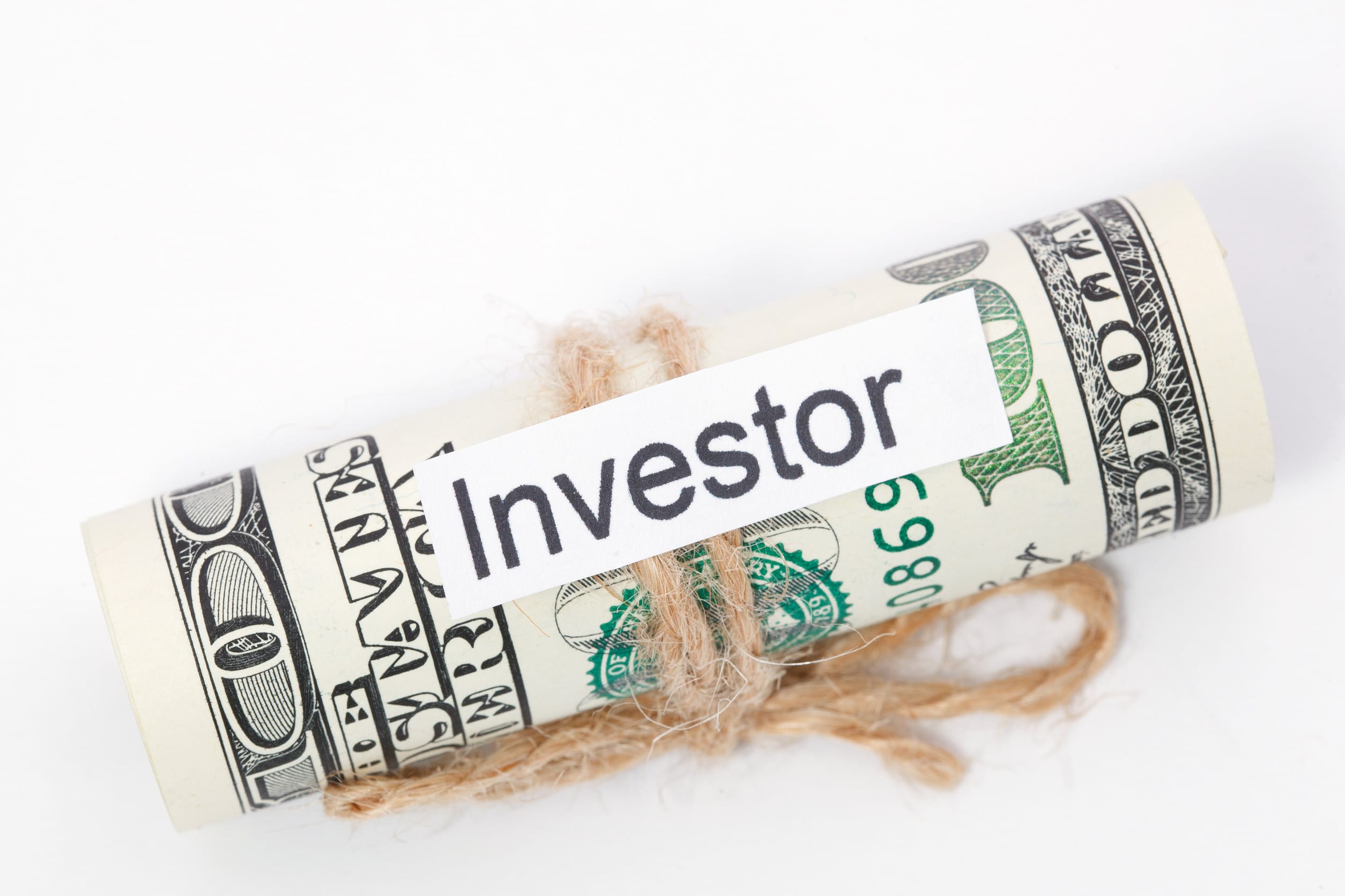
Invest written on rolled up money

Image Source: 123rf.com

Most people assume that the wealthy invest in the same things as everyone else—stocks, real estate, and retirement accounts. While those are part of the equation, the ultra-rich often have access to investment opportunities that the average person doesn’t even know exist. These investments allow them to build and protect their wealth in ways that go far beyond traditional financial planning. The difference isn’t just money; it’s knowledge and access. Here are six little-known investments that rich people use to grow their fortunes while most people remain unaware.

Private Equity and Venture Capital

Private equity and venture capital investments give wealthy individuals the chance to own shares in companies before they go public or become widely available to average investors. These investments often yield massive returns, but they are also high-risk and require significant capital to enter.

Instead of buying stocks on the open market, rich investors put their money into startups, pre-IPO companies, and private businesses that have the potential to grow exponentially. When companies like Facebook, Uber, and Airbnb were still private, early investors made fortunes once these companies went public. The barrier to entry is high, as these investments usually require hundreds of thousands or even millions of dollars, making them inaccessible to most retail investors.

Fine Art and Collectibles

While most people think of stocks and real estate when they hear the word investment, the wealthy often put their money into fine art, rare collectibles, and historical artifacts. These assets not only appreciate over time but also provide protection against inflation.

High-net-worth individuals invest in works from artists like Picasso, Warhol, and Banksy because the value of fine art often remains stable even during economic downturns. Additionally, many collectors benefit from tax advantages by donating art to museums or using it as collateral for loans. Other collectibles like rare coins, vintage cars, and limited-edition watches have also become lucrative investment vehicles that the average person overlooks.

Life Insurance as an Investment Strategy

Life Insurance

Image Source: 123rf.com

Most people view life insurance as a safety net for their families, but the wealthy use it as a financial tool to build and protect wealth. Instead of basic term life insurance policies, they invest in permanent life insurance with cash value components that grow over time.

These policies offer tax-free growth, borrowing options, and wealth transfer benefits that regular investment accounts can’t match. Rich investors leverage life insurance policies to access low-interest loans, shelter assets from taxes, and ensure that their wealth is passed down efficiently to future generations. It’s a sophisticated financial strategy that goes far beyond just providing a payout to beneficiaries.

Offshore Accounts and Tax Havens

The rich don’t just invest in assets; they invest in tax efficiency. Offshore accounts and international tax havens allow them to reduce tax liabilities and legally protect their wealth. While this strategy is often associated with secrecy, it is entirely legal when done correctly.

Countries like Switzerland, the Cayman Islands, and Singapore offer financial services tailored to high-net-worth individuals, allowing them to store money in low-tax environments. They also invest in offshore trusts, foundations, and companies that provide additional privacy and asset protection. While this strategy isn’t entirely out of reach for regular investors, it typically requires extensive financial knowledge and legal guidance to execute properly.

Farmland and Agriculture

While many people invest in urban real estate, the wealthy often diversify their portfolios with farmland and agricultural investments. These investments provide long-term stability and protection against economic downturns because food production remains essential regardless of market conditions.

Owning farmland allows investors to profit from leasing the land to farmers, growing high-value crops, or even investing in sustainable agriculture projects. Additionally, farmland values tend to appreciate over time, making it a solid long-term investment. Many ultra-wealthy individuals and institutional investors have been quietly buying up farmland in recent years, recognizing its potential for consistent returns.

Wine, Whiskey, and Other Alternative Assets

One of the more surprising investments of the wealthy is in high-end wine, rare whiskey, and other alternative assets that gain value over time. Fine wine from prestigious vineyards and limited-edition whiskey bottles can appreciate significantly, often outperforming traditional investments like stocks and bonds.

These investments require specialized knowledge and patience, as their value depends on factors like rarity, demand, and proper storage conditions. Wealthy investors often work with brokers or specialized funds to acquire and manage their collections, treating them as long-term assets that can be sold for a significant profit.

The Wealthy Play a Different Financial Game

What sets wealthy investors apart is not just the amount of money they have but how they strategically allocate it into investments that most people never even consider. While stocks and real estate remain important, the rich diversify their portfolios with private equity, fine art, life insurance strategies, offshore accounts, farmland, and alternative assets like wine and whiskey.

Most of these investments require a high barrier to entry, either due to cost, knowledge, or connections. However, learning about them and understanding how the ultra-rich build their wealth can provide valuable insights for anyone looking to grow their financial future.

Which of these investments surprised you the most? Were you already aware of most of these investments? Share your thoughts in the comments below.

Read More:

10 Investments That Could Make You a Fortune

Here’s What Your Financial Advisor Won’t Tell You About Income Investing

Latrice Perez

Latrice is a dedicated professional with a rich background in social work, complemented by an Associate Degree in the field. Her journey has been uniquely shaped by the rewarding experience of being a stay-at-home mom to her two children, aged 13 and 5. This role has not only been a testament to her commitment to family but has also provided her with invaluable life lessons and insights.

As a mother, Latrice has embraced the opportunity to educate her children on essential life skills, with a special focus on financial literacy, the nuances of life, and the importance of inner peace.

Filed Under: Investing Tagged With: alternative investments, farmland investment, Financial Strategies, investing, life insurance strategies, private equity, rich people secrets, tax havens, venture capital, Wealth Building

  • « Previous Page
  • 1
  • 2

FOLLOW US

Search this site:

Recent Posts

  • Can My Savings Account Affect My Financial Aid? by Tamila McDonald
  • 12 Ways Gen X’s Views Clash with Millennials… by Tamila McDonald
  • What Advantages and Disadvantages Are There To… by Jacob Sensiba
  • 10 Tactics for Building an Emergency Fund from Scratch by Vanessa Bermudez
  • Call 911: Go To the Emergency Room Immediately If… by Stephen Kanaval
  • 7 Weird Things You Can Sell Online by Tamila McDonald
  • 10 Scary Facts About DriveTime by Tamila McDonald

Copyright © 2026 · News Pro Theme on Genesis Framework