• Home
  • About Us
  • Toolkit
  • Getting Finances Done
    • Hiring Advisors
    • Debt Management
    • Spending Plan
  • Insurance
    • Life Insurance
    • Health Insurance
    • Disability Insurance
    • Homeowners/Renters Insurance
  • Contact Us
  • Privacy Policy
  • Risk Tolerance Quiz

The Free Financial Advisor

You are here: Home / Archives for Travel

House Sitting: 10 Ways To Travel for Free

June 5, 2024 by Stephen Kanaval Leave a Comment

House sitter

123rf

In an era where wanderlust is high but wallets are thin, savvy travelers are turning to an age-old practice with a modern twist: house sitting. This burgeoning trend allows globetrotters to explore the world without the hefty price tags of hotels or Airbnbs.

As remote work becomes commonplace and the sharing economy flourishes, house sitting is transforming from a niche option to a mainstream choice for budget-conscious adventurers. Let’s explore ten innovative ways you can leverage house sitting to traverse the globe without breaking the bank.

1. TrustedHousesitters: Global Pet-Loving Community

House sit

unsplash

TrustedHousesitters has revolutionized the house-sitting scene by connecting pet owners with animal lovers worldwide. This platform’s genius lies in its win-win model: homeowners get peace of mind knowing their furry companions are cared for in familiar surroundings, while travelers enjoy free accommodations.

With listings spanning from Manhattan penthouses to Tuscan villas, it caters to diverse tastes. The key to success? Build a stellar profile showcasing your pet-care skills, collect glowing reviews, and be open to less-trodden destinations.

2. MindMyHouse: Budget-Friendly Starter Option

unsplash

For those testing the house-sitting waters, MindMyHouse offers an affordable entry point. With a nominal annual fee, it provides access to a global database of house sitting opportunities.

While it might not boast the numbers of larger platforms, its lower cost attracts homeowners seeking trustworthy sitters without subscription fees. This creates a less competitive environment, ideal for newcomers. Focus on safety, reliability, and clear communication in your profile to stand out.

3. WorkAway: Cultural Immersion Through Service

ESL

unsplash

WorkAway ingeniously blends house-sitting with cultural exchange. Here, you offer skills, be it gardening, teaching English, or web design, in exchange for lodging. Many hosts are families or individuals seeking help with home projects or personal growth.

This arrangement provides an intimate glimpse into local life, far beyond tourist trails. In rural Japan, you might assist with rice harvests; in Costa Rica, help run an eco-lodge. It’s not just free travel; it’s an education in global citizenship.

4. HouseCarers: Long-Term Opportunities

Older couple

123rf

As remote work untethers professionals from offices, many seek extended stays abroad. Enter HouseCarers, a platform specializing in long-term assignments. Popular among retirees and digital nomads, it features house-sitting opportunities lasting months, perfect for truly immersing in a locale. Imagine spending a season in a Provencal farmhouse or wintering in a New Zealand beach town. To secure these coveted spots, showcase your ability to handle prolonged responsibilities, from maintaining gardens to managing utilities.

5. Nomador: Trust-Based House Sitting

Rustic kitchen couple

123rf

Nomador takes a unique approach, emphasizing trust over transactions. Their “Trust Profile” system allows members to vouch for each other, creating a network of verified, reliable sitters. This community-driven model is particularly popular in Europe, where homeowners value personal connections. Nomador also offers a “Stopover” feature, letting you stay briefly with local hosts while between house sits, a fantastic way to bridge gaps in your itinerary and make lasting friendships.

6. HouseSitMexico: Regional Specialization
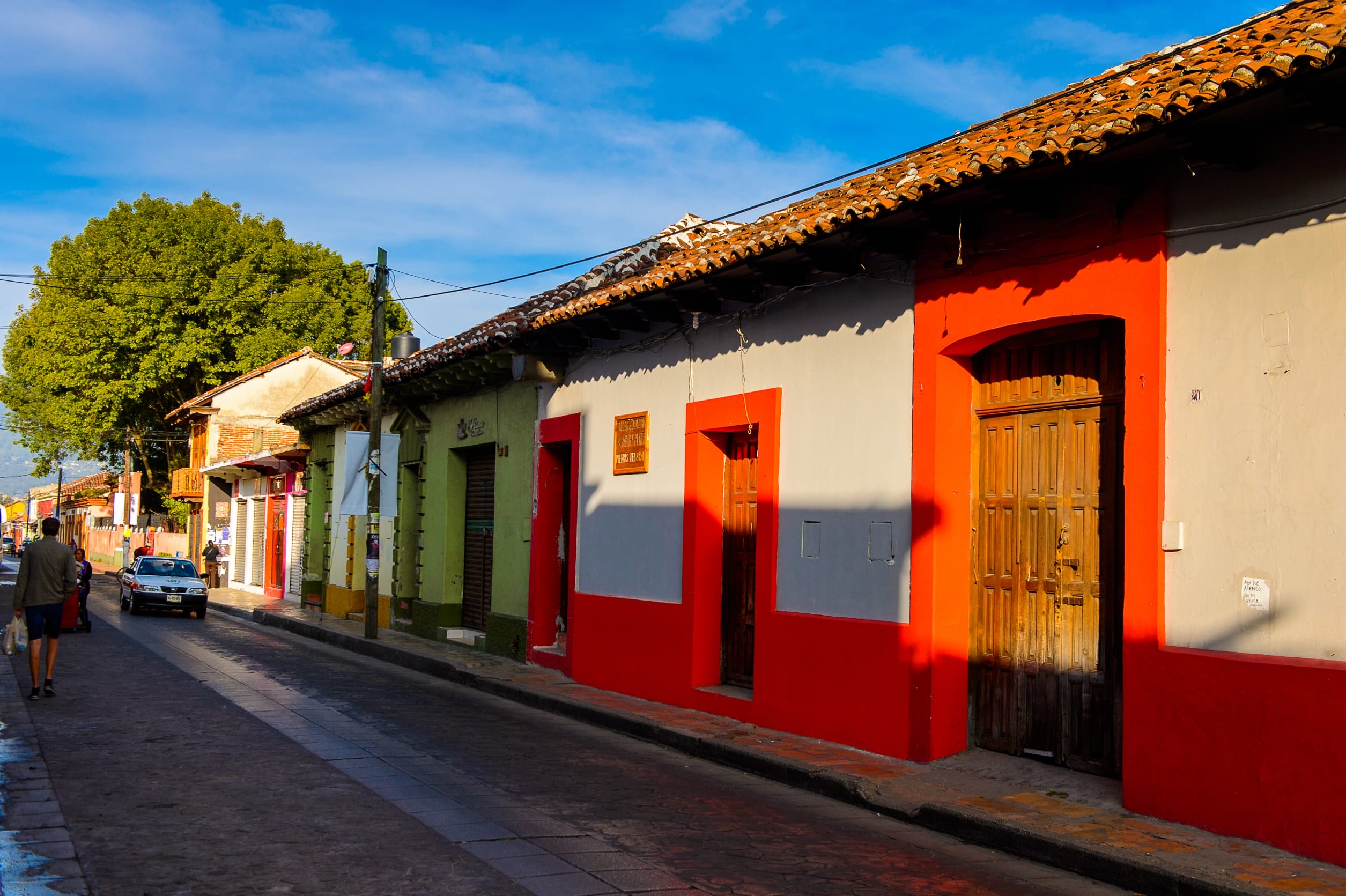
Mexico

123rf

While global platforms offer variety, regionally focused sites like HouseSitMexico provide depth. Specializing in a country allows them to understand nuanced local needs, like managing properties during hurricane season or caring for unique pets like iguanas.

They often have stronger local networks, connecting you with expat communities or language exchange groups. For those dreaming of extended time in a specific region, these niche platforms are goldmines.

7. MindahHome: Australian Adventure

Australia

123rf

Australia’s vastness and high living costs make it daunting for budget travelers, but MindahHome changes that narrative. This Aussie-centric platform connects sitters with homeowners across the continent. From Sydney’s bustling suburbs to the tranquil Tasmanian wilderness, options abound.

A unique feature is its focus on rural properties, where tasks might include collecting eggs or feeding kangaroos. It’s an unparalleled way to experience Australia’s famed Outback hospitality without the outback prices.

8. TravellingWeasels: Personal Network Building

Blogging

123rf

Nick and Laura, the duo behind the TravellingWeasels blog, showcase how personal branding can unlock house-sitting opportunities. By documenting their global house-sitting adventures, they’ve built a loyal following. Homeowners, inspired by their stories, now reach out directly, offering sits in exchange for blog features.

This approach demonstrates the power of content creation in the digital age. Start a blog, YouTube channel, or Instagram account chronicling your house-sitting journey, your next free stay might come from an impressed follower.

9. Sabbatical Homes: Academic Circuit

Professor

123rf

For academics, researchers, and educators, Sabbatical Homes is a hidden gem. This platform connects scholars taking sabbaticals or attending conferences with peers willing to home-swap or offer free stays. It’s particularly valuable in university towns, think Oxford, Cambridge, or Berkeley, where accommodations are pricey.

Beyond free lodging, it fosters a global intellectual community. You might find yourself discussing philosophy over breakfast with a Sorbonne professor or joining a local academic’s book club.

10. House Sitting World Summit: Networking Events

Conference

123rf

In the digital age, sometimes the most effective connections happen offline. The annual House Sitting World Summit, held in different global cities, is proof. This event brings together seasoned sitters, homeowners, and platform founders for workshops, panels, and networking. Attendees share strategies, swap horror stories, and often, exchange house-sitting opportunities on the spot.

It’s an investment, tickets aren’t free, but the relationships forged can lead to years of free travel. Plus, many find mentors who guide them from novice to professional house sitter.

Your Key to a World Without Hotel Bills

House sitting

123rf

In a post-pandemic world, where remote work is standard and over-tourism concerns many, house sitting has emerged as a solution aligned with contemporary values. It offers slow, immersive travel experiences that benefit local communities. You’re not just passing through; you’re participating, shopping at farmers’ markets, attending town events, and even helping neighbors. This approach supports local economies more sustainably than traditional tourism.

Moreover, in these times of social distancing and hygiene concerns, a private home feels safer than a busy hotel. House sitting lets you control your environment, providing peace of mind alongside adventure. As we collectively reassess our relationship with travel, prioritizing quality experiences over quantity, house sitting fits perfectly.

The platforms and strategies outlined here are your keys to unlocking a world of free stays. Whether you’re a digital nomad seeking long-term bases, a retiree wanting to explore slowly, or a student on a shoestring budget, there’s a house-sitting niche for you. But remember, it’s not just about free lodging; it’s about cultural exchange, personal growth, and contributing to a more connected, understanding world.

Ready to embark on your house-sitting journey? Start by choosing a platform that aligns with your goals. Create a compelling profile that showcases your unique skills, be it your green thumb, your fluency in multiple languages, or your knack for caring for exotic pets. Begin with shorter, local house-sits to build your reputation. Most importantly, approach each opportunity not just as a free stay, but as a chance to make a positive impact, however small, in someone’s life and community.

Stephen Kanaval
Stephen Kanaval

Stephen began his career as a Research Assistant at a reputable middle-market private equity firm, where he honed his skills in market research, financial analysis, and identifying investment opportunities. He then transitioned to full-time financial writing focusing on small-cap biotech innovation and digital payment solutions. Today, Stephen is a value-based retail investor and novice baseball statistician.

Filed Under: Travel Tagged With: House Sitter, House sitting, travel, travel choices

14 Things You Should Never Discuss in An Uber

May 28, 2024 by Vanessa Bermudez Leave a Comment

uber

123rf

Riding in an Uber can sometimes feel like a confessional on wheels, but it’s wise to keep some topics off the table. Whether it’s protecting your privacy, avoiding discomfort, or simply maintaining a pleasant atmosphere, some subjects are best left unspoken. Here’s a list of 14 things to steer clear of during your next ride.

1. Your Personal Address

Your Personal Address

Canva

Discussing your personal address loudly or in detail with someone on the phone while in an Uber is a privacy no-no. Not only does it let your driver know exactly where you live, but it also compromises your security if overheard. Keep address details as vague as possible, or wait until you’re alone. Additionally, if you’re ordering food or another ride, step out of the vehicle first or text the details discreetly. Maintaining your privacy is crucial and starts with guarding your personal information.

2. Financial Information

Financial Information

Canva

Talking about your financial status, bank details, or boasting about your latest big purchase might not be the best idea in a confined space like an Uber. It can make the driver or other passengers feel uncomfortable or envious. Furthermore, discussing sensitive information like your salary or investments can lead to privacy breaches. Always keep such conversations for a more private setting to avoid any potential security issues. Financial discretion is not just polite; it’s also a smart way to safeguard your personal data.

3. Political Opinions

Political Opinions

Canva

Political discussions, especially heated ones, are a recipe for discomfort in shared spaces like Ubers. These conversations can quickly escalate, leading to arguments or hard feelings, making the ride awkward for everyone. Remember, your driver or fellow passengers may not share your viewpoints, and forcing a debate could end the ride on a sour note. It’s best to stick to neutral topics that won’t potentially offend or alienate others. Keeping things light ensures everyone has a pleasant journey.

4. Religious Beliefs

Religious Beliefs

Canva

While discussing religion can be deeply fulfilling in the right context, an Uber ride is not that place. These conversations can become very personal and intense, which might make some passengers feel uncomfortable or pressured. Since you’re sharing a small, transient space, it’s respectful to avoid topics that could be considered intrusive or sensitive. Keeping your spiritual beliefs and questions private in such settings is a gesture of respect toward everyone’s diverse perspectives. This way, you maintain a peaceful and inclusive environment.

5. Relationship Issues

Relationship Issues

Canva

Delving into your latest relationship drama might seem like a good way to pass the time, but it’s best kept out of your Uber ride. Discussing personal conflicts or intimate details can make others uncomfortable, especially if they’re strangers. Moreover, airing out personal grievances in such a public setting can feel inappropriate and might not reflect well on you. Keep the conversation light and steer clear of deep emotional revelations while in shared transport. Your driver isn’t your therapist, and the ride will be better for everyone if personal drama is left at the door.

6. Criticism of Your Driver

Criticism of Your Driver

123rf

It might be tempting to criticize your Uber driver’s route choices or driving style, but doing so openly can create an uncomfortable environment. If you have concerns, it’s better to address them politely or directly through the app after your ride. Criticizing your driver within earshot can lead to an awkward ride and might affect their performance. Remember, they’re doing their best to get you to your destination safely. A bit of patience and understanding goes a long way.

7. Gossip

Gossip

Canva

Spreading gossip or discussing rumors about others is not just a breach of trust; it’s also potentially harmful. Your Uber ride should not be a forum for spreading unverified information or accusing others. This type of conversation can reflect poorly on you and could inadvertently involve others in personal disputes. Gossip can be hurtful and often distorts the truth, so it’s wise to avoid such discussions during your ride. Keep conversations positive and steer clear of the rumor mill.

8. Medical Conditions

Medical Conditions

Canva

While you might need to mention a relevant health issue to your driver for safety reasons, detailed discussions about your medical conditions should be avoided. These can be overly personal and uncomfortable for others to hear. Discussing medical details can also lead to unsolicited advice or questions, adding to the discomfort. Keep any necessary information brief and to the point, and save deeper health discussions for private settings. Privacy and discretion are key when it comes to health matters.

9. Legal Issues

Legal Issues

Canva

Talking about ongoing legal battles or criminal activities (even past ones) can be risky and inappropriate in an Uber. Such topics can lead to judgment or unwanted advice and might even alarm your driver or fellow passengers. It’s best to keep any legal discussions confidential and handled by professionals in appropriate settings. Remember, an Uber ride is not the place for legal consultations or confessions. Keeping these discussions private not only protects your privacy but also maintains a comfortable environment for everyone.

10. Business Deals

Business Deals

123rf

Discussing sensitive business deals or corporate strategies in an Uber is not advisable. You never know who’s listening, and disclosing confidential information can lead to unintended breaches. Keep your business negotiations and plans out of public spaces to safeguard your professional interests. Additionally, discussing business matters can be dry or confusing to others not involved, which might make the ride tedious for them. Save these discussions for the boardroom.

11. Explicit Content

explicit content

123rf

Talking about topics with explicit content or using offensive language should be avoided in any public or shared setting, including Ubers. Such conversations can be offensive and uncomfortable for others and are not suitable for a professional service setting. Keep the dialogue clean and considerate of all passengers. Respecting others’ boundaries and maintaining a polite demeanor ensures a pleasant experience for everyone in the vehicle.

12. Jokes at Others’ Expense

Jokes at Others' Expense

Canva

Making jokes that target specific groups or individuals can easily cross the line into offensiveness. What might seem funny in one context can be hurtful or insulting in another, especially in a diverse environment like Uber. It’s important to keep humor inclusive and respectful, avoiding any remarks that might be taken the wrong way. A good rule of thumb is if you wouldn’t say it in a workplace, don’t say it in an Uber.

13. Plans Involving Illegal Activities

Plans Involving Illegal Activities

123rf

Even if it’s in jest, discussing plans to engage in illegal activities is a definite no-go. Not only does this put others in an uncomfortable position, but it could also lead to serious consequences if taken seriously. Keep your conversations lawful and avoid mentioning anything that could be construed as criminal. This keeps things light and trouble-free for everyone involved.

14. Personal Secrets

Personal Secrets

Canva

Sharing personal secrets or confidential information is risky in a semi-public space like an Uber. Whether it’s your own secrets or those entrusted to you by friends, keeping them to yourself protects privacy and prevents any potential fallout from unintentional sharing. Remember, the more personal the information, the more cautious you should be about where and how you discuss it.

Ride Smart, Speak Wisely

Ride Smart, Speak Wisely

Canva

Navigating what to discuss in an Uber doesn’t have to be tricky. By steering clear of these 14 topics, you ensure your ride remains comfortable, enjoyable, and free from awkward moments. Remember, keeping conversations light, respectful, and general not only makes the trip pleasant for you but also for your driver and any fellow passengers.

Read More

How to File an Insurance Claim After an Uber Accident

Here’s The 10 Real Reasons Why Millennials Are Saving So Little

Vanessa Bermudez
Vanessa Bermudez
Vanessa Bermudez is a content writer with over eight years of experience crafting compelling content across a diverse range of niches. Throughout her career, she has tackled an array of subjects, from technology and finance to entertainment and lifestyle. In her spare time, she enjoys spending time with her husband and two kids. She’s also a proud fur mom to four gentle giant dogs.

Filed Under: Travel Tagged With: Communication Etiquette, Ride-sharing Tips, Safe Conversations, Uber Etiquette, Uber Ride Advice

12 Things You Should Always Carry When Hiking

May 27, 2024 by Vanessa Bermudez Leave a Comment

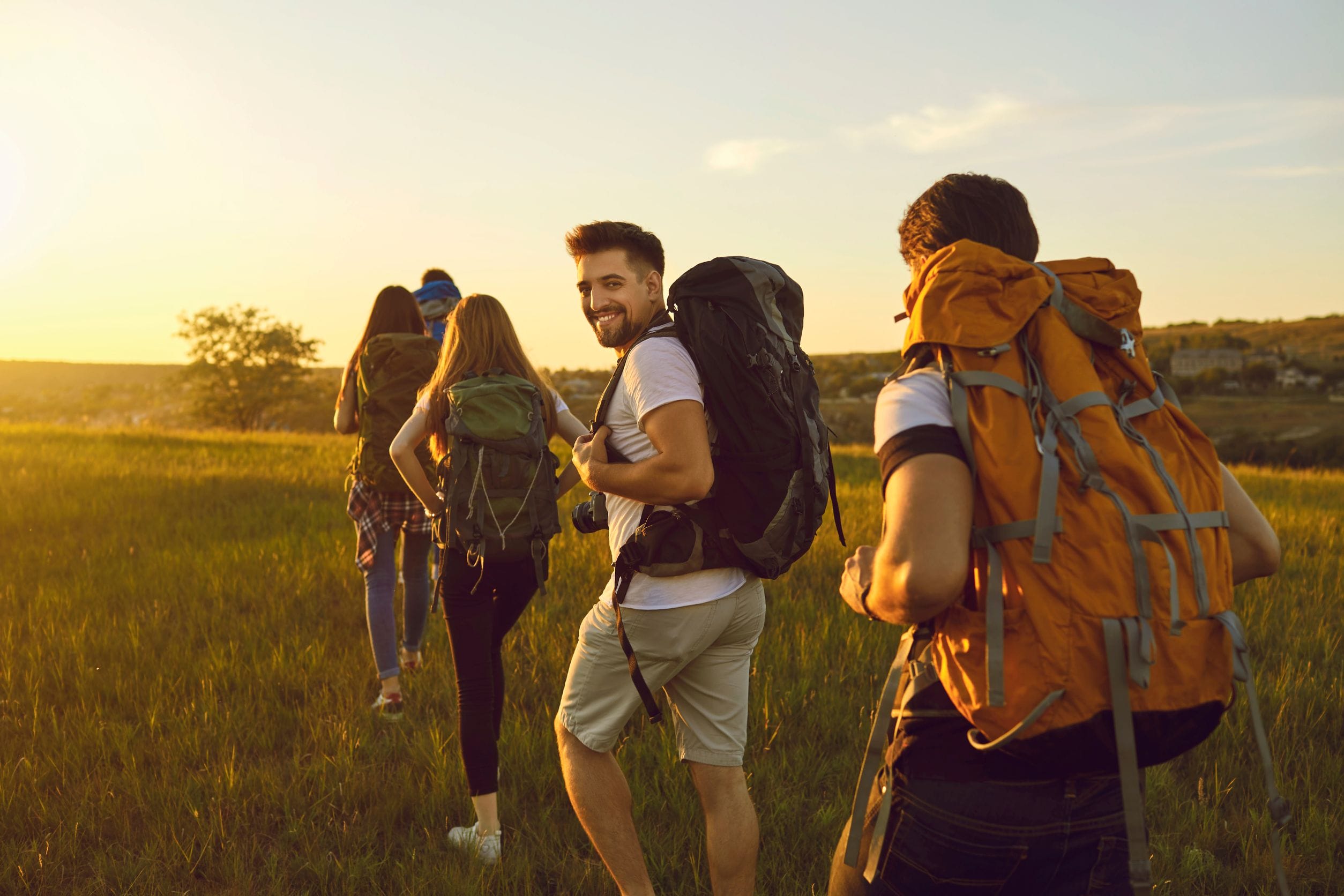
hiking

Canva

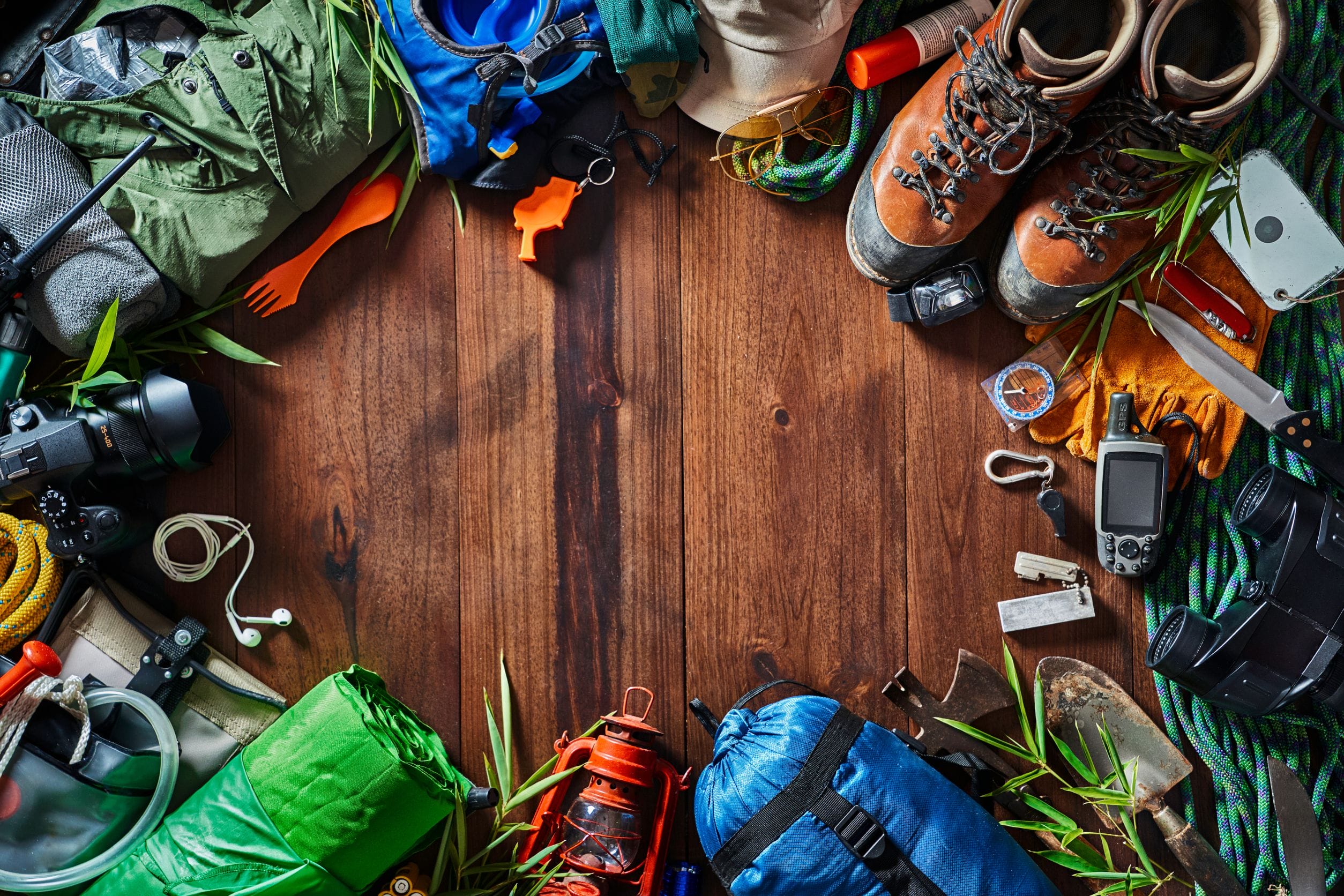
Hiking is an exhilarating escape into nature, offering both adventure and tranquility. However, a successful hike requires more than just enthusiasm. Proper preparation and packing the right essentials can make all the difference. Here are 12 items you should always carry to ensure a safe and enjoyable hiking experience.

1. Navigation Tools

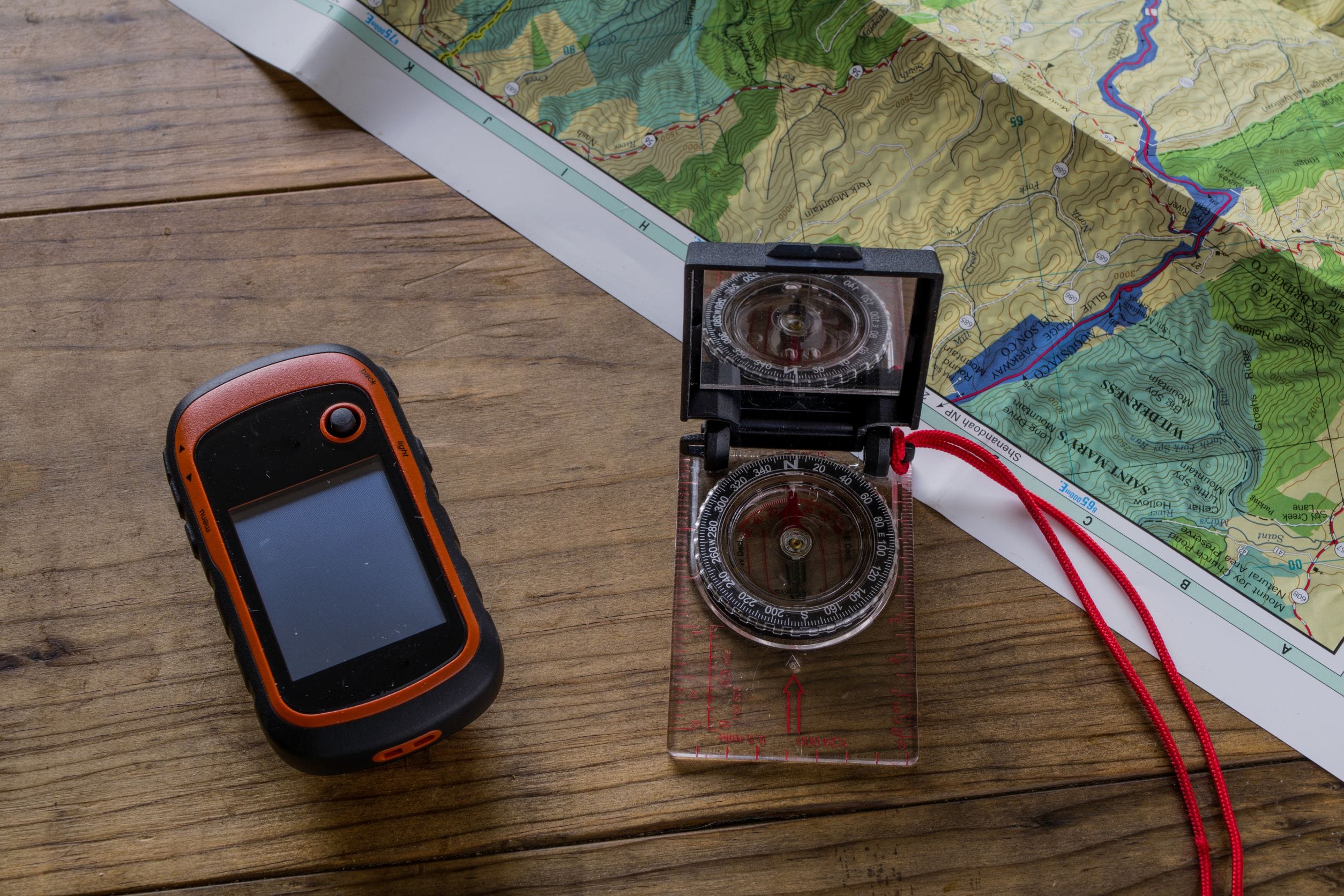
Navigation Tools

Canva

Modern technology is great, but nothing beats traditional navigation tools like a map and compass. These reliable items don’t depend on battery life and work everywhere, even in remote areas with no cell service. For added security, bring a GPS device to track your real-time location. Before you set off, familiarize yourself with how to use these tools, it could be a game-changer. This knowledge ensures you stay on the right path and can confidently explore new terrains.

2. Hydration Supplies

Hydration Supplies

Canva

Water is your best friend on any hike. Carrying a hydration bladder or multiple water bottles ensures you remain hydrated throughout your journey. To avoid running out of water, pack a portable water filter or purification tablets, allowing you to drink safely from natural sources. Dehydration can quickly become a serious issue, especially in hot weather, so frequent sips are essential. Staying hydrated keeps your energy levels up and helps you enjoy every moment of your adventure.

3. Nutritious Snacks

Nutritious Snacks

Canva

Energy-boosting snacks are a must for maintaining stamina on the trail. Pack lightweight, high-calorie foods like trail mix, energy bars, dried fruits, and nuts. These snacks are easy to carry and provide essential nutrients to keep you going. Eating small amounts regularly helps sustain your energy and keeps your mood positive. Plus, snack breaks are a great opportunity to enjoy the scenery and take a breather.

4. Weather-Appropriate Clothing

Weather-Appropriate Clothing

Canva

Dressing in layers is key to staying comfortable and protected on your hike. Start with a moisture-wicking base layer to keep sweat away from your skin. Add an insulating layer to retain body heat and top it off with a waterproof outer layer to guard against rain and wind. Don’t forget to pack a hat and gloves if you’re hiking in cooler conditions. Proper clothing ensures you’re prepared for sudden weather changes and can focus on the beauty around you.

5. Safety Gear

Safety Gear

Canva

A comprehensive first aid kit is an absolute necessity. Tailor it to the length and difficulty of your hike, including items like bandages, antiseptic, tweezers, and any personal medications. Also, carry a whistle and a signal mirror to call for help if needed. These safety tools can make a significant difference in emergencies, ensuring you’re prepared for minor injuries or unexpected situations. Peace of mind comes from knowing you can handle whatever the trail throws your way.

6. Sun Protection

Sun Protection

Canva

Shielding yourself from the sun is crucial, even on cloudy days. Apply a broad-spectrum sunscreen before you start and reapply throughout the day. Sunglasses with UV protection safeguard your eyes, while a wide-brimmed hat protects your face and neck. Sunburn and eye damage can sneak up on you, making sun protection vital for a comfortable hike. Remember, sun safety keeps you looking and feeling good during your adventure.

7. A Reliable Headlamp

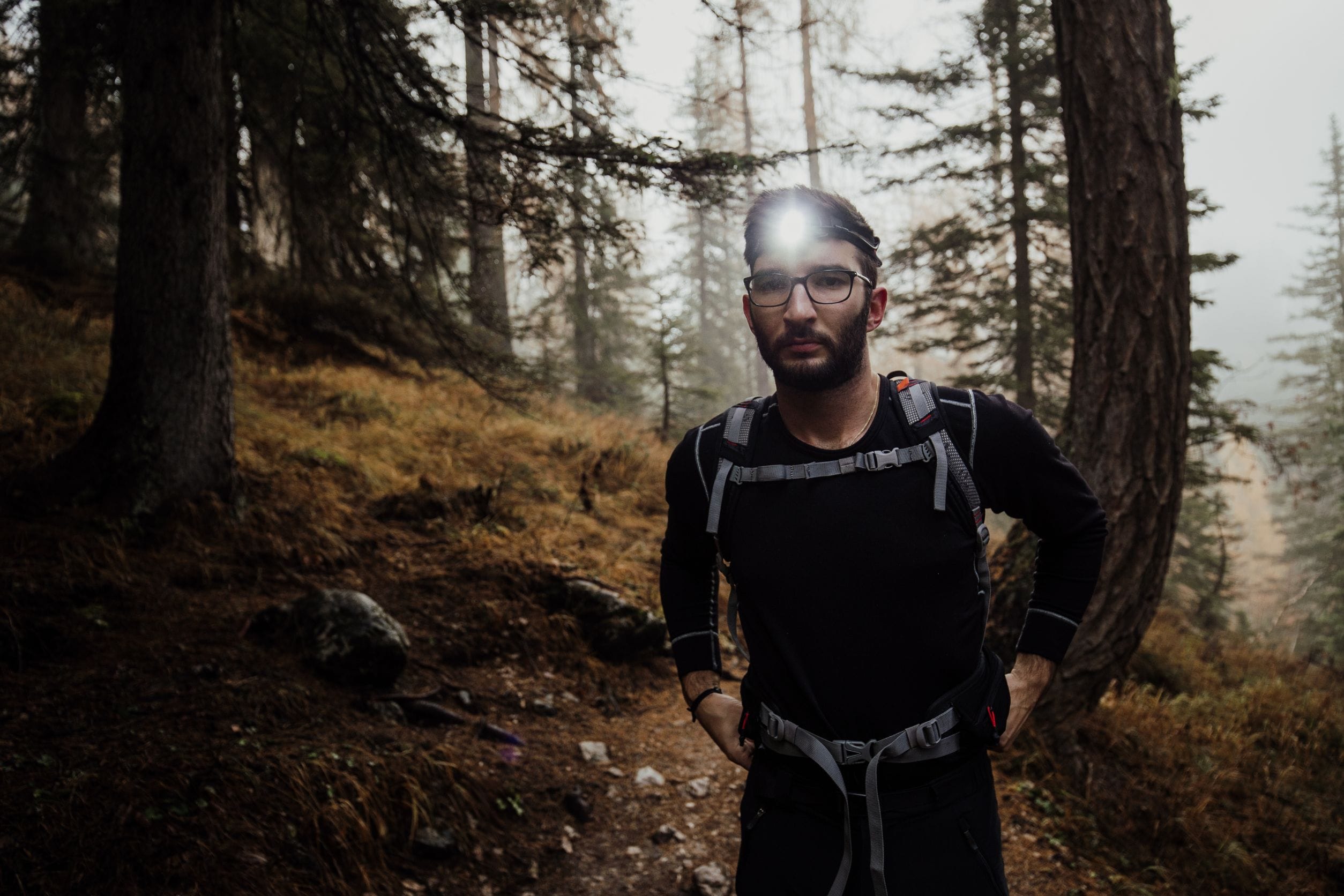
A Reliable Headlamp

Canva

A headlamp is invaluable as daylight fades. Choose one with adjustable brightness settings to conserve battery life and provide the right amount of light for different needs. Always pack extra batteries or a portable charger to ensure your headlamp is ready when you need it. This hands-free light source is essential for navigating in the dark, setting up camp, or even just reading a map. Having reliable illumination keeps you safe and confident after sunset.

8. Multi-tool

Multi-tool

Canva

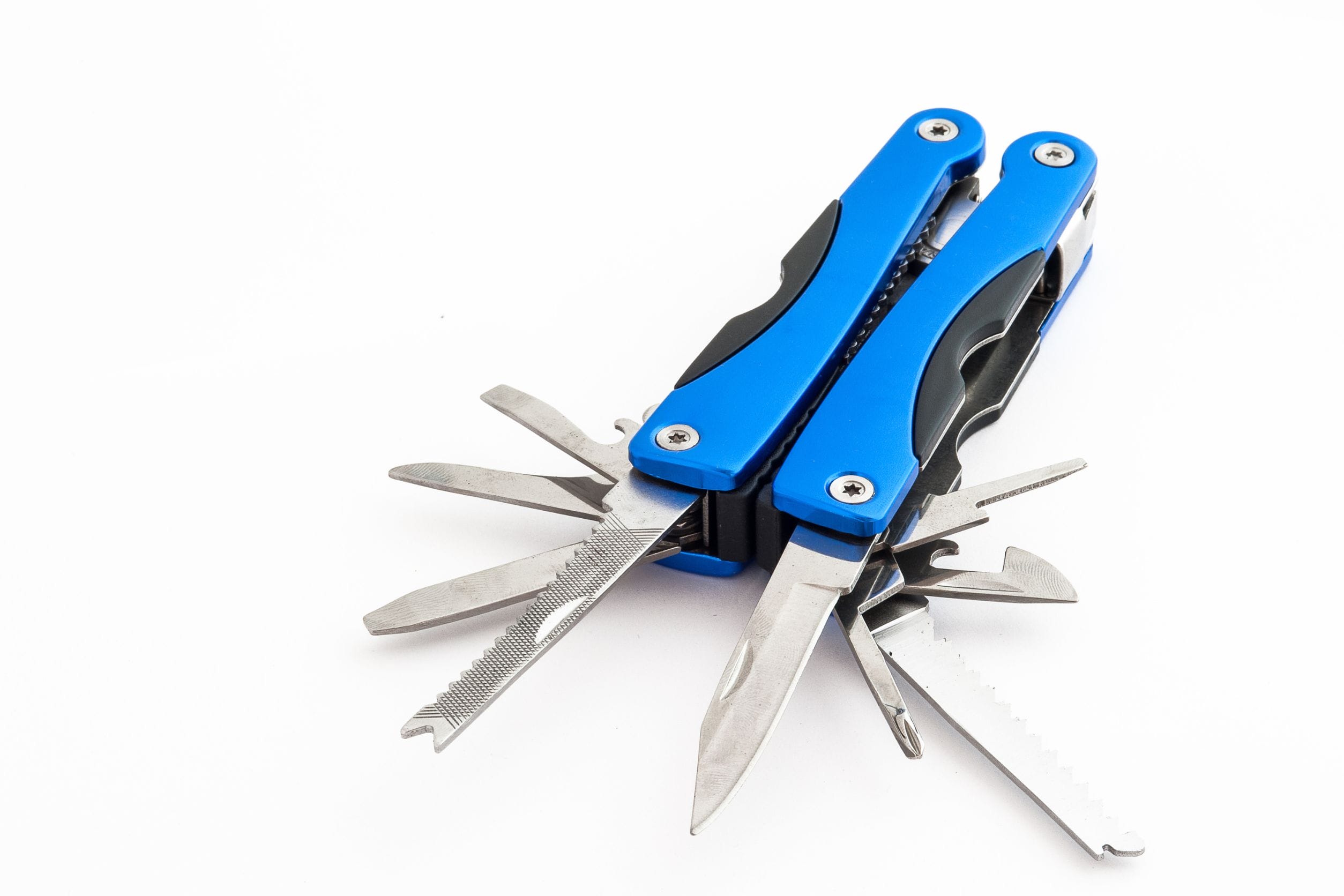
A versatile multi-tool is like a portable toolkit in your pocket. It can assist with gear repairs, food preparation, and various unexpected tasks. Ensure your multi-tool includes a knife, pliers, and a screwdriver at a minimum. Its lightweight, compact design makes it easy to carry, and it can be a lifesaver in tricky situations. Whether you need to cut rope, open a can, or fix broken gear, a multi-tool is your go-to gadget.

9. Emergency Shelter

Emergency Shelter

Canva

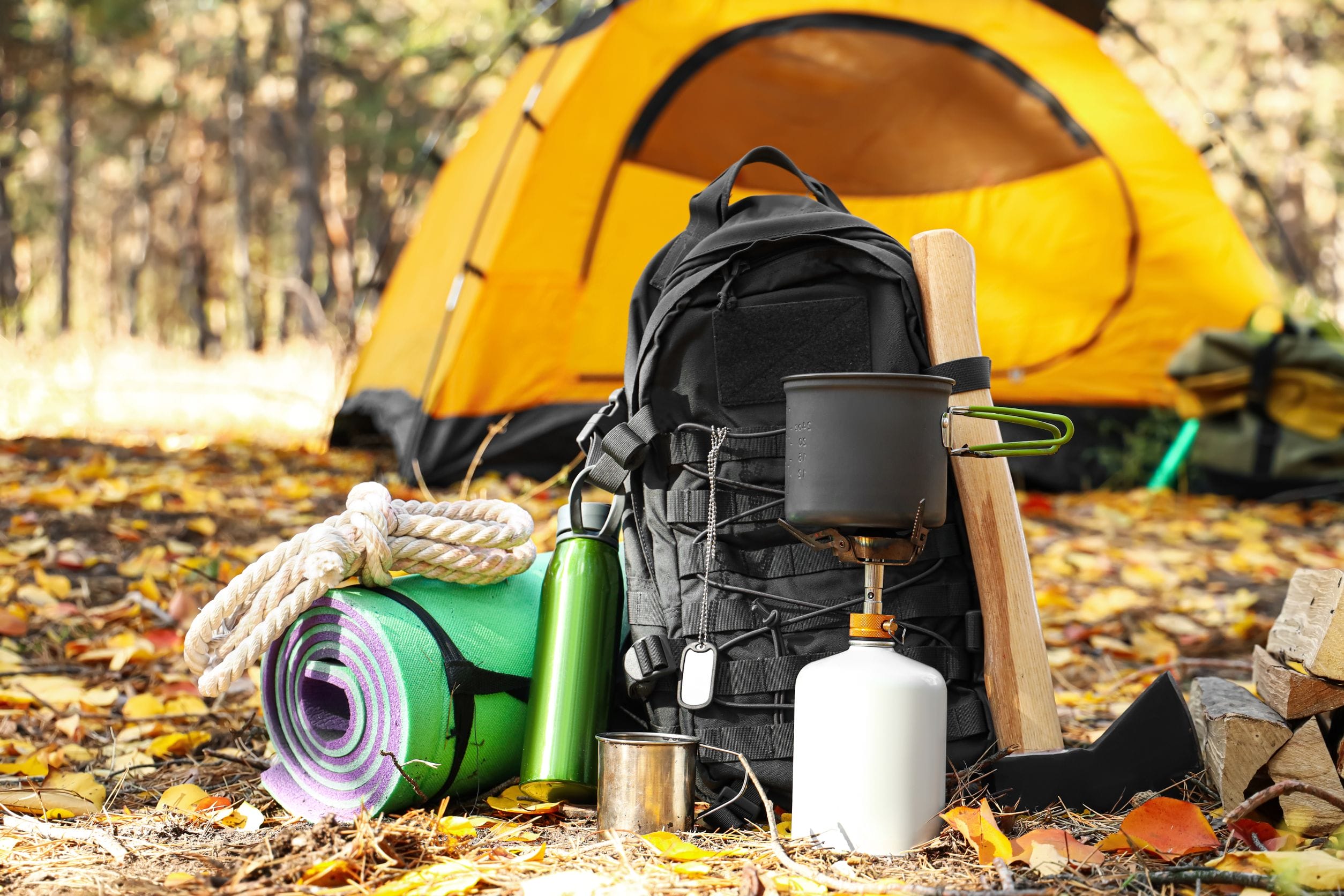
Weather can change rapidly, making an emergency shelter a vital item. Pack a lightweight tent, bivy sack, or a space blanket to protect against unexpected conditions. These shelters are not just for overnight hikes; they can provide critical cover during sudden storms or if you get stranded. Setting up a quick shelter ensures you stay dry and warm, which is crucial for safety and comfort. Being prepared for the unexpected turns a potential crisis into a manageable situation.

10. Fire Starting Kit

Fire Starting Kit

Canva

A fire is essential for warmth, cooking, and signaling for help. Pack waterproof matches, a lighter, and fire starters to ensure you can start a fire in any condition. Practice using these tools before your hike to become proficient in fire-starting techniques. Building a fire can be a lifesaving skill, providing heat and a means to cook food or boil water. Plus, a campfire can create a cozy atmosphere for evening relaxation.

11. Trash Bag

Trash Bag

Canva

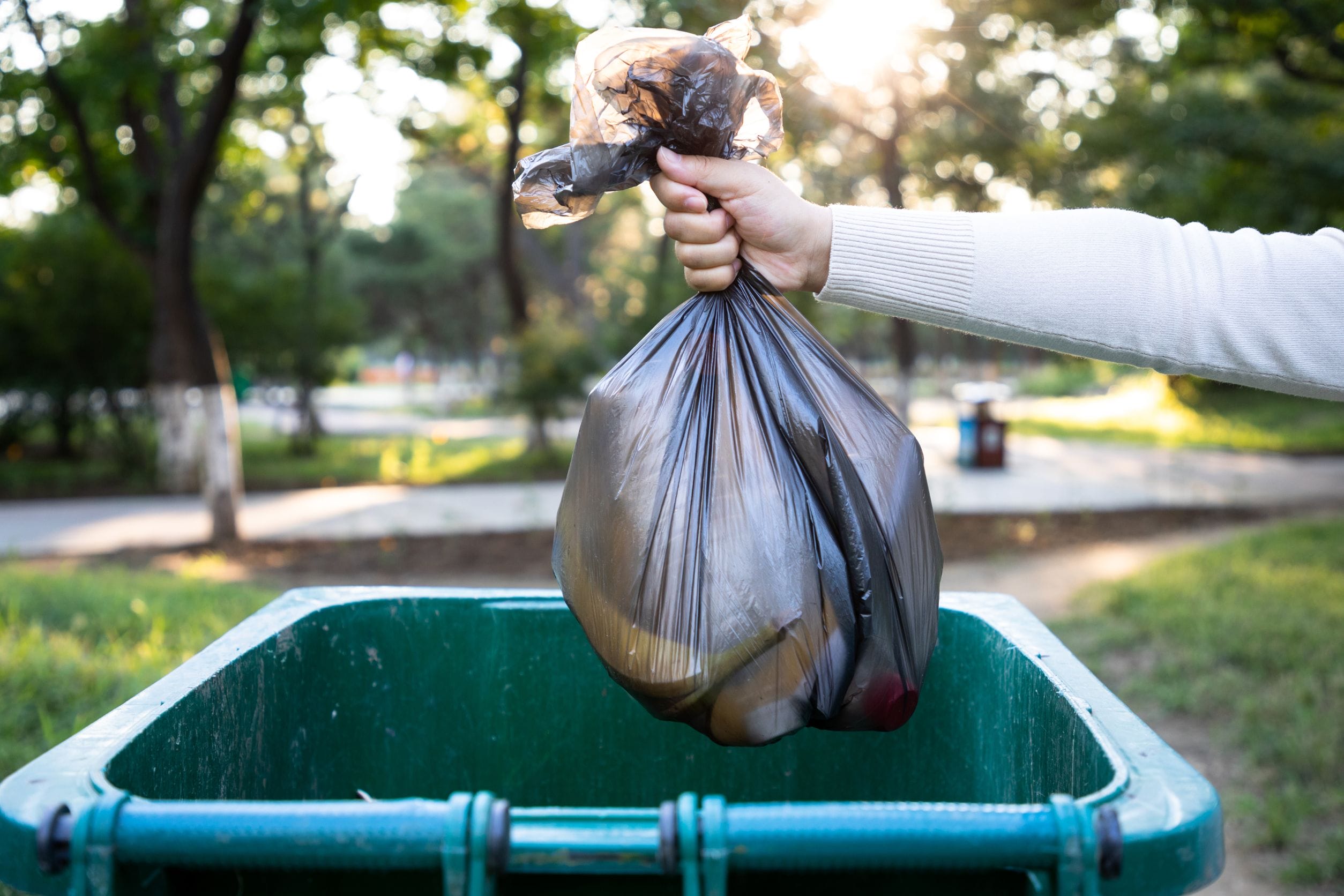
Respect nature by carrying a trash bag to pack out all your waste. This simple habit helps preserve the beauty of the trails and protects wildlife from harm. A reusable sack or small trash bag is lightweight and fits easily into your backpack. Following the “Leave No Trace” principles ensures that the wilderness remains pristine for future adventurers. Being a responsible hiker shows your commitment to environmental stewardship.

12. Personal ID and Permits

Personal ID and Permits

Canva

Always carry personal identification and any required permits. In case of an emergency, having ID helps authorities and rescuers quickly access important information about you. Permits are often necessary for accessing certain trails and protected areas, ensuring you comply with regulations and support conservation efforts. Keep these documents in a waterproof container to protect them from the elements. Being prepared with ID and permits ensures a smooth and legal hiking experience.

Ready, Set, Hike!

hiker

Canva

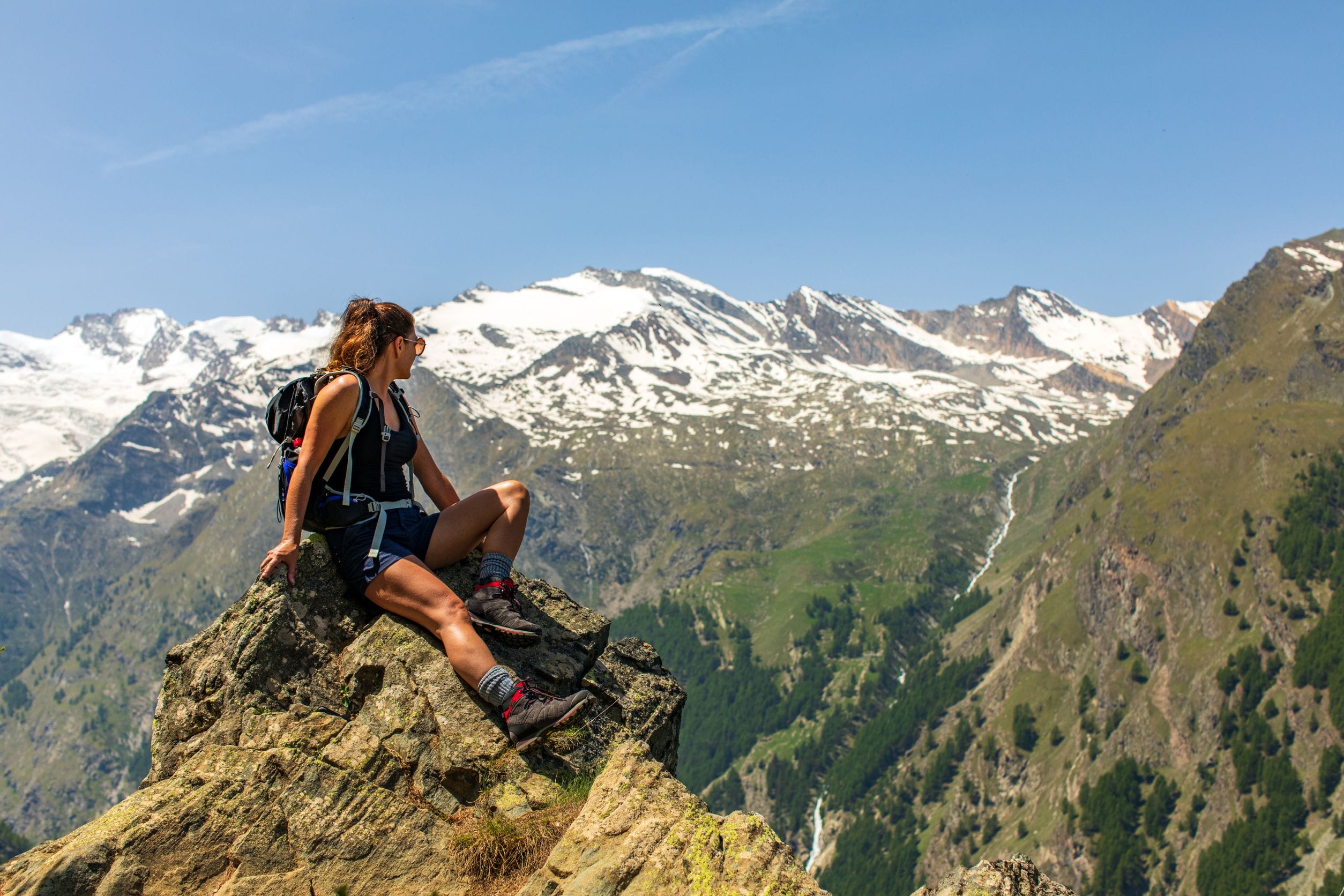
With these 12 essentials packed, you’re ready to embark on your hiking adventure with confidence. Proper preparation enhances your experience, ensuring you’re equipped to handle any situation the trail may present. Embrace the beauty of the outdoors, knowing you’re well-prepared for a safe and enjoyable hike. So, lace up your boots, grab your backpack, and get ready to explore the wonders that await you.

Read More

The Ultimate Guide to Choosing the Best Tactical Gear Bag for Your Needs

Not Just For Kids: 10 Reasons Even Baby Boomers Should Play Outside

Vanessa Bermudez
Vanessa Bermudez
Vanessa Bermudez is a content writer with over eight years of experience crafting compelling content across a diverse range of niches. Throughout her career, she has tackled an array of subjects, from technology and finance to entertainment and lifestyle. In her spare time, she enjoys spending time with her husband and two kids. She’s also a proud fur mom to four gentle giant dogs.

Filed Under: Travel Tagged With: Hiking Essentials, Hiking Gear, Hiking Tips, Outdoor Adventure, Trail Safety

11 Ways Travel is Changing for Millennials and Gen Z

May 2, 2024 by Teri Monroe Leave a Comment

millennial gen z changing travel

Millennials and Gen Z are reshaping the travel industry with their unique preferences, values, and behaviors. From the way they plan their trips to the experiences they seek, these younger generations are driving significant shifts in the travel landscape. Here are 11 ways travel is changing for Millennials and Gen Z.

1. Tech-Savvy Booking

travel apps

Millennials and Gen Z are digital natives who prefer to research, plan, and book their travel experiences online. They rely heavily on travel apps, review websites, and social media platforms to plan their trips. Specifically, they use these tech savvy tools to find inspiration, read reviews, and make reservations, bypassing traditional travel agents in favor of digital convenience.

2. Experiential Travel

experiential travel

Unlike previous generations who may have prioritized material possessions, Millennials and Gen Z value experiences. For this reason, they seek authentic, immersive travel experiences that allow them to connect with local cultures, communities, and traditions. Whether it’s participating in cooking classes, volunteering, or staying in unique accommodations like eco-friendly resorts, treehouses or working farms, these generations value unique experiences. Increasingly, Millennials and Gen Z are planning travel around these experiences, as well. Approximately three in five Gen Z  and Millennials confirmed they have traveled in the past 12 months for in-person events like concerts, sporting events, comedy shows, and book readings that are more than 50 miles from home.

3. Solo Travel

solo travel

Millennials and Gen Z are more likely to embrace solo travel. Solo travel is a way to explore the world on their own terms, gain independence, and foster personal growth. Overall, they’re drawn to destinations where they can meet like-minded travelers and forge meaningful connections along the way.

4. Social Media Influence

travel influencers

Social media plays a significant role in shaping Millennials’ and Gen Z’s travel decisions, with platforms like Instagram, TikTok, and YouTube serving as virtual travel guides and sources of inspiration. Travel influencers and user-generated content influence destination choices, itinerary planning, and even the aesthetics of travel experiences. More than ever, travelers seek Instagrammable moments and shareable memories.

5. Sustainable and Responsible Travel

sustainable travel

Concerns about climate change, environmental conservation, and social responsibility are driving Millennials and Gen Z to prioritize sustainable and responsible travel practices. Because of this, they seek eco-friendly accommodations, support locally-owned businesses, and participate in activities that minimize their environmental footprint. This can look like anything from carbon offsetting to wildlife conservation projects.

6. Flexible Work and Digital Nomadism

digital nomad

With the rise of remote work and flexible employment arrangements, Millennials and Gen Z are embracing a nomadic lifestyle that allows them to work from anywhere in the world. This newfound freedom enables them to combine work and travel seamlessly, living as digital nomads and exploring new destinations while maintaining their professional careers. Recently, van life culture has become popular among Millennials and Gen Z, where vans are repurposed into tiny homes on wheels. Flexible work and digital nomadism are forever changing the travel industry.

7. Alternative Accommodations

hostel

Millennials and Gen Z are increasingly opting for alternative accommodations beyond traditional hotels, such as vacation rentals, homestays, hostels, and co-living spaces. Altogether, these options offer greater flexibility, affordability, and opportunities for authentic cultural immersion, catering to the preferences of budget-conscious travelers seeking unique and personalized experiences.

8. Adventure and Outdoor Activities

Ziplining

Millennials and Gen Z are drawn to adventure travel and outdoor activities that allow them to push their boundaries, embrace adrenaline-fueled experiences, and reconnect with nature. From hiking and rock climbing to surfing and zip-lining, they crave outdoor adventures. These outdoor activities offer excitement, challenge, and the opportunity to unplug from the digital world.

9. Food Tourism

food tour

Millennials and Gen Z are passionate about food and culinary experiences, viewing travel as an opportunity to explore diverse cuisines, flavors, and dining traditions around the world. Increasingly, they seek out food festivals, farmers’ markets, street food stalls, and immersive culinary tours that allow them to indulge their taste buds and expand their culinary horizons. Also, Millennials and Gen Z have helped increase the popularity of local breweries and distilleries, and often plan their travel around the best destinations for beer and spirits.

10. Community-Based Tourism

community-based tourism

Millennials and Gen Z are drawn to community-based tourism initiatives that empower local communities, preserve cultural heritage, and foster meaningful interactions between travelers and residents. As a result, they support social enterprises, community-led tours, and homestay experiences that provide authentic insights into local life and contribute positively to the destinations they visit. This is changing the way the travel industry operates.

11. Wellness and Mindfulness Travel

wellness travel

Millennials and Gen Z prioritize wellness and mindfulness in their travel experiences. They seek out opportunities for relaxation, rejuvenation, and self-care. They’re drawn to destinations that offer wellness retreats, yoga and meditation classes, spa treatments, and outdoor activities that promote mental and physical well-being. Millennials and Gen Z have a holistic approach to travel that encompasses body, mind, and soul.

Redefining The Travel Industry

redefining travel

Altogether, Millennials and Gen Z are changing the travel industry with their tech-savvy approach, experiential mindset, and commitment to sustainability and social responsibility. As these generations continue to shape the future of travel, industry stakeholders must adapt to meet their evolving needs. Ultimately, travel experiences of tomorrow must be inclusive, immersive, and impactful to satisfy the needs of these generations.

Read More

Top 12 Reasons You Should Fire Your Financial Advisor

13 Reasons Why Millennials Will Never Be Able To Pay For Their Kids To Go To College

Photograph of Teri Monroe
Teri Monroe
Teri Monroe started her career in communications working for local government and nonprofits. Today, she is a freelance finance and lifestyle writer and small business owner. Teri holds a B.A. From Elon University.  In her spare time, she loves golfing with her husband, taking her dog Milo on long walks, and playing pickleball with friends.

Filed Under: Travel Tagged With: gen z, Millennials, travel, travel industry

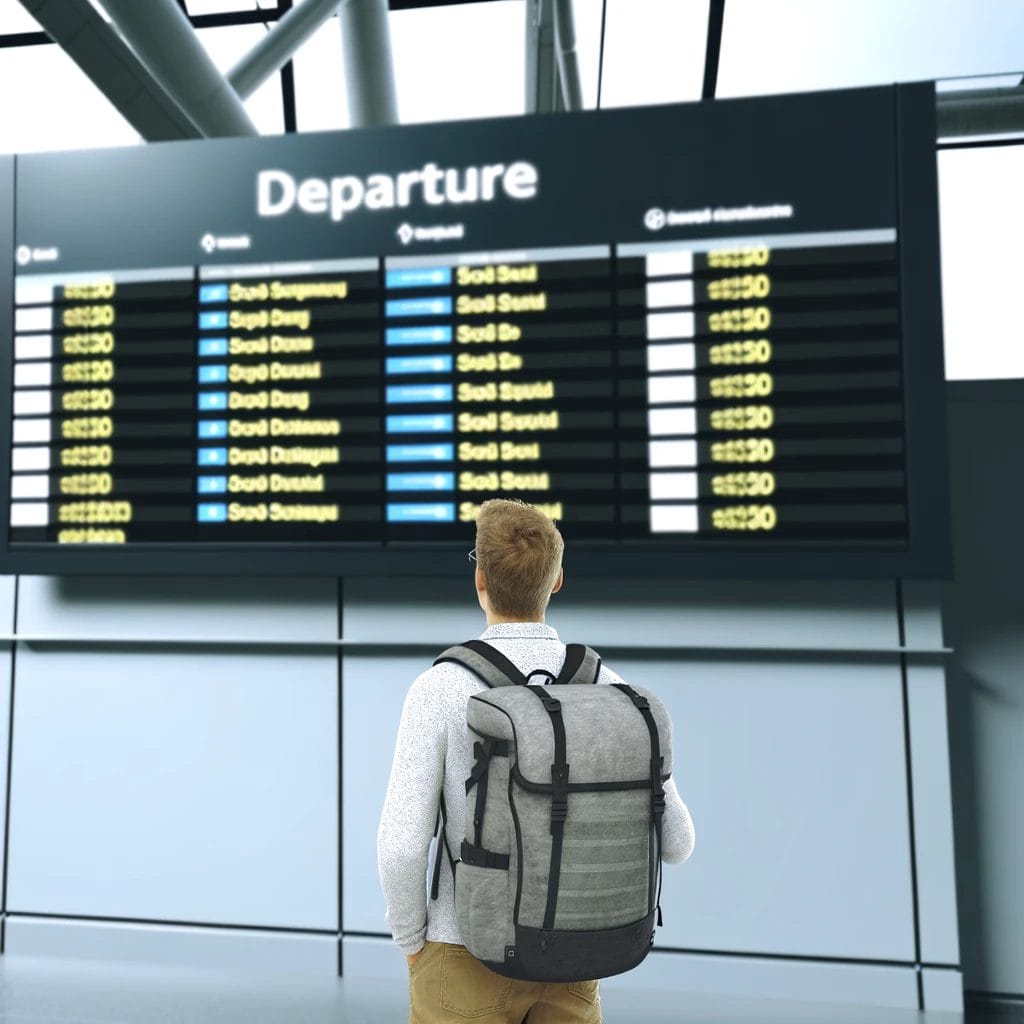
13 Tips for Solo Travelers That Will Change Your Trips Forever

March 26, 2024 by Tamila McDonald Leave a Comment

Solo Traveler Tips

DALL-E

Traveling alone can be an incredibly enriching experience, offering freedom and a unique sense of empowerment. With the rise in solo travel trends, it’s crucial to be well-informed to make the most of your adventures. Here, we present 13 essential tips for solo travelers that will transform your trips into unforgettable experiences.

1. Embrace the Flexibility of Solo Travel

Flexibility of Travel

DALL-E

Traveling solo means having the luxury to make your own itinerary without compromises. The flexibility it offers allows you to truly immerse yourself in your surroundings. Take advantage of this by being spontaneous – maybe join a last-minute tour or change your destination on a whim. Such flexibility can lead to unexpected adventures and meaningful experiences.

Moreover, this freedom lets you focus on your interests. Whether it’s visiting museums, trekking in nature, or exploring local cuisines, solo travel allows you to tailor your trip exactly to your tastes.

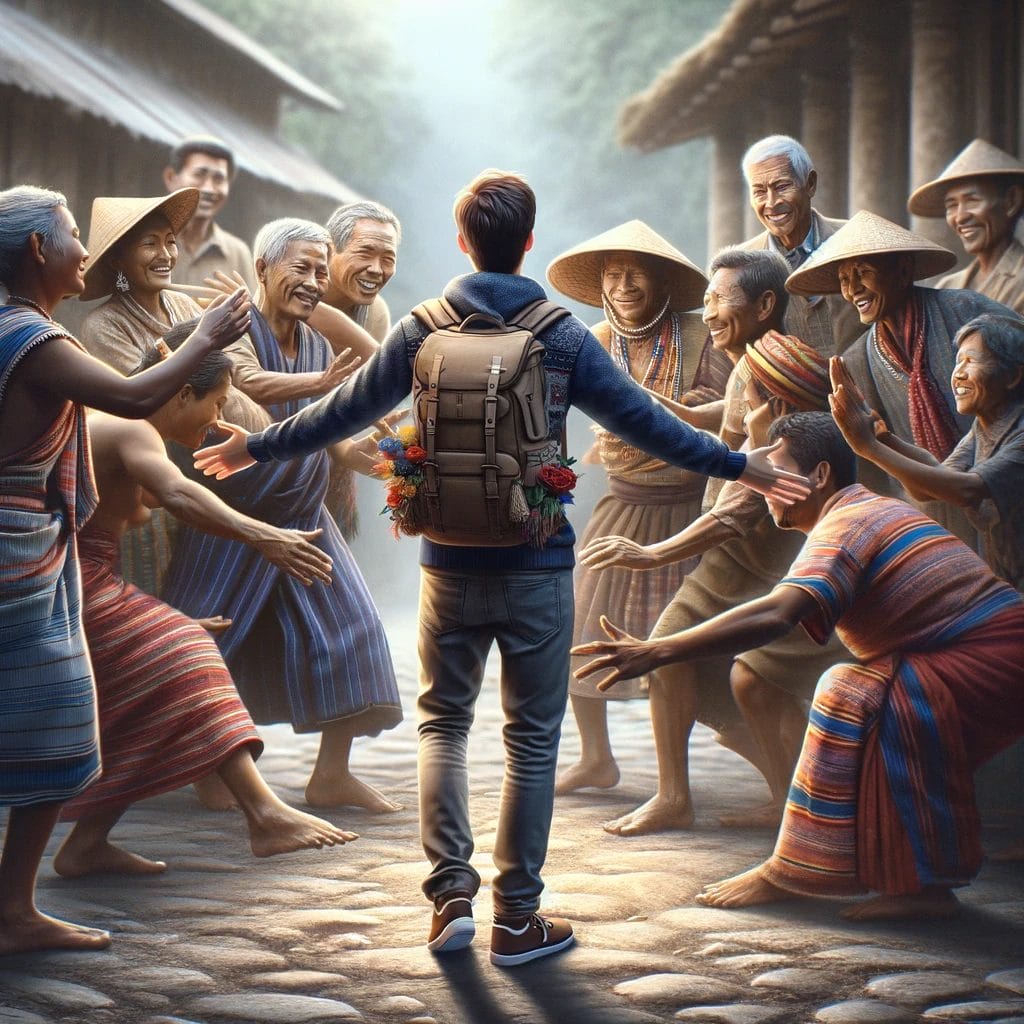
2. Connect with Locals for an Authentic Experience

Connect With Locals

DALL-E

One of the greatest joys of solo travel is the opportunity to meet new people, especially locals who can offer insights into their culture. Engage in conversations at coffee shops, attend local events, or use social platforms to meet residents. These interactions provide a deeper understanding of the place you’re visiting.

Local friendships can also lead to unique experiences not found in guidebooks. From hidden gems to local festivals, these connections can enrich your journey in unexpected ways.

3. Prioritize Your Safety

Prioritize Your Safety

DALL-E

Safety should always be a top priority, particularly when traveling alone. Research your destination thoroughly, understanding any risks or areas to avoid. Always inform someone of your plans and check in regularly.

Consider investing in safety gadgets or apps that allow you to share your location with trusted contacts. Remaining vigilant and aware of your surroundings goes a long way in ensuring a safe and enjoyable trip.

4. Pack Smart and Light

Pack Smart and Light

DALL-E

Packing light is essential for solo travelers. A minimalist approach not only makes moving around easier but also keeps you organized. Focus on versatile clothing and essentials, and remember that most things can be bought locally if needed.

Consider using packing cubes and a comfortable, durable backpack. This streamlined approach makes travel less cumbersome, giving you more freedom to explore.

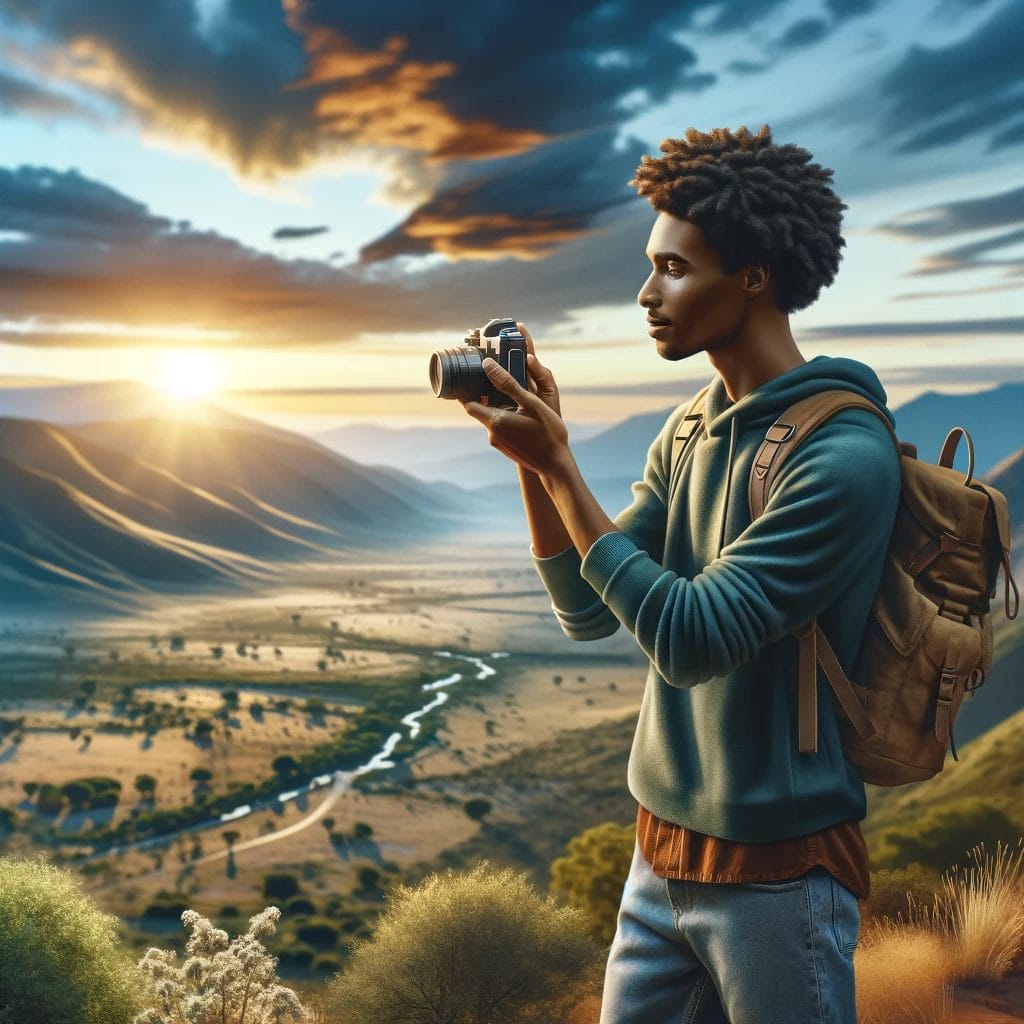
5. Document Your Journey

Document Your Journey

DALL-E

Traveling solo offers unique experiences that are worth capturing. Whether through photography, journaling, or blogging, documenting your journey helps preserve memories and share your experiences with others.

These personal mementos become invaluable over time, serving as a reminder of your adventures and the growth experienced during your travels.

6. Accept Cultural Differences

Embrace Cultural Differences

DALL-E

Solo travel exposes you to diverse cultures and customs. Embrace these differences with an open mind and respect. Whether it’s through trying new foods, learning a few phrases of the local language, or understanding cultural norms, this openness enriches your travel experience.

Respecting cultural differences also fosters a deeper connection with the places and people you encounter, making for a more fulfilling journey.

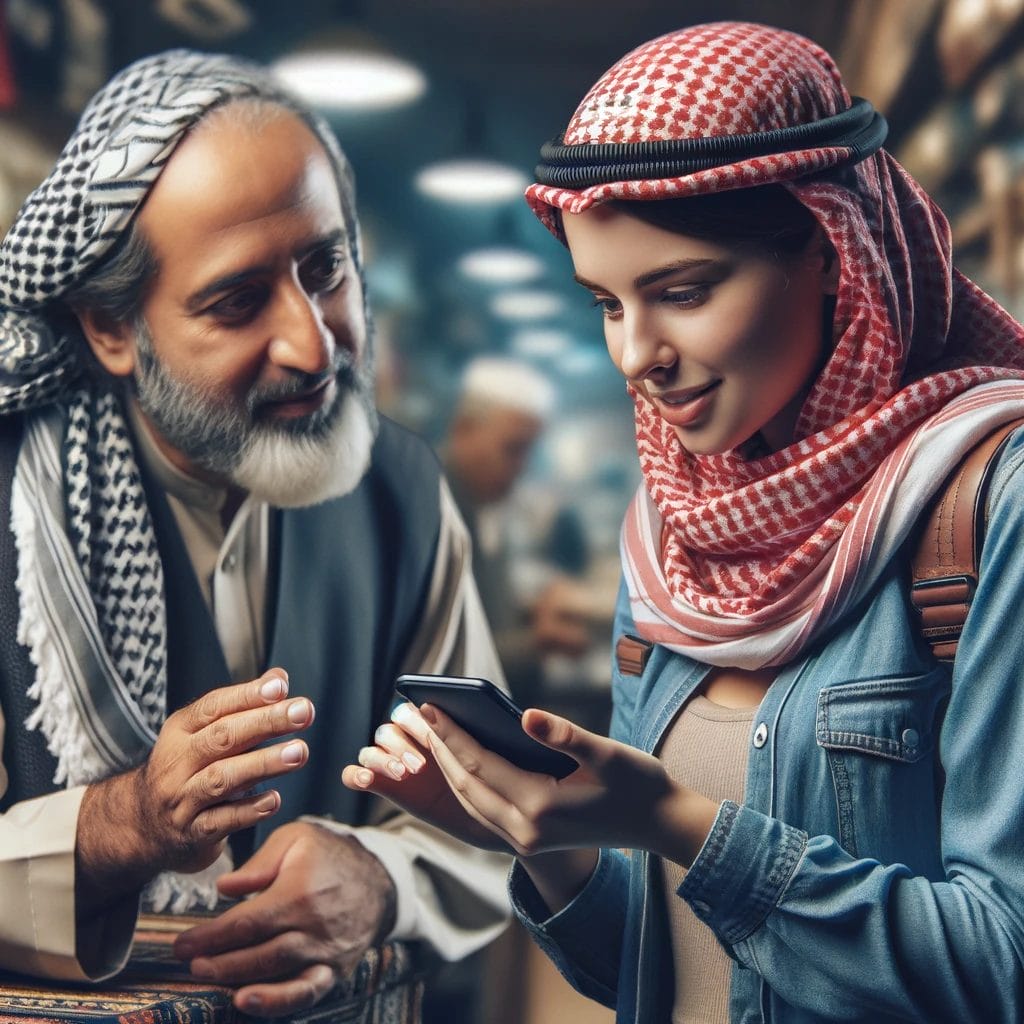
7. Invest in Learning a Bit of the Local Language

Learn Local Language

DALL-E

Knowing the basics of the local language can greatly enhance your travel experience. It not only helps in navigating and interacting with locals but also shows respect for their culture.

Even simple phrases like “Hello,” “Thank you,” and “Please” can go a long way in building rapport and enhancing your experience in a foreign land.

8. Utilize Technology for Efficiency

Utilize Technology for Efficiency

DALL-E

In the digital age, technology can be a solo traveler’s best friend. Use apps for navigation, translations, and recommendations. They can make travel logistics smoother and help you discover local favorites.

However, be mindful of over-reliance on technology. Sometimes, disconnecting and getting lost in a new place can lead to the most memorable experiences.

9. Trust Your Instincts

Trust Your Instincts

DALL-E

Your instincts are powerful tools when traveling alone. If a situation doesn’t feel right, trust your gut and remove yourself from it. This intuition is key in making decisions that keep you safe and happy during your travels.

Listening to your inner voice can also lead you to incredible experiences – trust it when it tells you to explore that hidden alley or try that local delicacy.

10. Stay in Social Accommodations

Stay in Social Accommodations

DALL-E

Choosing the right accommodation can greatly influence your solo travel experience. Consider staying in hostels, guesthouses, or B&Bs, where you can easily meet other travelers. These social settings provide opportunities for companionship and can lead to lifelong friendships.

They also often offer valuable local insights and tips, making your stay more enriching.

11. Manage Your Budget Wisely

Manage Your Budget Wisely

DALL-E

Solo travel means managing your budget independently. Be mindful of your spending, and plan your finances accordingly. Keeping track of expenses helps you make informed decisions and ensures that you don’t run into financial difficulties.

Consider using budgeting apps and look for cost-saving options like free walking tours or public transport.

12. Learn to Enjoy Your Own Company

Enjoy Your Own Company

DALL-E

One of the most rewarding aspects of solo travel is learning to enjoy your own company. Embrace the solitude to reflect, grow, and discover more about yourself. This self-reliance not only boosts your confidence but also allows you to appreciate the moments of quiet amidst the chaos of travel.

Use this time for self-reflection or indulge in activities that you love. Whether it’s reading in a café, sketching in a park, or simply people-watching, these moments of solitude can be deeply fulfilling.

13. Be Open to New Experiences

Be Open to New Experiences

DALL-E

Finally, the essence of solo travel lies in being open to new experiences. Say yes to opportunities that come your way, whether it’s a local cooking class, a hike with fellow travelers, or an impromptu road trip. These experiences often turn out to be the highlights of your trip.

You might also find yourself wanting to explore connections in a more personal way. If you’re open to meeting new people and enjoying casual hookups, platforms like https://pumpsmag.com can be a great way to connect with others and add a touch of excitement to your adventure.

Being open-minded and flexible allows you to fully embrace the adventure of solo travel, leading to stories and memories that last a lifetime.

Embark on Your Solo Journey with Confidence

Embark On Your Solo Journey

DALL-E

Embarking on a solo trip can be a transformative experience. By following these 13 tips, you’ll not only enhance your travels but also discover a newfound sense of independence and confidence. Remember, the world is vast and filled with wonders waiting to be explored by you, the solo adventurer. So pack your bags, trust in your abilities, and set off on a journey that promises to change the way you see the world and yourself.

Ready to start your solo travel adventure? Share your plans and experiences with us, and let’s celebrate the journey of independent travel together!

Tamila McDonald
Tamila McDonald

Tamila McDonald is a U.S. Army veteran with 20 years of service, including five years as a military financial advisor. After retiring from the Army, she spent eight years as an AFCPE-certified personal financial advisor for wounded warriors and their families. Now she writes about personal finance and benefits programs for numerous financial websites.

Filed Under: Travel Tagged With: embrace other cultures, enjoy your own company, learn the language, stay in social accomodations

18 Incredible Cities Around the World Where You Can Live for Under $1000 a Month

March 6, 2024 by Tamila McDonald Leave a Comment

Around The World

The dream of exploring the world doesn’t have to be expensive. In fact, there are numerous cities around the globe where living costs are so affordable that you can enjoy a comfortable lifestyle for under $1000 a month. From bustling metropolises to serene beach towns, check out these 18 such incredible cities, each offering its unique charm and low cost of living.

1. Chiang Mai, Thailand

Chiang Mai Thailand

Nestled in the mountains of Northern Thailand, Chiang Mai is a haven for expats seeking a low-cost yet culturally rich lifestyle. Known for its stunning temples, vibrant markets, and delicious street food, living costs here are surprisingly low. Rent can be as little as $400 a month, leaving plenty of room in your budget for enjoying local Thai cuisine and the natural beauty of the region.

2. Lisbon, Portugal

Lisbon Portugal

Lisbon, with its historic charm, beautiful beaches, and thriving cultural scene, offers an affordable European lifestyle. While slightly more expensive than some other cities on this list, it’s possible to live modestly in Lisbon for under $1000 a month. The city’s excellent public transport system and affordable healthcare add to its appeal.

3. Quito, Ecuador

Quito Ecuador

Quito, the capital of Ecuador, is known for its stunning colonial architecture and vibrant indigenous culture. The cost of living here is low, with housing available for a fraction of what you’d pay in North America or Europe. The city’s rich history, coupled with the affordability of necessities, makes it an attractive destination for budget-conscious expats.

4. Sofia, Bulgaria

Sofia Bulgaria

As the capital of Bulgaria, Sofia offers a unique blend of European culture and affordable living. With its low cost of housing, inexpensive public transportation, and cheap yet delicious food, it’s easy to live well here on a budget. Sofia’s picturesque parks and historical landmarks add to the city’s allure.

5. Ho Chi Minh City, Vietnam

Ho Chi Minh City

This bustling Vietnamese metropolis, also known as Saigon, offers an incredibly low cost of living with a vibrant street life and rich history. In Ho Chi Minh City, you can find comfortable accommodations for under $500 a month, and the food expenses are remarkably low, especially if you indulge in the local cuisine.

6. Bucharest, Romania

Bucharest Romania

Bucharest, Romania’s capital, combines the allure of classical architecture with the buzz of a modern city. Living costs in Bucharest are among the lowest in Europe, and the city offers a high standard of living with affordable healthcare, transportation, and entertainment options.

7. Merida, Mexico

Merida Mexico

Known for its colonial history and vibrant culture, Merida in Mexico is a great choice for those seeking an affordable lifestyle in a warm climate. Rent can be astonishingly cheap, and the city is known for its safety and friendly local community, making it a popular choice among retirees and digital nomads.

8. Kolkata, India

Kolkata India

Kolkata, formerly known as Calcutta, is one of India’s most culturally significant cities and is surprisingly affordable. With a rich artistic and literary history, this city offers a unique living experience. The cost of living here is incredibly low, from housing to food and transportation.

9. Antalya, Turkey

Antalya Turkey

Antalya is a stunning coastal city in Turkey known for its beautiful beaches and historic sites. The cost of living is low, and the city offers a relaxed lifestyle with a warm climate. It’s a perfect destination for those who love the Mediterranean lifestyle without the high costs.

10. Belgrade, Serbia

Belgrade Serbia

Belgrade offers a vibrant lifestyle at an affordable price. Known for its nightlife, historical architecture, and friendly locals, it’s possible to live comfortably in Belgrade on a tight budget. The city’s mix of Eastern and Western cultures creates a unique and intriguing atmosphere.

11. Cuenca, Ecuador

Cuenca Ecuador

Cuenca is another Ecuadorian gem, famous for its colonial architecture and vibrant arts scene. The city is a UNESCO World Heritage site and offers a high quality of life at a very affordable cost. It’s a favorite among expats looking for a blend of culture, history, and affordability.

12. Tbilisi, Georgia

Tbilisi Georgia

Tbilisi, the capital of Georgia, is known for its diverse architecture and warm hospitality. The cost of living here is surprisingly low, and the city is gaining popularity among digital nomads and expats for its relaxed atmosphere and affordable lifestyle.

13. Krakow, Poland

Krakow Poland

Krakow, with its rich history and stunning architecture, is one of the most affordable cities in Europe. The city offers a high quality of life with low living costs, especially in terms of rent and food. Krakow is a cultural hub with numerous festivals and events throughout the year.

14. Manila, Philippines

Manila Philippines

The capital of the Philippines, Manila, is a bustling metropolis offering an affordable lifestyle. The cost of living is low, especially when it comes to rent and local food. The city’s vibrant culture and friendly locals make it an attractive destination for those on a budget.

15. Cairo, Egypt

Cairo Egypt

Cairo, the sprawling capital of Egypt, is rich in history and culture. Living expenses in Cairo are remarkably low, making it possible to enjoy the city’s vibrant markets, historic sites, and unique culture without breaking the bank.

16. Hanoi, Vietnam

Hanoi Vietnam

Hanoi, the capital of Vietnam, offers an affordable lifestyle with a rich cultural heritage. The city’s fascinating blend of French and Asian influences, along with its low living costs, makes it an attractive destination for budget-conscious individuals.

17. Lviv, Ukraine

Lviv Ukraine

Lviv is a hidden gem in Western Ukraine, known for its beautiful architecture and vibrant cultural scene. The cost of living is incredibly low, and the city offers a peaceful yet stimulating environment with its cafes, museums, and galleries.

18. Buenos Aires, Argentina

Buenos Aires Argentina

Buenos Aires, often referred to as the Paris of South America, offers a European lifestyle at a fraction of the cost. The city is known for its vibrant culture, delicious cuisine, and lively arts scene, all available at surprisingly affordable prices.

Exploring The World

Exploring The World

Exploring the world and experiencing different cultures doesn’t have to be a distant dream reserved for the wealthy. These 18 cities demonstrate that it’s possible to live an enriching, fulfilling life on a budget. Whether you’re a retiree, a digital nomad, or just someone looking for a change of scenery, these destinations offer the perfect blend of affordability and adventure.

Ready to pack your bags and explore these budget-friendly cities? Share this article and start planning your next adventure today!

Tamila McDonald
Tamila McDonald

Tamila McDonald is a U.S. Army veteran with 20 years of service, including five years as a military financial advisor. After retiring from the Army, she spent eight years as an AFCPE-certified personal financial advisor for wounded warriors and their families. Now she writes about personal finance and benefits programs for numerous financial websites.

Filed Under: Travel Tagged With: Belgrade Serbia, Chiang Mai Thailand, Ho Chi Minh City Vietnam, Quito Ecuador

This Is How to Plan A Budget Friendly Summer Vacation

May 31, 2022 by Tamila McDonald Leave a Comment

plan a budget friendly summer vacation

Taking a summer vacation is a great way to relax and recharge. The challenge is that travel can be expensive, making it hard to have fun without breaking the bank. Fortunately, it is possible to plan a budget-friendly summer vacation. Here’s how.

Remain Flexible About Dates and Locations

When it comes to keeping costs down, few things work in your favor quite like flexibility. If you’re willing to travel on less popular dates, you can save quite a bit on airfare and accommodations. Similarly, if you’re open to a wide range of destinations, you can figure out which ones offer up the best bargain.

Now, it’s easy to assume that only unconventional summer destinations will have great deals, but that isn’t always the case. Popular options can, too, especially in areas that rely heavily on tourists to support the local economy. Remaining open-minded simply lets you capitalize on opportunities as they arise.

Time Your Airline Ticket Purchase

While you might be able to score last-minute deals on airfare, if you want a nearly guaranteed window where prices are typically lower, start exploring about two to three months before your vacation. During that window, ticket costs are usually near their lowest.

Otherwise, if you’re highly flexible about your destination, look closer to one month before your vacation. Then, let deals determine the location of your vacation.

Get Accommodations with a Kitchen

Dining out usually costs a bundle. Fortunately, you can mitigate that expense by choosing accommodations with a kitchen. Whether it’s an extended stay hotel with a well-equipped kitchenette or an Airbnb with a full kitchen, being able to cook lets you make food purchases from grocery stores instead of restaurants.

If you’re planning a road trip for your summer vacation, consider renting an RV instead of staying at hotels. You can often find options with kitchens included. Plus, some can tow standard vehicles, allowing you to have a car handy.

In the end, having access to a kitchen is a great way to vacation on a tighter budget. You can explore locally sourced fresh foods without having to head to restaurants, letting you experience what the region is all about for less.

Focus on Free Attractions and Events

Most major cities have a broad selection of free attractions and events, allowing you to explore the area without busting your budget. Whether it’s concerts in the park, free-entry days at museums, or landmarks that you can simply approach, it lets you have fun for less.

If you’re coming up short on options, then look for discounted tickets to other attractions. In some cases, city passes let you explore a range of attractions for far less than the door price. Plus, they usually feature some of the most popular options. You can also check sites like Groupon for discounts.

Are you planning a budget-friendly summer vacation and have more tips that you’d like to share? Have you used any of the strategies above and want to tell others about your experience? Share your thoughts in the comments below.

Read More:

  • Vacation Home or RV: Which Is Better?
  • How Much Does It Cost to Drive Across Country?
  • The 5 Best Currency Exchange Options for Travelers in Canada


Tamila McDonald
Tamila McDonald

Tamila McDonald is a U.S. Army veteran with 20 years of service, including five years as a military financial advisor. After retiring from the Army, she spent eight years as an AFCPE-certified personal financial advisor for wounded warriors and their families. Now she writes about personal finance and benefits programs for numerous financial websites.

Filed Under: Travel Tagged With: budget friendly summer vacation, summer vacation

Here Are The Best Digital Nomad Jobs

October 25, 2021 by Tamila McDonald Leave a Comment

best digital nomad jobs

For many people, the idea of being a digital nomad is incredibly enticing. The ability to travel the world while maintaining an income seems like a dream come true, creating opportunities to explore a wide range of countries with limited financial risk. If you’d like that kind of lifestyle, here’s a look at the best digital nomad jobs that you may want to consider.

Social Media Manager or Marketer

Social media-oriented professionals often have a significant amount of flexibility. Plus, making the position fully remote is simple since most of the tasks involve computers, smartphones, and internet-based services.

Your main responsibilities involve overseeing a company or individual’s social media presence. You might create and schedule posts, develop ads, and engage with commenters. Market research can also be part of the job, as well as A/B ad testing and similar traffic-, sales-, or follower-boosting activities.

Software Developer

Working as a remote software developer could be your ticket to a digital nomad lifestyle if you have strong coding skills. Thanks to cloud technology, remote desktop connections, and similar services, this kind of work can be done from nearly anywhere.

Plus, since the demand for software developers far outpaces supply, more companies are open to remote arrangements. Whether you want a full-time job or to freelance, you probably won’t have much trouble finding opportunities.

Virtual Assistant

Whether you’ve previously worked as an administrative assistant or simply have the skills for the job, becoming a virtual assistant could work perfectly if you want to be a digital nomad. Filipino virtual assistants, for example, have gained popularity for their proficiency and adaptability in this role. The work is similar to its office-based counterpart. They organize schedules, answer emails, make travel arrangements, handle research, and tackle similar kinds of tasks. The main difference is virtual assistants never have to report to an office.

The only thing you may need to keep in mind is time zones. While some virtual assistant jobs are highly flexible, others do have set hours. So, keep that in mind as you’re exploring your options.

Writer

Writing is a highly flexible position that lends itself well to a digital nomad lifestyle. Whether you launch your own blog or create posts for someone else’s – either with a byline or as a ghostwriter – you can typically handle the work from anywhere. The same goes for copywriting, technical writing, and other specialized niches.

Another benefit of this option is you might be able to do a decent amount of the work offline. However, you’ll need access to the internet for research, sending in deliverables, or posting pieces on blogs, so keep that in mind.

Customer Support Rep

While customer support reps used to work mainly in contact centers, these positions are increasingly becoming remote-friendly. With the right computer software and a strong internet connection, you can engage with customers over the phone, through chat messengers, or via email.

Do keep in mind that some companies have technology requirements, like making hard-wired internet connections mandatory. Before you apply to a company, see if you can meet their technology requirements while on the road. That way, you end up in the best position for your digital nomad lifestyle.

Video Editor

Video content is increasingly popular on social media. As a result, companies and individuals may hire remote video editors to ensure their posts are high-quality. That makes this a great option for digital nomads.

In many cases, you don’t need an internet connection the entire time you’re working. Instead, you’ll need it to download the original footage and to upload the completed video when it’s ready. During the time you’re editing, working offline is usually fine.

Just understand that video files can be quite large. As a result, you’ll want a strong connection whenever you need to upload or download. That way, you can capture the full file without getting disconnected and in a reasonable amount of time.

Can you think of any other fantastic digital nomad jobs? Have you tried one of the jobs above and want to talk about your experience? Share your thoughts in the comments below.

Read More:

  • 4 Signs It’s Time to Make a Career Change
  • How to Improve Your Credit When You’re Between Jobs
  • Top 3 Side Jobs for Seniors in Retirement
Tamila McDonald
Tamila McDonald

Tamila McDonald is a U.S. Army veteran with 20 years of service, including five years as a military financial advisor. After retiring from the Army, she spent eight years as an AFCPE-certified personal financial advisor for wounded warriors and their families. Now she writes about personal finance and benefits programs for numerous financial websites.

Filed Under: Travel

How Much Does It Cost to Drive Across Country?

June 7, 2021 by Tamila McDonald Leave a Comment

cost to drive across county

For many people, a cross-country road trip sounds like the perfect vacation. The issue is, figuring out how much it costs to drive across the country can be surprisingly challenging. As a result, you may not be sure how much to budget for driving-related costs. Luckily, it is actually possible to work it out. If you’re wondering, “How much does it cost to drive across the country?” here’s what you need to factor into the equation.

Route

Traveling cross-country doesn’t necessarily mean you have to take a specific route. Where you start and where you end is up to you, as well as the roads you decide to travel along the way. That means you may end up driving a different number of miles than another person planning a trip across the country simply because your route plans varied.

If you want to estimate your travel costs, you need to outline your route first. This lets you get a solid idea of the number of miles you’ll cover and can help you figure out if there are any route-related expenses you need to contend with. For example, tolls can add up fast, so you’ll want to make sure you either factor in the cost or choose routes that let you avoid them.

Fuel Costs

Once you know how many miles you’ll be driving, you can use your vehicle’s miles-per-gallon metrics to figure out how many tanks of fuel it will take for you to complete the trip. However, you don’t want to count on that figure. After all, you may want to sightsee – causing you to take small detours – or you could end up idling in traffic, which does burn fuel.

Precisely how much extra you want to factor in can vary. However, planning for an additional two fuel tanks isn’t a bad idea.

After that, if you’re going to estimate your fuel costs, you’ll need to do some research. Gas prices vary all across the country, so you can’t rely on your local prices to accurately reflect how much you need to budget. Often, using an app like GasBuddy can help, especially if you want to find low-cost stations along your route. Just make sure to round up a tad, as prices do frequently fluctuate, ensuring you have a suitable buffer.

Accommodations

When you’re driving cross-country, you probably aren’t going to do it all in one go. Instead, you’ll usually need to make some stops, allowing you to get some much-needed sleep each night.

When you’re planning for accommodations, you first need to decide how far you want to drive every day. This helps you identify cities near the appropriate points on your route, giving you places to check out for accommodations.

Additionally, you need to decide on the type of accommodations you’d like. Hotels and motels are classic choices, but you may want to explore Airbnb properties, campgrounds, or other options that may be available. Consider what you’ll need when you stop for the night and use that to help you decide where to stay.

Meals

Cross-country trips take time, so you’re going to do a lot of eating on the road. However, you do have control over how you approach meals, drinks, and snacks.

For example, you could opt for restaurants the entire way. If so, you may need to estimate spending $10 to $20+ per person per stop, depending on the types of establishments you prefer.

However, you can also go in a different direction. If you have a well-made cooler, you could head to grocery stores for food instead. Essentially, you’d pack daily picnic-style breakfasts, lunches, and dinners, allowing you to avoid the higher costs of dining out.

With the grocery store approach, a bit of meal planning can help you estimate your costs. Just keep in mind that food prices do vary nationally, so you may want to check out local store websites near your stops to get estimates.

Ultimately, by looking at the points above, you can set a budget for your drive across the country. Just make sure that you factor in some extra cash for miscellaneous or unexpected expenses, giving you a safety buffer that can ensure your trip is a success even if something you don’t anticipate happens.

Have you ever driven across the country and, if so, where you aware of how much it cost to drive across country? Do you have any tips that can help someone save while driving across the country? Share your thoughts in the comments below.

Read More:

  • Vacation Home or RV: Which Is Better?
  • How to Keep Your Car Secure from Vandals and Thieves
  • Top Reasons You Need Car Insurance
Tamila McDonald
Tamila McDonald

Tamila McDonald is a U.S. Army veteran with 20 years of service, including five years as a military financial advisor. After retiring from the Army, she spent eight years as an AFCPE-certified personal financial advisor for wounded warriors and their families. Now she writes about personal finance and benefits programs for numerous financial websites.

Filed Under: Travel Tagged With: driving across country, traveling across country

What’s Up With Oil?

May 12, 2021 by Jacob Sensiba Leave a Comment

Oil is in the news a lot right now because of what’s currently happening on the East Coast of the United States. There was a hack of an oil pipeline, and the hackers have since been identified, but the consequences of that hack are being felt by the company and by consumers.

Due to the hack, the pipeline shut down. This pipeline provides the East Coast with nearly half of its gasoline and jet fuel. As a result, gas, and oil prices have gone up, there are gasoline shortages, and consumers are behaving erratically. Some are hoarding gasoline. Others are chasing down supply trucks and are behaving in a way, akin to when an animal’s food supply is threatened.

With all that said, I do want to talk about oil today. Not just the recent news about the hack, but also the price of oil, the supply and demand dynamics, and what my thoughts on the future of the precious fossil fuel are.

Oil Price, Supply and Demand

The price of oil is back to pre-pandemic levels. Back in the early days of the pandemic, however, there was a tremendous shock to the system. Oil prices dove into negative territory because demand projections dropped.

Everyone started staying home due to Covid and mandatory quarantines, so demand dried up. A lot of analysts said that pre-Covid was peak oil demand. More people are going to work remotely, which means less commuting and less consumption. More businesses are going to conduct meetings via Zoom instead of flying to different locations, which also means less consumption.

Do I think the “pre-Covid era” was peak oil demand? I think so, but it’s difficult to say with certainty.

The future of oil

I do believe, however, that the overall demand for oil will trend down going forward. With that said, oil producers are focused on their bottom line. If they see demand trending down, they’ll be inclined to reduce production to protect the price per barrel from plummeting.

There’s another force at play here – clean energy. We will continue to see start-ups and agile new companies bring new technology to market. I think the runway for clean energy, in terms of growth and return potential, is very large. However, don’t count out the big energy companies quite yet.

These companies (Exxon, BP, Chevron, and the like) have been investing a lot of money in green/clean energy. They see the forces at play and they see the direction in which the market is going. It’s in their best interest to plan for an energy market dominated by renewables.

How should we invest?

That’s a good question and due to regulatory constraints, I can’t tell you specifically. Do I think there’s a place for oil in your portfolio? Maybe in the short-term, but not for long.

Investing in energy will be more nuanced than it has in the past. Big oil companies, as I mentioned, are investing in clean energy, but I believe renewable startups and green energy companies will attract the majority of investment.

Keep up to date with what’s happening in the energy market and do your due diligence when it comes to selecting investments.

Related reading:

What Asset Allocation Matters

Inflation, Gold, Semiconductors


**Securities offered through Securities America, Inc., Member FINRA/SIPC. Advisory services offered through Securities America Advisors, Inc. Securities America and its representatives do not provide tax or legal advice; therefore, it is important to coordinate with your tax or legal advisor regarding your specific situation. Please see the website for full disclosures: www.crgfinancialservices.com

Jacob Sensiba
Jacob Sensiba

Jacob Sensible is a financial advisor with decades of experience in the financial planning industry.  His journey into finance began out of necessity, stepping up to support his grandfather during a health crisis. This period not only grounded him in the essentials of stock analysis, investment strategies, and the critical roles of insurance and trusts in asset preservation but also instilled a comprehensive understanding of financial markets and wealth management.  Jacob can be reached at: jake.sensiba@mygfpartner.com.

mygfpartner.com/jacob-sensiba-wisconsin-financial-advisor/

Filed Under: investing news, Personal Finance, risk management, Travel Tagged With: clean energy, green energy, investing, Investment, oil, renewables

  • « Previous Page
  • 1
  • 2
  • 3
  • 4
  • 5
  • Next Page »

FOLLOW US

Search this site:

Recent Posts

  • Can My Savings Account Affect My Financial Aid? by Tamila McDonald
  • 12 Ways Gen X’s Views Clash with Millennials… by Tamila McDonald
  • What Advantages and Disadvantages Are There To… by Jacob Sensiba
  • 10 Tactics for Building an Emergency Fund from Scratch by Vanessa Bermudez
  • Call 911: Go To the Emergency Room Immediately If… by Stephen Kanaval
  • 7 Weird Things You Can Sell Online by Tamila McDonald
  • 10 Scary Facts About DriveTime by Tamila McDonald

Copyright © 2026 · News Pro Theme on Genesis Framework