• Home
  • About Us
  • Toolkit
  • Getting Finances Done
    • Hiring Advisors
    • Debt Management
    • Spending Plan
  • Insurance
    • Life Insurance
    • Health Insurance
    • Disability Insurance
    • Homeowners/Renters Insurance
  • Contact Us
  • Risk Tolerance Quiz
  • Our Editorial Commitment

The Free Financial Advisor

You are here: Home / Archives for Hiking Gear

8 Must-Have Items Every Hiker Should Pack Before the Trail

November 10, 2025 by Travis Campbell Leave a Comment

hiking
Image source: shutterstock.com

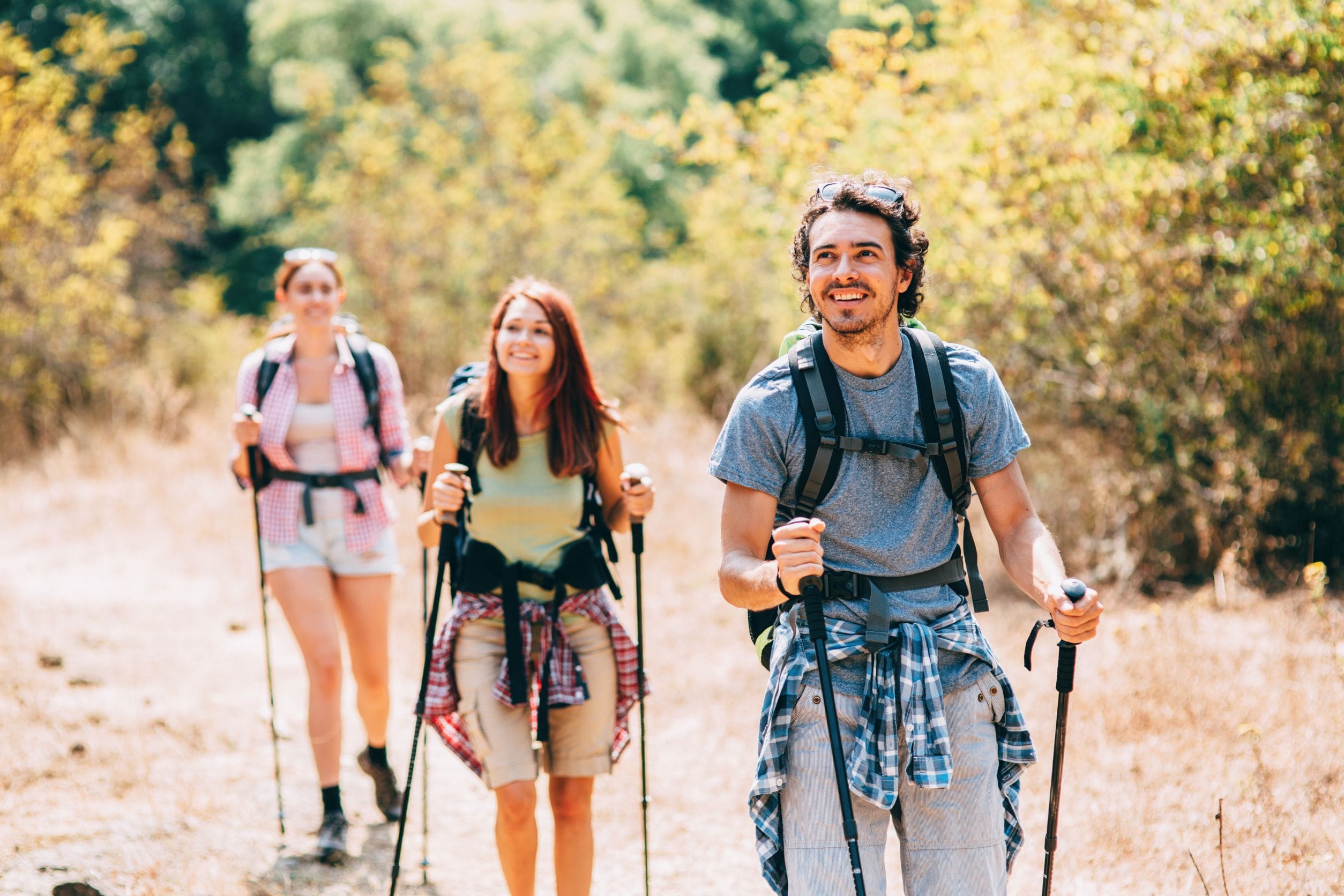
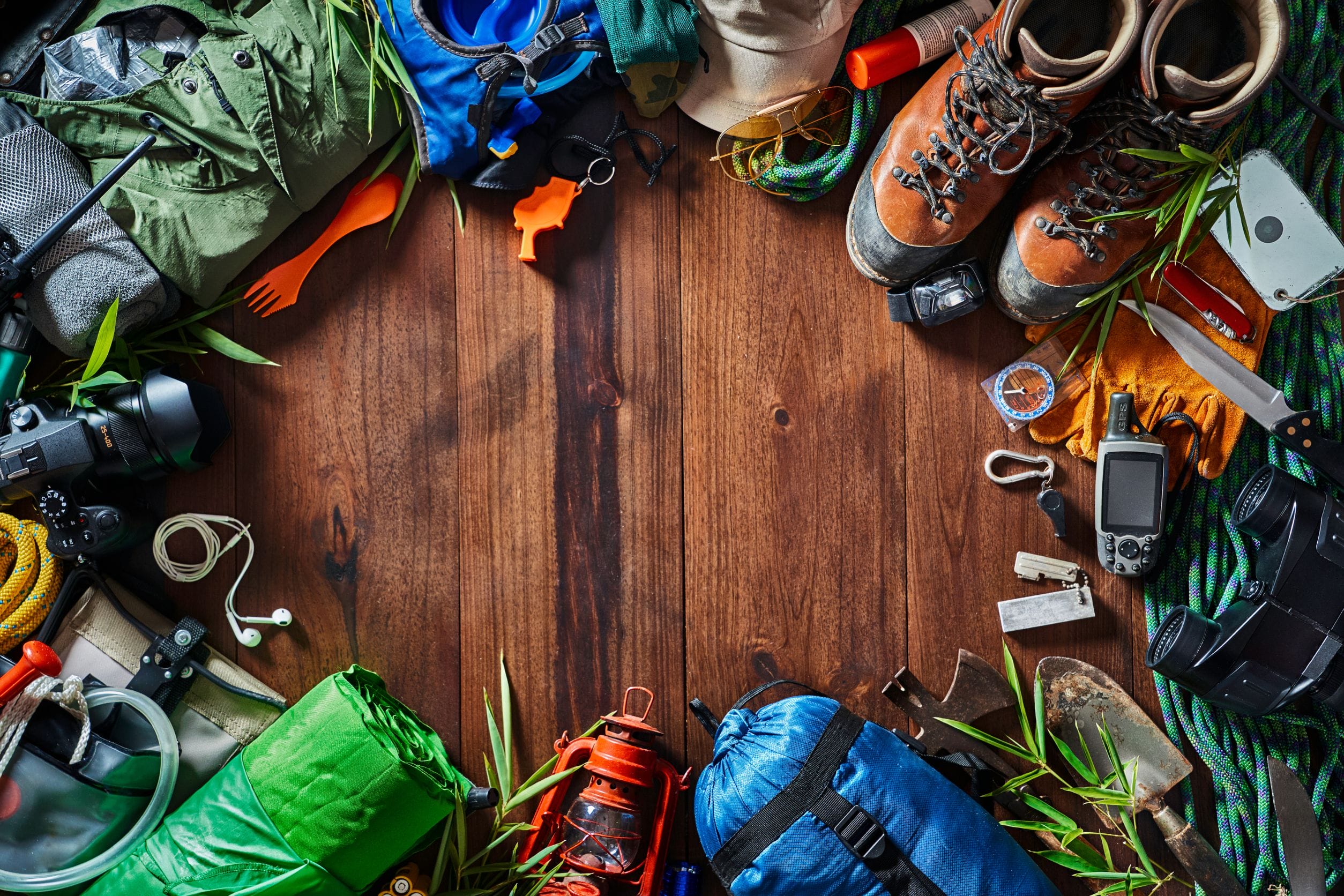
Heading into nature can clear the mind, strengthen the body, and refresh the spirit. Hikers who fail to prepare properly will find that their most appealing trail routes become dangerous paths. The selection of proper equipment makes all the difference between a safe and enjoyable journey and a dangerous and uncomfortable one. Hikers need to prepare their trips by considering both their comfort needs and potential emergencies, as well as weather conditions and route navigation. The following eight items will help you pack efficiently, keep you safe, and deliver the best hiking experience. The essential items for hiking need to be prepared in advance by all hikers regardless of their outdoor experience level.

1. Reliable Navigation Tools

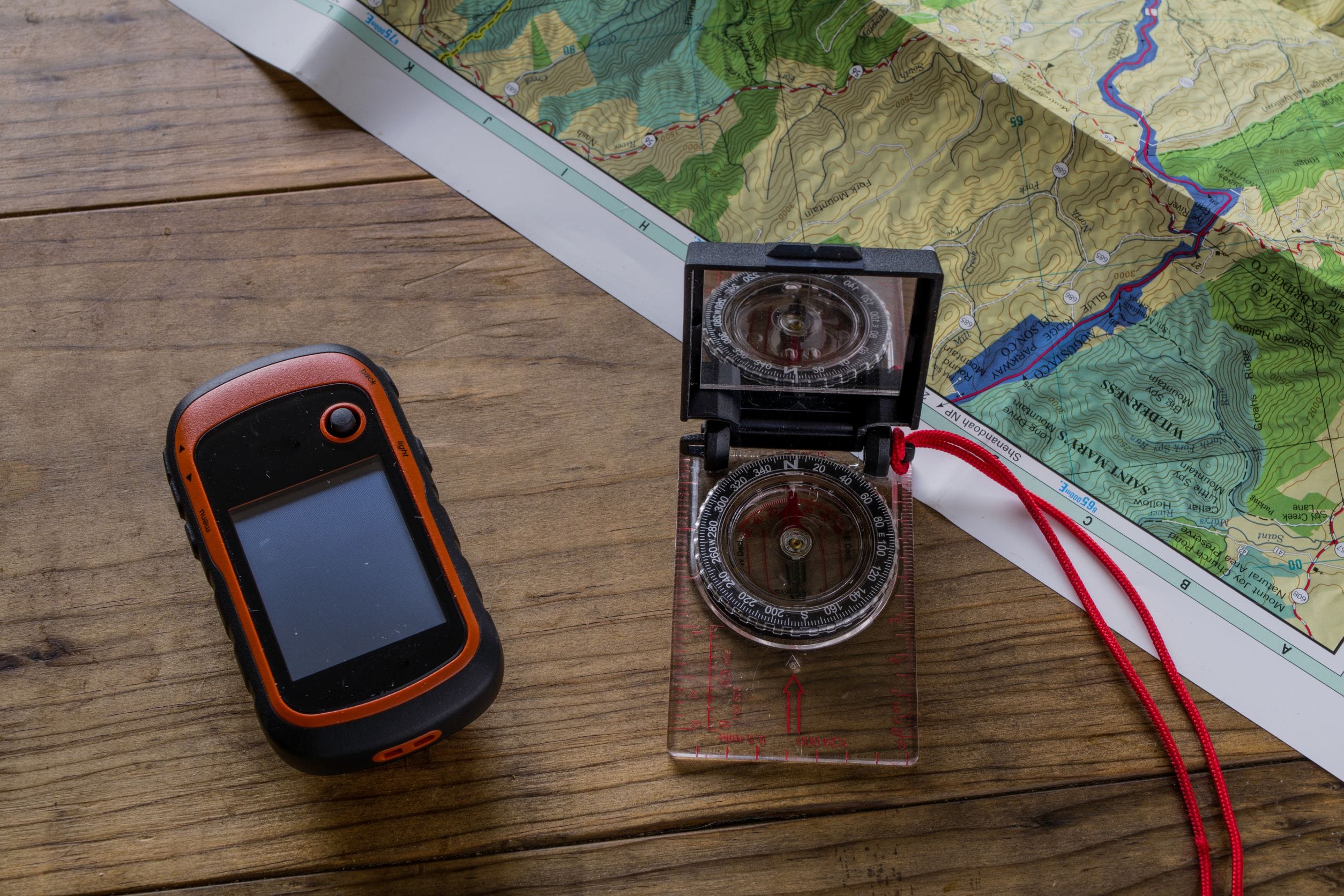
Getting lost is easier than most people think, especially when trails split or signage fades. A paper map and a compass remain essential tools even in the age of smartphones. Batteries die, signals drop, and weather can interfere with GPS. Always bring a physical map of your route and know how to use it. Pair it with a compass for accuracy. For extra peace of mind, consider a GPS watch or a handheld device with offline maps. These tools help you stay oriented and minimize the risk of getting lost.

2. Water and a Filtration System

Staying hydrated is non-negotiable. Dehydration can sap energy, cloud judgment, and lead to serious health problems. Bring enough water for your hike, but also pack a lightweight filtration or purification system. Rivers and streams may look clean, but can contain bacteria or parasites. A small filter or purification tablets weigh almost nothing and can save you if you run low. Reusable bottles or hydration bladders make drinking on the go easier. Hydration planning should always be part of your must-have hiking items list.

3. Weather-Appropriate Clothing

The weather can shift quickly, especially in mountains or forests. Dress in layers so you can adjust to temperature changes. Start with moisture-wicking base layers to keep sweat off your skin. Add insulating layers for warmth and a waterproof shell to block rain and wind. Avoid cotton—it holds moisture and chills you fast. Lightweight gloves, a hat, and a buff can make a big difference in comfort. Proper clothing isn’t just about comfort; it’s a safety measure that protects you from hypothermia or overheating.

4. First Aid Kit

Blisters, scrapes, and insect bites are common on the trail, but serious injuries can happen, too. A compact first aid kit should include bandages, antiseptic wipes, adhesive tape, pain relievers, and any personal medications. Add items like tweezers, moleskin for blisters, and a small roll of gauze. It’s wise to learn basic first aid before your trip. Some hiking groups offer short courses that teach how to handle minor injuries and stabilize someone until help arrives.

5. Nutritious Food and Snacks

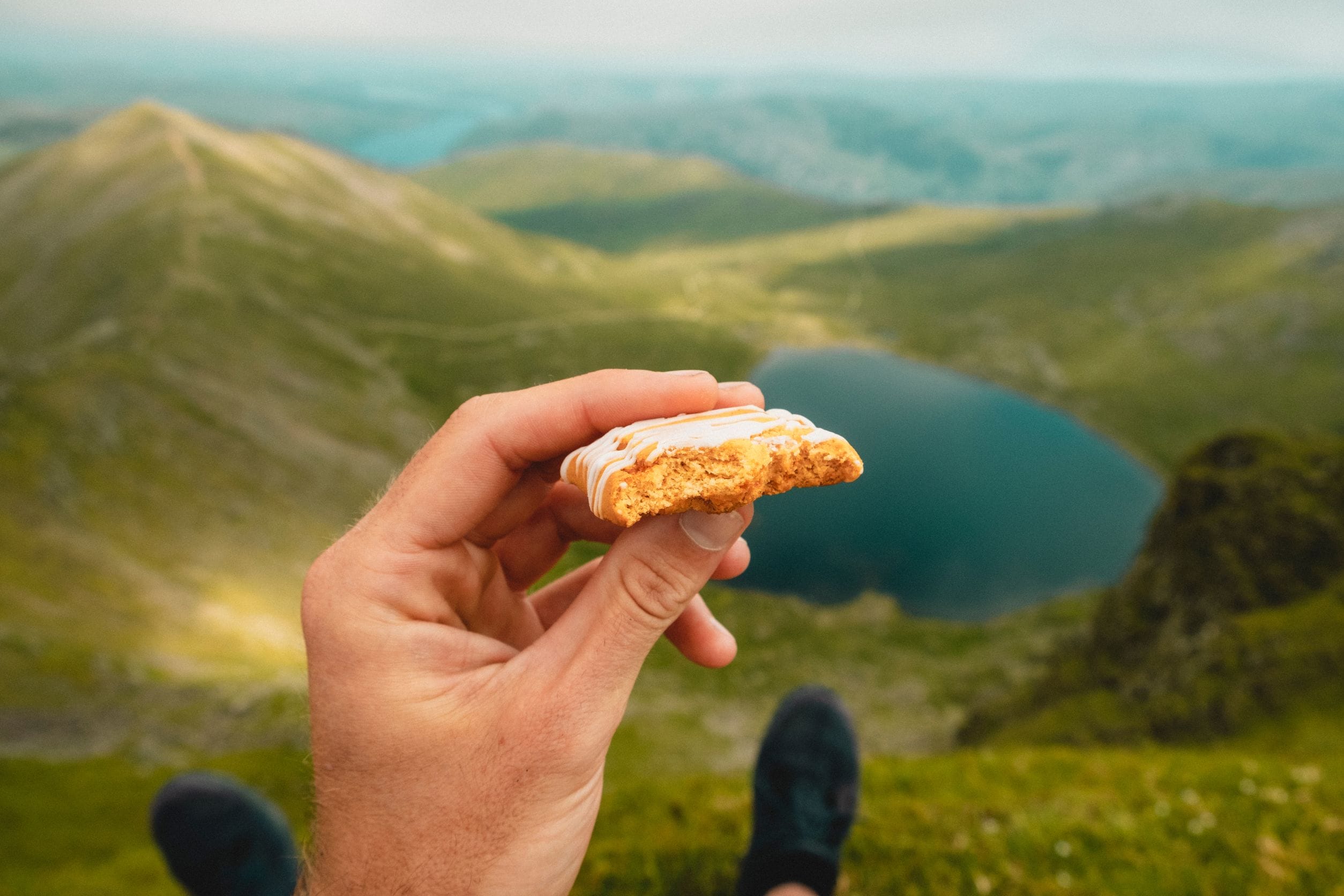
Food fuels your hike. Choose items that are calorie-dense, non-perishable, and easy to eat on the go. Trail mix, jerky, nuts, and energy bars are perfect for quick bites. For longer treks, pack dehydrated meals or simple sandwiches. Keep a small portion of extra food in case your hike takes longer than expected. Balanced nutrition helps maintain steady energy levels, supports your body’s recovery, and prevents fatigue from setting in too early. Make food planning part of your pre-hike checklist.

6. Emergency Shelter

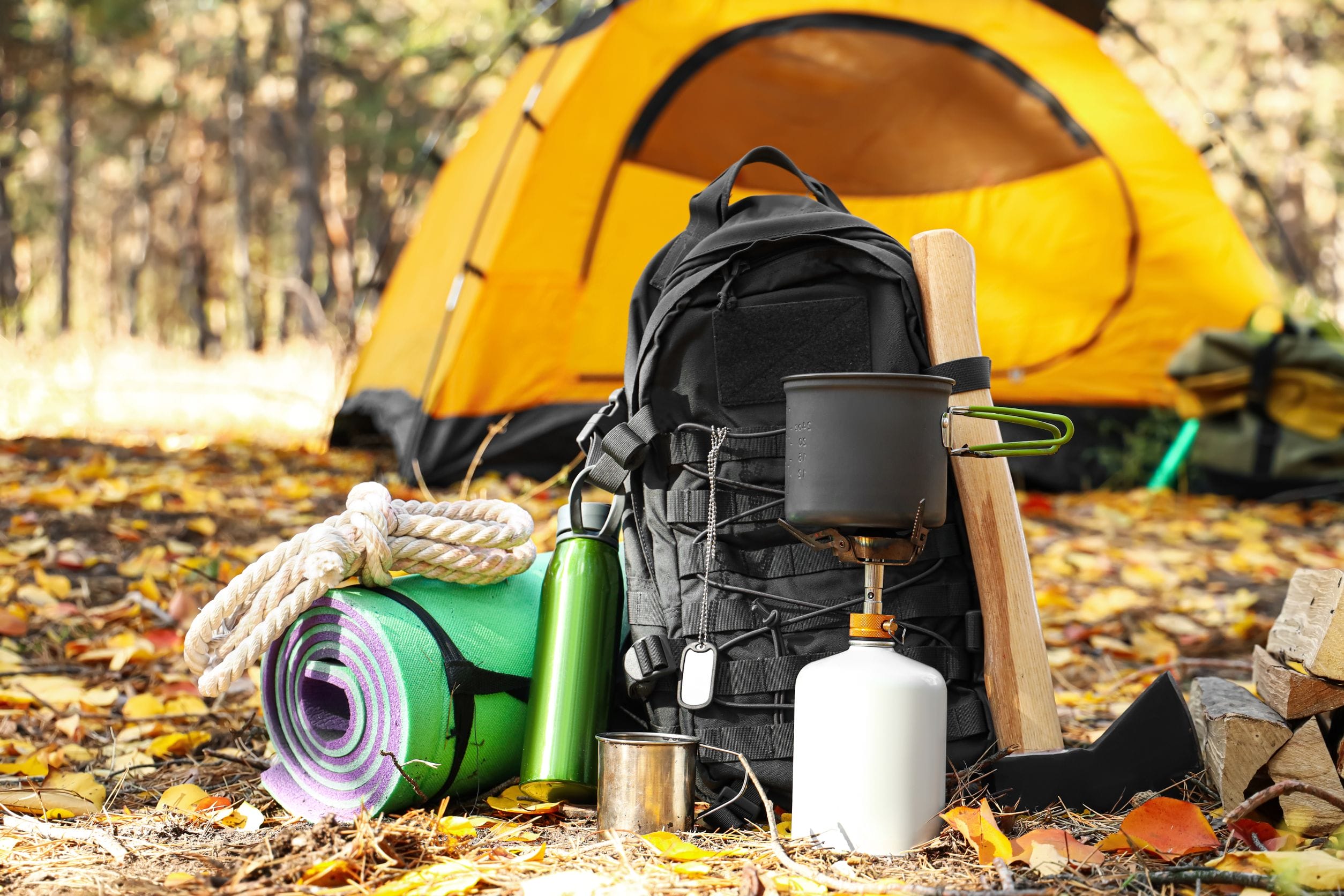
Even if you plan a day hike, bring a lightweight emergency shelter or bivy sack. Weather and daylight can change more quickly than expected, leaving you vulnerable. An emergency blanket or tarp can shield you from wind and rain. Compact shelters fit easily in your pack and can mean the difference between an uncomfortable night and a dangerous one. Always prepare for the unexpected, especially when hiking in remote areas.

7. Illumination and Fire Tools

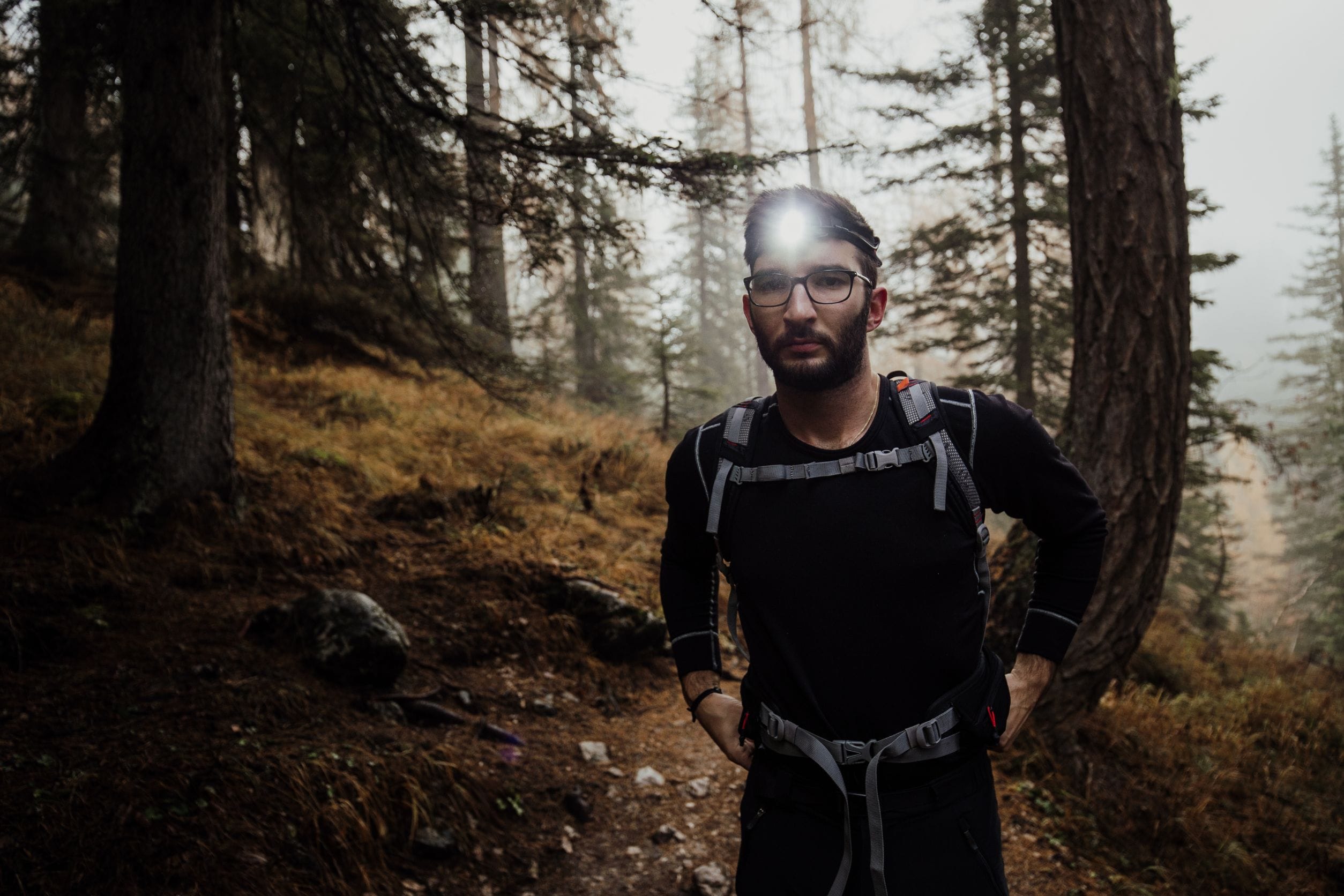
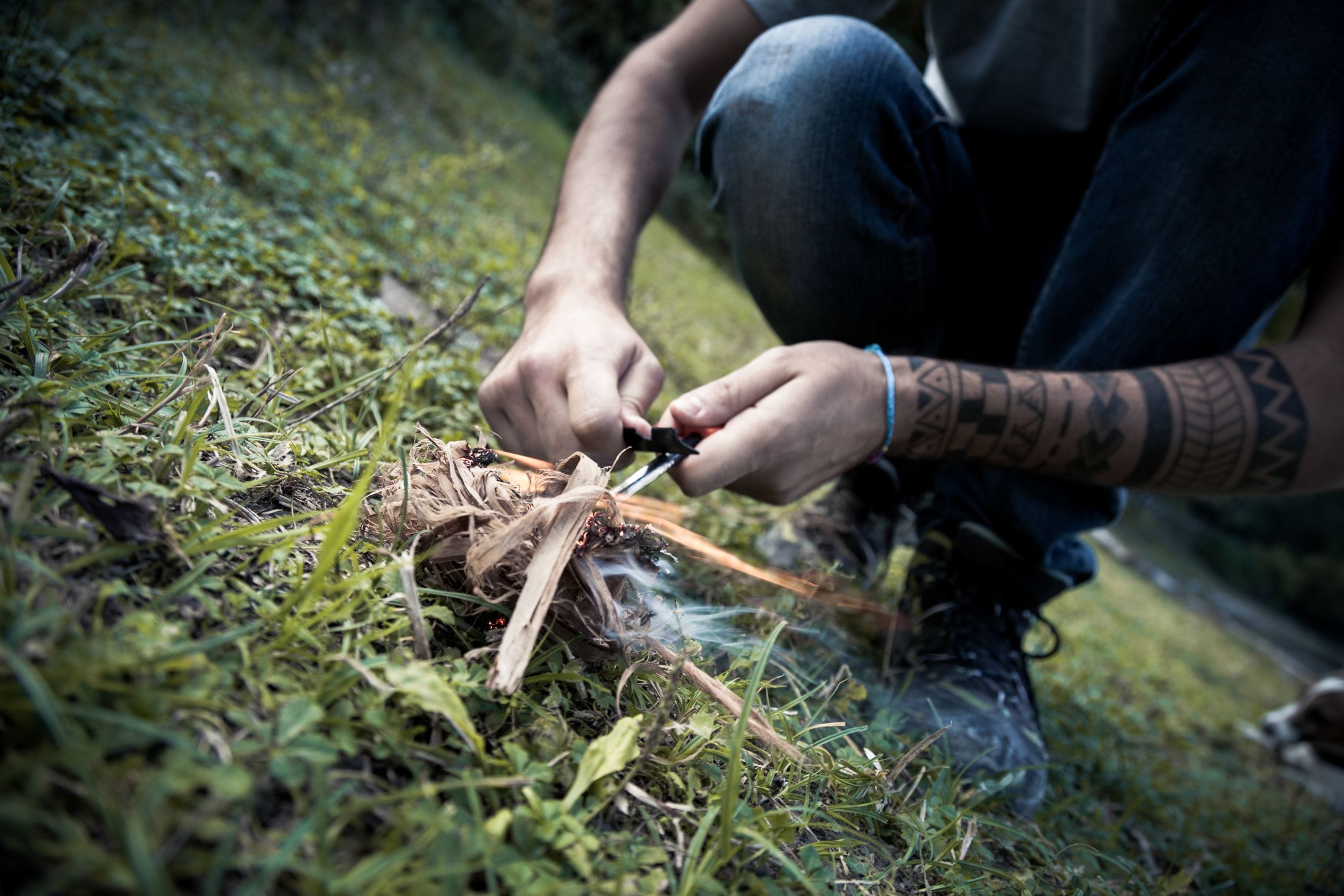
Light is essential if your hike extends past sunset or you find yourself delayed. A headlamp keeps your hands free and lights the trail ahead. Pack extra batteries or a backup flashlight. Fire-starting tools—like waterproof matches or a small lighter—help you stay warm, cook food, and signal for help if needed. Keep them in a waterproof container. Light and fire are basic survival tools that every hiker should include among their must-have hiking items.

8. Multi-Tool and Repair Kit

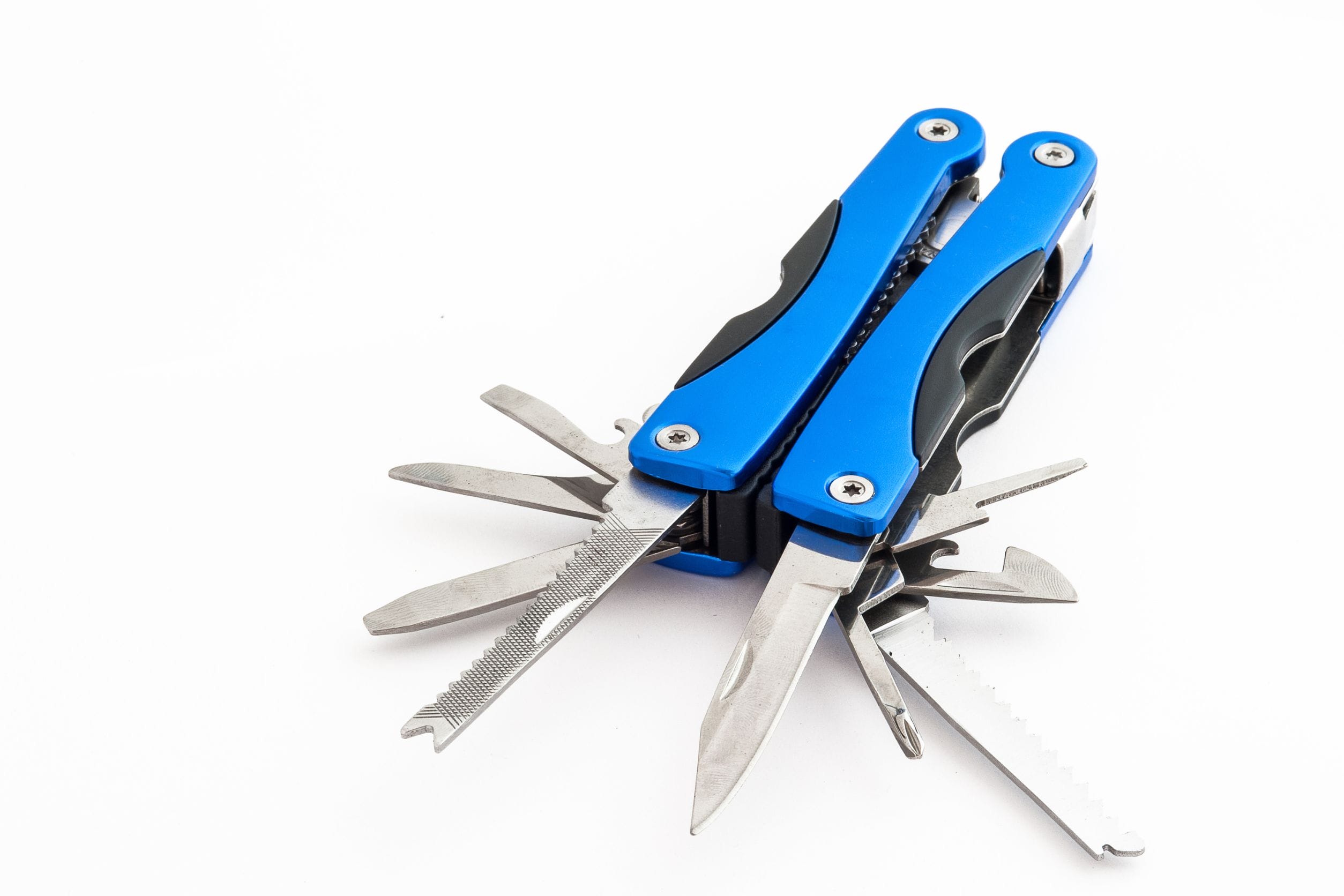
A multi-tool can handle countless small problems on the trail. Loose screws, broken straps, or torn gear can quickly become major inconveniences. A knife, scissors, and screwdriver attachments can fix most issues. Add duct tape, zip ties, and a few safety pins to your repair kit. These small items can patch holes, secure equipment, or even help in an emergency. Keeping your gear functional ensures your trip stays on track.

Preparing for the Unexpected

People can explore nature through hiking, but they need to prepare correctly to stay safe and have a good time. The essential items you bring will help you deal with any emergency that may occur while hiking. The goal should be to select essential gear that ensures safety and comfort, rather than attempting to move all belongings. The process of smart packing enables you to feel assured, so you can appreciate your environment while avoiding worries about forgotten items.

What single item do you always bring when you head out for hiking? Share your thoughts and experiences in the comments below.

What to Read Next…

  • 8 Things You’re Doing That Make Criminals Think You’re an Easy Target
  • 7 Places Criminals Watch Before Picking a Home to Rob
  • 8 Common Home Security Features That Aren’t as Safe as You Think
  • 7 Ways Your Neighbor Could Be Spying on You Without Breaking the Law
  • What Do Police Say About These Safe Neighborhood Assumptions?
Travis Campbell
Travis Campbell

Travis Campbell is a digital marketer/developer with over 10 years of experience and a writer for over 6 years. He holds a degree in E-commerce and likes to share life advice he’s learned over the years. Travis loves spending time on the golf course or at the gym when he’s not working.
Filed Under: Smart Shopping Tagged With: Hiking Gear, hiking preparation, outdoor safety, packing tips., trail essentials

12 Things You Should Always Carry When Hiking

May 27, 2024 by Vanessa Bermudez Leave a Comment

hiking
Canva

Hiking is an exhilarating escape into nature, offering both adventure and tranquility. However, a successful hike requires more than just enthusiasm. Proper preparation and packing the right essentials can make all the difference. Here are 12 items you should always carry to ensure a safe and enjoyable hiking experience.

1. Navigation Tools

Navigation Tools
Canva

Modern technology is great, but nothing beats traditional navigation tools like a map and compass. These reliable items don’t depend on battery life and work everywhere, even in remote areas with no cell service. For added security, bring a GPS device to track your real-time location. Before you set off, familiarize yourself with how to use these tools, it could be a game-changer. This knowledge ensures you stay on the right path and can confidently explore new terrains.

2. Hydration Supplies

Hydration Supplies
Canva

Water is your best friend on any hike. Carrying a hydration bladder or multiple water bottles ensures you remain hydrated throughout your journey. To avoid running out of water, pack a portable water filter or purification tablets, allowing you to drink safely from natural sources. Dehydration can quickly become a serious issue, especially in hot weather, so frequent sips are essential. Staying hydrated keeps your energy levels up and helps you enjoy every moment of your adventure.

3. Nutritious Snacks

Nutritious Snacks
Canva

Energy-boosting snacks are a must for maintaining stamina on the trail. Pack lightweight, high-calorie foods like trail mix, energy bars, dried fruits, and nuts. These snacks are easy to carry and provide essential nutrients to keep you going. Eating small amounts regularly helps sustain your energy and keeps your mood positive. Plus, snack breaks are a great opportunity to enjoy the scenery and take a breather.

4. Weather-Appropriate Clothing

Weather-Appropriate Clothing
Canva

Dressing in layers is key to staying comfortable and protected on your hike. Start with a moisture-wicking base layer to keep sweat away from your skin. Add an insulating layer to retain body heat and top it off with a waterproof outer layer to guard against rain and wind. Don’t forget to pack a hat and gloves if you’re hiking in cooler conditions. Proper clothing ensures you’re prepared for sudden weather changes and can focus on the beauty around you.

5. Safety Gear

Safety Gear
Canva

A comprehensive first aid kit is an absolute necessity. Tailor it to the length and difficulty of your hike, including items like bandages, antiseptic, tweezers, and any personal medications. Also, carry a whistle and a signal mirror to call for help if needed. These safety tools can make a significant difference in emergencies, ensuring you’re prepared for minor injuries or unexpected situations. Peace of mind comes from knowing you can handle whatever the trail throws your way.

6. Sun Protection

Sun Protection
Canva

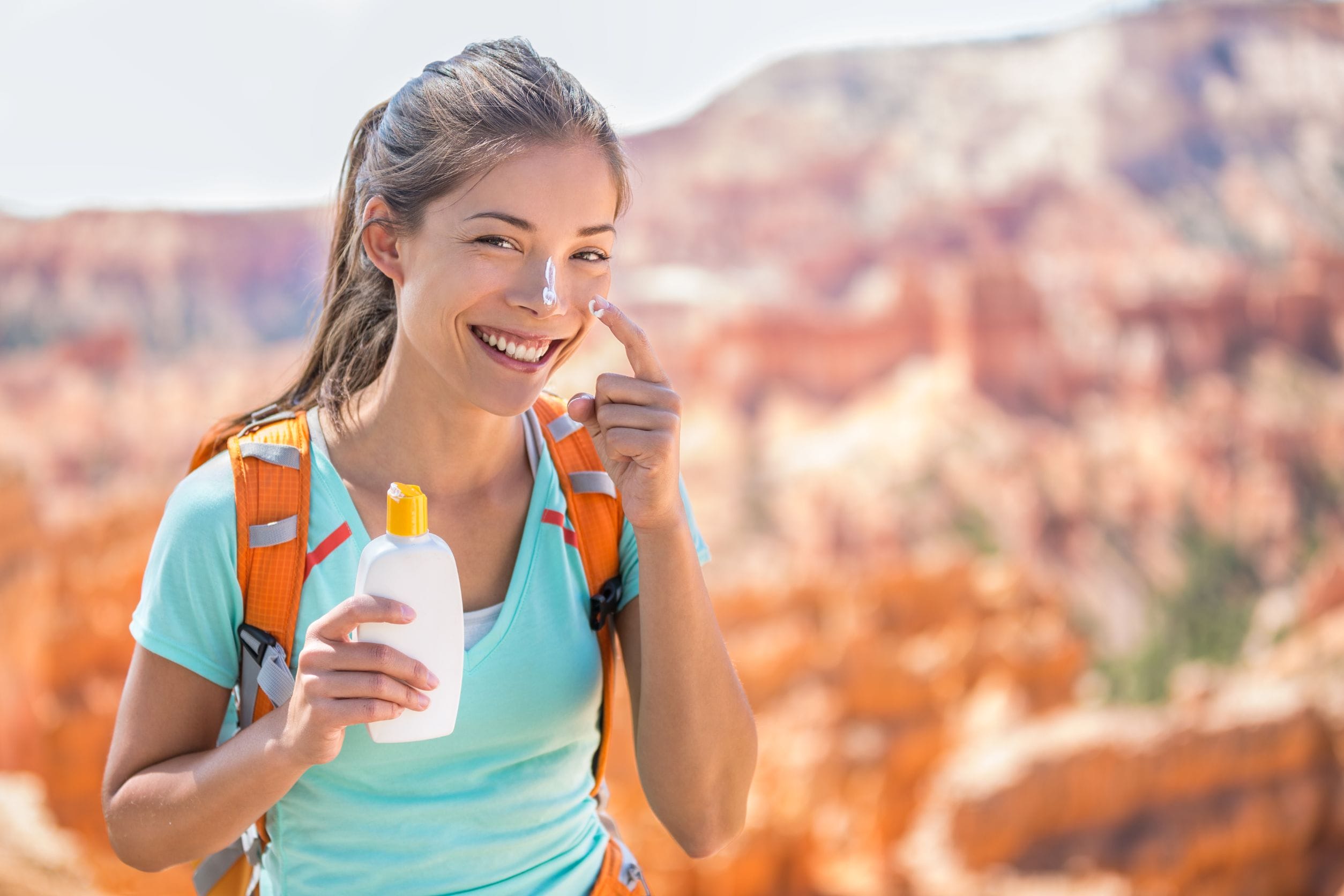
Shielding yourself from the sun is crucial, even on cloudy days. Apply a broad-spectrum sunscreen before you start and reapply throughout the day. Sunglasses with UV protection safeguard your eyes, while a wide-brimmed hat protects your face and neck. Sunburn and eye damage can sneak up on you, making sun protection vital for a comfortable hike. Remember, sun safety keeps you looking and feeling good during your adventure.

7. A Reliable Headlamp

A Reliable Headlamp
Canva

A headlamp is invaluable as daylight fades. Choose one with adjustable brightness settings to conserve battery life and provide the right amount of light for different needs. Always pack extra batteries or a portable charger to ensure your headlamp is ready when you need it. This hands-free light source is essential for navigating in the dark, setting up camp, or even just reading a map. Having reliable illumination keeps you safe and confident after sunset.

8. Multi-tool

Multi-tool
Canva

A versatile multi-tool is like a portable toolkit in your pocket. It can assist with gear repairs, food preparation, and various unexpected tasks. Ensure your multi-tool includes a knife, pliers, and a screwdriver at a minimum. Its lightweight, compact design makes it easy to carry, and it can be a lifesaver in tricky situations. Whether you need to cut rope, open a can, or fix broken gear, a multi-tool is your go-to gadget.

9. Emergency Shelter

Emergency Shelter
Canva

Weather can change rapidly, making an emergency shelter a vital item. Pack a lightweight tent, bivy sack, or a space blanket to protect against unexpected conditions. These shelters are not just for overnight hikes; they can provide critical cover during sudden storms or if you get stranded. Setting up a quick shelter ensures you stay dry and warm, which is crucial for safety and comfort. Being prepared for the unexpected turns a potential crisis into a manageable situation.

10. Fire Starting Kit

Fire Starting Kit
Canva

A fire is essential for warmth, cooking, and signaling for help. Pack waterproof matches, a lighter, and fire starters to ensure you can start a fire in any condition. Practice using these tools before your hike to become proficient in fire-starting techniques. Building a fire can be a lifesaving skill, providing heat and a means to cook food or boil water. Plus, a campfire can create a cozy atmosphere for evening relaxation.

11. Trash Bag

Trash Bag
Canva

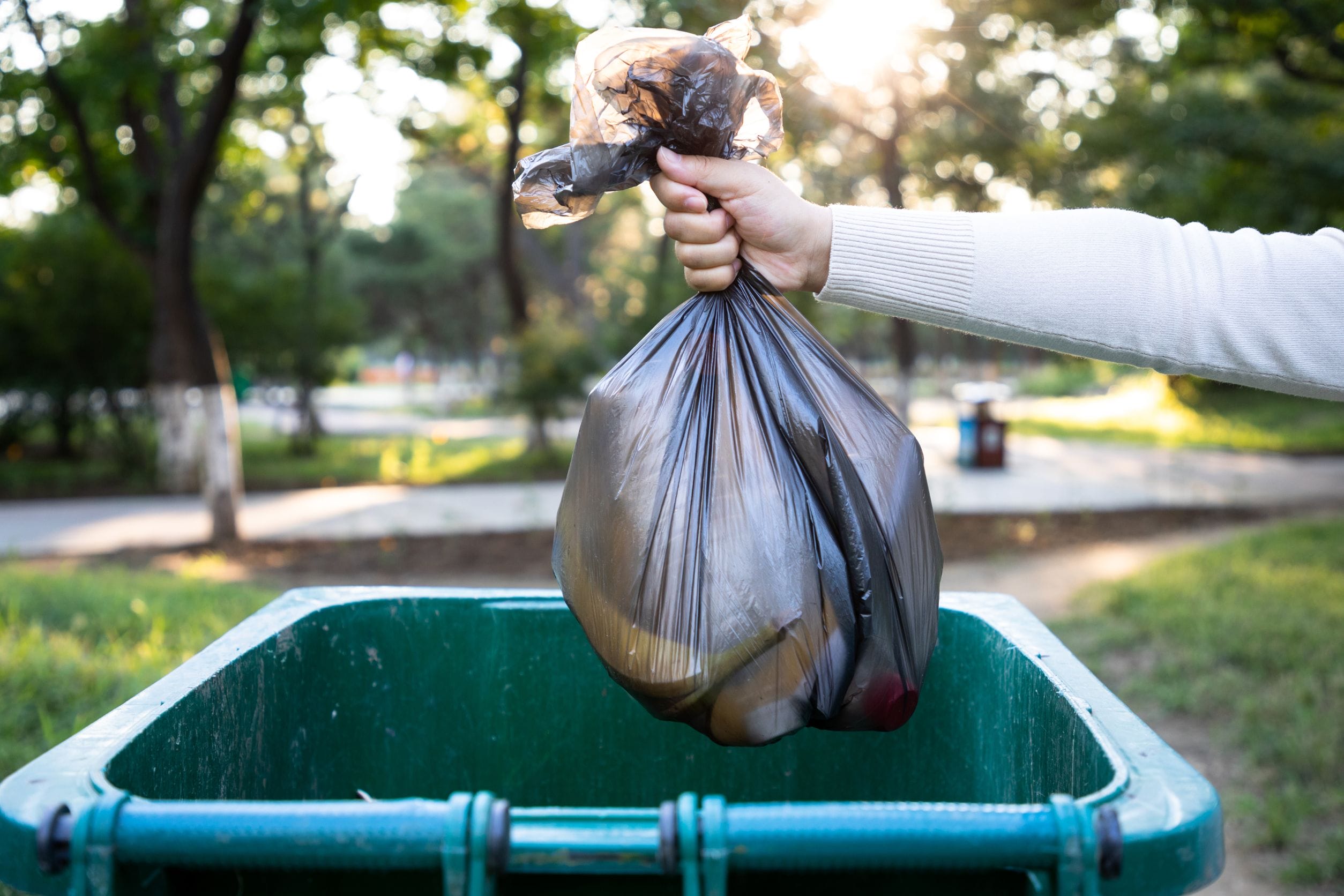
Respect nature by carrying a trash bag to pack out all your waste. This simple habit helps preserve the beauty of the trails and protects wildlife from harm. A reusable sack or small trash bag is lightweight and fits easily into your backpack. Following the “Leave No Trace” principles ensures that the wilderness remains pristine for future adventurers. Being a responsible hiker shows your commitment to environmental stewardship.

12. Personal ID and Permits

Personal ID and Permits
Canva

Always carry personal identification and any required permits. In case of an emergency, having ID helps authorities and rescuers quickly access important information about you. Permits are often necessary for accessing certain trails and protected areas, ensuring you comply with regulations and support conservation efforts. Keep these documents in a waterproof container to protect them from the elements. Being prepared with ID and permits ensures a smooth and legal hiking experience.

Ready, Set, Hike!

hiker
Canva

With these 12 essentials packed, you’re ready to embark on your hiking adventure with confidence. Proper preparation enhances your experience, ensuring you’re equipped to handle any situation the trail may present. Embrace the beauty of the outdoors, knowing you’re well-prepared for a safe and enjoyable hike. So, lace up your boots, grab your backpack, and get ready to explore the wonders that await you.

Read More

The Ultimate Guide to Choosing the Best Tactical Gear Bag for Your Needs

Not Just For Kids: 10 Reasons Even Baby Boomers Should Play Outside

Vanessa Bermudez
Vanessa Bermudez
Vanessa Bermudez is a content writer with over eight years of experience crafting compelling content across a diverse range of niches. Throughout her career, she has tackled an array of subjects, from technology and finance to entertainment and lifestyle. In her spare time, she enjoys spending time with her husband and two kids. She’s also a proud fur mom to four gentle giant dogs.

Filed Under: Travel Tagged With: Hiking Essentials, Hiking Gear, Hiking Tips, Outdoor Adventure, Trail Safety

FOLLOW US

Search this site:

Recent Posts

  • Can My Savings Account Affect My Financial Aid? by Tamila McDonald
  • 12 Ways Gen X’s Views Clash with Millennials… by Tamila McDonald
  • What Advantages and Disadvantages Are There To… by Jacob Sensiba
  • 10 Tactics for Building an Emergency Fund from Scratch by Vanessa Bermudez
  • Call 911: Go To the Emergency Room Immediately If… by Stephen Kanaval
  • 7 Weird Things You Can Sell Online by Tamila McDonald
  • 10 Scary Facts About DriveTime by Tamila McDonald

Copyright © 2026 · News Pro Theme on Genesis Framework