• Home
  • About Us
  • Toolkit
  • Getting Finances Done
    • Hiring Advisors
    • Debt Management
    • Spending Plan
  • Insurance
    • Life Insurance
    • Health Insurance
    • Disability Insurance
    • Homeowners/Renters Insurance
  • Contact Us
  • Privacy Policy
  • Risk Tolerance Quiz

The Free Financial Advisor

You are here: Home / Archives for Travel

8 Overcrowded Cities That Are Too Expensive For Most Middle Class Americans

April 27, 2025 by Travis Campbell Leave a Comment

new york city

Image Source: pexels.com

The American dream of homeownership is becoming increasingly elusive in many major metropolitan areas. As housing costs soar and wages struggle to keep pace, middle-class families find themselves priced out of cities they once called home. The financial strain isn’t just about housing—it extends to everyday expenses, commuting costs, and quality of life. Understanding which urban centers have become financially prohibitive can help families decide where to build their futures. Let’s explore eight cities where the cost of living has outpaced middle-class means.

1. San Francisco, California

San Francisco tops virtually every list of unaffordable American cities. With median home prices hovering around $1.3 million and average rent for a one-bedroom apartment exceeding $3,000, the city has become a Code Playground for tech elites while pushing out middle-class residents. The city’s cost of living is approximately 80% higher than the national average.

Teachers, firefighters, and other essential workers often commute two or more hours daily from outlying areas. Despite high salaries compared to national averages, a family earning $100,000 annually, well above the national median, would still qualify as “low income” by the Department of Housing and Urban Development’s standards for the San Francisco area.

2. New York City, New York

The Big Apple’s housing crisis continues to intensify, with Manhattan’s average apartment selling for over $1.9 million. Even in outer boroughs, prices remain prohibitive for middle-class families. According to recent data from StreetEasy, a family needs to earn approximately $165,000 annually to afford a typical two-bedroom apartment in Brooklyn.

The city’s aging infrastructure, high taxes, and expensive childcare (averaging $2,500 monthly per child) create additional financial pressure. Many middle-class professionals—including healthcare workers, educators, and civil servants—are relocating to more affordable regions despite the city’s cultural and professional opportunities.

3. Los Angeles, California

Los Angeles combines high housing costs with notorious traffic congestion, creating both financial and quality-of-life challenges. The median home price exceeds $950,000, while average rent for a modest two-bedroom apartment approaches $2,800 monthly.

Transportation costs compound the affordability crisis. The city’s sprawling layout and limited public transit options force many residents to own vehicles and endure lengthy commutes. According to MIT’s Living Wage Calculator, a family of four needs approximately $122,000 annually to maintain a modest but adequate standard of living in Los Angeles County, well beyond what many middle-class families earn.

4. Boston, Massachusetts

Boston’s historic charm and educational institutions come with a steep price tag. The city’s housing market has seen dramatic appreciation, with median home prices reaching approximately $800,000. Rental costs have similarly escalated, with average two-bedroom apartments commanding $3,000+ monthly.

The city’s harsh winters add to living expenses through high heating costs. Additionally, Massachusetts has relatively high state income taxes. Despite strong salaries in sectors like healthcare, education, and technology, middle-class families increasingly find themselves priced out of desirable neighborhoods and forced into lengthy commutes from more affordable suburbs.

5. Seattle, Washington

Once considered a more affordable alternative to California cities, Seattle has experienced dramatic cost increases driven by its booming tech sector. Median home prices have surpassed $850,000, while average rents for family-sized apartments exceed $2,500 monthly.

The city’s topography—surrounded by water and mountains—limits expansion and drives up land values. While Washington State has no income tax, its sales and property taxes rank among the nation’s highest. Middle-class families increasingly relocate to distant suburbs or neighboring cities like Tacoma, trading affordability for lengthy commutes.

6. Washington, D.C.

The nation’s capital combines high housing costs with expensive childcare and transportation. Median home prices approach $700,000, while family-sized rentals average $2,800 monthly. The metropolitan area’s extensive but aging public transportation system requires significant maintenance, resulting in high fares.

Government employees—once the backbone of D.C.’s middle class—increasingly struggle to afford living within a reasonable commuting distance of their workplaces. Many families relocate to Virginia or Maryland suburbs, though even these areas have experienced significant price appreciation in recent years.

7. Honolulu, Hawaii

Paradise comes at a premium in Honolulu, where geographic isolation drives up costs for virtually everything. Median home prices exceed $850,000, while the “paradise tax” affects everything from groceries (often 50% higher than mainland prices) to utilities (Hawaii has America’s highest electricity rates).

Middle-class families face unique challenges in Honolulu, including limited career options outside the tourism and government sectors. The “island fever” phenomenon—feeling trapped by geographic limitations—compounds financial stress for many residents who cannot afford regular trips to the mainland to visit family or experience different environments.

8. San Diego, California

San Diego’s perfect weather and coastal location have created a housing market that is increasingly inaccessible to middle-class families. Median home prices exceed $825,000, while average rents for family-sized apartments approach $2,700 monthly.

The city’s economy, heavily dependent on tourism, military, and healthcare, offers limited high-paying opportunities compared to tech-dominated markets. Many middle-class families find themselves house-poor or forced into lengthy commutes from inland communities where temperatures regularly exceed 100 degrees during summer months—a stark contrast to the moderate coastal climate that makes San Diego desirable.

The Hidden Costs of Urban Exodus

As middle-class families flee these expensive cities, they face unexpected challenges. Longer commutes reduce family time and increase transportation costs. Suburban and rural areas often have fewer amenities and cultural opportunities. Remote work options have provided flexibility for some, but many essential workers—healthcare providers, educators, service industry employees—don’t have this luxury.

The exodus also transforms the cities, creating economically homogeneous enclaves lacking the diversity and vibrancy that once defined American urban life. Without middle-class residents, cities lose essential workers, community leaders, and the economic diversity that creates resilient local economies.

Have you experienced being priced out of a city you once called home? What strategies have you used to maintain financial stability in an increasingly expensive urban environment?

Read More

10 Signs You’re Heading Towards a Financial Disaster

How Much Should You Be Paying for Rent?

Travis Campbell
Travis Campbell

Travis Campbell is a digital marketer/developer with over 10 years of experience and a writer for over 6 years. He holds a degree in E-commerce and likes to share life advice he’s learned over the years. Travis loves spending time on the golf course or at the gym when he’s not working.

Filed Under: Travel Tagged With: Cost of living, expensive cities, housing affordability, housing crisis, middle class, Planning, real estate trends, urban exodus

How to Take A Trip To Paris For $1000 or Less

April 23, 2025 by Travis Campbell Leave a Comment

paris

Image Source: unsplash.com

Paris, the City of Light, often carries a reputation as a budget-buster destination. However, with strategic planning and insider knowledge, experiencing the magic of Paris doesn’t require emptying your savings account. Whether you’re dreaming of strolling along the Seine, admiring world-class art, or savoring authentic French cuisine, a budget-friendly Paris trip is entirely possible. This guide will walk you through practical steps to experience Paris for $1000 or less, proving that this iconic destination can be accessible to budget-conscious travelers.

1. Time Your Visit Strategically

Visiting Paris during off-peak seasons (November through March, excluding holidays) can save you hundreds on airfare and accommodations. Winter in Paris offers a unique charm with fewer tourists and significantly lower prices. January and February typically offer the best deals, with hotel rates dropping by 30-40% compared to summer prices.

Airlines often run sales for winter travel to Europe, with round-trip flights from major US cities sometimes dipping below $400. Set fare alerts on sites like Skyscanner or Google Flights to catch these deals when they appear. Mid-week departures and returns (Tuesday through Thursday) typically offer the best value.

The cooler weather also provides a perfect excuse to experience Paris’s famous café culture, where you can linger over a single coffee while people-watching without feeling rushed.

2. Find Budget Accommodation Alternatives

Traditional hotels in central Paris will quickly deplete your budget. Instead, consider these alternatives:

Hostels have evolved significantly, with many offering private rooms alongside dormitories. Hostels like Generator Paris or Les Piaules provide clean, stylish accommodations starting around $30-40 per night for dorms and $80-100 for private rooms.

Apartment rentals through platforms like Airbnb can be economical, especially for stays longer than three days. Look for properties in neighborhoods like Belleville, Canal Saint-Martin, or the 11th arrondissement, where a studio apartment might cost $60-80 per night.

Consider staying slightly outside the city center near Metro stations. Areas like Montrouge or Levallois-Perret offer more affordable accommodations while remaining just a short Metro ride from major attractions.

You can keep your 6-night stay under $400 by choosing alternative accommodations, leaving more of your budget for experiences.

3. Master Paris Public Transportation

Paris boasts one of the world’s most efficient public transportation systems, making splurging on taxis or rideshares unnecessary. A “carnet” (book of 10 tickets) costs approximately €16.90, which is cheaper than buying individual tickets at €2.10 each.

For more extended stays, consider the Paris Visite travel pass, which offers unlimited travel across zones 1-3 (covering all major attractions) for about €27 for three days. The Metro runs from 5:30 AM until 1:15 AM (2:15 AM on weekends), making it convenient for most itineraries.

Walking is also an excellent option in Paris, as many major sights are closer together than they appear on maps. The city is designed for pedestrians, and wandering its streets is part of the authentic Paris experience.

Tourists who rely on public transportation save an average of €30-40 per day compared to those using taxis.

4. Eat Smart Without Sacrificing Experience

Food is an essential part of the Paris experience, but it doesn’t have to break your budget:

For fresh bread, cheese, and produce, shop at local markets like Marché d’Aligre or Marché Bastille. A picnic along the Seine can be one of your most memorable meals, costing under €10.

Take advantage of “formule” lunch specials, where restaurants offer 2-3 course meals for €15-20, significantly less than dinner prices for similar quality.

Bakeries (boulangeries) offer affordable yet authentic options like quiches and sandwiches for €4-7. A classic jambon-beurre sandwich and an éclair make a perfect lunch under €10.

Save on water by carrying a reusable bottle – Paris has over 800 public drinking fountains throughout the city.

Reserve one special meal at a traditional bistro, but make it lunch rather than dinner to enjoy the experience at about 60% of the evening price.

5. Prioritize Free and Low-Cost Attractions

Paris offers numerous free or inexpensive attractions that rival their pricier counterparts:

Many museums offer free admission on the first Sunday of each month. The Louvre, Musée d’Orsay, and Centre Pompidou all participate in this program.

Churches like Notre Dame (exterior), Sacré-Cœur, and Sainte-Chapelle offer architectural splendor and cultural significance. While Sainte-Chapelle has an entrance fee (around €11), its stained-glass windows justify the cost.

Parks and gardens, including Luxembourg Gardens, Tuileries Garden, and Parc des Buttes-Chaumont, provide beautiful settings for relaxation at no cost.

Free walking tours operate on a tips-only basis. Companies like Discover Walks offer themed tours covering different neighborhoods and historical periods.

6. Shop for Souvenirs Strategically

Avoid tourist trap souvenir shops along major attractions. Instead, visit:

Flea markets like Marché aux Puces de Saint-Ouen for unique vintage finds
Monoprix (a French department store) for affordable French food products and household items
Independent bookshops for used French books or prints that make meaningful souvenirs

Set a souvenir budget of €50-75 and stick to it by deciding in advance what meaningful items you want to bring home.

7. The Paris Experience Is About Moments, Not Money

The most memorable Paris experiences often cost nothing: watching the sunset behind the Eiffel Tower from Trocadéro, discovering hidden passages like Passage des Panoramas, or simply observing Parisian life from a park bench.

Create a “Paris budget trip” focusing on authentic experiences rather than checking off expensive tourist attractions. Research suggests that travelers prioritizing experiences over commercial activities report higher trip satisfaction.

Remember that the Paris you see in movies is accessible without premium prices – the architecture, atmosphere, and culture are available to all visitors regardless of budget. Focusing on what makes Paris special rather than what costs the most makes your $1000 budget more than adequate for a meaningful journey.

Have you ever visited a supposedly “expensive” destination on a tight budget? What creative strategies did you use to make your travel dreams a reality while keeping costs down?

Read More

Travel the World in Style with United Explorer Credit Cards

How to Attend Sporting Events on the Cheap: 5 Tips for Frugal People

Travis Campbell
Travis Campbell

Travis Campbell is a digital marketer/developer with over 10 years of experience and a writer for over 6 years. He holds a degree in E-commerce and likes to share life advice he’s learned over the years. Travis loves spending time on the golf course or at the gym when he’s not working.
Filed Under: Travel Tagged With: affordable European vacation, budget Paris accommodations, budget travel, cheap Paris trip, Paris on a budget, Paris travel tips, travel hacks

The Hidden Racism in Travel: Why Some Passports Get You More Respect

April 21, 2025 by Travis Campbell Leave a Comment

passport and boarding pass

Image Source: unsplash.com

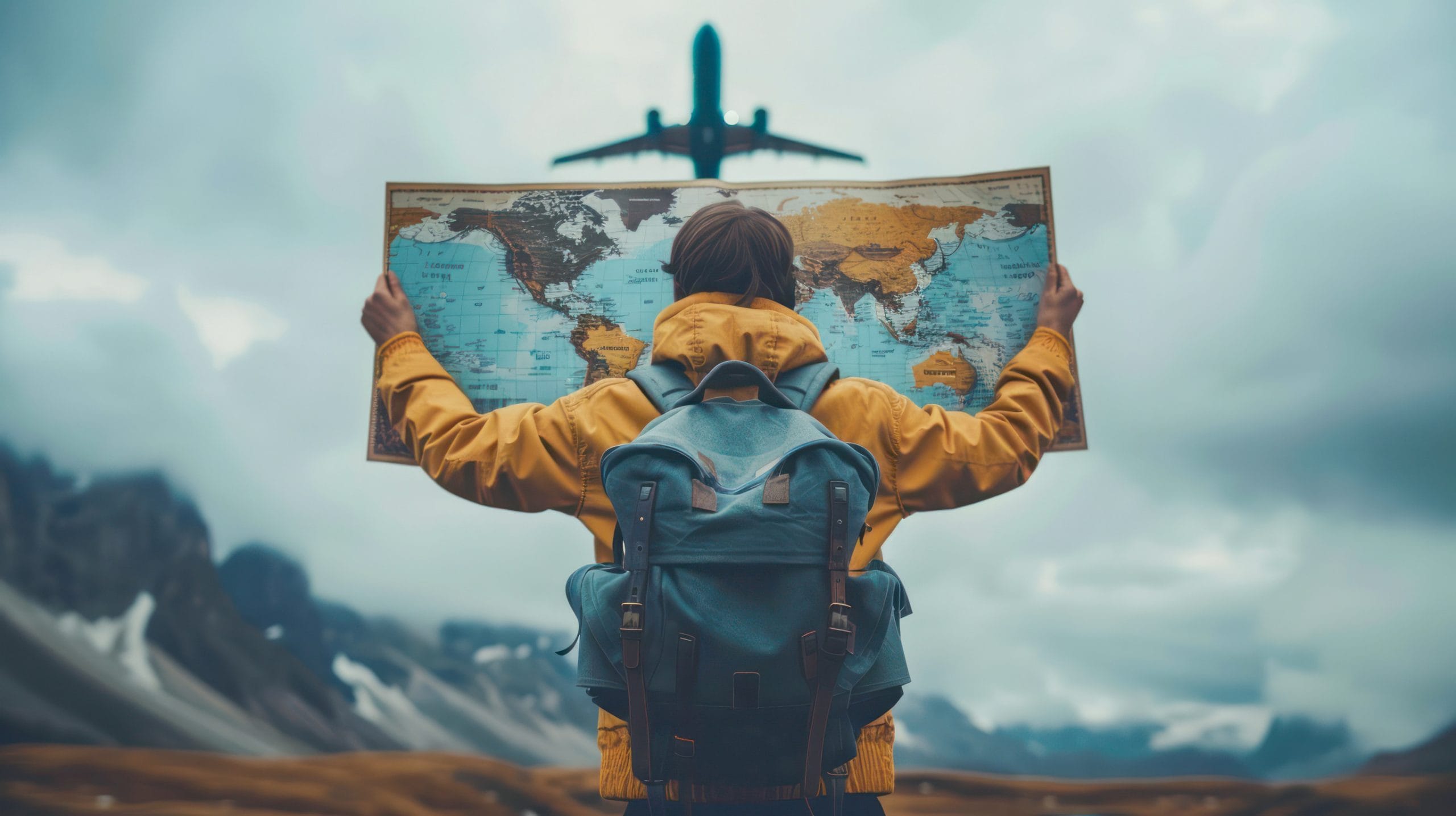
Your passport color might seem like a trivial detail, but it can dramatically impact how you’re treated abroad. From visa-free access to airport security interactions, passport privilege creates an uneven playing field in global mobility. This hidden form of discrimination affects millions of travelers, determining who moves freely and who faces barriers. Understanding passport hierarchy isn’t just academic—it reveals how colonial legacies and economic power continue shaping our world today.

1. The Passport Hierarchy: Not All Documents Are Created Equal

The concept of “passport privilege” isn’t discussed enough in travel circles. Countries like Japan, Singapore, and several European nations consistently top the Henley Passport Index, granting their citizens visa-free access to 190+ countries. Meanwhile, citizens from Afghanistan, Iraq, and many African nations can freely enter fewer than 40 countries without advance permission.

This disparity isn’t random. The most powerful passports typically belong to wealthy, predominantly white nations with colonial histories. The least powerful belong to colonized countries, experienced conflict, or faced ongoing economic challenges.

When travelers from privileged passport countries enter foreign borders, they’re often welcomed with minimal scrutiny. Those with “weaker” passports face extensive questioning, documentation requirements, and sometimes outright suspicion, regardless of their individual qualifications or intentions.

2. The Financial Burden of Passport Inequality

Passport discrimination creates significant financial barriers. Travelers with restricted passports must often pay substantial visa fees for each country they wish to visit. According to research from the African Development Bank, African travelers can access only about 27% of global destinations without a visa, compared to 85% for Western travelers.

These costs extend beyond application fees:

  • Time off work to attend visa interviews
  • Travel to distant embassies or consulates
  • Mandatory travel insurance
  • Proof of accommodation bookings
  • Bank statements showing “sufficient funds”

For many, these requirements make international travel financially impossible, regardless of personal wealth. A middle-class professional from Nigeria might spend weeks and thousands of dollars securing visas for a business trip that their British counterpart can make with just a passport and plane ticket.

3. The Psychological Impact of Border Discrimination

The emotional toll of passport discrimination remains largely undiscussed. Travelers with “weaker” passports often report feelings of humiliation, anxiety, and resignation when crossing borders. Many describe elaborate preparation rituals—dressing formally, carrying excessive documentation, and rehearsing answers to anticipated questions.

A 2022 study published in the Journal of Travel Research found that repeated experiences of border discrimination can lead to travel avoidance, internalized inferiority, and even impacts on national identity and self-worth.

This psychological burden extends to diaspora communities. Even naturalized citizens with “powerful” passports report anxiety at borders, where racial profiling can override document privilege. The intersection of passport discrimination with racial and religious profiling creates particularly challenging experiences for many travelers of color.

4. How Digital Nomadism Reinforces Passport Privilege

The growing digital nomad movement often overlooks its foundation in passport privilege. Social media celebrates location-independent lifestyles without acknowledging the passport hierarchies that make such mobility possible primarily for citizens of wealthy nations.

While digital nomads from the US, UK, or Australia can often enter countries on tourist visas and work remotely with minimal scrutiny, those from countries like Pakistan, Bangladesh, or Kenya face extensive visa requirements and questioning about their intentions.

This disparity has created a two-tiered system where global mobility is marketed as accessible to all while remaining structurally limited to those with privileged passports. The pandemic further widened this gap, with travel restrictions disproportionately affecting those from countries with limited diplomatic leverage.

5. Breaking Down Barriers: The Path Forward

Some positive changes are emerging. Countries like Georgia, Estonia, and Portugal have introduced digital nomad visas that evaluate applicants based on income rather than nationality. Regional blocs like ECOWAS in West Africa and ASEAN in Southeast Asia have implemented freedom of movement agreements for their citizens.

Technology may also help level the playing field. Digital identity verification systems could potentially reduce human bias in border control, while blockchain-based digital credentials might create more objective evaluation standards.

Individual travelers can contribute by acknowledging passport privilege, supporting visa equality advocacy organizations, and choosing to spend tourism dollars in countries that treat all visitors with dignity, regardless of passport origin.

The Invisible Backpack of Passport Privilege

Just as racial privilege operates invisibly for those who have it, passport privilege remains largely unnoticed by its beneficiaries. Recognizing this system isn’t about guilt but awareness—understanding that global mobility isn’t merely a function of individual merit but of geopolitical power structures with deep historical roots.

As we work toward a more equitable world, acknowledging passport discrimination represents an important step in dismantling systems that determine human value and freedom based on accidents of birth.

Have you ever experienced or witnessed passport discrimination while traveling? How did it affect your perspective on global mobility?

Read More

Why Your GPS Could Be the Reason You Get Robbed While Traveling

10 Happenings That Suggest White Flight Is Happening in Your Town

Travis Campbell
Travis Campbell

Travis Campbell is a digital marketer/developer with over 10 years of experience and a writer for over 6 years. He holds a degree in E-commerce and likes to share life advice he’s learned over the years. Travis loves spending time on the golf course or at the gym when he’s not working.

Filed Under: Travel Tagged With: global mobility, passport hierarchy, passport privilege, travel discrimination, travel racism, visa inequality

10 Vacation Spots That Are No Longer Worth The Time or Money

March 22, 2025 by Latrice Perez Leave a Comment

vacation spots

Image Source: 123rf.com

When planning a vacation, expectations are often high, but some once-popular destinations no longer live up to the hype. Crowds, rising costs, overtourism, or declining appeal have made certain hotspots less enjoyable than before. Knowing which destinations to avoid can save you disappointment, valuable vacation time, and money. Here are ten vacation spots that have lost their charm, with insights into why they’re no longer worth your attention or budget. It may be time to update your travel list and explore more rewarding alternatives.

1. Venice, Italy

Venice’s charm has diminished significantly due to overwhelming tourist crowds and increasing environmental issues. Mass tourism has turned picturesque canals into crowded pathways, stripping away the romantic feel. Prices for lodging, food, and transportation have skyrocketed, making the city expensive without delivering authentic experiences. Environmental damage from cruise ships has also impacted Venice’s beauty and ecological balance. Additionally, the city’s continuous flooding problems are a constant inconvenience for travelers. Today, Venice’s charm is largely overshadowed by the hassle of navigating an overcrowded and overpriced destination.

2. Cancun, Mexico

Cancun, once a serene paradise, is now overrun with loud nightlife, congested beaches, and expensive tourist traps. Resorts have multiplied, resulting in over-commercialization and an overwhelming atmosphere that sacrifices tranquility for profit. Tourist scams, overpriced restaurants, and aggressive street vendors have increased significantly in recent years. Safety concerns stemming from occasional crime reports also deter cautious travelers. Environmental degradation of nearby reefs further diminishes Cancun’s original allure. Travelers seeking genuine relaxation and cultural authenticity should now look elsewhere.

3. Phuket, Thailand

Phuket’s pristine beaches have increasingly become overcrowded and polluted, taking away from its original appeal. The island’s natural beauty has been compromised by unchecked development and excessive tourism. Prices for accommodations and activities have soared without matching quality or comfort. Tourist scams and inflated prices targeting foreigners have become common, souring the overall experience. Noise pollution from nightlife and overcrowded beaches makes genuine relaxation nearly impossible. For authentic experiences in Thailand, quieter islands and rural regions offer far better value.

4. Niagara Falls, Canada/USA

Niagara Falls, though iconic, has turned into a heavily commercialized tourist attraction lacking in authenticity. Crowds can be excessive, especially during peak seasons, diminishing the natural wonder’s appeal. Overpriced attractions and hotels focused more on profits than visitor experience have diluted the genuine charm. Constant upselling and tacky souvenir shops surrounding the area further decrease its attractiveness. Limited viewing space forces tourists to compete for prime photo opportunities. Travelers seeking awe-inspiring waterfalls may prefer quieter alternatives elsewhere.

5. Bali, Indonesia

Bali, once a tranquil island paradise, has become overcrowded with tourists and suffers from pollution and traffic congestion. Overdevelopment has significantly degraded Bali’s natural beauty, with once-idyllic beaches littered with plastic waste. The rise in mass tourism has driven prices upwards, leaving travelers spending more for subpar experiences. Authentic cultural interactions are harder to find as many locations cater exclusively to tourists. Traffic jams are common, detracting from the relaxing vibe the island once offered. For peace and authenticity, travelers should explore less commercialized Indonesian islands.

6. Hollywood, Los Angeles

Hollywood’s glamorous reputation no longer matches reality, as tourists now encounter crowded sidewalks, tacky souvenir shops, and overpriced tours. The famed “Walk of Fame” is often dirty, overcrowded, and disappointing compared to its cinematic portrayal. High costs of accommodation and entertainment don’t align with the area’s limited genuine attractions. Persistent street vendors and aggressive solicitors further diminish the overall experience. Traffic congestion and high parking fees make visiting stressful rather than exciting. Travelers seeking authentic movie experiences might better enjoy studio tours outside Hollywood proper.

7. Times Square, New York City

Times Square has become an exhausting tourist trap rather than the vibrant cultural hub it once represented. It’s persistently overcrowded, noisy, and filled with chain stores and expensive restaurants catering solely to tourists. The iconic area is often chaotic, with aggressive street performers and solicitations distracting from its allure. Food and accommodation prices near Times Square are significantly inflated without offering commensurate quality. Authentic New York City experiences can be found far more affordably and enjoyably in other neighborhoods. For meaningful exploration, visitors should explore beyond this tourist-heavy epicenter.

8. Santorini, Greece

Santorini, famous for its blue-domed churches and breathtaking sunsets, is now severely affected by overtourism. The influx of cruise ship passengers leads to crowded streets, diminishing the relaxed, romantic atmosphere once associated with the island. Accommodation and dining costs have dramatically increased, with prices often far exceeding quality. Popular photo spots are overcrowded, leading to long waits and less enjoyable experiences. Local infrastructure struggles under tourist numbers, affecting overall enjoyment. Travelers seeking romantic and peaceful Greek experiences should consider less popular but equally charming islands.

9. Barcelona, Spain

Barcelona has fallen victim to its own popularity, facing issues such as overcrowded streets, overtourism, and rising costs. Iconic landmarks like La Sagrada Familia and Park Güell often require advance reservations, and their appeal is marred by overwhelming crowds. Tourists frequently encounter inflated prices for meals, lodging, and attractions, which don’t reflect genuine value. Pickpocketing and tourist-targeted scams have also increased significantly, further dampening the experience. Authentic interactions with locals have become challenging, as many neighborhoods cater exclusively to tourists. For genuine Spanish experiences, quieter cities or rural regions provide better value.

10. Dubai, UAE

Dubai, renowned for luxury and modernity, now feels artificial and excessively commercialized to many travelers. Attractions and shopping centers focus heavily on materialism rather than authentic cultural experiences. High costs and limited opportunities to engage genuinely with local culture make visits feel superficial. Overcrowding, especially during peak seasons, diminishes enjoyment of popular attractions like the Burj Khalifa and malls. Extreme temperatures and lack of natural greenery reduce outdoor activities and sightseeing. Travelers looking for culturally immersive and genuine Middle Eastern experiences will find better options elsewhere.

Seek Authenticity Over Popularity

Travel is most rewarding when destinations offer authentic experiences, genuine cultural immersion, and meaningful interactions. These 10 spots, despite their historic popularity, no longer provide travelers with the quality or satisfaction they expect. Avoiding overcrowded and over-commercialized locations will save you both time and money, allowing you to explore hidden gems and lesser-known destinations. Prioritizing authenticity and meaningful encounters over fame and trends will ensure more enriching vacations. Ultimately, thoughtful planning and awareness of current realities can guide you toward experiences worth remembering.

Read More

Why Your GPS Could Be the Reason You Get Robbed While Traveling

Road Trip Safety: No One Should Travel Without These 12 Essentials In Their Car

Latrice Perez

Latrice is a dedicated professional with a rich background in social work, complemented by an Associate Degree in the field. Her journey has been uniquely shaped by the rewarding experience of being a stay-at-home mom to her two children, aged 13 and 5. This role has not only been a testament to her commitment to family but has also provided her with invaluable life lessons and insights.

As a mother, Latrice has embraced the opportunity to educate her children on essential life skills, with a special focus on financial literacy, the nuances of life, and the importance of inner peace.

Filed Under: Travel Tagged With: travel, vacation, vacation spots

7 Airline Perks You Didn’t Know You Were Entitled To

March 21, 2025 by Latrice Perez Leave a Comment

Flight attendant serve food and drinks to passengers on board

Image Source: 123rf.com

Flying isn’t always a pleasant experience, but many travelers don’t realize that airlines offer perks that can make the journey much smoother. From free upgrades to priority boarding, airlines provide benefits that most passengers never take advantage of. Some perks require a little effort to claim, while others are given away with just a simple request. If you want to make your next flight more comfortable, here are seven airline perks you might not know you’re entitled to.

1. Free Upgrades (If You Know How to Ask)

Anything that is considered an upgrade is not as easy to come by as in the past. Most of them come with a nice price tag. However, that’s not always the case. If a flight is oversold in economy, airlines may bump passengers to business or first class for free. The key is knowing how to ask—dressing neatly, being polite, and arriving early can increase your chances. If you have elite status with an airline, you may also get automatic upgrades on select flights. Don’t be afraid to inquire about available upgrades at check-in.

2. Extra Snacks and Drinks

Many airlines provide more than just the basic snack and drink you get during the flight. If you’re still hungry or thirsty, you can often ask the flight attendant for extra items. On longer flights, some airlines even have snack baskets available in the galley. Premium drinks, like wine and cocktails, may also be complimentary on international flights. The trick is to ask nicely and be respectful to the crew.

3. Lounge Access Without a First-Class Ticket

Airport lounges aren’t just for business travelers or first-class passengers. Many credit cards offer free lounge access, and some airlines allow you to enter with a day pass. Even economy passengers may be eligible for lounge access if their flight is delayed or canceled. Lounges provide free food, drinks, Wi-Fi, and comfortable seating, making layovers much more bearable. Before your next trip, check if your airline or credit card offers this perk.

4. Free Wi-Fi and Entertainment

Not all in-flight entertainment requires payment. Some airlines offer free access to movies, TV shows, and even in-flight messaging services. While Wi-Fi usually comes with a fee, certain airlines provide complimentary access for messaging apps like WhatsApp or iMessage. Checking the airline’s website ahead of time can help you figure out what’s free on your flight. This small perk can make a long journey feel much shorter.

5. Free Hotel Stays for Long Layovers

Hotel sign over entrance

Image Source: 123rf.com

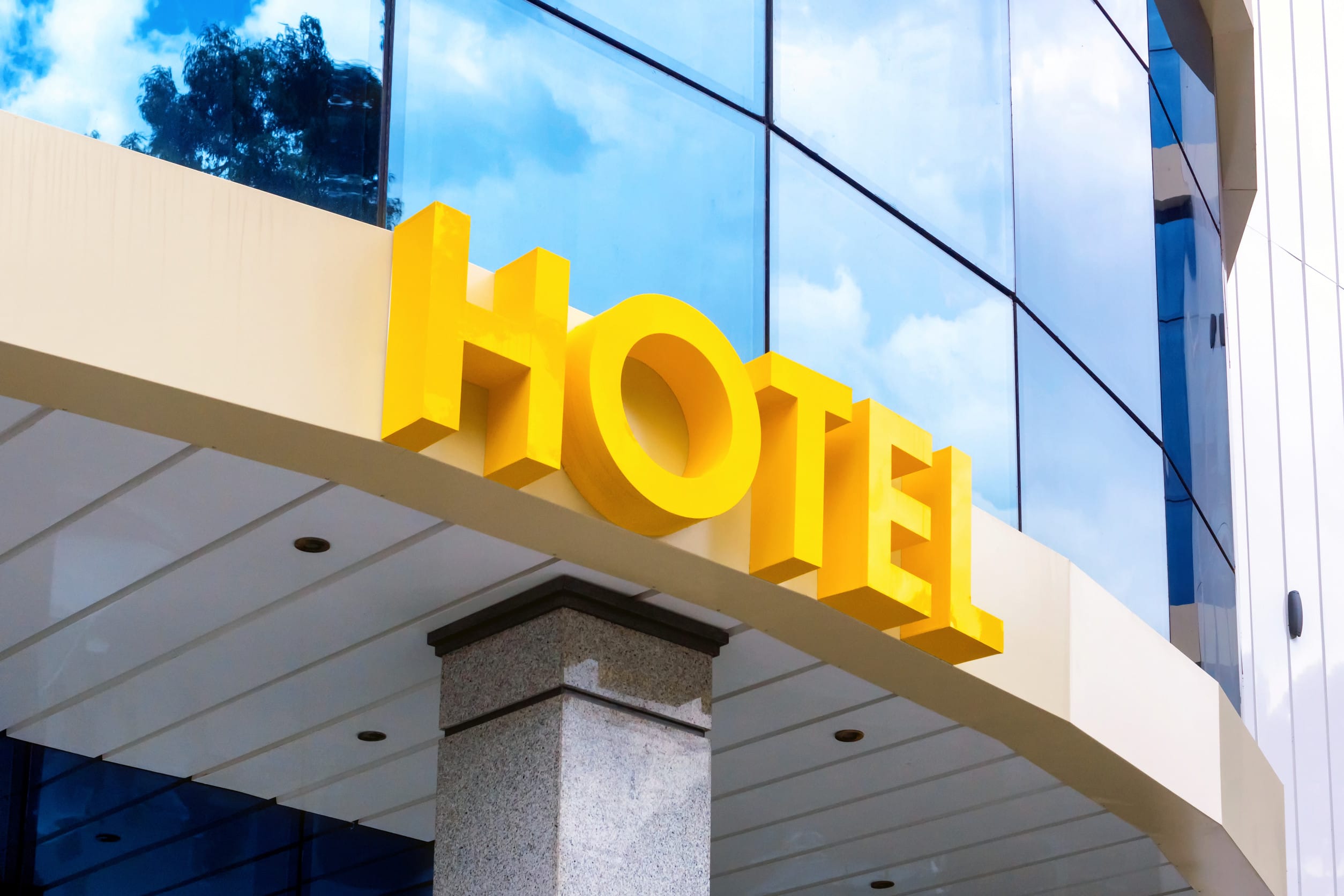
If you have an extended layover, some airlines will cover the cost of a hotel room for the night. This perk, known as a “stopover program,” is available on international flights with layovers longer than a certain number of hours. Airlines like Turkish Airlines, Qatar Airways, and Emirates offer this benefit in select cities. If you’re booking a long-haul flight, it’s worth checking whether your airline provides a free hotel stay.

6. Complimentary Seat Selection for Families

Many airlines charge extra fees for preferred seating, but families traveling with young children can often get seats together for free. Airlines understand that separating parents and kids creates a hassle for everyone onboard. If you’re traveling with children, call the airline in advance and ask about complimentary seat arrangements. While it’s not guaranteed, airlines are often willing to accommodate families.

7. Special Occasion Perks

Celebrating a birthday, honeymoon, or anniversary? Some airlines will offer small perks, such as complimentary champagne or a dessert. Flight attendants often appreciate when passengers let them know about special occasions in a polite and friendly manner. While you shouldn’t expect a grand gesture, a simple mention could make your flight a little more special.

Take Advantage of These Perks on Your Next Flight

Airlines offer more free perks than most travelers realize. Whether it’s a seat upgrade, extra snacks, or a complimentary hotel stay, knowing your rights as a passenger can make flying much more enjoyable. The key is to be informed and ask politely—many perks are available, but only if you request them.

Have you ever received an unexpected airline perk? What’s your best travel hack? Share your experiences in the comments!

Read More:

Are People Really Paying for Flights with AfterPay?

8 Company Perks That Sound Great But Are Total Traps

Latrice Perez

Latrice is a dedicated professional with a rich background in social work, complemented by an Associate Degree in the field. Her journey has been uniquely shaped by the rewarding experience of being a stay-at-home mom to her two children, aged 13 and 5. This role has not only been a testament to her commitment to family but has also provided her with invaluable life lessons and insights.

As a mother, Latrice has embraced the opportunity to educate her children on essential life skills, with a special focus on financial literacy, the nuances of life, and the importance of inner peace.

Filed Under: Travel Tagged With: airline perks, airline secrets, airport lounges, flight upgrades, flying benefits, frequent flyer, travel hacks, travel tips

9 Things You Always Forget the Moment You Leave for Vacation

March 19, 2025 by Latrice Perez Leave a Comment

happy young romantic couple in love have fun running and relaxing on beautiful beach

Image Source: 123rf.com

There’s nothing quite like the excitement of heading off on vacation—until you’re halfway to the airport and suddenly remember you left the stove on. No matter how carefully you prepare, there’s always something that slips through the cracks. The moment you relax into vacation mode, your brain hits you with a sudden wave of worry.

Did I lock the door? Did I turn off the lights? Did I leave food in the fridge that will turn into an unrecognizable science experiment by the time I get back?

Before you start panicking mid-flight, take a deep breath. These are the nine most common things people forget the moment they leave for vacation—and what you can do to avoid them.

1. Did I Lock the Door?

It’s a thought that strikes the second you pull out of the driveway: Did I actually lock the front door, or did I just think about locking it? This little worry has caused many travelers to turn the car around just to double-check.

With the excitement of packing and getting out the door, it’s easy to forget whether you locked up properly. The best way to avoid this stress is to make locking the door part of your final departure checklist. Even better, install a smart lock that allows you to check and lock your door from anywhere.

2. Did I Unplug the Appliances?

Nothing ruins the vacation mood like the sudden image of your toaster or curling iron left plugged in, just waiting to start a fire. Small appliances, hair tools, and even space heaters are common culprits for last-minute anxiety.

To prevent this, try making a habit of unplugging non-essential devices the night before your trip. If you want extra peace of mind, use smart plugs that allow you to control appliances remotely.

3. Did I Leave a Window Open?

While checking that all doors are locked, many people forget about the windows. A cracked window can invite security risks or allow bad weather to make a mess of your home while you’re away.

Before leaving, do a quick walk-through of the house and check every window. If you have security cameras, you can also use them to check from afar in case doubt creeps in.

4. Did I Take the Trash Out?

Returning home to a house that smells like week-old garbage is an unpleasant way to end a trip. Food scraps, coffee grounds, and anything perishable can turn into a disaster if left sitting for too long.

Make taking out the trash one of the last things you do before leaving. If you’re gone for an extended period, asking a neighbor to bring your bins to the curb on trash day is a smart move.

5. Did I Turn Off the Thermostat?

A common mistake travelers make is forgetting to adjust the thermostat before leaving. If it’s summer, your AC may be cooling an empty house, wasting energy and racking up your utility bill. In the winter, failing to set the heat to a lower temperature can be just as costly.

The ideal solution is to invest in a programmable or smart thermostat. This allows you to control the temperature from your phone, ensuring that your home isn’t wasting energy while you’re away.

6. Did I Set Up Pet or Plant Care?

If you have pets or houseplants, forgetting to arrange for their care can turn into a disaster. It’s not uncommon for travelers to remember mid-flight that they never confirmed with the pet sitter or that their plants will be bone dry by the time they return.

Setting reminders well in advance and double-checking with whoever is responsible can save you from panic later. If you’re worried about plants, self-watering devices or plant-sitting apps can help keep them alive in your absence.

7. Did I Leave Perishables in the Fridge?

Nothing says “welcome home” like opening the fridge to the smell of spoiled milk and rotten vegetables. Many people forget to clean out perishables before a trip, only to regret it upon return.

A quick pre-vacation fridge check can prevent this issue. Toss out anything that will expire while you’re gone, and consider leaving a box of baking soda inside to absorb any odors.

8. Did I Set Up Mail and Package Holds?

Mail piling up in your mailbox or packages sitting on your porch can signal to potential burglars that no one is home. Many travelers forget to pause their mail or notify delivery services, leading to a mess—or worse, stolen packages.

Luckily, you can request a mail hold with the post office or ask a trusted neighbor to collect your deliveries. Many shipping services also allow you to reschedule package drop-offs to avoid missed deliveries.

9. Did I Bring Everything I Need?

Despite careful packing, there’s always that nagging feeling that something essential got left behind. A passport, phone charger, medication, or even your entire suitcase—something is always at risk of being forgotten.

To avoid this, create a packing checklist and go through it before leaving. Placing must-have items like your wallet, ID, and travel documents in a designated spot ensures you won’t leave home without them.

Don’t Let It Ruin Your Vacation

Forgetting small but important details before a trip is almost inevitable, but that doesn’t mean it has to ruin your vacation. By creating a departure checklist, using smart home technology, and setting reminders, you can minimize last-minute panic and enjoy your time away with peace of mind. Taking a few extra minutes to double-check things like locks, appliances, and essential travel items can save you from unnecessary stress and an unpleasant return home.

What’s the one thing you always forget when going on vacation? Share your travel mishaps in the comments below!

Read More:

12 Overrated Vacation Destinations That Aren’t Worth Your Hard-Earned Cash

6 Winter Vacation Ideas That Won’t Break the Bank

Latrice Perez

Latrice is a dedicated professional with a rich background in social work, complemented by an Associate Degree in the field. Her journey has been uniquely shaped by the rewarding experience of being a stay-at-home mom to her two children, aged 13 and 5. This role has not only been a testament to her commitment to family but has also provided her with invaluable life lessons and insights.

As a mother, Latrice has embraced the opportunity to educate her children on essential life skills, with a special focus on financial literacy, the nuances of life, and the importance of inner peace.

Filed Under: Travel Tagged With: avoiding vacation stress, common travel worries, home security while traveling, packing tips., smart travel tips, travel anxiety, travel checklist, travel mistakes, trip preparation, vacation planning

Road Trip Safety: No One Should Travel Without These 12 Essentials In Their Car

February 24, 2025 by Latrice Perez Leave a Comment

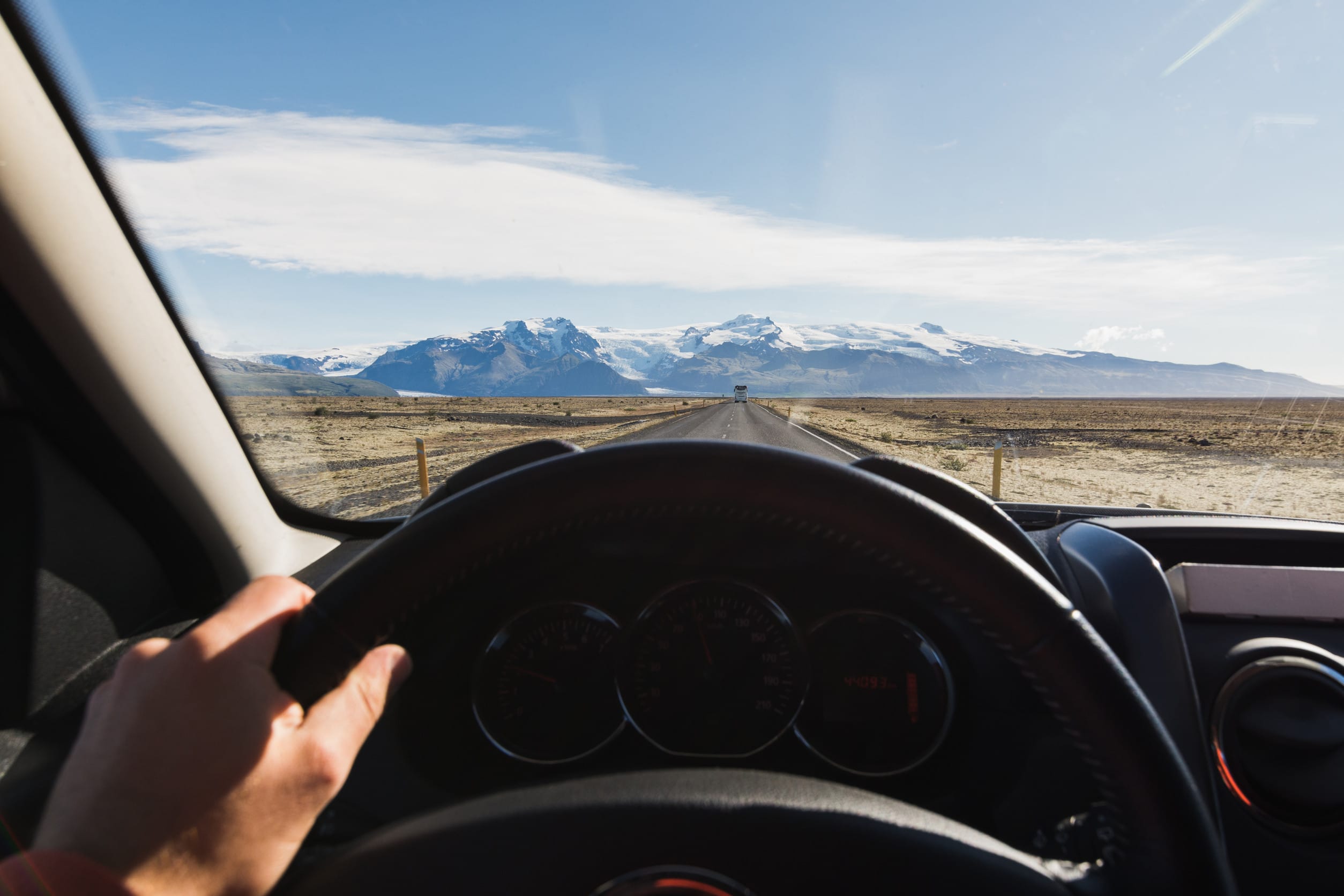
Road Trip

Image Source: 123rf.com

Road trips are an exciting way to explore new places, experience adventure, and create lasting memories. However, a poorly planned trip can quickly turn into a stressful situation. Being prepared with the right essentials can make all the difference in ensuring a smooth and enjoyable journey. Whether you’re heading out for a weekend getaway or a cross-country adventure, these 12 items should always be in your car before you hit the road.

1. Navigation Tools

While smartphones with GPS are incredibly useful, it’s always wise to have a backup plan. Battery failure, signal loss, or software glitches can leave you stranded. Carrying a physical road map or a dedicated GPS device can be a lifesaver in areas with poor reception. Before setting out, download offline maps for your route in case you lose internet access. Double-check your planned route and identify potential alternative roads for unexpected detours.

2. Emergency Car Kit

Unexpected breakdowns can happen at any time, and being prepared can save you from a lot of stress. A well-stocked emergency car kit should include jumper cables, a tire repair kit, a flashlight with extra batteries, and basic tools. A portable jump starter can be a game-changer if you find yourself with a dead battery in a remote area. Don’t forget a spare tire and a jack in case you need to change a flat tire. Keeping a small bottle of motor oil and coolant can also help in emergencies.

3. First Aid Kit

Accidents and minor injuries can occur on the road, so having a well-stocked first aid kit is essential. Your kit should include bandages, antiseptic wipes, pain relievers, allergy medication, and any personal prescriptions. If you’re traveling with kids, include child-friendly medicines and supplies. Knowing basic first aid techniques can be incredibly helpful in case of an emergency.

4. Plenty of Water and Snacks

Staying hydrated and keeping your energy up during a road trip is crucial. Always pack plenty of bottled water or a refillable water container. Non-perishable snacks like granola bars, nuts, and dried fruit can help keep hunger at bay between stops. If you have dietary restrictions, make sure to bring food that meets your needs, as not all areas may have suitable options. Avoiding excessive sugary snacks can help prevent energy crashes while driving.

5. Comfortable Clothing and Blankets

Weather can change quickly during a road trip, so it’s essential to pack layers. A light jacket, extra socks, and comfortable shoes can make long drives more enjoyable. Keeping a blanket in the car is useful for impromptu picnics, naps, or emergencies in cold weather. If you’re traveling with kids or pets, extra blankets can add comfort during long stretches of driving.

6. Portable Phone Charger and Power Bank

Portable Chargers

Image Source: 123rf.com

Your phone serves multiple purposes on a road trip—navigation, communication, and entertainment—so keeping it charged is vital. A car charger or a high-capacity power bank ensures your device doesn’t run out of battery. If you’re relying on your phone for directions, a dead battery could lead to unnecessary stress or delays. Investing in a high-quality power bank can keep multiple devices charged throughout your journey.

7. Entertainment for the Road

Long drives can become monotonous, so having entertainment options can make the journey more enjoyable. Download playlists, podcasts, or audiobooks before hitting the road to avoid using data. If you’re traveling with kids, bring travel-friendly games, books, or a tablet with preloaded movies. Engaging entertainment can help keep drivers alert and passengers entertained.

Preparation Is Key

Road trips are meant to be fun and memorable, but preparation is key to avoiding stress and unexpected setbacks. Having these 12 essentials on hand can help ensure a smoother, safer, and more enjoyable adventure. When you travel whether alone or with friends make it a safe time and a great time.

When was your last road trip? What safety measures did you take prior to leaving for your trip. Let’s talk about it in the comments.

Read More:

Think You’re Safe? 8 Cult-Like Groups Hiding in Plain Sight

Turbulence, Delays, and New Risks: Is It Really Safe to Fly?

Latrice Perez

Latrice is a dedicated professional with a rich background in social work, complemented by an Associate Degree in the field. Her journey has been uniquely shaped by the rewarding experience of being a stay-at-home mom to her two children, aged 13 and 5. This role has not only been a testament to her commitment to family but has also provided her with invaluable life lessons and insights.

As a mother, Latrice has embraced the opportunity to educate her children on essential life skills, with a special focus on financial literacy, the nuances of life, and the importance of inner peace.

Filed Under: Travel Tagged With: adventure, Car Safety, Road Trip, Roadside Emergencies, Travel Essentials

Turbulence, Delays, and New Risks: Is It Really Safe to Fly?

February 19, 2025 by Latrice Perez Leave a Comment

Airline Crash

Image Source: 123rf.com

It’s been a scary time for those that love to travel. Since January, a series of high-profile aviation incidents have raised public concern about the safety of air travel. From severe turbulence and unexpected delays to tragic accidents, passengers are questioning whether flying remains a secure mode of transportation. This article examines recent events, underlying causes, and expert insights to assess the current state of flight safety.

Recent Aviation Incidents

Several notable incidents have occurred in 2025, contributing to heightened anxiety among travelers:

  • Toronto Crash Landing: On February 17, a Delta Air Lines Bombardier CRJ-900LR jet flipped upside down while attempting to land at Toronto Pearson International Airport amid severe weather conditions, including over 20 inches of snow. Remarkably, all 80 passengers and crew survived, though 21 sustained injuries.

  • Washington, D.C. Mid-Air Collision: On January 29, a mid-air collision between an American Airlines Flight 5342 and a U.S. Army Black Hawk helicopter over the Potomac River resulted in 67 fatalities. The National Transportation Safety Board (NTSB) revealed that a crucial radio transmission warning the helicopter to maneuver was not heard due to a muffled message.

  • Air Busan Ground Fire: On January 28, Air Busan Flight 391 caught fire shortly before takeoff at Gimhae International Airport in Busan, South Korea. All 176 passengers and crew evacuated safely, with seven individuals sustaining minor injuries.

Factors Contributing to Safety Concerns

While these incidents are alarming, experts emphasize that they are part of a broader context:

  • Random Clustering: Aviation expert Jason Matzus explains that the apparent increase in crashes is due to “random clustering,” where multiple incidents coincidentally occur over a short period, altering public perception.

  • Increased Turbulence: Studies have shown a significant rise in severe turbulence over major flight routes in the past four decades, a trend directly linked to climate change. This increase poses challenges for flight safety and passenger comfort.

  • Air Traffic Control Staffing: Staffing shortages in air traffic control towers have been noted, with some facilities operating nearly a third below targeted levels. This situation can lead to increased workloads for controllers, potentially impacting flight safety.

Passenger Safety Measures

Passenger Safety

Image Source: 123rf.com

Despite these challenges, flying remains statistically one of the safest modes of transportation. Passengers can take proactive steps to enhance their safety:

  • Stay Informed: Pay attention to safety briefings and familiarize yourself with emergency procedures.

  • Keep Seatbelts Fastened: Always keep your seatbelt fastened while seated to protect against unexpected turbulence.

  • Choose Seats Wisely: Sitting near the wings can minimize the sensation of turbulence.

  • Be Mindful of Carry-On Items: Ensure that electronic devices and batteries are stored and handled according to airline regulations to prevent onboard fires.

Air Travel Is Still Exceptionally Safe

While recent incidents have understandably caused concern, it’s important to recognize that air travel remains exceptionally safe. The aviation industry continually adapts to emerging challenges, implementing rigorous safety protocols and technological advancements. Passengers can contribute to their safety by staying informed and adhering to recommended precautions.

How are you feeling about flying after the recent incidents in 2025? What would make you feel safer about flying? Please let us know in the comments below.

Read More:

13 Tips for Solo Travelers That Will Change Your Trips Forever

11 Ways Travel is Changing for Millennials and Gen Z

Latrice Perez

Latrice is a dedicated professional with a rich background in social work, complemented by an Associate Degree in the field. Her journey has been uniquely shaped by the rewarding experience of being a stay-at-home mom to her two children, aged 13 and 5. This role has not only been a testament to her commitment to family but has also provided her with invaluable life lessons and insights.

As a mother, Latrice has embraced the opportunity to educate her children on essential life skills, with a special focus on financial literacy, the nuances of life, and the importance of inner peace.

Filed Under: Travel Tagged With: air travel 2025, aviation safety, flight delays, passenger safety, turbulence

Are People Really Paying for Flights with AfterPay?

September 17, 2024 by Latrice Perez Leave a Comment

flights with afterpay

123rf

Are People Really Paying for Flights With AfterPay?

Booking a flight can be a significant expense, but new payment options like AfterPay are making it easier to manage travel costs. More and more people are choosing to pay for flights with AfterPay, an installment-based payment method. This option allows travelers to book flights immediately and pay off the cost over time. But is it really a good idea to use AfterPay for travel?

How AfterPay Works for Travel Purchases

AfterPay allows customers to split their flight cost into four equal installments, paid every two weeks. When booking a trip with AfterPay, travelers can lock in their reservations without paying the full amount upfront. The first payment is made at the time of purchase, and the remaining installments are automatically deducted from the linked payment method. This system provides a flexible way to manage expenses without needing a credit card.

Why Travelers Choose AfterPay for Flights

Many travelers find AfterPay appealing because it offers more control over their finances. Paying for airfare in smaller, interest-free payments can be more manageable for those on a budget. It also allows spontaneous travelers to book without waiting to save up the total amount. Additionally, using AfterPay can help avoid high-interest rates often associated with credit cards.

What Are the Drawbacks of Using AfterPay?

While AfterPay offers convenience, there are some downsides to consider. If a payment is missed, AfterPay may charge late fees, adding to the overall cost of the trip. Travelers should also be aware that not all airlines accept AfterPay, limiting their choices. Additionally, using this service could impact spending habits, as it makes it easier to book flights without immediately feeling the financial impact. Responsible budgeting is key when using such payment methods.

How to Book Travel with AfterPay

Booking travel with AfterPay is straightforward but requires choosing the right airline or booking platform. First, travelers need to find an airline or travel site that offers AfterPay as a payment option. At checkout, they can select AfterPay, enter their payment details, and agree to the installment plan. It’s important to check the terms and conditions, including potential late fees or other charges, before finalizing the booking.

Is AfterPay Safe for Booking Travel?

Using AfterPay to book a trip is generally safe, but it’s crucial to understand the terms and ensure payments are made on time. AfterPay uses secure payment systems to protect customer data, providing peace of mind for users. Travelers should also verify that they are booking with reputable airlines or travel platforms that accept AfterPay. Staying informed and cautious can help ensure a secure transaction when using this method.

What Experts Say About Using AfterPay for Travel

Financial experts often advise using caution when paying for airfare with installment plans like AfterPay. While it can provide flexibility, it’s essential to consider whether the traveler can comfortably meet the payment schedule. Experts recommend avoiding installment payments if it means stretching the budget too thin. However, for those who can manage the payments responsibly, AfterPay can be a helpful tool for affordable travel.

Is AfterPay the Right Choice for Your Next Trip?

Choosing to use AfterPay depends on your financial situation and travel needs. It can be a convenient option for managing expenses without using credit cards. However, it requires careful planning and discipline to avoid potential fees and financial strain. Understanding the benefits and drawbacks can help you decide if AfterPay is the best choice for your next trip.

Latrice Perez

Latrice is a dedicated professional with a rich background in social work, complemented by an Associate Degree in the field. Her journey has been uniquely shaped by the rewarding experience of being a stay-at-home mom to her two children, aged 13 and 5. This role has not only been a testament to her commitment to family but has also provided her with invaluable life lessons and insights.

As a mother, Latrice has embraced the opportunity to educate her children on essential life skills, with a special focus on financial literacy, the nuances of life, and the importance of inner peace.

Filed Under: Travel Tagged With: AfterPay for travel, AfterPay payment option, book flights with AfterPay, budget-friendly travel, flights with AfterPay, installment payments for flights, travel financing

Buddhism in California: 10 Interesting Facts About The City of Ten Thousand Buddhas

June 11, 2024 by Stephen Kanaval Leave a Comment

CTTB

wikimedia

California, a melting pot of cultures and spiritual practices, is home to one of the largest Buddhist communities in the United States. The City of Ten Thousand Buddhas (CTTB) in Ukiah stands as a beacon of Buddhist teachings and practices. Don’t be ashamed if you’ve never heard of this California haven for spiritual peace. Here are 10 fascinating facts about this remarkable place that highlight its significance and allure.

1. Founding and Vision

Big buddha

unsplash

The City of Ten Thousand Buddhas was founded in 1974 by Master Hsuan Hua, a highly respected Chinese Buddhist monk. His vision was to create a sanctuary for Buddhist practice and education in the West, a place where people from all walks of life could come together to learn and grow spiritually. The site was originally a state hospital, and transforming it into a vibrant spiritual community was no small feat. Master Hua’s dedication to spreading Buddhism in America has left a lasting legacy, making CTTB a prominent center for Buddhist learning and practice. His teachings emphasized compassion, wisdom, and the importance of moral integrity, values that continue to permeate the community today.

2. Vast and Serene Campus

drawings in sand

unsplash

Spanning over 488 acres, the City of Ten Thousand Buddhas offers a serene environment for meditation and reflection. The expansive campus includes lush gardens, tranquil ponds, and scenic walking paths that invite visitors to connect with nature. The harmonious integration of natural beauty and spirituality creates an ideal setting for introspection and personal growth. Visitors can find peace and tranquility amidst the campus’s numerous green spaces, which are meticulously maintained to reflect the community’s commitment to environmental stewardship. The serene atmosphere of CTTB makes it a haven for those seeking respite from the hustle and bustle of everyday life.

3. Diverse Community

Monks

pixabay

The City of Ten Thousand Buddhas is home to a diverse community of monks, nuns, laypeople, and volunteers from around the world. This multicultural environment fosters a rich exchange of ideas and practices, enhancing the spiritual experience for everyone involved. The inclusive nature of the community reflects the universal values of Buddhism and its adaptability to different cultures. Residents and visitors alike benefit from the diverse perspectives and teachings offered at CTTB, which help to cultivate a deeper understanding of Buddhist principles. The community’s commitment to inclusivity and diversity ensures that everyone feels welcome and valued.

4. Educational Institutions

Buddhist school

wikimedia

Education is a cornerstone of the City of Ten Thousand Buddhas, with several schools and institutes dedicated to Buddhist learning. The Dharma Realm Buddhist University offers undergraduate and graduate programs in Buddhist studies and liberal arts, emphasizing moral development and holistic learning. Additionally, the Developing Virtue Secondary School provides education for middle and high school students, integrating academic excellence with spiritual growth. These institutions are dedicated to instilling Buddhist principles in their curricula, fostering a new generation of mindful and compassionate individuals. The emphasis on both academic and moral education ensures that students are well-rounded and prepared to contribute positively to society.

5. Daily Ceremonies and Practices

Bells

unsplash

The daily routine at the City of Ten Thousand Buddhas includes a variety of ceremonies and practices that adhere to traditional Buddhist rituals. These activities include chanting, meditation, and Dharma talks, which are open to visitors and residents. Participating in these practices provides a deep sense of connection to the teachings of the Buddha. The disciplined schedule and communal activities foster a strong sense of spiritual community, allowing individuals to support each other on their spiritual journeys. Engaging in daily practices helps visitors and residents alike deepen their understanding and commitment to Buddhist teachings.

6. The Ten Thousand Buddhas Hall

Buddha

unsplash

One of the most striking features of CTTB is the Ten Thousand Buddhas Hall, a magnificent temple adorned with thousands of Buddha statues. Each statue symbolizes a prayer or dedication, creating a powerful atmosphere of reverence and devotion. The hall serves as a central place for worship and meditation, drawing visitors from around the globe. Its architectural beauty and spiritual significance make it a focal point of the community. The sheer number of statues, each meticulously crafted, highlights the depth of faith and devotion present at CTTB. Visitors often find themselves moved by the serene and contemplative atmosphere of the hall.

7. Vegan Lifestyle

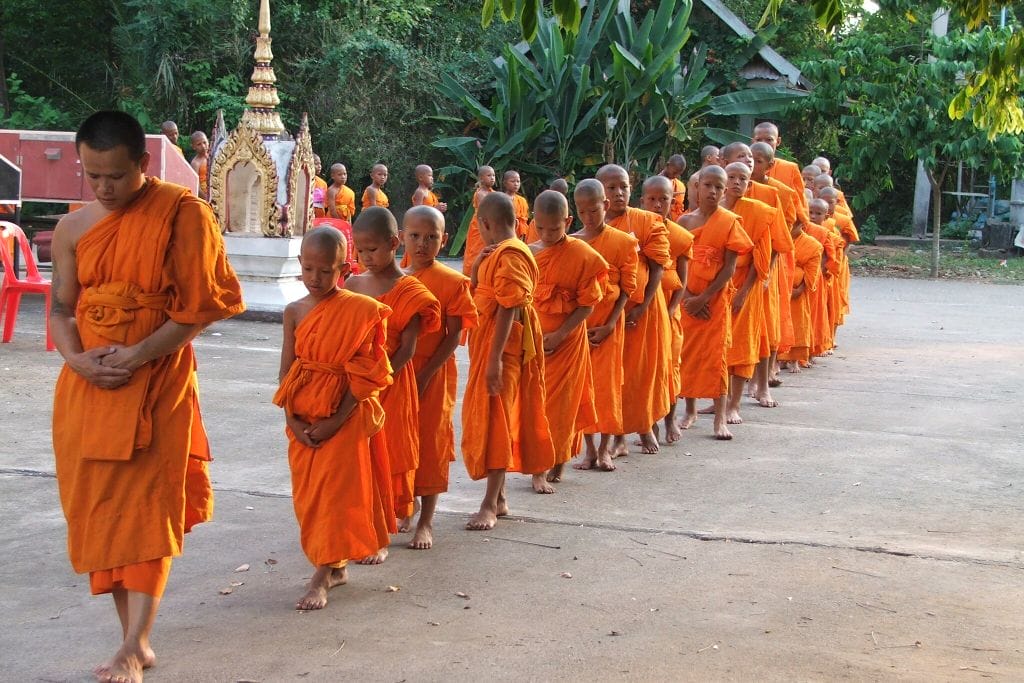
Monks with bowls

pixabay

The City of Ten Thousand Buddhas promotes a vegan lifestyle (seitan, , aligning with the Buddhist principle of ahimsa, or non-violence. The community runs a vegan restaurant, Jyun Kang, which offers delicious and healthy meals to residents and visitors. The emphasis on plant-based living extends to the campus gardens, which are cultivated using organic and sustainable practices. This commitment to a compassionate lifestyle reflects the core values of Buddhism and promotes overall well-being. The vegan diet at CTTB is not only a dietary choice but also a manifestation of the community’s dedication to living in harmony with all living beings.

8. Cultural Events and Festivals

Culture

pixabay

Throughout the year, CTTB hosts various cultural events and festivals that celebrate Buddhist traditions and promote cross-cultural understanding. These events include traditional ceremonies, lectures, and performances that highlight the rich heritage of Buddhism. Festivals such as Vesak, which commemorate the birth, enlightenment, and death of the Buddha, attract large crowds and foster a sense of community. These celebrations provide an opportunity for people of all backgrounds to learn about and engage with Buddhist culture. The vibrant and inclusive nature of these events ensures that everyone can participate and benefit from the shared cultural experiences.

9. Environmental Stewardship

Leaves

pixabay

Environmental stewardship is a key principle at the City of Ten Thousand Buddhas. The community is dedicated to sustainable practices, including organic farming, water conservation, and renewable energy initiatives. These efforts aim to minimize the ecological footprint of the community and promote harmony with nature. The commitment to environmental sustainability is an extension of Buddhist teachings on interconnectedness and respect for all forms of life. CTTB’s green initiatives serve as a model for how spiritual communities can lead by example in caring for the planet. Visitors can witness the community’s dedication to preserving the environment for future generations.

10. Open to Visitors

Buddha resting

unsplash

The City of Ten Thousand Buddhas welcomes visitors from all over the world, offering tours, retreats, and educational programs. Guests are encouraged to participate in daily practices and explore the serene campus. The open-door policy reflects the community’s mission to share Buddhist teachings and foster spiritual growth. Visiting CTTB provides a unique opportunity to experience the tranquility and wisdom of a traditional Buddhist monastery in the heart of California. The welcoming atmosphere ensures that everyone feels at home, whether they are seasoned practitioners or newcomers to Buddhism.

Buddhism in America

Buddha

unsplash

The City of Ten Thousand Buddhas is a remarkable testament to the spread of Buddhism in the West, offering a sanctuary for spiritual practice, education, and cultural exchange. Its diverse community, commitment to sustainability, and welcoming environment make it a unique and enriching destination. For more insights into religious history and cultural cornerstones and to stay updated on future events, subscribe to our newsletter and join our community today. Discover the serene beauty and profound wisdom that CTTB has to offer.

Stephen Kanaval
Stephen Kanaval

Stephen began his career as a Research Assistant at a reputable middle-market private equity firm, where he honed his skills in market research, financial analysis, and identifying investment opportunities. He then transitioned to full-time financial writing focusing on small-cap biotech innovation and digital payment solutions. Today, Stephen is a value-based retail investor and novice baseball statistician.

Filed Under: Travel Tagged With: Buddhism, California, Eastern Philosophy

  • « Previous Page
  • 1
  • 2
  • 3
  • 4
  • 5
  • Next Page »

FOLLOW US

Search this site:

Recent Posts

  • Can My Savings Account Affect My Financial Aid? by Tamila McDonald
  • 12 Ways Gen X’s Views Clash with Millennials… by Tamila McDonald
  • What Advantages and Disadvantages Are There To… by Jacob Sensiba
  • 10 Tactics for Building an Emergency Fund from Scratch by Vanessa Bermudez
  • Call 911: Go To the Emergency Room Immediately If… by Stephen Kanaval
  • 7 Weird Things You Can Sell Online by Tamila McDonald
  • 10 Scary Facts About DriveTime by Tamila McDonald

Copyright © 2026 · News Pro Theme on Genesis Framework