• Home
  • About Us
  • Toolkit
  • Getting Finances Done
    • Hiring Advisors
    • Debt Management
    • Spending Plan
  • Insurance
    • Life Insurance
    • Health Insurance
    • Disability Insurance
    • Homeowners/Renters Insurance
  • Contact Us
  • Privacy Policy
  • Risk Tolerance Quiz

The Free Financial Advisor

You are here: Home / Archives for Debt Management

Best Free Financial Advice

September 18, 2017 by Emilie Burke Leave a Comment

Growing up, I was never taught about personal finances. Sure, I knew that money could buy you things, but that was the extent of my financial knowledge. When I graduated college, I had to teach myself everything about finances from scratch. Living on a small post-graduate income, I didn’t have lots of money to invest in financial courses and books. Thanks to the wealth of information on the Internet, I didn’t have to! Here is a list of the best free financial advice that I’ve learned in the years since graduating.

Spend less than you earn and get on a written budget.

Before you can become rich, it’s absolutely critical that you spend less money than you earn and get on a written budget. Ideally, you would not want to be living paycheck-to-paycheck but have some extra money in your budget each month.

Minimize debt.

Some people believe that debts such as mortgages and student loans are “good” debt, while some do not. Either way, any debt you have means you owe money to someone else and will (most likely) be paying interest on that debt. The less debt you carry, especially the high interest ones such as credit card debt, the more money you will have to invest. I personally am working towards being 100% debt free.

Save for emergencies.

It’s a fact of life: hard times are going to come. Be prepared for them by saving money in an emergency fund so you won’t have to go into debt to cover the emergency. I was so thankful I had my emergency fund when my car broke down recently. Financial guru Dave Ramsey recommends having $1,000 in your emergency fund ($500 if you’re low income), but I’m personally not comfortable with less than $1,500-$2,500 in a starter emergency fund. My eventual goal, once I pay off debt, is to save 3-6 months’ worth of living expenses in my emergency fund.

Diversify your investments.

When I was younger, I heard an elderly neighbor say something along the lines of “Don’t put all your eggs in one basket.” I always thought it was about just planning on only one outcome, but as I learned more about finances I realized the saying applies for it as well. I’ve heard stories of people who invest entirely into one stock, and when the stock market crashes their investment is entirely wiped out. Spreading your investments across a variety of assets is less risky.

Think long-term with your investments.

You know the saying “Rome wasn’t built in a day”? Well, the same is true for your finances. You won’t become a millionaire overnight, but by investing in retirement funds and mutual funds and thanks to the magic of compound interest, over time you can build up your net worth. I recommend investing 10-15% of your income into retirement and other investment accounts. If you can’t start with that much, start with as much as you can afford, even if it’s just a small amount. If your employer offers a match for a 401(k) or 403(b), I definitely recommend investing the maximum matching amount– otherwise, it’s like turning down free money!

Earn more.

I decided to work part-time in addition to working my full-time job (aka “side hustling”) when I decided I wanted to get out of debt. I love it! It allows me to gain work experience outside of my day job, plus it allows me to pursue something I’m passionate about—writing and inspiring others (through my blog.) Side hustle money can be used for anything from investing to paying off debt to travel.

Money isn’t everything.

Billionaires Warren Buffett and Bill Gates created the Giving Pledge, which encourages other billionaires to give away half of their earnings to charity. Buffett even went so far as to pledge to give away 99% of his wealth in his lifetime or within 10 years after his estate is settled upon his death. I love that idea. As much as I love finances, at the end of the day, it’s just money. You can’t take it with you when you pass away. This is why I believe in giving a portion of your income to charities and others in need.


Interesting posts from friends:

  • Tearra Maris Net Worth
  • Jodie Sweetins Net Worth
Emilie Burke writer at the Free Financial Advisor
Emilie Burke

Emilie is a prolific blogger, and influencer inspiring millennial women to live financially, physically, and professionally fit lives. She writes about overcoming debt, while balancing trying to eat healthy, stay fit, and have a little fun along the way. She is a politics major turned data engineer who graduated from Princeton University in 2015.  She currently lives in North Carolina with her college sweetheart Casey who is currently stationed at Fort Bragg. She enjoys eating food, cuddling with her dog, and binge watching HGTV.

Filed Under: Debt Management, money management, Planning

How People with Bad Credit Can Survive the Storm

January 12, 2016 by Joe Saul-Sehy Leave a Comment

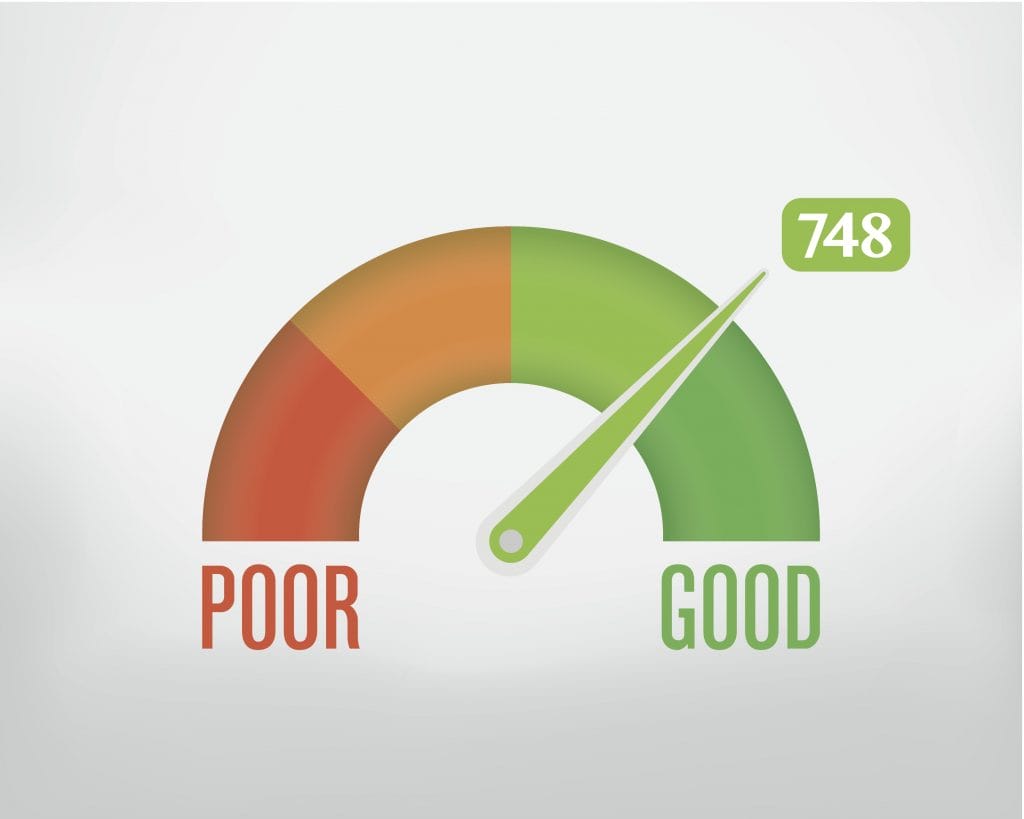
Credit ScoreThe upcoming storm of rising interest rates and increasing lender cautiousness makes life difficult for people with already bad credit ratings. In the coming year, you will have to tighten up and you will have to make a new start to get your credit rating back on track. Forget about the mistakes of the past and read our tips for how people with bad credit can survive the storm.

Don’t Cancel Your Credit Cards 

Do you have a spending bug you can’t seem to beat? The worst thing you can do is to cancel your credit cards. Unbelievably, this is a sign of panic and lenders will kick your credit score in the pants for doing it. The alternative is to leave these lines of credit open, but cut up the card. That way you’ve effectively closed your account without hurting your credit score.

Can You Kick a Debt Quick?

The reason why so many people have bad credit is spiraling debt. They get into a situation where they have so many bills coming in they can’t pay them all off and they barely remember who they owe and how much they have to pay.

Start the next year by hitting a debt right between the eyes. Get together a lump sum and pay off some debts in their entirety. This is a form of debt consolidation that will make it easier to rebuild your credit rating later on.

Talk to Your Lenders

It’s amazing how many borrowers won’t speak to the people who have leant them money. Nevertheless, this is a powerful tool in your resource. If you’re having problems paying your debts or rebuilding your credit rating, talk to these people. Tell them your difficulties.

They’ll often work out a different agreement to help you make your repayments. They don’t care about anything except getting their money back, so any chance to make a formal arrangement will be grasped with both hands.

Too Many Loans?

This is the first step. We’re not saying that you need to stop taking out all loans. You need some lines of credit if you’re going to rebuild your score. However, what people need to understand is that in the future lenders are going to be more stringent than ever before. Every rejected application leaves a stain on your credit record; therefore, you should only apply for loans you’re practically guaranteed to receive. A good choice might be a company like the scottishtrustdeed.co.uk where their focus is to help people find personal loans with bad credit.  Interest rates will be higher but again your best bet is to not apply for loans.

Get a “Bad Credit” Credit Card

Someone with bad credit has the problem of not being able to easily get any new lines of credit. They need a higher rating. This is where “bad credit” credit cards come in. These are types of cards designed specifically for people with bad credit.

Here are some characteristics of these cards:

  • Higher interest rates.
  • Lower limits.
  • Lack of choice.

As you can see, the upcoming debt storm isn’t a reason to panic. Keep a cool head and you should have no problems getting out of that pit of bad credit.

Photo of Joe Saul-Sehy
Joe Saul-Sehy

Joe is a former financial advisor and media representative for American Express and Ameriprise. He was the “Money Man” at Detroit television WXYZ-TV, appearing twice weekly. He’s also appeared in Bride, Best Life, and Child magazines, the Los Angeles Times, Chicago Sun-Times, Detroit News and Baltimore Sun newspapers and numerous other media outlets.  Joe holds B.A Degrees from The Citadel and Michigan State University.

joesaulsehy.com/

Filed Under: Debt Management, Featured, Planning Tagged With: bad credit, credit score, Debt

How to Fund a Startup When You Don’t Have Any of Your Own Money

December 28, 2015 by Joe Saul-Sehy Leave a Comment

Happy employees make better employeesWhen you have a great business idea that you are eager to move forward with, there will be many things to consider, such as getting estimates for various expenses, preparing initial operating budgets and making marketing plans to launch your business. However, before you can get your business up and running, you will need to money to fund your business.

There are few options available to get your business idea off the ground.

Friends and Family

Many entrepreneurs find they have to self-fund their business at the start. This can be done through savings, leveraging personal assets or borrowing from friends and family. This proves to other potential investors that the business is viable, that you have some experience in running the business, but also that you have faith in the business and have put your money where your mouth is! Although borrowing from friends and family may seem like an easy option at first, you are risking your personal relationships if the business does not work out or the financial agreement is unclear. Approach this form of funding like you would any other form: produce a business plan, explain exactly what the money will be used for, what the investor can expect to get in return and when they can expect it. As well as putting investors at ease, it will also clarify your own goals and objectives.

After the initial self-funding, many business owners will seek to develop and grow their business by seeking funding from outside sources.

Seek Investors

One popular option is to seek investors for your business. Investors may be silent partners who simply contribute cash in return for a percentage of profits, or they may be active partners who play a key role in the daily activities and business decisions. Some silent investors may remain in a partnership with you until they have received a certain return on their investment, or there may be some other exit strategy in place. You may know individuals who you can approach about partnering or investing with you, or if not, you can look online for information about potential investors who are looking for opportunities.

Apply For Financing

Another option is to apply for a bank loan. There is a wide range available, and you can use an online calculator tool to determine which options are the most affordable for your budget. The right loan program will have attractive repayment terms and a great interest rate, but it also will provide you with all of the capital that you need to fund your operation until it begins to turn a profit. This could take several months or longer, so you may consider creating a budget that details expenses between and the projected breakeven point or beyond.

Each funding path will have its own advantages and drawbacks, so ensure the one you choose fits in with your business needs and allows you to focus on the most important task – running a successful business.

Photo of Joe Saul-Sehy
Joe Saul-Sehy

Joe is a former financial advisor and media representative for American Express and Ameriprise. He was the “Money Man” at Detroit television WXYZ-TV, appearing twice weekly. He’s also appeared in Bride, Best Life, and Child magazines, the Los Angeles Times, Chicago Sun-Times, Detroit News and Baltimore Sun newspapers and numerous other media outlets.  Joe holds B.A Degrees from The Citadel and Michigan State University.

joesaulsehy.com/

Filed Under: Debt Management, Featured

Debit or Credit: What Works For You?

September 13, 2015 by Joe Saul-Sehy Leave a Comment

Credit and Debit Cards

There are pros and cons of both credit and debit cards. Before you load your wallet with a series of credit cards, or request a debit card for each of your bank accounts, you should educate yourself on the pros and cons of each. Here is a list of strengths and weaknesses of debit and credit cards.

Debit Cards

Pros: Debit cards are a convenient way to carry the equivalent of cash. Debit cards link directly with your checking or savings account and each time you use it funds are deducted directly from the account that card is linked with. Whenever you make a purchase with your debit card you must enter a four-digit PIN, as a security procedure. The limit of your debit card is the same amount of money you have in the account. Debit cards are easily acquired, as banks take no risks when they provide these cards. You can only spend what you already have so there are no monthly payments.

Cons: The cons of debit cards are few, but severe. If you spend more than what is directly in the account linked with the card you’re charged an overdraft fee. These fees can be anywhere between $30 to $50 for each transaction executed while there are no funds in your account. You must repay both the amount spent plus the overage fees. It’s a pricey consequence, especially if you’re unaware you’ve overdrafted and make more transactions with your card.

Another danger of debit cards are the lack of security which surround them. Since your card is linked with your bank account, if someone steals your card they have instant access. The PIN you set up should provide some protection, though many debit cards can be run as credit, bypassing the use of a PIN altogether. Investigating this kind of fraud can take a lot of time and the longer you put off reporting it, the more liability you’ll face. Look into your bank’s fraud protection policy so you know the risks of debit card fraud.

Credit Cards

Pros: Credit cards provide you a line of credit, or loan, which you will be expected to pay in full within 30 days. You can put off pricey items until your next paycheck comes in. Build your credit score every time you make a payment on time. Your credit score directly influences the loans banks will offer you. This includes home and car loans.

Credit cards aren’t your actual funds. If anyone steals your credit card, cancel it as quickly as possible. If the person has made purchases with it, you can claim fraud and fill out a claim. While this is a hassle, it’s also much easier to prove than with a debit card. Also, you may have noticed a small microchip on your newest credit card. This is an EMV. An EMV is a payment process like the magnetic strip on the back of the card. However, an EMV communicates a series of complex transactions which include cryptographic processes. This makes credit cards more secure, in many ways, than debit cards. Credit monitoring and identity theft prevention services are still helpful in case you’re account is compromised.

Cons: While credit cards can help you build up your credit score, they can also destroy it. Some Americans are financially crippled by credit card debt. Many credit cards have variable interest rates which can be increased and make it difficult for you to make minimum payments. If your credit score is poor it’s very difficult to take out a loan for a house or car, even after you’ve paid off your debt.

Photo of Joe Saul-Sehy
Joe Saul-Sehy

Joe is a former financial advisor and media representative for American Express and Ameriprise. He was the “Money Man” at Detroit television WXYZ-TV, appearing twice weekly. He’s also appeared in Bride, Best Life, and Child magazines, the Los Angeles Times, Chicago Sun-Times, Detroit News and Baltimore Sun newspapers and numerous other media outlets.  Joe holds B.A Degrees from The Citadel and Michigan State University.

joesaulsehy.com/

Filed Under: budget tips, Debt Management, Featured, Uncategorized

How to Finance Your First Car

March 2, 2015 by Joe Saul-Sehy 2 Comments

How To Finance Your First Car The Free Financial AdvisorAccording to NADA’s Annual Financial Profile of America’s Franchised New-Car Dealerships, dealerships sold or leased more than 15.5 million new cars and trucks in 2013. That accounts for a 7.5 percent increase from the year before. As car sales grow and everyone you know seems to be driving around the newest model, it’s tempting to jump in, buy it and speed off the lot with the wind in your hair. Despite the relative ease of purchasing a vehicle, it’s important to know your options, find the best financing available and negotiate a price in your favor. Here are some tips to get started.

Set a Budget

It’s impossible to know how much car you can afford without a budget in place. Make a monthly budget and see if you can stick to it for a few months before diving into an auto loan or car purchase. Make a list of your fixed expenses with a generous amount left over for emergencies and recreation. Use an app like Mint to help keep track of your budget and alert you on when you’re overspending on set categories. Remember it’s not enough to just plan for your auto loan. Consider the cost of your tag fees, car insurance, fuel, ongoing maintenance and extras like getting your car detailed or replacing a flat tire. As a rule of thumb, don’t devote more than 15 percent of your household income to transportation.

Know Your Credit Rating

Get a free credit report from a site like Annual Credit Report to check your rating. Your score can directly impact your interest rate on an auto loan. Your credit report can also alert you to any erroneous information, credit fraud or mistakes. Your rating is calculated with a combination of factors from your credit history, outstanding debt and payment history. Your score ranges from 350 to 800. The higher the score, the better loan you can probably get.

Shop Around for Funding

The upside to securing funding through an auto dealer is taking care of your loan and financing in one place. The downside, car dealers are often paid a commission for it. Instead, consider a dealer like DriveTime where sales advisers aren’t paid on commission, making it easier to trust their advice. They also offer a 30-day limited warranty, 5-day return guarantee and auto check history report on all used cars they sell.

Going with the car dealer’s loan offer or big bank isn’t the only way to secure a car loan. A community credit union generally offers lower rates and is more sympathetic to borrowers with lackluster credit history. Credit unions are known for offering more intimate customer service. Since they’re funded by their customers, they work for their members and aren’t motivated to sell you anything for their own financial gain. Profits from credit unions go back into their services and member offerings.

Negotiate the Price

Regardless of how you pay for your first car, remember the price is negotiable. Consumer Reports suggests purchasing a New Car Price Report to find out what the dealer paid and using it as a springboard for negotiation. Be warned, dealers like to lump everything together from financing to trade-in you might be offering. It can be difficult to figure out the numbers once it’s lumped together. Negotiate one thing at a time and stick to the monthly amount you want to pay. Start with your rock-bottom price and let the dealer work you up slowly to a reasonable price you can drive away with.

Photo of Joe Saul-Sehy
Joe Saul-Sehy

Joe is a former financial advisor and media representative for American Express and Ameriprise. He was the “Money Man” at Detroit television WXYZ-TV, appearing twice weekly. He’s also appeared in Bride, Best Life, and Child magazines, the Los Angeles Times, Chicago Sun-Times, Detroit News and Baltimore Sun newspapers and numerous other media outlets.  Joe holds B.A Degrees from The Citadel and Michigan State University.

joesaulsehy.com/

Filed Under: Debt Management, Featured, money management, Planning

SME Business Focus: Is Invoice Financing for You?

October 24, 2014 by The Other Guy Leave a Comment

Start-up companies and SMEs that have managed to survive the economic crisis are now looking at brighter business skies. However, even though the growth reported by SMEs has risen in the last year, there is still a marked reluctance by banks and major lenders to provide financing for smaller firms. In order to fund growth and development, many SMEs are turning to alternative finance sources. One way in which companies can free cashflow is by using an invoice finance or factoring service. If you are interested in securing finance for your business that doesn’t pose huge financial risks, read on.

Bank

Advantages of Invoice Financing 

Invoice finance, factoring, and invoice discounting frees up the money that is tied into invoices and allows companies access to this money before the invoices are paid. When this tied-up capital is made available, businesses can use the cash to run their day-to-day operations or expand in the future. According to ultimatefinance.co.uk, one of the key benefits of the invoice financing system is the flexibility. You can access funds from invoices within days, rather than waiting months for an invoice to be paid. With this flexible source of funds you can choose to put business plans into action right away, or use the money to wait until the right moment comes to expand.

Avoid the Pitfalls of Common Financing Choices 

According to StepChange, the charity involved in dealing with debt, the number of people who have got into trouble with payday loans rose by 42 percent since 2013. Payday loans may seem like an attractive option as they offer ready money, but the fees are so steep that businesses can quickly discover themselves dealing with financial problems – particularly if companies regularly take out these loans. The APR on these loans is staggering. While it may be obvious to many people, others do not consider the representative APR when deciding which loan to take out – they only focus on how fast they can get the money and the amount of money that can borrow. Invoice financing is a much more affordable, less risky, and better value way of freeing money to use for business costs.

What Do You Need to Consider?

Bear in mind that the type of invoice you supply may affect the ability to get invoice financing. For example, most financiers will only buy commercial invoices so selling goods to the public may not be eligible. Be careful if you turn over the sales ledger to an invoicing company as your customers may prefer that you deal with them directly, not a third party – however, there are options available that allow you to retain control. You can also opt for confidential invoice finance where your customers are not aware that you are using a service. Always make sure you choose a reputable and established provider as it could ultimately affect the relationship with your customers if the company offers a bad service.

Sources: http://www.independent.co.uk/money/spend-save/money-insider-invoice-discounting-allows-firms-to-grow-9715857.html

Image courtesy of Stuart Miles / FreeDigitalPhotos.net


Filed Under: Debt Management, Featured

Get Your Family Out of Debt & Onto a Happier Financial Path

September 19, 2014 by Joe Saul-Sehy 1 Comment

CalculatingWith car payments, home loans, student loans and household expenses, it’s easy to snowball into debt. You may be overwhelmed by the amount of debt that has accumulated, but the debt snowball method may be a great first step toward financial freedom.

Snowballing 101

The debt snowball method pays off your smallest debts first and, once those are paid off, you move on to the larger debts. Start off by listing your debts in order from smallest to largest. You will attack the smallest debt first. While finishing off the smallest debt, you will be paying the minimum payment on the larger debts.

Here’s a quick example:

  • $1,000 medical bill (minimum payment $50)
  • $5,000 credit card ($75)
  • $10,000 car loan ($200)

If you have an extra $1,275 a month, you can pay off your medical bill in the first month while paying the minimum on your credit card and car loan. After that you can move toward crushing the credit card debt and then move on to that pesky car loan.

Benefits of Snowballing Out of Debt

Some of the benefits of using the snowball method are purely psychological. Using this method enables you to see results sooner. Once you finish paying off your first debt, you no longer have to worry about paying that creditor. That gives you a sense of accomplishment; no more emails or calls from debt collectors.

A study by the Kellogg School of Business at Northwestern found that the snowball approach works. By relishing the small victories, debtors were more likely to continue to pay off their debts. The study used data from 6,000 people trying to eliminate credit debt and found this led to faster debt elimination.

Cons of the Debt Snowball Method

The debt snowball method does come with some controversy. Although you are paying off the debt with the highest balance, the debt snowball method fails to take interest into account. If your largest debt also happens to be the one you pay the highest interest on, you will end up paying a lot more in interest. Your interest payments may end up doubling after everything is said and done, so do your due diligence to see if this method will work for you.

Preparing to Pay Off Your Loans

Whether or not you choose to use the debt snowball method, you are going to have to prepare to pay off these loans. You may have to cut down on those iced soy lattes or find unique ways to generate cash flow.

There are several ways you can save some money to start paying off your debt now. If you receive periodic payments from a structured settlement or annuity, you could sell its future payments to a company like J.G Wentworth and use your lump sum to start paying off your debts.

Photo of Joe Saul-Sehy
Joe Saul-Sehy

Joe is a former financial advisor and media representative for American Express and Ameriprise. He was the “Money Man” at Detroit television WXYZ-TV, appearing twice weekly. He’s also appeared in Bride, Best Life, and Child magazines, the Los Angeles Times, Chicago Sun-Times, Detroit News and Baltimore Sun newspapers and numerous other media outlets.  Joe holds B.A Degrees from The Citadel and Michigan State University.

joesaulsehy.com/

Filed Under: Debt Management, Featured, money management

Why are students using payday loans?

July 2, 2014 by Joe Saul-Sehy 8 Comments

 Money Elizabeth

Istockphoto

There appears to be a rising trend that shows that more and more students are taking out short term loans.  Research by the National Union of Students (NUS) shows that up to 46,000 undergraduates are using what they term high risk debt (which includes payday loans, cheque cashing and doorstep loans).  They suggest a number of reasons for this which relate, in the main, to funding their living costs and fees. .

Some highlights from their research show:

  • the weekly cost of student accommodation has nearly doubled in 10 years (£60 – £118);
  • 50% of students worry about meeting basic living expenses like rent and utility bills;
  • over third of students receive no family financial support.

These stats show it is not a typical student lifestyle being funded via a payday loan, but the essentials.

So worried are the NUS about the risk of spiralling debt problems in the student , that they are calling on a ban of all payday lenders from advertising in student magazines, student residences and on campuses.

Payday loan giant Wonga took the unprecedented step of not advertising to students last year and removed all pages from their website in 2012 that could have been construed as targeting students. This has not, however, currently stopped other companies trying to.

Students themselves, has also taken a novel approach and launched their own “payday loan” company specifically for the student market. Unlike normal lenders they have a number of interesting features:

  • no rollovers;
  • a 10 day grace period – in case of student loan problems;
  • a fixed cap of interest – you can never owe more than 50% of what you borrowed;
  • a lower rate of interest.

So even the students themselves see that there is a need for access to short term finance, and they feel they are able to offer a more competitive and student friendly service themselves.

What does the industry say?

The Consumer Finance Association, which represents some of the main payday providers, said students would need to be in regular employment to qualify for a loan from a reputable lender, and that simply banning advertising in campuses would not remove the issue.

The new financial watchdog, the Financial Conduct Authority (FCA), has issued new regulations for payday lenders which came into force in July and include:

  • restrictions on the number of rollovers (ie.how many times a loan can be extended);
  • wealth warnings on ads;
  • more rigorous testing on affordability.

The aim is to remove the less than reputable loan providers from lending.

Other options for help

Students are being advised to think carefully before logging on and applying for a payday loan.  There are a number of alternatives students could look at first.

Some universities have access to learning funds where students can apply for funds if they are struggling to pay for their studies.

Other finance products such as an 0% credit card or 0% student overdraft may help cash strapped students in the short term and means they are not actually having to pay back interest on the borrowing.

Credit Unions are another source of low cost small term finance loans – more information is available here: http://www.findyourcreditunion.co.uk/home.

The Bank of Mum and Dad could be an option before turning to a payday loan for students. Or, those that live close enough can lean on them in other ways to help reduce their living costs.  Asking for a loan or moving back home to keep debt down is not a bad idea.

Summary

As you can see there are a number of reasons why students are turning to payday loans and why it is a worrying trend in some people’s eyes.  That said, payday finance is not the only option available to students who need a short term injection of cash.

About the author: Emily Green is a freelance personal finance writer living in Hong Kong. She loves travelling and is planning to relocate to New Zealand within the year.

Photo of Joe Saul-Sehy
Joe Saul-Sehy

Joe is a former financial advisor and media representative for American Express and Ameriprise. He was the “Money Man” at Detroit television WXYZ-TV, appearing twice weekly. He’s also appeared in Bride, Best Life, and Child magazines, the Los Angeles Times, Chicago Sun-Times, Detroit News and Baltimore Sun newspapers and numerous other media outlets.  Joe holds B.A Degrees from The Citadel and Michigan State University.

joesaulsehy.com/

Filed Under: Debt Management, Featured, money management

5 Reasons You Need to Solve Your Credit Issues NOW

June 5, 2014 by Joe Saul-Sehy 2 Comments

I know it isn’t easy. Climbing out of debt was one of the biggest struggles of my life.

But I did it, and looking back toward that ugly black hole, I can tell you there are some things I wish I would have done better. I could have shortened the process.

However, when you’re staring at a stack of bills and wondering what to do, it’s difficult to think about strategy, isn’t it?

Bridge at Free Financial Advisor

There are so many reasons why you need to solve your credit problems, but the five biggest, in my mind are these:

  1. Studies show that the real money can’t be made until you’re able to focus long term. When I had mountains of debt I had to think about how to get food on the table tomorrow instead of how to grow my business. There’s no mystery why my business started growing quickly when it did: I’d finally climbed nearly out of debt and began attacking my income streams strategically instead of tactically.
  2. You’re stuck in pointless meetings and negotiations. I spent so much time keeping my creditors at bay that I don’t know how I found time to make my payments.
  3. Sleep becomes difficult, and it’s hard to unwind. Even during family excusions, I felt the weight of our debt. Every time we bought ice cream or went for a bike ride, my thoughts were on how guilty I felt either spending money or enjoying myself.
  4. You have to search high and low for money. To solve credit problems right now, I had to turn to whomever would give me money. In the UK it might be someone like Wage Day Advance, while in the US, if it weren’t a relative, I’d have few resources. You don’t want to be begging people or taking wage advance loans forever.
  5. Repayment terms are aggressive and can create a debt spiral. At some points I was taking on new debt to pay off the old ones. By focusing on my debt hard and working to climb out fast, I finally was able to say goodbye to financial difficulties and nearly immediately said hello to financial success. You can be as aggressive on your end as creditors are on theirs. Check out this story from Wisebread – Taming Your Debt, Aggressive Repayment Strategies.

Debt doesn’t need to be a black hole. I often told myself as I was climbing out of debt that even Donald Trump had been bankrupt. It’s funny that I’d hold up him as a beacon of hope, but at the time, “the Donald” was a guy that had resurrected himself successfully after some really hard times. I vowed to do the same, and on a much smaller level (thank god!) I’ve done it.

Photo of Joe Saul-Sehy
Joe Saul-Sehy

Joe is a former financial advisor and media representative for American Express and Ameriprise. He was the “Money Man” at Detroit television WXYZ-TV, appearing twice weekly. He’s also appeared in Bride, Best Life, and Child magazines, the Los Angeles Times, Chicago Sun-Times, Detroit News and Baltimore Sun newspapers and numerous other media outlets.  Joe holds B.A Degrees from The Citadel and Michigan State University.

joesaulsehy.com/

Filed Under: Debt Management

5 Questions to Ask your Mortgage Broker Before Signing Anything

April 23, 2014 by The Other Guy 5 Comments

Taking on a home loan can be a daunting experience, and one of the biggest decisions you will ever have to make, so it is crucial to have all the facts at hand when deciding where to get your loan. Despite the solid reputations of the big banks, you should strongly consider mortgage products from the smaller banks, such as the BOQ Clear Path Home Loan, which can offer very competitive interests rates and often beat the big banks hands down.

Mortgage brokers at Free Financial Advisor

Regardless of where you go to get your home loan, the following five simple questions will help you navigate and simplify the process, any mortgage broker worth their salt should be able to give you clear and concise answers.

Do you have references from previous customers?

Whether you are getting renovations done, hiring a new employee, or looking for a babysitter, the first thing you want to have are references from their previous customers. This is such a simple question that it is often overlooked, but getting a home loan is life-changing decision and it makes sense to talk to your brokers previous or current customers to get the low-down on how well they did their job. If this question is met with evasion or shrugged off, its time to find a different broker.

What is the best interest rate you can get me?

The most important factor in any home loan is the interest rate. Having a clear understanding of how the interest rates of various loans are structured enables you to compare loans like-for-like to find the one that suits you best. Some banks try to lure customers in with a special rate, only to have it revert to the standard variable rate after one year or less. Don’t be fooled by such offers, ask your mortgage broker to explain how your interest rate might fluctuate over the entire life of the loan and whether a fixed rate or variable rate loan is best for you.

What are all of the fees will I have to pay?

There are a plethora of fees associated with getting a home loan and you should be wary of fine print and vague language when going through the application process. Ask your broker to explain how all fees are calculated, from first applying for the loan to finally receiving the money, and then on, for the entire life of the loan. Many savvy banks are now offering fee-free applications for their home loans, for example, the Clear Path Home Loan from BOQ. Not having to pay an application fee can take the uncertainty out of applying for home loans, as if you are not successful, or change your mind, you have not committed any money and can move on to consider other options.

Are there any penalties for overpayment or early payment of my loan?

Paying off your loan early is the key to saving money and owning your home sooner. If interest rates drop, and you can afford to pay more, you don’t want to be penalised do you? Ask your broker to explain if any administration fees apply for paying more than your monthly repayment or if there is a penalty for repaying your entire loan early.

What documents do I need to provide and how long will the loan take to be processed?

Supplying the requisite documents is essential to making your application proceed smoothly and quickly. Ask your broker for a complete list of the documents you will need to provide, this will usually include proof of identification and employment, bank statements, proof of your liabilities and assets and depending on your situation, a credit history and tax records. Your broker should be able to give you a clear time-line for the processing of yourapplication once you have supplied all of the necessary documents.

Armed with these five simple questions, you should be quickly able to tell whether your broker is reliable, professional and able to provide you clear answers to help guide you through the application process.

Filed Under: Banking, Debt Management, Featured

  • « Previous Page
  • 1
  • …
  • 13
  • 14
  • 15
  • 16
  • 17
  • Next Page »

FOLLOW US

Search this site:

Recent Posts

  • Can My Savings Account Affect My Financial Aid? by Tamila McDonald
  • 12 Ways Gen X’s Views Clash with Millennials… by Tamila McDonald
  • What Advantages and Disadvantages Are There To… by Jacob Sensiba
  • Call 911: Go To the Emergency Room Immediately If… by Stephen Kanaval
  • 10 Tactics for Building an Emergency Fund from Scratch by Vanessa Bermudez
  • 7 Weird Things You Can Sell Online by Tamila McDonald
  • 10 Scary Facts About DriveTime by Tamila McDonald

Copyright © 2026 · News Pro Theme on Genesis Framework