• Home
  • About Us
  • Toolkit
  • Getting Finances Done
    • Hiring Advisors
    • Debt Management
    • Spending Plan
  • Insurance
    • Life Insurance
    • Health Insurance
    • Disability Insurance
    • Homeowners/Renters Insurance
  • Contact Us
  • Privacy Policy
  • Risk Tolerance Quiz

The Free Financial Advisor

You are here: Home / Archives for Vanessa Bermudez

How to Improve Your Care Credit Approval Odds: Tips and Tricks

July 2, 2024 by Vanessa Bermudez Leave a Comment

How to Improve Your Care Credit Approval Odds Tips and Tricks

Canva

Navigating the world of credit can be daunting, but improving your Care Credit approval odds doesn’t have to be. With the right strategies and a bit of knowledge, you can enhance your chances of getting approved. This article will guide you through essential tips and tricks to boost your Care Credit approval odds effectively.

1. Understanding Care Credit

Care Credit is a specialized credit card for healthcare expenses. It covers a range of medical services, from dental care to veterinary expenses. Knowing how it works is the first step in improving your care credit approval odds. This card offers promotional financing options, making it a popular choice for managing healthcare costs. Understanding its benefits and limitations can help you make an informed decision.

2. Check Your Credit Score

Your credit score plays a significant role in your Care Credit approval odds. Start by checking your current credit score from a reliable credit bureau. A higher score increases your chances of approval and may offer better terms. If your score is low, take steps to improve it before applying. Regularly monitoring your credit helps you stay on top of your financial health.

3. Pay Down Existing Debt

Reducing your existing debt can significantly improve your Care Credit approval odds. High levels of debt can negatively impact your credit score and your perceived ability to manage new credit. Focus on paying off credit card balances and other loans. Creating a budget to manage and reduce debt is a smart strategy. Lower debt levels signal responsible financial behavior to lenders.

4. Avoid Applying for Multiple Credit Accounts
Avoid Applying for Multiple Credit Accounts

Canva

Multiple credit applications within a short period can hurt your credit score. Each application results in a hard inquiry, which can lower your score and raise red flags for lenders. Instead, space out your credit applications and focus on improving your overall financial profile. By minimizing new credit requests, you present yourself as a less risky borrower. Patience is key in the credit approval process.

5. Ensure Your Credit Report is Accurate

Errors on your credit report can negatively affect your Care Credit approval odds. Regularly review your credit report for any inaccuracies or outdated information. Dispute any errors you find with the credit bureau to ensure your report reflects your true financial standing. An accurate credit report enhances your credibility as a borrower. It’s a simple yet effective way to boost your approval chances.

6. Maintain a Stable Income

Lenders favor applicants with a stable and reliable income. Ensure you have a consistent income stream before applying for Care Credit. If possible, increase your income through additional employment or freelance work. Providing proof of stable income can significantly improve your approval odds. It demonstrates your ability to repay the borrowed amount.

7. Keep Your Credit Utilization Low

Credit utilization refers to the percentage of your available credit that you are using. Aim to keep your utilization below 30% to improve your credit score. High utilization suggests you might be over-relying on credit, which can be a red flag for lenders. Paying down balances and increasing credit limits can help lower your utilization rate. A low utilization rate indicates responsible credit management.

8. Use a Co-Signer
Use a Co-Signer

Canva

If your credit score is not strong enough on its own, consider using a co-signer. A co-signer with a good credit history can enhance your approval odds. Ensure the co-signer understands their responsibility, as they will be liable for the debt if you default. This strategy can provide a safety net for both you and the lender. It’s a valuable option for those with limited credit history.

9. Build a Strong Credit History

A solid credit history will positively impact your Care Credit application. Use existing credit responsibly and make payments on time. Over time, a strong credit history will improve your score and approval odds. Avoid closing old credit accounts, as their history contributes to your credit profile. Consistent, positive credit behavior builds a trustworthy financial reputation.

10. Time Your Application Strategically

Timing can impact your Care Credit approval odds. Apply when your financial situation is stable, and your credit score is at its best. Avoid applying immediately after significant financial changes, such as job loss or large purchases. Strategic timing ensures you present the strongest possible application. It’s all about choosing the right moment to maximize your chances.

Boost Your Care Credit Approval Odds
Boost Your Care Credit Approval Odds

Canva

Improving your Care Credit approval odds involves understanding the factors that influence your creditworthiness. By checking your credit score, managing debt, maintaining a stable income, and strategically timing your application, you can enhance your chances. Employing these tips and tricks ensures you are well-prepared for the Care Credit approval process. With careful planning and responsible financial behavior, you can achieve your healthcare financing goals.

Vanessa Bermudez
Vanessa Bermudez
Vanessa Bermudez is a content writer with over eight years of experience crafting compelling content across a diverse range of niches. Throughout her career, she has tackled an array of subjects, from technology and finance to entertainment and lifestyle. In her spare time, she enjoys spending time with her husband and two kids. She’s also a proud fur mom to four gentle giant dogs.

Filed Under: credit score Tagged With: Care Credit Approval, Credit Card Application, Credit Score Tips, Debt Management, Financial Health

12 Things You Should Never Say to a Minister

June 12, 2024 by Vanessa Bermudez Leave a Comment

12 Things You Should Never Say to a Minister

Canva

Whether you’re chatting after a service, at a community event, or during a more personal meeting, knowing how to communicate respectfully with a minister can foster more meaningful and pleasant interactions. Ministers, like any professionals, have their share of workplace stresses and societal expectations. However, due to the spiritual nature of their work, certain comments can be particularly jarring or inappropriate. Here’s a roundup of 12 things you might want to avoid saying to a minister to keep the conversation respectful and considerate.

1. “Is being a minister actually a job?”

Is being a minister actually a job

Canva

This question can come off as dismissive of the minister’s profession. Being a minister involves much more than the visible aspects, like preaching on Sundays. It includes counseling, community work, administrative duties, and often being on-call for emergencies. By questioning if their role constitutes ‘real work,’ you might inadvertently belittle their dedication and the emotional and spiritual labor they put into their community. Remember, just because their job involves spiritual guidance doesn’t mean it isn’t hard work.

2. “You’re just doing this for the money, right?”

You're just doing this for the money, right

Canva

Assuming that a minister is only in it for the money is a vast misunderstanding of their motivations and the realities of their profession. Many ministers are driven by a deep sense of calling and purpose, and in many cases, the financial rewards are modest. This kind of comment can seem cynical and dismissive of their commitment and the personal sacrifices they often make. It’s important to appreciate that their work is primarily about service and spiritual leadership, not wealth accumulation. Most ministers do not live lavish lifestyles by any means.

3. “I bet you only work one day a week.”

I bet you only work one day a week.

Canva

This is a common misconception about ministers. Sunday services are just the most visible part of their job. The rest of the week is filled with planning services, meetings, visiting sick church members, community outreach, and much more. By saying this, you risk minimizing all the unseen effort they put into their roles each day. Acknowledge that their responsibilities stretch far beyond the Sunday sermon.

4. “Can’t you make an exception to the rules for me?”

Can't you make an exception to the rules for me

Canva

Asking a minister to bend church or moral guidelines for personal benefit puts them in a very uncomfortable position. It’s crucial to respect their commitment to their faith and the guidelines they are expected to uphold. Ministers strive to apply rules fairly and with integrity. Trying to persuade them to make exceptions on a personal whim can be disrespectful to their position and the standards they maintain. Instead, seek understanding and guidance within the frameworks they advocate.

5. “I don’t take you seriously because you’re a woman/man.”

I don't take you seriously because you're a womanman.

Canva

Gender should never be a reason to dismiss someone’s capabilities, especially in a role as significant as a minister. Such remarks are not only disrespectful but also sexist. Ministers, regardless of gender, have undergone the same rigorous training and are equally committed to their congregations. It’s important to focus on their qualifications and the quality of their work, not their gender. Every minister deserves respect for their leadership and spiritual guidance.

6. “That sermon was boring.”

That sermon was boring.

Canva

Feedback is valuable, but it should always be constructive. Telling a minister that their sermon was boring without offering any meaningful insights can be quite hurtful. If you have feedback, phrase it in a way that is helpful and considerate. You might suggest topics or elements that engage you more or express what parts of the service you find most meaningful. Ministers appreciate constructive feedback that helps them serve their congregation better.

7. “No offense, but I think you’re wrong about this.”

No offense, but I think you're wrong about this.

Canva

While it’s perfectly okay to have differing views, outright dismissing a minister’s interpretations or teachings can be seen as confrontational. If you disagree, frame your thoughts as a personal reflection or a question. This opens up a space for dialogue rather than conflict. Ministers often welcome thoughtful discussions that challenge ideas in a respectful way. Remember, it’s about learning and growing together, not winning an argument.

8. “You must have the perfect family, right?”

You must have the perfect family, right

Canva

Assuming that a minister’s family is perfect puts unrealistic expectations on them and their loved ones. Like any family, they have their challenges and ups and downs. This assumption can make them feel pressured to portray a flawless image. It’s more supportive to recognize that ministers and their families are human too and face the same kinds of struggles we all do. Offer support and understanding instead of assumptions.

9. “How can you believe all this stuff?”

How can you believe all this stuff

Canva

This sort of question challenges the very foundation of a minister’s life and work. It can come across as dismissive and insulting. Faith is a deeply personal matter, and while it’s okay to be curious, questioning someone’s beliefs in such a blunt manner is not respectful. If you’re genuinely interested in understanding more about their faith, consider asking about their personal journey or what their faith means to them. This approach is much more likely to lead to an insightful conversation.

10. “Aren’t you too young to be a minister?”

Aren't you too young to be a minister

Canva

Questioning a minister’s age and implying they are too young for their role undermines their authority and the work they’ve put into achieving their position. Ministers go through extensive training and have to meet many qualifications before taking on their role. If they are officially serving, they are likely well-prepared and capable, regardless of their age. It’s important to respect their position and the path they’ve taken to get there.

11. “You must be so bored listening to people’s problems all day.”

You must be so bored listening to people's problems all day.

Canva

This remark trivializes the minister’s role in providing counsel and support. Listening to and helping resolve congregants’ issues is a fundamental part of their job; it’s not a burden but a privilege. It shows a lack of understanding of the empathetic and supportive nature of their work. Ministers are there to help and guide, not just listen passively. They take this part of their job very seriously.

12. “Isn’t that hypocritical of you?”

Isn't that hypocritical of you

Canva

Calling a minister hypocritical without understanding the context of their actions or words can be deeply offensive. It’s important to consider the complexities of moral and ethical decisions in their role. If something seems inconsistent, it might be more productive to ask for clarification rather than jumping to conclusions. This allows the minister to explain and perhaps shed light on the reasoning behind their decisions. Approach with curiosity rather than accusation.

Speak with Respect

Speak with Respect

Canva

Navigating conversations with a minister, or anyone for that matter, should always be done with thoughtfulness and respect. The phrases and questions listed above can create discomfort and strain relationships, often based on misunderstandings or misconceptions about the role of a minister. By choosing our words carefully, we can foster more positive and fruitful interactions. So, next time you’re talking with a minister, remember that a little respect goes a long way in making the conversation both enjoyable and enlightening.

Vanessa Bermudez
Vanessa Bermudez
Vanessa Bermudez is a content writer with over eight years of experience crafting compelling content across a diverse range of niches. Throughout her career, she has tackled an array of subjects, from technology and finance to entertainment and lifestyle. In her spare time, she enjoys spending time with her husband and two kids. She’s also a proud fur mom to four gentle giant dogs.

Filed Under: Lifestyle Tagged With: Church Etiquette, Conversation Tips, Minister Conversations, Respectful Communication, Spiritual Guidance

14 Things Generation Alpha Men Will Never Know Existed

June 12, 2024 by Vanessa Bermudez Leave a Comment

14 Things Generation Alpha Men Will Never Know Existed

123rf

As Generation Alpha navigate through a world of advanced technology and rapid innovation, there are a bunch of things from the not-so-distant past that they might never encounter (except maybe in old movies or their grandparent’s stories). We’re talking about items and experiences that were everyday norms for older generations but are now fading into the annals of history. Let’s take a nostalgia-packed journey through some relics that were once staples of daily life, which Generation Alpha Men will likely never need to know about.

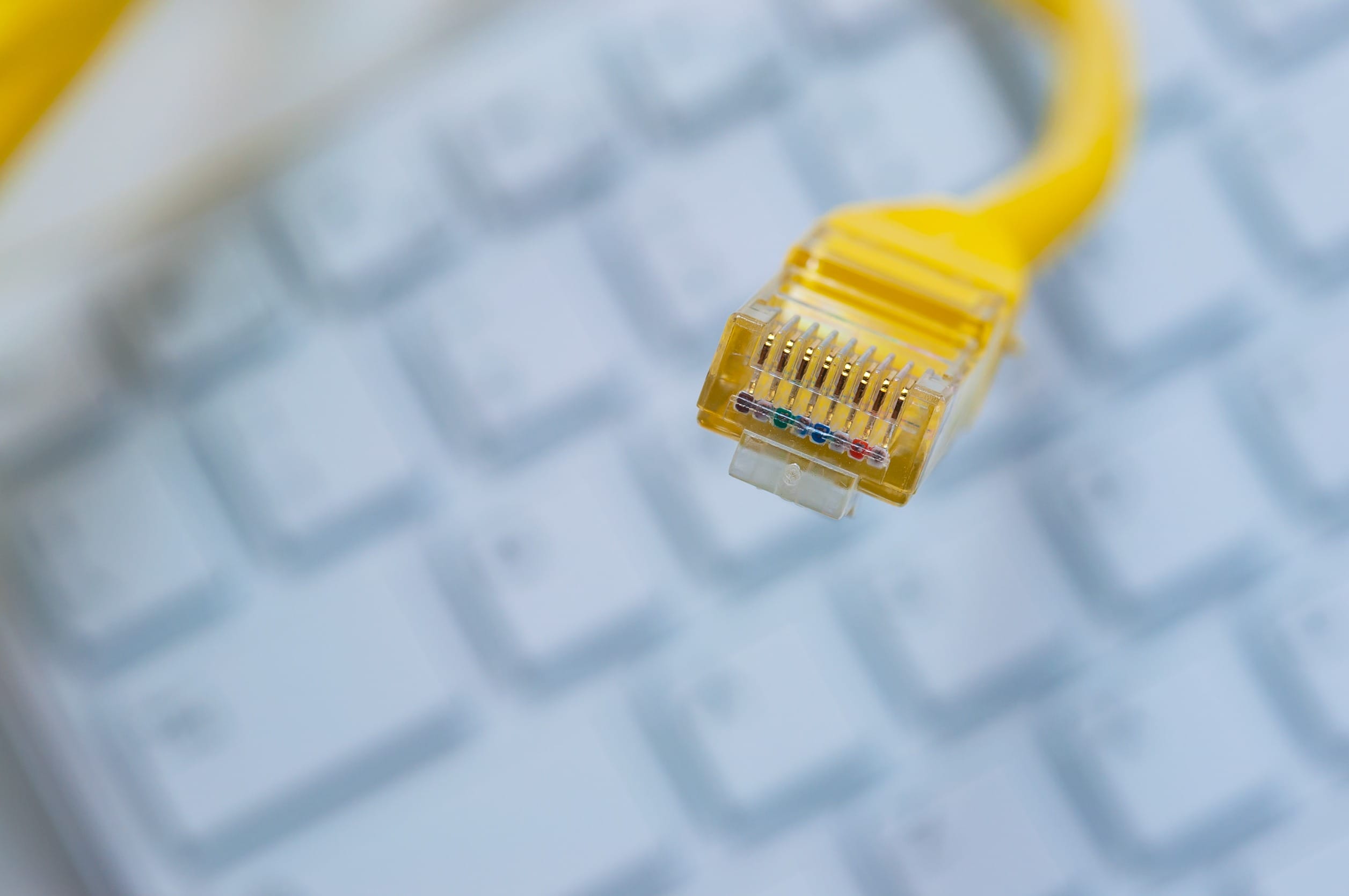
1. Dial-Up Internet

Dial-Up Internet

123rf

Remember that weird, screechy modem sound? Nope, you probably don’t. Dial-up Internet was the gatekeeper to the online world, buzzing and whirring as it tried to connect through a phone line. It was slow, painfully slow, making downloading a single song a task of epic patience. You’ll likely never know the struggle of choosing between the internet and a phone call since they couldn’t be used simultaneously.

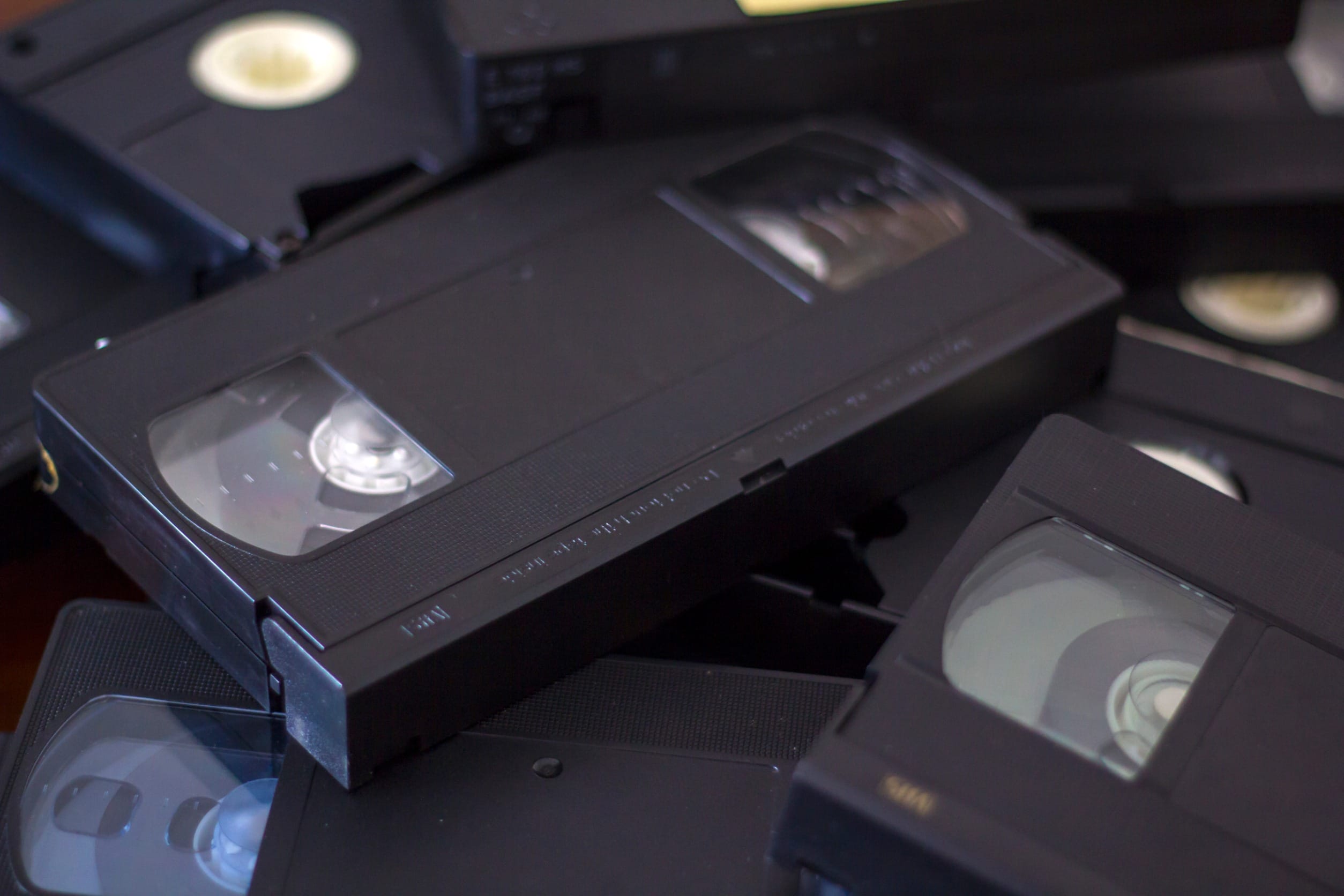
2. VHS Tapes

VHS Tapes

123rf

Before streaming platforms and even DVDs, VHS tapes were the kings of video. You had to rewind them to the start after watching, and they took up a ton of physical space. The picture quality? Let’s just say it left a lot to be desired by today’s standards. You’ll never experience the minor tragedy of a VHS tape getting ‘eaten’ by the VCR.

3. Flip Phones

Flip Phones

123rf

Once the epitome of cool, flip phones had a certain flair when ending a call; nothing says “conversation over” quite like snapping a phone shut. But in terms of functionality, they’re dinosaurs compared to your smartphones. With no touch screen, minimal apps, and basic internet capabilities, flip phones are a relic you’ll likely only see in retro films.

4. Paper Maps

Paper Maps

123rf

Long before GPS and digital navigation, paper maps were essential for road trips and finding your way in unfamiliar cities. They required actual folding and refolding, a skill unto itself. Figuring out your route involved physical plotting and sometimes even writing directions down. You might never know the unique frustration of trying to refold a map along its original creases.

5. Encyclopedias

Encyclopedias

Canva

Those big sets of books that took up shelves in libraries and homes? Those were encyclopedias, the pre-internet source for research and homework help. They were updated maybe once a decade, so the information could become outdated quickly. Now, with real-time updates on the internet and digital databases, the idea of using a physical book for general knowledge seems almost quaint.

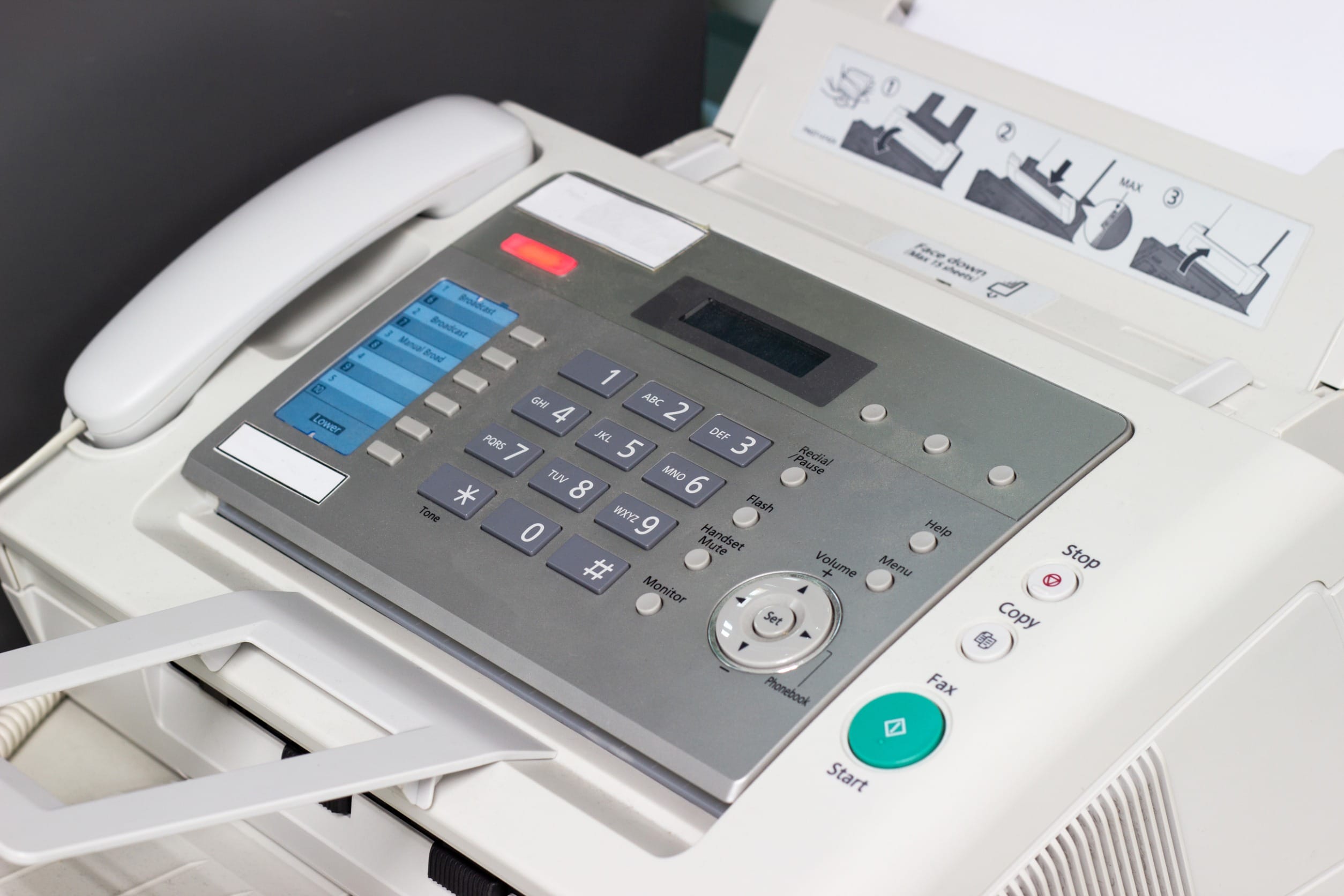
6. Fax Machines

123rf

Fax machines were once a cornerstone of office communication, sending scans of documents over phone lines. It sounds simple, but it was a process fraught with issues like paper jams and poor transmission quality. As email and digital file sharing have become the norm, the fax machine has faded into obscurity. You’ll probably never experience the peculiar anxiety of waiting for a “fax confirmation” page.

7. CD Players

CD Players

123rf

Portable CD players let you take your music with you, but they have their limitations. They were bulky, required carrying around physical CDs, and if you were jogging, you’d have to deal with the CD skipping. Now, with streaming services and digital downloads, your entire music library fits in your pocket, with no skipping or physical storage necessary.

8. Rolodexes

Rolodexes

Canva

Before digital contacts lists, there were Rolodexes: rotating file devices filled with business cards and contact info. They sat on desks and were a staple in offices everywhere. Flipping through a Rolodex to find a phone number is a ritual you’re unlikely to ever perform. Today, all your contacts are just a tap away on your smartphone.

9. Tube TVs

Tube TVs

Canva

The bulky, boxy tube TVs of the past are nothing like the sleek, wall-mounted screens you know. They took up a lot of space, had limited channels, and had no way to stream the billion hours of content available now. You’ll never know what it’s like to adjust “rabbit ears” antennas to get a clearer picture.

10. Pagers

Pagers

Canva

Pagers were a quick way to get someone’s attention before cell phones became widespread. You’d get a beep, see a number or a short message, and find a phone to call back. It was a simpler, yet more complicated, time for communication. You’ll likely never clip one of these to your belt or experience the rush of getting a “911” page.

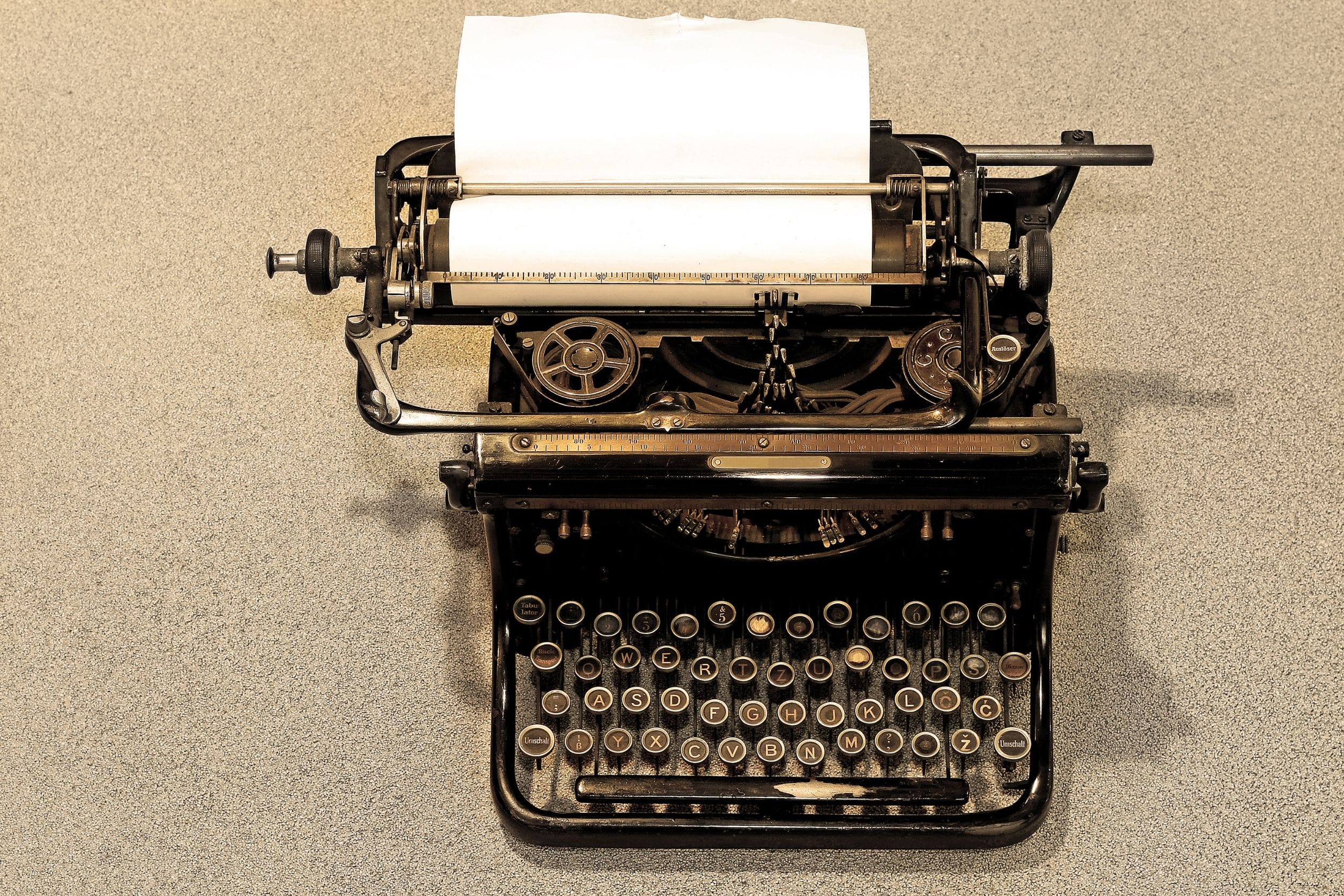
11. Typewriters

Typewriters

Canva

Typewriters, with their clacking keys and ribbons of ink, were the original word processors. The tactile feeling of typing on one is vastly different from tapping on a laptop. Making a mistake meant using correction fluid or starting over. While you might see them in museums or vintage shops, using one for daily tasks is a thing of the past.

12. Handheld Video Game Consoles

Handheld Video Game Consoles

Canva

Before smartphones could do everything, handheld video game consoles were the go-to devices for gaming on the move. While still around in niche markets, their prevalence has drastically decreased as phones now run games that once needed dedicated hardware. You might play retro games for fun but as a necessity? Probably not.

13. Film Cameras

Film Cameras

Canva

Film cameras require a roll of film that you have to develop to see your photos; no instant previews or deletes. The anticipation of waiting to see if your shots turned out or if you just took a bunch of pictures of your thumb was part of the charm. Today’s instant gratification via digital cameras and smartphones has all but erased the old thrill of film photography.

14. Cassette Tapes

Cassette Tapes

Canva

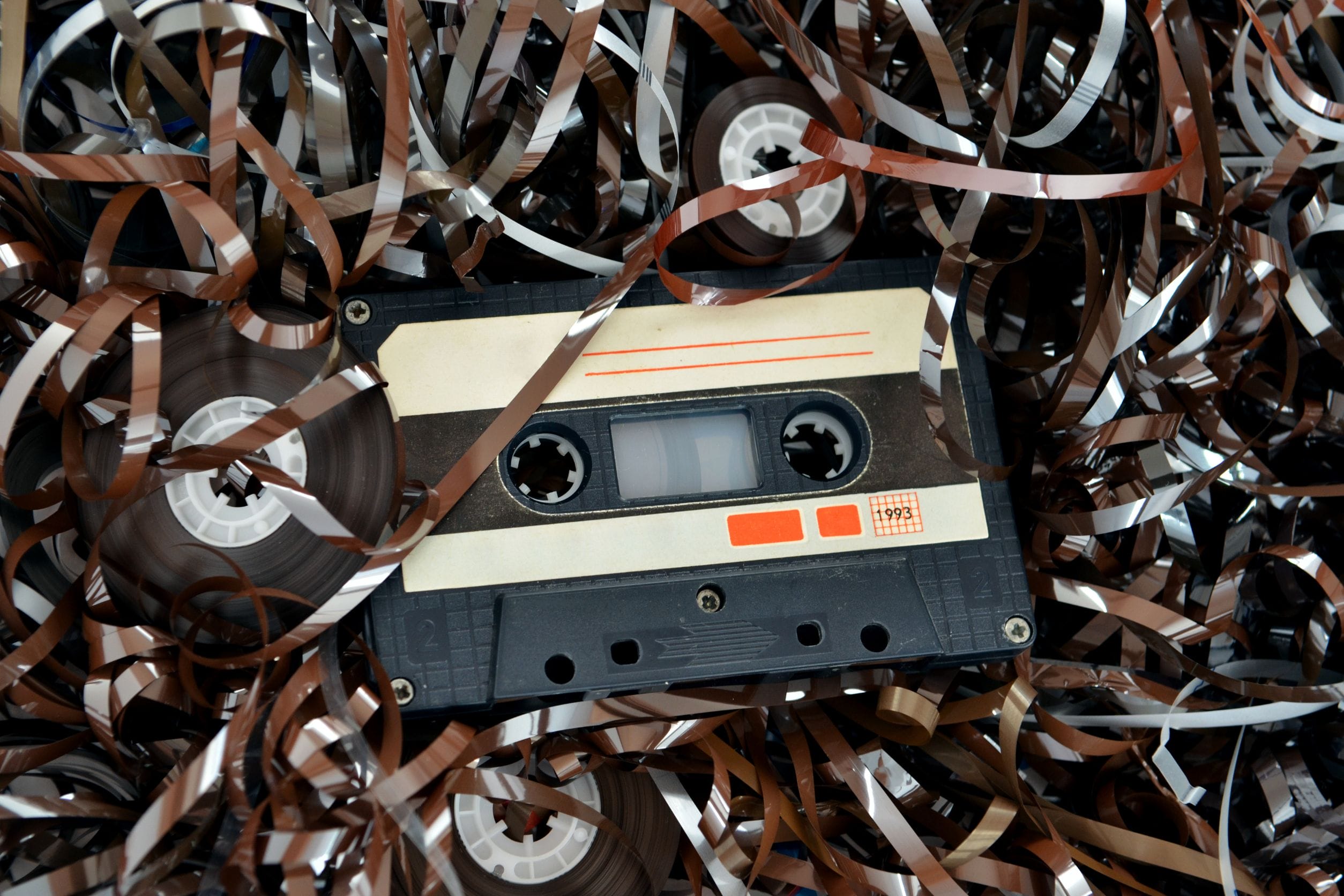
Cassette tapes, like VHS, required rewinding and were prone to getting tangled and ruined. They were a popular way to record and share music and mixtapes before digital media took over. The side A and side B of a cassette might be a concept you’ll only understand metaphorically.

A Nostalgic Look Back

A Nostalgic Look Back

123rf

For Generation Alpha, these gadgets and practices might seem like artifacts from another era and that’s because they are! While technology evolves, so do our daily lives, leaving behind objects once deemed essential. It’s fascinating to think about how what’s indispensable today might be the subject of tomorrow’s nostalgia. So, as you swipe on your latest device, take a moment to appreciate the rapid pace of change that has made many of these items relics of the past.

Vanessa Bermudez
Vanessa Bermudez
Vanessa Bermudez is a content writer with over eight years of experience crafting compelling content across a diverse range of niches. Throughout her career, she has tackled an array of subjects, from technology and finance to entertainment and lifestyle. In her spare time, she enjoys spending time with her husband and two kids. She’s also a proud fur mom to four gentle giant dogs.

Filed Under: Lifestyle Tagged With: Generation Alpha, Historical Gadgets, Nostalgic Tech, Tech Trends, Technology Evolution

11 Things You’re Doing Online That Hackers Love

June 11, 2024 by Vanessa Bermudez Leave a Comment

11 Things You’re Doing Online That Hackers Love

Canva

In the digital age, our online habits can sometimes lead to unintended invitations to hackers. Just like leaving your front door unlocked might attract burglars, certain online behaviors can draw in cybercriminals. But don’t worry. Becoming aware is the first step in fortifying your digital doors against unwanted intrusions. Let’s walk through 11 common online actions that might be making hackers jump for joy and how you can flip the script to keep them out.

1. Reusing Passwords

Reusing Passwords

Canva

Reusing passwords across multiple sites is like using the same key for your car, house, and office. Once a hacker gets hold of one password, they have an all-access pass to your digital life. This practice is one of the easiest ways to multiply the damage of a single data breach. To stay safe, use unique passwords for different sites. A password manager can help you keep track of them all without a headache.

2. Ignoring Software Updates

Ignoring Software Updates

Canva

Are those annoying pop-ups reminding you to update your software? They’re actually your first defense against security vulnerabilities. Hackers love it when you put off updates because it gives them time to exploit old weaknesses. Always update your software as soon as possible to protect yourself from the latest threats. Think of updates like a vaccine for your devices; necessary and timely.

3. Clicking on Unknown Links

Clicking on Unknown Links

Canva

Clicking on links from unknown sources can be the digital equivalent of opening your door to a stranger. These links often lead to phishing sites designed to steal your information. Hackers are cunning; they can make these links look incredibly legitimate. Always verify the source before clicking and hovering over links to see where they really lead. When in doubt, go directly to the website by typing the URL in the browser.

4. Using Public Wi-Fi Without Caution

Using Public Wi-Fi Without Caution

Canva

Public Wi-Fi is super convenient, but it’s also a playground for hackers. Using public Wi-Fi to access personal accounts or handle sensitive information can expose you to eavesdropping. Always use a virtual private network (VPN) when you connect to public Wi-Fi networks to encrypt your online activity. This shields your data from prying eyes. Consider public Wi-Fi as insecure as a postcard sent through the mail; anyone can read it if they take a moment to look.

5. Not Using Two-Factor Authentication

Not Using Two-Factor Authentication

Canva

Two-factor authentication (2FA) adds an extra layer of security to your online accounts. It’s like having a double lock on your door. Even if a hacker gets your password, they can’t access your account without the second factor; usually a code sent to your phone or generated by an app. Many people skip setting up 2FA because it seems like a hassle, but the few extra seconds it takes can save you from a major security headache. Always enable 2FA where possible.

6. Sharing Too Much Personal Information on Social Media

Sharing Too Much Personal Information on Social Media

Canva

Oversharing on social media can give hackers easy access to password clues and answers to security questions. You might love sharing birthday countdowns, pet names, or favorite spots, but hackers love this information even more because it helps them guess passwords or craft targeted attacks. Be mindful of what you share online. Adjust your privacy settings to limit who can see your posts. Remember, the internet never forgets.

7. Ignoring Privacy Settings

Ignoring Privacy Settings

Canva

Not checking the privacy settings on new apps and websites is like leaving your blinds wide open. Without proper adjustments, you might be sharing more information than you intend to with more people than you realize. Hackers can use this publicly accessible information to target you specifically. Take the time to understand and configure your privacy settings on all platforms. A few minutes spent here can prevent a lot of exposure.

8. Failing to Secure Your Home Network

Failing to Secure Your Home Network

Canva

Your home Wi-Fi network is a gateway to all your connected devices. Failing to secure it with a strong password and updated security settings is like leaving your digital back door wide open. Change the default username and password on your router. Make sure you enable WPA2 or WPA3 encryption. Regularly check for firmware updates to keep your network fortress strong.

9. Not Using Secure Websites

Not Using Secure Websites

Canva

Browsing websites without HTTPS is risky because the data sent and received is unencrypted. This makes it easy for hackers to “listen” and steal sensitive information. Always check for the HTTPS in the URL before entering personal or financial information. If the site doesn’t secure your data with HTTPS, think twice before proceeding. Your data deserves the best security measures.

10. Downloading from Unreputable Sources

Downloading from Unreputable Sources

Canva

Downloading software or media from sketchy sources is a common way to invite malware onto your device. These downloads can contain anything from spyware to ransomware. Stick to reputable, official sites for your downloads and avoid clicking “agree” without reading what you’re actually installing. Your device’s health depends on the quality of what you feed it. Treat downloads like you treat food; go for quality and safety.

11. Not Having a Backup Plan

Not Having a Backup Plan

Canva

Failing to back up your important data regularly is like not having insurance on your valuables. In the event of a cyber-attack, like ransomware, where hackers lock you out of your own files, having a backup can be the difference between disaster and a minor inconvenience. Make regular backups a habit. Store them in a secure location, ideally both physically and in the cloud. This way, you’re prepared for whatever comes your way.

Tighten Up Your Digital Security

Tighten Up Your Digital Security

Canva

By now, you should have a good grasp of the common mistakes that make hackers’ jobs easier and how to avoid them. Tightening up your digital security isn’t just a one-time fix; it’s a lifestyle change that requires ongoing attention and adjustment. Embrace these habits to protect yourself from cyber threats and keep your digital life as secure as your physical one. Remember, every step you take to secure your online activities is a step away from potential cyber chaos.

Vanessa Bermudez
Vanessa Bermudez
Vanessa Bermudez is a content writer with over eight years of experience crafting compelling content across a diverse range of niches. Throughout her career, she has tackled an array of subjects, from technology and finance to entertainment and lifestyle. In her spare time, she enjoys spending time with her husband and two kids. She’s also a proud fur mom to four gentle giant dogs.

Filed Under: Misc. Tagged With: Cybersecurity Tips, Digital Security, Hacker Prevention, Online Safety, Safe Browsing Practices

14 Products That Are Designed for Left-Handed People

June 11, 2024 by Vanessa Bermudez 1 Comment

14 Products That Are Designed for Left-Handed People

Canva

Ever felt like the world is catered mostly to right-handers? From scissors to can openers, the bias is real. But fret not lefties! The market has been catching up, and there are now plenty of products designed just for you. Let’s explore 14 innovative and game-changing products that cater specifically to left-handed individuals, ensuring comfort and efficiency in everyday tasks.

1. Left-Handed Scissors

Left-Handed Scissors

Canva

Left-handed scissors are a basic but essential tool for lefties. The blades are reversed so that when you cut, the cutting line isn’t obscured by the top blade, a common annoyance for left-handers using regular scissors. This small tweak makes a world of difference in visibility and ease of use. No more awkward hand angles just to see what you’re cutting! They’re available in a range of styles and sizes to suit everyone, from crafters to professional tailors.

2. Left-Handed Notebooks

Left-Handed Notebooks

Canva

Ever tried writing in a spiral notebook from the wrong side? Left-handed notebooks solve this problem by having the spiral on the right side, making it easier for lefties to write without wrestling the wire. The pages are also designed to turn more easily from the left to the right. These notebooks come in various designs and paper styles, from lined to grid, catering to every left-handed writer or artist. Say goodbye to smudged edges and uncomfortable writing postures!

3. Left-Handed Can Openers

Left-Handed Can Openers

Canva

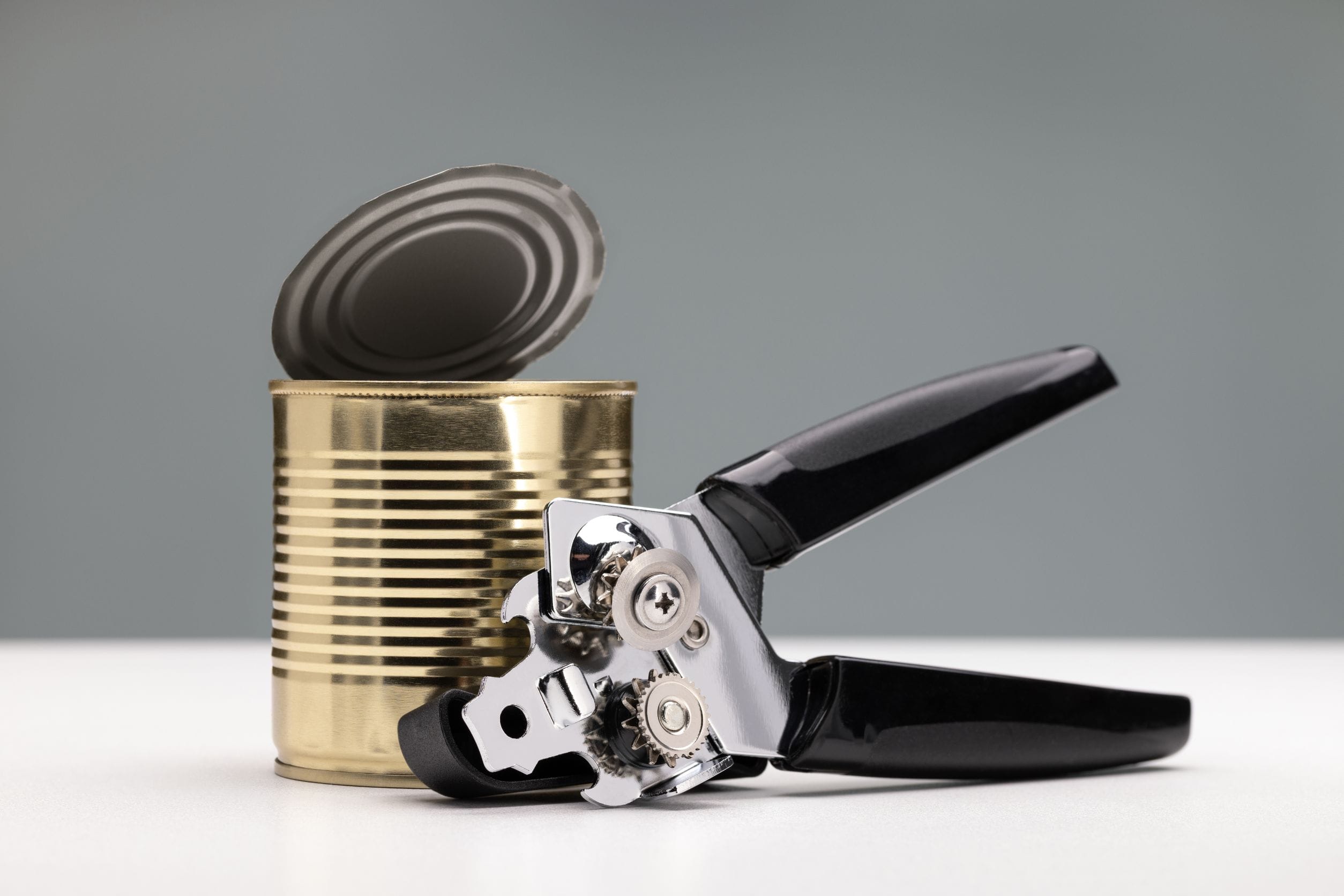
Using a standard can opener often leaves left-handers feeling all thumbs. Left-handed can openers are designed to work in a counter-clockwise direction, which is more intuitive for left-handed use. The handles and turning mechanism are tailored to give better leverage and comfort for the left hand. These can openers can make kitchen prep much less of a chore for lefties. Now, opening a can of beans won’t feel like a mini workout session.

4. Left-Handed Knives

Left-Handed Knives

Canva

Left-handed knives have the blade ground on the opposite side to create a more natural and effective cutting angle for lefties. This design provides better control and accuracy, making chopping and slicing safer and more comfortable. Many high-end kitchenware brands offer left-handed versions of their popular knives. Whether you’re a professional chef or a home cook, these knives can significantly enhance your culinary experience. Plus, they look just as stylish as their right-handed counterparts!

5. Left-Handed Computer Mice

Left-Handed Computer Mice

Canva

Most computer mice are designed for right-handers, but there are now models specifically for left-handed users. These mice are shaped to fit comfortably in the left hand, with the buttons positioned for easy access without awkward finger stretching. They help reduce strain on the left hand and wrist, which can prevent long-term discomfort. Gamers and professionals can rejoice as these come in both basic and high-tech versions. Ergonomics can indeed meet personal preference!

6. Left-Handed Guitar

Left-Handed Guitar

Canva

Left-handed guitars are strung in reverse, catering to those who strum with their left hand. This makes all the difference in making the instrument feel natural and intuitive to play. Many famous musicians, including Paul McCartney and Jimi Hendrix, famously played on left-handed guitars. Whether acoustic or electric, these guitars ensure that lefties no longer have to adapt to right-handed models. Music stores typically carry a variety of left-handed guitars, so options are plentiful.

7. Left-Handed Golf Clubs

Left-Handed Golf Clubs

Canva

Golf clubs for left-handers are designed with the club head oriented to suit the left-handed swing. This ensures that the mechanics of the swing feel more natural and effective. Left-handed golf clubs can help improve game performance and reduce the risk of injury by allowing a more natural body alignment. They are made by most major golfing brands, ensuring that quality isn’t sacrificed for orientation. Finding them used to be a challenge, but now they’re just as accessible as right-handed clubs.

8. Left-Handed Watches

Left-Handed Watches

Canva

Watches for left-handers have the crown located on the left side of the watch face, making it easier to adjust without having to remove the watch or use your non-dominant hand. This might seem like a small change, but it significantly enhances usability for lefties. These watches come in various styles, from classic to modern, ensuring you don’t have to compromise on fashion for functionality. They are perfect for those who appreciate an easy, hassle-free way to check the time. This thoughtful design touch allows left-handers to enjoy luxury and convenience in equal measure.

9. Left-Handed Bowls and Cups

Left-Handed Bowls and Cups

Canva

Certain bowls and cups are designed with the handle or spout on the opposite side, making it easier for lefties to use without awkward gestures. This is particularly useful for items like measuring cups, where precision can be key. The handles are also ergonomically designed to fit more comfortably in the left hand. These kitchen essentials prove that even small adjustments in

product design can make daily tasks much more manageable. It’s time to sip and scoop with ease!

10. Left-Handed Keyboards

Left-Handed Keyboards

Canva

Keyboards tailored for left-handed users feature a number pad and other function keys on the left side, making them more accessible for the left hand. This design helps reduce strain during extended typing sessions and can improve speed and accuracy. Left-handed keyboards are especially popular among data entry professionals and gamers who rely on quick and repetitive key presses. They might look a bit unconventional, but the benefits for lefties are undeniable. Say hello to more comfortable and efficient typing!

11. Left-Handed Fishing Reels

Left-Handed Fishing Reels

Canva

Fishing reels for left-handers swap the handle to the opposite side, allowing for more intuitive and comfortable use. This alteration makes it easier to maintain control and stability when reeling in a catch. Many top fishing gear brands offer left-handed versions of their best-selling reels. Whether you’re an occasional angler or a seasoned fisherman, these reels ensure that your fishing trips are successful and enjoyable. Now, every fishing adventure can be a great catch!

12. Left-Handed Archery Equipment

Left-Handed Archery Equipment

Canva

Archery equipment for lefties includes bows designed to be drawn with the left hand and held with the right, offering better balance and control. This customization allows left-handed archers to achieve greater accuracy and comfort. Finding left-handed archery gear was once a daunting task, but now it’s much more accessible. With the right equipment, left-handed archers no longer have to adapt awkwardly to right-handed gear. It’s all about hitting the bullseye with comfort!

13. Left-Handed Firearm Holsters

Left-Handed Firearm Holsters

Canva

Left-handed firearm holsters are designed to be worn on the opposite side, making drawing and holstering smoother and quicker for lefties. These holsters cater to both safety and accessibility, which are critical in any situation involving firearms. They come in various styles to accommodate different types of firearms, ensuring that every left-handed shooter can find a suitable option. Practicality and safety should never be compromised, and these holsters guarantee just that. Always be prepared and comfortable!

14. Left-Handed Office Supplies

Left-Handed Office Supplies

Canva

From staplers to binder clips, office supplies designed for left-handers can make a day at the office much more comfortable. These products are modified to fit the natural movement patterns of lefties, helping to prevent discomfort and increase efficiency. Items like left-handed scissors, tape dispensers, and even rulers are available to cater to the left-handed majority. Such adjustments may seem minor, but they make a big difference in daily work life. Equip your workspace with these, and boost your productivity!

Lefties, Rejoice!

Left-Handed Watches

Canva

In a world seemingly built for right-handers, it’s refreshing to see so many products tailored for left-handed individuals. These 14 products are just a sample of how the market is evolving to meet the needs of every user, regardless of their dominant hand. Whether it’s through a simple pair of scissors or a sophisticated guitar, the attention to detail in these left-handed products can significantly improve daily life.

Vanessa Bermudez
Vanessa Bermudez
Vanessa Bermudez is a content writer with over eight years of experience crafting compelling content across a diverse range of niches. Throughout her career, she has tackled an array of subjects, from technology and finance to entertainment and lifestyle. In her spare time, she enjoys spending time with her husband and two kids. She’s also a proud fur mom to four gentle giant dogs.

Filed Under: Misc. Tagged With: Comfort and Efficiency, Ergonomic Design, Innovative Gadgets, Left-Handed Products, Leftie Life

15 Questions to Ask Before Moving In Together

June 10, 2024 by Vanessa Bermudez Leave a Comment

moving in

123rf

Taking the leap to move in with your partner is like deciding to get bangs: exciting, potentially game-changing, and a bit nerve-wracking. You’re not just sharing a Netflix account anymore; you’re sharing a whole living space. This step can deepen your bond, but it’s wise to play some Q&A games before packing those boxes. Here are 15 must-ask questions to help ensure your cohabitation is more bliss than miss.

1. What’s Our Game Plan for Chores?

What's Our Game Plan for Chores

123rf

Nobody wants to be the designated dish fairy or laundry gnome all the time. How will you split the not-so-fun stuff? Discussing who does what, when, and how often will help keep your home running smoothly without any resentment brewing. It’s all about finding that chore harmony so neither of you feels like you’re pulling more weight than a gym instructor on leg day.

2. How Do We Handle the Bills?

How Do We Handle the Bills

123rf

Let’s talk money without making it weird. Are you splitting everything down the middle or based on income? Decide who’s paying what: from the electricity bill to the Wi-Fi that keeps you binge-watching. Setting clear, fair financial expectations reduces the risk of awkward money moments that could damper your living situation.

3. What Are Our Work Schedules Like?

What Are Our Work Schedules Like

123rf

If you’re an early riser and they’re a night owl, knowing each other’s schedules is key. Will you be tiptoeing around in the morning, or are they going to need blackout curtains and earplugs at night? Syncing your daily routines can help minimize disruptions and maximize together-time without stepping on each other’s toes.

4. How Much Personal Space Do We Need?

What Are Our Work Schedules Like

123rf

Just because you’re under the same roof doesn’t mean you need to be in each other’s space 24/7. Are you okay with shared workspaces, or do you need a little nook you can call your own? Communicating your needs for alone time can keep the peace and make shared living feel like a treat, not a trial.

5. How Will We Decorate Our Shared Home?

How Will We Decorate Our Shared Home

123rf

Will it be minimalist chic, boho vibes, or a mix of both? Settling on a decor style that reflects both your tastes makes it feel like everyone’s home. Plus, decorating together can be a blast; think of it as a test drive for other collaborative projects down the line.

6. What’s the Protocol for Having Friends Over?

What's the Protocol for Having Friends Over

123rf

Are you thinking of an open house or an invite-only? Setting expectations for social gatherings can help avoid surprises and ensure both of you feel comfortable with the guest list. Whether it’s quiet dinners or weekend bashes, make sure you’re both on the same page.

7. Do We Have Any Pet Peeves?

Do We Have Any Pet Peeves

123rf

Now’s the time to confess if you can’t stand dirty dishes in the sink or shoes left in the hallway. Sharing your pet peeves and listening to theirs can help avoid those little annoyances that might not be so little after living together for a while. It’s all about compromise and respect.

8. How Do We Feel About Pets?

How Do We Feel About Pets

123rf

Speaking of pets, are furry friends part of the deal? If one of you has a pet or wants one in the future, you need to talk about pet responsibilities and any allergies or phobias. It’s important that your pad is a pet-friendly zone for all involved.

9. What Are Our Expectations for Meal Times?

What Are Our Expectations for Meal Times

123rf

Are you both envisioning shared meals or does someone love to cook while the other is more about takeout? Discussing your food preferences and meal prep responsibilities can make dinnertime delightful instead of a disaster. Plus, cooking together can be a fun way to unwind after a day’s work.

10. How Will We Manage Quiet Times?

How Will We Manage Quiet Times

123rf

Whether it’s for working from home, studying, or just unwinding, how will you manage quiet times? Establishing guidelines about noise levels and quiet hours helps ensure that everyone can get their peace and productivity when they need it. Respecting these needs is crucial in a shared space.

11. What’s Our Take on Overnight Guests?

What's Our Take on Overnight Guests

123rf

Is your place going to be the go-to crash pad for out-of-town friends, or is it more of a ‘special occasions only’ situation? Talk about expectations and boundaries for hosting overnight guests. This way, no one is surprised when a family member or a buddy wants to stay over.

12. How Long Do We Plan to Live Together?

How Long Do We Plan to Live Together

123rf

Is this a trial run, a one-year deal, or are you thinking long-haul? Understanding the duration of your cohabitation can set some groundwork for future plans and expectations. It’s like knowing the length of a movie; you want to be sure you’re up for the whole show.

13. What Are Our Long-Term Relationship Goals?

What Are Our Long-Term Relationship Goals

123rf

Where do you both see this relationship going? Are you on the path to a lifelong partnership, or are you keeping things more casual? Aligning your relationship goals can prevent misunderstandings and ensure that moving in together is a step forward for both of you.

14. How Will We Handle Disagreements?

How Will We Handle Disagreements

123rf

Even the happiest couples hit bumps in the road. Discussing how you’ll handle disagreements and ensuring you have healthy conflict resolution strategies in place can make those inevitable tough times a lot smoother. Remember, it’s not you vs. them; it’s both of you vs. the problem.

15. Are We Ready for This?

Are We Ready for This

123rf

Last but not least, are you both genuinely ready to share your space? Moving in together should feel exciting, not like you’re stepping into the unknown without a map. Make sure you’re both enthusiastic and prepared for this new chapter.

Ready, Set, Cohabitate!

Ready, Set, Cohabitate!

123rf

Moving in together can be one of the most exciting decisions in a relationship. By asking these 15 questions, you’re paving the way for a successful and harmonious living arrangement. Keep the lines of communication open, stay flexible, and most importantly, enjoy building a home together.

Vanessa Bermudez
Vanessa Bermudez
Vanessa Bermudez is a content writer with over eight years of experience crafting compelling content across a diverse range of niches. Throughout her career, she has tackled an array of subjects, from technology and finance to entertainment and lifestyle. In her spare time, she enjoys spending time with her husband and two kids. She’s also a proud fur mom to four gentle giant dogs.

Filed Under: Lifestyle Tagged With: Cohabitation, Couple Communication, Living Together Tips, Moving In, Relationship Goals

10 Money Leaks in Your Home You Can Fix Today

June 10, 2024 by Vanessa Bermudez Leave a Comment

money and house

123rf

So, you’ve been checking your monthly expenses and can’t shake the feeling that your money is somehow slipping through the cracks? Well, you might not be wrong. Your home could be full of little money leaks that are silently padding your bills. The good news? Many of these can be plugged with simple fixes that don’t require a call to a professional. Let’s dive into 10 common household money leaks and how you can fix them today for a tighter, more budget-friendly home.
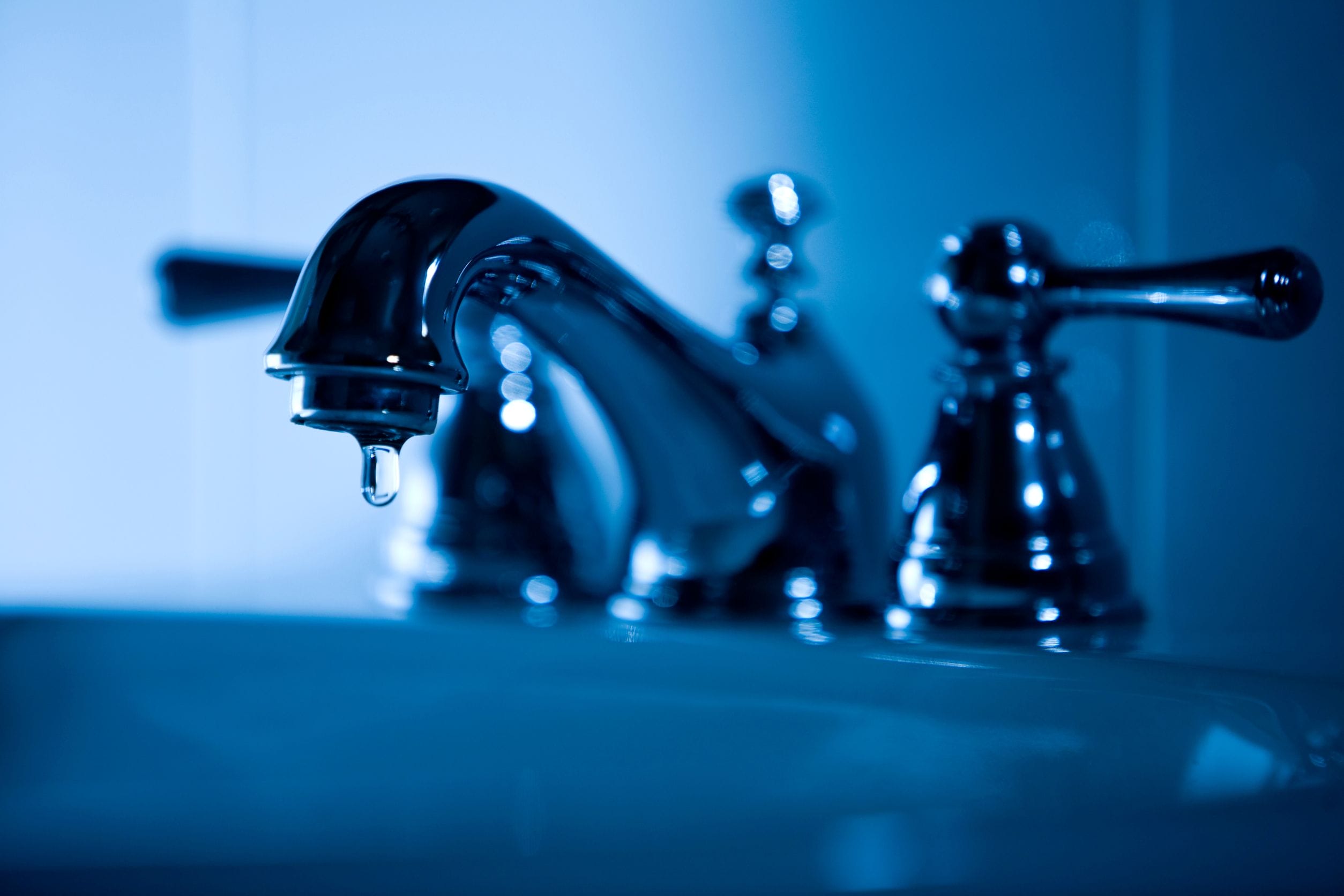
1. Leaky Faucets

Leaky Faucets

Canva

That drip-drip-drip isn’t just a nuisance; it’s a drain on your wallet. A single leaky faucet can waste gallons of water a day, adding unnecessary costs to your water bill. The fix is usually as simple as replacing a worn washer or tightening a few screws. You can find tutorials online that will guide you step-by-step, or you can pick up a DIY repair kit from your local hardware store. Patching up these leaks is a quick win in the battle against wasteful spending.


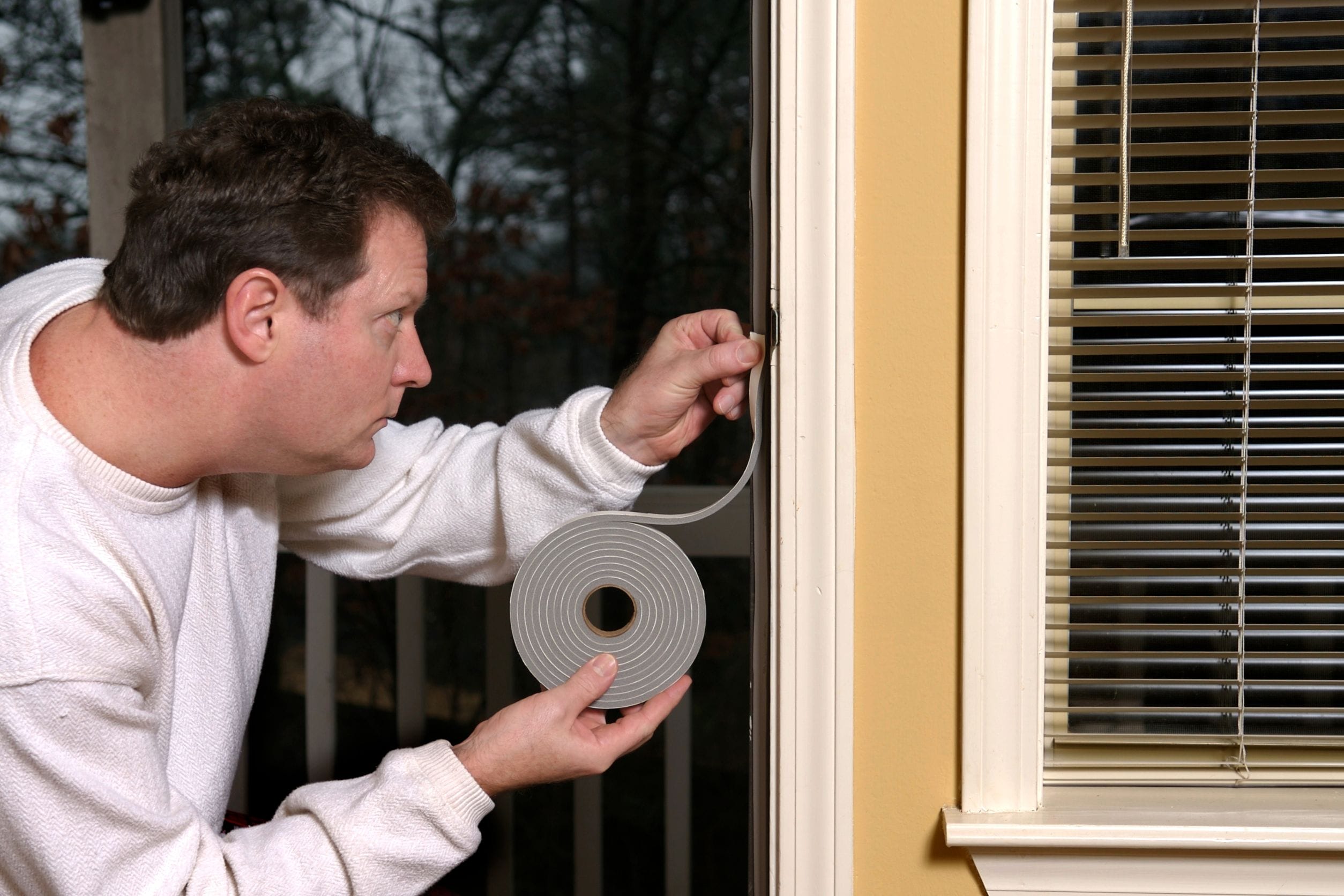
2. Old Weather Stripping

Old Weather Stripping

Canva

Weather stripping around doors and windows keeps the outside air where it belongs, outside. If it’s worn out, though, it’s likely letting air sneak in, making your heating and cooling system work harder and costing you more. Check for drafts by holding a candle near window frames and doors on a windy day; if the flame flickers, you’ve got a leak. Replacing weather stripping is cheap and easy, and it can make a big difference in your energy bills.

3. Inefficient Light Bulbs

Inefficient Light Bulbs

Canva

Still, lighting up your home like it’s the early 2000s? It’s time to switch to LED bulbs. LEDs use a fraction of the electricity of traditional incandescent bulbs and last way longer. Although they’re a bit pricier upfront, the savings on your energy bills will more than makeup for the initial cost. Plus, they come in various hues to enhance the ambiance of your home. Efficiency can indeed be beautiful!

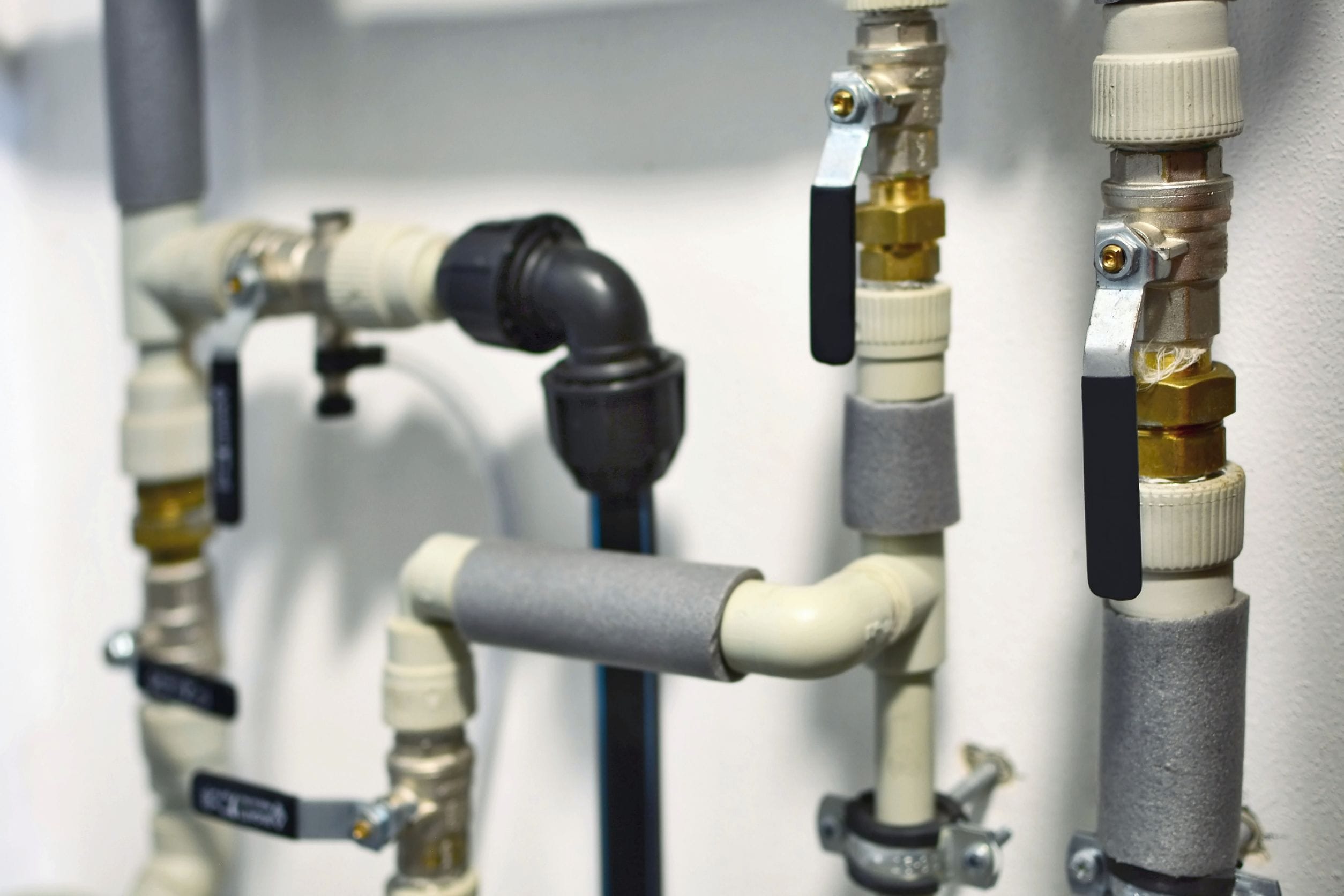
4. Uninsulated Pipes

Uninsulated Pipes

Canva

Heating water can be a major power hog, especially if your pipes aren’t insulated. This causes your water heater to work overtime to keep hot water hot while it travels through your home. Foam pipe insulation is cheap, easy to install, and can save you a bundle by reducing heat loss. Just wrap it around your pipes, and you’ll keep the heat where it needs to be. Say goodbye to lukewarm showers and high energy bills!

5. Unused Chargers and Appliances

Unused Chargers and Appliances

Canva

Did you know that chargers plugged in without being attached to their devices still draw power? This “phantom load” can be a sneaky addition to your electric bill. The same goes for appliances that are turned off but plugged in. Unplug these energy vampires when they’re not in use, or invest in a smart power strip that cuts power when devices are fully charged or not in use. A small change with potentially big savings!

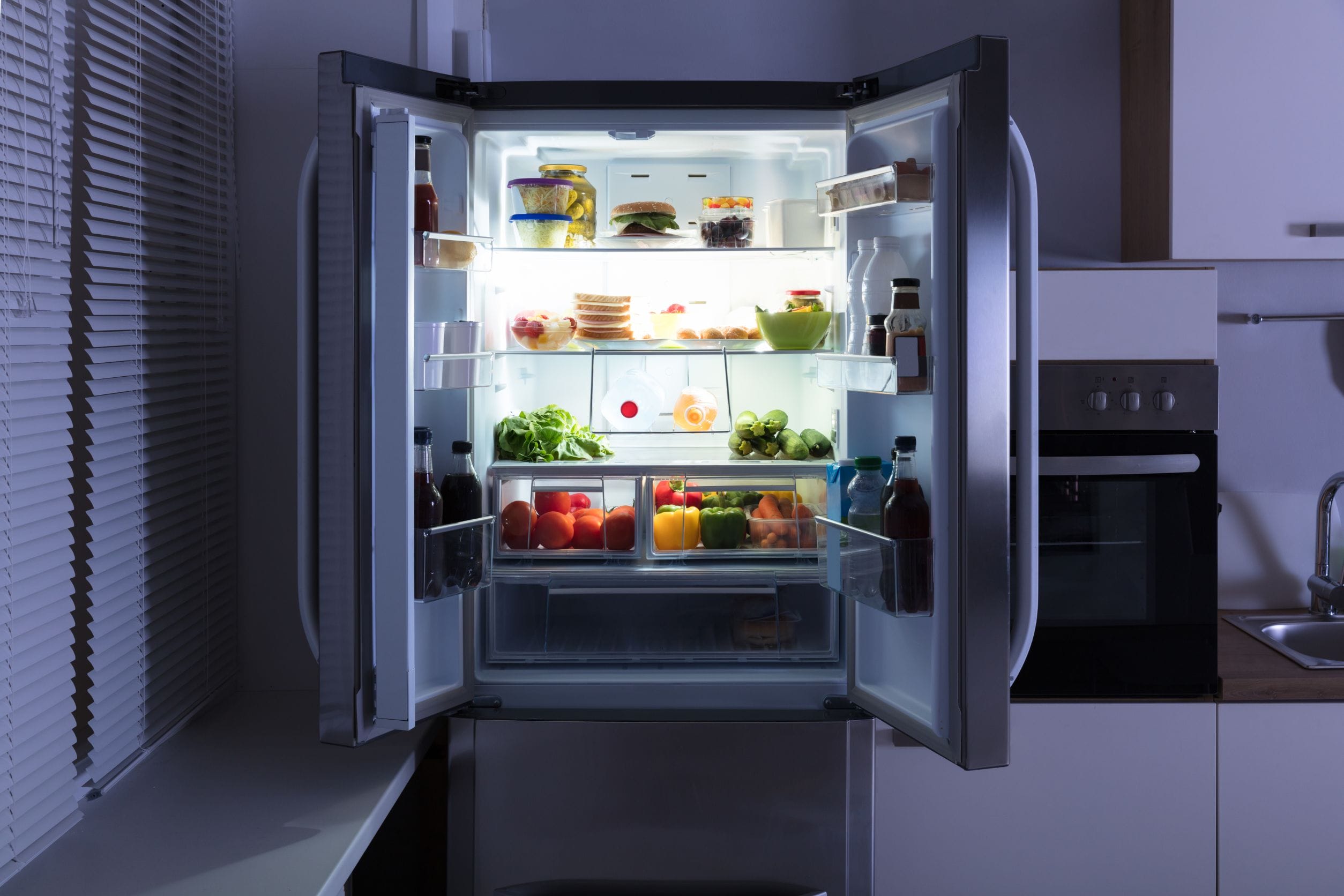
6. Dusty Fridge Coils

Dusty Fridge Coils

Canva

When was the last time you cleaned the coils on your refrigerator? Dirty coils make your fridge work harder to keep cool, using more energy and hiking up your power bill. Pull your fridge away from the wall, unplug it, and use a coil brush or vacuum attachment to remove the dust. This should be done at least once a year to keep your fridge running efficiently. An easy, often overlooked maintenance task that can prolong the life of your appliance and improve its efficiency.

7. Running Toilets

Running Toilets

Canva

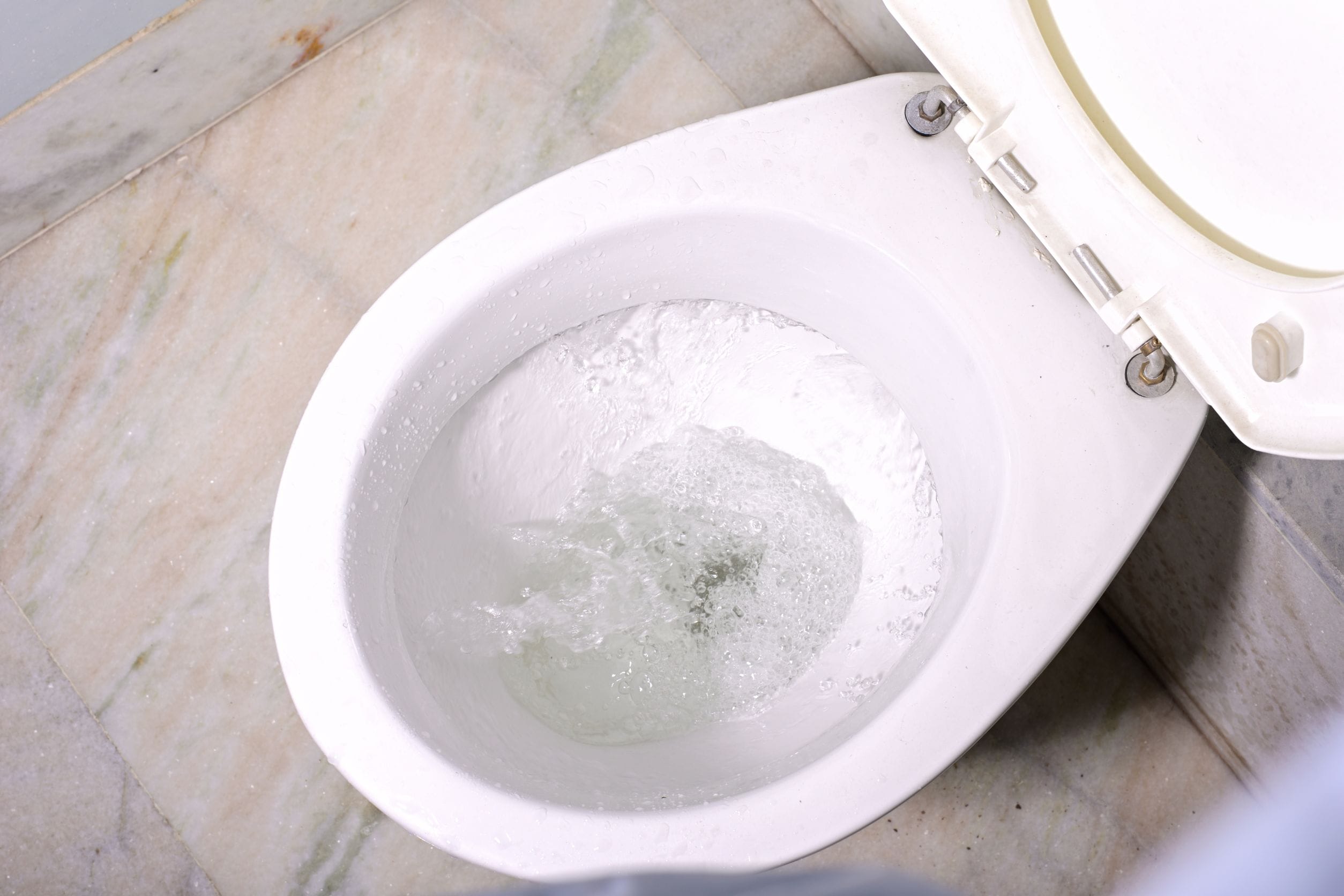
A running toilet can waste up to 200 gallons of water a day, talk about flushing money down the drain! Often, the issue is with a faulty flapper or float. Toilet repair kits are available at any hardware store and are simple enough to install yourself. Fixing this can be one of the most cost-effective repairs you can make in your home. Plus, it’s satisfying to finally silence that constant running noise.

8. Poor Attic Insulation

Poor Attic Insulation

Canva

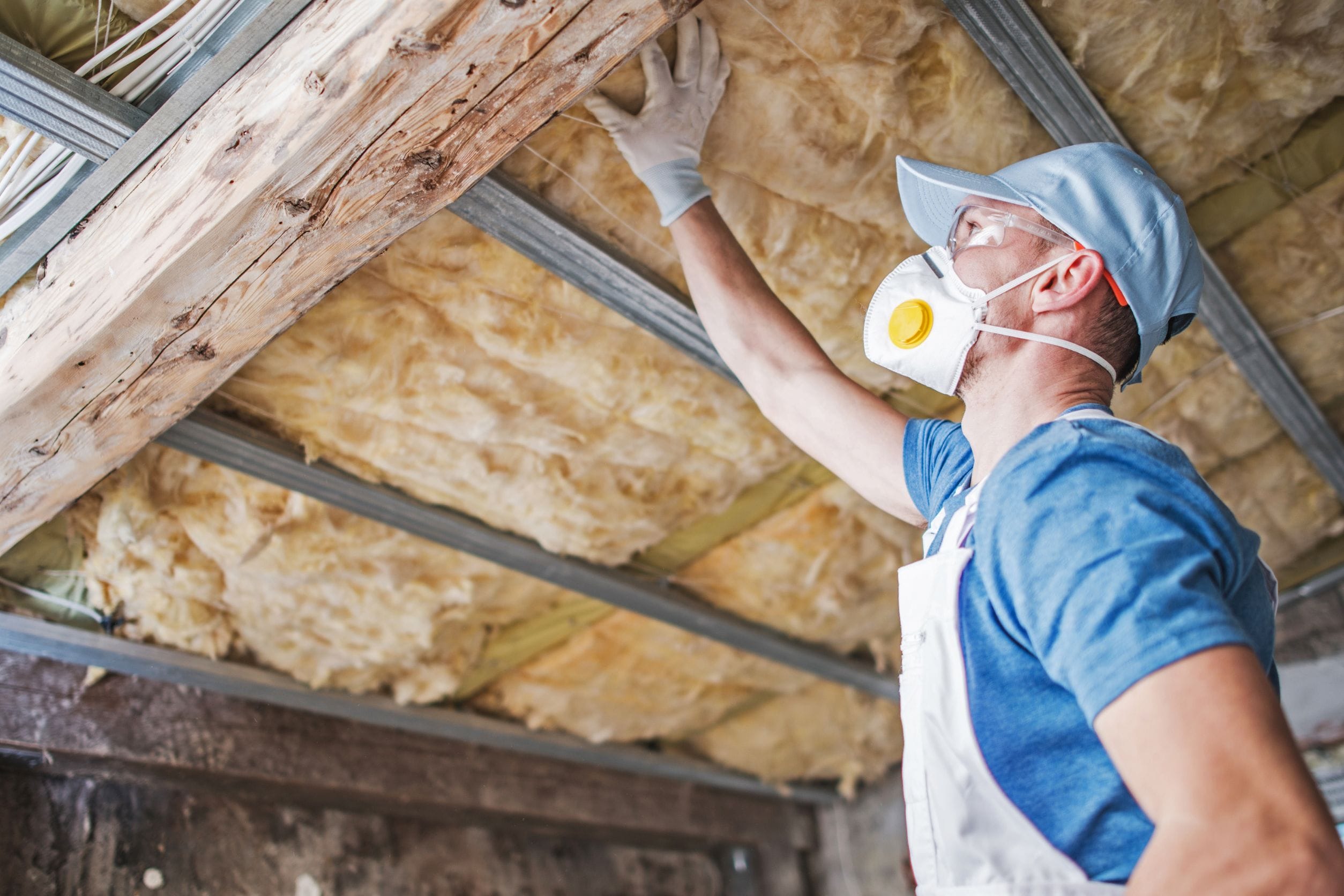
Poor insulation in your attic isn’t just a problem in winter; it affects your home’s efficiency year-round. If your home feels drafty in winter or too hot in summer, it’s likely time to reassess your attic’s insulation. Adding insulation can be a weekend project that pays off substantially in energy savings. Check out local rebates or tax credits for insulation upgrades; it might cost less than you think. This is a long-term investment that keeps on giving.

9. Overwatering Your Lawn

Overwatering Your Lawn

Canva

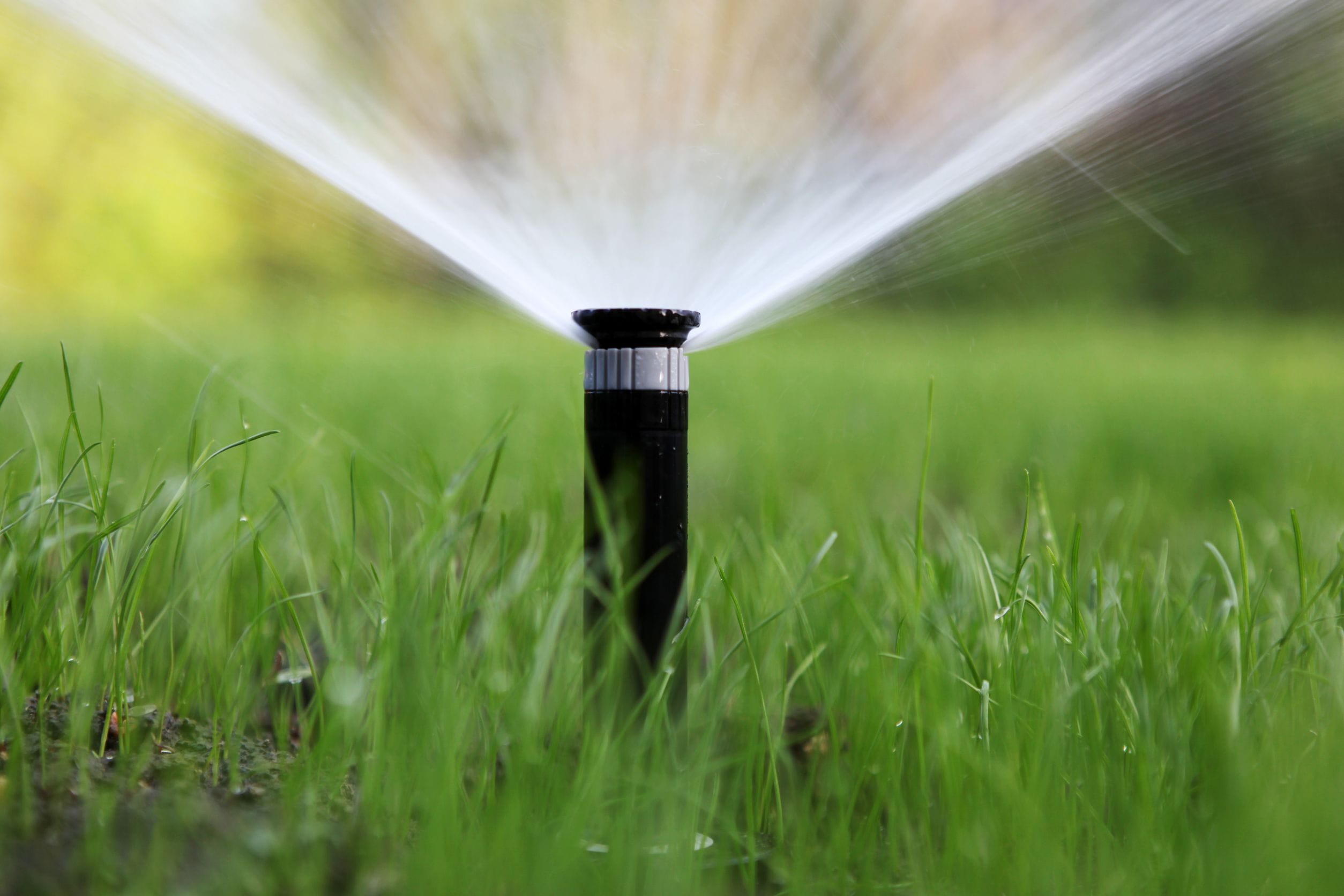
Keeping your lawn lush and green shouldn’t mean wasting water. Overwatering not only harms your grass but also inflates your water bill. Invest in a timer for your sprinkler system to water during the coolest parts of the day and only when necessary. Adjusting your watering schedule based on the season can also reduce excess water use. Plus, healthier grass means a more beautiful yard!

10. Ignored Air Filters

Ignored Air Filters

Canva

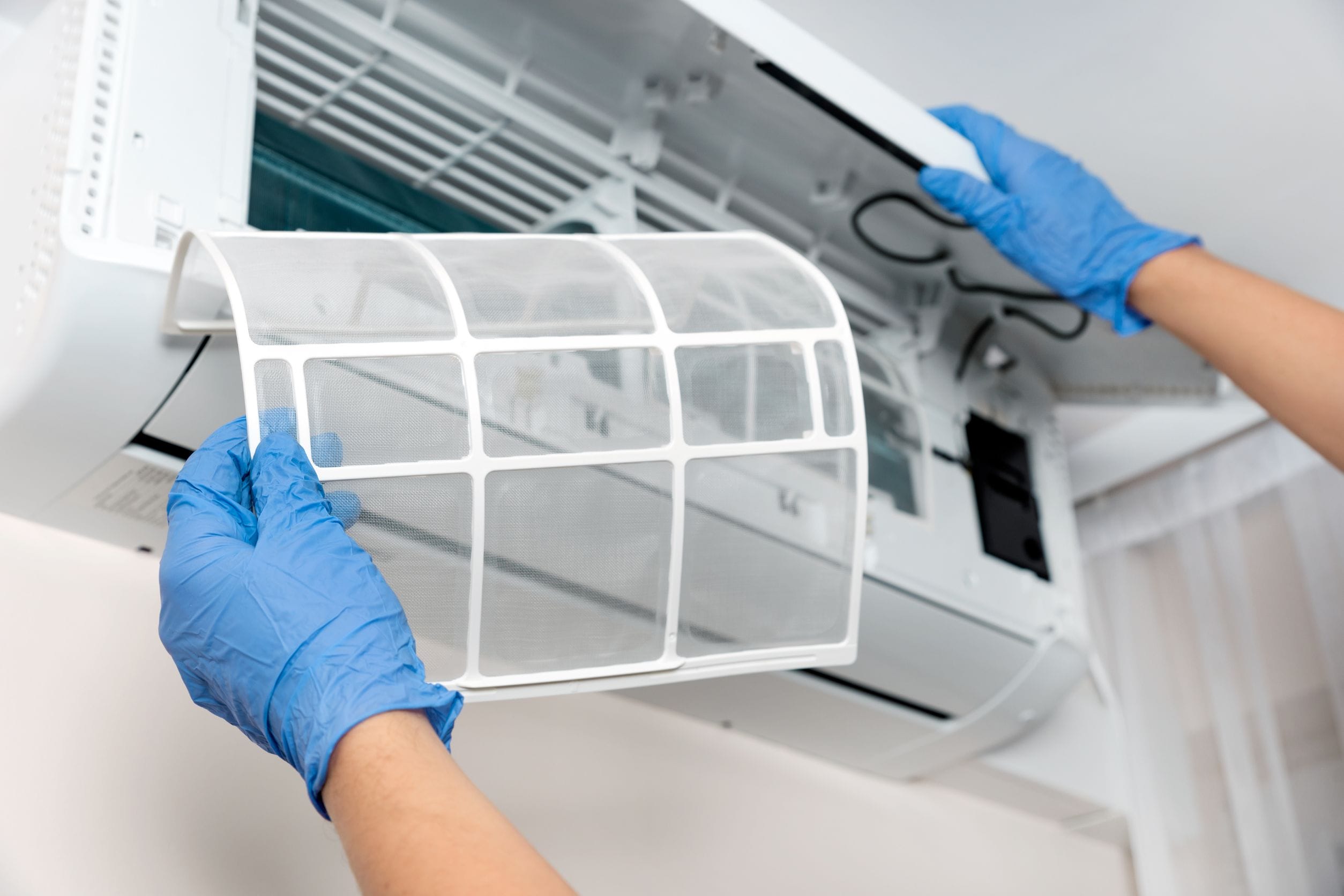
If your heating or cooling system feels sluggish, the culprit could be a dirty air filter. Filters that are clogged with dust and debris restrict airflow and make your system work harder, which costs you more. Check your filters monthly and replace them at least every three months. Keeping your air clean not only improves your home’s air quality but also its energy efficiency.

Sealing the Deal on Savings

house repair savings

123rf

Addressing these 10 money leaks in your home isn’t just about cutting costs; it’s about optimizing your living space for efficiency and comfort. With a few tweaks and some DIY spirit, you can transform your home into a more energy-efficient, cost-effective place. Start plugging those leaks today and watch your utility bills shrink, and your savings grow. Remember, a penny saved is a penny earned, especially when it comes from simple fixes around your home!

Vanessa Bermudez
Vanessa Bermudez
Vanessa Bermudez is a content writer with over eight years of experience crafting compelling content across a diverse range of niches. Throughout her career, she has tackled an array of subjects, from technology and finance to entertainment and lifestyle. In her spare time, she enjoys spending time with her husband and two kids. She’s also a proud fur mom to four gentle giant dogs.

Filed Under: money management Tagged With: Cost Cutting Tips, DIY Home Repairs, Energy Efficiency, Home Savings, sustainable living

Why We Love Lists: A Deep Dive into Our Obsession with Order

June 7, 2024 by Vanessa Bermudez Leave a Comment

obsession with list

Canva

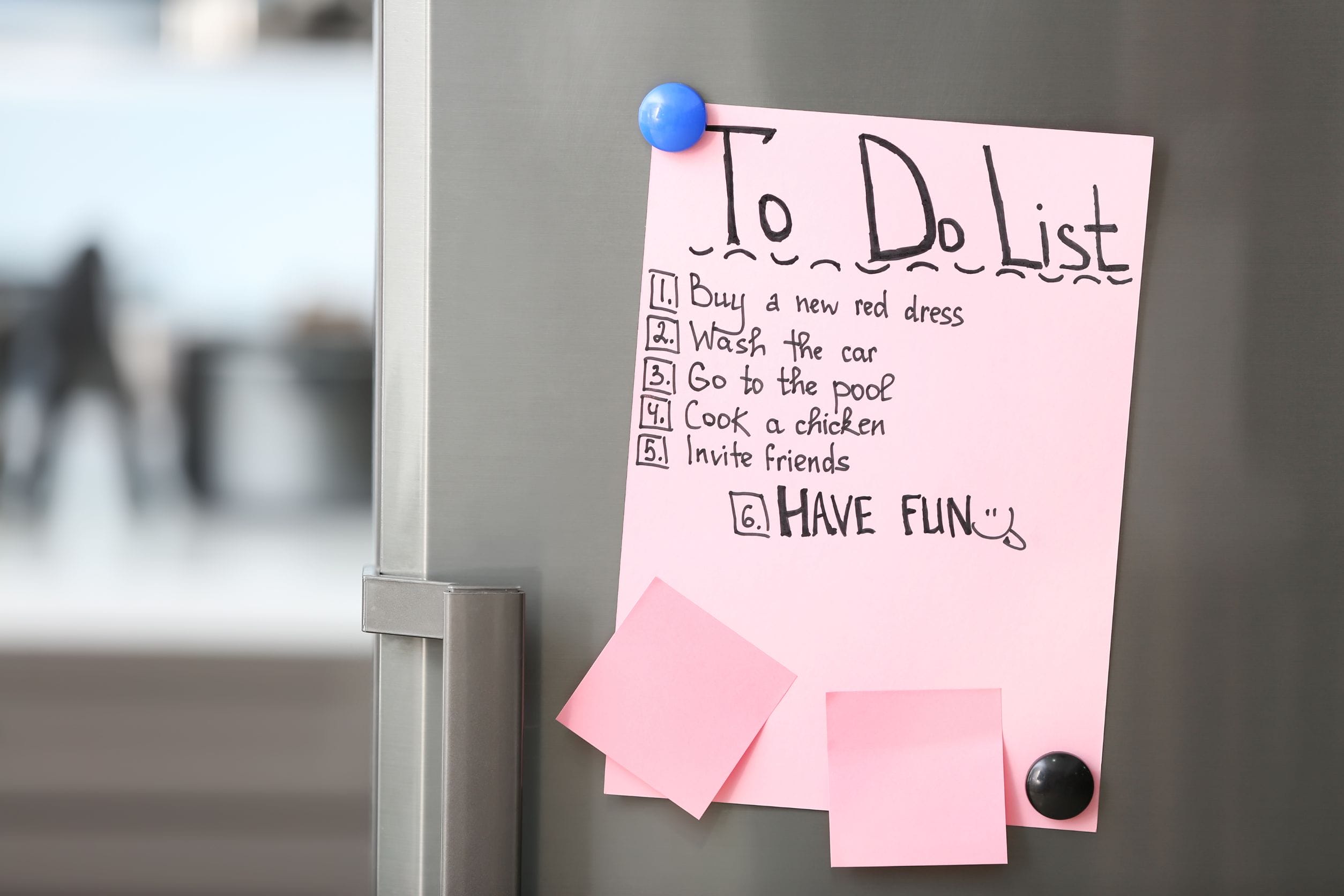
Who doesn’t love a good list? From the top ten countdowns on your favorite music channel to the checklists we tick off daily, lists organize our world in a neat, digestible format. But why are we so drawn to them? What is it about ordering our preferences, tasks, and even random thoughts into lists that feel so satisfying? Let’s unpack this obsession with order, list-style of course!

1. Lists Bring Order to Chaos

Lists Bring Order to Chaos

Canva

In a world where information bombards us from all directions, lists help us make sense of the chaos. They break down complex information into manageable chunks, making it easier to process and remember. Whether it’s a grocery list or a list of pros and cons when making a decision, lists help us prioritize and focus on what’s important. They are the mental equivalent of decluttering a crowded room. Suddenly, what seemed overwhelming becomes approachable.

2. Simplify Decision-Making

Simplify Decision-Making

Canva

Lists are decision-making tools. By laying out options in a list format, we visually parse our choices more systematically. This can be especially useful when decisions are tough, and the stakes are high. Lists force us to organize our thoughts, weigh alternatives, and see the bigger picture. It’s no wonder that pros and cons lists are so popular for making tough choices!

3. The Joy of Checking Things Off

The Joy of Checking Things Off

Canva

There’s a profound sense of accomplishment that comes from checking items off a list. Completing tasks and physically marking them off provides a visual representation of progress. This not only motivates us to keep going but also boosts our mood. The act taps into our brain’s reward center, releasing a hit of dopamine, the feel-good neurotransmitter. That’s why finishing even a small task can make us feel like we’re conquering the day.

4. Lists Help Us Remember

Lists Help Us Remember

Canva

Our brains are wired to recall structured information better than random streams. Lists leverage this by organizing data in a pattern that’s easier to remember. Whether it’s a list of historical dates or a sequence of events, structuring information into a list enhances recall. This is particularly handy in educational settings or when learning new skills. If you want to remember something, list it!

5. Lists Can Be a Form of Expression

Lists Can Be a Form of Expression

Canva

Lists aren’t just about utility; they’re a medium for self-expression. People curate lists of their favorite books, movies, or songs, which say a lot about their personalities and preferences. These lists are shared on social media, blogs, and between friends as a form of identity. They tell a story about who we are, what we value, and how we see the world. Lists are personal narratives compacted into an easily digestible format.

6. The Aesthetic Appeal of Lists

The Aesthetic Appeal of Lists

Canva

There’s something inherently pleasing about the symmetry and order of a list. The clean lines and organized format are visually appealing and can be soothing to look at. This aesthetic pleasure is why many productivity apps and tools are designed around list-making. People enjoy the process of creating, organizing, and viewing lists. It’s the visual satisfaction of seeing everything in its right place.

7. Lists Foster Creativity

Lists Foster Creativity

Canva

Contrary to the notion that lists are rigid, they can actually be a springboard for creativity. When brainstorming ideas, listing them out can spark connections between seemingly unrelated concepts. This can lead to innovative solutions and new ideas. Lists provide a framework that can be played with, rearranged, and expanded upon. They are a tool for creative thinking as much as they are for organizing.

8. Connect Us with Others

Connect Us with Others

Canva

Sharing lists is a way to connect with others with similar interests or experiences. From reading lists to bucket lists, these compilations offer a glimpse into our aspirations and inspirations. They facilitate conversations and can help build communities around shared passions. Lists are a social currency in the digital age, where “top 10” and “best of” compilations dominate our feeds, linking us through our shared preferences.

9. Aid in Goal Setting

Aid in Goal Setting

Canva

Lists are instrumental in goal setting and achieving long-term objectives. By breaking larger goals into smaller, actionable items, lists make daunting tasks feel more attainable. They help us plan steps, track progress, and maintain focus on our ultimate objectives. Whether it’s career milestones or personal development goals, lists keep us aligned and driven. They turn dreams into to-dos.

10. Lists Give Us Control

Lists Give Us Control

Canva

Creating a list is an act of taking control. In organizing our thoughts and tasks, we are asserting our ability to influence our environment. This can be empowering, especially in uncertain times. Lists reassure us that we have a plan, a structure we can rely on. They give us a semblance of control over our time and our lives, which can be incredibly comforting.

List-Lovers, Unite!

Connect Us with Others

Canva

Our love for lists is deeply embedded in our desire for order, clarity, and expression. They are powerful tools that simplify, beautify, and enhance our lives. Whether you’re a meticulous planner or a creative thinker, embracing the list can lead to greater productivity, creativity, and personal satisfaction. So, next time you write a list, remember that it’s not just about getting things done; it’s about bringing order and intent into your life.

Vanessa Bermudez
Vanessa Bermudez
Vanessa Bermudez is a content writer with over eight years of experience crafting compelling content across a diverse range of niches. Throughout her career, she has tackled an array of subjects, from technology and finance to entertainment and lifestyle. In her spare time, she enjoys spending time with her husband and two kids. She’s also a proud fur mom to four gentle giant dogs.

Filed Under: Lists Tagged With: Creative Thinking, Decision Making, Organizational Tips, Productivity Hacks, Psychology of Lists

11 Home Improvement Trends You’ll Probably Regret

June 7, 2024 by Vanessa Bermudez Leave a Comment

renovating a home

123rf

In the fast-paced world of home decor, what’s hot today can quickly become not tomorrow. Jumping on the latest home improvement trend might seem like a great idea at the moment, but some choices can lead to buyer’s remorse down the line. Whether it’s impractical designs or overly bold style choices, let’s walk through 11 home improvement trends that might have you saying, “What was I thinking?” in a few years.

1. Ultra-Complicated Technology

Ultra-Complicated Technology

123rf

Smart homes are in, but overly complicated systems could be out. While integrating technology into your home is cutting-edge, too much tech can be overwhelming. Think twice before wiring every light and sound with a complex system that could be obsolete in a few years or difficult for the next homeowner to love. Plus, if the technology fails, you could be left with a headache-inducing repair job. Simplicity often ages more gracefully in the tech world.

2. Over-The-Top Wallpaper

Over-The-Top Wallpaper

123rf

Bold, busy wallpaper might capture your heart today, but it can quickly wear out its welcome. Patterns that are overly loud can make a room feel smaller and more cluttered. They can also be a nightmare to remove when you decide it’s time for a change. If you’re drawn to patterns, consider using them on accent pieces or a single focal wall instead. This way, you can enjoy the trend without committing to a labor-intensive redo later.

3. Excessive Open Shelving

Excessive Open Shelving

Canva

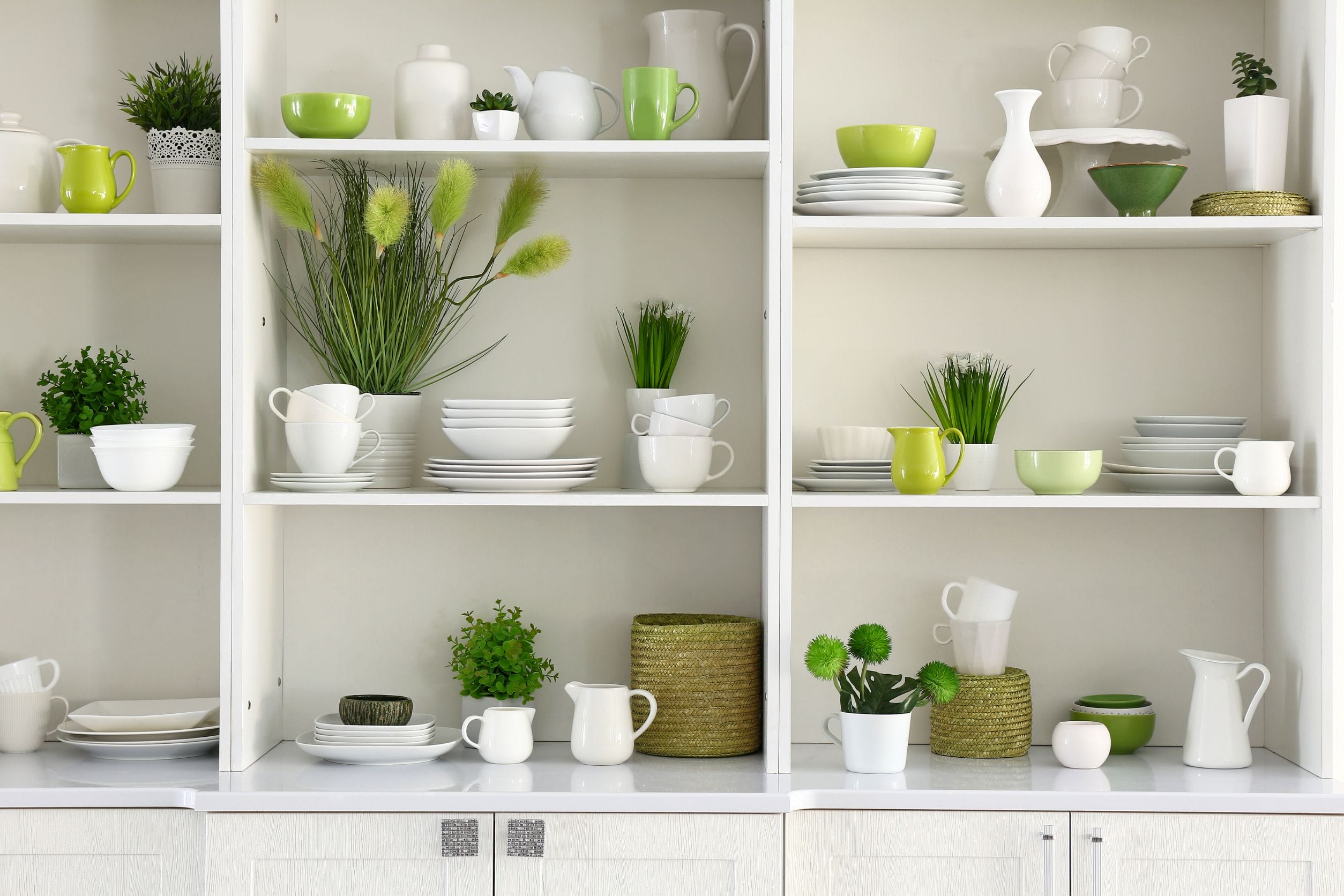
Open shelving has stormed the design scene, offering a chic, airy look. However, it demands constant organization and cleaning. If your daily life doesn’t allow time to keep everything meticulously arranged, this trend can turn your space into a cluttered mess. Plus, open shelves in kitchens collect dust and grease, making them harder to maintain. They’re beautiful when styled right but can be impractical for many.

4. Barn Doors

Barn Doors

Canva

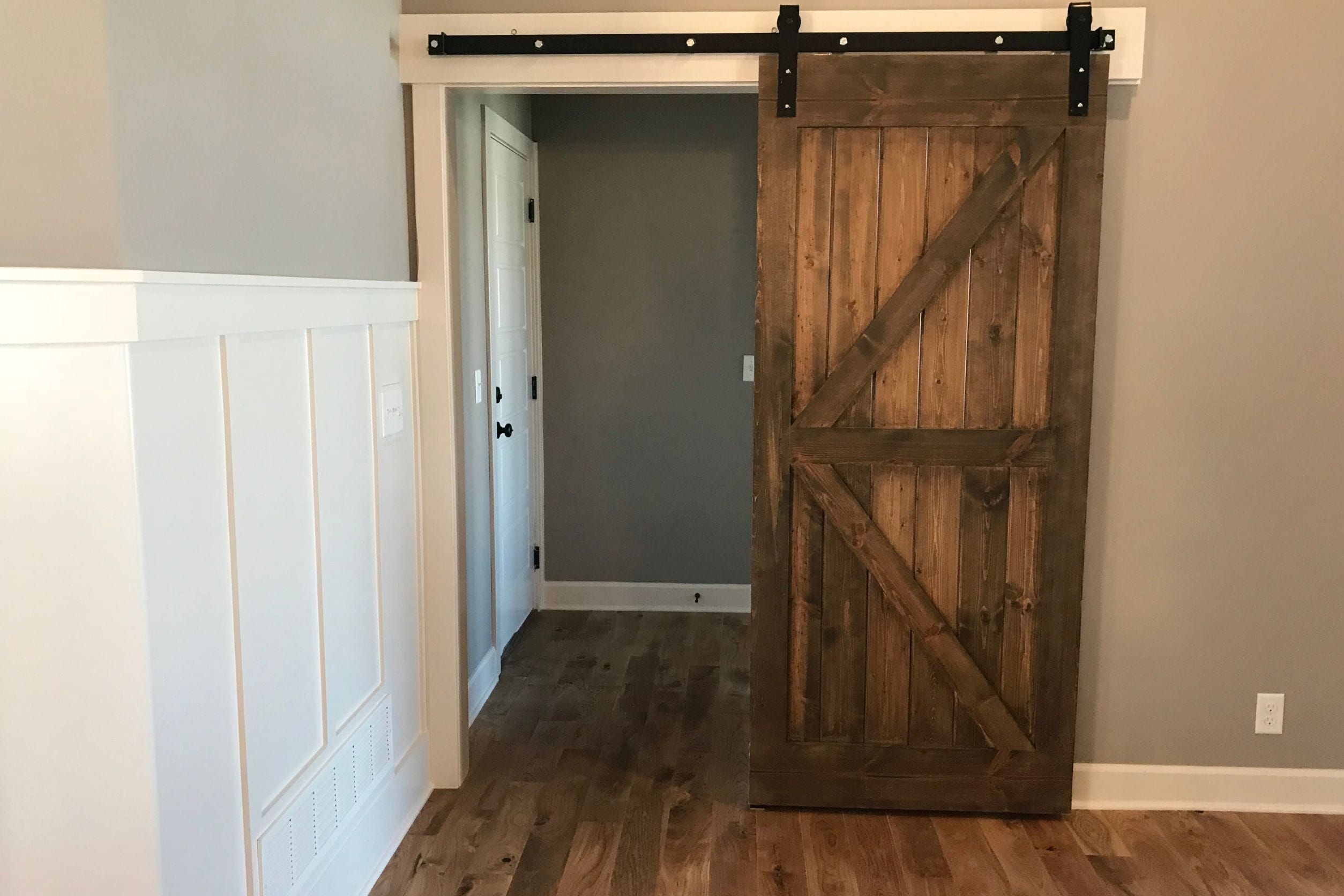
Barn doors can add a charming, rustic touch when used correctly, but they aren’t always practical. They don’t seal off rooms as well as traditional doors, meaning privacy and noise control can be compromised. They also require sufficient wall space on one side to slide, which limits their use in smaller rooms. While attractive, think about whether their functionality matches your living needs before installing. Otherwise, they might just be a passing fancy.

5. All-White Everything

All-White Everything

Canva

The all-white aesthetic is sleek and modern but can be incredibly hard to maintain. Every smudge, scratch, and speck of dirt is visible against a stark white backdrop. This trend also lacks warmth and can make a space feel cold and uninviting. If you love the clean look, try mixing in some warm tones or textures to balance out the sterility. It’s a trend that requires a lot of upkeep and is a perfect match for very tidy individuals.

6. Industrial Overload

Industrial Overload

Canva

While industrial design elements can bring an edgy, contemporary vibe, too much can feel cold and unwelcoming. Exposed pipes and ducts, concrete floors, and metal fixtures are great in moderation but can make a home feel more like a warehouse. To avoid this, mix industrial elements with softer textures and warmer colors to create a balanced, homey feel. This way, you get the cool factor without the starkness. Remember, a home should feel like a home, not a factory.

7. Tiny Home Offices

Tiny Home Offices

Canva

With more people working from home, tiny offices have become a trend. However, squeezing a workspace into a too-small area can hinder productivity and quickly feel cramped. If you’re dedicating space to a home office, make sure it’s adequate to comfortably accommodate your work needs. It’s better to convert a larger area than regret a small, insufficient space. Effective home offices need room to breathe!

8. Overly Themed Rooms

Overly Themed Rooms

Canva

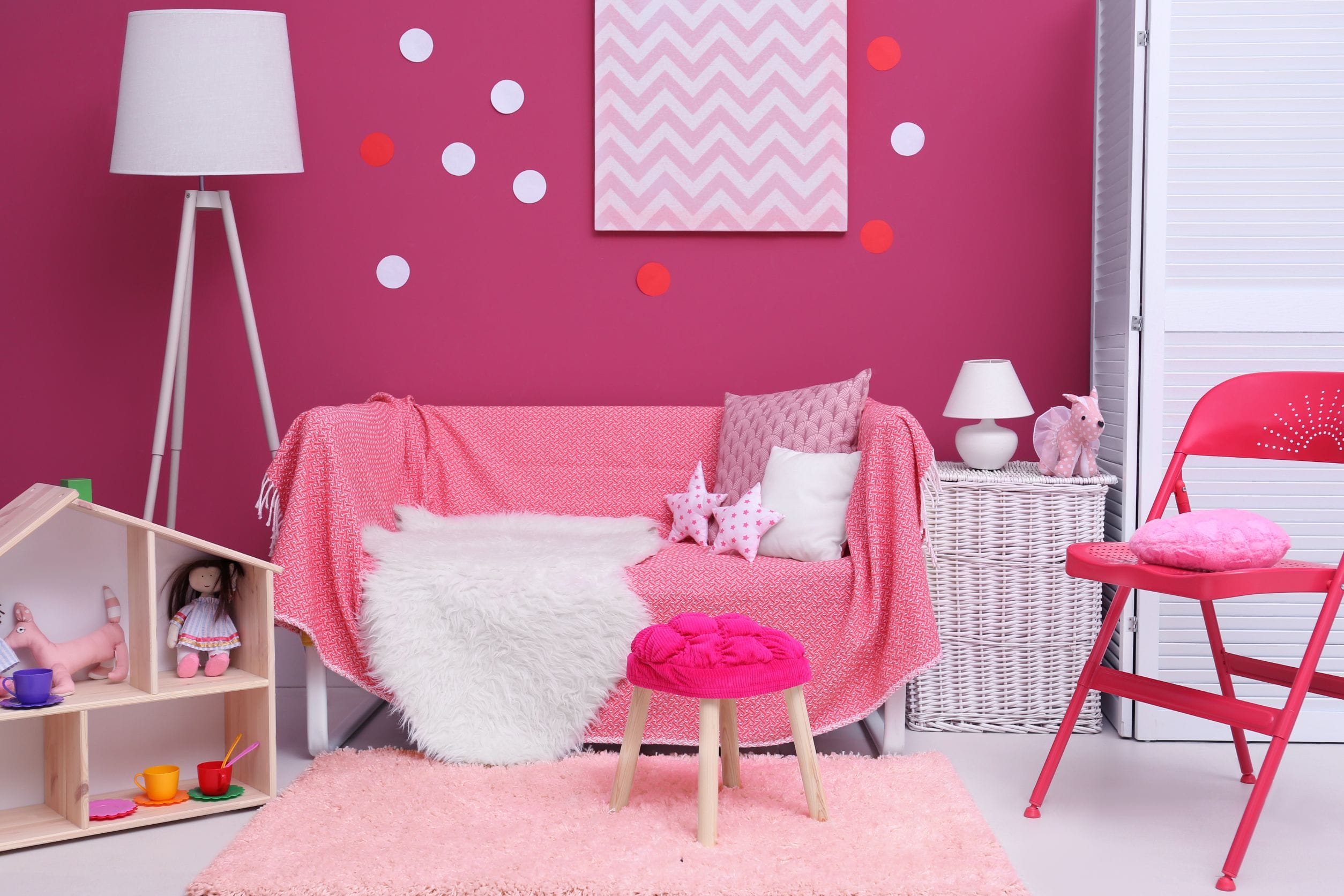
Themed rooms can be fun but often don’t age well. Whether it’s a nautical bedroom or a cinema-style living room, these spaces can quickly become dated or kitschy. If you love a theme, incorporate elements subtly rather than letting them take over the room. This way, you can enjoy your interests without committing to a design that might feel out of place in the future. Themes are best when they’re a nod, not a shout.

9. Mirrored Furniture

Mirrored Furniture

Canva

Mirrored furniture can add a touch of glamour, but it also attracts fingerprints and dust like a magnet. This furniture requires constant cleaning to keep it looking good. It also runs the risk of looking dated very quickly as its popularity peaks and troughs dramatically. If you’re drawn to the reflective look, try incorporating mirrors in smaller decor items instead. This provides the sparkle without the high maintenance.

10. Single-Use Spaces

Single-Use Spaces

Canva

Creating rooms dedicated to a single purpose, like a home cinema or a gym, might seem appealing but often leads to underutilization. These spaces can also be a turn-off for future buyers who may not share your

interests. Instead, aim for multi-functional spaces that can adapt to various needs over time. This flexibility can make your home more appealing to a broader audience and more practical for your own use.

11. Minimalist Extremes

Minimalist Extremes

Canva

Minimalism is beautiful and calming, but an extreme minimalist look can make a home feel uninhabited and unwelcoming. It’s important to strike a balance between uncluttered spaces and a lived-in feel. Too little in a room can echo and feel stark, while the right amount of decor can make it warm and inviting. Consider the practicalities of minimalist living before stripping everything back. A home should be a place of comfort, not just a showcase.

Future-Proof Your Home Improvements

Future-Proof Your Home Improvements

123rf

While it’s fun to explore the latest trends, it’s wise to consider how they’ll fit into your life in the long run. The key to a regret-free home makeover is balance, mixing trendy with timeless, bold with understated. By choosing adaptable, practical improvements, you ensure that your home remains both modern and functional, no matter the passing fads. Remember, the best trend is the one that makes you happy and serves your lifestyle for years to come.

Vanessa Bermudez
Vanessa Bermudez
Vanessa Bermudez is a content writer with over eight years of experience crafting compelling content across a diverse range of niches. Throughout her career, she has tackled an array of subjects, from technology and finance to entertainment and lifestyle. In her spare time, she enjoys spending time with her husband and two kids. She’s also a proud fur mom to four gentle giant dogs.

Filed Under: Real Estate Tagged With: Decor Trends, Home Decor Mistakes, Home Improvement, interior design, Trendy Home Tips

14 Common Misconceptions About Professional Athletes That Need to Stop

June 6, 2024 by Vanessa Bermudez Leave a Comment

athlete

Canva

There’s a lot more to professional athletes than what meets the eye. Often viewed through the lens of their on-field persona or tabloid snippets, these individuals face a barrage of misconceptions that skew public perception. It’s time to tackle some of these myths head-on and paint a clearer picture of the dedication, challenges, and reality of being a professional athlete.

1. They’re All Millionaires

They're All Millionaires

Canva

Think every professional athlete is swimming in money? Think again. While top-tier athletes in major sports might rake in significant sums, many professionals in less popular sports or lower leagues manage with much more modest incomes. Athletes often have short career spans, and their high-earning period is typically limited. Financial stability is not a guarantee, and many are wise to plan career paths post-retirement.

2. It’s All About Natural Talent

It's All About Natural Talent

Canva

Sure, natural talent helps, but it’s far from the only ingredient in the success recipe. Professional athletes spend countless hours training, practicing, and studying their sport. The dedication to improving, both physically and mentally, is immense. Behind every effortless performance is a backdrop of sweat, discipline, and relentless perseverance. Debunking this myth highlights their hard work and commitment.

3. They Lead Glamorous Lives

They Lead Glamorous Lives

Canva

From the outside, the life of a professional athlete may seem like an endless stream of glamour and parties. However, the reality is often quite different. Their schedules are packed with rigorous training sessions, strict dietary regimes, and constant travel that leaves little time for leisure. The pressure to perform can be overwhelming, and living in the public eye is not as glamorous as it appears. This misconception glosses over the hard truths about the athlete lifestyle.

4. Sports Is All They Know

Sports Is All They Know

Canva

While sports are a massive part of their lives, many athletes have interests and skills outside of their sports careers. Some are accomplished musicians, avid gamers, or enthusiastic about philanthropy. They often pursue education and business ventures, preparing for life after sports. This diversity in interests and skills enriches their personalities and capabilities beyond just sports. Athletes are multifaceted individuals with a lot to offer.

5. They Don’t Work as Hard as ‘Regular’ People

They Don't Work as Hard as 'Regular' People

Canva

The idea that athletes don’t work hard because they play a “game” for a living is wildly inaccurate. Their intense training regimens can be more demanding than many traditional jobs. In addition to physical training, they engage in rigorous and time-consuming mental conditioning and recovery processes. The effort to stay at peak performance level is an ongoing, full-time commitment. This work ethic deserves as much respect as any professional pursuit.

6. They’re All in Perfect Health

They're All in Perfect Health

Canva

While athletes generally maintain peak physical conditions, they are not immune to health issues. The demands of their sports can lead to injuries and long-term health problems. Mental health is also a critical concern, with many athletes experiencing pressure, stress, and anxiety. Health challenges are part of the territory, and maintaining fitness is a constant struggle against physical wear and tear. This misconception undermines the vulnerabilities they face.

7. They Have No Academic Interests

They Have No Academic Interests

Canva

Many people assume that athletes prioritize sports over education, but this is not universally true. Numerous athletes value education highly, with many holding college degrees and some even pursuing advanced education. Colleges and sports organizations often encourage athletes to focus on their studies alongside their sports commitments. Education serves as a crucial backbone for life after sports. It’s important to recognize their academic achievements and aspirations.

8. They’re Overpaid

They're Overpaid

Canva

This argument pops up frequently but fails to consider the broader picture. Athletes’ salaries are high because of the immense revenue they help generate for their leagues, teams, and sponsors. Their careers are also unusually short compared to other professions, which justifies higher earnings during active years. Moreover, they face significant risks of injury and a lack of job security. The financial compensation is a complex issue, not merely a matter of being “overpaid.”

9. Stereotypes About Their Personal Lives

Stereotypes About Their Personal Lives

Canva

There’s a stereotype that professional athletes are prone to irresponsible behavior in their personal lives. While scandals do make headlines, they represent a small fraction of athletes. Most lead responsible, committed lives, balancing personal relationships with professional demands. The generalization from sensational stories creates an unfair and distorted image. It’s essential to differentiate individual actions from collective stereotypes.

10. They Can Easily Switch to Media or Coaching

They Can Easily Switch to Media or Coaching

Canva

Transitioning to a role in media or coaching post-retirement is not as simple as it seems. While some athletes make this switch seem seamless, it requires a different set of skills and significant preparation. Not every athlete wants to stay in the spotlight or has the aptitude for coaching or broadcasting. Career transitions are a personal journey that involves much more than just leveraging one’s athletic fame.

11. They Have Easy Access to Performance-Enhancing Drugs

They Have Easy Access to Performance-Enhancing Drugs

Canva

The myth that performance-enhancing drugs are easily accessible and widely used in professional sports undermines the integrity of athletes. Strict anti-doping regulations are in place, and athletes undergo rigorous testing regularly. The vast majority play clean and respect the rules of their sport. This misconception tarnishes the reputation of professional sports and overlooks the commitment of clean athletes.

12. They’re Always Confident

They're Always Confident

Canva

Confidence is crucial in sports, but like anyone else, athletes experience doubts and insecurities. The constant pressure to perform can erode self-confidence, and setbacks can be hard to handle. Athletes work continuously with coaches and psychologists to build and maintain their confidence. Understanding this can foster a more empathetic view of the psychological challenges they face.

13. They Are Naturally Resilient to Stress

They Are Naturally Resilient to Stress

Canva

While resilience is a trait many athletes develop, it’s not inherent or exclusive to them. They face immense pressure to perform, which can be incredibly stressful. Learning to manage stress effectively is part of their training, but they still experience moments of vulnerability. Recognizing their need for support in building resilience can lead to better mental health resources for athletes.

14. Only Peak Performances Matter

Only Peak Performances Matter

Canva

The focus on highlights and winning moments overshadows the reality of most athletes’ careers, which involve both highs and lows. The constant emphasis on peak performances can create unrealistic expectations and immense pressure. Athletes value growth, consistency, and effort just as much as peak results. Celebrating their journey, not just the outcome, provides a more balanced perspective on their careers.

Changing the Game by Changing Perceptions

Changing the Game by Changing Perceptions

Canva

By debunking these common misconceptions, we can foster a more nuanced and respectful appreciation for professional athletes. Understanding the true nature of their challenges, commitments, and accomplishments helps us see them not just as sports figures but as complete individuals with diverse capabilities and needs. Let’s shift our perceptions and give athletes the recognition they truly deserve, both on and off the field.

Vanessa Bermudez
Vanessa Bermudez
Vanessa Bermudez is a content writer with over eight years of experience crafting compelling content across a diverse range of niches. Throughout her career, she has tackled an array of subjects, from technology and finance to entertainment and lifestyle. In her spare time, she enjoys spending time with her husband and two kids. She’s also a proud fur mom to four gentle giant dogs.

Filed Under: Myths Tagged With: Athlete Life, Athlete Stereotypes, Professional Sports, Sports Culture, Sports Myths

  • « Previous Page
  • 1
  • 2
  • 3
  • 4
  • 5
  • …
  • 7
  • Next Page »

FOLLOW US

Search this site:

Recent Posts

  • Can My Savings Account Affect My Financial Aid? by Tamila McDonald
  • 12 Ways Gen X’s Views Clash with Millennials… by Tamila McDonald
  • What Advantages and Disadvantages Are There To… by Jacob Sensiba
  • 10 Tactics for Building an Emergency Fund from Scratch by Vanessa Bermudez
  • Call 911: Go To the Emergency Room Immediately If… by Stephen Kanaval
  • 7 Weird Things You Can Sell Online by Tamila McDonald
  • 10 Scary Facts About DriveTime by Tamila McDonald

Copyright © 2026 · News Pro Theme on Genesis Framework