
• Home
  • About Us
  • Getting Finances Done
    • Hiring Advisors
    • Debt Management
    • Spending Plan
  • Insurance
    • Life Insurance
    • Health Insurance
    • Disability Insurance
    • Homeowners/Renters Insurance
  • Contact Us
  • Our Editorial Commitment

The Free Financial Advisor

You are here: Home / Archives for Joe Saul-Sehy

Joe is a former financial advisor and media representative for American Express and Ameriprise. He was the “Money Man” at Detroit television WXYZ-TV, appearing twice weekly. He’s also appeared in Bride, Best Life, and Child magazines, the Los Angeles Times, Chicago Sun-Times, Detroit News and Baltimore Sun newspapers and numerous other media outlets.  Joe holds B.A Degrees from The Citadel and Michigan State University. 

Theories of Fundamental Analysis

February 23, 2016 by Joe Saul-Sehy Leave a Comment

Stock Market

Forex traders utilize fundamental analysis to make better decisions when trading. An extremely valuable tool that forex traders use consistently to better their positions within the trading world is reviewing economic indicators and announcements. The forex trader can utilize a financial calendar to keep track of these indicators and when they are to take place. Presently, there are numerous economic indicators which the forex trader should keep a close eye on to help them better position themselves in a tough trading market. These calendars will provide you with the data point you use to better determine the future direction of the forex market.

Again, there are numerous economic indicators which the forex trader can take advantage of to better position themselves within the markets. Some of these economic indicators consist of The Consumer Price Index (CPI), Producer Price Index (PPI), Purchasing Managers Index (PMI), Non-Farm Payroll, Industrial Production Index (IPI), Retail Sales Report, Gross Domestic Product (GDP) etc.

The Consumer Price Index can be considered one of the most important economic indicators looked at/reviewed by forex traders. The Consumer Price Index is the benchmark for inflation for the United States economy. The Consumer Price Index ascertains the change in the price of a basket of goods and services. Examples of items within the Consumer Price Index would be Other Goods and Services (tobacco, haircuts etc.), Medical Care (medical supplies, doctor’s services etc.), Housing (fuel oil, bedroom furniture etc.) & Food and Beverages (wine, milk, breakfast cereal etc.).

The Producer Price Index or PPI is an additional indicator that measures inflation within the United States. In a nutshell The Producer Price Index is a gauge of wholesale prices at producer level. Items included in the PPI would be items such as consumer goods and capital equipment. The major difference between the PPI and CPI is that the PPI does not include services within its calculation. In addition, the Producer Price Index is reported each month.

The Purchasing Managers Index is another regularly utilized economic indicator used by forex traders. The PMI gauges and is a barometer of business activity within the United States. The market indicator reviews both the manufacturing as well as the services sectors. The Purchasing Managers Index is a survey which queries those respondents about their perception of business variables and if they believe the variables will change from the previous month.

The Non-Farm Payrolls is a key indicator which captures the payroll data for a majority of the United States. The Non-Farm Payrolls does not include non-profit employees, workers within private households, government employees and farm employees. This indicator is also released on a monthly basis and is also a strong indicator of the health of the United States Economy.

Similar to the Consumer Price Index, the Gross Domestic Product is the most important of the economic indicators tracked by forex traders. The Gross Domestic Product includes the total dollar value of goods as well as services produced over a finite time frame. The Gross Domestic Product represents everything produced by individuals and businesses along with salaries of workers. The GDP is scheduled and broadcasted each business quarter by the Department of Commerce.

In closing, fundamental analysis should be utilized by every forex trader and have economic indicators scheduled like clockwork on their financial calendars. Fundamental analysis can help traders make better decisions when it comes to making financial decisions related to forex trades. Fundamental analysis incorporates new information to determine the future direction of a currency pair and provides you with the tool you might need to trade the forex market.

Photo of Joe Saul-Sehy
Joe Saul-Sehy

Joe is a former financial advisor and media representative for American Express and Ameriprise. He was the “Money Man” at Detroit television WXYZ-TV, appearing twice weekly. He’s also appeared in Bride, Best Life, and Child magazines, the Los Angeles Times, Chicago Sun-Times, Detroit News and Baltimore Sun newspapers and numerous other media outlets.  Joe holds B.A Degrees from The Citadel and Michigan State University.

joesaulsehy.com/

Filed Under: Featured, successful investing

Strategies for Handling Unexpected Expenses

February 22, 2016 by Joe Saul-Sehy Leave a Comment

business idea, education, people and technology concept - close up of female hands with calculator, pen and lighting bulb drawing in notebook on table

Only 38 percent of Americans have enough money saved up to cover an unexpected expense such as a $1,000 emergency room visit or a $500 car repair, Bankrate found. Twenty-six percent of respondents said they would cover expenses by reducing spending on other things, 16 percent would borrow from family and friends, and 12 percent would use credit cards. What would you do if you had to pay for a sudden bill? Here are a few strategies to help you prepare for the unexpected.

Build an Emergency Fund

Personal finance author Dave Ramsey recommends saving up a $1,000 emergency fund before pursuing any other financial goals. The purpose of this is to cover unexpected immediate expenses, such as fixing a plumbing emergency or buying new car tires so you can get to work. Store this money in a separate checking account so you’re less tempted to spend it.

After meeting this initial goal and paying off non-mortgage debt, Ramsey recommends saving up enough to cover three to six months of living expenses, in case you lose your job or face a similar situation. In today’s tough economy, saving enough for nine or even twelve months isn’t a bad idea.

Start Budgeting

In order to save up an emergency fund, it will help to create a budget. Two out of three Americans don’t prepare a detailed budget each month, according to a Gallup poll. If you’re new to budgeting, a simple guideline experts recommend is the 50/20/30 rule.

The 50/20/30 rule means that you put 50 percent of your monthly income towards essential expenses such as rent, 20 percent towards financial goals such as building savings and repaying debt, and 30 percent towards discretionary spending on non-essentials such as clothes or entertainment.

Buy Insurance

Having adequate insurance is another preventive measure that can keep you out of financial emergencies. The NEA recommends that in order to have comprehensive insurance against financial emergencies, you should consider a range of possible policies.

Health insurance is essential in the event that a medical emergency treated at somewhere like CSU urgent care hits you with a high hospital bill. Life insurance can protect your loved ones in the event of your death, and some policies enable you to borrow or cash out funds. Disability insurance safeguards you in the event that you’re unable to work. Mortgage life insurance can help your loved ones cover your house payments in the event that something happens to you. Homeowners or renters insurance can protect you against emergencies such as fire or theft. Auto insurance can protect you from the cost of having to replace a vehicle or make repairs.

Finding Financing When You Aren’t Prepared

What if it’s too late to take the preventive measures above and you need to raise funds fast? In this case, you still have a few options. Using your credit card or borrowing from family or friends are the most common strategies. If you need immediate cash and you have a credit card but you can’t take a cash advance or would prefer to avoid the interest, you might offer to take a friend shopping on your credit card in exchange for them giving you the amount of cash you need.

If you’ve got something worth selling, you can use it to raise cash. Some good candidates include gold, silver, collectibles, extra clothes, and books.

You can also sell your labor. If you have freelancing skills in areas such as writing or graphic design, you might advertise them online. Sites such as TaskRabbit let you connect with consumers who need help with chores such as moving, home repair, cleaning, shopping, and event planning. You may also be able to convince people you know to give you money in exchange for promise with help on tasks. For instance, you might promise to babysit a friend’s kids.

Another option is crowdfunding. GoFundMe includes a section where you can raise funds for emergencies. Finally, Need Help Paying Bills lists a wide variety of charities and other resources that provide assistance with bills, mortgage, debt, and other financial burdens.


Articles that are worth the read:

  • Walmart Savings Catcher
  • How Much Do Youtubers Make?
Photo of Joe Saul-Sehy
Joe Saul-Sehy

Joe is a former financial advisor and media representative for American Express and Ameriprise. He was the “Money Man” at Detroit television WXYZ-TV, appearing twice weekly. He’s also appeared in Bride, Best Life, and Child magazines, the Los Angeles Times, Chicago Sun-Times, Detroit News and Baltimore Sun newspapers and numerous other media outlets.  Joe holds B.A Degrees from The Citadel and Michigan State University.

joesaulsehy.com/

Filed Under: budget tips, Featured, Planning

How to Plan for Terminal Ill Family Members

February 9, 2016 by Joe Saul-Sehy Leave a Comment

terminally-ill-family-members

A terminal illness is never a pleasant feeling. All the stress and pain that comes with it makes money the last thing on your mind. But you have to discuss some important financial issues before the worst happens. This article will show you what you need to do to plan for terminal family members.

What Goes Where?

The first item on the agenda should be the will. Hopefully, your terminal family member already has one in place. But even if they do, if they are of sound mind and body they should have the opportunity to make any last-minute changes, if they so desire. It can take over a year in court to reclaim belongings if there’s no will. Without a will, the US government claims the items until the family members can come forward via the justice system. Naturally, this is costly and time-consuming.

Any Dependents?

Dependents are a big issue. For example, an elderly grandparent taking care of a grandson or granddaughter may need to send them to someone upon their deaths. This should be planned ahead of time, but if you are still early on in the process it’s good to talk about this now. Dependents should be helped to make the transition as early as possible. You also need to address the financial side of things, such as how much the new guardians will receive towards the cost of their upkeep.

Wrapping Up Medical Fees

The chances are you’re facing a bill when your family member finally passes on. This bill will come to the surviving family members, who will have to find the money from the deceased’s estate. Make sure there is ample cash set aside to ensure that these bills can be paid. You should also look into any existing insurance policies for help with paying medical fees. Take note that most medical care programs only cover a certain amount of your treatment, so make sure you are aware of this so you don’t receive any nasty surprises later.

What about the Funeral?

The cost of dying is now well into thousands of dollars. Again, this will have to come out of your pocket. Your relative should have some form of funeral or burial insurance to cover the costs. If they do, check to see what their package covers. They may only cover certain types of funeral, or they may only account for part of the cost. Burial insurance exists specifically for funeral costs, so it’s worth looking into this as early as possible.

Debts 

You should be made aware of any outstanding debts well in advance of the person’s death. These debts may or may not be passed on to surviving family members. Check the terms and conditions of each debt to see whether this applies or not. Ideally, the person should be able to pay their debts out of the costs of their estate.

Conclusion

Financial planning is tough at such a difficult time. But it’s a vital part of the process of saying goodbye. Make sure you aren’t surprised by a large bill because you didn’t plan in advance. Discuss these issues today.

Photo of Joe Saul-Sehy
Joe Saul-Sehy

Joe is a former financial advisor and media representative for American Express and Ameriprise. He was the “Money Man” at Detroit television WXYZ-TV, appearing twice weekly. He’s also appeared in Bride, Best Life, and Child magazines, the Los Angeles Times, Chicago Sun-Times, Detroit News and Baltimore Sun newspapers and numerous other media outlets.  Joe holds B.A Degrees from The Citadel and Michigan State University.

joesaulsehy.com/

Filed Under: Uncategorized

4 Life Hacks to Maintain Your Social Life While on a Budget

February 1, 2016 by Joe Saul-Sehy Leave a Comment

Friends Eating

One of the first things to go in serious debt elimination or cash saving budgets is entertainment. When you’re used to an active social life, this can become the most challenging part of the whole process. After all, just because you’re on a spending diet (or fast) doesn’t mean your friends are. They are used to you doing things with them—things that, more often than not, cost money—and they aren’t going to stop inviting you to fancy dinners just because you’ve announced your allegiance to Dave Ramsey.

So how do you maintain you’re social life while strapped for cash? Balancing a budget while keeping your social life alive is not only possible, it can be fun. Your budgeting days offer the opportunity to switch up the social routine by adding creative activities to the mix. Here are four hacks to stay social without spending an arm and a leg.

For the Drinkers

Host a beer tasting party. Not as stuffy or expensive as a wine tasting party, and slightly classier than bring-your-own-PBR Scrabble night, a DIY beer tasting party will thrill your social group. Invite beer-loving friends to bring a six-pack of a unique brew and hold blind tastings throughout the night with homemade score cards. Vote on first, second and third place.

For the educational-minded, have participants explain the history and science behind their beers. If you’re lucky, one of your friends will bring something fancy like Guinness’s new Nitro IPA—a smooth, creamy pale ale made with Guinness yeast—and teach you all about nitrogenated beers.

For the Foodies

Throw a recipe swap party. Improve your foodie game, save some cash and hang out with your friends in a fresh way all at the same time. It’s the same idea as a potluck except you choose a theme for the dishes and everyone walks away with a bunch of new recipes. Themes could be anything from appetizers to culturally inspired dishes. Along with their dish, each friend brings a stack of recipe cards to hand out. As the penny-pinching host, your goal is to keep your dish as simple as possible by making something from ingredients you already have, or mostly have, in the house.

For the Fashionistas

Organize a clothing trade. If fashion’s your jam, organize a clothing swap with your chic friends. Send out an Evite a month in advance, being sure to note a precise amount of items each person should bring to ensure quality, fair selections. Depending on how insane your friends are about free clothes, you might need to implement some additional rules such as a lottery system detailing the order in which people “shop” for clothes. This event is a two-birds-one-stone situation: an innovative way to spend time with friends and a fresh new wardrobe—for free.

For Anyone, Anytime:

Propose anything nature-oriented. If you’re worried about telling the whole world that you’re broke—don’t. Simply become the friend who has taken a sudden interest in Mother Nature. Most outdoor activities such as hiking, camping and biking are free or extremely affordable. Even getting together with a friend to walk the dogs through the park or a nature reserve can set the stage for quality time at the best price.

Photo of Joe Saul-Sehy
Joe Saul-Sehy

Joe is a former financial advisor and media representative for American Express and Ameriprise. He was the “Money Man” at Detroit television WXYZ-TV, appearing twice weekly. He’s also appeared in Bride, Best Life, and Child magazines, the Los Angeles Times, Chicago Sun-Times, Detroit News and Baltimore Sun newspapers and numerous other media outlets.  Joe holds B.A Degrees from The Citadel and Michigan State University.
joesaulsehy.com/

Filed Under: Featured, money management, Planning

How People with Bad Credit Can Survive the Storm

January 12, 2016 by Joe Saul-Sehy Leave a Comment

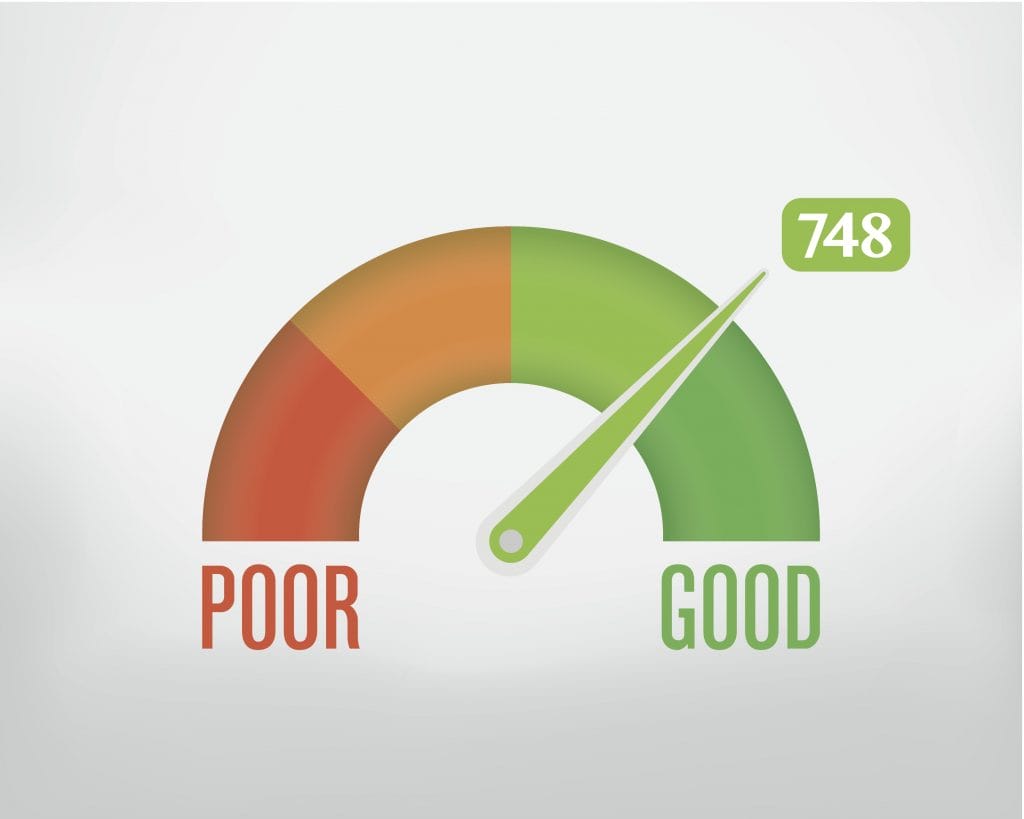
Credit ScoreThe upcoming storm of rising interest rates and increasing lender cautiousness makes life difficult for people with already bad credit ratings. In the coming year, you will have to tighten up and you will have to make a new start to get your credit rating back on track. Forget about the mistakes of the past and read our tips for how people with bad credit can survive the storm.

Don’t Cancel Your Credit Cards 

Do you have a spending bug you can’t seem to beat? The worst thing you can do is to cancel your credit cards. Unbelievably, this is a sign of panic and lenders will kick your credit score in the pants for doing it. The alternative is to leave these lines of credit open, but cut up the card. That way you’ve effectively closed your account without hurting your credit score.

Can You Kick a Debt Quick?

The reason why so many people have bad credit is spiraling debt. They get into a situation where they have so many bills coming in they can’t pay them all off and they barely remember who they owe and how much they have to pay.

Start the next year by hitting a debt right between the eyes. Get together a lump sum and pay off some debts in their entirety. This is a form of debt consolidation that will make it easier to rebuild your credit rating later on.

Talk to Your Lenders

It’s amazing how many borrowers won’t speak to the people who have leant them money. Nevertheless, this is a powerful tool in your resource. If you’re having problems paying your debts or rebuilding your credit rating, talk to these people. Tell them your difficulties.

They’ll often work out a different agreement to help you make your repayments. They don’t care about anything except getting their money back, so any chance to make a formal arrangement will be grasped with both hands.

Too Many Loans?

This is the first step. We’re not saying that you need to stop taking out all loans. You need some lines of credit if you’re going to rebuild your score. However, what people need to understand is that in the future lenders are going to be more stringent than ever before. Every rejected application leaves a stain on your credit record; therefore, you should only apply for loans you’re practically guaranteed to receive. A good choice might be a company like the scottishtrustdeed.co.uk where their focus is to help people find personal loans with bad credit.  Interest rates will be higher but again your best bet is to not apply for loans.

Get a “Bad Credit” Credit Card

Someone with bad credit has the problem of not being able to easily get any new lines of credit. They need a higher rating. This is where “bad credit” credit cards come in. These are types of cards designed specifically for people with bad credit.

Here are some characteristics of these cards:

  • Higher interest rates.
  • Lower limits.
  • Lack of choice.

As you can see, the upcoming debt storm isn’t a reason to panic. Keep a cool head and you should have no problems getting out of that pit of bad credit.

Photo of Joe Saul-Sehy
Joe Saul-Sehy

Joe is a former financial advisor and media representative for American Express and Ameriprise. He was the “Money Man” at Detroit television WXYZ-TV, appearing twice weekly. He’s also appeared in Bride, Best Life, and Child magazines, the Los Angeles Times, Chicago Sun-Times, Detroit News and Baltimore Sun newspapers and numerous other media outlets.  Joe holds B.A Degrees from The Citadel and Michigan State University.

joesaulsehy.com/

Filed Under: Debt Management, Featured, Planning Tagged With: bad credit, credit score, Debt

How to Get a Vehicle Loan: Tips for the Credit-Challenged Car Buyer

December 30, 2015 by Joe Saul-Sehy 4 Comments

Car Loan Paperwork


Buying a car is an exciting experience, one that everyone dreams about when they’re young. But when you’re an adult trying to buy a car with little to no credit, that experience is more like a nightmare. Although it may not seem like it is possible to get a good car loan with nonexistent credit, it is achievable if you ask the right questions and know where to look.

How long will the loan be active?

Before pursuing a loan, it is important to crunch some numbers and make some decisions. The first thing you should ask yourself is how much you can afford to pay each month and how long you are willing to pay it. You want to be sure the payments are reasonable and within your means. Don’t overestimate, but you want to pay as much as you can without setting yourself up to fail.

If you decide that a longer auto loan (more than six years) is best for you, know that your monthly payments will be lower, but you will end up paying more in interest over the life of the loan. Choosing a longer loan also means you run the risk of falling victim to depreciation. This means you could end up owing more on the car than it is worth, or the dreaded underwater scenario.

Do you have a co-signer?

If you alone do not look appealing on paper, adding a co-signer to the loan, like a spouse or parent, can make you look a lot more attractive to lenders. With a cosigner, the party lending the money has more options for recovery outside of the borrower. Essentially, if you have someone with good credit willing to vouch for you, you are more likely to drive away in a new or used car. However, you have now made that individual as equally responsible for the payments as you are.

Who will lend to you?

Don’t give up on a bank loan until you’ve actually tried. Know that you are more likely to be approved at an institution where you already have an account. If you are not approved the first time, it may be worth your time to wait and apply again a few months later, particularly if in those months you can demonstrate steady employment, change in income or steady credit payments.

If you have no luck at a corporate bank, try for pre-approval from a credit union. Credit unions are capable of making personalized decisions, especially if you bank there. A bonus is that credit unions tend to offer lower interest rates than banks, and they do not follow the bank’s tiered rate system, so your interest payments will be the same as any other credit union member’s, regardless of your credit score.

Another option is to go with a dealership that caters to customers with little to no credit, such as DriveTime. Its website states that it has approved over 2.5 million people and sold over 750,000 used vehicles to people with no or bad credit. It claims that it works with all credit types, so you are more likely to get approval.

Photo of Joe Saul-Sehy
Joe Saul-Sehy

Joe is a former financial advisor and media representative for American Express and Ameriprise. He was the “Money Man” at Detroit television WXYZ-TV, appearing twice weekly. He’s also appeared in Bride, Best Life, and Child magazines, the Los Angeles Times, Chicago Sun-Times, Detroit News and Baltimore Sun newspapers and numerous other media outlets.  Joe holds B.A Degrees from The Citadel and Michigan State University.

joesaulsehy.com/

Filed Under: budget tips, Featured, money management, Planning

How to Fund a Startup When You Don’t Have Any of Your Own Money

December 28, 2015 by Joe Saul-Sehy Leave a Comment

Happy employees make better employeesWhen you have a great business idea that you are eager to move forward with, there will be many things to consider, such as getting estimates for various expenses, preparing initial operating budgets and making marketing plans to launch your business. However, before you can get your business up and running, you will need to money to fund your business.

There are few options available to get your business idea off the ground.

Friends and Family

Many entrepreneurs find they have to self-fund their business at the start. This can be done through savings, leveraging personal assets or borrowing from friends and family. This proves to other potential investors that the business is viable, that you have some experience in running the business, but also that you have faith in the business and have put your money where your mouth is! Although borrowing from friends and family may seem like an easy option at first, you are risking your personal relationships if the business does not work out or the financial agreement is unclear. Approach this form of funding like you would any other form: produce a business plan, explain exactly what the money will be used for, what the investor can expect to get in return and when they can expect it. As well as putting investors at ease, it will also clarify your own goals and objectives.

After the initial self-funding, many business owners will seek to develop and grow their business by seeking funding from outside sources.

Seek Investors

One popular option is to seek investors for your business. Investors may be silent partners who simply contribute cash in return for a percentage of profits, or they may be active partners who play a key role in the daily activities and business decisions. Some silent investors may remain in a partnership with you until they have received a certain return on their investment, or there may be some other exit strategy in place. You may know individuals who you can approach about partnering or investing with you, or if not, you can look online for information about potential investors who are looking for opportunities.

Apply For Financing

Another option is to apply for a bank loan. There is a wide range available, and you can use an online calculator tool to determine which options are the most affordable for your budget. The right loan program will have attractive repayment terms and a great interest rate, but it also will provide you with all of the capital that you need to fund your operation until it begins to turn a profit. This could take several months or longer, so you may consider creating a budget that details expenses between and the projected breakeven point or beyond.

Each funding path will have its own advantages and drawbacks, so ensure the one you choose fits in with your business needs and allows you to focus on the most important task – running a successful business.

Photo of Joe Saul-Sehy
Joe Saul-Sehy

Joe is a former financial advisor and media representative for American Express and Ameriprise. He was the “Money Man” at Detroit television WXYZ-TV, appearing twice weekly. He’s also appeared in Bride, Best Life, and Child magazines, the Los Angeles Times, Chicago Sun-Times, Detroit News and Baltimore Sun newspapers and numerous other media outlets.  Joe holds B.A Degrees from The Citadel and Michigan State University.

joesaulsehy.com/

Filed Under: Debt Management, Featured

How to Budget for Your Financial Personality

December 9, 2015 by Joe Saul-Sehy Leave a Comment

Piggy bank and stethiscopeFor our physical health we eat our fruits and veggies and we make time for the gym. Like our physical health, our financial well-being needs regular TLC too. We use savings apps and try hacks like freezing credit cards or paying with cash, but practicing financial health starts with identifying your financial personality.

Be True to Yourself

Spending less and saving more comes down to living within your means. If you’re accustomed to a certain way of life, the concept of being true to yourself and your bank account can be hard to accept, particularly in terms of living expenses.

As an example, if you’re looking to move from a small town in Nebraska to Washington, D.C., your cost of living will increase substantially. Research the average cost of apartments in D.C. and set a budget before making any decisions. As you look through listings, determine if location or the offered amenities are most important to you. Use CNN’s Cost of Living calculator to determine the difference in cost of housing, groceries, utilities and transportation. If living in a specific location is the priority, you may need to make adjustments to other areas of your budget.

Be Honest with Loved Ones

Relationship and social obligations can take a toll on our wallets. Weddings, in particular, are steep expenses that can cost each guest nearly $1,000 (unless you’re in the wedding party, in which case your roles require an additional set of expenses). Airfare, car rental, hotel accommodations, a wedding gift, dining out and attire add up quickly.

If you don’t have hundreds of dollars at your disposal, put yourself (and your financial health) first. Make it a personal rule to not attend out-of-town weddings and be honest with the bride and groom for why you RSVP’d no. A 33-year-old Washingtonian who practices this policy told the Washington Post that none of her friendships have been ruined. Kindly send a card and gift, but don’t create more debt for yourself to avoid an awkward conversation.

Don’t Try to Keep Up with the Joneses

Sometimes the solution to better financial health may seem like it’s to earn more money. There’s always room for more, especially if you compare yourself to family, friends, co-workers, even acquaintances and strangers on social media. Trying to “keep up with the Joneses” may only leave you burnt out and penniless.

Remember, their wealth is a perception through your eyes, and you don’t see the dark realities that may exist, like stacks of bills and growing debt. The “My Money” blog by U.S. News reminds us that financial security impacts happiness, not necessarily “stuff.” Someone will always have more and better than you. It’s your choice to relieve yourself of the pressure and set personal financial expectations without any external influences.

Determine what is most important to you. Maybe going out with friends is what makes your week bearable. If it’s important to you to have the newest iPhone on the day it comes out, build this purchase into your budget. Stay true to your wants and needs and prioritize your money accordingly.

This may mean you need to cut back on other things which are less important to you. If you’re not fashion-forward and don’t care to be, invest in a few basics and call it a day. If tech isn’t your thing, don’t spluge on that flat-screen TV, even if it is a good deal. Without the pressure to keep up with the Joneses, you can save your money for what you really want to spend it on.

Make Mini Commitments

Setting goals like reaching $10,000 in your savings or paying off your credit card by a certain date can actually set you up for failure. In life, unexpected expenses — a car repair or a health problem — are inevitable. Instead of setting lofty goals, make mini commitments toward better savings.

If you get overwhelmed easily with all things financial, mini goals are a good fit for you. Determine a small amount that you can have automatically transferred from each paycheck deposit. If you don’t see it in your account, you can’t spend it.

Before you make a large purchase, take time to weigh the pros and cons. Create a waiting period for yourself for non-essential purchases (two weeks or a month). This way you’ll keep yourself from impulse buying, and when you do purchase, you’ll have done the research and be confident in your decision.

Approach your savings plan like a set of small building blocks. Focus on one block at a time. Maybe you put money into an emergency fund for a few months, then switch the priority to home improvement or a vacation. Set mini goals for yourself and reward yourself when you reach them.

Photo of Joe Saul-Sehy
Joe Saul-Sehy

Joe is a former financial advisor and media representative for American Express and Ameriprise. He was the “Money Man” at Detroit television WXYZ-TV, appearing twice weekly. He’s also appeared in Bride, Best Life, and Child magazines, the Los Angeles Times, Chicago Sun-Times, Detroit News and Baltimore Sun newspapers and numerous other media outlets.  Joe holds B.A Degrees from The Citadel and Michigan State University.

joesaulsehy.com/

Filed Under: Featured

Helpful Tips For New Landlords

December 8, 2015 by Joe Saul-Sehy 4 Comments

The stresses that come along with becoming a landlord are plenty, but the rewards can be great. From financial investments to regulations, bad tenants to contract woes, there are a variety of things to worry about. Luckily, with enough foresight, you can avoid many of these stresses and make your time as a landlord the best experience it can be. I’ve compiled a list of helpful tips for any new landlord looking to navigate this challenging venture.

  1. Understand Your Responsibilities

Many romanticize the position of landlord as some sort of benevolent overseer that receives a hefty rent check every month, but this is not the case. It’s not a hobby, and in some cases it can feel like a full-time job. If you don’t use a property management company, you and you alone are in charge of seeing that any pressing needs are met. That means if the heater breaks in the dead of winter, you’ll have to hire someone or get over there yourself and fix it as quickly as possible. If you’re not prepared to be at the disposal of your tenants in a moment’s notice, you may want to consider hiring outside help in your endeavor.

  1. Financial Issues and Returns

You need to know that renting doesn’t turn an immediate profit; in fact, it’s more of an investment for the first few months and potentially even years. With perseverance, you will see a return on your investment, but you’ll definitely be funneling money into your properties in the meantime. Anything that breaks you’ll have to pay to have replaced immediately. You’ll also have to worry about insurance and utility costs raising as time goes on. If these requirements sound like they’ll be too much of a financial strain, you may need to reconsider your desire to become a landlord.

  1. A Knowledgeable Landlord is a Profitable Landlord

Understand the legal ramifications of what you’re getting into, and do the research to make sure you never find yourself in hot water. Study up on the regulations on local, state, and federal levels, and be prepared for any legal consequences that you may be vulnerable to. Every state has different specifications, and city and county rules can make the process even more stringent.

  1. The Rental Agreement

Crafting an airtight rental agreement is key to being a lucrative landlord. The right wording and insertions can make or break your relationship with your tenant, and legality issues should be at the top of your mind when creating your contract. Protect your assets and draft a contract with the help of legal counsel. You must decide whether you will work with a lease agreement or a rental agreement. Leases will bind you to a tenant for a certain amount of time, and a rental agreement is run on a monthly basis. Once you’ve settled on the type of agreement, make sure you include the standard rental provisions, including lease duration, your rent expectations, amenities, deposit and damages information, and your pet policies. Find some example rental or lease agreements for guidance, and make alterations specific to your property and requirements.

  1. The Importance of Screening

One of the biggest pitfalls of becoming a landlord is running the risk of renting to terrible tenants that can make your life miserable. Lower your chances of renting to a landlord’s nightmare by using a service like that offered at www.mysmartmove.com. This service will help you check their credit history, will let you know if they have any sort of criminal record you should be aware of, and indicate any previous evictions. Putting in the small investment and time at the offset can save you bundles of stress in the long run.

  1. The Biggest Question

One of the biggest questions you should be contemplating is whether or not you should hire a property manager. When it comes to tools for landlords, property management is at the top of the list. They can serve as one of the most valuable resources when renting out your space. They will serve as the intermediary between you and the tenant, handling all face to face interactions, including eviction issues. You will have to pay a pretty penny for their services—usually 10 percent of your rental income, or more—but the benefits can truly outweigh the costs.

If you’ve made the commitment to become a landlord, all of these facets should be understood and prepared for. Take your time to prepare your property, find the right tenant, and hire the necessary professionals before you begin this undertaking.

Photo of Joe Saul-Sehy
Joe Saul-Sehy

Joe is a former financial advisor and media representative for American Express and Ameriprise. He was the “Money Man” at Detroit television WXYZ-TV, appearing twice weekly. He’s also appeared in Bride, Best Life, and Child magazines, the Los Angeles Times, Chicago Sun-Times, Detroit News and Baltimore Sun newspapers and numerous other media outlets.  Joe holds B.A Degrees from The Citadel and Michigan State University.

joesaulsehy.com/

Filed Under: Featured, Planning

Durable Tech: the Smart Buyers’ Guide to Getting Your Money’s Worth

December 2, 2015 by Joe Saul-Sehy Leave a Comment

Technology is improving and updating so rapidly that it’s hard even for the educated consumer to rationalize buying new tech at all. Consider the formula of Moore’s Law, originally created in 1965 by Gordon Moore, Intel co-founder, which asserts that the rate of improvement in the capacity of computer chips increases exponentially, roughly doubling every 18 months. Granted, based on the specific kind of technology, the formula varies, but it’s still pretty depressing to realize that technology becomes outdated almost as quickly as automobiles.

You might think that going with the cheapest model of PC or laptop makes the most sense, since a newer, better, shinier model will be released in a matter of months, but just like with automobiles, your old model does not become obsolete when the new model hits the market. That’s why there are so many updates that continue to flash across your screen. Your model is still completely functional. Newer isn’t always better and you may find yourself missing your old unit after spending money on the latest and greatest.

So then, the key to getting the most out of your tech may not be to buy the newest, but to buy the most durable. Here is a case for investing in durable technology and three compelling reasons that choosing a more durable piece of technology is the wisest course of action when buying a laptop or PC.

If You Have Children: If you have children, then this reason needs no explanation. But just to be thorough, imagine that you allow a five-year-old to play Minecraft on your PC. Imagine that this child has acquired countless, priceless items during a playing session only to be stabbed to death by a Zombie Pigman. Said child has now lost all of his stuff. Said child then has a meltdown, a tantrum of epic proportions. What inanimate object does he take out his frustration on? Why, your laptop, of course. Before you decide on a laptop, ask: “Can this computer withstand the repercussions of a death by Zombie Pigman?”

If You Tech While on the Go: If you are never without your portable tech and often commute with it, you increase the likelihood of dropping your beloved computer. So if you are looking for an ultra durable, incredibly reliable laptop, Lenovo manufactures a great line of ThinkPad laptops built to last. Many of these ThinkPads have reinforced designs and are manufactured with the capability to withstand the stress of on-the-go use and the rigors of repeated use by multiple users. Lenovo is also ranked number one on the on Rescueco’s Reliability Report.

If You are Accident-Prone: Not everyone has the grace of Baryshnikov or the agility of a trained ninja. In fact, many of us can’t make it through the morning without sloshing coffee on ourselves. Where tech is concerned, this is a fatal character flaw. An estimated 60 percent of laptop repairs are needed due to liquid spills, so if you are unable to shield yourself from such accidents, you better choose a laptop with the durability and capability of protecting itself. No laptop is waterproof, but there are covers and keyboard protection accessories to help.

For many users, the smart decision is to shell out a few extra dollars for durability when looking to buy a new laptop or PC. The durability of a machine can help counter Moore’s Law, offer protection from your busy lifestyle, and withstand the consequences of Minecraft-madness by simply being designed to endure such traumas.

Photo of Joe Saul-Sehy
Joe Saul-Sehy

Joe is a former financial advisor and media representative for American Express and Ameriprise. He was the “Money Man” at Detroit television WXYZ-TV, appearing twice weekly. He’s also appeared in Bride, Best Life, and Child magazines, the Los Angeles Times, Chicago Sun-Times, Detroit News and Baltimore Sun newspapers and numerous other media outlets.  Joe holds B.A Degrees from The Citadel and Michigan State University.

joesaulsehy.com/

Filed Under: budget tips, Featured

  • « Previous Page
  • 1
  • 2
  • 3
  • 4
  • …
  • 34
  • Next Page »

Follow Us

Search this site:

Recent Posts

  • Can My Savings Account Affect My Financial Aid? by Tamila McDonald
  • 12 Ways Gen X’s Views Clash with Millennials… by Tamila McDonald
  • What Advantages and Disadvantages Are There To… by Jacob Sensiba
  • 10 Tactics for Building an Emergency Fund from Scratch by Vanessa Bermudez
  • Call 911: Go To the Emergency Room Immediately If… by Stephen Kanaval
  • 7 Weird Things You Can Sell Online by Tamila McDonald
  • 10 Scary Facts About DriveTime by Tamila McDonald

Copyright © 2026 · News Pro Theme on Genesis Framework