• Home
  • About Us
  • Toolkit
  • Getting Finances Done
    • Hiring Advisors
    • Debt Management
    • Spending Plan
  • Insurance
    • Life Insurance
    • Health Insurance
    • Disability Insurance
    • Homeowners/Renters Insurance
  • Contact Us
  • Privacy Policy
  • Risk Tolerance Quiz

The Free Financial Advisor

You are here: Home / Archives for money habits

How Can Luxury Purchases Backfire on Reputation and Wealth

September 14, 2025 by Catherine Reed Leave a Comment

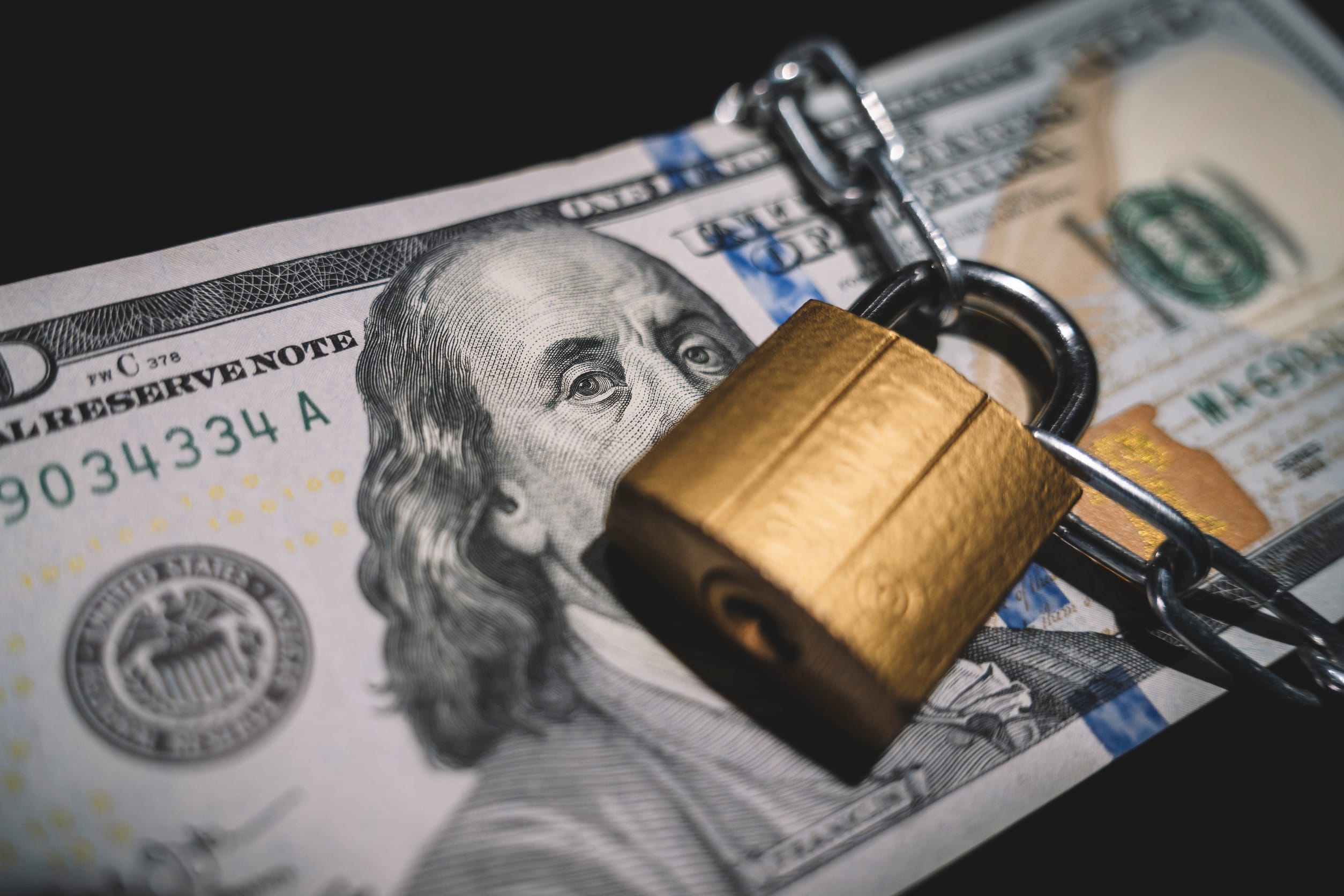
How Can Luxury Purchases Backfire on Reputation and Wealth

Image source: 123rf.com

Buying high-end items can feel like the ultimate reward for hard work. Whether it’s a designer handbag, a luxury car, or an extravagant vacation, these purchases often symbolize success and status. Yet, luxury purchases don’t always have the positive effect people expect. Instead of boosting confidence or reputation, they can sometimes spark judgment, financial strain, or long-term regret. Understanding how luxury purchases backfire helps individuals make smarter decisions about spending and wealth.

1. Overspending That Erodes Financial Security

One of the biggest risks of luxury purchases is overspending. High-end goods come with steep price tags, and the excitement of ownership can overshadow financial realities. People often dip into savings or take on debt just to afford these items. Over time, this habit erodes financial security and prevents long-term wealth building. What feels like a symbol of success today can quickly become a barrier to financial freedom tomorrow.

2. Depreciation That Undermines Value

Most luxury purchases lose value the moment they’re made. Cars, clothing, and accessories often depreciate faster than people realize. Unlike investments, these items rarely appreciate or provide financial returns. This depreciation means that money spent on luxury items is unlikely to be recovered. While the initial thrill may be high, the long-term financial loss can backfire on both reputation and wealth.

3. Perceptions of Vanity or Wastefulness

Luxury purchases can sometimes send the wrong message. Instead of admiration, others may perceive them as signs of vanity, arrogance, or wastefulness. In professional or personal circles, this can damage credibility and relationships. People may assume that someone prioritizes image over responsibility. When luxury purchases backfire socially, they can harm a person’s reputation in ways that outweigh the pleasure of ownership.

4. Lifestyle Inflation That Traps Income

Once people begin making luxury purchases, it’s easy to fall into the trap of lifestyle inflation. What started as an occasional splurge can become an expectation. Over time, maintaining this lifestyle consumes a larger share of income, leaving little room for savings or investment. This cycle makes it difficult to step back without feeling deprived. In the end, the pursuit of luxury can trap individuals in financial instability disguised as success.

5. Strain on Personal Relationships

Luxury purchases can also backfire by straining relationships. Friends or family may feel uncomfortable or judged when they cannot match the same spending level. Spouses or partners may disagree about priorities, leading to arguments about money. These tensions can create long-lasting emotional and financial stress. Instead of bringing joy, luxury spending can divide people and weaken trust.

6. False Sense of Security or Achievement

Buying expensive items can create the illusion of financial stability or success. However, appearances don’t always reflect reality. Many people who make luxury purchases stretch their finances thin or rely on credit to fund them. This false sense of achievement can delay important financial goals like paying off debt or saving for retirement. When reality sets in, the regret can be overwhelming.

7. Missed Opportunities for Wealth Growth

Every dollar spent on luxury purchases is a dollar not invested. Over time, the opportunity cost of choosing consumption over investment can be massive. For example, money spent on a luxury car could have compounded into significant returns in a retirement account. These missed opportunities can leave individuals struggling later in life despite looking wealthy in the present. The backfire comes when short-term gratification prevents long-term wealth creation.

Making Luxury Purchases Without Regret

Luxury purchases don’t have to be harmful if they are made thoughtfully and within budget. The key is ensuring they don’t compromise financial goals or create negative perceptions. Setting clear priorities, limiting splurges, and focusing on purchases that align with values can help avoid regret. By balancing indulgence with responsibility, people can enjoy the rewards of hard work without harming their reputation or wealth. In the end, true success comes from financial freedom, not expensive possessions.

Do you think luxury purchases are worth the price, or do they risk damaging wealth and reputation? Share your thoughts in the comments.

What to Read Next…

  • Why Do Families Overspend on Vacations They Can’t Afford
  • 9 Luxuries That Quietly Drain Wealth Faster Than Bad Investments
  • Why Do High Earners End Up With Less Cash on Hand Than Expected
  • 7 Weird Investments People Regret Buying
  • Why Do High Earners Still Struggle With Emergency Savings
Catherine Reed
Catherine Reed

Catherine is a tech-savvy writer who has focused on the personal finance space for more than eight years. She has a Bachelor’s in Information Technology and enjoys showcasing how tech can simplify everyday personal finance tasks like budgeting, spending tracking, and planning for the future. Additionally, she’s explored the ins and outs of the world of side hustles and loves to share what she’s learned along the way. When she’s not working, you can find her relaxing at home in the Pacific Northwest with her two cats or enjoying a cup of coffee at her neighborhood cafe.

Filed Under: Spending Habits Tagged With: Lifestyle Inflation, luxury purchases, money habits, Personal Finance, Planning, reputation risks, Wealth management

Why Do Some People Refuse to Budget Until It’s Too Late

September 14, 2025 by Travis Campbell Leave a Comment

budget

Image source: pexels.com

Budgeting is one of the most important habits for staying financially healthy, but many people avoid it until a crisis hits. It’s easy to put off making a budget when everything seems fine, but waiting too long can lead to missed bills, mounting debt, and financial stress. Why do so many otherwise responsible people refuse to budget until it’s too late? Understanding the reasons can help you avoid falling into the same trap. If you want to take control of your finances before things spiral, it’s important to know what keeps people from starting a budget in the first place.

This reluctance to budget is surprisingly common. Even those who know the benefits may resist creating a plan for their money. The reasons are varied and often rooted in emotions, habits, and misconceptions. Let’s look at the most common explanations for why people refuse to budget until it’s too late—and what you can do differently.

1. Fear of Facing the Truth

One big reason people refuse to budget until it’s too late is the fear of seeing the reality of their spending. It’s uncomfortable to add up all your expenses and realize you might be living beyond your means. Some people would rather not know how much they spend on takeout, subscriptions, or impulse buys. They hope that by ignoring the details, things will somehow work out.

This fear is understandable, but avoiding the numbers doesn’t make the problem go away. In fact, it often makes things worse. When you finally do look, the situation may be more serious than you expected. Budgeting early gives you the power to make changes before you’re in over your head.

2. Belief That Budgeting Is Restrictive

Many people refuse to budget until it’s too late because they view budgets as restrictive and joy-killing tools that limit their freedom. They worry that budgeting means giving up everything fun or living on a shoestring. This belief can make anyone resist even starting a budget.

In reality, a budget isn’t a punishment—it’s a plan. It helps you decide where your money goes, including for things you enjoy. When you set priorities, you can spend guilt-free on what matters most. Budgeting can actually increase your sense of control and reduce stress.

3. Procrastination and Overwhelm

Procrastination is a major reason people refuse to budget until it’s too late. Setting up a budget can feel overwhelming, especially if you’ve never done it before. You might not know where to start, what tools to use, or how to track your spending. The process seems complicated, so you keep putting it off.

Unfortunately, the longer you wait, the harder it gets. Bills pile up, expenses get out of hand, and the task of budgeting feels even more daunting. Taking small steps—like writing down your expenses for one week—can help you break through the overwhelm and start building a simple budget.

4. Lack of Financial Education

Some people refuse to budget until it’s too late because they never learned how. If your parents didn’t budget or you never took a personal finance class, the idea of tracking income and expenses might seem foreign. Without basic financial knowledge, it’s easy to feel lost and avoid budgeting altogether.

Thankfully, there are many free resources online to help you learn the basics of budgeting. Learning a few simple rules can give you the confidence to get started.

5. Living for Today, Not Tomorrow

Another reason people refuse to budget until it’s too late is a focus on living for today. It’s tempting to prioritize short-term pleasures over long-term goals. If you’re always chasing the next vacation, meal out, or new gadget, it’s easy to ignore what your future self might need.

This mindset can work for a while, especially if you have a steady income. But life is unpredictable. Without a budget, you’re not prepared for emergencies, job loss, or unexpected expenses. Budgeting helps balance enjoyment today with security tomorrow.

6. Peer Pressure and Social Media

Peer pressure is stronger than ever thanks to social media. Seeing friends post about new cars, trips, and fancy dinners can make you feel like you need to keep up. This can lead to overspending and ignoring your financial limits. Some people refuse to budget until it’s too late because they don’t want to feel left out or different from their social circle.

It’s important to remember that most people only share their best moments online—not the hard financial realities. Creating a budget helps you focus on your own goals and avoid comparing yourself to others.

7. Waiting for the “Right Time”

A final reason people refuse to budget until it’s too late is the belief that they’ll start “soon”—maybe after a raise, a move, or when life calms down. But there’s rarely a perfect moment. Life always has surprises, and waiting can mean missing out on years of good financial habits.

Budgeting is most effective when you start before you need it. Even a simple plan can make a big difference over time. Don’t wait for a crisis to force your hand.

Building Better Habits Before It’s Too Late

Refusing to budget until it’s too late can have serious consequences, from debt to missed opportunities. The good news is that it’s never too early—or too late—to start. Making a budget is about facing your finances honestly and taking small steps toward your goals. Whether you use a spreadsheet, an app, or pen and paper, the most important thing is to begin.

The sooner you start budgeting, the more control you’ll have over your money and your future.

Have you ever waited too long to make a budget? What finally motivated you to start? Share your story in the comments below!

What to Read Next…

  • Are These 6 Helpful Budget Tips Actually Ruining Your Finances?
  • 5 Budgeting Tools That Trick You Into Higher Spending
  • Are Budgeting Apps Designed to Push You Into Debt?
  • Why Some People Feel Rich But Can’t Afford a $400 Emergency
  • Are These 8 Money Saving Tricks Actually Keeping You Broke?
Travis Campbell
Travis Campbell

Travis Campbell is a digital marketer/developer with over 10 years of experience and a writer for over 6 years. He holds a degree in E-commerce and likes to share life advice he’s learned over the years. Travis loves spending time on the golf course or at the gym when he’s not working.

Filed Under: Budgeting Tagged With: budgeting, financial education, money habits, Personal Finance, Planning, procrastination, spending

10 Ways Overspending Quietly Creeps Into Everyday Life

September 13, 2025 by Travis Campbell Leave a Comment

shopping

Image source: pexels.com

Overspending is a sneaky habit that can quietly sabotage even the most well-intentioned budget. It doesn’t always show up as one big shopping spree or an obvious splurge. More often, it’s the small daily choices that add up, slowly eroding your savings and making it harder to meet financial goals. Recognizing how overspending seeps into everyday life is the first step to taking back control. If you want to keep more of your paycheck and reduce financial stress, it’s important to watch out for these subtle traps. Let’s look at the most common ways overspending creeps in and what you can do about it.

1. Mindless Subscription Sign-Ups

With streaming services, meal kits, apps, and subscription boxes everywhere, it’s easy to lose track of what you’re paying for each month. Many people sign up for free trials and forget to cancel, or they stay subscribed to services they rarely use. This quiet overspending can drain your bank account without you noticing. Regularly review your subscriptions and cancel anything that isn’t adding real value to your life.

2. Frequent Small Purchases

That daily coffee, occasional snack, or quick app download might seem harmless. But these small, frequent expenses are classic examples of overspending creeping into your routine. They’re easy to justify in the moment, but their impact adds up over time. Try tracking every small purchase for a week—you might be surprised how much you’re really spending.

3. Relying on Credit Cards for Convenience

Using a credit card for convenience can quickly lead to overspending, especially if you’re not tracking your balance. The ease of swiping or tapping makes it less painful to buy things you don’t need. If you’re not careful, this can quietly build up debt and interest charges. Consider using cash or a debit card for everyday expenses to keep your spending in check.

4. Ignoring Price Increases

Prices on everyday goods and services often rise slowly, and it’s easy to overlook these changes. Whether it’s your favorite lunch spot or a streaming service, small price hikes can push you into overspending territory. Make it a habit to notice when prices go up and adjust your habits or budget accordingly.

5. Impulse Shopping Online

Online retailers make it almost effortless to shop on a whim. Flash sales, one-click ordering, and tempting recommendations encourage overspending before you even realize it’s happening. Overspending online is especially common because you don’t physically see the money leaving your wallet. To fight back, add items to your cart and wait 24 hours before checking out. This gives you time to decide if you truly need or want the item.

6. Social Pressure and FOMO

It’s tough to say no when friends are going out for dinner, coworkers are pitching in for a gift, or you see others sharing their latest purchases on social media. Social pressure and the fear of missing out can lead to overspending, even if you can’t really afford it. Set boundaries and prioritize your financial goals over keeping up appearances. Remember, you can say no without feeling guilty.

7. Not Comparing Prices or Shopping Around

Settling for the first price you see is a subtle way that overspending creeps in. Whether you’re buying groceries, electronics, or booking travel, failing to compare prices means you might pay more than necessary. Take a few extra minutes to check for deals or use price comparison tools. This habit can save you hundreds over the course of a year.

8. Overlooking Hidden Fees

Many services come with hidden fees that can quietly inflate your spending. Delivery charges, service fees, ATM fees, and maintenance fees can go unnoticed until you check your statements. Read the fine print and ask questions when signing up for new services. Being aware of these costs helps you avoid unnecessary overspending.

9. Emotional Spending

Retail therapy is real. Many people use shopping as a way to cope with stress, boredom, or sadness, leading to overspending that feels justified in the moment. Emotional spending can be hard to recognize until you see the aftermath on your credit card statement. If you notice this pattern, try finding healthier ways to manage emotions—like taking a walk, calling a friend, or practicing mindfulness.

10. Forgetting to Budget for Irregular Expenses

Unexpected car repairs, annual subscriptions, gifts, or medical bills can all throw off your budget. If you don’t plan for these irregular expenses, you may end up overspending when they pop up. Build a small cushion into your budget for these costs, so you’re prepared when they arise. This simple step can help you avoid last-minute scrambles and unnecessary debt.

Taking Control of Overspending

Overspending is a common challenge, but it doesn’t have to control your financial life. By paying attention to these quiet habits, you can spot where money slips away and make simple changes to keep more in your pocket. Regularly reviewing your spending, setting boundaries, and using budgeting tools can make a big difference. Remember, small changes add up over time.

What’s the biggest way overspending creeps into your life—and how do you handle it? Share your experience in the comments!

What to Read Next…

  • Are These 7 Little Expenses Quietly Costing You Thousands a Year?
  • 10 Signs You’re Living Above Your Means Without Realizing
  • 7 Tactics Grocery Stores Use to Keep You From Thinking About Price
  • Are These 8 Money Saving Tricks Actually Keeping You Broke?
  • 10 Ways You’re Wasting Money Just Trying to Keep Up Appearances
Travis Campbell
Travis Campbell

Travis Campbell is a digital marketer/developer with over 10 years of experience and a writer for over 6 years. He holds a degree in E-commerce and likes to share life advice he’s learned over the years. Travis loves spending time on the golf course or at the gym when he’s not working.

Filed Under: Spending Habits Tagged With: budgeting, money habits, overspending, Personal Finance, saving tips

9 Weird Ways People Try to Protect Their Money

September 11, 2025 by Catherine Reed Leave a Comment

9 Weird Ways People Try to Protect Their Money

Image source: 123rf.com

When it comes to finances, people will go to extraordinary lengths to feel secure. While some methods are rooted in smart planning, others border on the unusual or even bizarre. Over time, stories have surfaced of people who take unconventional routes to protect their money, ranging from hiding cash in odd places to relying on superstitions. These approaches may make sense to the individuals who use them, but from a practical standpoint, many of them fall short. Let’s take a look at some of the weirdest ways people try to protect their money and what can be learned from them.

1. Burying Cash in the Backyard

Some people literally protect their money by digging a hole and hiding it underground. The logic is simple: no bank fees, no risk of hackers, and total secrecy. However, this method exposes savings to damage from weather, pests, or accidental loss. There are also risks of forgetting where the stash was buried or leaving it undiscovered after moving. While it may feel secure, it is not a reliable or safe financial strategy.

2. Stashing Bills in Household Items

Many individuals protect their money by hiding it inside books, cereal boxes, or even old appliances. These creative hiding spots might keep cash safe from burglars, but they also pose risks. Fires, floods, or simple forgetfulness can wipe out the hidden stash. Even worse, unsuspecting family members may throw away or donate the item containing the money. What seems clever at first often ends in regret.

3. Wearing Cash as Clothing

A handful of people protect their money by sewing it into jackets, belts, or even shoes. While this keeps cash close, it also makes daily use complicated. Losing the clothing item or being targeted by thieves could result in bigger losses. This method also raises concerns about safety, especially when traveling. While it feels inventive, it is not nearly as reliable as modern banking solutions.

4. Trusting in Lucky Charms

Superstition plays a big role in how some people try to protect their money. From carrying rabbit’s feet to placing lucky coins under mattresses, these methods rely on faith rather than strategy. While charms may offer peace of mind, they do nothing to actually secure finances. Believing in luck alone can prevent people from pursuing real protective steps like insurance or savings accounts. Ultimately, charms may be fun but ineffective.

5. Converting Cash to Precious Metals in Odd Forms

Another unusual way people protect their money is by turning cash into gold or silver trinkets. Instead of storing bars or coins, they hide wealth in jewelry, figurines, or even household decorations. While precious metals hold value, disguising them in unusual forms makes it harder to resell at full worth. It can also attract theft if others recognize the items’ true value. This strategy complicates rather than simplifies wealth protection.

6. Using Secret Family Codes

Some households protect their money with special codes that dictate where cash is hidden or how it can be accessed. These codes may be passed down or only shared among close relatives. While clever, this system is risky if a family member forgets or if disagreements arise. Without written records, money could be lost forever. Relying on memory alone is a shaky financial plan.

7. Spreading Cash in Multiple Tiny Accounts

Instead of keeping money in one place, some people protect their money by opening many small accounts across banks or credit unions. They believe diversification at this level keeps funds safer. While it may reduce the risk of one account being compromised, it creates challenges with tracking balances and managing fees. The complexity often outweighs the benefits. Simpler, consolidated approaches are usually more efficient.

8. Buying Bizarre Collectibles

Some people protect their money by investing in strange collections, from rare dolls to vintage soda cans. They assume these items will gain value over time. While niche markets exist, collectibles are unpredictable and hard to liquidate in emergencies. This method ties up cash in assets that may or may not pay off. What feels like protection may actually be risky speculation.

9. Relying on Cash-Only Living

A number of people protect their money by avoiding banks and credit entirely, choosing to live cash-only lifestyles. While this avoids debt and certain fees, it also eliminates the safety nets offered by insured accounts. Carrying or storing large amounts of cash invites theft and accidental loss. Without access to credit, emergencies can become harder to handle. Though it may feel safe, this method often limits long-term security.

Quirky Habits vs. Smart Financial Planning

It’s fascinating to see the creative ways people try to protect their money, but most of these methods highlight more risk than reward. True financial security comes from a mix of safe storage, smart investments, and practical planning. While quirky habits may offer peace of mind, they rarely provide lasting protection. Learning from these unusual strategies reminds us that the best approach balances safety with practicality. Parents, families, and individuals alike can benefit from reevaluating how they handle their money.

Have you ever heard of someone using an odd method to protect their money? Share your stories in the comments below.

What to Read Next…

6 Money Shortcuts That Almost Always Backfire

9 Lifestyle Changes That Quietly Save Thousands a Year

Could Having Too Many Bank Accounts Complicate Wealth Instead of Protect It

6 Financial Questions People Are Afraid to Ask But Should

8 Smart Investing Rules the Wealthy Actually Follow

Catherine Reed
Catherine Reed

Catherine is a tech-savvy writer who has focused on the personal finance space for more than eight years. She has a Bachelor’s in Information Technology and enjoys showcasing how tech can simplify everyday personal finance tasks like budgeting, spending tracking, and planning for the future. Additionally, she’s explored the ins and outs of the world of side hustles and loves to share what she’s learned along the way. When she’s not working, you can find her relaxing at home in the Pacific Northwest with her two cats or enjoying a cup of coffee at her neighborhood cafe.

Filed Under: money management Tagged With: Budgeting Tips, Financial Security, money habits, Personal Finance, protect their money, quirky money strategies, unusual saving methods

Why Do People Overspend When They’re Stressed

September 8, 2025 by Travis Campbell Leave a Comment

spending

Image source: pexels.com

Overspending when you’re stressed is a common problem, and it can have a big impact on your financial well-being. When life throws challenges your way, it’s easy to fall into the trap of shopping or spending more than you planned. Stress can cloud your judgment, making it harder to stick to a budget or resist impulse buys. Understanding why this happens can help you regain control over your spending habits. If you’ve ever found yourself staring at a credit card statement after a tough week, you’re definitely not alone. Let’s explore why people overspend when they’re stressed and what you can do about it.

1. Emotional Comfort Through Spending

The primary reason people overspend when they’re stressed is for emotional comfort. Shopping or buying small treats can give a quick mood boost. This is sometimes called “retail therapy.” When stress hits, your brain looks for ways to feel better, even if it’s just for a moment. Buying something new can provide a temporary sense of relief or happiness, which makes it easy to justify spending more than you planned.

This emotional spending often becomes a habit. The more you rely on shopping to manage stress, the harder it is to break the cycle. Recognizing this pattern is an important first step in managing overspending when you’re stressed.

2. Impulse Control Weakens Under Stress

Stress affects your ability to make decisions, especially when it comes to money. When you’re overwhelmed, your brain’s impulse control weakens. This makes it harder to resist buying things you don’t need. You might find yourself adding items to your cart without thinking, or swiping your card just to get the purchase over with.

Overspending when you’re stressed often happens in the moment. You’re not thinking about your budget or long-term goals. Instead, you’re focused on getting rid of uncomfortable feelings as quickly as possible. This is why impulse buys are so common during stressful times.

3. Social Pressure and Comparison

Another factor that fuels overspending when you’re stressed is social pressure. Seeing friends, family, or people on social media enjoying new things can make you feel like you’re missing out. When you’re already stressed, this feeling of missing out can be even stronger. You may try to keep up by spending more, even if you can’t afford it.

Social comparison is tough to escape, especially online. You might see others posting about vacations, new gadgets, or fancy dinners, and feel pressure to do the same. This can push you to overspend when you’re stressed, hoping it will help you feel more included or successful.

4. Marketing Triggers and Easy Access

Companies know that people are more likely to overspend when they’re stressed. That’s why you see sales, limited-time offers, and targeted ads right when you’re feeling most vulnerable. Online shopping makes it even easier—one click and your purchase is on the way. The combination of stress and smart marketing can be hard to resist.

During stressful times, you might be more likely to respond to a sale or a “treat yourself” message. If your favorite store sends you a discount code when you’re feeling down, it’s easy to justify a splurge. This cycle keeps overspending when you’re stressed, going strong.

5. Lack of Financial Awareness in Stressful Moments

When stress takes over, it’s easy to lose track of your spending. You might not check your budget, or you may ignore your bank balance altogether. This lack of financial awareness makes it easier to overspend without even realizing it.

Some people avoid looking at their finances because it adds to their stress. But not knowing where you stand financially can make the problem worse. If you’re not paying attention, small purchases can add up fast, leading to even more stress later on.

6. Coping With Uncertainty

Overspending when you’re stressed can also be a way to cope with uncertainty. When life feels unpredictable, buying something new can give you a small sense of control. Even if it’s just a coffee or a new shirt, the act of choosing and purchasing can make you feel better for a little while.

This coping mechanism is especially common during major life changes, like job loss, illness, or relationship problems. Unfortunately, the relief is usually temporary, and overspending can create new challenges down the line.

How to Break the Cycle of Stress Spending

Now that you know why overspending when you’re stressed happens, what can you do about it? Start by noticing your triggers. Pay attention to when you’re most likely to shop or spend impulsively. Are you tired, angry, or anxious? Once you recognize the pattern, you can find healthier ways to manage stress, like taking a walk, calling a friend, or practicing deep breathing.

Building better habits takes time, but it’s possible. Try setting spending limits, using cash instead of cards, or creating a budget you can stick to even during tough times. You might also consider talking to a financial coach or therapist for extra support.

Have you ever caught yourself overspending when you’re stressed? What helps you avoid stress spending? Share your experiences in the comments below!

What to Read Next…

  • Are Budgeting Apps Designed To Push You Into Debt?
  • 7 Tactics Grocery Stores Use To Keep You From Thinking About Price
  • Are These 6 Helpful Budget Tips Actually Ruining Your Finances?
  • 5 Budgeting Tools That Trick You Into Higher Spending
  • 10 Ways You’re Wasting Money Just Trying To Keep Up Appearances
Travis Campbell
Travis Campbell

Travis Campbell is a digital marketer/developer with over 10 years of experience and a writer for over 6 years. He holds a degree in E-commerce and likes to share life advice he’s learned over the years. Travis loves spending time on the golf course or at the gym when he’s not working.

Filed Under: Psychology Tagged With: budgeting, Emotional Spending, Financial Wellness, impulse control, money habits, stress spending

10 Questions That Expose Whether a Household Is Financially Secure

September 3, 2025 by Catherine Reed Leave a Comment

10 Questions That Expose Whether a Household Is Financially Secure

Image source: 123rf.com

Financial well-being goes beyond simply having money in the bank. True stability requires planning, protection, and confidence that your household can withstand unexpected challenges. Many families believe they are on solid ground until a sudden expense or job change reveals cracks in their foundation. Asking the right questions is one of the most effective ways to test where you stand. Here are ten questions designed to reveal whether your household is financially secure.

1. Do You Have a Fully Funded Emergency Fund?

An emergency fund is a cornerstone of being financially secure. Experts often recommend three to six months of living expenses set aside in a liquid account. Without this cushion, households are vulnerable to credit card debt or loans when emergencies strike. A medical bill, car repair, or job loss can quickly spiral into financial chaos. If your savings can cover months of expenses, you’re already in a strong position.

2. Are You Living Below Your Means?

Spending less than you earn is a direct sign of financial discipline. If your household consistently relies on credit cards to fill gaps, that’s a red flag. Living below your means allows you to save, invest, and prepare for the future without constant stress. It also provides flexibility when unexpected costs arise. The ability to comfortably meet obligations with room to spare shows that you’re financially secure.

3. Do You Have High-Interest Debt Under Control?

Debt is not always a sign of trouble, but high-interest debt is one of the biggest threats to being financially secure. Credit card balances with steep interest rates drain resources that could otherwise go toward savings and growth. If you’ve eliminated or significantly reduced this type of debt, you’ve improved your stability. A manageable mortgage or car loan is far different from maxed-out revolving credit. The key is whether your debt helps you build wealth or keeps you trapped.

4. Are You Consistently Saving for Retirement?

Retirement planning is a long-term indicator of financial health. Households that regularly contribute to 401(k)s, IRAs, or pensions show foresight and security. Even small contributions add up when done consistently over decades. If you’re not saving for retirement, you’re borrowing from your future comfort to pay for today. Prioritizing this habit signals that your household is financially secure for the long haul.

5. Could You Handle a Major Medical Expense?

Unexpected medical costs are one of the most common reasons families face financial hardship. A financially secure household has either savings, solid insurance, or both to handle these situations. Without these safeguards, one illness or injury can derail progress. Review your coverage and consider supplemental policies if necessary. True stability means your health and finances won’t collapse at the same time.

6. Do You Track Your Spending Regularly?

Households that don’t know where their money goes are less likely to be financially secure. Budgeting or tracking expenses helps identify waste, redirect funds, and keep goals in sight. Many families are surprised to learn how much they spend on dining out, subscriptions, or impulse buys. Awareness is the first step toward control. If you have a system to track your money, you’re in far better shape than most.

7. Is Your Income Diverse or Stable?

Relying on a single income source can be risky. A financially secure household either has a very stable job situation or multiple streams of income. Side hustles, investments, or a partner’s job can all provide protection. If one source dries up, the others keep the family afloat. Having this safety net demonstrates both resilience and foresight.

8. Do You Have Adequate Insurance Coverage?

Insurance is often overlooked, yet it’s a critical factor in staying financially secure. Home, auto, health, and life insurance all serve different but important purposes. Without coverage, households’ risk catastrophic losses that savings alone can’t absorb. Review your policies to ensure they reflect your current needs. Proper protection is a sign of true financial maturity.

9. Are You Planning for Major Life Goals?

Financially secure families don’t just handle today—they plan for tomorrow. Whether it’s saving for a child’s education, buying a home, or starting a business, setting aside money for future goals matters. Without intentional planning, big dreams can become major financial burdens. Allocating resources ahead of time ensures smooth transitions. A strong financial plan balances both short-term needs and long-term aspirations.

10. Could You Retire Comfortably if Needed?

Retirement may feel far off, but asking if you could stop working sooner than planned reveals a lot. A financially secure household has built assets, reduced debt, and established a lifestyle that doesn’t depend on every paycheck. Even if you don’t plan to retire early, the ability to do so reflects true stability. Families that could scale back without panic are positioned far ahead of the curve. Comfort in retirement planning is one of the strongest signs of security.

Financial Security Is About Preparation, Not Perfection

The ability to answer these questions honestly and with confidence shows how financially secure your household truly is. Security isn’t about being rich—it’s about resilience, planning, and living within your means. Households that prepare for emergencies, protect against risks, and build toward long-term goals enjoy peace of mind. Financial strength grows over time through consistent, thoughtful habits. The goal isn’t perfection but steady progress toward a stable future.

Which of these questions do you find most challenging for your household to answer honestly? Share your experiences in the comments!

What to Read Next…

7 Times Living Paycheck to Paycheck Comes With Hidden Costs

6 Financial Questions People Are Afraid to Ask But Should

8 Silent Wealth Killers That Hide in Everyday Expenses

6 Money Shortcuts That Almost Always Backfire

7 Things That Quietly Bankrupt the Middle Class

Catherine Reed
Catherine Reed

Catherine is a tech-savvy writer who has focused on the personal finance space for more than eight years. She has a Bachelor’s in Information Technology and enjoys showcasing how tech can simplify everyday personal finance tasks like budgeting, spending tracking, and planning for the future. Additionally, she’s explored the ins and outs of the world of side hustles and loves to share what she’s learned along the way. When she’s not working, you can find her relaxing at home in the Pacific Northwest with her two cats or enjoying a cup of coffee at her neighborhood cafe.

Filed Under: Personal Finance Tagged With: budgeting, Debt Management, family savings, Financial Stability, financially secure, household finances, money habits, retirement planning

7 Things That Wealthy People Buy That Rarely Hold Value

September 3, 2025 by Catherine Reed Leave a Comment

7 Things That Wealthy People Buy That Rarely Hold Value

Image source: 123rf.com

It’s no secret that wealthy people often have the means to purchase extravagant items that most households could never justify. Yet, not everything that looks glamorous or exclusive ends up being a smart investment. In fact, some of the priciest purchases lose value faster than a budget car leaving the dealership. What seems like a symbol of success can quietly become a financial sinkhole. Let’s take a closer look at seven things wealthy people buy that rarely hold value.

1. Luxury Cars

Luxury cars are one of the most common splurges among wealthy people, but they depreciate rapidly. The moment a new car drives off the lot, its value can drop by 10% or more. After just a few years, luxury models often lose half their worth, regardless of how pristine they look. While these cars deliver comfort, style, and status, they rarely serve as solid investments. For most buyers, the satisfaction lies in the experience rather than financial returns.

2. Designer Clothing and Accessories

High-end clothing, handbags, and shoes can cost thousands of dollars but usually lose value immediately. Wealthy people may buy these items for fashion shows, special events, or daily life in elite circles. However, unless a piece becomes a rare collectible, resale markets offer only a fraction of the original price. Trends change quickly, and yesterday’s must-have accessory is today’s closet filler. Ultimately, the prestige attached to designer items is fleeting compared to their long-term worth.

3. Private Jets

Few symbols of status are more striking than owning a private jet, yet the financial reality is sobering. Private jets not only depreciate rapidly but also come with high maintenance, storage, and staffing costs. Wealthy people may see them as a convenience, but from a value perspective, they are more liability than asset. Chartering or fractional ownership usually makes far more sense than outright purchase. The prestige of ownership often overshadows the poor financial return.

4. Yachts

Yachts are another favorite indulgence of wealthy people, and like jets, they rarely hold value. The costs of docking, fuel, and upkeep are staggering, and resale markets are saturated with used models. A yacht can depreciate by millions within just a few years. While they provide a luxurious lifestyle on the water, they are financial drains rather than investments. Owners often spend far more maintaining them than they could ever hope to recoup.

5. Exotic Pets

Some wealthy people are drawn to exotic pets such as tigers, rare birds, or reptiles. While unique, these animals require expensive specialized care and often cannot be resold legally. In many cases, ownership leads to hefty fines or complicated legal issues. Beyond the financial loss, the ethical and logistical challenges outweigh any supposed prestige. These purchases often turn into lifelong costs with little to no value retained.

6. High-End Electronics and Gadgets

Wealthy people frequently buy the latest technology, from custom home theaters to cutting-edge gadgets. Unfortunately, electronics lose value the moment a newer version hits the market. Even limited-edition tech products are rarely sought after in the resale world. Unlike art or antiques, electronics are driven by constant innovation, which erodes their worth quickly. The enjoyment of ownership is short-lived, while the depreciation is nearly immediate.

7. Custom-Made Furniture

Custom-made furniture may seem like a timeless investment, but it usually does not hold value outside its original setting. Wealthy people often commission unique pieces that perfectly match their homes. However, once they move or redecorate, resale markets rarely value these items highly. Customization that feels luxurious to one person may not appeal to anyone else. While beautiful and functional, these purchases are more about personal satisfaction than financial return.

Status Comes at a Price

The truth is that wealthy people often spend money on experiences and prestige rather than investments. Luxury cars, yachts, jets, and designer goods may showcase success, but they are poor at retaining value. These items highlight the difference between spending for enjoyment and spending for growth. While there’s nothing wrong with indulging when you can afford it, understanding the long-term cost is essential. Wealth may allow for extravagance, but smart financial choices keep wealth sustainable.

Which of these luxury purchases do you think is the worst offender when it comes to losing value? Share your thoughts in the comments!

What to Read Next…

9 Lesser-Known Costs of Wealth That Advisors Say No One Prepares For

8 Silent Wealth Killers That Hide in Everyday Expenses

9 Luxuries That Quietly Drain Wealth Faster Than Bad Investments

10 Secrets About Wealth Transfer That the Public Rarely Knows

Why Do Some Millionaires Borrow Money They Don’t Need

Catherine Reed
Catherine Reed

Catherine is a tech-savvy writer who has focused on the personal finance space for more than eight years. She has a Bachelor’s in Information Technology and enjoys showcasing how tech can simplify everyday personal finance tasks like budgeting, spending tracking, and planning for the future. Additionally, she’s explored the ins and outs of the world of side hustles and loves to share what she’s learned along the way. When she’s not working, you can find her relaxing at home in the Pacific Northwest with her two cats or enjoying a cup of coffee at her neighborhood cafe.

Filed Under: Wealth Building Tagged With: financial mistakes, lifestyle choices, luxury spending, money habits, Personal Finance, poor investments, wealthy people

9 Weird Things Wealthy People Collect That Rarely Make Money

August 31, 2025 by Catherine Reed 1 Comment

9 Weird Things Wealthy People Collect That Rarely Make Money

Image source: 123rf.com

When people think of collections, they often imagine art, vintage cars, or rare coins that appreciate in value. Yet some of the world’s wealthiest individuals pour money into strange collections that leave financial advisors shaking their heads. While the thrill of owning something rare may justify the expense for them, most of these items rarely turn into profitable investments. Exploring the weird things wealthy people collect can be eye-opening, showing how passion sometimes outweighs practicality. For everyday investors, it’s also a reminder that not every purchase should be treated as an asset.

1. Celebrity Hair Strands

One of the weird things wealthy people collect is strands of hair from famous individuals. Auctions have sold locks from historical figures like Beethoven and Elvis Presley for thousands of dollars. While intriguing, hair does not hold consistent long-term value the way art or gold might. Collectors often buy for the novelty rather than as a financial play. It’s more about bragging rights than profit potential.

2. Vintage Lunchboxes

Another entry on the list of weird things wealthy people collect is old metal lunchboxes. Some date back to the 1950s and feature popular cartoon characters or TV shows. While nostalgic, these items rarely sell for high amounts outside of very niche markets. Wealthy collectors may pay hundreds or even thousands for a rare piece, but resale opportunities are slim. Most of the time, they sit on shelves as conversation starters rather than appreciating assets.

3. Rare Sneakers Worn Once

High-end sneaker culture has exploded, and some wealthy individuals take it to extremes. Collectors hunt for limited-edition shoes or pairs worn by celebrities just one time. While sneaker values can spike in certain markets, many pairs lose value once demand fades. Storage and preservation also become problems, as materials degrade over time. This makes sneakers one of the weird things wealthy people collect that can quickly turn into a money-losing hobby.

4. Ancient Medical Instruments

Some wealthy history buffs collect old surgical tools, stethoscopes, or apothecary bottles. While they provide a fascinating look into the past, they have limited appeal to buyers. Museums may show interest in rare pieces, but private resale markets are small. Collectors often spend heavily on these items out of curiosity rather than the expectation of return. It’s one of those weird things wealthy people collect that highlights interest over income.

5. Taxidermy Oddities

Animal heads, stuffed exotic birds, and even unusual taxidermy creations attract some wealthy collectors. While they may look striking in a mansion or hunting lodge, their resale value is inconsistent. Growing awareness of animal conservation issues also reduces demand for these collections. What may once have seemed prestigious now risks social backlash. This makes taxidermy one of the weird things wealthy people collect that rarely pays off.

6. Vintage Perfume Bottles

Tiny glass bottles of perfume have become another quirky collectible for the wealthy. Some hunt for rare designer editions or bottles dating back centuries. While visually appealing, the market for perfume bottles is narrow and unpredictable. Prices can fluctuate wildly depending on trends. For most, these bottles remain decorative trinkets rather than true investments, proving they are one of the weird things wealthy people collect without much payoff.

7. Obsolete Technology

From typewriters to early computers, wealthy individuals sometimes amass large collections of outdated tech. While certain pieces, like the first Apple computers, can be valuable, most gadgets do not appreciate significantly. Collectors often pay more for nostalgia than for actual worth. Storing and maintaining these items can also be costly. That makes obsolete technology one of the weird things wealthy people collect with little financial upside.

8. Unopened Food Items

Believe it or not, some collectors keep old soda cans, cereal boxes, or even McDonald’s promotional meals. While quirky, these items are more likely to spoil or lose packaging integrity than gain value. A few rare items may sell to niche buyers, but the overall market is weak. The appeal is mostly novelty, not profitability. This makes unopened food another one of the weird things wealthy people collect that rarely turns into a smart investment.

9. Celebrity Autographed Everyday Items

Some wealthy fans don’t stop at signed baseballs or posters—they collect ordinary objects signed by celebrities. Autographed napkins, receipts, or even shoes from casual appearances often make it into collections. While interesting, these items usually don’t hold value unless tied to a major event. Buyers pay for the connection, not the item itself. It’s one more example of weird things wealthy people collect with little financial reward.

When Passion Matters More Than Profit

The weird things wealthy people collect reveal an important truth: sometimes passion outweighs practicality. For those with money to spare, these collections bring joy, nostalgia, or a sense of uniqueness, even if they don’t grow in value. While most financial advisors wouldn’t recommend these items as investments, they highlight how wealth allows people to indulge in personal interests. For the rest of us, it’s a reminder to separate hobbies from financial planning. Collecting can be fun, but only smart investing builds lasting wealth.

Which of these weird things wealthy people collect surprised you the most? Do you have your own unusual collection? Share your thoughts in the comments below!

What to Read Next…

Could Wealthy People Be Poorer Than They Appear on Paper

7 Things Wealthy Families Do With Taxes That Ordinary People Never Hear About

9 Lesser-Known Costs of Wealth That Advisors Say No One Prepares For

7 Wealthy Families That Lost Everything Over Generational Feuds

8 Smart Investing Rules the Wealthy Actually Follow

Catherine Reed
Catherine Reed

Catherine is a tech-savvy writer who has focused on the personal finance space for more than eight years. She has a Bachelor’s in Information Technology and enjoys showcasing how tech can simplify everyday personal finance tasks like budgeting, spending tracking, and planning for the future. Additionally, she’s explored the ins and outs of the world of side hustles and loves to share what she’s learned along the way. When she’s not working, you can find her relaxing at home in the Pacific Northwest with her two cats or enjoying a cup of coffee at her neighborhood cafe.

Filed Under: Wealth Building Tagged With: hobbies of the wealthy, investing mistakes, money habits, Personal Finance, unusual collections, weird things wealthy people collect

How Can Oversaving Be Just as Dangerous as Overspending

August 30, 2025 by Catherine Reed Leave a Comment

How Can Oversaving Be Just as Dangerous as Overspending

Image source: 123rf.com

Most people understand the risks of living beyond their means, but fewer recognize that saving too much can create its own set of problems. While financial security is a worthy goal, extreme caution with money can prevent people from enjoying the life they’ve worked hard to build. In fact, when you look closer, oversaving be just as dangerous as overspending because both habits can hold you back in different ways. Finding the right balance between preparation and enjoyment is key to true financial well-being.

1. Neglecting Life Experiences

When oversaving becomes the priority, many people miss opportunities to enjoy their lives in the present. Trips are postponed, celebrations are scaled back, and experiences with loved ones get delayed indefinitely. The belief is that there will always be time later, but later is not always guaranteed. By holding back too much, the joy of making memories can slip away. This is one of the clearest ways that oversaving can be just as dangerous as overspending.

2. Missing Out on Investment Growth

Saving money is important, but letting it sit idle in low-interest accounts means losing out on potential growth. Those who focus too heavily on hoarding cash often fail to take advantage of investing opportunities. Inflation also eats away at savings that don’t generate returns. Over time, this overly cautious approach can be just as costly as reckless spending. Allowing money to work for you is an essential part of building lasting wealth.

3. Creating Unnecessary Stress

It might sound surprising, but oversaving can actually create anxiety. The constant worry about not saving enough, even when accounts are already healthy, prevents peace of mind. Instead of feeling secure, oversavers may obsess over every dollar. The result is a financial mindset built on fear rather than confidence. This is another way, oversaving can be just as dangerous as overspending, since both approaches fuel stress.

4. Straining Relationships

Money habits often affect the people closest to us. Oversaving can lead to tension in families when loved ones feel deprived of experiences or resources. For example, a partner might resent constantly skipping vacations, or children may feel they miss out compared to their peers. These frustrations can chip away at relationships over time. Learning to share wealth wisely is as important as building it.

5. Limiting Opportunities for Growth

Sometimes, oversaving means saying “no” to opportunities that could improve the quality of life or income. Starting a business, going back to school, or upgrading skills often requires financial investment. Those who cling too tightly to savings may miss these chances for advancement. This mindset can stall personal and professional growth. In this way, oversaving is just as dangerous as overspending by holding people back from their potential.

6. Undermining Retirement Plans

It may seem like saving too much guarantees a better retirement, but that isn’t always the case. Oversavers often struggle to transition into spending during retirement years, leaving them unable to enjoy the lifestyle they planned for. Fear of depletion keeps them from traveling, exploring hobbies, or even using healthcare funds. Retirement becomes a continuation of restrictive habits rather than a reward. True financial planning should focus on both security and enjoyment.

7. Forgetting That Money Is a Tool

At its core, money is meant to support a fulfilling and balanced life. When saving turns into hoarding, it distorts the purpose of wealth. Instead of being a tool for freedom, money becomes a source of fear and limitation. Just as overspending can trap people in debt, oversaving can trap them in missed opportunities. Recognizing money’s true role helps create harmony between preparation and living fully.

Balance Is the Real Key to Financial Health

The truth is that oversaving can be just as dangerous as overspending because both represent extremes that undermine balance. Financial wellness means preparing for the future while also embracing the present. By learning to save wisely, invest thoughtfully, and spend with purpose, people can achieve security without sacrifice. The goal is not just to accumulate wealth but to use it in ways that bring meaning, joy, and freedom. Striking that balance is where real financial success lies.

Have you ever struggled with saving too much or spending too freely? Share your experiences and insights in the comments below.

What to Read Next…

Why Do So Many Retirees Run Out of Money Even After Saving for Decades

10 Tactics for Building an Emergency Fund from Scratch

7 Financial Goals People Never Think to Update With Their Advisor

5 Dangerous “Money Shortcuts” That End in Financial Ruin

10 Big Purchases That Quietly Wreck Retirement Plans

Catherine Reed
Catherine Reed

Catherine is a tech-savvy writer who has focused on the personal finance space for more than eight years. She has a Bachelor’s in Information Technology and enjoys showcasing how tech can simplify everyday personal finance tasks like budgeting, spending tracking, and planning for the future. Additionally, she’s explored the ins and outs of the world of side hustles and loves to share what she’s learned along the way. When she’s not working, you can find her relaxing at home in the Pacific Northwest with her two cats or enjoying a cup of coffee at her neighborhood cafe.

Filed Under: money management Tagged With: financial balance, Financial Wellness, money habits, oversaving be just as dangerous as overspending, Personal Finance, retirement planning

Could Your Advisor Be Too Afraid to Tell You That You’re Overspending

August 27, 2025 by Travis Campbell Leave a Comment

spending

Image source: pexels.com

Overspending can quietly erode your financial stability, even if you’re working with a professional financial advisor. Many people assume their advisor will always alert them if their lifestyle doesn’t match their long-term goals. But what if your advisor is too afraid to tell you that you’re overspending? This isn’t as rare as you might think. Conversations about money habits can be uncomfortable, even for the experts. If your advisor hesitates to bring up your spending, you could miss the chance to adjust before it’s too late. Addressing overspending early can make a huge difference for your future.

1. The Awkwardness of Calling Out Overspending

Talking about someone’s spending habits can get personal quickly. Financial advisors know that. If you’re the client, you might have a strong emotional attachment to your lifestyle or purchases. Advisors sometimes avoid tough conversations because they don’t want to offend you or risk the relationship. They may worry you’ll feel judged or embarrassed if they tell you you’re overspending.

This discomfort can lead to avoidance. Instead of addressing the issue head-on, your advisor might hope you’ll notice the problem yourself. But if you’re not aware, nothing changes. Overspending can continue unchecked, impacting your savings, investments, and retirement plans.

2. Fear of Losing Your Business

Your advisor’s livelihood depends on happy clients. If they think telling you that you’re overspending will upset you enough to leave, they may stay silent. This is especially true if your account is a significant part of their business. They might prioritize keeping you as a client over giving you the hard truth about your spending habits.

It’s a delicate balance. Advisors want to help, but they also want to maintain their business. Telling a client, they need to cut back isn’t always popular advice. If your advisor is too afraid to tell you that you’re overspending, they might just avoid the subject altogether.

3. The Advisor’s Own Confidence and Training

Not every financial advisor is comfortable with confrontation. Some aren’t trained to have difficult conversations. If your advisor is new to the field or lacks experience, they may struggle to communicate tough feedback about overspending.

Even seasoned advisors sometimes lack the tools to talk about sensitive topics like spending habits. If they were never taught how to approach these discussions, they may default to silence rather than risk an uncomfortable exchange. This can leave you without the guidance you really need.

4. Client Expectations and Communication Style

Each client has a different expectation of their advisor. Some want direct, honest feedback, while others prefer a softer approach. If you haven’t communicated your preferences, your advisor might assume you don’t want to hear bad news. They may avoid telling you that you’re overspending because they think it’s not their place, or that you won’t appreciate the input.

Communication style plays a big role here. If your meetings are always positive and high-level, your advisor may not feel comfortable digging into your day-to-day cash flow. Overspending can slip through the cracks if your advisor doesn’t feel empowered to speak up.

5. The Impact on Your Financial Plan

Overspending doesn’t just affect your monthly budget—it can derail your entire financial plan. If your advisor is too afraid to tell you that you’re overspending, the consequences can add up over time. Your retirement date might get pushed back. Savings for your kids’ college could fall short. You might not be able to fund the lifestyle you want later in life.

It’s easy to think short-term, but your advisor’s job is to keep you focused on the big picture. Honest conversations about spending are critical for making sure your goals stay on track. If you sense your advisor is holding back, it might be time to ask for more transparency.

6. How to Encourage Honest Feedback

If you want your advisor to be upfront, let them know you value honesty—even when it’s uncomfortable. Ask direct questions about your spending. Request regular check-ins on your budget, not just your investments. Make it clear you’d rather hear the truth now than face surprises later.

It also helps to be open about your own goals and concerns. Share your fears about overspending or falling short. The more your advisor knows, the better they can help you. Some clients even use outside tools, like Mint, to track spending and share results with their advisor. This can spark more detailed, honest conversations.

7. When to Seek a Second Opinion

If you suspect your advisor is too afraid to tell you that you’re overspending, consider getting a second opinion. Another advisor may offer a fresh perspective or be more comfortable discussing spending issues. You can also look for advisors with strong communication skills or those who specialize in budgeting and cash flow management.

Don’t settle for silence if you want to stay on track. Your financial health is too important. If you’re not getting the guidance you need, it’s okay to look elsewhere. Many people find helpful advice from resources like NAPFA, which lists fee-only advisors who focus on client education and transparency.

Building a Relationship Based on Trust

Overspending is an issue that can sneak up on anyone, no matter how much you earn. If your advisor is too afraid to tell you that you’re overspending, you could be missing out on critical feedback. Building a relationship based on trust and open communication is key. Don’t be afraid to ask for honesty, even when the truth is hard to hear.

Have you ever wondered if your advisor is holding back about your spending? How do you encourage honest conversations about money? Share your thoughts in the comments below!

What to Read Next…

10 Signs You’re Living Above Your Means Without Realizing

6 Reasons Your Financial Advisor May Not Be Acting in Your Best Interest

10 Questions Bad Financial Advisors Are Afraid You May Ask Them

Travis Campbell
Travis Campbell

Travis Campbell is a digital marketer/developer with over 10 years of experience and a writer for over 6 years. He holds a degree in E-commerce and likes to share life advice he’s learned over the years. Travis loves spending time on the golf course or at the gym when he’s not working.
Filed Under: Financial Advisor Tagged With: budgeting, client communication, financial advisor, money habits, overspending, Planning, Retirement

  • « Previous Page
  • 1
  • …
  • 4
  • 5
  • 6
  • 7
  • Next Page »

FOLLOW US

Search this site:

Recent Posts

  • Can My Savings Account Affect My Financial Aid? by Tamila McDonald
  • 12 Ways Gen X’s Views Clash with Millennials… by Tamila McDonald
  • What Advantages and Disadvantages Are There To… by Jacob Sensiba
  • 10 Tactics for Building an Emergency Fund from Scratch by Vanessa Bermudez
  • Call 911: Go To the Emergency Room Immediately If… by Stephen Kanaval
  • 7 Weird Things You Can Sell Online by Tamila McDonald
  • 10 Scary Facts About DriveTime by Tamila McDonald

Copyright © 2026 · News Pro Theme on Genesis Framework