• Home
  • About Us
  • Getting Finances Done
    • Hiring Advisors
    • Debt Management
    • Spending Plan
  • Insurance
    • Life Insurance
    • Health Insurance
    • Disability Insurance
    • Homeowners/Renters Insurance
  • Contact Us
  • Our Editorial Commitment

The Free Financial Advisor

You are here: Home / Archives for medical debt

Could Ignoring Medical Debt Destroy Your Financial Future

September 19, 2025 by Travis Campbell Leave a Comment

medical bills
Image source: pexels.com

Medical bills are a fact of life for many Americans. Whether it’s an unexpected emergency or a scheduled procedure, the cost can be overwhelming. Some people set bills aside, hoping they’ll go away or become less urgent over time. But ignoring medical debt can seriously impact your financial future. The consequences reach far beyond annoying collection calls. If you’re tempted to put those bills on the back burner, it’s important to understand the risks. Let’s explore how medical debt can shape your financial well-being and what you can do to protect yourself.

1. Medical Debt Can Damage Your Credit Score

Your credit score is one of the most important numbers in your financial life. When you ignore medical debt, unpaid bills may eventually be sent to collections. Once that happens, the collection account can show up on your credit report. Even if you pay off the debt later, the damage to your credit score may linger for years.

A lower credit score makes it harder to qualify for loans, credit cards, or even a mortgage. You might have to pay higher interest rates or provide larger down payments. In some cases, landlords or employers might check your credit as part of their screening process. All of this can add up to thousands of dollars lost over time, just because of ignored medical debt.

2. Collection Agencies Can Make Life Miserable

When medical bills go unpaid, healthcare providers often sell them to collection agencies. These companies specialize in getting people to pay up. They might call you repeatedly, send letters, or even show up at your door. Collection agencies are known for being persistent and sometimes aggressive.

Beyond being a headache, these calls can feel overwhelming and stressful. Some people avoid answering their phones or opening their mail, which can lead to missing important information about other bills or deadlines. While there are laws that protect you from harassment, dealing with collections is never pleasant. It’s far better to address medical debt early, before it gets to this point.

3. Interest and Fees Add Up Quickly

Many people don’t realize that medical debt can quickly grow if ignored. Some providers charge interest or late fees on unpaid balances. Over time, a small bill can balloon into something much harder to handle. The longer you wait, the more you might owe, making it even more difficult to pay off.

Even if your original bill was manageable, adding fees and interest can push your finances over the edge. This is why it’s important to address medical debt as soon as possible. Setting up a payment plan or negotiating with the provider can help you avoid extra costs and keep the debt from spiraling out of control.

4. Legal Action Is a Real Possibility

If you ignore medical debt long enough, you could end up in court. Healthcare providers and collection agencies sometimes sue patients to recover unpaid bills. If they win, the court could order wage garnishment or put a lien on your property. This can make it even harder to get back on your feet financially.

Legal action is stressful, time-consuming, and expensive. Court judgments can also stay on your credit report for years, making it difficult to recover financially. To avoid this, it’s best to communicate with your healthcare providers and try to work out a solution before things escalate.

5. Ignoring Medical Debt Limits Your Options

When you have outstanding medical debt, your financial flexibility shrinks. You might be unable to refinance a loan, qualify for new credit, or take advantage of financial opportunities. Even if you want to move, rent a new apartment, or switch jobs, medical debt on your record can hold you back.

Some lenders and landlords see unpaid medical bills as a red flag. They may worry that you’re not responsible with money, which can make them less willing to work with you. If you’re looking for ways to improve your financial situation, addressing medical debt is an important first step.

How to Take Control of Your Medical Debt

If you’re dealing with medical debt, you’re not alone. Millions of people face the same challenges. The good news is that there are practical steps you can take to regain control of your finances. Start by reviewing your medical bills for errors. Mistakes happen, and you shouldn’t pay for services you didn’t receive. If the bill is correct, contact your provider to ask about payment plans or financial assistance programs. Many hospitals and clinics offer options for people struggling with medical debt.

Don’t ignore calls or letters from collection agencies. Instead, know your rights when dealing with debt collectors and keep records of all communication. By facing medical debt head-on, you can protect your financial future and reduce stress. Remember, taking action now can help you avoid bigger problems down the road.

Have you ever struggled with medical debt? What steps did you take to address it, and how did it affect your financial future? Share your experiences in the comments below!

What to Read Next…

  • Can An Unpaid Medical Bill Really Lead To Property Seizure?
  • 5 Emergency Repairs That Could Force You Into Debt Overnight
  • 7 Financial Assumptions That Collapse After One Health Emergency
  • Why Are So Many Seniors Being Sued Over Student Loans They Didn’t Take Out?
  • What Happens When A Medical Emergency Outpaces Your Emergency Fund?
Travis Campbell
Travis Campbell

Travis Campbell is a digital marketer/developer with over 10 years of experience and a writer for over 6 years. He holds a degree in E-commerce and likes to share life advice he’s learned over the years. Travis loves spending time on the golf course or at the gym when he’s not working.

Filed Under: Debt Management Tagged With: collections, credit score, Debt Management, Financial Health, medical debt, Personal Finance

Could Cutting Corners on Health Lead to Bankruptcy

September 14, 2025 by Travis Campbell Leave a Comment

health
Image source: pexels.com

Many people look for ways to save money, especially when budgets are tight. Sometimes, that means skipping routine doctor visits, buying cheaper foods, or ignoring medical advice. But cutting corners on health can have serious financial consequences. Medical bills are one of the top reasons people file for bankruptcy in the United States. When you neglect your health, small problems can turn into big, expensive ones. In this article, we’ll look at how saving a little now can cost you a lot later, and why your health and your wallet are more connected than you might think.

1. Skipping Preventive Care Can Backfire

Many people avoid regular checkups or screenings to save on copays or out-of-pocket costs. It seems harmless—after all, if you feel fine, why spend the money? But skipping preventive care is one of the biggest ways that cutting corners on health can lead to bankruptcy. Small health issues, like high blood pressure or early-stage diabetes, often have no symptoms. Left unchecked, they can develop into serious conditions that require expensive treatments or hospital stays.

For example, catching cancer early often means simpler, less costly treatments and a better chance of recovery. Missing these appointments could mean facing a major health crisis down the road—along with overwhelming medical bills. Prevention is almost always cheaper than treatment.

2. Relying on Cheap, Unhealthy Food

On a tight budget, it’s tempting to fill your cart with inexpensive processed foods. Fast food and packaged snacks are easy on your wallet in the short term, but they can take a toll on your body. Diets high in sugar, salt, and unhealthy fats are linked to obesity, heart disease, and type 2 diabetes. Treating these chronic conditions is expensive and can last a lifetime.

The cost of prescription medications, insulin, and even lost workdays adds up. Over time, poor dietary choices can drain your savings and put you at risk of medical bankruptcy. Investing in healthier food—even on a budget—can help you avoid these long-term costs.

3. Ignoring or Delaying Medical Treatment

It’s easy to put off seeing a doctor when you’re worried about the bill. Many people hope that minor symptoms will go away on their own. But delaying care can turn a simple problem into a medical emergency. For example, ignoring tooth pain can lead to infections or even hospitalization. Skipping asthma medication can result in ER visits. These emergencies are not only dangerous—they’re also expensive.

Medical debt from avoidable emergencies is a direct path to bankruptcy for many families. Seeking treatment early, even if it costs a bit more up front, can prevent larger bills and bigger problems later.

4. Dropping Health Insurance to Save Money

Health insurance premiums can feel like a big monthly expense, especially if you’re healthy. Some people decide to drop their coverage, hoping to save money. But this is a risky gamble. Without insurance, even a minor accident or illness can lead to thousands of dollars in bills.

The cost of a broken arm, a hospital stay, or emergency surgery can wipe out savings fast. Medical bankruptcy often happens when people are uninsured and face unexpected health crises. If you’re struggling to afford coverage, look into government programs or subsidies that might help. Affordable health insurance options are available for many families, and having coverage is one of the best ways to protect your finances.

5. Using High-Interest Loans for Medical Bills

When faced with big medical expenses, some people turn to credit cards, payday loans, or other high-interest options. While this might provide short-term relief, it often leads to long-term debt. The interest adds up quickly, making it even harder to pay off bills. Instead of solving the problem, you may end up with both medical debt and high-interest payments.

This cycle can quickly spiral out of control, leading some people straight to bankruptcy. If you’re struggling with medical bills, look for payment plans, financial assistance programs, or nonprofit credit counseling instead of risky loans.

Your Health Is an Investment in Your Finances

Cutting corners on health might seem like a way to save money in the short run, but it’s often a false economy. The link between cutting corners on health and bankruptcy is real. Medical emergencies, chronic illness, and mounting debt can all stem from decisions made to save a few dollars today. Prioritizing preventive care, maintaining insurance, and making healthy choices protect both your well-being and your financial future.

Taking care of your health isn’t just about feeling good—it’s about protecting yourself from the unexpected costs that can lead to bankruptcy. Think of health spending as an investment, not an expense. It can save you money, stress, and heartache in the long run.

Have you or someone you know faced financial trouble because of health costs? Share your experiences or tips in the comments below!

What to Read Next…

  • 7 Financial Assumptions That Collapse After One Health Emergency
  • Can An Unpaid Medical Bill Really Lead To Property Seizure?
  • 5 Emergency Repairs That Could Force You Into Debt Overnight
  • Why Your Long Term Care Policy Might Be Useless After Age 75
  • 10 Money Mistakes People Make After Losing A Spouse
Travis Campbell
Travis Campbell

Travis Campbell is a digital marketer/developer with over 10 years of experience and a writer for over 6 years. He holds a degree in E-commerce and likes to share life advice he’s learned over the years. Travis loves spending time on the golf course or at the gym when he’s not working.

Filed Under: Health & Wellness Tagged With: health care, Insurance, medical bankruptcy, medical debt, Personal Finance, preventive care

Could Your Retirement Fund Collapse Just From Medical Debt

August 27, 2025 by Travis Campbell Leave a Comment

medical debt
Image source: pexels.com

Medical expenses can hit hard, even if you think you’re prepared. Many Americans worry about whether their retirement fund is safe from unexpected costs, and with good reason. One major hospital bill or a series of ongoing treatments can quickly drain years of savings. The truth is, medical debt has the power to disrupt even the most carefully planned retirement. If you haven’t thought about how medical bills could impact your future, now’s the time. Understanding the risks to your retirement fund and taking steps to mitigate them is essential for achieving financial peace of mind.

1. The Real Threat of Medical Debt in Retirement

Medical debt is no small concern for retirees. Even those with Medicare aren’t completely protected from high out-of-pocket costs. Procedures, medications, or rehabilitation can all come with hefty price tags. If you’re relying on your retirement fund to cover these expenses, it might not stretch as far as you hope. In many cases, retirees end up dipping into savings meant for daily living just to pay medical bills.

It’s not just the big emergencies, either. Chronic conditions often result in recurring costs, which can quietly erode your retirement fund over time. Without a solid plan, you could find yourself making hard choices between paying for healthcare and maintaining your lifestyle.

2. Why Health Insurance Isn’t a Complete Solution

Many people assume that having health insurance, especially Medicare, is enough to shield their retirement fund from medical debt. But insurance often comes with gaps. Deductibles, copays, and coverage limits can add up. Some treatments or medications may not be covered at all.

For example, long-term care, dental work, vision, and hearing aids are often excluded from basic Medicare plans. Without a supplemental policy, you could be liable for thousands of dollars. It’s easy to underestimate these costs until you face them firsthand—and by then, your retirement fund might already be at risk.

3. The Ripple Effect on Your Retirement Fund

Once medical debt starts piling up, it doesn’t just threaten your immediate cash flow. You may need to withdraw more from your retirement fund than planned, triggering taxes or early withdrawal penalties if you’re not yet 59½. Larger withdrawals can also push you into a higher tax bracket, resulting in less than you expected.

Repeated withdrawals to pay medical bills can shrink your nest egg quickly. This might force you to adjust your lifestyle, delay other goals, or even return to work. The emotional stress of seeing your retirement fund dwindle can be just as damaging as the financial impact.

4. Strategies to Protect Your Retirement Fund

So, how do you keep your retirement fund safe from medical debt? Begin by reviewing your health insurance and considering supplemental coverage options. Consider policies that fill in the gaps, such as Medigap or long-term care insurance. While these come with premiums, they can save you from much larger bills later.

Building an emergency fund specifically for medical expenses is another smart move. Even a modest amount set aside can help you avoid dipping into your retirement fund for every unexpected bill. If you’re still working, take advantage of Health Savings Accounts (HSAs), which offer tax advantages and can be used for qualified medical costs in retirement.

It’s also wise to stay proactive about your health. Preventive care and managing chronic conditions can help reduce the need for expensive treatments in the future. Ultimately, consult a financial advisor who understands the risks associated with medical debt in retirement. They can help you build a plan that balances your healthcare needs with your long-term financial goals.

5. What to Do If Medical Debt Is Already a Problem

If you’re already facing medical debt that threatens your retirement fund, don’t panic. Start by reviewing your bills for errors—medical billing mistakes are more common than you might think. Negotiate with providers or ask about payment plans. Hospitals often have financial assistance programs for those who qualify.

Consider seeking help from a nonprofit credit counselor or a medical billing advocate. These professionals can help you understand your options and may be able to reduce what you owe. Avoid using high-interest credit cards or taking out loans that could make the problem worse. Protecting your retirement fund means finding solutions that don’t put your future at further risk.

Planning Ahead for a Secure Retirement

Your retirement fund is meant to support you through your later years, not to be wiped out by unexpected medical debt. By understanding the risks, reviewing your insurance, and building financial buffers, you can reduce the chances of a crisis. Stay informed about your healthcare options and keep your financial plan up to date.

Taking these steps now can make a world of difference. Don’t let medical debt sneak up on you or derail your retirement dreams.

Have you or someone you know faced medical debt in retirement? How did it affect your plans? Share your experience in the comments below.

What to Read Next…

Can an Unpaid Medical Bill Really Lead to Property Seizure?

7 Financial Assumptions That Collapse After One Health Emergency

What Happens When a Medical Emergency Outpaces Your Emergency Fund?

Travis Campbell
Travis Campbell

Travis Campbell is a digital marketer/developer with over 10 years of experience and a writer for over 6 years. He holds a degree in E-commerce and likes to share life advice he’s learned over the years. Travis loves spending time on the golf course or at the gym when he’s not working.

Filed Under: Retirement Tagged With: emergency fund, healthcare costs, Insurance, medical debt, Medicare, Planning, Retirement fund

Can an Unpaid Medical Bill Really Lead to Property Seizure?

August 2, 2025 by Travis Campbell 1 Comment

medical
Image source: unsplash.com

When you get a big medical bill you can’t pay, it’s easy to feel overwhelmed. Medical costs keep rising, and even with insurance, a single hospital visit can leave you with thousands in debt. Many people wonder what happens if they just can’t pay. Could an unpaid medical bill really lead to losing your home or other property? This is a real fear for a lot of families. Understanding the risks and your rights can help you make better choices. Here’s what you need to know about unpaid medical bills and property seizure.

1. What Happens When You Don’t Pay a Medical Bill

If you ignore an unpaid medical bill, the process usually starts with reminders from the hospital or doctor’s office. They might call, send letters, or email you. If you still don’t pay, your account could be sent to a collection agency. This agency will attempt to collect the debt, often through additional calls and letters. At this stage, your credit score can take a hit. Medical debt can show up on your credit report, making it harder to get loans or even rent an apartment.

2. Can a Debt Collector Take Your Property?

A debt collector can’t just show up and take your house or car because of an unpaid medical bill. They don’t have that power. But if you ignore the debt long enough, things can get more serious. The collector might sue you in court. If they win, they get a judgment against you. This judgment is what opens the door to property seizure, but it’s not automatic. There are steps and legal protections along the way.

3. How a Lawsuit Can Lead to Property Seizure

If a collection agency sues you over an unpaid medical bill and wins, the court may issue a judgment. With this judgment, the creditor can ask the court for permission to collect the money in other ways. This could include garnishing your wages, freezing your bank account, or putting a lien on your property. A lien means you can’t sell your home until you pay the debt. In rare cases, the creditor could force the sale of your property, but this is not common for medical debt. Most creditors prefer wage garnishment or bank levies because they’re easier and less expensive.

4. State Laws Matter

Whether your property is at risk depends a lot on where you live. Some states protect your primary home from creditors, even if you lose a lawsuit over an unpaid medical bill. These are called “homestead exemptions.” The rules vary widely. In some states, your home is fully protected. In others, only a certain amount of equity is safe. It’s important to check your state’s laws or talk to a local attorney.

5. What About Your Car or Other Assets?

Most states also have exemptions for cars, personal belongings, and retirement accounts. Creditors usually can’t take everything you own. They have to follow state rules about what’s protected. For example, you might be allowed to keep one car up to a certain value. Retirement accounts like 401(k)s and IRAs are usually safe from creditors. But if you have valuable assets that aren’t protected, those could be at risk if a judgment is entered against you.

6. How to Protect Yourself from Property Seizure

If you’re worried about an unpaid medical bill, don’t ignore it. Talk to the hospital or provider as soon as possible. Many offer payment plans or financial assistance. If your debt goes to collections, you can still try to negotiate. Sometimes collectors will accept less than the full amount. If you get sued, respond to the lawsuit. Don’t skip court dates. You may be able to work out a payment plan or settle the debt before it reaches the point of property seizure. If you’re unsure what to do, consider talking to a nonprofit credit counselor or legal aid service.

7. Bankruptcy as a Last Resort

If you have a lot of unpaid medical bills and can’t see a way out, bankruptcy might be an option. Filing for bankruptcy can stop collection actions, including lawsuits and property seizure. There are different types of bankruptcy, and each has pros and cons. Bankruptcy can have a big impact on your credit, but it can also give you a fresh start. This is a serious step, so talk to a professional before making any decisions.

8. The Importance of Communication

The worst thing you can do with an unpaid medical bill is nothing. Communication is key. Most providers would rather work with you than send your account to collections. Even if you can’t pay the full amount, making small payments or showing you’re trying can help. Keep records of all your conversations and agreements. This can protect you if there’s a dispute later.

9. Don’t Ignore Legal Notices

If you get a court summons or other legal notice about an unpaid medical bill, take it seriously. Ignoring it won’t make it go away. If you don’t respond, the court may enter a default judgment against you. This makes it much easier for creditors to try to seize your property or garnish your wages. If you’re served with legal papers, read them carefully and respond by the deadline.

Protecting Your Home and Peace of Mind

An unpaid medical bill can cause stress, but losing your home or property is rare and usually only happens after a long legal process. Knowing your rights and taking action early can help you avoid the worst outcomes. Stay informed, communicate with creditors, and get help if you need it. Your property is worth protecting, and so is your peace of mind.

Have you ever faced a tough situation with medical debt? Share your story or advice in the comments below.

Read More

Why More Boomers Are Declaring Bankruptcy—And It’s Not Medical Bills

Financial Impacts of Skipping Preventative Medical Care

Travis Campbell
Travis Campbell

Travis Campbell is a digital marketer/developer with over 10 years of experience and a writer for over 6 years. He holds a degree in E-commerce and likes to share life advice he’s learned over the years. Travis loves spending time on the golf course or at the gym when he’s not working.

Filed Under: Debt Management Tagged With: credit score, debt collection, legal advice, medical debt, Personal Finance, Planning, property seizure, unpaid bills

Why Medical Debt Is Rising in Wealthy Households

April 28, 2025 by Travis Campbell Leave a Comment

medical papers
Image Source: pexels.com

Even families with substantial incomes and assets are increasingly finding themselves burdened by unexpected medical expenses. The phenomenon of medical debt affecting affluent households challenges our assumptions about financial security in America. Despite having resources that should theoretically protect them, wealthy families are not immune to the crushing weight of healthcare costs that can rapidly accumulate following serious illnesses, accidents, or chronic conditions. Understanding why this happens and how to protect yourself is crucial, regardless of your income bracket.

1. High-Deductible Health Plans Create Vulnerability

Many affluent professionals opt for high-deductible health plans (HDHPs) to reduce premium costs, assuming they can handle out-of-pocket expenses if needed. However, these plans create significant financial exposure when serious medical issues arise. Deductibles can reach $7,000 for individuals and $14,000 for families before insurance coverage begins.

The popularity of HDHPs has grown substantially among higher-income brackets. According to a Kaiser Family Foundation study, enrollment in these plans has increased by over 40% in the past decade among households earning more than $150,000 annually.

When multiple family members require care simultaneously or when complex conditions demand specialized treatment, these deductibles must be paid repeatedly, quickly accumulating into substantial medical debt even for those with significant savings.

2. Out-of-Network Surprises Bypass Insurance Protections

Wealthy households often assume their comprehensive insurance plans will shield them from excessive costs. However, out-of-network charges remain one of the most common paths to medical debt for affluent families.

Emergencies frequently lead to treatment by providers outside insurance networks. Even at in-network facilities, specialists like anesthesiologists, radiologists, or surgical assistants may operate independently of hospital insurance agreements.

Despite the No Surprises Act of 2022, loopholes remain. A Consumer Financial Protection Bureau report found that 20% of insured patients still receive surprise bills averaging $1,200, with some reaching tens of thousands of dollars.

For wealthy families seeking specialized care for complex conditions, these out-of-network charges can quickly escalate into six-figure sums that even substantial savings cannot easily absorb.

3. Experimental Treatments Fall Outside Insurance Coverage

Affluent households facing serious illnesses often pursue cutting-edge treatments not covered by standard insurance plans. When conventional therapies fail, families with means frequently explore experimental options, clinical trials, or advanced procedures available only at specialized centers.

These treatments typically require payment upfront, with costs often exceeding $100,000. Even wealthy families may find themselves liquidating investments, taking loans against retirement accounts, or mortgaging properties to fund these potentially life-saving interventions.

The emotional pressure to “do everything possible” when facing life-threatening conditions often leads families to make financial decisions they would otherwise avoid, prioritizing health over long-term financial stability.

4. Income Volatility Affects Even High Earners

High-income households often derive substantial portions of their earnings from variable sources like bonuses, commissions, equity compensation, or business profits. This income volatility creates periods of financial vulnerability that can coincide with medical emergencies.

When serious illness strikes during economic downturns or industry-specific contractions, even previously wealthy families may experience dramatic income reductions while medical expenses mount. A surgeon unable to practice due to injury, an executive on extended medical leave, or a business owner managing a family health crisis may see income drop by 70% or more while expenses increase.

This perfect storm of declining income and rising medical costs forces many formerly affluent households to deplete savings, liquidate investments at inopportune times, and ultimately accumulate medical debt despite their previous financial success.

5. Chronic Conditions Create a Cumulative Financial Burden

Ongoing medical needs for conditions like cancer, autoimmune disorders, or rare diseases generate continuous expenses that erode even substantial wealth over time. While initial treatment might be covered, maintenance medications, specialized equipment, home modifications, and ongoing care often fall outside insurance parameters.

For wealthy families managing chronic conditions, annual out-of-pocket medical expenses can exceed $50,000 beyond what insurance covers. Over a decade, these costs can consume more than $500,000 of family resources, fundamentally altering financial trajectories despite previous affluence.

The cumulative impact of these expenses often forces difficult choices between maintaining health and preserving wealth, with many families prioritizing care over financial security.

The Wealth Protection Gap Demands New Strategies

The rising tide of medical debt among wealthy households reveals a fundamental gap in our financial planning approaches. Traditional wealth management focuses on asset growth and tax efficiency, but often neglects comprehensive protection against catastrophic medical expenses. This protection gap leaves even the affluent vulnerable to financial devastation from health crises.

Addressing this vulnerability requires integrating healthcare planning directly into wealth management strategies. This includes evaluating insurance coverage beyond premium costs, establishing dedicated medical emergency funds separate from general savings, and creating legal structures to protect assets from medical creditors.

The reality of medical debt affecting wealthy households demonstrates that financial security requires more than income and investments—it demands strategic protection against the specific threat that healthcare costs pose to wealth at all income levels.

Have you or someone you know experienced unexpected medical costs despite having good insurance and income? What strategies have you found effective for protecting your finances against healthcare expenses?

Read More

Should I Tap My Retirement Funds for Medical Expenses?

Are Medical Collections Still Relevant to Your Credit Score?

Travis Campbell
Travis Campbell

Travis Campbell is a digital marketer/developer with over 10 years of experience and a writer for over 6 years. He holds a degree in E-commerce and likes to share life advice he’s learned over the years. Travis loves spending time on the golf course or at the gym when he’s not working.
Filed Under: Personal Finance Tagged With: healthcare costs, high-income households, insurance gaps, medical bankruptcy, medical debt, Planning, wealth protection

5 Times It’s Okay To Use Care Credit

April 22, 2025 by Travis Campbell Leave a Comment

medical clinic
Image Source: unsplash.com

When unexpected medical expenses arise, Care Credit can be a financial lifeline for many Americans facing healthcare costs they hadn’t budgeted for. This specialized credit card, designed specifically for healthcare expenses, offers financing options that traditional credit cards don’t provide. While any form of credit should be used responsibly, there are legitimate situations where Care Credit makes practical financial sense. Understanding when to leverage this healthcare financing tool can help you make informed decisions about managing medical expenses without derailing your financial health.

1. Emergency Medical Procedures

Care Credit can provide immediate financial relief when facing unexpected health emergencies that insurance doesn’t fully cover. Whether it’s an emergency dental procedure, a sudden veterinary crisis for your pet, or an urgent medical treatment, these situations often don’t allow time to save up funds.

Care Credit’s immediate approval process means you can immediately proceed with the necessary treatment. The card’s promotional financing options—often including 0% interest if paid within a specified timeframe—can make emergency medical costs more manageable than putting them on a high-interest traditional credit card.

According to a Federal Reserve report, 37% of Americans would struggle to cover an unexpected $400 expense. For medical emergencies that cost significantly more, Care Credit provides a structured way to handle these expenses when emergency funds aren’t available.

2. Elective Procedures Not Covered by Insurance

Many health-enhancing procedures fall outside standard insurance coverage. Laser eye surgery, cosmetic dental work, fertility treatments, and certain cosmetic procedures can significantly improve quality of life but come with substantial out-of-pocket costs.

Care Credit’s specialized financing for these procedures often includes longer promotional periods than regular credit cards. This extended payment timeline allows you to budget for these planned but expensive procedures over 6, 12, 18, or even 24 months.

For example, LASIK surgery typically costs $2,000-$3,000 per eye. Spreading this payment over 24 months interest-free (if promotional terms are met) makes the procedure financially accessible while allowing you to maintain your emergency savings intact.

3. Managing High-Deductible Health Insurance Gaps

With high-deductible health plans becoming increasingly common, many patients face significant out-of-pocket costs before insurance coverage kicks in. The Kaiser Family Foundation reports that the average deductible for single coverage has increased by 68% over the past decade.

Care Credit can bridge this financial gap when:

  • You need multiple medical services early in your coverage year
  • You’re managing chronic conditions requiring ongoing care
  • You face unexpected specialist visits with substantial co-pays

Using Care Credit strategically for these deductibles and co-pay expenses allows you to receive necessary care while spreading costs over several months, rather than depleting savings all at once.

4. Veterinary Care and Pet Emergencies

Pet owners know that veterinary care can be surprisingly expensive, with emergency treatments costing thousands of dollars. Pet insurance is less common than human healthcare and often has significant limitations.

Most veterinary practices accept Care Credit and offer the same promotional financing terms for pet care as it does for human healthcare. This makes it particularly valuable when:

  • Your pet requires emergency surgery or treatment
  • Your aging pet develops conditions requiring ongoing care
  • You’re facing unexpected diagnostic tests or specialized treatments

The American Pet Products Association estimates that pet owners spend an average of $1,480 annually on dogs and $902 on cats for routine care alone, with emergency care adding substantially to these figures. Care Credit provides a financial buffer for these unexpected but essential expenses for beloved family pets.

5. Orthodontic and Major Dental Work

Dental insurance typically covers only a fraction of major dental work and orthodontics, leaving patients with significant out-of-pocket expenses. Procedures like braces, implants, crowns, and root canals often have four-figure price tags.

Care Credit is particularly well-suited for dental expenses because:

  • Most dental practices accept it as payment
  • Longer-term financing options align well with orthodontic treatment timelines
  • The promotional financing periods can cover the entire course of treatment

Using Care Credit for these planned dental expenses allows you to proceed with necessary care while preserving your regular budget and emergency savings.

The Smart Borrower’s Approach to Healthcare Financing

The key to successfully using Care Credit is understanding its terms and having a concrete repayment plan. Before swiping that Care Credit card, calculate exactly how much you’ll need to pay monthly to clear the balance within the promotional period. Set up automatic payments to ensure you never miss a deadline, as retroactive interest can be substantial.

Remember that Care Credit works best as a strategic financing tool for specific healthcare needs, not as an extension of your regular spending. By limiting its use to the five scenarios outlined above and committing to prompt repayment, you can leverage Care Credit’s benefits while maintaining your overall financial health.

Have you ever used Care Credit for medical expenses? What was your experience with managing the payments and promotional terms?

Read More

How to Take Control of Your Finances and Get Out of Debt

5 Ways to Prepare Your Finances for Divorce Proceedings

Travis Campbell
Travis Campbell

Travis Campbell is a digital marketer/developer with over 10 years of experience and a writer for over 6 years. He holds a degree in E-commerce and likes to share life advice he’s learned over the years. Travis loves spending time on the golf course or at the gym when he’s not working.

Filed Under: Health & Wellness Tagged With: care credit, emergency medical expenses, healthcare costs, healthcare financing, medical credit cards, medical debt, pet care financing

Who Pays? The Shocking Truth About Medical Bills After Death

February 28, 2025 by Latrice Perez Leave a Comment

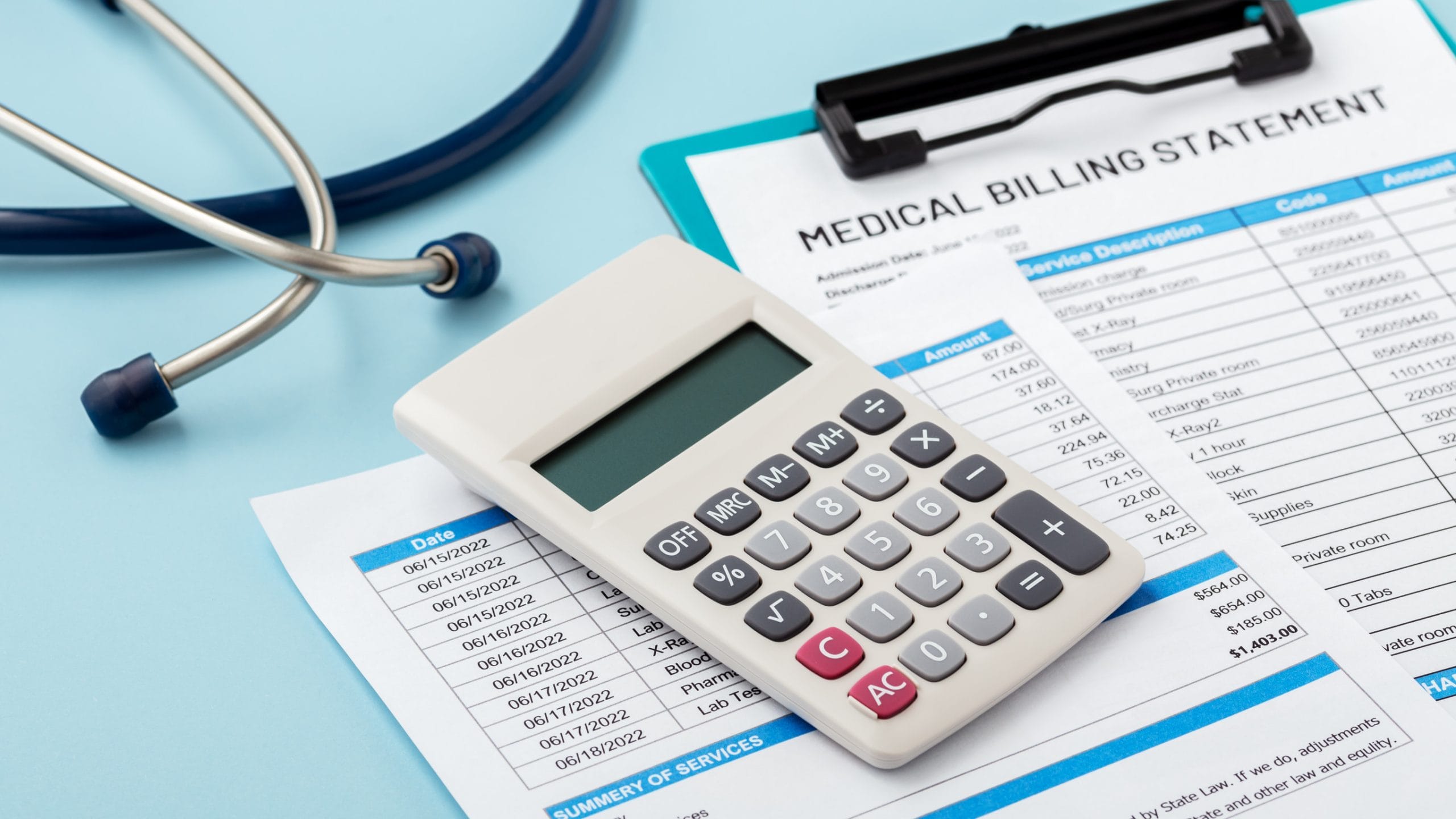
Calculator on hospital bills on blue background, medical bill and payment concept
Image Source: 123rf.com

Losing a loved one is already an emotional and stressful experience but dealing with medical bills after death can add financial uncertainty to the mix. Many families are surprised to receive hefty medical bills, leaving them wondering who is responsible for paying. While it may seem overwhelming, understanding how these debts are handled can prevent unnecessary stress and financial hardship. The rules around medical debt after death depend on several factors, including estate laws and family relationships. Let’s break down the shocking truth about what happens to medical bills after someone passes away.

1. Are Family Members Responsible for Medical Debt?

In most cases, surviving family members are not personally responsible for a deceased person’s medical bills. Medical debts are typically paid from the estate, which includes any assets left behind. If the estate does not have enough funds to cover the debt, the unpaid balance is usually written off. However, exceptions exist, such as when a spouse lives in a state with community property laws or if someone co-signed for medical expenses. Understanding your legal obligations can help you avoid unexpected financial burdens.

2. What Happens to Medical Bills If There’s No Money?

When someone passes away with outstanding medical bills and no assets, creditors usually have no legal recourse. If the estate has no money, the debts go unpaid, and the family is not responsible. Hospitals and medical providers may try to collect, but unless you signed an agreement to cover costs, you are not legally obligated. Some states have filial responsibility laws, which could hold children responsible for a parent’s unpaid medical expenses, though these laws are rarely enforced. It’s important to check local laws and seek legal advice if you receive collection notices.

3. Can Creditors Go After Life Insurance or Inheritance?

Creditors cannot claim life insurance proceeds or retirement accounts if beneficiaries are named. These funds pass directly to the beneficiaries and do not go through the estate. However, if an inheritance is distributed before settling medical debts, creditors may pursue those funds. If the estate has significant debts, heirs may receive little to nothing after creditors take their share. Working with an estate attorney can help protect family assets from unnecessary claims.

4. What Should You Do If You Receive a Medical Bill After a Loved One’s Death?

stethoscope over euro banknotes symbolize the cost of health care concept on the white background. High quality photo
Image Source: 123rf.com

If you receive a medical bill after death, do not panic or assume you must pay it. First, check whether the bill is legitimate and confirm it was not already covered by insurance or Medicaid. Contact the executor of the estate to determine if funds are available to settle the debt. If the estate cannot cover the amount, inform the creditor that no assets exist to pay the bill. Never make payments on a deceased person’s debt unless you are legally obligated, as doing so could make you responsible for the entire balance.

5. How to Protect Yourself and Your Family from Medical Debt?

Planning ahead can prevent unnecessary financial strain on your loved ones. Consider estate planning tools like wills, trusts, and medical directives to outline how debts should be handled. Ensure that assets such as life insurance and retirement funds have named beneficiaries to keep them protected. If you or a family member faces high medical costs, look into financial assistance programs and Medicaid eligibility. Being proactive with financial planning can safeguard your family’s future and prevent legal complications.

Have you dealt with a situation like this? Share your experience in the comments to help others navigate this difficult topic.

Read More:

6 Ways Your Inferiority Complex Is Keeping You In Debt

Friendship Debt: 8 Personal Reasons Your Friends Aren’t Paying You Back

Latrice Perez

Latrice is a dedicated professional with a rich background in social work, complemented by an Associate Degree in the field. Her journey has been uniquely shaped by the rewarding experience of being a stay-at-home mom to her two children, aged 13 and 5. This role has not only been a testament to her commitment to family but has also provided her with invaluable life lessons and insights.

As a mother, Latrice has embraced the opportunity to educate her children on essential life skills, with a special focus on financial literacy, the nuances of life, and the importance of inner peace.

Filed Under: Personal Finance Tagged With: debt responsibility, estate debt, Estate planning, inheritance laws, medical bills after death, medical debt, Planning, unpaid medical bills

7 Unexpected Ways Hospitals Can Help You Slash Your Medical Debt

February 11, 2025 by Latrice Perez Leave a Comment

Hospital Bills
123rf.com

Medical debt is one of the most overwhelming financial burdens many Americans face. Despite the best health insurance, bills for surgeries, treatments, or hospital stays can quickly add up. However, hospitals are often more willing to help with medical debt than most people realize. While you may think you’re stuck with the bill, there are several surprising ways hospitals can assist in slashing your medical costs. Here are seven strategies you might not know about that can help lower or eliminate your medical debt.

1. Financial Assistance Programs

Many hospitals, especially nonprofit ones, offer financial assistance programs for patients who qualify. These programs are designed to help those who are financially struggling and unable to pay their medical bills in full. Based on your income, family size, and other financial factors, hospitals may reduce or even eliminate the cost of care.

Before assuming you’re on the hook for the full amount, ask the hospital about their financial assistance program. Don’t be afraid to apply for these programs, as they can significantly reduce your medical debt if you’re eligible. Make sure you provide all necessary documentation to prove your financial need.

2. Negotiating Bills

One of the most effective ways to reduce your medical debt is to negotiate directly with the hospital or healthcare provider. Hospitals typically have a billing department that can work with patients to reduce their outstanding balance, especially if you’re having trouble paying. Some hospitals are open to negotiating payment terms, reducing charges, or offering discounts if you’re paying out-of-pocket.

It’s essential to ask for an itemized bill to ensure that you’re only being charged for the services you received. If any errors are found, bring them up with the billing department. A little persistence can often go a long way when negotiating a lower payment.

3. Payment Plans

If you cannot pay your medical bills in full, many hospitals offer payment plans that allow you to pay off your debt in manageable monthly installments. These plans are often interest-free or low-interest, making it easier to stay on top of your payments.

Hospitals may work with you to set up a plan that fits your budget, making the financial burden less overwhelming. If you’re unable to pay immediately, it’s worth asking about the terms of a payment plan that could spread the cost out over several months or even years.

4. Charity Care Programs

Many nonprofit hospitals have charity care programs that help lower-income patients who cannot afford their bills. These programs may cover all or a portion of your medical expenses. While each hospital has different requirements for eligibility, charity care programs are an often-overlooked resource that can ease the burden of medical debt.

Contact the hospital’s financial services department to inquire about their charity care program and find out if you qualify. Some hospitals may even offer these programs on a sliding scale based on your income, which means the less you earn, the more help you can get.

5. State and Local Assistance Programs

In addition to hospital-specific programs, many states and local governments offer assistance programs that can help reduce your medical debt. These programs are designed to provide financial aid to residents facing medical hardships. They may offer grants, subsidies, or assistance with paying medical bills.

It’s worth researching local programs in your area or contacting your hospital’s billing department to see if there are any state-sponsored programs you can apply for. Many hospitals are aware of these programs and may even assist you in the application process.

6. Help with Medical Insurance Appeals

Medical Insurance
Image Source: 123rf.com

If your insurance has denied coverage for certain treatments or hospital stays, hospitals often have patient advocates or billing specialists who can help you appeal the decision. They can work with your insurance company to get the claim reprocessed, potentially covering some of the costs that you thought you would have to pay out-of-pocket.

By helping you navigate insurance appeals, hospitals can reduce the amount of debt you owe by ensuring that you’re receiving the full benefits your policy entitles you to. This can be an invaluable resource, especially if you’re facing high medical costs due to insurance issues.

7. Medical Debt Forgiveness Programs

In some rare cases, hospitals may have special programs that offer medical debt forgiveness. These programs are often only available to patients who are facing extreme financial hardship and have no way to pay their bills. If you meet the eligibility requirements, some hospitals may forgive a portion of your debt or even the entire amount.

To find out if such a program exists, ask the hospital about any debt forgiveness initiatives and whether you qualify. Be prepared to provide proof of your financial hardship, and don’t be afraid to inquire if any special programs might apply to your situation.

Hospitals Are Willing to Help

It’s easy to feel trapped by medical bills, but it’s important to remember that hospitals are often willing to work with you. Whether it’s through financial assistance programs, negotiating your bills, or offering payment plans, hospitals can help ease the burden of medical debt. The key is to take action and ask for help—don’t assume that you’re stuck with the full bill.

If you’re facing overwhelming medical debt, start by reaching out to the billing department, exploring payment options, and researching available assistance programs. The sooner you address the issue, the better chance you have at reducing your debt. Remember, hospitals are there to provide care, and in many cases, they want to make sure you can afford that care without ruining your financial future.

What’s your experience with working with a hospital to reduce your medical bill? Have you ever asked for help? We’d love to know more in the comments below.

Read More:

Tips for Juggling Medical Bills and Mental Health While Recovering From Surgery

Are Medical Collections Still Relevant to Your Credit Score?

Latrice Perez

Latrice is a dedicated professional with a rich background in social work, complemented by an Associate Degree in the field. Her journey has been uniquely shaped by the rewarding experience of being a stay-at-home mom to her two children, aged 13 and 5. This role has not only been a testament to her commitment to family but has also provided her with invaluable life lessons and insights.

As a mother, Latrice has embraced the opportunity to educate her children on essential life skills, with a special focus on financial literacy, the nuances of life, and the importance of inner peace.

Filed Under: Personal Finance Tagged With: charity care, debt forgiveness, financial assistance, financial hardship, healthcare programs, hospital billing, medical bills, medical debt, medical insurance, payment plans

Don’t File Bankruptcy Due to Medical Debt-Do This Instead!

February 22, 2021 by Tamila McDonald Leave a Comment

bankruptcy medical debt

Medical debt can create a serious financial hardship. Many health-related bills are surprisingly high, and you may not be presented with a lot of options for handling it in a manner that feels manageable. However, that doesn’t mean that you have to turn to bankruptcy to address these debts. There are other approaches that can work. If you aren’t sure where to begin, here’s a look at what you can do instead of filing for bankruptcy due to medical debt.

Review Your Medical Bills for Accuracy

First, before you do anything, you should review all of your medical bills to make sure the charges are accurate. If the healthcare facility didn’t send an itemized bill automatically, request one. Then, review every single line item and charge to make sure you are only billed for services you actually received.

If you find an inaccuracy, reach out to the facility and dispute it. That way, you can ensure that any medical debt you have is genuine.

Ask About Cost-Reduction Programs

If you are part of a low-income household, you may be eligible for financial assistance programs through the healthcare facility that are designed to eliminate your medical debt burden. Some will reduce the amount you owe by a specific percentage based on your income level and the amount owed.

With those programs, you usually need to complete some paperwork to prove eligibility. Additionally, if you don’t have health insurance, you may be required to apply for Medicaid to qualify. However, once that is done, all or a portion of your debt is essentially eliminated.

Negotiate for a Lower Rate

In some cases, you can actually negotiate your medical debt down. This is especially true if you are able to make a substantial lump sum payment but can’t cover the full amount. Some facilities may accept what you can offer in exchange for closing out the bill. They’ll consider it paid-in-full, even though you paid less.

At times, you may be able to use other approaches as well. For example, if you can prove that other nearby healthcare facilities charge less for an item or service, you may be able to leverage that into a discount if the difference was significant.

If you aren’t comfortable negotiating yourself, you can opt to hire a medical bill advocate. These professionals can assist with the process, ensuring you get the best deal possible.

Work Out a Payment Plan

Most large healthcare facilities have payment plan options. Some are income-driven, while others are purely time-based. With the former, how much you pay each month is derived from your income, ensuring that you don’t have to pay more than a specific percentage of your income each month. With the latter, the amount you owe determines how long you can repay. Then, the debt is divided by that set number of monthly payments.

Usually, you can find out about these programs by contacting the provider directly. In some cases, simply requesting to be placed on a plan is enough. In others, you may need to complete paperwork and provide supporting documentation, though the process tends to be straightforward.

Now, even if there is a set payment plan formula, that doesn’t mean you can request something outside of the norm. This is especially true if what you owe is close to crossing the threshold for a better deal.

For example, if the facility offers an 18-month payment plan for debts of $5,000 or more and a 12-month plan for debts under that amount, if you owe $4,925, they might honor your request for the 18-month plan. However, not all facilities will, though that doesn’t mean you should ask.

Do you have any other tips that can help someone avoid bankruptcy and deal with medical debt? Share your thoughts in the comments below.

Read More:

  • What to Know Before Filing for Bankruptcy
  • How to Regain Control of Your Finances Amid the Pandemic
  • What Happens If Debt Is Sold to a Collection Agency?


Tamila McDonald
Tamila McDonald

Tamila McDonald is a U.S. Army veteran with 20 years of service, including five years as a military financial advisor. After retiring from the Army, she spent eight years as an AFCPE-certified personal financial advisor for wounded warriors and their families. Now she writes about personal finance and benefits programs for numerous financial websites.

Filed Under: Debt Management Tagged With: bankruptcy, medical debt

  • « Previous Page
  • 1
  • 2

Follow Us

Search this site:

Recent Posts

  • Can My Savings Account Affect My Financial Aid? by Tamila McDonald
  • 12 Ways Gen X’s Views Clash with Millennials… by Tamila McDonald
  • What Advantages and Disadvantages Are There To… by Jacob Sensiba
  • 10 Tactics for Building an Emergency Fund from Scratch by Vanessa Bermudez
  • Call 911: Go To the Emergency Room Immediately If… by Stephen Kanaval
  • 7 Weird Things You Can Sell Online by Tamila McDonald
  • 10 Scary Facts About DriveTime by Tamila McDonald

Copyright © 2026 · News Pro Theme on Genesis Framework