
• Home
  • About Us
  • Toolkit
  • Getting Finances Done
    • Hiring Advisors
    • Debt Management
    • Spending Plan
  • Insurance
    • Life Insurance
    • Health Insurance
    • Disability Insurance
    • Homeowners/Renters Insurance
  • Contact Us
  • Privacy Policy
  • Risk Tolerance Quiz

The Free Financial Advisor

You are here: Home / Archives for market volatility

6 Effective Steps to Stop Worrying About Market Volatility

October 11, 2025 by Travis Campbell Leave a Comment

investing

Image source: pexels.com

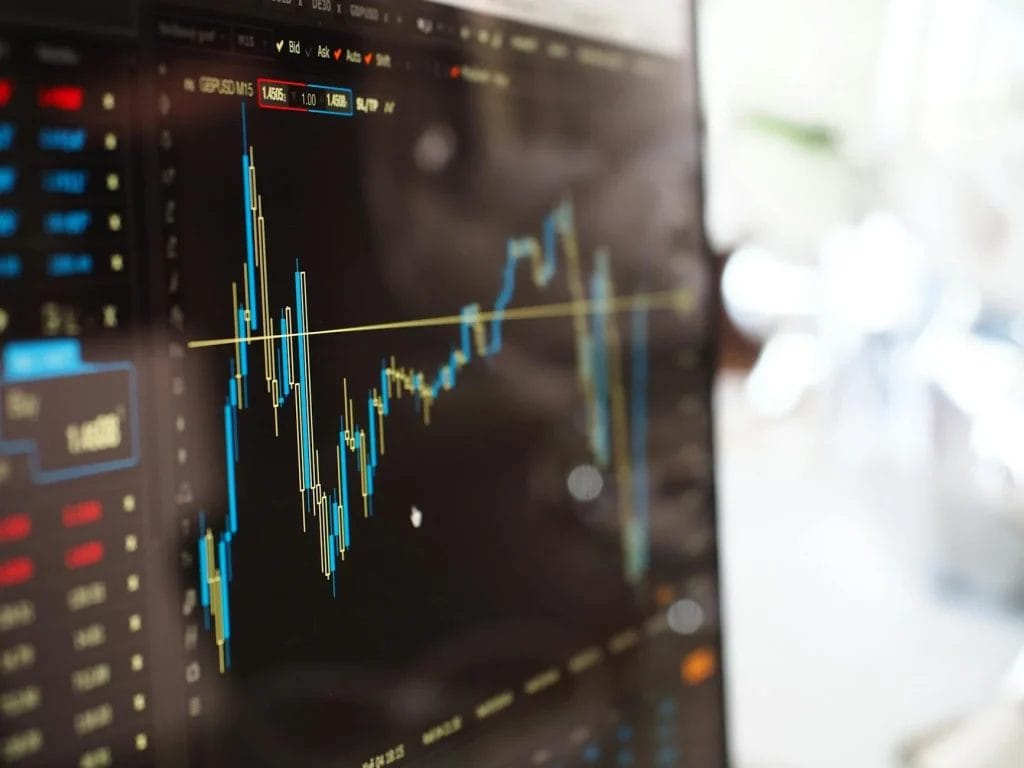
Market volatility can feel like a rollercoaster for even the most seasoned investors. Watching your portfolio fluctuate can trigger anxiety, second-guessing, or hasty decisions. But market ups and downs are a natural part of investing. Learning how to stop worrying about market volatility is crucial for building long-term wealth and maintaining your peace of mind. With the right strategies, you can navigate uncertainty more confidently and stay focused on your goals. Here are six effective steps to help you manage your emotions and make smarter decisions during turbulent times.

1. Understand What Drives Market Volatility

Market volatility is simply the degree of variation in stock prices over time. News headlines, economic data, company earnings, and even investor sentiment can all cause markets to swing. Sometimes these moves are rational, but often they’re driven by emotions or short-term reactions. By understanding that volatility is a normal part of market behavior, you can start to put daily price swings in perspective. Remember, long-term trends matter more than short-term noise when it comes to reaching your financial goals.

2. Focus on Your Long-Term Plan

One of the best ways to stop worrying about market volatility is to revisit your long-term investment plan. Why did you invest in the first place? Whether you’re saving for retirement, a home, or your child’s education, your plan should be based on your timeline and risk tolerance—not on today’s headlines. By focusing on your big-picture objectives, you’re less likely to make impulsive decisions when the market gets rocky. If your goals haven’t changed, your investment approach probably shouldn’t either.

3. Keep Your Emotions in Check

It’s human nature to feel uneasy when markets drop. But reacting emotionally to market volatility can lead to costly mistakes, like selling at the bottom or chasing returns after a rally. Instead, take a step back and recognize your feelings for what they are—natural, but not necessarily helpful. Consider writing down your investment rules or talking to a trusted advisor when you’re tempted to act on fear or greed. Staying calm during market swings can pay off in the long run.

4. Diversify Your Investments

Diversification is a classic way to reduce risk and stop worrying about market volatility. By spreading your money across different asset classes—like stocks, bonds, and real estate—you can minimize the impact of a downturn in any single area. Even within stocks, you can diversify by owning companies of different sizes, industries, and regions. This approach smooths out your returns and provides a buffer against sudden market shocks. If you’re not sure how diversified your portfolio is, now is a good time to check.

5. Limit Your Exposure to the News

Constant news updates can make market volatility seem worse than it is. Headlines are often designed to grab your attention and stir up emotion, not to help you make sound financial choices. If you find yourself feeling anxious after reading the news, try limiting your exposure. Set specific times to check your portfolio or financial news—maybe once a week instead of every day. Less noise can mean less stress.

6. Rebalance and Review Regularly

Regularly reviewing and rebalancing your portfolio helps you stay aligned with your goals, especially during periods of market volatility. If certain investments have grown or shrunk more than others, your portfolio’s risk profile may have shifted. Rebalancing—selling some winners and buying underperformers—brings your mix back in line with your original plan. This disciplined approach removes emotion from the process and helps you buy low and sell high over time. Consider setting a schedule to review your investments, such as once or twice a year.

Building Confidence in Uncertain Times

Learning how to stop worrying about market volatility is a journey, not a one-time fix. By understanding what causes volatility, focusing on your long-term goals, and using practical strategies like diversification and rebalancing, you can build resilience as an investor. Remember, every market cycle brings opportunities as well as challenges. Staying patient and disciplined through the ups and downs will serve you well over time.

What steps have helped you worry less about market volatility? Share your thoughts or questions in the comments below!

What to Read Next…

  • 8 Silent Indicators That a Recession Is Already Underway
  • 7 Areas of Your Portfolio Exposed to Sudden Market Shocks
  • How Financial Planners Are Recommending Riskier Portfolios in 2025
  • What Happens to Retirement Payouts When the Market Drops Mid Inheritance
  • Identifying Underpriced Stocks Using the Graham Formula
Travis Campbell
Travis Campbell

Travis Campbell is a digital marketer/developer with over 10 years of experience and a writer for over 6 years. He holds a degree in E-commerce and likes to share life advice he’s learned over the years. Travis loves spending time on the golf course or at the gym when he’s not working.

Filed Under: Investing Tagged With: emotions and investing, investing, market volatility, Planning, portfolio management

5 Reasons People Pause Financial Plans During Tariff-Driven Volatility

August 23, 2025 by Catherine Reed Leave a Comment

5 Reasons People Pause Financial Plans During Tariff-Driven Volatility

Image source: 123rf.com

When global trade disputes heat up, it often leads to tariff changes that ripple through the economy in unpredictable ways. These shifts can affect everything from consumer prices to investment returns, making individuals reconsider their long-term money strategies. Many families and retirees choose to hold off on major moves because financial plans during tariff-driven volatility feel less reliable. Pausing doesn’t always mean abandoning a plan—it can simply give people breathing room while they wait for stability. Here are five common reasons why people put their financial strategies on hold during times of tariff uncertainty.

1. Fear of Market Instability

One of the main reasons people delay financial plans during tariff-driven volatility is the uncertainty it creates in the markets. Stocks often swing sharply as tariffs impact global supply chains and trade relationships. Investors worry that a downturn could erase recent gains, making it harder to stick to a long-term strategy. Even people who usually take a steady approach may feel uneasy when headlines warn of economic turbulence. This fear often leads them to pause investments, even if the pause is only temporary.

2. Rising Costs in Daily Living

Tariffs often result in higher costs for consumer goods, which directly affects household budgets. When groceries, electronics, or household essentials become more expensive, people sometimes divert money from savings to cover these costs. This shift leaves less room for retirement contributions or other planned investments. As a result, many decide it’s best to wait until costs settle before committing to new strategies. Financial plans during tariff-driven volatility often need to be adjusted to reflect these immediate pressures.

3. Concerns About Job Security

Economic uncertainty can also spill into the job market, which influences financial decisions. Tariff disputes may hurt industries that rely heavily on imports or exports, leading to layoffs or reduced hours. People who feel their jobs might be at risk often pause long-term planning to focus on short-term stability. Building emergency funds suddenly becomes more urgent than contributing to retirement accounts. By shifting their focus, they aim to safeguard their financial well-being in case of sudden employment changes.

4. Mixed Signals from Experts

Another reason people pause financial plans during tariff-driven volatility is the wide range of conflicting advice they receive. Some financial professionals encourage staying the course, while others suggest a more cautious approach. These mixed messages leave many feeling uncertain about what to do next. When experts can’t agree on the best path forward, individuals often choose to do nothing until the outlook becomes clearer. Pausing allows them to avoid making a choice that could backfire in a shifting economic climate.

5. Protecting Long-Term Goals from Short-Term Shocks

Sometimes pausing financial activity is less about fear and more about strategy. People don’t want short-term shocks from tariffs to derail the long-term goals they’ve worked hard to build. By holding off on large moves, they give their portfolios time to weather the storm. This cautious approach helps prevent locking in losses during downturns. In many cases, pausing financial plans during tariff-driven volatility is simply a way to preserve what they’ve already achieved.

Finding Stability When the Economy Feels Shaky

While uncertainty may tempt people to pause their strategies, it’s important to remember that financial planning is a long-term process. Taking a step back can provide comfort, but so can revisiting plans with a focus on resilience and flexibility. Adjustments like increasing emergency savings or rebalancing portfolios can help reduce stress during volatile times. The key is to strike a balance between patience and proactive planning. By staying informed, people can make smarter decisions without letting fear take over.

Do you think pausing financial decisions is the best move during tariff-driven uncertainty, or is it better to adapt and keep going? Share your thoughts below.

Read More:

Financial Planning Basics: The Financial Pyramid

8 Smart Investing Rules the Wealthy Actually Follow

Catherine Reed
Catherine Reed

Catherine is a tech-savvy writer who has focused on the personal finance space for more than eight years. She has a Bachelor’s in Information Technology and enjoys showcasing how tech can simplify everyday personal finance tasks like budgeting, spending tracking, and planning for the future. Additionally, she’s explored the ins and outs of the world of side hustles and loves to share what she’s learned along the way. When she’s not working, you can find her relaxing at home in the Pacific Northwest with her two cats or enjoying a cup of coffee at her neighborhood cafe.

Filed Under: Finance Tagged With: financial plans during tariff-driven volatility, financial strategy, household budgets, job security, market volatility, retirement planning, tariffs

8 Signs Your Portfolio Strategy May Be Outdated in This Economy

August 23, 2025 by Catherine Reed Leave a Comment

8 Signs Your Portfolio Strategy May Be Outdated in This Economy

Image source: 123rf.com

The economy changes faster than most investors realize, and what worked ten years ago may no longer serve you today. Market volatility, rising interest rates, and global uncertainty all mean your investments need to be more adaptable. Yet many people stick with the same portfolio strategy without asking whether it still fits their goals. Ignoring the warning signs can lead to missed opportunities or unnecessary risks. Here are eight signs your portfolio strategy may be outdated in this economy—and what to do about it.

1. You’re Still Relying Heavily on Bonds

In the past, bonds were seen as a safe haven for conservative investors. But with inflation and shifting interest rates, bond-heavy portfolios may no longer deliver the security or returns you expect. If your portfolio strategy still leans too heavily on bonds, you may be exposed to interest rate risk. While bonds still play a role, they shouldn’t dominate your allocation without considering today’s economic realities. Rebalancing into a more diversified mix can help protect your future income.

2. Your Portfolio Hasn’t Been Rebalanced in Years

A common issue for investors is neglecting to rebalance regularly. Over time, strong-performing assets grow to take up more space in your portfolio, which can throw off your intended risk level. If your portfolio strategy hasn’t been reviewed in several years, you may be taking on more risk than you realize. Rebalancing ensures you stick to your long-term goals instead of letting market swings decide for you. Ignoring this step is a clear sign your portfolio strategy is outdated.

3. You’re Overexposed to a Single Sector

Putting too much of your portfolio in one area—like tech, real estate, or energy—can backfire when that sector struggles. Diversification spreads out risk and helps smooth returns across different economic cycles. If your portfolio strategy relies too much on one “hot” sector, you’re more vulnerable to downturns. This is especially true in today’s unpredictable global economy. A modern strategy should balance growth opportunities with stability.

4. You Haven’t Accounted for Rising Inflation

Inflation has become a major concern for retirees and investors alike. If your portfolio strategy doesn’t include assets that outpace inflation, your money may lose value over time. Traditional savings accounts and low-yield investments won’t be enough in this environment. Assets like equities, real estate, or inflation-protected securities can help offset this risk. Adapting to inflation is one of the most important updates you can make to your strategy.

5. Your Retirement Timeline Has Changed, But Your Portfolio Hasn’t

Life changes—whether retiring earlier, working longer, or adjusting your lifestyle goals—require portfolio adjustments. If your portfolio strategy hasn’t shifted to reflect your new timeline, you may be mismatched in risk and income needs. For example, someone delaying retirement might benefit from staying more growth-focused, while someone retiring sooner may need safer income streams. Failing to align your portfolio with your life stage leaves you unprepared for the future. Retirement planning and portfolio adjustments should always go hand in hand.

6. You’re Ignoring International Exposure

Global markets play a huge role in today’s economy. If your portfolio strategy is focused only on domestic investments, you may be missing growth opportunities abroad. While international markets come with risks, they also add valuable diversification. Countries with faster growth or emerging industries can boost returns when U.S. markets stagnate. Updating your portfolio to include some international exposure keeps it better balanced in an interconnected world.

7. You Haven’t Considered Tax Efficiency

Taxes can eat into your returns just as much as poor investments. If your portfolio strategy doesn’t account for tax-advantaged accounts, capital gains management, or withdrawal sequencing, you may be losing money unnecessarily. A smart portfolio considers not just what you earn, but what you keep after taxes. This is especially important in retirement when income streams come from multiple sources. Updating your strategy for tax efficiency can significantly improve long-term outcomes.

8. You’re Still Following “Set It and Forget It” Advice

While long-term investing is important, blindly sticking to a plan without adjustments is risky in today’s economy. Markets evolve, interest rates shift, and personal goals change. If your portfolio strategy is still based on outdated advice from decades ago, it may not serve you well today. Staying engaged with your investments doesn’t mean constant trading—it means reviewing and adapting. A modern approach requires a balance between discipline and flexibility.

Keeping Your Portfolio Strategy Future-Ready

Your portfolio strategy should be a living plan, not a static one. The economy of today and tomorrow demands flexibility, diversification, and careful tax planning. By spotting the signs of an outdated strategy, you can take proactive steps to realign your investments with your goals. Staying informed and open to change helps protect your wealth and grow it, even in uncertain times. A future-ready strategy is the best safeguard against an unpredictable economy.

When was the last time you reviewed your portfolio strategy? Share your experiences and adjustments in the comments below.

Read More:

8 Hidden Investment Exit Fees Many Don’t Expect

8 Smart Investing Rules the Wealthy Actually Follow

Catherine Reed
Catherine Reed

Catherine is a tech-savvy writer who has focused on the personal finance space for more than eight years. She has a Bachelor’s in Information Technology and enjoys showcasing how tech can simplify everyday personal finance tasks like budgeting, spending tracking, and planning for the future. Additionally, she’s explored the ins and outs of the world of side hustles and loves to share what she’s learned along the way. When she’s not working, you can find her relaxing at home in the Pacific Northwest with her two cats or enjoying a cup of coffee at her neighborhood cafe.

Filed Under: Investing Tagged With: diversification, Inflation, investing, market volatility, Planning, portfolio strategy, retirement planning

What Happens to Retirement Payouts When the Market Drops Mid-Inheritance

August 6, 2025 by Catherine Reed Leave a Comment

What Happens to Retirement Payouts When the Market Drops Mid-Inheritance

Image source: 123rf.com

Inheriting a retirement account can feel like a financial blessing—until the stock market takes a sudden dive. Many families don’t realize that retirement payouts tied to investment accounts can lose value in real time, even during the estate transfer process. When markets dip mid-inheritance, what once looked like a comfortable financial cushion may shrink faster than expected. The timing, handling, and structure of the inheritance all play a role in how much money actually ends up in your hands. Here’s what families need to know about how a market downturn can impact retirement payouts during inheritance.

1. Retirement Accounts Are Still Exposed to Market Risk

Most retirement accounts—like IRAs and 401(k)s—are tied to investment portfolios that fluctuate with the market. If the account holder passes away and the market drops before the beneficiary takes control, the value of the retirement payouts may shrink significantly. Unfortunately, the account doesn’t freeze at the time of death unless it’s moved into a money market or fixed-income fund. That means if it takes weeks or months to settle the estate, the value could fall further before you ever access it. Timing is everything when inheriting an investment-based retirement account.

2. Inherited IRAs Transfer as Is—Including Gains or Losses

When someone inherits a retirement account, they often receive it as an Inherited IRA. This type of account preserves the original investments until the beneficiary decides to make changes. If the market takes a downturn during that time, the retirement payouts could end up being worth far less than initially expected. Many beneficiaries assume the value is “locked in” upon the original owner’s death, but that’s not true unless the investments are immediately adjusted. Understanding how Inherited IRAs work is key to protecting your share from a sudden drop.

3. Delays in Account Transfer Can Make Losses Worse

Inheriting retirement payouts isn’t always a quick process. Paperwork delays, probate proceedings, and coordination between financial institutions can drag out the timeline. During that window, the investments in the retirement account are still subject to market conditions. A sharp dip in stocks or mutual funds can mean a five- or six-figure drop in the value of your inheritance. The faster you initiate the transfer and assess the account’s investments, the better your chances of minimizing additional losses.

4. Required Withdrawals Don’t Adjust for Market Timing

Inherited retirement accounts often come with Required Minimum Distributions (RMDs), especially under current IRS rules. These are based on the account’s value at a specific time—usually the year-end balance of the year the owner died. But if the market crashes after that calculation, you may be required to withdraw a set amount from a now smaller account. That not only locks in the loss but may also increase your tax bill. Retirement payouts structured this way can be a double blow if the market drops at the wrong time.

5. Taxes Still Apply on Withdrawals—Even After a Loss

When you inherit a traditional IRA or 401(k), any withdrawals you make are taxed as ordinary income. Unfortunately, the IRS doesn’t reduce your tax burden just because the market dropped. You’ll still owe income tax on whatever amount you withdraw, even if the account is worth significantly less than when you first inherited it. This can be frustrating for beneficiaries who expected the account to provide long-term financial support. Planning ahead for taxes is crucial when managing retirement payouts during a market downturn.

6. Roth Accounts Offer Some Flexibility—But Not Total Protection

If you inherit a Roth IRA, you won’t owe taxes on withdrawals as long as the account has been open for at least five years. However, the investments inside a Roth are still exposed to market volatility. A drop in the market still affects how much you can withdraw, even if it’s tax-free. Some beneficiaries mistakenly think Roth accounts are immune to risk because of their tax status. While they’re more flexible than traditional accounts, Roth-based retirement payouts still need careful monitoring during a downturn.

7. Professional Advice Can Help You Limit Damage

If you’ve inherited a retirement account during a market slump, don’t panic—but don’t go it alone either. A financial advisor or tax professional can help you make smart decisions about rebalancing the portfolio, taking distributions, and managing your tax exposure. They can also guide you through strategic withdrawals or timing decisions to protect your long-term value. Acting too quickly or emotionally during a market dip can lock in unnecessary losses. Getting help can preserve your inheritance and ensure your retirement payouts go further.

Inheriting Wealth Doesn’t Always Mean Keeping It

A retirement inheritance is only as valuable as the decisions made after it’s received. When the market drops mid-inheritance, what seemed like a sure thing can shrink quickly without proper handling. Being informed about how retirement payouts respond to investment changes—and acting quickly to protect them—can help you make the most of what’s been left behind. In times of emotional loss, financial clarity is more important than ever. With the right knowledge and support, you can prevent a volatile market from stealing your financial future.

Have you ever inherited a retirement account during a market dip? What did you learn from the experience? Share your thoughts in the comments below.

Read More:

Why Do More Adult Children Regret Accepting Early Inheritance

Why More Heirs Are Suing Over “Surprise” Trusts in 2025

Catherine Reed
Catherine Reed

Catherine is a tech-savvy writer who has focused on the personal finance space for more than eight years. She has a Bachelor’s in Information Technology and enjoys showcasing how tech can simplify everyday personal finance tasks like budgeting, spending tracking, and planning for the future. Additionally, she’s explored the ins and outs of the world of side hustles and loves to share what she’s learned along the way. When she’s not working, you can find her relaxing at home in the Pacific Northwest with her two cats or enjoying a cup of coffee at her neighborhood cafe.

Filed Under: Estate Planning Tagged With: Estate planning, family finances, financial inheritance, inherited IRA, investment risk, market volatility, retirement payouts, retirement planning

What No One Admits About Timing a Bear Market

April 29, 2025 by Travis Campbell Leave a Comment

stock chart

Image Source: pexels.com

The elusive dream of perfectly timing market downturns has captivated investors for generations. While financial advisors often preach the gospel of “time in the market beats timing the market,” many investors still attempt to outsmart bear markets. This pursuit isn’t merely about preserving capital—it’s about the psychological comfort of feeling in control during chaotic market conditions. Yet beneath the surface of this seemingly rational strategy lie uncomfortable truths that few professionals openly discuss. Understanding these hidden realities might be the difference between financial security and costly mistakes.

1. Even Professionals Fail at Market Timing Consistently

Professional fund managers, with their advanced degrees, sophisticated models, and dedicated research teams, consistently struggle to time market downturns effectively. According to a study by Morningstar, over 10 years ending in 2020, only 23% of active fund managers outperformed their passive benchmarks. This underperformance isn’t due to a lack of effort or intelligence—it stems from the fundamental unpredictability of markets.

Market timing requires two perfect decisions: when to exit and when to re-enter. Getting just one wrong can devastate returns. Many professionals who correctly predicted the 2008 financial crisis failed to anticipate the rapid recovery that followed, missing substantial gains while waiting for a “double-dip” recession that never materialized.

2. Psychological Biases Make Timing Nearly Impossible

Our brains are wired with cognitive biases that sabotage market timing attempts. Confirmation bias leads us to seek information supporting our existing beliefs about market direction. Recency bias causes us to overweight recent events, making downturns seem permanent during bear markets. Loss aversion makes us twice as sensitive to losses as to equivalent gains, often triggering premature selling.

Perhaps most damaging is hindsight bias—the tendency to believe past events were predictable after they’ve occurred. This creates the illusion that we could have foreseen market crashes, when in reality, genuine black swan events are recognized only in retrospect. These psychological factors explain why individual investors’ actual returns typically lag market returns by 1-2% annually.

3. The Cost of Being Wrong Is Astronomical

Missing just a handful of the market’s best days can dramatically reduce long-term returns. Research from J.P. Morgan shows that missing the 10 best market days over 20 years would cut returns nearly in half. What makes this particularly challenging is that the market’s best days often occur during periods of extreme volatility, frequently within days or weeks of its worst performances.

The mathematics of recovery also works against market timers. A 20% market decline requires a 25% gain just to break even. The deeper the decline, the steeper the climb back. Investors who exit during downturns often wait for “confirmation” of recovery, missing the initial sharp rebounds that contribute disproportionately to long-term returns.

4. Market Timing Creates Tax Inefficiencies

The tax implications of frequent trading rarely factor into market timing discussions. Each successful market exit potentially triggers capital gains taxes, immediately reducing the capital available for reinvestment. This tax drag compounds over time, creating a significant headwind against long-term performance.

For high-income investors in states with substantial income taxes, combined federal and state tax rates on short-term gains can exceed 40%. This means market timing strategies must generate returns significantly above buy-and-hold approaches just to break even after taxes. Few market timing systems can consistently overcome this hurdle.

5. Economic Indicators Often Mislead Investors

Many investors rely on economic indicators to time market exits and entries. However, markets are forward-looking mechanisms that frequently move in advance of economic data. When recession indicators appear in official statistics, markets have often already priced in this information.

The COVID-19 market crash and recovery perfectly illustrated this disconnect. The market bottomed on March 23, 2020, while economic data deteriorated for months afterward. Investors waiting for economic “all-clear” signals missed a 40%+ recovery in major indices. Similarly, markets often begin declining while economic indicators still show strength, as they did before the 2008 financial crisis.

6. The Real Secret: Risk Management Beats Market Timing

The uncomfortable truth most professionals won’t admit is that effective risk management strategies outperform market timing attempts. Rather than trying to predict market movements, successful investors focus on controlling portfolio risk through proper asset allocation, diversification, and periodic rebalancing.

Dollar-cost averaging—investing fixed amounts at regular intervals regardless of market conditions—removes emotion from the equation while capitalizing on market volatility. This approach acknowledges our inability to predict short-term market movements while harnessing the market’s long-term upward bias.

The Courage to Stay the Course When Others Panic

Perhaps the most valuable skill in investing isn’t timing ability but emotional resilience. The capacity to maintain conviction during market turmoil—when headlines scream disaster and others rush for exits—separates successful investors from the crowd. This isn’t about blind faith but understanding market history: every bear market has eventually given way to new highs.

The real edge comes not from predicting market turns but from preparing psychologically and financially for inevitable downturns. This means maintaining appropriate emergency funds, avoiding excessive leverage, and creating a written investment policy statement to guide decisions when emotions run high.

Have you ever been tempted to time the market during a downturn? What strategies helped you resist the urge to sell when markets plunged?

Read More

Is it time for the market to crash?

5 great stock buying tips to practice today

Travis Campbell
Travis Campbell

Travis Campbell is a digital marketer/developer with over 10 years of experience and a writer for over 6 years. He holds a degree in E-commerce and likes to share life advice he’s learned over the years. Travis loves spending time on the golf course or at the gym when he’s not working.

Filed Under: Investing Tagged With: bear market timing, investment strategy, investor psychology, market downturns, market volatility, portfolio management

Is a Crypto Crash Coming in 2025?

January 24, 2025 by Latrice Perez Leave a Comment

Bitcoin. Crypto currency Bitcoin, BTC, Bit Coin. Bitcoin and Ethereum golden coins on a chart. Blockchain technology, bitcoin mining concept

Image Source: 123rf.com

The cryptocurrency market is as unpredictable as ever, leaving investors wondering what lies ahead in 2025. With massive price swings and increasing regulation, crypto enthusiasts are on edge. While past market trends have taught us that volatility is part of the game, the possibility of a major crash can’t be ignored. Some experts believe the market may face a significant downturn, while others predict further adoption and growth. Let’s break down the factors that could lead to a crypto crash in 2025 and what it means for investors.

1. The Role of Regulation in Market Stability

One of the biggest factors influencing a potential crypto crash in 2025 is regulation. Governments around the world are ramping up efforts to control cryptocurrency markets, with some considering outright bans on certain activities like crypto mining or trading. Increased oversight may lead to panic selling, causing a sharp decline in prices. On the flip side, regulation could also stabilize the market, attracting more institutional investors. Whether regulation acts as a stabilizer or a disruptor largely depends on how governments approach the industry.

2. Macroeconomic Factors at Play

Global economic conditions could play a major role in triggering a crypto crash. High inflation, rising interest rates, and economic uncertainty often push investors away from riskier assets like cryptocurrencies. In times of financial instability, people may turn to traditional assets like gold or bonds. Additionally, a global recession could further strain crypto investments as retail investors tighten their budgets. Keeping an eye on economic trends can help investors prepare for potential market turbulence.

3. The End of the Hype Cycle?

Every market experiences a hype cycle, and cryptocurrencies are no exception. After the meteoric rise of Bitcoin and altcoins over the past few years, some analysts believe the hype may be wearing off. A decline in investor enthusiasm could lead to slower adoption and a drop in trading volumes. This reduced activity might trigger a price correction, especially for overvalued projects with little real-world use. To avoid losses, investors should focus on coins with strong fundamentals and long-term potential.

4. The Impact of Market Manipulation

Golden Bitcoins. New virtual money.

Image Source: 123rf.com

Cryptocurrency markets are still relatively young and lack the oversight seen in traditional financial markets, making them vulnerable to manipulation. Whales—investors holding large amounts of cryptocurrency—can significantly influence prices by dumping or pumping assets. Sudden price movements caused by manipulation could erode investor confidence, leading to a broader market crash. Understanding the risks of manipulation is crucial for anyone investing in crypto.

5. What Can Investors Do to Prepare?

While it’s impossible to predict a crypto crash with certainty, there are steps investors can take to minimize risks. Diversifying your portfolio across different asset classes can reduce the impact of a market downturn. It’s also wise to only invest what you can afford to lose, as crypto remains a highly speculative market. Staying informed about market trends and regulatory developments can help you make more strategic decisions. Finally, consider holding assets with strong use cases and long-term growth potential.

Do you think a crypto crash is looming in 2025, or will the market defy expectations once again? Share your thoughts in the comments below.

Read More:

  • What Are the Top Cryptocurrencies in 2024, And Why
  • Unlocking Financial Freedom: 5 Reasons to Choose Crypto Visa Cards
Latrice Perez

Latrice is a dedicated professional with a rich background in social work, complemented by an Associate Degree in the field. Her journey has been uniquely shaped by the rewarding experience of being a stay-at-home mom to her two children, aged 13 and 5. This role has not only been a testament to her commitment to family but has also provided her with invaluable life lessons and insights.

As a mother, Latrice has embraced the opportunity to educate her children on essential life skills, with a special focus on financial literacy, the nuances of life, and the importance of inner peace.

Filed Under: Investing Tagged With: 2025 crypto predictions, bitcoin, crypto crash, crypto investing, crypto regulation, cryptocurrency market, financial trends, market volatility

  • « Previous Page
  • 1
  • 2

FOLLOW US

Search this site:

Recent Posts

  • Can My Savings Account Affect My Financial Aid? by Tamila McDonald
  • 12 Ways Gen X’s Views Clash with Millennials… by Tamila McDonald
  • What Advantages and Disadvantages Are There To… by Jacob Sensiba
  • 10 Tactics for Building an Emergency Fund from Scratch by Vanessa Bermudez
  • Call 911: Go To the Emergency Room Immediately If… by Stephen Kanaval
  • 7 Weird Things You Can Sell Online by Tamila McDonald
  • 10 Scary Facts About DriveTime by Tamila McDonald

Copyright © 2026 · News Pro Theme on Genesis Framework