• Home
  • About Us
  • Getting Finances Done
    • Hiring Advisors
    • Debt Management
    • Spending Plan
  • Insurance
    • Life Insurance
    • Health Insurance
    • Disability Insurance
    • Homeowners/Renters Insurance
  • Contact Us
  • Our Editorial Commitment

The Free Financial Advisor

You are here: Home / Archives for income reporting

IRS 1099-K Rules in 2026: Who Must Report Payments This Year

February 11, 2026 by Brandon Marcus 1 Comment

IRS 1099-K Rules in 2026: Who Must Report Payments This Year
Image source: shutterstock.com

The IRS has been adjusting the 1099-K reporting rules for years, and 2026 was shaping up to be the moment when everything changed. After delays, phased rollouts, and more confusion than anyone asked for, this was the year when millions of Americans were going to make major tax changes. Whether you sell online occasionally, run a side hustle, or use payment apps for business, these rules were set to affect how your income was reported to the IRS.

The good news is that the 1099-K form is about business transactions, not personal ones. But knowing which payments fall into which category is where things get interesting.

The Threshold That Was Supposed To Take Effect

For years, the IRS planned to lower the 1099-K reporting threshold to $600 for business transactions processed through third‑party platforms. After multiple delays, the IRS announced a phased approach, and 2026 was the year the full $600 threshold was scheduled to apply.

However, recent legislation changed all of that. Instead of dropping down to $600, the threshold will now remain at $20,000 and 200 transactions. For many, that created a sigh of relief, but some confusion remains.

However, the fact remains: the IRS will issue a 1099-K to taxpayers who receive more than $20,000 in payments for goods and services and complete over 200 separate transactions on platforms such as eBay, PayPal, Venmo (business accounts), or other third‑party payment networks.

What Counts as a Reportable Payment

Remember, the 1099-K covers payments from online marketplaces, payment apps with business accounts, and platforms that handle transactions between buyers and sellers. So, if you sell handmade items, flip furniture, run a small online shop, or accept digital payments for freelance work, those payments fall under the 1099-K umbrella.

This does not apply to personal transfers between friends or family, like splitting a restaurant bill or sending a birthday gift. But for millions of Americans earning money through side gigs, online sales, or digital payment apps, understanding when a 1099-K is triggered can make tax season far less confusing.

If you use the same app for both personal and business transactions, it’s worth separating them into different accounts or categories. It keeps your records cleaner and reduces the chance of receiving a form that doesn’t reflect your actual taxable income.

Why Online Sellers Need to Pay Attention

Platforms like eBay, Etsy, Poshmark, and Mercari must issue a 1099-K when sellers exceed the reporting threshold for business transactions. If you sell items as a hobby or occasionally clear out your closet, the income may not be taxable if you sell items for less than you originally paid. But the platform may still issue a form if the transactions meet the reporting threshold.

This is where record‑keeping matters. The IRS taxes profit, not the original purchase price of personal items. If you sell a used laptop for $300 that you originally bought for $900, that’s not taxable income. But if the platform issues a 1099-K, you’ll want documentation showing the original cost to avoid confusion.

For people who run online shops or side businesses, the 1099-K simply reflects income that should already be reported. The form helps consolidate information, but it doesn’t change the underlying tax rules.

Gig Workers and Freelancers Aren’t Exempt

If you drive for a rideshare service, deliver food, walk dogs, or freelance through platforms that process payments, the 1099-K may apply. Some gig platforms issue 1099-NEC forms instead, depending on how payments are structured. The key is understanding that income from gig work is taxable regardless of which form you receive.

The 1099-K doesn’t replace your responsibility to track expenses. If you use your car for work, buy supplies, or pay platform fees, those costs may be deductible. Keeping receipts and mileage logs helps ensure you report net income, not gross payments.

IRS 1099-K Rules in 2026: Who Must Report Payments This Year
Image source: shutterstock.com

The Importance of Categorizing Payments Correctly

Many people use payment apps casually without thinking about how transactions are labeled. But in 2026, categorization matters more than ever. Marking payments as personal when they are personal helps prevent unnecessary forms. Marking business payments correctly ensures accurate reporting.

Most apps now include clear options for tagging transactions. Taking a few seconds to categorize payments can prevent headaches during tax season. If you run a business, consider using a dedicated business account to keep everything clean and separate.

How to Prepare for 2026 Without Stress

The best preparation is organization. Keep records of what you sell, what you earn, and what you spend. Separate personal and business payments. Save receipts for items you resell. Track expenses if you run a side hustle. And review your payment app settings to make sure transactions are categorized correctly.

Because the proposed threshold changes didn’t go through, you don’t need to overhaul your life. Stick to what you were doing, but always be alert and prepared when tax season rolls around.

The Year to Get Ahead of the Rules

With proposed changes, reversals, and constant talk of more updates, no one can blame you for being confused. Understanding the rules gives you control, clarity, and confidence as taxes approach. When you know what counts as income and what doesn’t, you can navigate the year without surprises.

Are you planning to track your digital payments differently this year? Have you met that IRS threshold? Talk about it in the comments below.

You May Also Like…

The IRS Reporting Threshold Change That Just Created a Tax Risk for Millions in 2026

The Gig Economy Tax Nightmare: Why So Many Freelancers End Up Owing the IRS

9 Side Hustles That Sound Great but Are a Complete Waste of Your Time

The Income-Driven Repayment Plans That End July 1, 2028 Under New Law

Income Threshold: 4 Hidden Taxes That Hit Once You Cross Certain Limits

Brandon Marcus
Brandon Marcus

Brandon Marcus is a writer who has been sharing the written word since a very young age. His interests include sports, history, pop culture, and so much more. When he isn’t writing, he spends his time jogging, drinking coffee, or attempting to read a long book he may never complete.

Filed Under: Tax Planning Tagged With: 1099-K, digital payments, gig income, income reporting, IRS rules, payment apps, Personal Finance, side hustles, tax forms, tax reporting, taxes 2026

8 IRS Red Flags That Are Most Likely to Trigger a Full-Blown Audit

October 17, 2025 by Catherine Reed Leave a Comment

8 IRS Red Flags That Are Most Likely to Trigger a Full-Blown Audit
Image source: shutterstock.com

Every taxpayer worries about making a mistake that could attract unwanted attention from the IRS. While most tax returns are processed without issue, certain patterns, numbers, and claims raise what the IRS calls “compliance indicators”—more commonly known as IRS red flags. These warning signs can trigger closer scrutiny or even lead to a full-blown audit. The good news is that most audits can be avoided simply by knowing what the IRS watches for and keeping your records clean. Here are eight of the most common IRS red flags that could increase your chances of hearing from the agency.

1. Reporting Unusually High Income

It’s no secret that the higher your income, the greater your odds of being audited. Taxpayers earning over $500,000 are statistically more likely to face IRS scrutiny than those in lower brackets. This doesn’t mean you’re doing anything wrong—it simply means your return falls into a category that receives more attention. The IRS often double-checks large deductions, complex investments, or business write-offs tied to higher incomes. To stay safe, make sure every figure on your return is well-documented and supported by verifiable records.

2. Large Charitable Donations Compared to Income

Generosity is admirable, but excessively high charitable deductions relative to your income can raise IRS red flags. The IRS compares your claimed donations to the average for taxpayers in similar income brackets. If your contributions seem disproportionately large, you may be asked to provide proof of your gifts. Always keep official receipts and documentation for every donation, whether it’s cash or non-cash items. Claiming legitimate deductions is fine, but rounding up or estimating values can quickly invite unwanted attention.

3. Claiming Excessive Business Deductions

Small business owners and freelancers often rely on deductions to reduce taxable income—but overstating them can attract scrutiny. The IRS closely examines deductions that seem out of line for a given profession, such as excessive travel or meal expenses. Mixing personal and business spending is another major trigger. To avoid being flagged, only claim expenses that are clearly business-related and keep organized receipts. If you’re unsure about a deduction, consult a tax professional before submitting your return.

4. Failing to Report All Income

One of the most common IRS red flags arises from underreported income. Every employer, bank, and brokerage sends copies of income forms—like W-2s and 1099s—to both you and the IRS. If your reported income doesn’t match what’s on file, the system automatically generates an alert. Even small discrepancies can lead to inquiries or audits, especially if they appear intentional. Always double-check that all income sources, including side gigs and investment dividends, are accurately reported.

5. Home Office Deductions That Seem Unrealistic

The home office deduction can be valuable, but it’s also one of the most abused. Claiming a large percentage of your home as a business expense without clear justification can be an IRS red flag. The IRS expects the workspace to be used exclusively and regularly for business, not shared with personal activities. Overstating utilities, rent, or internet costs can quickly get noticed. Before claiming this deduction, ensure your workspace meets the IRS definition and that your calculations are reasonable.

6. Repeatedly Reporting Business Losses

If your tax return shows your business losing money year after year, it may raise eyebrows. The IRS often distinguishes between genuine business ventures and hobbies disguised as businesses for tax benefits. Consistent losses can trigger an investigation into whether your activity truly aims for profit. To minimize risk, keep detailed financial records and demonstrate a clear effort toward profitability. If your business is legitimate, documentation will protect you against audit concerns tied to ongoing losses.

7. Large Cash Transactions

Depositing or withdrawing large sums of cash—especially amounts over $10,000—can automatically attract attention from both banks and the IRS. These transactions are reported through the Financial Crimes Enforcement Network, which monitors for money laundering and tax evasion. While cash business owners are more prone to this scrutiny, anyone with substantial cash activity should maintain meticulous records. The IRS red flags these cases not just for potential fraud but for compliance verification. Keeping clear logs and receipts helps prove that all cash is legitimate and properly reported.

8. Math Errors and Sloppy Paperwork

Sometimes, the smallest mistakes can create the biggest problems. Simple math errors, incorrect Social Security numbers, or transposed digits can all result in a return being flagged. The IRS uses automated systems to cross-check numbers, so even minor inaccuracies can trigger an audit notice. Electronic filing reduces the risk of these mistakes, but double-checking your figures before submission is still essential. Accuracy not only prevents IRS red flags but also ensures you receive the refund or credit you’re entitled to.

How to Stay Under the IRS Radar Without Fear

Being aware of common IRS red flags isn’t about hiding anything—it’s about filing smarter and more confidently. Accuracy, transparency, and thorough documentation are your best defenses against unwanted audits. When you approach your taxes with honesty and care, you minimize the chance of drawing the wrong kind of attention. If you’re ever unsure about a deduction or form, getting professional advice is far cheaper than facing an audit. Staying proactive today can save you a major financial headache tomorrow.

Have you ever experienced an IRS audit or received a letter questioning your return? Share your story or advice in the comments to help other readers stay informed!

What to Read Next…

Why an Enormous Tax Refund Is Actually a Bad Sign for Your Finances

Act Now to Maximize Your Tax Deductions Before the Annual Deadline

Could Ignoring Tax Penalties Cost You More Than Debt

6 Reasons the IRS Is Flagging More Trusts in 2025

The Financial Clue That Tells the IRS You’re Hiding Assets

Catherine Reed
Catherine Reed

Catherine is a tech-savvy writer who has focused on the personal finance space for more than eight years. She has a Bachelor’s in Information Technology and enjoys showcasing how tech can simplify everyday personal finance tasks like budgeting, spending tracking, and planning for the future. Additionally, she’s explored the ins and outs of the world of side hustles and loves to share what she’s learned along the way. When she’s not working, you can find her relaxing at home in the Pacific Northwest with her two cats or enjoying a cup of coffee at her neighborhood cafe.

Filed Under: Tax Planning Tagged With: Financial Tips, income reporting, IRS audits, Personal Finance, Small business, tax planning, taxes

7 Ways to Report Your Income to The IRS When Your Employer Refuses to Issue a W2

February 5, 2025 by Latrice Perez Leave a Comment

Filing Your Taxes
Image Source: 123rf.com

Tax season is stressful enough without having to deal with the added complication of your employer refusing to provide you with a W2. This can leave you feeling stuck without a W2, wondering how to report your income and fulfill your tax obligations. Fortunately, there are several options available to ensure that you can still file your taxes properly, even if your W2 is nowhere to be found. Here’s a breakdown of the seven steps you should take to report your income to the IRS when your employer refuses to issue a W2.

1. Contact Your Employer and Attempt to Resolve the Issue

The first step in handling this situation is to contact your employer directly. It’s possible that the W2 has been delayed or that there was a simple oversight in issuing it. Reach out to your HR or payroll department to inquire about the missing form. Explain your situation and politely ask when you can expect to receive it. Keep a record of your communications in case you need to escalate the issue later. If the employer continues to refuse to provide the form, it may be time to take further action.

2. Review Your Pay Stubs and Gather Your Income Information

While you’re waiting for your W2, gather all the pay stubs you have from the tax year in question. Pay stubs provide essential details about your earnings, tax withholding, and other deductions. The total earnings and the amount of federal, state, and local taxes withheld can help you estimate your income for the year. If your employer is not forthcoming with a W2, you can use these pay stubs as a reference for reporting your income. Make sure to compile all your pay stubs from the year, as they will provide a clearer picture of your total income and taxes paid.

3. Use IRS Form 4852: Substitute for Form W2

If you still haven’t received your W2, you can fill out IRS Form 4852, which serves as a substitute for the missing W2. Form 4852 allows you to report your income and withholding without relying on your employer’s W2. When completing this form, use the information from your pay stubs or any other records of your earnings for the year. You’ll need to provide details such as your wages, the amount of federal income tax withheld, and any other relevant information. Be aware that using Form 4852 may delay the processing of your return, as the IRS may need additional time to verify the information provided.

4. Report Your Income on Schedule C if You’re Self-Employed

If you were treated as a contractor or self-employed worker, rather than a traditional employee, you will need to report your income differently. In this case, you would file Schedule C (Profit or Loss From Business) along with your Form 1040. On Schedule C, you’ll report your total income from self-employment and any business-related expenses. Although this isn’t the same as receiving a W2, it still allows you to report your earnings to the IRS accurately. If you’re unsure whether you qualify as self-employed or what income to report, it’s a good idea to consult a tax professional for guidance.

5. File Your Taxes Using Form 1040

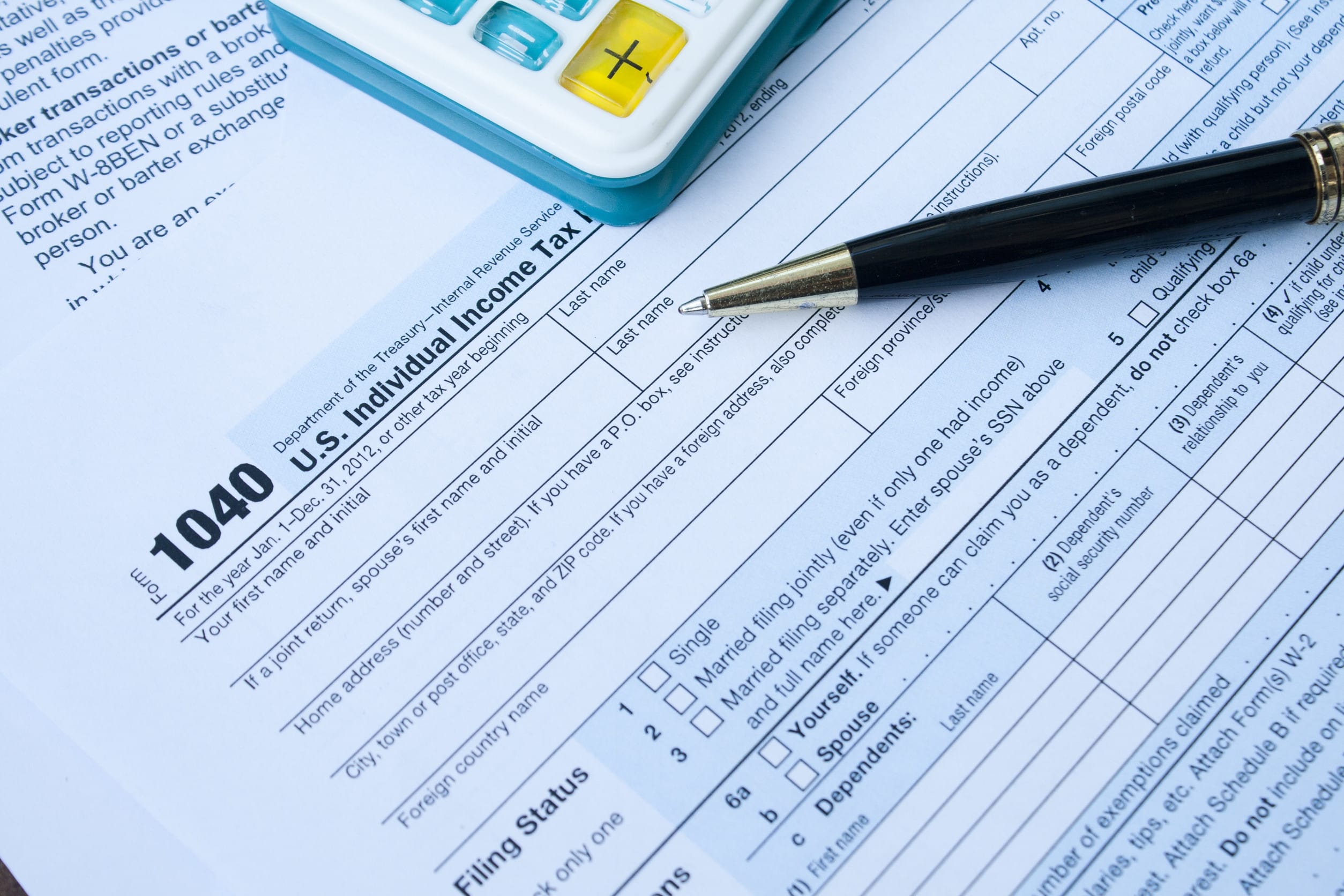
Once you have gathered all the necessary information—whether through Form 4852 or by reporting income on Schedule C—it’s time to file your taxes using Form 1040. This form is used by most individual taxpayers to report their income, deductions, and credits. You will include your total income, deductions, and the taxes you’ve already paid (through withholding or estimated payments) on Form 1040. Keep in mind that if you’re using Form 4852, the IRS may take longer to process your return, so be patient if your refund is delayed. Double-check everything on your 1040 before submitting to ensure accuracy and completeness.

6. Contact the IRS if Your Employer Continues to Refuse

Contact IRS
Image Source: 123rf.com

If you’ve made multiple attempts to reach your employer and they are still refusing to issue your W2, it’s time to contact the IRS directly. The IRS can assist in situations where an employer refuses to provide a W2. You’ll need to provide the IRS with details such as your employer’s name, address, and your dates of employment, along with copies of your pay stubs or other supporting documentation. The IRS may contact your employer to request the missing form on your behalf. However, keep in mind that the IRS might not be able to resolve the issue immediately, so it’s best to allow some time for them to act.

7. Consider Filing for an Extension if You Need More Time

If you’re unable to resolve the W2 issue in time for the tax filing deadline, consider filing for an extension. Filing for an extension gives you an additional six months to file your return, though it doesn’t extend the time to pay any taxes owed. If you expect to owe taxes, it’s crucial to estimate and pay the amount due by the original deadline to avoid interest and penalties. Filing for an extension can give you the breathing room you need to ensure your taxes are reported correctly, even if your W2 has not been provided. Remember, the extension applies only to filing, not to payment.

Don’t Let a Missing W2 Derail Your Taxes

It can be frustrating and stressful when your employer refuses to provide you with the necessary tax forms, but there are steps you can take to ensure your taxes are filed accurately. From contacting your employer to using IRS Form 4852 or Schedule C, there are several ways to report your income and avoid penalties. If you are unable to resolve the issue with your employer, contacting the IRS or filing for an extension can help give you the extra time needed to gather your documentation. Don’t let a missing W2 keep you from fulfilling your tax obligations—stay proactive and seek out solutions.

Read More:

Are There Taxes That Have to Be Paid On Yearly Bonuses?

Taxes for Life: Even in Retirement You Need These 5 Hacks for Retirement Tax Planning

Latrice Perez

Latrice is a dedicated professional with a rich background in social work, complemented by an Associate Degree in the field. Her journey has been uniquely shaped by the rewarding experience of being a stay-at-home mom to her two children, aged 13 and 5. This role has not only been a testament to her commitment to family but has also provided her with invaluable life lessons and insights.

As a mother, Latrice has embraced the opportunity to educate her children on essential life skills, with a special focus on financial literacy, the nuances of life, and the importance of inner peace.

Filed Under: tax tips Tagged With: contractor income, Form 4852, income reporting, IRS, missing W2, self-employment tax, tax extension, tax filing, W2 issues

  • « Previous Page
  • 1
  • 2

Follow Us

Search this site:

Recent Posts

  • Can My Savings Account Affect My Financial Aid? by Tamila McDonald
  • 12 Ways Gen X’s Views Clash with Millennials… by Tamila McDonald
  • What Advantages and Disadvantages Are There To… by Jacob Sensiba
  • 10 Tactics for Building an Emergency Fund from Scratch by Vanessa Bermudez
  • Call 911: Go To the Emergency Room Immediately If… by Stephen Kanaval
  • 7 Weird Things You Can Sell Online by Tamila McDonald
  • 10 Scary Facts About DriveTime by Tamila McDonald

Copyright © 2026 · News Pro Theme on Genesis Framework