• Home
  • About Us
  • Getting Finances Done
    • Hiring Advisors
    • Debt Management
    • Spending Plan
  • Insurance
    • Life Insurance
    • Health Insurance
    • Disability Insurance
    • Homeowners/Renters Insurance
  • Contact Us
  • Our Editorial Commitment

The Free Financial Advisor

You are here: Home / Archives for grocery shopping

Grocery Foods That Disappear During Economic Downturns

July 6, 2025 by Travis Campbell Leave a Comment

grocery
Image Source: pexels.com

When the economy takes a downturn, the effects ripple through every aisle of the grocery store. Suddenly, shelves that were once fully stocked start to look a little bare. Shoppers notice their favorite items missing, prices creeping up, and a sense of urgency in the air. Understanding which grocery foods disappear during economic downturns can help you plan ahead, stretch your budget, and avoid unnecessary stress. Whether you’re trying to keep your pantry full or just want to make smarter choices, knowing what vanishes first is a practical way to stay prepared and resilient.

Let’s break down the top grocery foods that disappear during economic downturns, why they go so quickly, and what you can do to stay ahead of the curve.

1. Shelf-Stable Staples

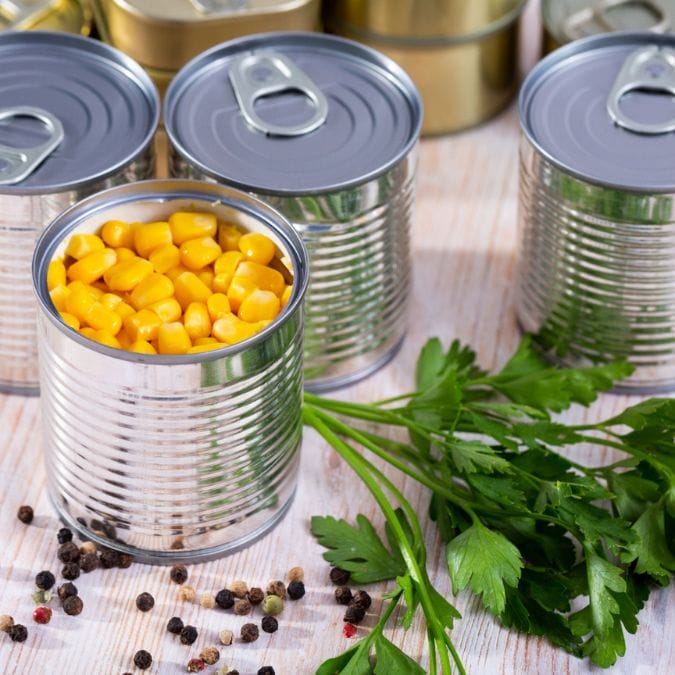
When uncertainty hits, people flock to foods that last. Items like rice, pasta, beans, and canned vegetables are among the first grocery foods that disappear during economic downturns. These staples are affordable, filling, and have a long shelf life, making them a go-to for families looking to stretch their dollars. Stocking up on these items is a common-sense move, but it also means they can be hard to find when everyone has the same idea. To avoid empty shelves, consider buying a little extra during regular shopping trips and rotating your stock to keep it fresh.

2. Baking Essentials

Flour, sugar, yeast, and baking powder often vanish quickly when times get tough. During economic downturns, more people turn to home baking as a way to save money and create comfort foods. The surge in demand for these grocery foods that disappear during economic downturns can lead to shortages, as seen during the early months of the COVID-19 pandemic. If you enjoy baking, keep an eye on your pantry and replenish these basics before you run out.

3. Frozen Foods

Frozen vegetables, fruits, and ready-to-eat meals are prized for their convenience and longevity. When budgets tighten, shoppers gravitate toward frozen foods because they reduce food waste and offer quick meal solutions. These grocery items that disappear during economic downturns are also popular because they can be purchased in bulk and stored for extended periods. To avoid missing out, consider diversifying your freezer with a mix of vegetables, proteins, and prepared meals. Don’t forget to check for sales to maximize your savings.

4. Discount Proteins

Affordable sources of protein, such as eggs, canned tuna, peanut butter, and dried lentils, are in high demand during recessions. These items provide essential nutrition at a lower cost than fresh meat or specialty products. As more shoppers look for ways to keep meals balanced without breaking the bank, these grocery foods that disappear during economic downturns can become scarce. If you rely on these proteins, try to buy in reasonable quantities and explore alternative sources like tofu or bulk beans.

5. Dairy Products

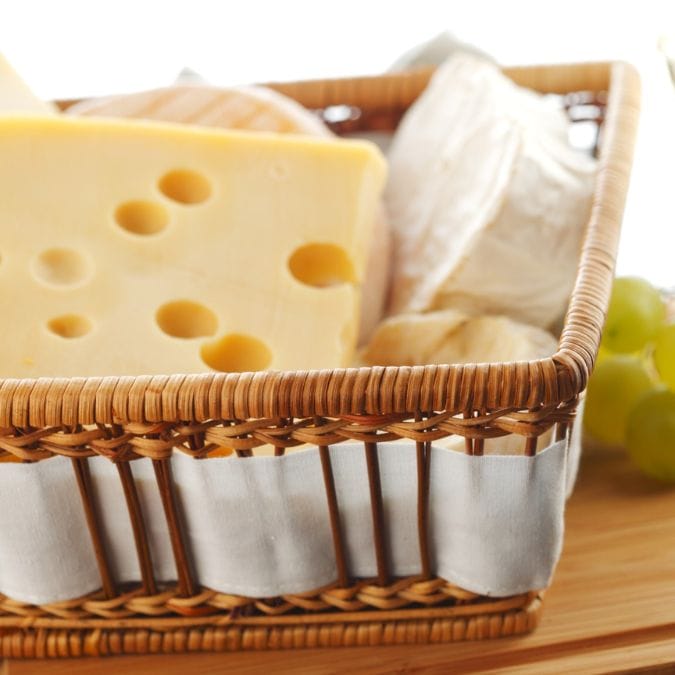
Milk, cheese, and yogurt are everyday essentials for many households. During economic downturns, these items can be harder to find, especially when supply chains are disrupted or prices rise. Some families may switch to powdered or shelf-stable milk as a backup, but even those alternatives can sell out quickly. To stay prepared, consider keeping a mix of fresh and long-lasting dairy options on hand, and be flexible with brands or types if your favorites are out of stock.

6. Baby Formula and Kid-Friendly Foods

Parents are quick to stock up on baby formula, jarred baby food, and kid-friendly snacks when the economy wobbles. These grocery foods that disappear during economic downturns are non-negotiable for families with young children, leading to rapid sellouts and even rationing in some stores. If you have little ones at home, plan by keeping a small reserve and exploring homemade options when possible.

7. Comfort Foods and Treats

It’s not just the basics that fly off the shelves—comfort foods like chocolate, chips, and ice cream also become hot commodities. Stressful times drive people to seek small pleasures, and these grocery foods that disappear during economic downturns offer a sense of normalcy and relief. While it’s smart to prioritize essentials, don’t overlook the value of a treat or two to boost morale. Just remember to shop mindfully and avoid panic buying.

8. Cleaning and Paper Products

While not technically food, cleaning supplies and paper products, such as toilet paper and paper towels, often disappear alongside pantry staples. These items are essential for maintaining hygiene and peace of mind, especially when people spend more time at home. If you notice these products running low, consider alternatives like reusable cloths or making your cleaning solutions to bridge the gap.

Staying Prepared Without Panic

Economic downturns can make grocery shopping feel unpredictable, but a little planning goes a long way. By understanding which grocery foods disappear during economic downturns, you can shop smarter, avoid last-minute scrambles, and keep your household running smoothly. Focus on building a flexible pantry by buying only what you need and staying calm when your shelves look sparse. Remember, shortages are usually temporary, and thoughtful shopping helps everyone weather tough times together.

What foods have you noticed disappearing from your local grocery store during tough economic times? Share your experiences in the comments below!

Read More

Ripped From the Headlines: Bad Holiday Economic Mood

Federal Reserve Report: Hang On For Rough Ride…

Travis Campbell
Travis Campbell

Travis Campbell is a digital marketer/developer with over 10 years of experience and a writer for over 6 years. He holds a degree in E-commerce and likes to share life advice he’s learned over the years. Travis loves spending time on the golf course or at the gym when he’s not working.

Filed Under: Business Tagged With: budgeting, economic downturn, food security, food shortages, grocery shopping, Personal Finance, recession tips

Why Some Supermarkets Are Hiding Expiration Dates on Purpose

March 10, 2025 by Latrice Perez 1 Comment

man with girlfriend shopping crackers and snacks in food department of supermarket
Image Source: 123rf.com

Next time you’re shopping for groceries, take a closer look at the packaging. You may notice that the expiration dates on some items are harder to find than they used to be—or, in some cases, missing altogether. This isn’t a coincidence. Some supermarkets and food manufacturers are deliberately making expiration dates less visible, and in some cases, they are removing them entirely. While they claim it’s to reduce food waste and prevent unnecessary product disposal, the reality is much more complicated. Supermarkets are using expiration date confusion to increase profits, reduce losses, and manipulate consumer buying habits.

Expiration Date Confusion Works in Their Favor

Many shoppers rely on expiration dates to determine whether a product is safe to consume, but the truth is that food labeling is already a confusing mess. Terms like “sell by,” “best by,” and “use by” all mean different things, and many consumers don’t know the distinction.

By making expiration dates harder to find, supermarkets can take advantage of this confusion. Some stores are deliberately placing expiration dates in inconspicuous spots on packaging, such as the bottom of a bottle or in small, hard-to-read print. Others are using ink that fades quickly, making the date difficult to read. This forces customers to spend extra time searching for expiration information, and in many cases, they give up and buy the product without verifying its freshness.

Reducing Waste—or Just Selling Old Products?

One of the primary justifications for hiding expiration dates is that it helps reduce food waste. Millions of pounds of food are discarded every year, much of it still safe to eat, simply because consumers throw it away based on the date printed on the package. Supermarkets claim that by obscuring or removing expiration dates, they are preventing unnecessary waste and encouraging customers to rely on their senses instead.

However, this also allows supermarkets to keep older products on the shelves longer without consumers noticing. When a shopper can’t find the expiration date, they are more likely to purchase an item without questioning its freshness. This is especially beneficial for supermarkets trying to clear out old inventory without discounting or discarding it. Instead of reducing waste, some stores are simply ensuring that expired or nearly expired products get sold instead of thrown away.

Some Stores Are Replacing Expiration Dates with QR Codes

Another tactic being used is replacing traditional expiration dates with QR codes. Some food brands and supermarkets now require shoppers to scan a code with their phone to check freshness information. While this may seem like a modern, tech-savvy solution, it adds an extra step to the buying process. Many shoppers don’t bother scanning QR codes, especially if they’re in a hurry, which means they may unknowingly purchase food that is close to expiring.

By moving expiration dates to a digital format, supermarkets shift the burden onto consumers rather than providing clear, easily accessible information. This not only increases the chances of selling older products, but it also discourages customers from being more selective with their purchases.

Expiration Dates Are Being Rebranded as “Freshness Labels”

Some supermarkets and manufacturers are going a step further by replacing expiration dates with vague “freshness indicators.” Instead of a clear “best by” or “use by” date, you may now see phrases like “tastes best before” or “best quality before.” These terms don’t provide any definitive information about food safety, but they do create the illusion that a product is still good, even if it’s past its prime.

This kind of labeling benefits stores by reducing the number of products they have to mark down or discard. If customers believe that food is still fresh even without a specific date, they are less likely to look for discounts or request a fresher version of the product.

You’re Paying the Same Price for Older Food

One of the biggest problems with supermarkets hiding expiration dates is that consumers are unknowingly paying full price for food that is much closer to expiring. In the past, many stores would mark down items that were approaching their expiration date, allowing customers to buy them at a discount.

Now, by making expiration dates less visible or replacing them with vague indicators, supermarkets can keep prices high while still selling older food. This means customers are paying premium prices for products that should have been discounted or removed from shelves.

Which Products Are Most Affected?

Dairy Products
Image Source: 123rf.com

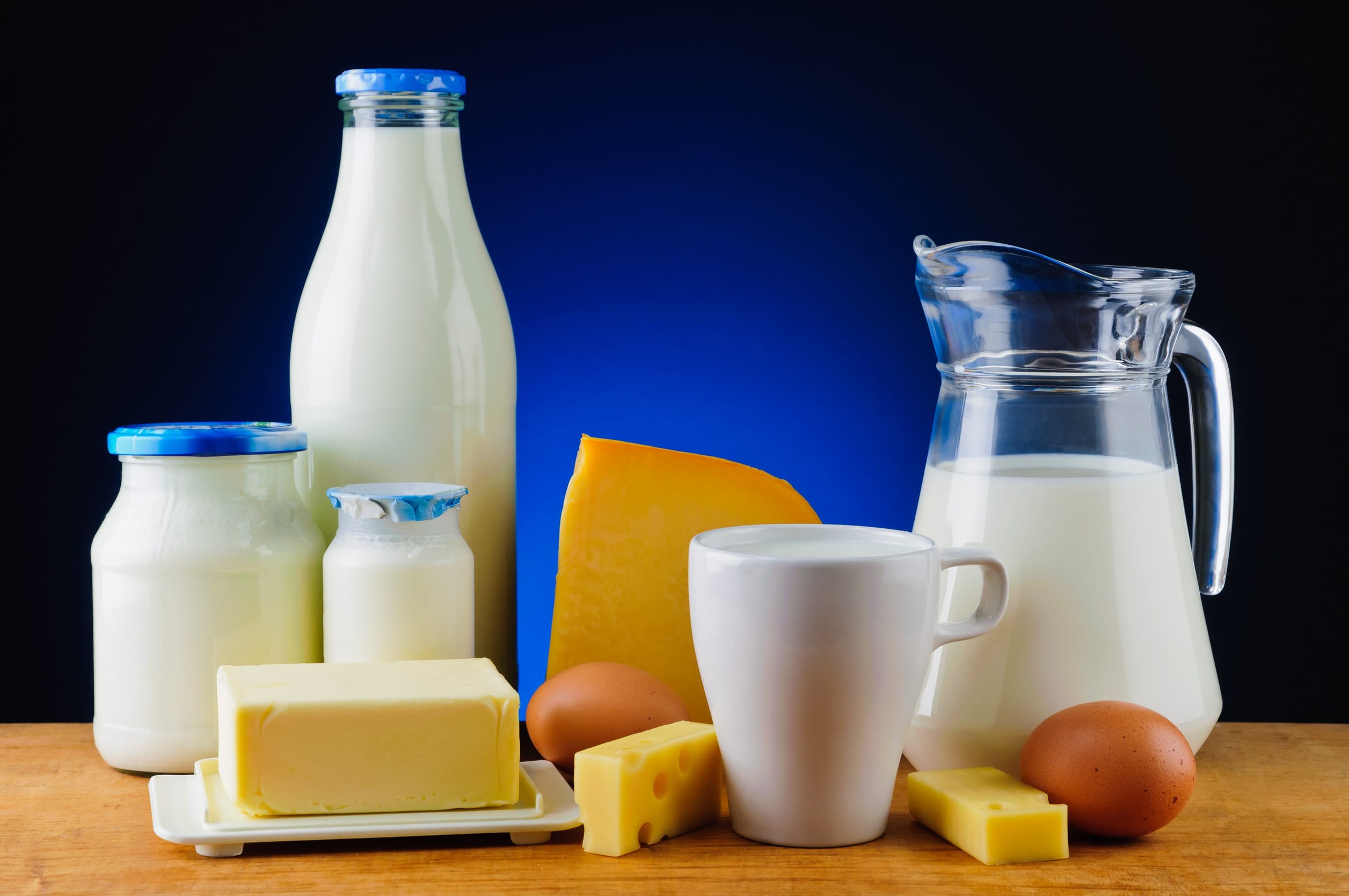
While expiration date tricks can be found across the store, certain products are more affected than others. Dairy products like milk, yogurt, and cheese are often labeled with hard-to-find expiration dates, making it difficult for shoppers to determine freshness. Packaged meats and deli items are also a major concern, as these products can become unsafe to eat if kept too long.

Canned and frozen foods are another category where expiration dates are frequently obscured. Since these products have longer shelf lives, some stores are more lenient about keeping them on the shelves past their prime. Snack foods and processed goods are also commonly affected, with expiration dates sometimes printed in hard-to-read locations or hidden behind package folds.

How to Protect Yourself from Buying Old Food

To avoid unknowingly purchasing expired or close-to-expired food, there are a few steps you can take. Always check packaging carefully, even if it takes extra time. Expiration dates are often hidden in unusual places, such as the bottom of a carton, under a flap, or on the back label. If a product has a QR code instead of a printed date, take the time to scan it and check the information before purchasing.

If an expiration date is missing or difficult to read, ask a store employee for assistance. Some stores keep internal records of freshness dates, and employees may be able to provide more information. When buying perishable items, pay attention to smell, texture, and color. If something looks or smells off, trust your instincts and choose a fresher option.

For non-perishable items, check the packaging for any signs of wear, dents, or damage, as these can be indicators that a product has been sitting on the shelf for a long time. If you notice a pattern of missing or hidden expiration dates at a specific store, consider shopping elsewhere where transparency is a priority.

Why Expiration Date Transparency Matters

Consumers have a right to know when their food was produced and how long it will stay fresh. While reducing food waste is an important goal, it should not come at the expense of transparency and consumer trust. Supermarkets that hide expiration dates are prioritizing profits over customer satisfaction, and shoppers should be aware of these tactics.

If more people demand clear labeling and expiration date transparency, supermarkets may be forced to reconsider their strategies. In the meantime, being a vigilant shopper can help you avoid paying full price for older products and ensure that you’re getting the freshest food possible.

How do you ensure that foods are still fresh enough to eat when shopping? Have you ever gotten some bad food? Let us know in the comments below.

Read More:

10 Cheap but High-Quality Dog Food Brands Your Pup Will Love

Do This If You Have No Money For Food Until Payday

Latrice Perez

Latrice is a dedicated professional with a rich background in social work, complemented by an Associate Degree in the field. Her journey has been uniquely shaped by the rewarding experience of being a stay-at-home mom to her two children, aged 13 and 5. This role has not only been a testament to her commitment to family but has also provided her with invaluable life lessons and insights.

As a mother, Latrice has embraced the opportunity to educate her children on essential life skills, with a special focus on financial literacy, the nuances of life, and the importance of inner peace.

Filed Under: Smart Shopping Tagged With: consumer awareness, expiration date labeling, food expiration, food safety, food waste, grocery shopping, grocery store scams, hidden expiration dates, shrinkflation, supermarket tricks

8 Costco Products That Are Surprisingly Overpriced

February 6, 2025 by Latrice Perez Leave a Comment

Costco Store
Image Source: 123rf.com

Costco is often praised for its bulk pricing and substantial discounts on a wide range of products, from electronics to groceries. It’s no surprise that many people flock to the warehouse giant for the great deals they offer. However, despite the appealing “wholesale” allure, not everything at Costco is necessarily a bargain. In fact, there are several products that can actually be more expensive at Costco than at other stores, and it’s essential to know which ones to avoid to maximize your savings. Here are eight Costco products that are surprisingly overpriced and why you might want to think twice before adding them to your cart.

1. Milk

While Costco’s bulk prices are generally a good deal, some essential grocery items like milk don’t always live up to the hype. A gallon of milk at Costco may be more expensive than at other retailers, especially in regions where the price of dairy products is lower. The prices vary by location, but often, a gallon of milk at Costco can be nearly double the price of a gallon at Walmart or local supermarkets. If you’re not planning to buy in bulk, it’s likely a better deal to purchase milk elsewhere. For smaller households or those who don’t go through milk quickly, the cost savings might not be worth the larger quantities.

2. Shredded Cheese

Shredded cheese might seem like a great bulk-buy option at Costco, but there are hidden downsides that could make it less of a bargain than it appears. First, cheese doesn’t have an infinite shelf life, and if you don’t consume it quickly enough, it will spoil before you use it all. If you don’t have a large family or use shredded cheese regularly, buying large bags at Costco can lead to wasted product and unnecessary expense. Additionally, if you compare the price of shredded cheese at Costco with other stores like Walmart or Target, you may find that smaller, pre-packaged versions offer a better price per ounce. For those who don’t need massive quantities, opting for smaller bags elsewhere can save you money in the long run.

3. Fresh Vegetables

Costco is famous for offering fresh produce in large quantities, which can be an issue if you have a smaller household. The risk of wasting fresh vegetables, like lettuce, broccoli, or carrots, is high if you can’t consume them fast enough. Many shoppers end up throwing away produce that goes bad before it can be eaten, and in the long run, that can make Costco’s bulk prices seem less appealing. If you’re only buying for one or two people, it’s often more economical to buy fresh vegetables from your local grocery store, where you can pick up smaller quantities at a comparable or even lower price.

4. Sugar

Another item that may seem like a great deal at Costco is sugar, but the truth is, buying it in bulk may not always be the most economical choice. A ten-pound bag of sugar at Costco can be significantly more expensive than smaller bags at other stores, especially when you consider that sugar has a long shelf life. If you don’t go through sugar regularly, buying in bulk may not save you money—it could end up costing you more if it sits unused for months. For smaller households, buying smaller quantities from grocery stores or wholesale chains that focus on smaller items might be a more budget-friendly choice.

5. Cooking Oil

Cooking Oil
Image Source: 123rf.com

Large bottles of cooking oil at Costco are often appealing because they seem like a great way to save. However, the reality is that cooking oils like olive oil and vegetable oil can go rancid over time, especially if they’re not used frequently. If you don’t cook with oil often or don’t have the storage space for huge bottles, buying large quantities may result in wasted product. The same bottle that seemed like a great deal could quickly become a financial burden if it expires before you finish using it. Smaller bottles at local grocery stores or discount retailers may offer better value if you’re not using cooking oil regularly.

6. Diapers

Costco’s Kirkland brand diapers are popular for their quality, but they aren’t always the most cost-effective choice. Depending on the brand and size, diapers can often be found at better prices on websites like Amazon or at stores like Walmart. While Costco’s bulk diapers might seem appealing, it’s important to keep in mind that babies grow quickly, and purchasing large quantities could lead to waste if the diapers no longer fit before they are used. Additionally, coupons, sales, or subscription services like Amazon’s diaper delivery program may offer savings that Costco can’t match. It’s always worth comparing prices to ensure you’re getting the best deal.

7. Books

While Costco is a great place to pick up discounted books, their selection is limited, and the prices aren’t always the best. Some titles at Costco are priced higher than those you’d find at local bookstores or online retailers like Amazon. Often, local independent bookstores or even big-box retailers offer sales or promotions that beat Costco’s price for the same book. If you’re looking for specific titles or want a wider selection, you might be better off checking other stores that cater specifically to book sales. The limited range and occasional markup make Costco less of a bargain for book lovers.

8. Fresh Fruit

Similar to fresh vegetables, Costco offers fresh fruit in large quantities, which can lead to waste if you don’t eat it quickly. Buying an enormous bag of apples or grapes may seem like a great deal, but the chances of not finishing it before the fruit spoils are high. Additionally, the prices on certain fruits, like berries or tropical fruits, are often higher at Costco compared to local grocery stores. For individuals or smaller households, it’s usually more cost-effective to purchase fruit in smaller quantities from other retailers, where you can avoid spoilage and reduce waste.

Know When to Skip the Bulk

Costco is a treasure trove of savings, but not every product is priced well. It’s important to be discerning and aware of items that may not actually offer the best value for your money. By shopping smart and comparing prices, you can still take advantage of Costco’s great deals without overpaying for items that aren’t right for your household. Next time you’re at Costco, remember to keep these overpriced products in mind so you can avoid unnecessary spending.

What items have surprised you in costs at Costco? Let us know in the comments below.

Read More:

6 Reasons You Should Cancel Amazon Prime Now

8 Ways to Cut Corners and Save Big Bucks

Latrice Perez

Latrice is a dedicated professional with a rich background in social work, complemented by an Associate Degree in the field. Her journey has been uniquely shaped by the rewarding experience of being a stay-at-home mom to her two children, aged 13 and 5. This role has not only been a testament to her commitment to family but has also provided her with invaluable life lessons and insights.

As a mother, Latrice has embraced the opportunity to educate her children on essential life skills, with a special focus on financial literacy, the nuances of life, and the importance of inner peace.

Filed Under: budget tips Tagged With: bulk buying, consumer advice, Costco, Costco shopping, Financial Tips, grocery shopping, overpriced products, savings tips, smart shopping

14 Things That Are Never a Good Deal at Warehouse Stores

May 6, 2024 by Vanessa Bermudez Leave a Comment

a woman carrying boxes
123rf

Warehouse stores often entice consumers with savings through bulk purchases. However, not everything in these vast retail landscapes is a bargain. 

Savvy shoppers know that some items are consistently better to buy elsewhere, especially considering quality, quantity, and price factors. Here’s a guide to what you should think twice before tossing into your oversized shopping cart.

1. Name-Brand Clothing

a woman shopping for clothes
123rf

While tempting, name-brand clothing at warehouse stores often isn’t the best deal. The selection can be limited, and sizes are not always consistent. 

More importantly, these items often appear in warehouse stores because they didn’t sell well elsewhere, so the styles might be out of trend. Additionally, the price difference from regular retail stores, especially during sales, is usually minimal.

2. Books and DVDs

books
123rf

In the age of digital media, purchasing books and DVDs in bulk isn’t cost-effective. Streaming services offer books and movies at competitive subscriptions that are more convenient and often cheaper than physical copies. 

Moreover, warehouse stores don’t typically offer the best prices on these items compared to online retailers or digital marketplaces.

3. Condiments and Spices

condiments
123rf

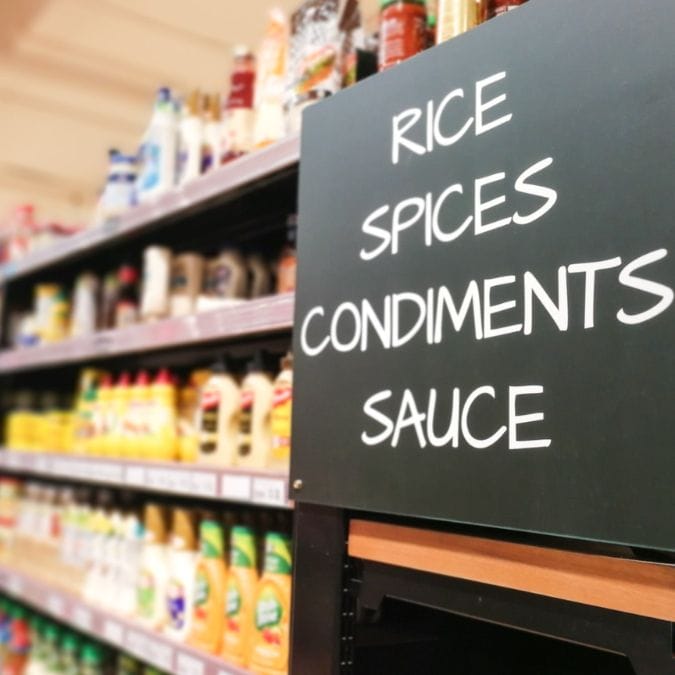
Buying condiments and spices in large quantities can lead to waste. Most households can’t use a giant container of mustard or a pound of paprika before expiration. 

Not only does this negate any initial savings, but the loss of flavor over time also compromises the quality of your meals.

4. Sunscreen

sunscreen
123rf

Sunscreen has a limited shelf life, typically around three years, which can be even shorter if stored in high temperatures. Buying in bulk may mean you end up with expired sunscreen, which is less effective at protecting your skin. 

It’s wiser to purchase smaller quantities you can use within the expiration period.

5. Electronics

a man checking a phone
123rf

Warehouse stores are not always the best places for purchasing electronics. Their deals on TVs, laptops, and other gadgets might seem good, but they often feature older models. 

Additionally, electronic stores or online retailers often provide better warranties and return policies, which are crucial for significant purchases.

6. Pre-packaged Produce

fresh produce
123rf

Pre-packaged produce might look convenient, but it’s often more expensive per unit than local grocery stores. You also lose the ability to handpick the freshest items and are stuck with a large quantity that might spoil before you can use it all.

7. Diapers

bulk diapers
123rf

While buying diapers in bulk seems logical, it can be problematic due to sizing issues as babies grow. You might end up with a box of diapers that no longer fit your baby. 

It’s more practical to watch for sales at various retailers where you can buy the right size as needed.

8. Baking Ingredients

mother and child baking
123rf

Large bags of flour, sugar, or baking mixes might go to waste unless you frequently bake. These ingredients also have a shelf life and can develop bugs or go stale if stored too long. Smaller packages ensure freshness and reduce waste.

9. Canned Goods

canned goods
123rf

The savings on canned goods at warehouse stores can be minimal. Local supermarkets often have sales that beat warehouse prices, and you can buy quantities that match your actual needs without the risk of storing bulky items for long periods.

10. Paper Goods

toilet paper
123rf

While buying paper goods in bulk is common, prices at warehouse stores are not always competitive. Frequent sales at local grocery stores or through online subscriptions can offer better savings, plus you avoid storing massive quantities at home.

11. Over-the-Counter Medications

over the counter medicine
123rf

Bulk packages of medications can lead to having excess that you may never use. With expiration dates usually within a year or two, you could be wasting money on medication that goes unused. Smaller packs ensure you use all contents within their effective period.

12. Jewelry and Luxury Goods

jewelry
123rf

Warehouse stores often market jewelry as high-value items, but they are typically not the best places to make such personalized and significant investments. 

Specialty stores offer not just broader selections but also expert advice and better customer service, which are essential when buying luxury goods.

13. Specialty Cheeses

cheese
123rf

Warehouse stores may offer specialty cheeses in bulk, but the quality may vary, and the large quantities can lead to spoilage. Local delis or specialty stores provide a wider variety of fresh cheeses and, often, at competitive prices.

14. Pet Food

dog and pet food
123rf

Buying pet food in massive bags might save a few dollars, but it can compromise freshness and taste for your pet, particularly if it takes a long time to consume. Smaller bags ensure the food remains appetizing and nutritious for your furry friends.

Beware of These Rip-Offs 

wholesale store
123rf

Understanding what not to buy at warehouse stores can save you money, reduce waste, and ensure you get the best products available. 

Always weigh the pros and cons of bulk buying against your actual consumption, preferences, and storage capabilities to maximize your shopping trips.

Read More

13 Incredible Shopping Tips That Will Save You Money

Money-Saving Tricks for Online Shopping

Vanessa Bermudez
Vanessa Bermudez
Vanessa Bermudez is a content writer with over eight years of experience crafting compelling content across a diverse range of niches. Throughout her career, she has tackled an array of subjects, from technology and finance to entertainment and lifestyle. In her spare time, she enjoys spending time with her husband and two kids. She’s also a proud fur mom to four gentle giant dogs.

Filed Under: saving money Tagged With: bulk shopping, discounts, grocery shopping, Shopping, warehouse stores

How Much Should You Spend on Grocery Each Month?

March 28, 2022 by Tamila McDonald Leave a Comment

spend on grocery each month

For many households, groceries are a big line item in their budgets. Overall, the average amount households spend on food at home came in at $4,942 in 2020, which is a substantial sum. That breaks down to about $411 per month or around $95 per week. However, that doesn’t mean it’s the amount a household should spend on groceries every month. In some cases, less may make sense. In others, it could take more. If you’re wondering how much you should spend on groceries each month, here’s what you need to know.

How Much Should You Spend on Groceries?

It’s critical to understand that there isn’t one figure that’ll work for everyone. Instead, you need to look at the situation in the context of your household. That way, you can find a reasonable approach that lets you handle your needs without breaking the bank.

Averages Aren’t Perfect for Everyone

Above all else, you need to know that average spending levels aren’t right for everyone. For some households, spending $411 a month is completely reasonable. However, dedicating that much to food could break the budget of lower-income households, while it may be far less than a large family might need to spend to maintain proper nutrition.

Using percentage-based averages isn’t necessarily better. For example, in 2020, consumers spent an average of 8.6 percent of their disposable income on food purchases. With that, you may assume that spending 8.6 percent of your budget on groceries could be a reasonable figure from an affordability perspective.

However, every household is different. For example, if you’re working full-time and earning minimum wage, that leads to an annual income of just $15,080, or around $1,256 before taxes and other withholdings. In that case, $411 per month is clearly unreasonable. However, 8.6 percent is only $108 a month, or around $25 per week, which might be far less than you need to spend.

Since that’s the case, it’s important to realize that averages alone aren’t a good indicator of what you should spend. Instead, you may want to try another approach.

Using USDA Food Plans as Guidelines

The US Department of Agriculture (USDA) created eating plans designed to meet health standards while respecting that households have different budgets. That can make them solid reference points when you’re trying to decide how much to spend. Plus, it can help you figure out what to buy to maintain good nutrition.

The four categories available through the USDA food plans are thrifty, low-cost, moderate-cost, and liberal. When it comes to the costs of the thrifty plan and the other three plans, they’re broken down by age and sex, allowing families to estimate how much they’ll need to spend to support each household member’s nutritional needs.

By reviewing those figures, you can see how much it typically costs to create nutritious meals at home. Essentially, they can serve as baselines, allowing you to see how much you might need to spend based on household size.

The main problem is that the plans don’t factor in cost differences between locations, dietary restrictions, or similar issues that may harm the accuracy of the estimates. Since that’s the case, it’s best to consider them guidelines and not hard-and-fast rules.

However, if what the USDA lists is genuinely unaffordable, then it’s okay to make a budget that involves less spending. The trick is to ensure you can dedicate enough to address your nutritional needs reasonably well. Then, you can use other techniques to keep your costs down.

How to Stay on Budget

Apply for Benefits If You’re Eligible

First, if you qualify for any food-related assistance, such as SNAP or WIC, make sure you apply for those benefits. That’ll give you more money to direct toward your food budget, helping you spend less out-of-pocket.

Typically, the application process is reasonably simple. Additionally, using the benefits is straightforward. Just make sure you read the rules regarding qualifying products. That way, you can incorporate the right items into your food plan and grocery list.

Set a Spending Limit

Once you know how much you can get through food-related assistance, it’s time to set a target. Use the USDA guidelines and examine your other financial obligations. You need to determine how much is reasonable for you to potentially spend, effectively setting an upper limit that serves as a maximum. That way, you know that you need to aim below that number every month.

Use Sales, Coupons, and Rebate Apps

Once you set a budget for your groceries, you’ll want to use a range of strategies to remain on target. Use a combination of sale flyers, rebate apps, and coupons (either physical or through websites and shopping apps) to find exceptional deals. If you can couple a sale with a rebate or coupon, your total cost may go down dramatically.

Just make sure you calculate the per-unit cost to determine if it’s actually a deal, as not all discounts are created equal. Further, don’t let a coupon tempt you into getting anything you don’t actually need. It’s only a deal if it reduces what you’ll spend overall.

Once you dig into the sales and other discounts, use that information to create an official shopping list. Outline all of your meals based on the available discounts, recording the ingredients you’ll need to make those specific dishes. Then, when you shop, buy only those items.

If you have trouble with impulse shopping, you may want to try online grocery pickup instead of heading to stores. With that, you can focus on precisely what you need, potentially making it easier to resist impulse purchases.

For stores with loyalty programs, make sure you sign up. In many cases, you can earn points that can reduce your grocery bill directly by saving you a specific amount on your next purchase. In some cases, you can cash out points for free items, lowering your bills further.

Like sales, coupons, and rebates, you don’t want to buy anything you don’t need purely for the points. Instead, it should simply be part of a broader saving strategy.

Create a Meal Routine

Finally, it can be wise to create a routine when it comes to eating plans. If you rotate through the same breakfast, lunch, and dinner meals, you’ll have an easier time predicting your monthly grocery costs. While it may seem like this doesn’t work with a coupon, rebate, and sale strategy, it actually can if you’re brand flexible. You just choose the lowest cost version of the product you need.

Make Adjustments as You Learn

If you’re new to budgeting, it’s crucial to recognize that adjustments are often necessary. If you initially set a grocery spending target and determine it doesn’t reasonably meet your needs, change might be required.

Review your grocery spending patterns to determine if the budget isn’t working or if buying non-necessities is actually the issue. If it’s the former, look at your overall financial plan and see if you can adjust your budget to give you the room you need.

Initially, you might need to review your budget every month to make sure it’s working. That way, you can make changes until you find the proper target, allowing you to develop a spending plan that will work long-term.

How do you decide what to spend on groceries each month? Do you have a system that helps you stay on budget, or do you plan on the fly? Share your thoughts in the comments below.

Read More:

  • 5 Ways to Save Money While Grocery Shopping
  • How Do You Save Money When Shopping At Erewhon Market
  • Try These 5 Apps If You Need Help with Your Budget
  • Small Habits that Save You Big Bucks
  • Unlocking Grocery Store Savings: Where to Find Online Weekly Circulars and Coupons
  • Is A Costco Membership Worth It When Living Alone?


Tamila McDonald
Tamila McDonald

Tamila McDonald is a U.S. Army veteran with 20 years of service, including five years as a military financial advisor. After retiring from the Army, she spent eight years as an AFCPE-certified personal financial advisor for wounded warriors and their families. Now she writes about personal finance and benefits programs for numerous financial websites.

Filed Under: Personal Finance Tagged With: Budget, grocery shopping, monthly spending

  • « Previous Page
  • 1
  • 2

Follow Us

Search this site:

Recent Posts

  • Can My Savings Account Affect My Financial Aid? by Tamila McDonald
  • 12 Ways Gen X’s Views Clash with Millennials… by Tamila McDonald
  • What Advantages and Disadvantages Are There To… by Jacob Sensiba
  • 10 Tactics for Building an Emergency Fund from Scratch by Vanessa Bermudez
  • Call 911: Go To the Emergency Room Immediately If… by Stephen Kanaval
  • 7 Weird Things You Can Sell Online by Tamila McDonald
  • 10 Scary Facts About DriveTime by Tamila McDonald

Copyright © 2026 · News Pro Theme on Genesis Framework