• Home
  • About Us
  • Toolkit
  • Getting Finances Done
    • Hiring Advisors
    • Debt Management
    • Spending Plan
  • Insurance
    • Life Insurance
    • Health Insurance
    • Disability Insurance
    • Homeowners/Renters Insurance
  • Contact Us
  • Privacy Policy
  • Risk Tolerance Quiz

The Free Financial Advisor

You are here: Home / Archives for hardship withdrawal

Is There Any Way to Get Your 401k Before The Age of 59?

October 20, 2025 by Travis Campbell Leave a Comment

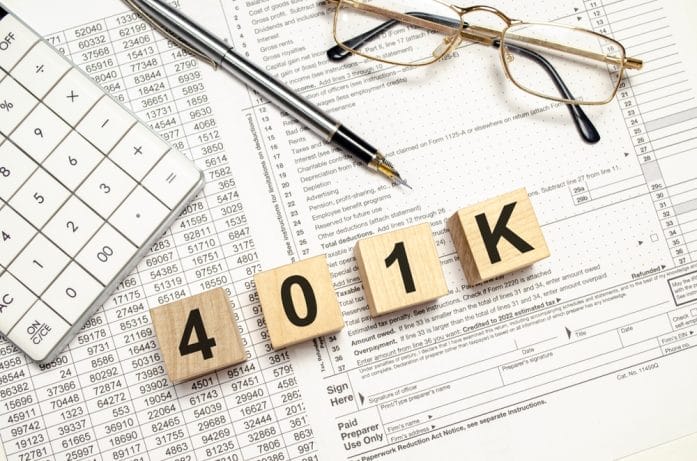
401k

Image source: shutterstock.com

Most people think of their 401k as locked away until retirement. But life doesn’t always wait until you’re 59 and a half. Emergencies, job losses, or opportunities can make you wonder: Is there any way to get your 401k before the age of 59? The rules seem strict, and penalties can be severe. Still, there are a few exceptions and strategies to access your retirement funds early. Knowing your options can help you make a decision that fits your financial needs while minimizing long-term harm.

Before taking any step, it’s important to weigh the immediate need against your future security. Taking money early from your 401k can mean penalties, taxes, and less money for retirement. But in some cases, it’s possible—and sometimes unavoidable. Here’s what you need to know about getting your 401k before the age of 59.

1. Hardship Withdrawals

The IRS allows 401k hardship withdrawals if you’re facing an “immediate and heavy financial need.” This can include medical expenses, funeral costs, tuition, or avoiding foreclosure. However, your plan must allow for hardship withdrawals, and you’ll need to provide documentation proving your need. Even if you qualify, the withdrawal is usually subject to income tax and a 10% early withdrawal penalty unless you meet a specific exception.

Some exceptions to the penalty include permanent disability or major medical expenses. But in most cases, tapping your 401k for hardship reasons will cost you extra. Always check your plan’s rules and talk to your HR department before moving forward.

2. Substantially Equal Periodic Payments (SEPP)

Another way to get your 401k before the age of 59 is through SEPP, also known as 72(t) distributions. With this method, you agree to take at least five years of substantially equal withdrawals, or until you turn 59½—whichever is longer. There are strict IRS rules for calculating the payment amounts, and you can’t change the schedule once you start.

This approach avoids the 10% penalty, but you still pay regular income tax on withdrawals. If you stop the payments early or adjust the schedule, you’ll owe penalties retroactively. SEPP can be complicated, so it’s wise to consult a professional or use a trusted IRS resource on early distributions before proceeding.

3. Separation from Service at Age 55 (The Rule of 55)

If you leave your job in the year you turn 55 or later, you can access your 401k from that employer without the 10% early withdrawal penalty. This is often called the “Rule of 55.” It applies only to the 401k at your most recent employer, not to old plans or IRAs. The money is still subject to regular income tax, but the penalty is waived.

This option is helpful for those who retire or are laid off in their mid-to-late 50s and need bridge income before Social Security or other retirement funds kick in. Remember, if you roll your 401k into an IRA before taking withdrawals, you lose this option. Take care to understand the specifics before moving funds.

4. Loans from Your 401k

Some 401k plans allow you to borrow from your account. Usually, you can take up to 50% of your vested balance, up to $50,000. Loans don’t trigger taxes or penalties as long as you repay them on time, typically within five years. The interest you pay goes back into your account, which can be a silver lining.

But there are risks. If you leave your job, the loan may become due in full right away. If you can’t pay it back, the outstanding amount is treated as a distribution—subject to taxes and the 10% penalty if you’re under 59½. Borrowing from your 401k should be a last resort, not a first choice.

5. Qualified Domestic Relations Orders (QDROs)

If you’re divorced, a court may issue a QDRO to split your 401k with your ex-spouse. The receiving spouse can take a distribution from the 401k—even if they’re under 59½—without the 10% penalty. Income taxes still apply, but this exception can be useful during divorce settlements.

It’s critical to follow every legal step with a QDRO to avoid unintended taxes or penalties. Consult a lawyer or a financial advisor to make sure the order is drafted and processed correctly.

Other Exceptions and Considerations

There are a handful of other exceptions for getting your 401k before the age of 59. These include permanent disability, military reservist call-ups, and some medical expenses. But these situations are rare and have strict requirements. Each option has trade-offs, so it’s smart to understand the long-term impact on your retirement savings.

Remember, the goal of a 401k is long-term growth. Early withdrawals can hurt your future financial health, so use these options sparingly and only after careful thought.

Making the Best Choice for Your Financial Future

Getting your 401k before the age of 59 is possible, but it comes with strings attached. Most options involve taxes, penalties, or strict rules. Take time to consider alternatives, like emergency savings, personal loans, or even a side hustle, before tapping your retirement funds. If you must access your 401k early, try to minimize the impact on your retirement nest egg.

Have you ever had to consider taking money from your 401k before 59? What questions or concerns do you have about the process? Share your thoughts below!

What to Read Next…

  • What Retirees Regret About Rolling Over Old 401ks Too Quickly
  • How Many of These 8 Retirement Mistakes Are You Already Making
  • 7 Reasons Your IRA Distribution Plan May Be Legally Defective
  • 6 Retirement Plans That Kick You Off Federal Aid Without Notice
  • 10 Financial Questions That Could Undo Your Entire Retirement Plan
Travis Campbell
Travis Campbell

Travis Campbell is a digital marketer/developer with over 10 years of experience and a writer for over 6 years. He holds a degree in E-commerce and likes to share life advice he’s learned over the years. Travis loves spending time on the golf course or at the gym when he’s not working.

Filed Under: Retirement Tagged With: 401(k), early withdrawal, hardship withdrawal, penalties, retirement planning, Rule of 55, SEPP

Is There Anyway to Temporarily Stop 401k Contributions in an Emergency Situation

April 10, 2025 by Travis Campbell Leave a Comment

coins in a jar

Image Source: unsplash.com

Yes, you can temporarily stop your 401(k) contributions during financial emergencies. 401(k) plans are voluntary retirement savings vehicles that allow you to adjust or pause contributions as needed. Most employers permit contribution changes at any time, though some may process changes only at specific intervals. The decision to pause contributions is entirely yours and protected under federal law. Stopping contributions doesn’t affect your existing account balance or investment growth potential. Your previously contributed funds remain invested according to your selections and continue to grow based on market performance. Remember that pausing contributions is different from withdrawing funds, which typically triggers taxes and penalties if done before retirement age. This flexibility gives you breathing room during financial hardships without abandoning your retirement security entirely.

Common Emergency Situations That Warrant Pausing Contributions

Financial emergencies come in various forms, and sometimes, pausing retirement contributions becomes necessary. Unexpected medical expenses can quickly deplete savings and create significant financial strain, making a temporary contribution pause reasonable. Job loss or reduced income may require redirecting every dollar toward essential living expenses. High-interest debt accumulation, particularly credit card debt with 18-25% rates, might justify temporarily redirecting retirement contributions toward debt reduction. Major home repairs that can’t be postponed, such as roof replacement or furnace failure, might necessitate additional cash flow. Family emergencies, including caring for ill relatives or unexpected childcare costs, can also strain finances. According to research, over half of American workers reduced or stopped retirement contributions during economic stress periods in recent years.

The Process of Temporarily Stopping Your 401(k) Contributions

Stopping your 401(k) contributions is typically straightforward and can be done through several methods. Contact your HR department or benefits administrator to request the appropriate form to change your contribution percentage. Many employers offer online portals where you can adjust your contribution rate to 0% without paperwork. Some companies allow changes via phone through their benefits hotline. When making the change, specify that you want to temporarily stop contributions rather than withdraw funds. Changes usually take effect within 1-2 pay periods, though timing varies by employer. Be sure to confirm the change by checking your next paycheck stub to ensure no deductions were taken. The IRS doesn’t impose penalties for stopping contributions, making this a penalty-free way to increase your take-home pay during emergencies.

Financial Implications of Pausing Your Retirement Savings

Temporarily stopping 401(k) contributions has several financial implications you should consider carefully. The most immediate impact is increased take-home pay, as pre-tax contributions that previously reduced your taxable income will now be included in your paycheck. However, you’ll lose valuable employer matching contributions during the pause period – essentially forfeiting “free money” toward your retirement. According to the IRS website, these matching funds are part of your total compensation package. The long-term effect of compounding growth on missed contributions can be substantial. For example, $5,000 in missed contributions could represent $15,000-$20,000 in retirement funds over 20 years, depending on investment returns. Your tax liability will increase without the pre-tax contributions, reducing your taxable income and potentially pushing you into a higher tax bracket.

Smart Alternatives to Completely Stopping Contributions

Before completely halting your 401(k) contributions, consider these alternative approaches that might better balance immediate needs with long-term goals. Reduce your contribution percentage rather than stopping entirely – even contributing 1-2% helps maintain the saving habit while increasing take-home pay. Contribute just enough to capture your employer’s full matching contribution, which provides an immediate 100% return on those dollars. Explore whether your plan allows for hardship withdrawals or loans instead of stopping contributions. Temporarily redirect contributions to an emergency fund, then resume retirement savings once the fund is established. Adjust your tax withholding to increase take-home pay without affecting retirement savings. Review your budget for other areas to cut before reducing retirement savings, such as subscription services or discretionary spending.

How to Restart Contributions After Your Emergency Passes

Once your financial emergency is resolved, promptly restarting your 401(k) contributions is crucial for your retirement security. Contact your HR department or log into your benefits portal to reinstate contributions, ideally setting a specific date for the restart. Consider implementing an automatic increase program that gradually raises your contribution percentage over time to rebuild momentum. Many plans offer this feature to help participants catch up. If possible, temporarily increase your contribution percentage above your pre-emergency level to compensate for lost time. The IRS contribution limits ($22,500 in 2023, plus a $7,500 catch-up for those over 50) provide room to accelerate savings. Review and potentially adjust your investment allocations when restarting to ensure they still align with your retirement timeline and risk tolerance.

Making the Right Choice for Your Financial Future

Temporarily stopping 401(k) contributions during genuine emergencies can provide needed financial relief but should be approached strategically. Weigh immediate needs against long-term retirement security and consider partial reductions before complete stops. Remember that employer matches represent immediate 100% returns on your contributions. Create a specific plan for restarting contributions once your situation improves.

Have you ever needed to pause retirement savings during a financial emergency? What strategies helped you get back on track? Share your experiences in the comments below.

Read More

Taxes and Penalties: 401k Withdrawals

Should I Tap My Retirement Funds for Medical Expenses?

Travis Campbell
Travis Campbell

Travis Campbell is a digital marketer/developer with over 10 years of experience and a writer for over 6 years. He holds a degree in E-commerce and likes to share life advice he’s learned over the years. Travis loves spending time on the golf course or at the gym when he’s not working.

Filed Under: Personal Finance Tagged With: 401k contributions, employer match, financial emergency, hardship withdrawal, retirement planning, retirement savings pause

FOLLOW US

Search this site:

Recent Posts

  • Can My Savings Account Affect My Financial Aid? by Tamila McDonald
  • 12 Ways Gen X’s Views Clash with Millennials… by Tamila McDonald
  • What Advantages and Disadvantages Are There To… by Jacob Sensiba
  • 10 Tactics for Building an Emergency Fund from Scratch by Vanessa Bermudez
  • Call 911: Go To the Emergency Room Immediately If… by Stephen Kanaval
  • 7 Weird Things You Can Sell Online by Tamila McDonald
  • 10 Scary Facts About DriveTime by Tamila McDonald

Copyright © 2026 · News Pro Theme on Genesis Framework