• Home
  • About Us
  • Getting Finances Done
    • Hiring Advisors
    • Debt Management
    • Spending Plan
  • Insurance
    • Life Insurance
    • Health Insurance
    • Disability Insurance
    • Homeowners/Renters Insurance
  • Contact Us
  • Our Editorial Commitment

The Free Financial Advisor

You are here: Home / Archives for fees

What Happens When Your Bank Changes the Terms Without Warning?

August 5, 2025 by Travis Campbell Leave a Comment

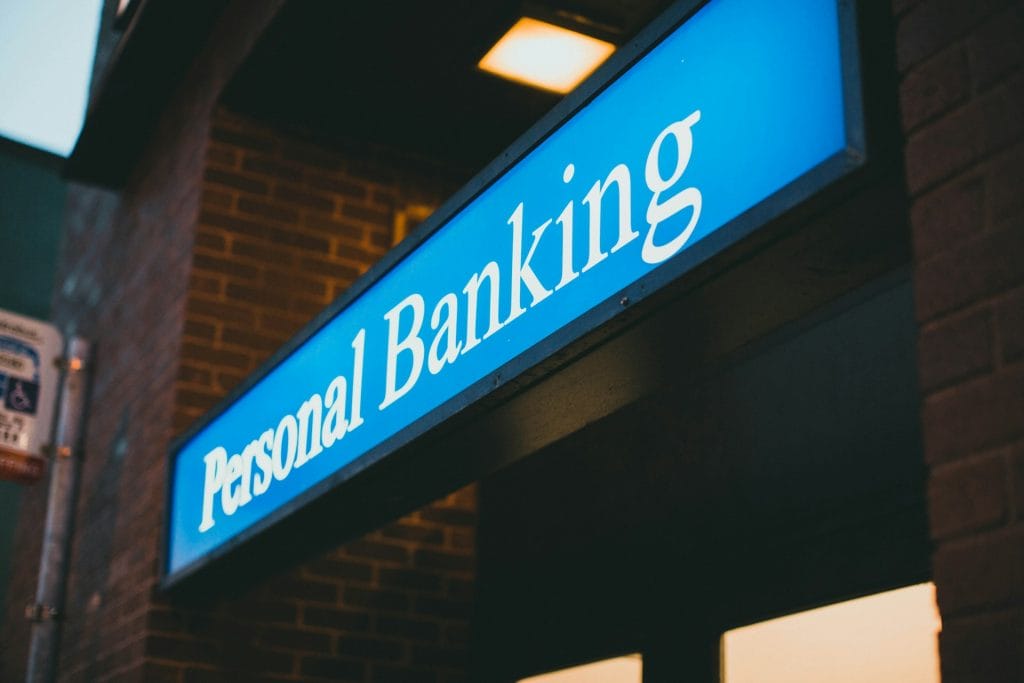
bank
Image source: unsplash.com

Unexpected changes from your bank can throw your finances off balance. Maybe you wake up to a new fee, a lower interest rate, or a change in your account’s features. You didn’t get a heads-up. Now you’re left wondering what happened and what you can do about it. This isn’t just annoying—it can cost you money or even hurt your credit. Banks have the power to change terms, but you have rights and options. Here’s what you need to know when your bank changes the terms without warning.

1. You Might Not Get a Clear Notice

Banks are supposed to notify you about changes, but sometimes the notice is buried in a long email or a letter you never see. Some banks only post updates online, expecting you to check regularly. If you miss the message, you might not know about new fees or rules until you see them on your statement. Always check your bank’s communication preferences and make sure your contact info is up to date. If you’re not getting alerts, ask your bank how they send notices. This is the first step to avoid surprises when your bank changes the terms without warning.

2. Fees and Charges Can Appear Overnight

One day your account is free, the next day there’s a monthly maintenance fee. Or maybe you get hit with a new overdraft charge. Banks can add or increase fees with little warning. These changes can eat into your balance fast. Review your statements every month. If you see a new fee, call your bank and ask for an explanation. Sometimes, if you catch it early, they’ll reverse the charge. If not, it might be time to look for a new account with better terms. Don’t let small fees add up just because your bank changes the terms without warning.

3. Interest Rates Can Drop Without Warning

You might have opened a savings account for the high interest rate. But banks can lower rates at any time, especially on variable accounts. Suddenly, your money isn’t earning what you expected. This can slow your savings goals. Check your account’s rate regularly. If it drops, compare other banks or credit unions. Some online banks offer better rates and fewer charges. Don’t be afraid to move your money if your bank changes the terms without warning and you’re losing out.

4. Account Features Can Disappear

Maybe you picked your account because it had free checks, ATM fee refunds, or a rewards program. Banks can remove these perks with little notice. You might not realize a feature is gone until you try to use it. Read any updates your bank sends, even if they look boring. If a feature you rely on disappears, ask if there’s another account that still offers it. If not, shop around. There are plenty of banks competing for your business, especially if your bank changes the terms without warning and takes away what you value.

5. Your Credit Could Take a Hit

Some changes, like a lower credit limit or new reporting rules, can affect your credit score. If your bank lowers your credit limit, your credit utilization goes up, which can hurt your score. If they change how they report your account to credit bureaus, it could show up as a new account, shortening your credit history. Always check your credit report after a major change. You can get a free report every year from each bureau at AnnualCreditReport.com. If you spot a problem, contact your bank and the credit bureau right away.

6. You Have Rights—But You Need to Act Fast

Federal law requires banks to give advance notice for most changes, usually 30 days. But there are exceptions, and sometimes notices get lost. File a complaint if you feel the change was unfair or not properly disclosed. Keep records of all communication with your bank. Acting quickly gives you a better chance to fix the issue or get fees reversed.

7. Switching Banks Is Easier Than You Think

If your bank keeps changing terms without warning, you don’t have to stay. Opening a new account is simple, especially with online banks. Make a list of what you want—no fees, good rates, easy access. Compare options and read reviews. When you switch, update your direct deposits and automatic payments. Close your old account only after everything has cleared. Don’t let loyalty keep you in a bad situation. If your bank changes the terms without warning and it hurts you, move on.

8. Watch for Patterns and Plan Ahead

Banks often change terms when interest rates shift, new regulations come out, or they merge with another company. If you notice a pattern, plan ahead. Keep an emergency fund in a separate account. Set up alerts for balance changes or new fees. Stay informed about your bank’s policies. The more you know, the less likely you’ll be caught off guard when your bank changes the terms without warning.

Stay in Control When Banks Change the Rules

Banks have the power to change the terms, but you have the power to respond. Stay alert, read every notice, and don’t be afraid to ask questions. If your bank changes the terms without warning, you can push back, switch banks, or find better options. Your money deserves attention and respect. Don’t settle for less.

Have you ever had your bank change the terms without warning? How did you handle it? Share your story in the comments.

Read More

What Banks Can Freeze If Your Spouse Is Sued Without Notice

Some U.S. Banks Are Now Charging a “Cash Handling” Fee—Even at ATMs

Travis Campbell
Travis Campbell

Travis Campbell is a digital marketer/developer with over 10 years of experience and a writer for over 6 years. He holds a degree in E-commerce and likes to share life advice he’s learned over the years. Travis loves spending time on the golf course or at the gym when he’s not working.

Filed Under: Banking Tagged With: account terms, banking, consumer rights, credit score, fees, Personal Finance, switching banks

Applying for a Mortgage

January 12, 2022 by Jacob Sensiba Leave a Comment

applying-for-a-mortgage

There’s always talk about home-buying and mortgages, but with interest rates being at all-time lows over the past few years, I feel like the talk about those things have picked up. Not only that, interest rates are likely going up this year so people are trying to get in before it’s too late. In this post, I want to talk about mortgages, how they work, and what happens when applying for a mortgage.

What’s a mortgage?

A mortgage is a loan you get from the bank or another lender to buy a house. When you submit an offer to buy a house, you’ll apply for a mortgage, and it’s a very involved process. More on that later.

In a mortgage, you’ll have options for what your term is. Your typical options are 15-year, 20-year, and 30-year.

You’ll also have to make a down payment. Current trends show that a lower down payment is pretty common. Depending on the type of loan, you can put down 3+%. And how much you put down matters. If you put down less than 20%, you’ll have to pay Primary Mortgage Insurance (PMI).

Here are the pieces of your typical mortgage payment – principal, interest, taxes and insurance, and PMI (if applicable). Taxes and insurance are commonly put in an escrow account and paid when they’re due by the lender.

Mortgage application process

From application to closing, it’s about 45-60 days. During that period, you’ll go through underwriting. In underwriting, they’ll have you submit documentation to confirm your credit report, annual income, current assets and liabilities, employment information, prior tax returns, among other things.

After you’ve cleared underwriting and they’ve confirmed everything, you’ll head to closing. At closing, you’ll sign a lot of papers. You’ll likely need to bring your checkbook with you as well.

There are closing costs associated with your mortgage. Some of these can be added to your total mortgage and some of them need to be paid. Closing costs are normally 3%-6% of the total mortgage and can include real estate commissions, taxes, insurance premiums, title fees, and record filing fees.

And if you’re buying, you’ll also need to write a check for the down payment.

Who gets a mortgage?

There is a slough of factors you need to meet when applying for a mortgage. Credit score matters. Usually, you’ll need at least a 620 credit score (all else being equal) to get a mortgage. Though the better the credit score, the better interest rate you’ll get.

The debt to income ratio needs to be under 50%. The lower the debt to income ratio (all else being equal) the more you can afford. If you have a 45% debt to income ratio and can afford a $250,000 mortgage, you’d probably be able to afford a $300,000 if your debt to income ratio is 25% (this is just an example, I didn’t do the math on this).

Condition of the home. With an FHA mortgage, they are a little pickier on the condition of your home. Usually, it’s just the outside of the home they’re picky with. Chipped paint is a typical thing they take issue with, so just be aware of that.

Applying for a mortgage is necessary for most people so it’s important you understand how they work.

Related reading:

Understanding 15-Year vs. 30-Year Mortgages in the USA

What to do when you’re one month behind on your mortgage

Why Financial Literacy is Important

Disclaimer:

**Securities offered through Securities America, Inc., Member FINRA/SIPC. Advisory services offered through Securities America Advisors, Inc. Securities America and its representatives do not provide tax or legal advice; therefore, it is important to coordinate with your tax or legal advisor regarding your specific situation. Please see the website for full disclosures: www.crgfinancialservices.com

Jacob Sensiba
Jacob Sensiba

Jacob Sensible is a financial advisor with decades of experience in the financial planning industry.  His journey into finance began out of necessity, stepping up to support his grandfather during a health crisis. This period not only grounded him in the essentials of stock analysis, investment strategies, and the critical roles of insurance and trusts in asset preservation but also instilled a comprehensive understanding of financial markets and wealth management.  Jacob can be reached at: jake.sensiba@mygfpartner.com.

mygfpartner.com/jacob-sensiba-wisconsin-financial-advisor/

Filed Under: credit score, Debt Management, Insurance, money management, Personal Finance, Real Estate Tagged With: credit, credit score, Debt, fees, interest rate, mortgage, Mortgage loan, mortgage payments, mortgages

  • « Previous Page
  • 1
  • 2
  • 3
  • 4

Follow Us

Search this site:

Recent Posts

  • Can My Savings Account Affect My Financial Aid? by Tamila McDonald
  • 12 Ways Gen X’s Views Clash with Millennials… by Tamila McDonald
  • What Advantages and Disadvantages Are There To… by Jacob Sensiba
  • 10 Tactics for Building an Emergency Fund from Scratch by Vanessa Bermudez
  • Call 911: Go To the Emergency Room Immediately If… by Stephen Kanaval
  • 7 Weird Things You Can Sell Online by Tamila McDonald
  • 10 Scary Facts About DriveTime by Tamila McDonald

Copyright © 2026 · News Pro Theme on Genesis Framework