• Home
  • About Us
  • Toolkit
  • Getting Finances Done
    • Hiring Advisors
    • Debt Management
    • Spending Plan
  • Insurance
    • Life Insurance
    • Health Insurance
    • Disability Insurance
    • Homeowners/Renters Insurance
  • Contact Us
  • Privacy Policy
  • Risk Tolerance Quiz

The Free Financial Advisor

You are here: Home / Archives for budget tips

How That Free Trial You Forgot About Is Costing You a Vacation

May 8, 2025 by Travis Campbell Leave a Comment

Free Trial

Image Source: 123rf.com

Those “free” trials lurking in your credit card statement might seem harmless individually, but collectively, they’re silently draining your vacation fund. The average American spends over $200 monthly on subscription services, with 42% admitting they’ve forgotten about active subscriptions they no longer use. That’s $2,400 annually—enough for a week-long beach getaway or a European adventure. These forgotten digital parasites attach to your finances through clever marketing and psychological tricks, making it painfully easy to sign up and conveniently difficult to cancel.

1. The Subscription Trap: How Companies Keep You Paying

Subscription services have mastered the art of passive income—for them, not you. They rely on what behavioral economists call “status quo bias,” our tendency to stick with current situations. Companies deliberately make cancellation processes complex, often requiring phone calls during limited hours or navigating maze-like website sections.

According to a 2023 C+R Research study, 78% of consumers have continued paying for subscriptions simply because they forgot to cancel before the trial ended. While convenient, the auto-renewal feature serves primarily as a profit-generating mechanism for companies.

Most subscription services require credit card information upfront, even for “free” trials. They’re betting on your forgetfulness—and winning. The psychological friction of cancellation combined with the minimal effort of continuing creates the perfect environment for subscription creep.

2. The Real Cost: Small Leaks Sink Big Dreams

That $8.99 monthly streaming service might seem insignificant, but subscription costs compound dramatically. Let’s do the math:

A forgotten fitness app ($19.99/month), a premium news subscription ($12.99/month), an unused meditation service ($9.99/month), and a cloud storage upgrade ($5.99/month) total $48.96 monthly—or $587.52 annually.

If invested instead at a modest 5% return, that amount would grow to over $3,000 in five years. That’s a weekend getaway you’re sacrificing for services you don’t use each year.

The opportunity cost extends beyond vacations. These forgotten subscriptions represent:

  • Six months of coffee shop visits
  • A year of date nights
  • Emergency fund contributions
  • Home improvement projects

Each subscription seems small in isolation, but together they create a significant financial drag.

3. Digital Decluttering: Finding and Eliminating Subscription Waste

Taking inventory of your digital commitments is the first step toward reclaiming your vacation fund. Start by examining your credit card and bank statements for recurring charges. Many people are shocked to discover they’re paying for 5-7 services they rarely or never use.

Several tools can help automate this process:

  • Subscription tracking apps scan your accounts to identify recurring payments
  • Calendar reminders set before free trials end
  • Email filters to flag subscription-related messages

When signing up for new trials, use these strategies:

  • Create calendar events for cancellation deadlines
  • Use virtual credit cards with spending limits
  • Consider prepaid cards for trials to prevent automatic renewal

The most effective approach is to implement a quarterly subscription audit. Review every service and ask, “Would I sign up for this again today at this price?” If the answer is no, cancel immediately.

4. Psychology Hacks: Outsmarting Your Subscription Tendencies

Understanding the psychological triggers that lead to subscription accumulation helps break the cycle. Companies leverage what psychologists call the “endowment effect”—our tendency to value things more once we own them. This makes cancelling feel like losing something, even when we’re not using it.

Combat this by reframing subscriptions as active purchases rather than background expenses. Each month, ask yourself: “Would I walk into a store today and pay $X for this service?” This mental shift transforms passive spending into conscious decisions.

Another effective technique is the “subscription budget.” Allocate a specific amount for all subscriptions combined. When considering a new service, you must either eliminate an existing one or consciously increase your budget. This creates natural resistance to subscription creep.

Most subscription spending happens below our conscious awareness. We regain control by bringing these expenses into our active decision-making process.

5. From Subscription Savings to Vacation Reality

Visualizing the alternative is the most powerful motivation for tackling subscription waste. Create a dedicated “Vacation from Subscriptions” savings account where canceled subscription amounts are automatically transferred.

A family eliminating $150 monthly in unused subscriptions would accumulate $1,800 annually—enough for:

  • A week at a beach resort
  • Multiple weekend getaways
  • A significant portion of an international adventure

To maximize impact, consider these steps:

  1. Calculate your “subscription freedom date”—when savings will fund your dream trip
  2. Create a visual reminder of your destination
  3. Set up automatic transfers equal to canceled subscription amounts
  4. Track progress visually to maintain motivation

The psychological reward of watching your vacation fund grow provides immediate gratification that counteracts the minor loss of canceling unused services.

The Freedom Beyond Your Inbox

Subscription management isn’t just about saving money—it’s about reclaiming control over your financial life. Each cancellation represents a conscious choice to prioritize experiences over digital clutter. The real cost of forgotten subscriptions isn’t measured in dollars alone, but in missed opportunities and experiences.

You transform financial leakage into intentional living by implementing regular subscription audits, using psychological techniques to combat subscription inertia, and redirecting savings toward meaningful experiences. Your future self, relaxing on that beach or exploring that city you’ve always wanted to visit, will thank you for the subscription cleanup you undertake today.

Have you ever calculated how much you spend on subscriptions you rarely use? What dream vacation could those funds make possible for you?

Read More

6 Reasons You Should Always Get Your Taxes Done Early

Can Families Still Afford a Trip to Disney?

Travis Campbell
Travis Campbell

Travis Campbell is a digital marketer/developer with over 10 years of experience and a writer for over 6 years. He holds a degree in E-commerce and likes to share life advice he’s learned over the years. Travis loves spending time on the golf course or at the gym when he’s not working.

Filed Under: subscriptions Tagged With: budget tips, financial freedom, Money Saving tips, Personal Finance, subscription management, subscription traps, vacation planning

5 Ways Gas Stations Get You to Spend More Money Once You Walk In The Door

May 6, 2025 by Travis Campbell Leave a Comment

pumping gas

Image Source: pexels.com

Gas stations have mastered the art of separating you from your money long after you’ve finished pumping fuel. What seems like a quick stop for gas often turns into an unexpected shopping spree. These convenience stores are strategically designed marketing machines that capitalize on impulse purchases and psychological triggers. Understanding these tactics can help protect your wallet during your next fill-up and prevent those small purchases that add up significantly over time.

1. Strategic Store Layout and Product Placement

Gas station convenience stores are meticulously designed to maximize sales. When you walk in, you’re guided through a carefully planned journey. Essential items like milk and bread are typically placed at the back of the store, forcing you to walk past tempting displays of snacks, drinks, and other impulse items.

High-margin products are positioned at eye level, while lower-margin necessities are often placed on bottom shelves. According to a study by the National Association of Convenience Stores, the average customer spends just 3-4 minutes inside a convenience store, making these strategic placements crucial for capturing quick purchase decisions.

The checkout area is particularly designed as a profit zone, lined with candy bars, energy drinks, and small impulse items that are easy to grab while waiting to pay. This “grab zone” capitalizes on last-minute purchase decisions when your guard is down.

2. Pricing Psychology and Bundle Deals

Gas stations employ sophisticated pricing strategies to make purchases seem more appealing. One common tactic is using prices ending in .99 or .95, which creates the illusion that items cost significantly less than they actually do.

Bundle deals are another effective strategy. “Two for $4” offers make you feel like you’re getting a bargain, even when you only needed one item. According to consumer behavior research, these quantity discounts can increase purchase volume by 30-40% even when the per-unit discount is minimal.

Many stations also use digital displays at the pump to advertise in-store specials, priming customers to consider purchases before they even enter the store. These promotions create a sense of urgency and exclusivity that’s hard to resist.

3. Sensory Marketing Tactics

Gas stations have become experts at using sensory cues to drive purchases. The smell of fresh coffee or baked goods wafting through the store triggers both hunger and positive emotions. Some stations even use scent machines to distribute these appetizing aromas.

Bright lighting and colorful displays create visual stimulation that draws attention to featured products. Digital screens playing advertisements or promotions engage multiple senses simultaneously, making it harder to maintain shopping discipline.

Temperature control is another subtle tactic. The cool air-conditioned environment encourages you to linger and browse on hot days. During winter, the warm interior invites you to stay longer than planned, increasing the likelihood of additional purchases.

Music selection is carefully curated to influence shopping behavior, with upbeat tempos encouraging quicker movement and more spontaneous purchases. These sensory elements work together to create an environment that weakens resolve and encourages spending.

4. Loyalty Programs and Mobile Apps

Modern gas stations have embraced technology to keep customers spending. Loyalty programs offer valuable points or discounts but often require significant spending to realize meaningful benefits. These programs collect valuable data on your purchasing habits, allowing for even more targeted marketing.

Mobile apps with exclusive deals and personalized offers create the impression of savings while encouraging additional purchases. Push notifications alert you to “limited-time offers” that trigger fear of missing out.

Some programs offer fuel discounts based on in-store purchases, effectively using gas as a loss leader to drive higher-margin convenience store sales. A 10-cent-per-gallon discount sounds appealing, but spending $50 or more on overpriced convenience items is often required.

These digital tools create a cycle of engagement that keeps you returning to the same chain and spending more with each visit, all while providing the illusion of savings.

5. Seasonal and Targeted Merchandising

Gas stations constantly refresh their merchandise based on seasons, local events, and consumer trends. During summer road trip season, coolers near the entrance are stocked with cold beverages. Winter brings displays of ice scrapers and hand warmers near the register.

Local sporting events trigger themed merchandise and snack displays. Holiday-specific items appear weeks before the actual holiday, capitalizing on early shoppers and creating artificial urgency.

These rotating displays make each visit feel different and exciting, encouraging exploration and discovery of new products. The merchandise mix is carefully calibrated to match the demographics of each station’s location, ensuring maximum relevance to the customer base.

Protecting Your Wallet at the Pump and Beyond

Armed with knowledge of these marketing tactics, you can develop strategies to avoid unnecessary spending. Consider paying at the pump when possible, bringing snacks and drinks from home for road trips, and setting a strict budget for convenience store purchases.

When you do enter the store, stick to a mental shopping list and avoid browsing additional aisles. Be particularly wary of checkout displays and “special” pricing that may not be as special as they appear.

Remember that convenience comes at a premium price – items at gas stations typically cost 30-60% more than the same products at grocery stores. That quick stop for a drink and snack could easily cost three times what you’d pay with a bit of planning.

Have you noticed yourself falling for any of these tactics during your gas station visits? What’s your biggest impulse purchase weakness when you stop for fuel?

Read More

5 Fees I Hate More Than the New Spirit Airlines B.S. Bag Fee

The Worst of the Free Financial Advisor Episode 12: Top 5 Ways to Save Money at the Gas Pump

Travis Campbell
Travis Campbell

Travis Campbell is a digital marketer/developer with over 10 years of experience and a writer for over 6 years. He holds a degree in E-commerce and likes to share life advice he’s learned over the years. Travis loves spending time on the golf course or at the gym when he’s not working.

Filed Under: Smart Spending Tagged With: budget tips, consumer psychology, convenience store tactics, gas station marketing, impulse buying, retail tricks, saving money

8 Ridiculous Expenses Poor People Keep Justifying

May 5, 2025 by Travis Campbell Leave a Comment

frustrated woman

Image Source: pexels.com

Financial freedom isn’t just about earning more—it’s about spending wisely. Many struggling financially continue habits that keep them trapped in cycles of poverty. These seemingly small expenses increase dramatically, creating significant barriers to building wealth. Understanding these common financial pitfalls is the first step toward making better choices and breaking free from financial stress.

1. The Latest Smartphone Models

Many people living paycheck to paycheck still prioritize having the newest iPhone or Samsung Galaxy. While smartphones are necessary today, paying $1,000+ for premium features you rarely use is financially irresponsible.

According to a Bankrate survey, 57% of Americans couldn’t cover a $1,000 emergency expense from savings. Yet many of these same individuals will finance the latest smartphone model, often paying hundreds in interest over time.

The smarter alternative? Mid-range phones offer nearly identical functionality at half the price. Better yet, purchasing last year’s flagship model refurbished can save 40-60% while providing premium features.

2. Daily Coffee Shop Visits

That daily $5 specialty coffee seems harmless, but it represents a massive wealth drain over time. At $5 daily, you’re spending $1,825 annually—money that could be invested or saved for emergencies.

The justification often centers around convenience or treating oneself but brewing at home costs roughly $0.50 per cup. Even premium home-brewed coffee rarely exceeds $1 per serving, saving potentially $1,460+ yearly.

This isn’t about never enjoying coffee shops—it’s about recognizing the cumulative impact of daily small expenses that provide minimal lasting value.

3. Lottery Tickets and Gambling

Americans spend over $80 billion annually on lottery tickets, with lower-income households spending a disproportionate percentage of their income on these games of chance. The Atlantic found that families earning under $13,000 annually pay 9% of their income on lottery tickets.

The justification? “Someone has to win.” But with odds often worse than 1 in 300 million, lottery tickets represent perhaps the worst “investment” possible. This money, redirected to an emergency fund or retirement account, could provide real financial security rather than false hope.

4. Brand-Name Everything

Paying premium prices for brand names—whether clothing, groceries, or household items—creates a significant financial drag. Many struggling financially still insist on name-brand products despite identical or nearly identical alternatives costing 30-50% less.

Store brands and generic products have dramatically improved in quality, often being manufactured in the same facilities as their premium counterparts. The difference is primarily marketing, packaging, and profit margin, not quality.

This expense habit persists because of perceived status and quality associations rarely delivering proportional value.

5. Cable TV Packages

The average cable TV package costs $217 monthly ($2,604 annually), yet many financially struggling households maintain these expensive subscriptions despite rarely watching most channels.

Streaming services offer more targeted content at a fraction of the cost. Combining 2-3 streaming platforms typically costs under $40 monthly, potentially saving over $2,000 annually.

The justification often involves habit or specific channels, but most content is available through more affordable alternatives.

6. Convenience Foods and Takeout

Prepared foods and restaurant meals cost 3-5 times more than home-cooked alternatives. The “too busy to cook” justification becomes particularly expensive for financially struggling individuals.

A family of four spending $50 on takeout twice weekly spends $5,200 annually—money that could cover several months of mortgage payments or significantly boost retirement savings.

Meal planning and batch cooking can provide the same convenience at a fraction of the cost while typically offering healthier options.

7. Unused Gym Memberships

Gym memberships average $40-50 monthly, with premium facilities exceeding $100. Yet studies show 67% of memberships go unused, creating a recurring expense with zero return.

The justification typically involves good intentions and future plans, but financially struggling individuals need to align expenses with actual behavior, not aspirational habits.

Home workouts, community recreation centers, or pay-per-visit arrangements offer more financially responsible alternatives for occasional exercisers.

8. Extended Warranties

Extended warranties are one of retail’s highest-margin products, but most consumers never use them. These warranties seem like protection for those with limited financial resources but typically provide poor value.

Consumer Reports consistently advises against most extended warranties, noting that products rarely break during the coverage period, and when they do, repairs often cost less than the warranty itself.

The fear-based justification ignores that many credit cards already provide extended warranty protection, and self-insuring (saving the warranty cost) is typically more financially sound.

Breaking the Expense Justification Cycle

Financial freedom requires an honest assessment of where your money goes. The expenses above aren’t just budget items—they represent mindsets and habits that keep financial stability out of reach. By recognizing these patterns and making intentional changes, you can redirect thousands of dollars annually toward building wealth rather than maintaining its appearance.

Start by tracking every expense for one month, then question each recurring cost: “Is this bringing value proportional to its cost?” The answer often surprises you, revealing opportunities to redirect money toward genuine financial security.

Have you caught yourself justifying any of these expenses? What financial habit was hardest for you to break, and how did you finally overcome it?

Read More

10 Frivolous Expenditures That Keep You in Perpetual Credit Card Debt

8 Reasons You Shouldn’t Listen to Your Broke Friends When It Comes to Money

Travis Campbell
Travis Campbell

Travis Campbell is a digital marketer/developer with over 10 years of experience and a writer for over 6 years. He holds a degree in E-commerce and likes to share life advice he’s learned over the years. Travis loves spending time on the golf course or at the gym when he’s not working.

Filed Under: Personal Finance Tagged With: budget tips, expense tracking, financial freedom, financial literacy, money management, Spending Habits, Wealth Building

Buying Lunch At Work Is Slowly Destroying Your Budget

May 5, 2025 by Travis Campbell Leave a Comment

lunch

Image Source: pexels.com

That daily trip to the café or restaurant near your workplace might seem harmless—just $10 to $15 for a satisfying meal. But this routine is silently draining your finances more than you realize. According to research, the average American worker spends over $3,000 annually on lunch alone. This financial leak compounds over time, potentially costing you tens of thousands in potential retirement savings. When you consider the opportunity cost of these funds, the true price of your workday lunch habit becomes alarmingly clear.

1. The True Cost Goes Beyond the Price Tag

That $12 sandwich isn’t just $12. When calculating the real impact of buying lunch, you must consider the compound effect. Spending $60 weekly ($12 × 5 days) amounts to $3,120 annually. If invested instead at a modest 7% return, this sum would grow to over $31,000 in just 10 years. The Bureau of Labor Statistics reports that food away from home represents nearly 40% of the average American’s food budget, which has steadily increased over the decades.

Beyond direct costs, purchased lunches often lead to additional impulse buys: that coffee, snack, or dessert that wasn’t planned. These supplementary purchases can add 20-30% to your lunch budget without providing proportional value.

2. The Hidden Psychological Traps

Workplace lunch purchases often fall victim to what behavioral economists call “present bias”—prioritizing immediate gratification over long-term benefits. Buying lunch’s convenience and social aspects create powerful psychological hooks that override financial reasoning.

Many professionals use lunch purchases as a “reward” for hard work or as a break from office stress. This mental accounting separates lunch spending from other budget categories, making it seem more acceptable despite its cumulative impact. Additionally, social pressure plays a significant role—when colleagues go out, saying no can feel isolating, creating a cycle of financial peer pressure that’s difficult to break.

3. Health Costs Compound Financial Ones

Restaurant meals typically contain 20-40% more calories than home-prepared alternatives, according to research published in the Journal of the Academy of Nutrition and Dietetics. These meals generally have higher sodium, fat, and processed ingredient content, potentially leading to health issues that carry their own financial burdens.

The health-finance connection creates a double penalty: you pay more upfront for less nutritious food, then potentially pay again through healthcare costs and reduced productivity. Preparing your own lunch allows complete control over ingredients, portions, and nutritional balance—benefits that extend beyond your wallet to your overall well-being.

4. Small Changes Create Massive Results

Transitioning from daily purchased lunches to home-prepared meals doesn’t require an all-or-nothing approach. Even reducing bought lunches to twice weekly can save over $1,800 annually. This gradual approach makes the habit change more sustainable while still delivering significant financial benefits.

Meal prepping on weekends can dramatically reduce the time investment needed to bring lunch. Spending 1-2 hours preparing multiple meals creates economies of scale, making each lunch require just minutes of morning effort. Simple options like grain bowls, hearty salads, and wraps can be prepared in batches, requiring minimal weekday attention while providing variety and nutrition.

For those concerned about social aspects, organize office potlucks or lunch clubs where participants rotate bringing dishes for the group. This maintains the communal element while distributing costs and introducing variety.

5. Redirect Savings for Maximum Impact

The power of redirecting lunch savings lies in intentionality. Rather than allowing saved funds to disappear into general spending, create a dedicated “lunch savings” account or automatic investment. This visible accumulation of redirected funds provides powerful reinforcement for your new habits.

Consider allocating these savings toward a specific financial goal—debt reduction, emergency fund building, or retirement contributions. For example, redirecting $3,000 annual lunch savings into retirement accounts from ages 30 to 65 would generate approximately $450,000 at 7% average returns, potentially transforming your retirement lifestyle based on lunch choices alone.

For those with high-interest debt, lunch savings directed toward accelerated payments can eliminate thousands in interest charges, creating a double financial win that compounds over time.

6. The Workplace Lunch Budget Breakthrough

Creating a sustainable lunch strategy requires balancing financial goals with life enjoyment. Allow yourself strategic “lunch out” days—perhaps once weekly or for special occasions—while maintaining home-prepared meals as your default. This balanced approach prevents deprivation while still capturing 80% of the potential savings.

Technology can support your lunch budget goals through meal planning apps, grocery delivery services, and budget tracking tools that make preparation easier and more efficient. Many workplaces now offer kitchen facilities, refrigerators, and microwaves, making bringing lunch more convenient.

Remember that financial freedom isn’t about never spending—it’s about intentional spending aligned with your true priorities. By reclaiming control of this daily expense, you’re not just saving money but redirecting resources toward what genuinely matters in your financial future.

Your Financial Future Is Built on Daily Decisions

The lunch choices you make today might seem insignificant in isolation, but they represent the exact type of recurring decision that shapes financial destinies. By recognizing the true cost of workplace lunch purchases and implementing strategic alternatives, you’re addressing one of the most common budget leaks affecting working professionals.

The compound effect works both ways—either against you through daily spending or for you through consistent saving and investing. The choice is yours, and it starts with tomorrow’s lunch decision.

Have you calculated how much your workplace lunch habit actually costs you annually? Share your numbers or your favorite budget-friendly lunch ideas in the comments below!

Read More

10 Frivolous Expenditures That Keep You in Perpetual Credit Card Debt

7 Signs You’re Falling Victim to Lifestyle Creep

Travis Campbell
Travis Campbell

Travis Campbell is a digital marketer/developer with over 10 years of experience and a writer for over 6 years. He holds a degree in E-commerce and likes to share life advice he’s learned over the years. Travis loves spending time on the golf course or at the gym when he’s not working.
Filed Under: budget tips Tagged With: budget tips, financial freedom, meal prep, Personal Finance, retirement planning, saving money, workplace lunch

7 Cheap Products People Regret Buying Again and Again

May 3, 2025 by Travis Campbell Leave a Comment

disposable razors

Image Source: pexels.com

Bargain hunting feels great until that “deal” becomes a recurring disappointment. Many of us fall into the trap of repeatedly purchasing inexpensive items that ultimately waste our money and time. These seemingly small purchases can significantly impact our financial health over time. Understanding which cheap products consistently disappoint can help you make smarter spending decisions and avoid the frustration of replacing the same items repeatedly.

1. Disposable Razors

Those colorful packs of disposable razors might seem like a steal, but they often lead to skin irritation, uneven shaves, and frequent replacements. The blades dull quickly, forcing you to replace them after just a few uses. According to a study by the Environmental Protection Agency, Americans discard over 2 billion disposable razors annually. Investing in a quality safety razor or electric shaver with replaceable heads costs more upfront but saves money and reduces waste over time. Not only do higher-quality razors provide a smoother, more comfortable shave, but they also reduce the environmental impact of constant plastic waste. Over the years, the cumulative cost of disposables can far exceed the price of a single, durable razor.

2. Fast Fashion Clothing

Trendy $10 shirts and $15 jeans might seem like bargains, but cheap clothing often falls apart after just a few washes. Low-quality fabrics pill, fade, stretch, and tear easily. Research indicates that fast fashion items are typically worn fewer than five times before being discarded. Instead, invest in fewer, better-quality pieces that will last for years rather than weeks. Well-made clothing not only looks better and feels more comfortable, but it also saves you the hassle of constantly shopping for replacements. Plus, investing in quality helps reduce the environmental toll of textile waste and supports more ethical manufacturing practices.

3. Bargain Bin Electronics

Those $20 earbuds or $30 phone chargers from unknown brands might seem like good deals until they stop working within weeks. Cheap electronics often have poor build quality, substandard components, and virtually no customer support. They can even damage your more expensive devices or pose safety hazards. Consumer Reports consistently finds that mid-tier electronics offer the best balance of performance and value compared to the cheapest options. Spending a bit more on reputable brands can mean the difference between a product that lasts for years and one that fails at the worst possible moment. Quality electronics save you time, frustration, and money in the long run.

4. Dollar Store Batteries

Bargain batteries might cost less initially, but they drain faster, leak more frequently, and can damage your devices. Tests show they typically have 1/3 to 1/2 the power capacity of name-brand alternatives. Rechargeable batteries for devices you use regularly provide better long-term value despite the higher upfront cost. They last longer and reduce the number of batteries you need to buy and dispose of, making them a more sustainable choice. Over time, the savings from not constantly replacing dead batteries can be substantial, and your devices will thank you for the consistent, reliable power.

5. Cheap Kitchen Knives

Those $5-10 kitchen knives seem like a steal until you struggle with dull blades after just a few weeks. Low-quality knives require constant sharpening, make food preparation more difficult, and can even be dangerous when they slip during use. A single quality chef’s knife, around $30-50, will outperform and outlast an entire set of bargain blades, making it a smarter investment for your kitchen and safety. Good knives also make cooking more enjoyable and efficient, encouraging healthier eating habits and saving you time in the kitchen. Over the years, a quality knife has become an indispensable tool rather than a recurring frustration.

6. Bargain Furniture

That $99 particleboard bookshelf or $150 sofa might fit your immediate budget, but cheap furniture often wobbles, warps, or breaks within months. According to Furniture Today, quality issues are the top complaint with low-cost furniture. The constant cycle of replacing broken pieces costs more in the long run than investing in mid-range furniture built with solid materials and better construction techniques. Well-made furniture lasts longer, looks better, and provides greater comfort and support. Investing in quality pieces can transform your living space and save you from the hassle and expense of frequent replacements.

7. Inexpensive Shoes

Those $20 sneakers or work shoes might seem like a good deal until the soles wear down, the support collapses, or the materials tear after just a few months of regular use. Cheap footwear can also lead to foot pain, back issues, and other health problems. Quality shoes might cost 3-4 times more initially, but often last 5-10 times longer while providing better comfort and support. Over time, investing in well-made shoes can improve your posture, reduce injury risk, and save you money by eliminating the need for constant replacements. Your feet—and your wallet—will thank you.

Breaking the False Economy Cycle

The pattern is clear: repeatedly buying cheap products creates a “false economy” where we think we’re saving money but spend more over time. This cycle drains our wallets, fills our landfills, and creates unnecessary stress. The solution isn’t necessarily buying the most expensive option, but instead identifying which items deserve investment and which truly can be purchased cheaply without regret.

Consider implementing the “cost per use” calculation before making purchases. A $100 item used 100 times costs $1 per use, while a $20 item used only 5 times costs $4, making the more expensive item the better value. For essential items you use regularly, prioritize quality over initial price. By making more mindful purchasing decisions, you can save money, reduce waste, and enjoy greater satisfaction with your own things.

Have you fallen into the trap of repeatedly buying these disappointing products? What cheap purchase do you most regret making over and over again? Share your experience in the comments below!

Read More

11 Home Improvement Trends You’ll Probably Regret

12 Health Fads That Became Useless Over Time

Travis Campbell
Travis Campbell

Travis Campbell is a digital marketer/developer with over 10 years of experience and a writer for over 6 years. He holds a degree in E-commerce and likes to share life advice he’s learned over the years. Travis loves spending time on the golf course or at the gym when he’s not working.

Filed Under: Smart Shopping Tagged With: budget tips, consumer advice, false economy, Personal Finance, quality vs price, smart shopping

5 Financial Traps That Are Way More Common Than You Think

May 1, 2025 by Travis Campbell Leave a Comment

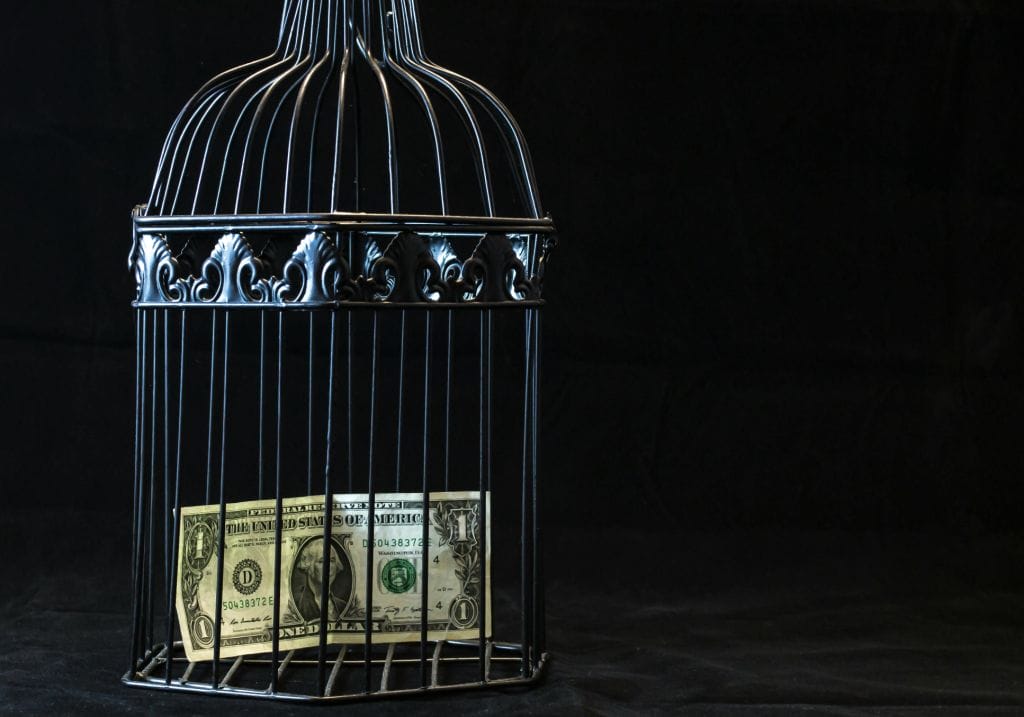
money in a cage

Image Source: pexels.com

Money mistakes happen to everyone, but some financial pitfalls are so cleverly disguised that they’ve become normalized in our society. These traps silently drain your wealth while masquerading as standard financial practices. Understanding these common financial traps is crucial because they often appear harmless or even beneficial at first glance. Recognizing these wealth-draining patterns can protect your financial future and build genuine prosperity instead of falling victim to these widespread money mistakes.

1. The “Buy Now, Pay Later” Illusion

The explosion of BNPL (Buy Now, Pay Later) services has revolutionized how we shop, but not necessarily for the better. These services make purchases feel painless by breaking payments into smaller chunks, but they fundamentally alter our spending psychology.

Research from the Financial Health Network shows that BNPL users are significantly more likely to overdraft their accounts than non-users. The seemingly small payments add up quickly, creating a false sense of affordability that encourages overspending.

The trap lies in how these services disconnect you from the pain of spending. Your brain doesn’t register the true cost when you don’t feel the immediate financial impact. Before you know it, multiple BNPL payments come due simultaneously, creating unexpected budget strain.

Implement a 48-hour waiting period before any non-essential purchase to avoid this trap. If you still want the item after two days, consider saving for it rather than splitting payments.

2. The Subscription Economy Quicksand

The average American now spends $219 monthly on subscriptions, yet most underestimate this amount by $100 or more. Streaming services, meal kits, fitness apps, and software subscriptions create a dangerous financial quicksand that gradually pulls you deeper.

What makes this trap particularly insidious is the automatic nature of these charges. Companies count on you forgetting about these small monthly fees. Each individual subscription seems affordable, but collectively, they create a significant financial drag.

The solution isn’t necessarily eliminating all subscriptions but becoming intentional about them. Conduct a quarterly subscription audit. List every recurring charge and ask: “Does this subscription still bring value worth its cost?” Cancel those that don’t immediately justify their expense.

3. The Emergency Fund Mirage

While everyone knows they should have emergency savings, the trap lies in how we define “emergency.” Studies show that 37% of Americans couldn’t cover a $400 unexpected expense without borrowing money or selling something.

The real trap is mental accounting—treating your emergency fund as available for non-emergencies. That “great deal” on a vacation package or the latest smartphone isn’t an emergency, yet many people raid their safety net for such purchases.

True financial security requires a properly defined emergency fund with clear boundaries. Establish concrete rules about what constitutes a genuine emergency (job loss, medical issues, critical home/car repairs) and maintain discipline around these boundaries.

Consider keeping your emergency fund at a different bank than your primary checking account to create psychological distance and reduce impulsive access.

4. The Lifestyle Inflation Cycle

Lifestyle inflation is one of the most pervasive financial traps—automatically increasing your spending when your income rises. This trap is particularly dangerous because it feels like a reward you’ve earned rather than a financial mistake.

Each promotion or raise presents a critical financial decision point. The trap occurs when increased income automatically translates to increased spending rather than increased saving or investing. This pattern explains why many high-income professionals still live paycheck to paycheck.

Breaking this cycle requires intentionally directing income increases. Consider the 50/30/20 rule for any raise: 50% toward increased savings/investments, 30% toward quality-of-life improvements, and 20% toward debt reduction. This balanced approach allows you to enjoy success while building financial security.

5. The False Economy of Cheap Purchases

Counterintuitively, buying the cheapest option often costs more in the long run. This trap manifests when price becomes the only consideration in purchasing decisions, ignoring quality and longevity.

The mathematics of this trap is straightforward: A $20 item that lasts one year costs more than a $50 item that lasts five years. Yet our brains are wired to focus on immediate costs rather than lifetime value.

This doesn’t mean you should always buy premium products, but rather that you should calculate the true cost per use. Items you use daily (shoes, mattresses, tools) typically justify a higher upfront investment for better quality and longevity.

Breaking Free from Financial Autopilot

The common thread connecting these financial traps is unconscious money management. Each trap exploits our tendency to make financial decisions on autopilot rather than through conscious evaluation. The primary SEO keyword “financial traps” represents these unconscious patterns that silently undermine our financial health.

Developing financial awareness is your strongest defense against these common financial traps. This means regularly reviewing your spending, questioning financial “norms,” and creating intentional rules for your money. You transform from a passive consumer to an active wealth builder by bringing consciousness to your financial decisions.

The most powerful step is creating distance between the financial stimulus and the response. Whether it’s a 48-hour rule before purchases or a monthly financial review session, these intentional pauses help you escape the financial traps that ensnare so many.

Have you fallen into any of these financial traps? What strategies have helped you break free from unconscious spending patterns? Share your experiences in the comments below!

Read More

8 Unforgivable Financial Mistakes Spouses Make

6 Financial Landmines That Even Bankruptcy Can’t Fix

Travis Campbell
Travis Campbell

Travis Campbell is a digital marketer/developer with over 10 years of experience and a writer for over 6 years. He holds a degree in E-commerce and likes to share life advice he’s learned over the years. Travis loves spending time on the golf course or at the gym when he’s not working.

Filed Under: Personal Finance Tagged With: budget tips, emergency fund, financial literacy, financial traps, money mistakes, Personal Finance, subscription management, Wealth Building

6 “Broke” Habits You Shouldn’t Feel Ashamed Of

April 18, 2025 by Travis Campbell Leave a Comment

on sale

Image Source: unsplash.com

Many of us feel embarrassed about our money-saving behaviors in a world that often equates financial success with personal worth. The truth is, many so-called “broke” habits are actually smart financial practices that help build long-term wealth. Let’s explore six money-saving habits you should embrace rather than hide.

1. Saying “No” to Social Spending

We’ve all been there – friends invite you to an expensive restaurant or weekend getaway that’s beyond your budget. Declining these invitations can feel awkward, but protecting your financial boundaries is a sign of wisdom, not weakness.

Setting spending limits for social activities doesn’t mean you’re cheap – it means you’re prioritizing your financial health. Instead of feeling ashamed, suggest budget-friendly alternatives like hosting a potluck dinner or exploring free local events. True friends will understand and respect your choices, and your bank account will thank you for maintaining discipline during financially challenging times.

According to a study by Dollarsanity, “Many classic frugal habits are just as useful now as they were generations ago, helping you save money with simple, everyday changes.” One timeless habit is learning to say no to unnecessary social spending.

2. Buying Generic or Store Brands

Many people feel embarrassed reaching for the generic cereal or store-brand cleaning supplies. However, this habit can save you 20-30% on grocery bills without sacrificing quality. In many cases, generic products are manufactured in the same facilities as name brands but without the marketing markup.

Consumer studies consistently show that for many household items, the difference between generic and name brands is minimal. Your wallet doesn’t care about fancy packaging – it cares about the money you’re saving for more important goals. This “broke” habit is actually a cornerstone practice of many financially successful people who understand value over branding.

“Buy generic” is one of the quick hacks to cut expenses. He explains that achieving financial success “doesn’t have to be difficult and boring, though it does take some discipline.”

3. Driving an Older Vehicle

In a culture obsessed with new cars and status symbols, keeping your reliable older vehicle running is actually financial brilliance. New cars depreciate rapidly, while maintaining a paid-off car eliminates monthly payments and typically means lower insurance costs.

That 10-year-old sedan might not turn heads, but it’s helping you build wealth instead of debt. Regular maintenance is far less expensive than new car payments, and you’re avoiding the significant depreciation hit that comes with driving a new vehicle off the lot. Many millionaires drive older cars precisely because they understand this principle of wealth building.

The Savvy Couple points out in their frugal living guide that “frugal living advice anyone can live by” includes keeping vehicles longer and focusing on maintenance rather than replacement.

4. Meal Prepping and Bringing Lunch to Work

Brown-bagging your lunch might seem less sophisticated than dining out with colleagues, but this habit can save you thousands annually. The average restaurant lunch costs $11-15, while a home-prepared meal averages $3-5.

Beyond the financial benefits, meal prepping gives you control over ingredients and portion sizes. This practice isn’t just about saving money – it’s about valuing your financial future over momentary convenience. Many successful professionals maintain this habit throughout their careers, recognizing that small daily savings compound significantly over time.

Remote Work Rebels suggests in their frugal living tips that “taking lunch and snacks to work” is one of the best ways to save money without sacrificing quality of life. They note that this simple habit can save you $50-100 per month.

5. Using Coupons and Hunting for Deals

Some people feel self-conscious pulling out coupons or mentioning they’re waiting for a sale. However, strategic shopping is simply smart resource management. Taking advantage of discounts, cashback offers, and seasonal sales demonstrates financial intelligence, not desperation.

The wealthiest people often maintain their wealth precisely because they’re careful about unnecessary spending. Being price-conscious isn’t about being cheap – it’s about maximizing the value of every dollar you earn. This mindful approach to spending creates more opportunities for saving and investing, which is how real wealth is built over time.

According to a Bankrate study, “Only 38 percent of Americans have enough money saved up to cover an unexpected expense such as a $1,000 emergency room visit or a $500 car repair.” Using coupons and hunting for deals can help you build that emergency fund faster.

6. Enjoying Free Entertainment Options

While others spend hundreds on concerts and premium streaming services, there’s no shame in utilizing free entertainment options like library books, community events, or free museum days. These choices reflect resourcefulness and an appreciation for experiences over consumption.

Libraries offer books, movies, music, and educational resources. Parks, hiking trails, and community festivals provide enriching experiences without the price tag. This habit helps you enjoy life while preserving your financial resources for long-term goals like retirement, emergency savings, or education funds.

The South Carolina Federal Credit Union highlights in their frugal habits guide that “by adopting some of these habits, you can save money, reduce your environmental impact, and live a more mindful and fulfilling life.”

From Shame to Financial Freedom

Many financially successful people maintain these habits throughout their lives. What others might perceive as “broke behavior” is often the foundation of financial independence. By embracing these practices without shame, you build a stronger financial future while living authentically within your means.

Remember: financial wisdom isn’t about how much you spend but how intelligently you manage what you have. These habits aren’t signs of financial failure; they’re indicators that you understand the true path to wealth building.

Financial expert Vincent Chan states, “Habits define who we are and what we become. They can help you achieve your goals and avoid undesirable outcomes.” The habits that might make you feel “broke” today could be the very same ones that help you build wealth tomorrow.

In the words of Dave Ramsey, cited by The Free Financial Advisor, having an emergency fund should be your first financial goal before pursuing any others. Many of these “broke” habits help you build that crucial safety net faster.

What money-saving habit do you practice that others might consider “broke behavior”? Share your experience in the comments below!

Read More

How to Cut Your Spending

Two Ways to Automate Your Savings

Travis Campbell
Travis Campbell

Travis Campbell is a digital marketer/developer with over 10 years of experience and a writer for over 6 years. He holds a degree in E-commerce and likes to share life advice he’s learned over the years. Travis loves spending time on the golf course or at the gym when he’s not working.

Filed Under: Frugal Living Tagged With: budget tips, financial habits, frugal living, Personal Finance, saving money, Smart Spending

10 Things You Think Are Saving You Money—But Aren’t

April 18, 2025 by Travis Campbell Leave a Comment

piggy bank

Image Source: unsplash.com

We all love the feeling of getting a good deal or making smart financial choices. However, many common “money-saving” strategies actually cost us more in the long run. What seems thrifty today might be draining your wallet tomorrow. Let’s explore ten popular money-saving tactics that might actually be hurting your finances.

1. Buying in Bulk Without a Plan

Warehouse clubs and bulk purchases seem like obvious money-savers, but they often lead to waste and unnecessary spending. Many shoppers get seduced by the lower per-unit price without considering if they’ll actually use everything before it expires. Food waste statistics show Americans throw away approximately 30-40% of their food supply, negating any savings from bulk purchases. Bulk buying also requires storage space, which comes at a premium in many homes. The psychology of bulk shopping often encourages purchasing items you wouldn’t normally buy simply because they seem like a good deal.

2. Always Choosing the Cheapest Option

Selecting the lowest-priced item might feel financially responsible, but quality often correlates with price for a reason. Cheap products typically wear out faster, requiring more frequent replacements and costing more over time. The “boots theory” of socioeconomic unfairness illustrates how being unable to afford quality items keeps people in poverty cycles. Investing in higher-quality items for things you use regularly can provide better value and performance throughout their extended lifespan. Research shows that middle-tier products often provide the best balance between quality and price for most consumer goods.

3. Extreme Couponing Without Consideration

Couponing can save money, but the extreme version often leads to purchasing unnecessary items just because they’re discounted. Many dedicated couponers end up with stockpiles of products they don’t need or wouldn’t normally buy. The time investment required for serious couponing can be substantial—hours spent searching, organizing, and planning that could be used for more productive activities. Studies show that coupons can trigger impulse purchases by creating a false sense of urgency. Manufacturers and retailers design coupon strategies specifically to increase overall spending, not to help consumers save money.

4. Signing Up for Store Credit Cards for One-Time Discounts

The 10-20% discount offered when opening a store credit card seems tempting, but these cards typically carry high interest rates averaging 24-27%. Store cards often have lower credit limits and fewer benefits than general-purpose credit cards, making them less valuable for building credit. Many consumers forget to pay these additional cards on time, resulting in late fees and credit score damage. The initial discount rarely justifies the potential long-term costs if you carry a balance or miss payments.

5. Driving Miles for Cheaper Gas

Traveling out of your way to save a few cents per gallon on gas often costs more than it saves. The average car costs approximately $0.60 per mile to operate when considering depreciation, maintenance, and fuel. A five-mile detour to save $0.10 per gallon would cost $3 in driving expenses for a typical 15-gallon tank—far more than the $1.50 saved. Time is also valuable—spending 20 extra minutes for minimal savings represents poor hourly compensation. Gas price apps can help you find better prices along routes you’re already traveling, which is a more efficient approach.

6. Keeping Subscriptions You Rarely Use

Monthly subscriptions seem affordable individually but collectively drain finances when underutilized. According to consumer research, the average American spends $273 monthly on subscription services, with 84% underestimating this amount. Subscription businesses rely on consumer inertia—our tendency to continue paying for rarely used services. Free trials that convert to paid subscriptions exploit our forgetfulness and reluctance to cancel. Regular subscription audits can identify services you’re paying for but not using enough to justify their cost.

7. Buying Perishable Items in Large Quantities

Purchasing large amounts of perishable foods often leads to spoilage before consumption. The average American household wastes approximately $1,500 worth of food annually, negating potential bulk savings. Fresh produce, dairy, and meat typically have shorter shelf lives and should be purchased in quantities you’ll realistically consume. Freezing can extend food life, but when frozen, many items lose quality or texture. Planning meals before shopping helps ensure you buy appropriate quantities that will actually be consumed.

8. Skipping Regular Maintenance

Postponing routine maintenance on homes, vehicles, and appliances seems like immediate savings, but leads to costly repairs later. Regular oil changes costing $50-75 can prevent engine repairs that might cost thousands. Home maintenance, like gutter cleaning, HVAC servicing, and roof inspections, prevents catastrophic damage and extends system lifespans. Research indicates that preventative maintenance typically costs 30% less than reactive repairs over a vehicle’s lifetime. Creating a maintenance schedule and budget helps distribute these costs predictably rather than facing emergency expenses.

9. Hoarding “Just in Case” Items

Keeping items “just in case” you might need them someday creates clutter and often leads to duplicate purchases when you can’t find what you already own. Storage space has real costs—whether in higher rent for larger spaces or in organizational systems. Studies show cluttered environments increase stress and reduce productivity, creating hidden psychological costs. The “20/20 rule” suggests that if an item costs less than $20 and can be replaced in less than 20 minutes, it’s better to discard it and rebuy if needed. Digital alternatives for physical items (books, music, movies) can save significant space and money.

10. Falling for “Buy More, Save More” Promotions

Tiered discount promotions like “spend $100, save 15%” encourage purchasing more than originally intended. These promotions create artificial spending thresholds that lead consumers to add unnecessary items to reach discount levels. The psychology behind these offers exploits our desire to maximize perceived value rather than minimize actual spending. Retailers set threshold amounts strategically above average purchase values to increase transaction sizes. Before adding items to reach a discount threshold, calculate whether the additional spending truly results in savings on items you actually need.

Smart Saving Requires Thoughtful Analysis

True financial efficiency comes from understanding the difference between apparent savings and actual value. Each purchasing decision should consider the total cost of ownership, including time, storage, maintenance, and eventual replacement. Developing mindful spending habits aligning with your needs and usage patterns will save you more money than chasing deals. Financial literacy includes recognizing marketing tactics designed to increase spending under the guise of savings. Remember that your most powerful financial tool is critical thinking—questioning whether a “deal” truly benefits your specific situation.

What money-saving misconception have you fallen for in the past? Share your experience in the comments below!

Read More

The Silent Killer of Your Budget: 10 Pointless Expenses That Are Keeping You Poor

10 Frivolous Expenditures That Keep You in Perpetual Credit Card Debt

Travis Campbell
Travis Campbell

Travis Campbell is a digital marketer/developer with over 10 years of experience and a writer for over 6 years. He holds a degree in E-commerce and likes to share life advice he’s learned over the years. Travis loves spending time on the golf course or at the gym when he’s not working.

Filed Under: saving money Tagged With: budget tips, consumer psychology, financial literacy, money-saving myths, Personal Finance, Smart Spending

Impulse Buying Isn’t Just a Bad Habit—It Might Be a Coping Mechanism

April 11, 2025 by Travis Campbell Leave a Comment

store sale

Image Source: unsplash.com

Do you find yourself making unplanned purchases when you’re feeling down? After a stressful day, that spontaneous online shopping spree might be more than just poor financial discipline. Research suggests that impulse buying often serves as an emotional coping mechanism—a temporary escape from negative feelings that can have lasting consequences for your financial health. Understanding the psychology behind these spending urges is the first step toward developing healthier financial habits and emotional responses.

1. The Science Behind Retail Therapy

The brain’s reward system lights up during impulse purchases, releasing dopamine and creating a temporary mood boost. This neurological response explains why shopping feels good at the moment, especially when we’re experiencing stress or negative emotions. Studies from the Journal of Consumer Psychology have found that making purchase decisions can restore a sense of personal control during times of emotional distress. Shopping environments are strategically designed to encourage impulsive choices, with everything from store layouts to background music carefully calibrated to lower our resistance to spending. The temporary relief we feel when buying something new can become psychologically addictive, creating a cycle that’s difficult to break. This pattern mirrors other coping behaviors, suggesting that impulse buying serves as an emotional regulation strategy for many people rather than simply poor self-control.

2. Identifying Your Emotional Spending Triggers

Stress from work or personal relationships often precedes shopping sprees, creating a predictable pattern of financial behavior. Feelings of inadequacy or social comparison, especially those amplified by social media, can trigger the urge to purchase items that project success or status. Boredom is a surprisingly powerful spending trigger, with many people shopping online simply to fill empty time or create excitement. Seasonal changes, holidays, or anniversaries of difficult events can activate emotional spending as people seek comfort during challenging periods. Tracking your purchases alongside your emotional state for several weeks can reveal personal patterns that might otherwise go unnoticed, giving you valuable insight into your unique spending triggers.

3. The Financial Consequences of Emotional Spending

The average American spends approximately $5,400 annually on impulse purchases, creating a significant drain on potential savings and investments. Credit card debt from impulse buying often carries high interest rates, compounding the financial impact of emotional spending decisions. These unplanned purchases frequently lead to buyer’s remorse, with many items going unused or being discarded shortly after purchase. The cumulative effect of emotional spending can delay important financial goals like emergency fund creation, debt reduction, or retirement savings. Over time, this coping mechanism can create a destructive cycle where financial stress triggers more impulse buying, which in turn generates additional financial pressure.

4. Healthier Alternatives to Retail Therapy

Physical activity releases the same feel-good neurotransmitters as shopping without the financial downside, making exercise an effective substitute for retail therapy. Creative pursuits like art, writing, or music provide emotional outlets that can replace the temporary satisfaction of impulse purchases. Mindfulness practices and meditation help develop awareness of emotional states before they trigger spending urges, allowing for more conscious choices. Social connections and meaningful conversations offer emotional support that shopping can never provide, addressing the root causes of distress rather than masking symptoms. Free or low-cost experiences like nature walks, community events, or learning new skills can satisfy the desire for novelty and stimulation without the price tag.

5. Creating a Sustainable Financial Self-Care Plan

Implementing a mandatory 24-hour waiting period for non-essential purchases gives your rational brain time to override emotional impulses. Setting up automatic transfers to savings accounts reduces the amount of money available to spend while building financial security, which decreases overall stress. Developing specific financial goals with visual reminders provides motivation to resist impulse purchases in favor of more meaningful objectives. Creating a “fun money” category in your budget acknowledges the need for occasional indulgences while maintaining healthy boundaries. Regular financial check-ins with yourself or a trusted advisor help maintain accountability and celebrate progress toward healthier spending habits.

Breaking the Cycle: From Awareness to Action

Recognizing impulse buying as a coping mechanism rather than a character flaw allows for self-compassion in the recovery process. The path to healthier financial habits isn’t about perfect behavior but about progress and increased awareness of your emotional relationship with money. Professional support from financial counselors or therapists can provide valuable tools for addressing both the financial and emotional aspects of compulsive spending. Small, consistent changes in spending habits create momentum that builds over time, gradually replacing old patterns with healthier responses. By addressing the emotional needs behind impulse purchases, you can develop more effective coping strategies that support both your mental and financial well-being.

Have you noticed specific emotional triggers that lead to impulse purchases in your life? In the comments below, share your experiences and strategies for healthier financial coping.

Read More

The Spending Freeze Challenge: Could You Survive a Month Without Shopping?

The Silent Killer of Your Budget: 10 Pointless Expenses That Are Keeping You Poor

Travis Campbell
Travis Campbell

Travis Campbell is a digital marketer/developer with over 10 years of experience and a writer for over 6 years. He holds a degree in E-commerce and likes to share life advice he’s learned over the years. Travis loves spending time on the golf course or at the gym when he’s not working.

Filed Under: Spending Habits Tagged With: budget tips, Emotional Spending, financial coping mechanisms, Financial Wellness, impulse control, money psychology, Retail Therapy

Here Are The 9 Silliest Things People Can’t Stop Spending Money On

April 10, 2025 by Travis Campbell Leave a Comment

supreme money machine

Image Source: unsplash.com

Despite knowing better, we all have our financial vices – those little (or big) expenses that drain our wallets. In today’s consumer-driven world, identifying these money traps is the first step toward smarter spending. This article highlights nine surprisingly common yet ultimately silly expenditures that might sabotage your financial goals. By recognizing these budget-busters, you can redirect those funds toward things that truly matter.

1. Daily Designer Coffee Habits

The morning coffee ritual has evolved from a simple caffeine fix to a status symbol. Americans spend an average of $1,100 annually on coffee shop visits, amounting to nearly $92 monthly for that daily caffeine fix. This expense often goes unnoticed because each individual purchase seems small, yet the cumulative cost equals a potential vacation or significant debt payment. Home brewing can deliver comparable quality at roughly 17 cents per cup, saving approximately $1,000 yearly. Many coffee enthusiasts could maintain their enjoyment while dramatically reducing costs by investing in quality home equipment and reserving café visits for special occasions.

2. Unused Gym Memberships

Fitness commitments often begin with enthusiasm but quickly fade into costly reminders of abandoned resolutions. Studies show nearly 67% of gym memberships go unused, with the average American wasting $179 annually on neglected fitness subscriptions. Many gyms deliberately make cancellation processes complicated, counting on members forgetting about monthly charges that silently drain accounts. Home workouts using free online resources or pay-per-visit arrangements often provide better value for inconsistent exercisers. Before committing to annual contracts, honestly assess your exercise patterns and consider alternatives that align with your actual habits rather than aspirational goals.

3. Excessive Food Delivery Services

The convenience of food delivery apps comes with a significant financial penalty that extends beyond the apparent fees. Americans spend approximately 40% more on meals ordered through delivery services compared to preparing similar dishes at home. According to some analyses, hidden costs include service fees, delivery charges, and menu markups that can increase the final bill by up to 91%. The environmental impact compounds this waste through excessive packaging and transportation emissions. Limiting delivery to special occasions rather than making it a regular convenience could save the average household over $2,000 annually while improving financial and physical health.

4. Impulse Online Shopping

The digital shopping revolution has removed crucial friction from purchasing decisions, leading to unprecedented impulse buying. Research indicates that 84% of consumers have made impulsive online purchases, with mobile shopping particularly problematic due to its accessibility. The dopamine rush from clicking “buy now” creates a temporary mood boost that quickly fades, leaving only the financial consequences. Implementing a 24-hour waiting period before completing non-essential purchases can dramatically reduce regrettable spending. Creating separate email accounts for shopping communications can also help contain the barrage of tempting promotional messages that trigger unnecessary purchases.

5. Extended Warranties on Electronics

Extended warranty programs represent one of retail’s highest-profit offerings because they rarely provide value to consumers. Statistics show that most electronic failures occur either within the manufacturer’s warranty period or well beyond the extended coverage timeframe. Modern credit cards often include purchase protection that duplicates many extended warranty benefits at no additional cost. The money spent on these warranties would typically cover replacement costs for the few items that actually fail during the extended period. Instead of purchasing these plans, consider setting aside the equivalent amount in a dedicated “replacement fund” for the rare occasions when repairs become necessary.

6. Bottled Water Subscriptions

The bottled water industry has successfully marketed convenience while ignoring the financial and environmental costs. Americans spend over $16 billion annually on bottled water despite having access to safe, regulated tap water in most locations. A household consuming eight bottles daily spends approximately $1,800 annually compared to less than $1 for the same amount of filtered tap water. The environmental impact includes 17 million barrels of oil used annually for bottle production and billions of plastic bottles in landfills. Investing in a quality water filter and reusable bottles provides both immediate savings and environmental benefits without sacrificing water quality or convenience.

7. Excessive Streaming Subscriptions

The proliferation of streaming services has created a new form of subscription creep in many households. The average American subscribes to four streaming platforms but actively watches content on only 1.7 of them, wasting approximately $348 annually on unused services. Many subscribers forget to cancel free trials or maintain subscriptions for single shows they’ve already finished watching. Rotating subscriptions seasonally based on viewing priorities can provide access to more content while reducing monthly costs. Sharing accounts within households (where permitted) and utilizing free ad-supported alternatives can further optimize entertainment spending without sacrificing content variety.

8. Brand-Name Over-the-Counter Medications

Consumers routinely overpay for identical pharmaceutical formulations due to brand loyalty and marketing influence. FDA regulations require generic medications to contain identical active ingredients and meet the same quality standards as their branded counterparts. Studies consistently show no therapeutic difference between generic and brand-name over-the-counter medications despite price differences often exceeding 40%. Medical professionals overwhelmingly choose generics for their personal use, recognizing the identical efficacy at lower costs. Switching to generic alternatives for common medications like pain relievers, allergy medications, and cold remedies can save the average household hundreds annually without compromising health outcomes.

9. Lottery Tickets and Gambling Apps

The statistical reality of gambling represents perhaps the most mathematically indefensible spending habit for budget-conscious individuals. Americans spend over $80 billion annually on lottery tickets despite facing odds of approximately 1 in 302 million for major jackpots. The average lottery player spends $640 annually with a negative expected return of roughly 40 cents on the dollar. Mobile gambling apps have exacerbated this problem by removing barriers to participation and encouraging frequent small bets that accumulate significantly. The psychological impact of near-misses and occasional small wins creates reinforcement patterns similar to addiction despite the mathematical certainty of long-term losses.

Reclaiming Financial Control Through Mindful Spending

Identifying wasteful spending habits isn’t about deprivation but rather intentionality with your hard-earned money. Minor adjustments to these common spending traps can free up thousands annually without reducing quality of life. Creating automated savings for the amounts previously directed toward these expenses can transform financial waste into meaningful progress toward important goals. Implementing a 30-day challenge to eliminate one wasteful spending category can demonstrate the minimal impact on daily satisfaction while highlighting the significant financial benefits. Remember that financial freedom comes not from earning more but from aligning spending with genuine priorities rather than marketing-induced desires.

What’s your biggest “silly spending” weakness, and what strategies have you found helpful in overcoming it? Share your experiences in the comments below!

Read More

10 Frivolous Expenditures That Keep You in Perpetual Credit Card Debt

8 Poor Choices People Make When They Make Too Much Money

Travis Campbell
Travis Campbell

Travis Campbell is a digital marketer/developer with over 10 years of experience and a writer for over 6 years. He holds a degree in E-commerce and likes to share life advice he’s learned over the years. Travis loves spending time on the golf course or at the gym when he’s not working.

Filed Under: Spending Habits Tagged With: budget tips, consumer habits, financial freedom, money management, Personal Finance, saving money, wasteful spending

  • « Previous Page
  • 1
  • 2
  • 3
  • Next Page »

FOLLOW US

Search this site:

Recent Posts

  • Can My Savings Account Affect My Financial Aid? by Tamila McDonald
  • 12 Ways Gen X’s Views Clash with Millennials… by Tamila McDonald
  • What Advantages and Disadvantages Are There To… by Jacob Sensiba
  • Call 911: Go To the Emergency Room Immediately If… by Stephen Kanaval
  • 10 Tactics for Building an Emergency Fund from Scratch by Vanessa Bermudez
  • 7 Weird Things You Can Sell Online by Tamila McDonald
  • 10 Scary Facts About DriveTime by Tamila McDonald

Copyright © 2026 · News Pro Theme on Genesis Framework