• Home
  • About Us
  • Toolkit
  • Getting Finances Done
    • Hiring Advisors
    • Debt Management
    • Spending Plan
  • Insurance
    • Life Insurance
    • Health Insurance
    • Disability Insurance
    • Homeowners/Renters Insurance
  • Contact Us
  • Privacy Policy
  • Risk Tolerance Quiz

The Free Financial Advisor

You are here: Home / Archives for subscription management

8 Silent Money Traps Hidden in Subscription Services

September 16, 2025 by Travis Campbell Leave a Comment

subscriptions

Image source: pexels.com

Subscription services have exploded in popularity, making life more convenient with everything from streaming to meals and fitness delivered to your door. But while these services offer ease and flexibility, they can quietly drain your wallet if you’re not careful. Many people underestimate how small monthly charges add up over time, and companies design subscriptions to be easy to start but hard to quit. Understanding the hidden money traps in subscription services can help you take back control of your budget. This guide breaks down the most common pitfalls so you can avoid overspending and make your subscriptions work for you.

1. The Free Trial Trap

One of the most common subscription service money traps is the free trial. Companies hook you with the promise of no upfront cost, but require your payment information before you can start. If you forget to cancel before the trial ends, you’re automatically enrolled and charged for the next cycle—sometimes at a price higher than you expected. While free trials can be useful for testing a service, set a reminder to cancel before the trial period expires. Otherwise, that “free” month could become a recurring expense you never intended.

2. Auto-Renewal Ambush

Auto-renewal is a default feature in most subscription services, and it’s easy to overlook. You sign up, set it, and forget it—until you notice charges on your statement months later for services you no longer use. This silent money trap works because it relies on you not paying close attention. To avoid this, regularly review your subscriptions and turn off auto-renewal where possible. Some companies make it tricky to cancel, so look for clear instructions, and don’t hesitate to contact customer support if needed.

3. Bundled Subscription Overload

Many companies now offer bundles that combine several subscription services for one price. While these bundles can seem like a deal, they often include features or services you don’t really use. For example, a streaming bundle might add music or magazines you never access. Paying for extras you don’t need is a classic subscription service money trap. Before signing up for a bundle, consider if you’ll use every part of it. If not, it might be cheaper to stick to standalone subscriptions.

4. Tiered Pricing Confusion

Subscription services often use tiered pricing to entice you with a low monthly rate, only to upsell you later. Basic plans may have significant limitations, such as ads or restricted access, nudging you toward a more expensive tier. Over time, you might find yourself paying much more than you intended, especially if you add features or upgrade for convenience. Always review what each tier includes and pick the one that matches your actual needs. Don’t let clever pricing structures make you spend more than necessary.

5. Forgotten and Duplicate Subscriptions

It’s easy to lose track of all your subscriptions, especially as more services go digital and paperless. You might be paying for two similar streaming platforms, or a fitness app you no longer use. Forgotten subscriptions are among the most expensive money traps because they quietly chip away at your finances every month. Regularly audit your bank statements and use subscription management tools to identify and cancel services you don’t need. Even small savings add up over the year.

6. Annual Billing Surprises

Some subscription services offer a discount if you pay for a year upfront. While the savings can be tempting, annual billing can also be a trap. If you forget about the renewal, you could be hit with a large, unexpected charge. Worse, some companies offer little to no refund if you cancel partway through the year. Before committing, be sure you’ll use the service for the full term, and set a reminder well before the renewal date so you’re not caught off guard.

7. Hidden Fees and Add-Ons

Many subscription services promote a low monthly price, but the real cost can be much higher once you factor in hidden fees and optional add-ons. For example, a meal kit subscription might charge extra for premium recipes, or a streaming service may offer exclusive content for an additional fee. These small charges can quickly inflate your monthly spending. Always read the fine print and review your monthly statements to spot any unexpected fees or charges.

8. Loyalty Penalties

Ironically, sticking with a subscription service for a long time can cost you more. Companies often offer the best deals to new customers, while loyal subscribers see their rates quietly increase over time. You might also miss out on new features or discounts offered only to recent sign-ups. To avoid this subscription service money trap, periodically check for new deals or promotions. Sometimes, reaching out to customer support or threatening to cancel can result in a better rate.

Smart Habits for Subscription Service Money Traps

Staying on top of your subscription services is key to avoiding these silent money traps. Make it a monthly habit to review all your active subscriptions and ask yourself if you’re truly getting value from each one. Set calendar reminders for upcoming renewals, and don’t be afraid to cancel or downgrade plans that no longer fit your needs. Tools like budgeting apps or bank alerts can help you track spending and spot sneaky charges.

Being proactive about subscription service money traps can save you hundreds each year and keep your financial goals on track. What money traps have you found lurking in your subscriptions? Share your experiences or tips in the comments below!

What to Read Next…

  • 8 Everyday Services That Are Slowly Becoming Subscription Only
  • Are Automatic Renewals Draining More Than You Realize?
  • 10 Digital Subscriptions That Drain Retirement Accounts Over Time
  • 7 Hidden Fees That Aren’t Labeled As Fees At All
  • 6 Monthly Bills You Should Cancel Immediately Even If You Can Afford Them
Travis Campbell
Travis Campbell

Travis Campbell is a digital marketer/developer with over 10 years of experience and a writer for over 6 years. He holds a degree in E-commerce and likes to share life advice he’s learned over the years. Travis loves spending time on the golf course or at the gym when he’s not working.

Filed Under: subscriptions Tagged With: auto-renewal, budgeting, money traps, Personal Finance, streaming services, subscription management, subscriptions

6 Shared Access Agreements You Should Update Every 3 Years

August 25, 2025 by Travis Campbell Leave a Comment

agreement

Image source: pexels.com

Shared access agreements are a cornerstone of modern life. Whether you’re sharing a bank account, cloud storage, or access to a family vehicle, these agreements help keep everyone on the same page. But life changes—families grow, relationships shift, and technology evolves. If you haven’t looked at your shared access agreements in a few years, you could be exposing yourself to unnecessary risk. Outdated terms can lead to confusion, security breaches, or even legal trouble. That’s why it’s smart to review and update your shared access agreements at least every three years.

1. Joint Bank Account Agreements

Joint bank accounts make it easy to manage shared expenses, but they come with responsibilities. If you set up an account years ago, the terms you agreed on may no longer fit your needs. Maybe one person is now contributing more, or perhaps someone moved out. Reviewing your joint bank account agreement every three years ensures everyone understands access rights, withdrawal limits, and what happens if someone wants to close the account. This regular check-in can prevent disputes and protect your finances.

2. Digital Password Sharing Policies

Many families and businesses share passwords for streaming services, cloud storage, or even work logins. Over time, more people might gain access, or the original users might leave. Updating your digital password sharing policies every three years helps you keep track of who has access and why. It’s a good opportunity to change passwords, update security questions, and remove anyone who no longer needs access. This simple habit can prevent unauthorized use and data breaches.

3. Medical Power of Attorney Forms

Medical power of attorney forms allow someone you trust to make health decisions if you’re unable to do so. But relationships and health situations change. Maybe your kids are now adults, or your chosen agent moved away. Reviewing this shared access agreement every three years ensures your wishes are respected and the right person is in charge. It also gives you a chance to update contact information or add backup agents. These updates can make a big difference in an emergency.

4. Shared Property Use Agreements

If you co-own a vacation home, car, or boat, you probably have a written or verbal agreement about how it’s used. But as families change and schedules shift, these agreements can get out of date. By reviewing your shared property use agreement every three years, you can adjust for new users, maintenance costs, or changes in how the property is used. This helps avoid misunderstandings and keeps everyone happy.

5. Childcare and Co-Parenting Arrangements

Co-parenting often involves shared access agreements covering schedules, responsibilities, and expenses. Kids grow up, parents move, and new partners enter the picture, all of which can affect these arrangements. Updating your childcare or co-parenting agreement every three years ensures it reflects your current reality. Regular updates can help avoid conflict and make transitions smoother for everyone involved. If your arrangement is court-ordered, check if you need formal approval for changes.

6. Shared Subscription Services

From streaming platforms to meal kits, subscription services are often shared among friends, roommates, or family members. Over time, people may join or leave the group, or the cost may change. Reviewing your shared access agreements for subscriptions every three years helps ensure everyone is paying their fair share and that only authorized users have access. It’s also a good time to compare plans or consider switching providers.

Staying Secure with Regular Agreement Updates

Updating your shared access agreements isn’t just about paperwork—it’s about protecting your relationships, finances, and peace of mind. Life changes quickly, and what worked three years ago might not work today. By setting a calendar reminder to review these agreements every three years, you’ll stay ahead of potential problems and keep your shared resources secure.

Have you updated a shared access agreement recently? What did you learn from the process? Share your experiences in the comments below!

Read More

7 Ways Your Neighbor Could Be Spying On You Without Breaking The Law

What Happens If You Forget To Update Your Will Before Moving States

Travis Campbell
Travis Campbell

Travis Campbell is a digital marketer/developer with over 10 years of experience and a writer for over 6 years. He holds a degree in E-commerce and likes to share life advice he’s learned over the years. Travis loves spending time on the golf course or at the gym when he’s not working.

Filed Under: Legal Advice Tagged With: co-parenting, Digital Security, Planning, property agreements, shared access agreements, subscription management

10 Overlooked Monthly Fees in Household Budgets

August 20, 2025 by Travis Campbell Leave a Comment

gym

Image source: pexels.com

Creating a household budget is a smart way to manage your money, but some costs slip through the cracks. While most of us remember to account for rent, groceries, and utility bills, it’s the smaller, recurring charges that often go unnoticed. These overlooked monthly fees can quietly drain your bank account over time. If you’re trying to tighten your budget or save more, identifying these hidden expenses is crucial. Let’s highlight ten common monthly fees that can sneak up on even the most diligent planners, so you can keep your household budget on track.

1. Subscription Streaming Services

It’s easy to lose track of how many streaming subscriptions you have. Netflix, Hulu, Disney+, and others seem inexpensive individually, but together they can add up to a significant monthly fee. Many people forget to cancel trials or rarely-used services, letting these charges quietly chip away at their household budget. Take a close look at your statements and cancel any you don’t use regularly.

2. App and Cloud Storage Fees

With so many apps and cloud storage services offering “premium” features, it’s common to sign up and forget about the recurring cost. Whether it’s extra iCloud space, Google Drive storage, or music app upgrades, these monthly fees can add up. Make sure you’re only paying for storage you actually need and use and check your devices for forgotten subscriptions.

3. Gym and Fitness Memberships

Many people sign up for gym memberships with the best intentions but stop going after a few months. These contracts often renew automatically and can be surprisingly hard to cancel. Even if you’ve switched to at-home workouts or outdoor exercise, you might still be paying a monthly fee for a gym you rarely visit. Review your memberships annually and consider pay-as-you-go options if your attendance is sporadic.

4. Credit Card Annual Fees

Some credit cards come with annual fees that are billed automatically. If you’re not using the card’s rewards or perks, this can be a waste of money. These fees can slip through unnoticed, especially if you have multiple cards. Review your credit card statements to ensure you’re not paying for cards that don’t benefit your household budget.

5. Bank Account Maintenance Fees

Certain checking and savings accounts charge monthly maintenance fees if you don’t meet specific requirements, like maintaining a minimum balance or setting up direct deposits. These small charges can sneak up if you don’t monitor your account activity. Shop around for no-fee accounts or ask your bank how to avoid these overlooked monthly fees.

6. Home Security and Monitoring Services

Home security is important, but monthly monitoring services can be pricier than expected. Some systems include hidden fees for extra features, while others increase rates after a promotional period. If you’re paying for more than you need, consider switching to a self-monitored system or negotiating your contract to better fit your household budget.

7. Appliance and Equipment Rentals

Do you rent your water heater, modem, or other household equipment? These fees are often buried in utility bills and can go unnoticed. Over time, renting can cost more than purchasing the equipment outright. If you spot recurring rental fees, investigate your options for buying instead.

8. Pet-Related Subscriptions

Pet owners know the costs add up, but many forget about monthly subscriptions for food, toys, or health plans. These services can be convenient but might not always be the best deal. Track your pet-related expenses and see if you can save by buying in bulk or switching to a less frequent delivery schedule.

9. Automatic Software Renewals

Software for work, productivity, or antivirus protection often renews automatically each month or year. These overlooked monthly fees can be easy to miss, especially if they’re billed annually. Make a list of all your software subscriptions and decide which ones are truly necessary for your household budget.

10. Digital Newspaper and Magazine Subscriptions

Many publications offer free trials that convert to paid subscriptions if not canceled. If you signed up for a digital newspaper or magazine and forgot about it, you could be paying a monthly fee without realizing it. Review your email receipts and bank statements for media subscriptions you don’t use.

How to Keep Monthly Fees from Sneaking Up on You

Hidden costs in your household budget can add up quickly if you aren’t paying attention. The best way to avoid these overlooked monthly fees is to review your bank and credit card statements every month. Make a list of every recurring charge, big or small, and ask yourself if it’s truly necessary. Cancel or downgrade anything that doesn’t add real value to your life.

Some tools and apps help track subscriptions and recurring payments. And if you want to dig deeper into cutting expenses, this resource on saving money offers practical ideas for all kinds of households.

What are some overlooked monthly fees you’ve discovered in your own household budget? Share your experience in the comments below!

Read More

7 Hidden Fees That Aren’t Labeled As Fees At All

6 Monthly Bills You Should Cancel Immediately Even If You Can Afford Them

Travis Campbell
Travis Campbell

Travis Campbell is a digital marketer/developer with over 10 years of experience and a writer for over 6 years. He holds a degree in E-commerce and likes to share life advice he’s learned over the years. Travis loves spending time on the golf course or at the gym when he’s not working.

Filed Under: Budgeting Tagged With: Budgeting Tips, hidden costs, household budget, monthly fees, Personal Finance, subscription management

How That Free Trial You Forgot About Is Costing You a Vacation

May 8, 2025 by Travis Campbell Leave a Comment

Free Trial

Image Source: 123rf.com

Those “free” trials lurking in your credit card statement might seem harmless individually, but collectively, they’re silently draining your vacation fund. The average American spends over $200 monthly on subscription services, with 42% admitting they’ve forgotten about active subscriptions they no longer use. That’s $2,400 annually—enough for a week-long beach getaway or a European adventure. These forgotten digital parasites attach to your finances through clever marketing and psychological tricks, making it painfully easy to sign up and conveniently difficult to cancel.

1. The Subscription Trap: How Companies Keep You Paying

Subscription services have mastered the art of passive income—for them, not you. They rely on what behavioral economists call “status quo bias,” our tendency to stick with current situations. Companies deliberately make cancellation processes complex, often requiring phone calls during limited hours or navigating maze-like website sections.

According to a 2023 C+R Research study, 78% of consumers have continued paying for subscriptions simply because they forgot to cancel before the trial ended. While convenient, the auto-renewal feature serves primarily as a profit-generating mechanism for companies.

Most subscription services require credit card information upfront, even for “free” trials. They’re betting on your forgetfulness—and winning. The psychological friction of cancellation combined with the minimal effort of continuing creates the perfect environment for subscription creep.

2. The Real Cost: Small Leaks Sink Big Dreams

That $8.99 monthly streaming service might seem insignificant, but subscription costs compound dramatically. Let’s do the math:

A forgotten fitness app ($19.99/month), a premium news subscription ($12.99/month), an unused meditation service ($9.99/month), and a cloud storage upgrade ($5.99/month) total $48.96 monthly—or $587.52 annually.

If invested instead at a modest 5% return, that amount would grow to over $3,000 in five years. That’s a weekend getaway you’re sacrificing for services you don’t use each year.

The opportunity cost extends beyond vacations. These forgotten subscriptions represent:

  • Six months of coffee shop visits
  • A year of date nights
  • Emergency fund contributions
  • Home improvement projects

Each subscription seems small in isolation, but together they create a significant financial drag.

3. Digital Decluttering: Finding and Eliminating Subscription Waste

Taking inventory of your digital commitments is the first step toward reclaiming your vacation fund. Start by examining your credit card and bank statements for recurring charges. Many people are shocked to discover they’re paying for 5-7 services they rarely or never use.

Several tools can help automate this process:

  • Subscription tracking apps scan your accounts to identify recurring payments
  • Calendar reminders set before free trials end
  • Email filters to flag subscription-related messages

When signing up for new trials, use these strategies:

  • Create calendar events for cancellation deadlines
  • Use virtual credit cards with spending limits
  • Consider prepaid cards for trials to prevent automatic renewal

The most effective approach is to implement a quarterly subscription audit. Review every service and ask, “Would I sign up for this again today at this price?” If the answer is no, cancel immediately.

4. Psychology Hacks: Outsmarting Your Subscription Tendencies

Understanding the psychological triggers that lead to subscription accumulation helps break the cycle. Companies leverage what psychologists call the “endowment effect”—our tendency to value things more once we own them. This makes cancelling feel like losing something, even when we’re not using it.

Combat this by reframing subscriptions as active purchases rather than background expenses. Each month, ask yourself: “Would I walk into a store today and pay $X for this service?” This mental shift transforms passive spending into conscious decisions.

Another effective technique is the “subscription budget.” Allocate a specific amount for all subscriptions combined. When considering a new service, you must either eliminate an existing one or consciously increase your budget. This creates natural resistance to subscription creep.

Most subscription spending happens below our conscious awareness. We regain control by bringing these expenses into our active decision-making process.

5. From Subscription Savings to Vacation Reality

Visualizing the alternative is the most powerful motivation for tackling subscription waste. Create a dedicated “Vacation from Subscriptions” savings account where canceled subscription amounts are automatically transferred.

A family eliminating $150 monthly in unused subscriptions would accumulate $1,800 annually—enough for:

  • A week at a beach resort
  • Multiple weekend getaways
  • A significant portion of an international adventure

To maximize impact, consider these steps:

  1. Calculate your “subscription freedom date”—when savings will fund your dream trip
  2. Create a visual reminder of your destination
  3. Set up automatic transfers equal to canceled subscription amounts
  4. Track progress visually to maintain motivation

The psychological reward of watching your vacation fund grow provides immediate gratification that counteracts the minor loss of canceling unused services.

The Freedom Beyond Your Inbox

Subscription management isn’t just about saving money—it’s about reclaiming control over your financial life. Each cancellation represents a conscious choice to prioritize experiences over digital clutter. The real cost of forgotten subscriptions isn’t measured in dollars alone, but in missed opportunities and experiences.

You transform financial leakage into intentional living by implementing regular subscription audits, using psychological techniques to combat subscription inertia, and redirecting savings toward meaningful experiences. Your future self, relaxing on that beach or exploring that city you’ve always wanted to visit, will thank you for the subscription cleanup you undertake today.

Have you ever calculated how much you spend on subscriptions you rarely use? What dream vacation could those funds make possible for you?

Read More

6 Reasons You Should Always Get Your Taxes Done Early

Can Families Still Afford a Trip to Disney?

Travis Campbell
Travis Campbell

Travis Campbell is a digital marketer/developer with over 10 years of experience and a writer for over 6 years. He holds a degree in E-commerce and likes to share life advice he’s learned over the years. Travis loves spending time on the golf course or at the gym when he’s not working.
Filed Under: subscriptions Tagged With: budget tips, financial freedom, Money Saving tips, Personal Finance, subscription management, subscription traps, vacation planning

How Free Trials Quietly Cost Consumers Hundreds of Dollars

May 3, 2025 by Travis Campbell Leave a Comment

netflix subscription

Image Source: pexels.com

The allure of “try before you buy” has transformed into a sophisticated profit strategy for companies across industries. What begins as a seemingly harmless free trial often evolves into unexpected charges that drain consumer bank accounts month after month. Americans lose an estimated $450 annually to forgotten subscriptions, with free trials serving as the primary gateway. This silent drain on finances has become so pervasive that many consumers don’t even realize how much these “free” services actually cost them over time. Understanding the psychology and mechanics behind these trials is the first step toward protecting your financial health.

1. The Subscription Trap: How Companies Design Free Trials to Convert

Companies invest heavily in perfecting the art of conversion through free trials. The strategy relies on what behavioral economists call “status quo bias” – our tendency to continue with established arrangements. Once you’ve entered payment details, companies count on your inertia. They make cancellation deliberately complex while signup remains effortlessly simple. According to a Consumer Reports study, 59% of consumers report difficulty canceling unwanted subscriptions after free trials expire. The subscription model has proven so profitable that industries from software to meal delivery have adopted it, creating a landscape where consumers must navigate dozens of potential subscription traps monthly.

2. The Psychology of “Free”: Why We Can’t Resist

The word “free” triggers powerful psychological responses that override rational decision-making. Research from behavioral economics shows that consumers disproportionately value items labeled as free, even when the long-term cost is substantial. This “zero-price effect” explains why we eagerly sign up for free trials without carefully considering future obligations. Companies leverage this by requiring payment information upfront, knowing that most consumers develop a sense of commitment once entered. The endowment effect further complicates matters – once we’ve used a service, we tend to value it more highly and become reluctant to give it up, even when it begins charging us.

3. Auto-Renewal: The Silent Money Drain

The auto-renewal feature represents the most insidious aspect of free trials. A PYMNTS.com survey found that 42% of consumers continue paying for subscriptions they no longer use simply because they forgot to cancel before the trial period ended. Companies deliberately make cancellation deadlines ambiguous or set them just before consumers have fully experienced the service’s value. Auto-renewals often begin with discounted rates that increase over time, creating a gradual expense growth that many consumers fail to notice. The subscription trap becomes particularly effective when charges are small enough to fly under the radar of monthly budget reviews.

4. The Hidden Costs Beyond the Monthly Fee

Free trials often conceal additional costs beyond the advertised monthly fee. Many services implement tiered pricing models where basic functionality comes free, but essential features require upgrades. Others employ usage-based billing that can result in unexpected charges. Some companies even change terms during the subscription period, gradually increasing prices or reducing benefits. According to financial experts, the average household underestimates their total subscription spending by $133 monthly because these incremental costs remain hidden across multiple accounts and payment methods. The fragmentation of subscription management across various platforms further obscures the true financial impact.

5. Digital Clutter: When Free Trials Multiply

The proliferation of subscription services has created a new form of financial disorder: digital subscription clutter. The average American now maintains 12 active subscriptions, many originating from free trials. This subscription sprawl makes tracking individual services nearly impossible, especially when billing dates vary throughout the month. Companies exploit this confusion by using vague billing descriptors that don’t clearly identify the service on bank statements. The cognitive load of managing multiple subscriptions leads many consumers to simply ignore the problem, allowing unwanted charges to continue indefinitely.

6. Breaking Free: Strategies to Regain Control

Taking control of your subscription landscape requires proactive management. Start by conducting a subscription audit – review bank and credit card statements for the past three months to identify all recurring charges. Use specialized apps that can detect and help manage subscriptions across accounts. Consider using virtual credit cards with spending limits for free trials, or dedicated email addresses that help track subscription communications. Set calendar reminders for trial end dates, and immediately cancel services you don’t intend to keep. Most importantly, regularly review all subscriptions to assess their continued value in your life.

7. The Future Cost of “Free”: Why This Problem Is Growing

The subscription economy shows no signs of slowing, with more companies adopting this business model daily. As artificial intelligence advances, companies gain sophisticated tools to predict consumer behavior and optimize free trial conversion. The integration of subscriptions into essential services means consumers face increasing pressure to maintain multiple recurring payments. Without regulatory intervention, the burden of managing these relationships falls entirely on consumers. Understanding that “free” almost always comes with future costs represents the most important financial literacy skill in today’s subscription-dominated marketplace.

The True Price Tag of Convenience

The real cost of free trials extends beyond dollars and cents – it includes the time spent managing unwanted subscriptions, the stress of unexpected charges, and the erosion of consumer agency in financial decisions. Companies have perfected a system where consumer inattention becomes a reliable profit center. By recognizing free trials for what they truly are – sophisticated marketing tools designed to create long-term revenue streams – consumers can make more informed choices about which “free” offers truly deliver value. The most effective defense remains vigilance, organization, and a healthy skepticism toward anything labeled as free.

Have you ever been surprised by charges from a free trial you forgot to cancel? In the comments below, share your experience and any strategies you’ve developed to manage subscription creep.

Read More

6 Reasons You Should Always Get Your Taxes Done Early

5 Ways to Prepare Your Finances for Divorce Proceedings

Travis Campbell
Travis Campbell

Travis Campbell is a digital marketer/developer with over 10 years of experience and a writer for over 6 years. He holds a degree in E-commerce and likes to share life advice he’s learned over the years. Travis loves spending time on the golf course or at the gym when he’s not working.

Filed Under: subscriptions Tagged With: auto-renewal, Consumer Protection, financial literacy, free trial costs, Hidden Fees, subscription management, subscription traps

5 Financial Traps That Are Way More Common Than You Think

May 1, 2025 by Travis Campbell Leave a Comment

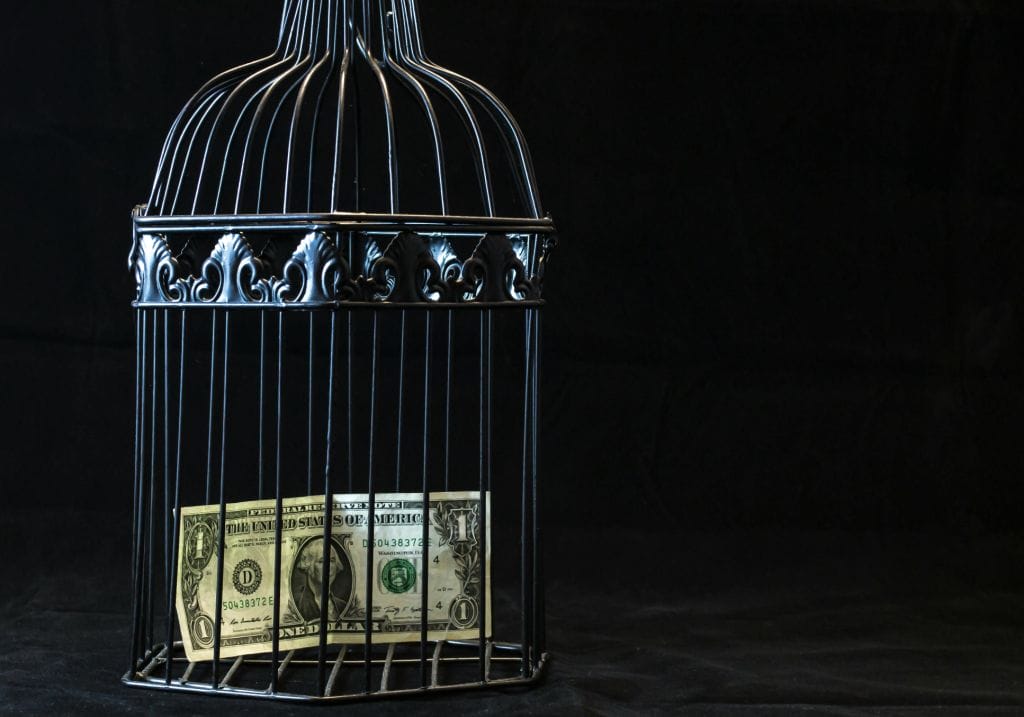
money in a cage

Image Source: pexels.com

Money mistakes happen to everyone, but some financial pitfalls are so cleverly disguised that they’ve become normalized in our society. These traps silently drain your wealth while masquerading as standard financial practices. Understanding these common financial traps is crucial because they often appear harmless or even beneficial at first glance. Recognizing these wealth-draining patterns can protect your financial future and build genuine prosperity instead of falling victim to these widespread money mistakes.

1. The “Buy Now, Pay Later” Illusion

The explosion of BNPL (Buy Now, Pay Later) services has revolutionized how we shop, but not necessarily for the better. These services make purchases feel painless by breaking payments into smaller chunks, but they fundamentally alter our spending psychology.

Research from the Financial Health Network shows that BNPL users are significantly more likely to overdraft their accounts than non-users. The seemingly small payments add up quickly, creating a false sense of affordability that encourages overspending.

The trap lies in how these services disconnect you from the pain of spending. Your brain doesn’t register the true cost when you don’t feel the immediate financial impact. Before you know it, multiple BNPL payments come due simultaneously, creating unexpected budget strain.

Implement a 48-hour waiting period before any non-essential purchase to avoid this trap. If you still want the item after two days, consider saving for it rather than splitting payments.

2. The Subscription Economy Quicksand

The average American now spends $219 monthly on subscriptions, yet most underestimate this amount by $100 or more. Streaming services, meal kits, fitness apps, and software subscriptions create a dangerous financial quicksand that gradually pulls you deeper.

What makes this trap particularly insidious is the automatic nature of these charges. Companies count on you forgetting about these small monthly fees. Each individual subscription seems affordable, but collectively, they create a significant financial drag.

The solution isn’t necessarily eliminating all subscriptions but becoming intentional about them. Conduct a quarterly subscription audit. List every recurring charge and ask: “Does this subscription still bring value worth its cost?” Cancel those that don’t immediately justify their expense.

3. The Emergency Fund Mirage

While everyone knows they should have emergency savings, the trap lies in how we define “emergency.” Studies show that 37% of Americans couldn’t cover a $400 unexpected expense without borrowing money or selling something.

The real trap is mental accounting—treating your emergency fund as available for non-emergencies. That “great deal” on a vacation package or the latest smartphone isn’t an emergency, yet many people raid their safety net for such purchases.

True financial security requires a properly defined emergency fund with clear boundaries. Establish concrete rules about what constitutes a genuine emergency (job loss, medical issues, critical home/car repairs) and maintain discipline around these boundaries.

Consider keeping your emergency fund at a different bank than your primary checking account to create psychological distance and reduce impulsive access.

4. The Lifestyle Inflation Cycle

Lifestyle inflation is one of the most pervasive financial traps—automatically increasing your spending when your income rises. This trap is particularly dangerous because it feels like a reward you’ve earned rather than a financial mistake.

Each promotion or raise presents a critical financial decision point. The trap occurs when increased income automatically translates to increased spending rather than increased saving or investing. This pattern explains why many high-income professionals still live paycheck to paycheck.

Breaking this cycle requires intentionally directing income increases. Consider the 50/30/20 rule for any raise: 50% toward increased savings/investments, 30% toward quality-of-life improvements, and 20% toward debt reduction. This balanced approach allows you to enjoy success while building financial security.

5. The False Economy of Cheap Purchases

Counterintuitively, buying the cheapest option often costs more in the long run. This trap manifests when price becomes the only consideration in purchasing decisions, ignoring quality and longevity.

The mathematics of this trap is straightforward: A $20 item that lasts one year costs more than a $50 item that lasts five years. Yet our brains are wired to focus on immediate costs rather than lifetime value.

This doesn’t mean you should always buy premium products, but rather that you should calculate the true cost per use. Items you use daily (shoes, mattresses, tools) typically justify a higher upfront investment for better quality and longevity.

Breaking Free from Financial Autopilot

The common thread connecting these financial traps is unconscious money management. Each trap exploits our tendency to make financial decisions on autopilot rather than through conscious evaluation. The primary SEO keyword “financial traps” represents these unconscious patterns that silently undermine our financial health.

Developing financial awareness is your strongest defense against these common financial traps. This means regularly reviewing your spending, questioning financial “norms,” and creating intentional rules for your money. You transform from a passive consumer to an active wealth builder by bringing consciousness to your financial decisions.

The most powerful step is creating distance between the financial stimulus and the response. Whether it’s a 48-hour rule before purchases or a monthly financial review session, these intentional pauses help you escape the financial traps that ensnare so many.

Have you fallen into any of these financial traps? What strategies have helped you break free from unconscious spending patterns? Share your experiences in the comments below!

Read More

8 Unforgivable Financial Mistakes Spouses Make

6 Financial Landmines That Even Bankruptcy Can’t Fix

Travis Campbell
Travis Campbell

Travis Campbell is a digital marketer/developer with over 10 years of experience and a writer for over 6 years. He holds a degree in E-commerce and likes to share life advice he’s learned over the years. Travis loves spending time on the golf course or at the gym when he’s not working.

Filed Under: Personal Finance Tagged With: budget tips, emergency fund, financial literacy, financial traps, money mistakes, Personal Finance, subscription management, Wealth Building

FOLLOW US

Search this site:

Recent Posts

  • Can My Savings Account Affect My Financial Aid? by Tamila McDonald
  • 12 Ways Gen X’s Views Clash with Millennials… by Tamila McDonald
  • What Advantages and Disadvantages Are There To… by Jacob Sensiba
  • Call 911: Go To the Emergency Room Immediately If… by Stephen Kanaval
  • 10 Tactics for Building an Emergency Fund from Scratch by Vanessa Bermudez
  • 7 Weird Things You Can Sell Online by Tamila McDonald
  • 10 Scary Facts About DriveTime by Tamila McDonald

Copyright © 2026 · News Pro Theme on Genesis Framework