• Home
  • About Us
  • Toolkit
  • Getting Finances Done
    • Hiring Advisors
    • Debt Management
    • Spending Plan
  • Insurance
    • Life Insurance
    • Health Insurance
    • Disability Insurance
    • Homeowners/Renters Insurance
  • Contact Us
  • Privacy Policy
  • Risk Tolerance Quiz

The Free Financial Advisor

You are here: Home / Archives for Real Estate

6 Real Estate Investments That Hide Disaster Liability

August 18, 2025 by Travis Campbell Leave a Comment

investing real estate

Image source: pexels.com

Real estate investments come with the promise of stable income and long-term growth. But sometimes, hidden risks lurk beneath the surface. Disaster liability is one of those risks that can turn a profitable property into a financial nightmare. When you invest in real estate, you may unknowingly take on exposure to floods, fires, earthquakes, or other calamities. These events can lead to massive repair costs, legal issues, and even personal bankruptcy. Understanding which real estate investments hide disaster liability is crucial if you want to protect your portfolio and your peace of mind.

1. Coastal Vacation Rentals

Coastal vacation rentals are popular for their scenic views and high rental demand. However, these properties often hide disaster liability in the form of hurricane and flood risks. While insurance can help, coverage gaps are common, and premiums are high. Storm surges, erosion, and even rising sea levels can damage your investment or make it uninsurable. Many investors don’t realize that short-term rental income can evaporate after a major storm, while repair and cleanup costs soar.

Before buying a coastal property, check local flood maps and the history of natural disasters in the area. Some areas require expensive upgrades to meet building codes, especially after a disaster. The true cost of owning a coastal rental often extends far beyond the purchase price.

2. Older Multi-Family Buildings

Older multi-family buildings can look like a great deal thanks to lower purchase prices and high cash flow potential. But these properties often hide disaster liability related to outdated wiring, plumbing, and fire safety systems. Buildings constructed before modern codes may not withstand earthquakes or fires as well as newer properties. In some cases, landlords are legally responsible for injuries or deaths caused by these hidden hazards.

Investors should always order a thorough inspection and budget for major upgrades. Retrofitting an old building to meet disaster standards can be costly. If you skip this step, you risk both your investment and your legal standing.

3. Rural Properties in Wildfire Zones

Investors are increasingly drawn to rural properties for their privacy and potential for appreciation. But many rural areas, especially in the western U.S., face high wildfire risk. These real estate investments hide disaster liability because fires can spread rapidly, destroying homes and infrastructure. Access to emergency services is often limited, and insurance can be hard to obtain or keep.

Wildfire-prone areas may also have strict building codes that require expensive materials and landscaping. If a fire hits, rebuilding can take years and cost far more than expected. Always check local fire maps and talk to insurance agents before buying in these regions.

4. Downtown Commercial Buildings

Downtown commercial buildings can be lucrative, but they hide disaster liability in a different way. Older city centers often have aging infrastructure, including water mains, gas lines, and electrical grids. These systems can fail during earthquakes, floods, or even extreme weather. If your building is damaged and tenants can’t operate, you may face lost rent and expensive repairs.

Some cities require owners to retrofit buildings for earthquake or flood safety, which can be a six-figure expense. Tenants may also sue if they believe you failed to provide a safe environment. To reduce risk, consider a FEMA flood map review and a professional structural assessment before investing.

5. Manufactured Home Parks

Manufactured home parks are attractive for their steady cash flow and lower entry costs. But these real estate investments hide disaster liability because manufactured homes are especially vulnerable to storms, tornadoes, and floods. Even with tie-downs and skirting, mobile homes often suffer more damage than site-built houses. Owners may be liable for infrastructure failures, such as collapsing roads or failing drainage systems, that worsen disaster impacts.

Insurance for manufactured home parks can be tricky and expensive. If a major disaster strikes, you could be on the hook for cleanup and legal claims from tenants. Always research local disaster history and talk to other park owners before buying.

6. Properties in Unincorporated Areas

Properties located outside city limits can offer fewer regulations and more land. But these real estate investments hide disaster liability because they often lack access to municipal services. Fire protection, water, and emergency response may be limited or nonexistent. If a fire, flood, or other disaster hits, you could face long delays for help—which means more damage and higher costs.

Unincorporated areas may also have less oversight of building standards, making it easier for hidden hazards to go unnoticed. Before investing, ask about local emergency resources and consider the true cost of self-sufficiency in a crisis. Sometimes, the savings on the purchase price are quickly lost to disaster recovery expenses.

How to Protect Yourself from Hidden Disaster Liability

Every real estate investment comes with risk, but disaster liability is often overlooked until it’s too late. The key is to do your homework before you buy. Research local hazards, review insurance options, and talk to professionals who know the area. Don’t assume that popular areas or attractive deals are free from hidden dangers.

It’s also wise to consult with a knowledgeable real estate attorney or risk management expert. They can help you spot potential problems before you sign on the dotted line. What steps have you taken to protect your properties from disaster liability? Share your experiences in the comments below!

Read More

8 Real Estate Mistakes That Erode Wealth Before Retirement Ever Starts

6 Reasons Real Estate Wealth Disappears Within One Generation

Travis Campbell
Travis Campbell

Travis Campbell is a digital marketer/developer with over 10 years of experience and a writer for over 6 years. He holds a degree in E-commerce and likes to share life advice he’s learned over the years. Travis loves spending time on the golf course or at the gym when he’s not working.

Filed Under: Real Estate Tagged With: disaster liability, Insurance, investment tips, property management, property risk, Real Estate Investments, risk assessment

The Hidden Danger of Owning Property Jointly With a Non-Spouse

August 17, 2025 by Catherine Reed Leave a Comment

The Hidden Danger of Owning Property Jointly With a Non-Spouse

Image source: 123rf.com

Owning property jointly with a non-spouse can seem like a practical and cost-effective solution. Whether it’s splitting the cost of a vacation home with a sibling, co-investing in rental property with a friend, or buying a house with a partner you’re not married to, joint ownership can make big purchases more attainable. However, there are financial, legal, and tax pitfalls that can turn this arrangement into a costly mistake. Understanding the hidden danger of owning property jointly with a non-spouse is essential if you want to protect your investment and avoid future disputes. Here are the biggest risks to watch for before signing your name on a shared deed.

1. Unequal Financial Responsibility

One hidden danger of owning property jointly with a non-spouse is that you are equally responsible for the property’s debts, even if one party falls short on payments. If your co-owner stops paying their share of the mortgage, taxes, or maintenance, you are still legally obligated to cover the full amount. This can quickly become a financial strain, especially if the other person is unwilling or unable to reimburse you. Lenders and tax authorities won’t care about your personal agreement — they will hold both owners accountable. Having a detailed written agreement before purchase can help prevent disputes.

2. Complications When Selling the Property

If one owner wants to sell and the other doesn’t, the disagreement can turn into a lengthy and expensive legal battle. This is another hidden danger of owning property jointly with a non-spouse, as there is no automatic legal process like there often is for married couples. A court may need to get involved to force a sale, which can lead to attorney fees and strained relationships. In the meantime, you may be stuck with a property you no longer want or can afford. Setting clear terms for selling before you buy is critical to avoiding these conflicts.

3. Estate Planning Challenges

When you co-own property with a non-spouse, what happens to your share after your death can become complicated. Without a clear ownership arrangement, your portion could pass to your heirs, who may not want to co-own with the surviving owner. This can create legal disputes or force an unexpected sale. The hidden danger of owning property jointly with a non-spouse in this context is that your intended transfer of ownership may not happen the way you think. A well-structured deed and estate plan can help ensure your wishes are followed.

4. Tax Consequences on Transfer of Ownership

Transferring your share of jointly owned property can trigger unexpected tax liabilities. If you give or sell your share to the other owner, you may owe capital gains tax, even if no money changes hands. The hidden danger of owning property jointly with a non-spouse is that the IRS treats you as separate taxpayers, so you don’t get the same exemptions spouses enjoy. This can result in a hefty tax bill that catches many co-owners off guard. Always consult a tax professional before changing ownership arrangements.

5. Liability for Legal Claims Against the Co-Owner

If your co-owner faces legal trouble — such as a lawsuit, bankruptcy, or unpaid debts — creditors may be able to place a lien on the jointly owned property. This hidden danger of owning property jointly with a non-spouse means your investment could be at risk even if you’ve done nothing wrong. Clearing a lien can be expensive and time-consuming, and in some cases, it could force the sale of the property. Performing due diligence on your co-owner’s financial stability before purchasing can help reduce this risk.

6. Disagreements Over Property Use and Expenses

Even when both owners are financially stable, differing opinions on how the property should be used or maintained can cause serious problems. Disputes over renovations, rental agreements, or even basic upkeep can strain the relationship and make co-ownership unbearable. This hidden danger of owning property jointly with a non-spouse can escalate when there is no written agreement outlining each party’s responsibilities. Without clear rules, small disagreements can turn into major disputes that affect the property’s value. Having regular check-ins and documented agreements can help maintain harmony.

Protecting Yourself Before You Co-Own

The hidden danger of owning property jointly with a non-spouse is not that it’s always a bad idea — it’s that many people enter into it without understanding the risks. From financial liability to legal disputes, joint ownership can become a burden if you don’t plan ahead. The safest approach is to create a detailed co-ownership agreement that addresses payment responsibilities, selling procedures, dispute resolution, and what happens in the event of death or default. By thinking through the “what ifs” now, you can prevent costly surprises later.

Have you ever co-owned property with someone who wasn’t your spouse? Share your experiences in the comments — your insights could help others avoid pitfalls.

Read More:

8 Real Estate Mistakes That Erode Wealth Before Retirement Ever Starts

How To Get Into Real Estate Investing As A Beginner

Catherine Reed
Catherine Reed

Catherine is a tech-savvy writer who has focused on the personal finance space for more than eight years. She has a Bachelor’s in Information Technology and enjoys showcasing how tech can simplify everyday personal finance tasks like budgeting, spending tracking, and planning for the future. Additionally, she’s explored the ins and outs of the world of side hustles and loves to share what she’s learned along the way. When she’s not working, you can find her relaxing at home in the Pacific Northwest with her two cats or enjoying a cup of coffee at her neighborhood cafe.

Filed Under: Real Estate Tagged With: co-ownership agreements, financial liability, hidden danger of owning property jointly, property disputes, real estate risks

7 Real Estate Transfers That Trigger Capital Gains Overnight

August 14, 2025 by Travis Campbell Leave a Comment

real estate

Image source: pexels.com

When you own real estate, you might think you’re in control of when you pay taxes. But some property transfers can trigger capital gains taxes right away, even if you didn’t plan to sell. These taxes can catch you off guard and cost you thousands. Understanding which real estate moves set off capital gains is key. It helps you avoid surprises and plan better. If you’re thinking about selling, gifting, or inheriting property, you need to know what actions can make the IRS come knocking. Here’s what you should watch for.

1. Selling Your Primary Residence Without Meeting Exclusion Rules

Selling your main home can trigger capital gains taxes if you don’t meet the IRS exclusion rules. If you’ve lived in the home for at least two of the last five years, you can exclude up to $250,000 of gain if you’re single, or $500,000 if you’re married filing jointly. But if you don’t meet these requirements, the entire gain is taxable. This can happen if you move often for work or sell before the two-year mark. Even if you qualify, improvements and selling costs only reduce your gain, not eliminate it. Always check the rules before you sell.

2. Gifting Property to Someone Other Than a Spouse

Giving real estate to a child, friend, or anyone who isn’t your spouse can trigger capital gains taxes. When you gift property, the recipient takes your original cost basis. If they sell, they pay tax on the gain from your purchase price, not the value when they received it. But if you sell the property to them for less than market value, the IRS may treat the difference as a gift and tax you on the gain. Gifting to a spouse is usually tax-free, but other gifts can create a tax bill overnight. It’s smart to talk to a tax pro before making a big gift.

3. Transferring Property Into a Trust

Moving property into a trust can trigger capital gains, depending on the type of trust. Revocable living trusts usually don’t cause a tax event, since you still control the property. But transferring real estate into an irrevocable trust is different. You give up control, and the IRS may treat it as a sale. If the property has appreciated, you could owe capital gains taxes right away. This is especially true if the trust benefits someone else. Trusts are useful for estate planning, but the tax rules are tricky. Make sure you know the impact before you transfer property.

4. Inheriting Property and Selling Right Away

When you inherit real estate, you get a “step-up” in basis. This means the property’s value resets to its fair market value on the date of death. If you sell soon after inheriting, you might not owe much in capital gains. But if the property’s value jumps between the date of death and the sale, you could face a tax bill. And if you inherit property that was already in a trust, the rules can get complicated. Sometimes, the step-up doesn’t apply, and you could owe tax on the entire gain. Inheritance can be a tax trap if you’re not careful.

5. Divorce-Related Property Transfers

Divorce is stressful enough without a surprise tax bill. Usually, transferring property between spouses as part of a divorce is tax-free. But if you sell the property as part of the divorce, capital gains taxes can hit fast. If the home has gone up in value, and you don’t meet the exclusion rules, you’ll owe tax on the gain. Sometimes, one spouse keeps the house and sells it later. If they don’t meet the ownership and use tests, they could lose the exclusion and pay more tax. Divorce settlements should always consider the tax impact of real estate transfers.

6. Selling Investment or Rental Property

Selling investment or rental property almost always triggers capital gains taxes. Unlike your primary home, there’s no big exclusion. You pay tax on the difference between your sale price and your adjusted basis (what you paid, plus improvements, minus depreciation). Depreciation recapture can also increase your tax bill. If you do a 1031 exchange—swapping one investment property for another—you can defer the tax, but strict rules apply. Miss a step, and you’ll owe tax right away. Always keep good records and know your adjusted basis before selling.

7. Foreclosure or Short Sale

Losing a property to foreclosure or selling it for less than you owe (a short sale) can still trigger capital gains taxes. The IRS treats the cancellation of debt as income, and if the property’s value is higher than your adjusted basis, you could owe capital gains tax, too. This double whammy surprises many people. There are some exceptions for primary residences, but not always. If you’re facing foreclosure or a short sale, talk to a tax expert. The tax consequences can be severe and immediate.

Planning Ahead: Why Knowing These Triggers Matters

Real estate transfers can set off capital gains taxes when you least expect them. Selling, gifting, inheriting, or even losing property can all create a tax bill overnight. The rules are complex, and small mistakes can cost you big. Planning ahead is the best way to avoid surprises. Keep good records, know your cost basis, and talk to a tax professional before making any big moves. Understanding these triggers gives you more control over your money and your future.

Have you ever been surprised by a real estate tax bill? Share your story or tips in the comments below.

Read More

7 Bank Practices That Drop Accounts When You Mention “Estate”

9 Renovation Grants That Can Backfire on Your Estate

Travis Campbell
Travis Campbell

Travis Campbell is a digital marketer/developer with over 10 years of experience and a writer for over 6 years. He holds a degree in E-commerce and likes to share life advice he’s learned over the years. Travis loves spending time on the golf course or at the gym when he’s not working.

Filed Under: Real Estate Tagged With: capital gains, home sale, Inheritance, investment property, property transfer, Real estate, tax planning, taxes

8 Times Real Estate Holdings Lowered a Family’s Net Worth Long-Term

August 6, 2025 by Catherine Reed Leave a Comment

8 Times Real Estate Holdings Lowered a Family’s Net Worth Long-Term

Image source: 123rf.com

Real estate is often marketed as a foolproof way to build wealth, but that’s not always how the story ends. Many families have put their faith—and finances—into properties only to see their net worth shrink over time. From poorly timed investments to underestimated expenses, owning property comes with risks that can quietly chip away at financial stability. Just because real estate is tangible doesn’t mean it’s always the best bet for long-term growth. Here are eight real-world scenarios where real estate holdings ended up doing more harm than good to a family’s financial future.

1. Buying at the Peak of the Market

Timing is everything in real estate. Families that purchased homes or investment properties at the top of a market cycle often saw values plummet shortly after. While housing markets do recover eventually, the timeline can be painfully slow, locking up cash and reducing net worth in the meantime. The psychological pressure of being “underwater” on a mortgage can also impact decisions about job relocation or retirement. When real estate holdings are tied to a poorly timed purchase, the consequences can last for decades.

2. Holding Onto an Inherited Property That Became a Money Pit

It’s not uncommon for families to keep a home passed down from parents or grandparents out of sentimental attachment. But if the property is outdated, in poor condition, or located in a declining area, it may drain resources instead of preserving wealth. Maintenance, taxes, and insurance costs can add up fast—especially if the home isn’t generating income. Some families end up spending more maintaining the property than it’s actually worth. These kinds of real estate holdings often become emotional burdens rather than financial assets.

3. Banking on Vacation Rentals That Didn’t Pay Off

Short-term rental properties have boomed in popularity, but not all deliver the expected returns. If a location becomes oversaturated or local regulations change, rental income can plummet. Meanwhile, the family is still responsible for mortgage payments, cleaning, repairs, and marketing costs. For those who built their budget around consistent bookings, a slowdown in tourism can derail long-term plans. Real estate holdings in the vacation rental space carry more risk than many families realize.

4. Ignoring Hidden Costs of Ownership

Owning property comes with more than just a mortgage. Families who underestimate costs like property taxes, HOA fees, insurance, and surprise repairs often feel the financial squeeze. When those costs increase faster than income or rental rates, the property becomes a liability. Even homes that appear profitable on paper may slowly erode a family’s savings. Without a strong buffer, these real estate holdings can quietly chip away at net worth year after year.

5. Investing in the Wrong Location

The phrase “location, location, location” exists for a reason. A house in a declining neighborhood, flood-prone area, or economically unstable city may lose value no matter how well it’s maintained. Some families jump into the market based on price alone, only to realize later that low cost doesn’t equal long-term growth. Poor school districts, lack of infrastructure, or high crime rates can all suppress property appreciation. When real estate holdings are tied to the wrong ZIP code, recovery is an uphill climb.

6. Becoming Accidental Landlords After a Move

Sometimes life changes faster than the market. A family may need to relocate for work or personal reasons and decide to rent out their home instead of selling it at a loss. But managing a rental property from afar comes with its own set of challenges, from finding reliable tenants to covering costs during vacancies. Property management fees, maintenance issues, and unpaid rent can all eat into profits. What starts as a temporary solution can become a long-term drag on net worth.

7. Over-Leveraging Multiple Properties

When real estate is going well, it’s tempting to double down by buying more properties with borrowed money. But if market conditions shift or rental income drops, those loans become risky fast. Families who stretch their finances to acquire multiple homes often find themselves vulnerable to even small changes in interest rates or occupancy. Debt payments can quickly outpace income, forcing the sale of assets at a loss. Over-leveraging is one of the most common ways real estate holdings backfire.

8. Counting on Appreciation Without a Backup Plan

Some families view real estate purely as a long-term appreciation play, assuming that value will always rise. But appreciation is never guaranteed, especially in stagnant or shrinking markets. Without cash flow or contingency savings, even small dips in property value can lead to major setbacks. Relying solely on appreciation also ignores the opportunity costs of tying up money that could be invested elsewhere. Real estate holdings built on hope rather than strategy often end up weakening rather than strengthening financial health.

Tangible Doesn’t Always Mean Profitable

Real estate can be a powerful tool, but it isn’t a guaranteed wealth builder. When families jump in without a clear plan, overlook the true costs, or assume appreciation is a given, they risk losing more than they gain. Smart investing requires thoughtful analysis, not just emotional attachment or optimistic assumptions. Owning property may feel like progress, but the numbers tell the real story. Understanding when real estate holdings help—and when they hurt—is essential for protecting your long-term net worth.

Have you ever had a real estate investment go sideways? What did you learn from the experience? Share your story in the comments below.

Read More:

8 Real Estate Mistakes That Erode Wealth Before Retirement Ever Starts

Why Buying a Second Property Could Jeopardize Your Heirs Inheritance

Catherine Reed
Catherine Reed

Catherine is a tech-savvy writer who has focused on the personal finance space for more than eight years. She has a Bachelor’s in Information Technology and enjoys showcasing how tech can simplify everyday personal finance tasks like budgeting, spending tracking, and planning for the future. Additionally, she’s explored the ins and outs of the world of side hustles and loves to share what she’s learned along the way. When she’s not working, you can find her relaxing at home in the Pacific Northwest with her two cats or enjoying a cup of coffee at her neighborhood cafe.

Filed Under: Real Estate Tagged With: family finances, long-term investing, net worth tips, property investment risks, real estate holdings, real estate mistakes, Wealth Building

How a Rental Property in the Wrong State Can Wreck Your Tax Bracket

August 5, 2025 by Catherine Reed Leave a Comment

How a Rental Property in the Wrong State Can Wreck Your Tax Bracket

Image source: 123rf.com

Owning real estate can be a smart way to build wealth, but where you buy matters just as much as what you buy. A rental property located in the wrong state can create tax headaches you never expected, potentially pushing you into a higher tax bracket. Many families invest in property hoping for passive income, only to find themselves paying more taxes than they planned. Different state laws, tax rates, and hidden fees can dramatically impact your returns. Understanding how location affects your tax situation can help you avoid costly surprises and protect your family’s finances.

1. Higher State Income Taxes on Rental Earnings

Some states tax rental income more aggressively than others. If you own a rental property in a high-tax state but live elsewhere, you might face taxes in both states. This dual taxation can quickly eat into your profits, leaving you with less income than expected. Certain states also have complicated nonresident filing rules that make taxes even more confusing. Before purchasing, research state income tax rates to understand the real impact on your earnings.

2. Property Taxes That Far Exceed Your Budget

Property taxes vary greatly by location and can be a big shock if you’re unfamiliar with local rates. A rental property with high taxes reduces your net income and may push your total earnings into a higher federal tax bracket. Many investors underestimate how quickly property tax hikes can occur, especially in growing cities. These increases often outpace rent adjustments, squeezing your cash flow. Checking long-term tax history before buying can prevent this unpleasant surprise.

3. States with Nonresident Withholding Requirements

Some states require automatic withholding on rental income for out-of-state owners. This means part of your earnings may be held back until you file taxes, affecting your cash flow throughout the year. Failing to plan for this can leave you short on funds to cover expenses or other investments. These rules can also complicate your tax filings, sometimes requiring separate state returns. Understanding withholding laws ahead of time helps you avoid financial stress later.

4. Additional Local Taxes and Fees

Beyond state taxes, many cities and counties impose extra fees on landlords. A rental property in certain locations may be subject to occupancy taxes, inspection fees, or landlord registration costs. These smaller charges add up, reducing your overall return on investment. If you don’t account for them, you risk underestimating your tax burden and shifting into a higher bracket unintentionally. Always check local regulations before signing any purchase agreement.

5. Different Rules for Deducting Expenses

Tax deductions can offset rental income, but rules vary from state to state. A rental property in one state may limit certain write-offs, reducing your ability to lower taxable income. This can result in more earnings being taxed, pushing you closer to the next bracket. Missing deductions due to complex state rules means you lose money unnecessarily. Working with a tax advisor familiar with multi-state real estate laws can protect your income.

6. Capital Gains Tax Differences on Property Sales

Selling your rental property could have vastly different tax consequences depending on the state. Some states charge high capital gains taxes, while others have none. If you live in a no-tax state but sell property elsewhere, you may still owe state taxes on profits. This extra tax can significantly reduce your earnings and affect your federal tax bracket for the year. Understanding exit costs before buying can help you plan smarter investments.

7. Unexpected Double Taxation Issues

Owning property across state lines sometimes leads to double taxation when states don’t offer credits for taxes paid elsewhere. This means you could be taxed twice on the same income, leaving you with far less profit. If combined with federal taxes, your total liability might push you into a higher tax bracket. Many investors overlook this possibility until tax season arrives. Proper planning and professional guidance can help you avoid this costly mistake.

8. Passive Activity Loss Limitations by State

Federal rules limit how much rental loss you can deduct, but some states have even stricter guidelines. If you own a rental property that loses money, state restrictions may prevent you from claiming the full deduction. This artificially increases your taxable income, affecting your overall bracket. Families relying on losses to offset other income can be hit hardest. Researching state-specific passive loss rules avoids unpleasant surprises at tax time.

9. Complicated Filing Requirements Across States

Owning property in multiple states means multiple tax returns, each with different rules and deadlines. Mistakes or late filings can result in penalties that increase your overall tax bill. If income reporting errors occur, you may be flagged for audits, adding stress and potential additional costs. These extra obligations make rental property management more complicated than many expect. Planning ahead ensures compliance and keeps taxes from spiraling out of control.

10. Lack of Tax Treaties Between States

Some states don’t offer tax treaties to avoid double taxation on rental income. Without these agreements, you can end up paying both your home state and the property state full tax amounts. This can cause significant overpayment and increase your total taxable income, impacting your federal bracket as well. The lack of coordination makes multi-state investing riskier for families seeking long-term returns. Knowing these details before purchasing is essential to avoid future headaches.

Smart Location Choices Protect Your Bottom Line

A rental property can be a great investment, but buying in the wrong state can turn it into a tax nightmare. High state taxes, hidden fees, and complicated filing rules can erode profits and push you into a higher tax bracket. Careful research and guidance from tax professionals help you choose locations that keep more money in your pocket. Smart planning ensures your investment truly builds wealth for your family instead of draining it. Where you buy matters just as much as what you buy.

Have you faced unexpected tax issues from owning property out of state? Share your experience and advice in the comments to help other families plan better.

Read More:

8 Real Estate Mistakes That Erode Wealth Before Retirement Ever Starts

Why Digital Real Estate is the Goldmine No One Talks About

Catherine Reed
Catherine Reed

Catherine is a tech-savvy writer who has focused on the personal finance space for more than eight years. She has a Bachelor’s in Information Technology and enjoys showcasing how tech can simplify everyday personal finance tasks like budgeting, spending tracking, and planning for the future. Additionally, she’s explored the ins and outs of the world of side hustles and loves to share what she’s learned along the way. When she’s not working, you can find her relaxing at home in the Pacific Northwest with her two cats or enjoying a cup of coffee at her neighborhood cafe.

Filed Under: Real Estate Tagged With: family finance, property tax tips, real estate investing, rental property, state taxes

8 Real Estate Mistakes That Erode Wealth Before Retirement Ever Starts

August 3, 2025 by Catherine Reed Leave a Comment

8 Real Estate Mistakes That Erode Wealth Before Retirement Ever Starts

Image source: 123rf.com

For many families, investing in property is seen as one of the most reliable ways to build wealth over time. But not all real estate decisions lead to long-term gains, and some can quietly drain your finances long before retirement begins. The wrong moves can leave you with mounting expenses, poor returns, or even a property that feels more like a burden than an asset. Avoiding common real estate mistakes is essential if you want to protect your future wealth and truly enjoy the benefits of property ownership when it matters most.

1. Overpaying for a Property in a Hot Market

One of the costliest real estate mistakes is getting caught up in bidding wars or buying during inflated market conditions. Overpaying at the start makes it harder to build equity and see a profitable return later. Buyers often overlook the long-term impact of paying too much, especially if market values cool in the years ahead. The excitement of “winning” a house can quickly turn into regret if the investment doesn’t appreciate as expected. Taking time to analyze market data and set firm price limits helps protect wealth over the long run.

2. Ignoring Hidden Maintenance Costs

Owning real estate goes far beyond the mortgage payment, yet many people fail to plan for ongoing repairs and upkeep. Neglecting maintenance can lead to more expensive problems later or decrease the property’s resale value. This is one of those real estate mistakes that slowly erodes wealth over time. Having a realistic budget for routine care, emergency fixes, and major upgrades is essential. Properties that are well-maintained tend to appreciate more and provide better returns during retirement.

3. Buying Property Without a Clear Investment Plan

Some families purchase homes or rental properties simply because it seems like a “good deal” without considering long-term goals. Without a strategy for managing the property, unexpected expenses and poor decision-making can chip away at profits. Real estate mistakes like this often stem from a lack of research or guidance before buying. A clear plan that outlines expected returns, exit strategies, and tax implications is critical for preserving wealth. Investing with intention leads to better outcomes than making impulsive purchases.

4. Taking on Too Much Debt

Leveraging loans is common in real estate, but overextending yourself financially can be dangerous. High mortgage payments, multiple loans, or adjustable-rate financing can strain your budget and make retirement savings harder to maintain. These real estate mistakes often catch up to families when interest rates rise or unexpected costs hit. Keeping debt at a manageable level ensures your investment builds wealth instead of draining it. A conservative approach to borrowing offers better long-term security.

5. Skipping Proper Location Research

Location is one of the most important factors in real estate, yet some buyers focus too much on the property itself. Purchasing in areas with poor schools, low job growth, or declining infrastructure can lead to weak appreciation or rental demand. These real estate mistakes often mean you’re stuck with a property that’s hard to sell or doesn’t build value. Taking time to study neighborhood trends, future development plans, and market growth protects your investment. A great property in the wrong area won’t deliver lasting wealth.

6. Neglecting Tax Planning Opportunities

Real estate offers many tax benefits, but failing to understand them can cost you money over time. Missing deductions, mishandling rental income, or misunderstanding capital gains rules can erode wealth before retirement arrives. These real estate mistakes often happen because owners try to handle taxes alone instead of seeking professional advice. A tax-smart strategy helps you keep more of your property’s profits. Working with experts ensures you’re maximizing every advantage available.

7. Holding on to Underperforming Properties Too Long

Not every property turns out to be a good investment, yet many owners hold on too long, hoping things will change. Keeping a poorly performing property ties up money that could be invested elsewhere for better returns. These real estate mistakes stem from emotional attachment or fear of admitting a loss. Knowing when to sell and reinvest is key to building wealth efficiently. Making rational, data-driven decisions protects your long-term financial goals.

8. Forgetting to Plan for Retirement Income Needs

Real estate can be a great wealth builder, but not all properties provide steady income in retirement. Failing to plan for how you’ll turn property value into usable funds can create financial stress later. Some real estate mistakes involve holding too many non-liquid assets, making it hard to cover expenses without selling quickly. Considering rental potential, downsizing options, or sale timing well before retirement helps avoid this pitfall. Proper planning ensures your properties truly support you when work stops.

Turning Real Estate Into a Wealth Builder, Not a Wealth Drainer

Avoiding these real estate mistakes requires planning, research, and sometimes professional advice, but the payoff is worth it. With smart choices, your properties can build long-term equity, create passive income, and provide a safety net for retirement. A thoughtful approach to buying, managing, and eventually selling property helps you avoid unnecessary losses. Real estate should be a cornerstone of wealth, not a source of stress or financial setbacks. The right strategy ensures your hard work today translates into security and comfort for your future.

Have you made any real estate mistakes you wish you could take back? What lessons would you share with others building wealth through property? Join the conversation in the comments below!

Read More:

Why Digital Real Estate is the Goldmine No One Talks About

How To Get Into Real Estate Investing As A Beginner

Catherine Reed
Catherine Reed

Catherine is a tech-savvy writer who has focused on the personal finance space for more than eight years. She has a Bachelor’s in Information Technology and enjoys showcasing how tech can simplify everyday personal finance tasks like budgeting, spending tracking, and planning for the future. Additionally, she’s explored the ins and outs of the world of side hustles and loves to share what she’s learned along the way. When she’s not working, you can find her relaxing at home in the Pacific Northwest with her two cats or enjoying a cup of coffee at her neighborhood cafe.
Filed Under: Real Estate Tagged With: building wealth, family finances, property investment tips, real estate investing, real estate mistakes, retirement planning

6 Reasons Real Estate Wealth Disappears Within One Generation

August 3, 2025 by Catherine Reed Leave a Comment

6 Reasons Real Estate Wealth Disappears Within One Generation

Image source: 123rf.com

Many families work hard to build real estate wealth, hoping to pass it down and create a lasting legacy. But shocking statistics show that much of this wealth vanishes within one generation, leaving children or grandchildren with little to no benefit from years of hard work. The loss isn’t usually due to bad luck but to preventable mistakes in planning, education, and management. Understanding the common pitfalls that drain real estate wealth can help you avoid repeating them and protect your family’s future.

1. Lack of Proper Estate Planning

One of the leading causes of real estate wealth disappearing is poor or non-existent estate planning. When property owners don’t have wills, trusts, or clear transfer instructions, disputes among heirs often arise. These conflicts can lead to expensive legal battles or forced property sales. Without a structured plan, taxes and fees can also take a huge bite out of the estate. Families that invest in professional estate planning greatly increase the chances of keeping their wealth intact for future generations.

2. Poor Financial Education for Heirs

Real estate wealth doesn’t sustain itself if the next generation lacks the knowledge to manage it effectively. Children may inherit valuable properties but not understand mortgage terms, rental management, or tax obligations. This lack of financial literacy often leads to missed opportunities, poor decisions, or unnecessary sales. Real estate can quickly become a burden instead of a blessing when heirs don’t know how to handle it. Teaching kids about property ownership early helps preserve wealth long-term.

3. High Maintenance Costs and Mismanagement

Owning real estate comes with ongoing costs for repairs, taxes, and upkeep. If heirs are unprepared to handle these expenses, properties may fall into disrepair or be sold at a loss. Mismanagement of rental properties, such as neglecting tenants or failing to maintain value, can quickly drain profits. Real estate wealth doesn’t last when expenses outweigh income or properties are poorly handled. Having a management plan and reliable support helps protect inherited assets.

4. Tax Liabilities That Catch Families Off Guard

Many families underestimate the impact of taxes on inherited property. Estate taxes, capital gains taxes, and property taxes can significantly reduce the value of real estate wealth after it transfers to heirs. Without proper planning, these costs can force beneficiaries to sell properties just to cover tax bills. Expert advice from accountants or estate planners can help structure ownership in ways that minimize tax burdens. Proactive planning is essential to stop wealth from vanishing under government fees.

5. Family Disputes Over Inherited Properties

Even close-knit families can experience major rifts when dividing real estate wealth. Differing opinions about selling, keeping, or renting out properties often lead to conflicts that drag on for years. Legal battles over inheritance rights can quickly erode the value of the assets. Emotional decision-making rather than sound financial strategy often drives these disputes. Open communication and written agreements can prevent wealth from disappearing due to family conflict.

6. Selling Property Too Quickly After Inheritance

It’s common for heirs to sell inherited real estate immediately, often to cover debts, taxes, or simply out of uncertainty about what to do next. This quick sale often leads to accepting lower offers, resulting in lost long-term appreciation and reduced income potential. Without understanding the full value of the property or seeking professional advice, families miss opportunities to grow inherited wealth. Real estate wealth is most often preserved when properties are kept, improved, or strategically sold. Taking time to explore all options ensures the legacy lasts beyond one generation.

Protecting Real Estate Wealth for Your Family’s Future

The loss of real estate wealth within a generation isn’t inevitable—it usually comes from a lack of planning, education, and clear communication. Families that create strong estate plans, teach financial skills, and seek expert advice greatly improve the odds of building a lasting legacy. Real estate can be a powerful tool for generational wealth, but only when it’s managed intentionally and with foresight. The steps you take today can determine whether your hard-earned properties support your children and grandchildren or disappear in just a few years. Making informed choices now ensures your family truly benefits from the wealth you’ve built.

Have you thought about how to protect your real estate wealth for the next generation? What strategies are you using to make sure it lasts? Share your thoughts in the comments below!

Read More:

9 Mistakes That Turned Wealth Transfers Into IRS Nightmares

12 Behavioral Finance Biases Wrecking Your Wealth

Catherine Reed
Catherine Reed

Catherine is a tech-savvy writer who has focused on the personal finance space for more than eight years. She has a Bachelor’s in Information Technology and enjoys showcasing how tech can simplify everyday personal finance tasks like budgeting, spending tracking, and planning for the future. Additionally, she’s explored the ins and outs of the world of side hustles and loves to share what she’s learned along the way. When she’s not working, you can find her relaxing at home in the Pacific Northwest with her two cats or enjoying a cup of coffee at her neighborhood cafe.

Filed Under: Real Estate Tagged With: estate planning tips, family inheritance, financial education, generational wealth, property planning, real estate wealth

Is Your Neighborhood Being Targeted by Real Estate Scammers?

July 31, 2025 by Travis Campbell Leave a Comment

neighborhood

Image Source: pexels.com

Real estate scammers are getting smarter. They don’t just target big cities or wealthy neighborhoods. They go after anyone, anywhere. If you own a home, rent, or are thinking about moving, you could be a target. These scams can cost you money, your home, or even your peace of mind. Knowing what to look for is the first step to protecting yourself and your neighborhood from real estate scammers.

1. Fake Listings Are Everywhere

Scammers love to post fake rental or home listings online. They copy real ads, change the contact info, and wait for someone to bite. You might see a beautiful house at a price that seems too good to be true. That’s a red flag. If you reach out, the scammer will ask for a deposit or personal information before you even see the place. Never send money or share details until you’ve seen the property in person and confirmed the owner’s identity. Always use trusted real estate websites and double-check the address. If a listing looks suspicious, search for the address on multiple sites. If you see the same photos with different prices or contact info, it’s likely a scam.

2. Title Fraud Can Steal Your Home

Title fraud is when someone forges documents to transfer your home’s title to their name. They can then take out loans against your property or even try to sell it. You might not know until you get a foreclosure notice or a bill for a loan you never took out. Protect yourself by checking your property records regularly. Many counties let you sign up for alerts if someone files paperwork on your property. Consider title insurance for extra protection. If you spot anything odd, contact your local recorder’s office right away. Title fraud is a growing problem, and it can happen in any neighborhood.

3. Rental Scams Target Both Renters and Owners

Scammers don’t just trick renters. Sometimes, they target owners by pretending to be interested tenants. They might send a fake check for more than the rent and ask you to wire back the difference. The check will bounce, and you’ll be out of the money. Renters can get scammed by fake landlords who ask for deposits on places they don’t own. Always meet in person, verify identities, and never wire money. If you’re a landlord, screen tenants carefully and watch for red flags like overpayments or people who refuse to meet in person.

4. Phony Real Estate Agents Are on the Rise

Not every agent is legit. Some scammers pose as real estate agents to get your trust. They might use fake business cards, websites, or even stolen license numbers. Before you work with an agent, check their license with your state’s real estate board. Ask for references and look up reviews. If something feels off, walk away. Real agents won’t pressure you to act fast or pay upfront fees. If you’re unsure, call the agency directly using a number from their official website, not the one the agent gives you.

5. Foreclosure Rescue Scams Prey on the Vulnerable

If you’re behind on your mortgage, you might get offers from people promising to “save” your home. They’ll ask for fees upfront or tell you to sign over your deed. Don’t do it. These scammers often take your money and disappear, leaving you in worse shape. Real help is available, but it never comes with upfront fees or demands for your deed. Talk to your lender or a HUD-approved housing counselor if you need help.

6. Wire Fraud Can Empty Your Bank Account

Wire fraud is a big threat during real estate transactions. Scammers hack email accounts and send fake instructions to wire your down payment or closing costs to their account. Once the money is gone, it’s almost impossible to get back. Always confirm wiring instructions by phone using a trusted number. Don’t rely on email alone. If you get last-minute changes, be suspicious. Your title company or agent should never pressure you to act fast or change payment details without a good reason.

7. Unsolicited Offers May Signal a Scam

If you get a letter, call, or text from someone offering to buy your home out of the blue, be careful. Some of these offers are legit, but many are scams. The scammer might pressure you to sign paperwork quickly or offer a price that seems too high. They may ask for personal information or a fee to “lock in” the offer. Don’t share details or sign anything without checking the buyer’s credentials. If you’re interested in selling, contact a local real estate professional you trust.

8. Community Awareness Is Your Best Defense

Scammers count on people not talking to each other. If you hear about a scam in your area, share it with your neighbors. Join local online groups or neighborhood watch programs. The more people know, the harder it is for scammers to succeed. Report suspicious activity to your local police or real estate board. Staying connected and informed is one of the best ways to keep your neighborhood safe from real estate scammers.

Stay Alert: Protect Your Home and Your Wallet

Real estate scammers are always looking for new ways to trick people. They target neighborhoods of all kinds. By staying alert and knowing the signs, you can protect yourself and your community. Don’t let your guard down, even if everything seems normal. Trust your instincts, double-check everything, and talk to others if you’re unsure. Your home is worth protecting.

Have you or someone you know dealt with a real estate scam? Share your story or tips in the comments.

Read More

6 Estate Mistakes That Could Make Your Will Invalid Overnight

The Subtle Home Smells That Real Estate Agents Say Ruin Sales

Travis Campbell
Travis Campbell

Travis Campbell is a digital marketer/developer with over 10 years of experience and a writer for over 6 years. He holds a degree in E-commerce and likes to share life advice he’s learned over the years. Travis loves spending time on the golf course or at the gym when he’s not working.

Filed Under: Real Estate Tagged With: home security, neighborhood safety, property protection, real estate scams, rental scams, title fraud, wire fraud

9 Times It’s Smarter to Rent Than Buy—Even Long-Term

July 25, 2025 by Travis Campbell Leave a Comment

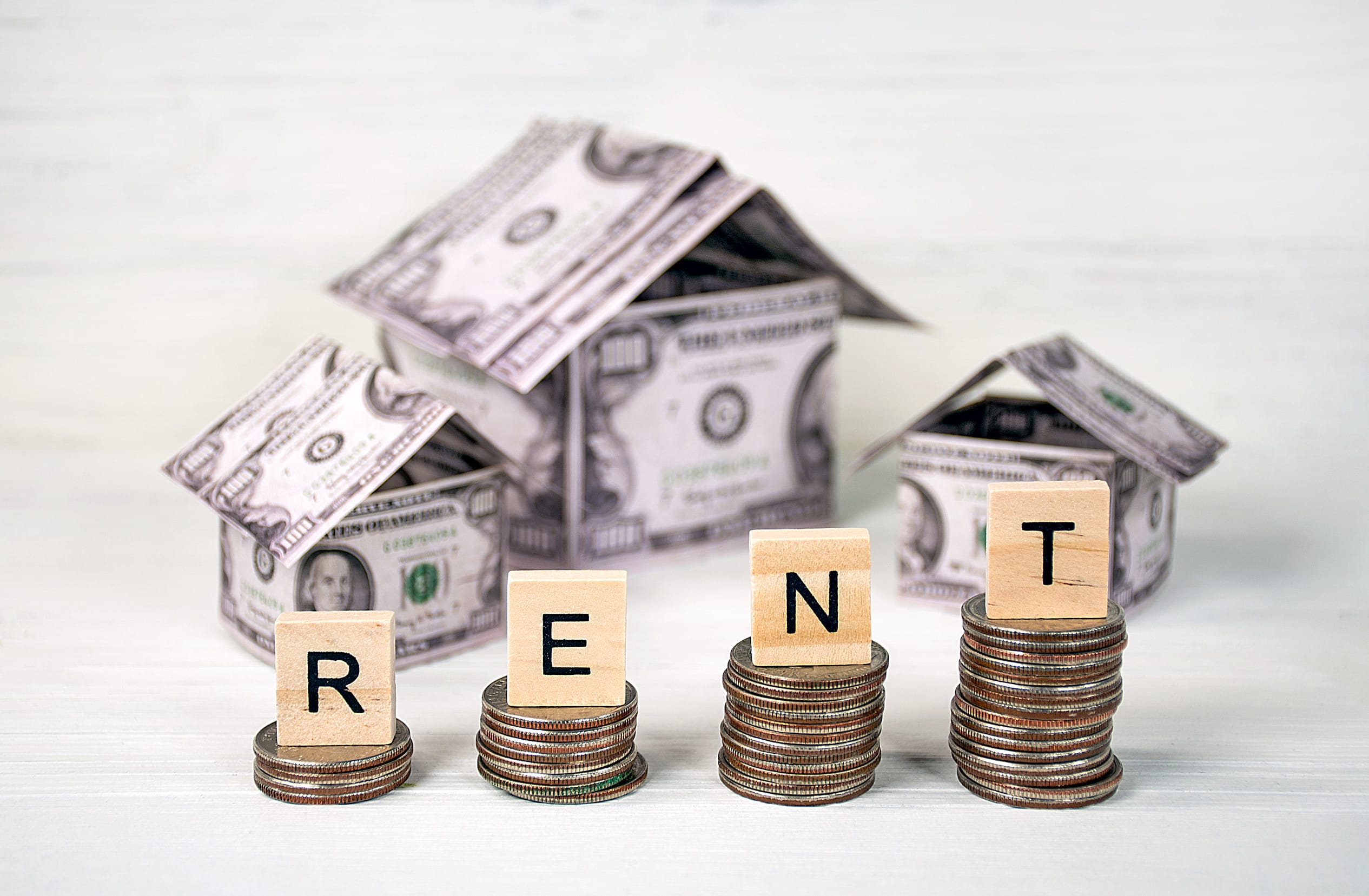
for rent

Image Source: pexels.com

Owning things feels good. It’s a sign of stability. But sometimes, renting is the smarter move—even for the long haul. The idea that buying is always better doesn’t hold up in every situation. Life changes, markets shift, and sometimes flexibility wins. If you’re weighing your options, it’s worth knowing when renting makes more sense. Here’s when you should think twice before signing on the dotted line to buy.

1. Housing in Overheated Markets

Buying a home is a big step. But in cities where prices have soared, renting can save you money and stress. When home values are out of reach or rising faster than wages, renting keeps your costs predictable. You avoid property taxes, maintenance, and the risk of a market crash. In places like San Francisco or New York, it can take decades for a buyer to pay off. Renting lets you live where you want without tying up your savings.

2. Uncertain Job or Life Plans

If you’re not sure where you’ll be in a few years, renting is safer. Buying ties you down. Selling a home takes time and money. If you need to move for work, family, or just a change of scenery, renting gives you freedom. You can pack up and go with little hassle. This flexibility is valuable, especially if your career or personal life is in flux.

3. Expensive Maintenance and Upkeep

Owning means you’re on the hook for repairs. Roof leaks, broken appliances, and yard work all add up. Renters call the landlord when things break. Homeowners pay out of pocket. If you don’t want to deal with surprise expenses or spend weekends fixing things, renting is easier. It’s also easier to budget when you know your costs won’t spike because of a busted water heater.

4. Short-Term or Unpredictable Needs

Sometimes you only need something for a while. Maybe you’re in a city for a year-long project. Maybe you want to try out a neighborhood before settling down. Renting lets you test the waters. You can walk away when your lease is up. Buying for a short stay rarely makes sense. Transaction costs and market swings can wipe out any gains.

5. High-Depreciation Items

Some things lose value fast. Cars, electronics, and even some furniture drop in price the moment you buy them. Renting or leasing these items can be smarter. You get the use without the loss. For example, leasing a car means you don’t worry about resale value or big repairs as it ages. The same goes for tech—renting lets you upgrade without being stuck with outdated gear.

6. Vacation Homes and Timeshares

A second home sounds nice, but it comes with extra costs. Property taxes, insurance, and upkeep don’t stop when you’re not there. Renting a vacation place when you need it is often cheaper. You avoid the hassle of managing a property from afar. Plus, you can try new locations each year. Timeshares can be even worse fees add up, and selling is tough. Renting gives you more options and less stress.

7. Expensive Equipment or Tools

Need a chainsaw for a weekend project? Or a camera for a special event? Buying these things for one-time or rare use doesn’t make sense. Renting lets you get what you need, when you need it, without the storage or maintenance headaches. Many hardware stores and specialty shops offer rentals for everything from power tools to party supplies. This approach saves money and space.

8. Uncertain or Volatile Markets

Some markets are just too risky. Real estate, collectibles, and certain business assets can fluctuate significantly in value. If you’re not sure where prices are headed, renting protects you from big losses. You get the benefit of use without betting your savings on the market. This is especially true in times of economic uncertainty, when prices can drop fast and take years to recover.

9. When You Value Flexibility Over Ownership

Sometimes, it’s not about money. It’s about freedom. Renting means you can change your mind. You can move, upgrade, or downsize without selling or storing stuff. This is true for homes, cars, and even furniture. If you like to keep your options open, renting is the way to go. Long-term commitments or big investments do not tie you down.

Flexibility Is a Smart Investment

Renting isn’t just for people who can’t afford to buy. It’s a smart choice in many situations, especially when life is unpredictable or markets are unstable. The key is to weigh your needs, your plans, and your finances. Sometimes, the best investment is in your own flexibility. Think about what matters most to you—stability, freedom, or something in between. Renting can be the right answer, even for the long term.

What’s your experience? Have you found renting to be smarter than buying in your own life? Share your thoughts in the comments.

Read More

Why Renting Might Actually Make You Richer Than Buying in 2025

10 Gen X Parenting Styles That Millennials Are Rejecting

Travis Campbell
Travis Campbell

Travis Campbell is a digital marketer/developer with over 10 years of experience and a writer for over 6 years. He holds a degree in E-commerce and likes to share life advice he’s learned over the years. Travis loves spending time on the golf course or at the gym when he’s not working.

Filed Under: Real Estate Tagged With: buying, flexibility, housing, long-term renting, Personal Finance, Planning, Real estate, Renting

The Subtle Home Smells That Real Estate Agents Say Ruin Sales

July 24, 2025 by Travis Campbell Leave a Comment

real estate

Image Source: pexels.com

Selling a home is about more than fresh paint and curb appeal. Buyers notice everything, and that includes how a house smells. Even if you don’t notice certain odors anymore, others will. Smells can trigger memories, emotions, and even allergies. A bad scent can make a buyer walk out before they see the kitchen. If you want to sell your home fast and for a good price, you need to pay attention to the air inside. Here are the subtle home smells that real estate agents say ruin sales—and what you can do about them.

1. Pet Odors

Pets are part of the family, but their smells can be a dealbreaker. Cat litter boxes, dog beds, and even pet food bowls can leave a lingering scent. Some buyers are allergic or just sensitive to animal smells. Even if you clean often, fur and dander can get into carpets and furniture. Before a showing, vacuum thoroughly, wash pet bedding, and open windows. Use an air purifier if you have one. If possible, keep pets out of the house during showings. A fresh-smelling home helps buyers focus on the space, not your pets.

2. Cigarette Smoke

Cigarette smoke is one of the hardest smells to remove. It seeps into walls, carpets, and even the HVAC system. Many buyers will walk away if they smell smoke, even faintly. Some will worry about health risks or the cost of cleaning. If you smoke indoors, stop as soon as you decide to sell. Wash walls, clean carpets, and replace air filters. You may need to repaint or use an ozone machine. Don’t try to cover up smoke with air fresheners. Most people can tell, and it makes things worse.

3. Cooking Smells

Cooking is part of daily life, but some smells linger long after dinner. Fried foods, fish, garlic, and strong spices can stick around for days. Buyers want to imagine their own meals in the kitchen, not yours. Before a showing, avoid cooking anything with a strong odor. Clean the stove, microwave, and sink. Take out the trash and run the garbage disposal with a lemon. If you love to cook, try to air out the house and use a neutral air freshener. A clean, neutral kitchen smell is best for selling.

4. Musty Basements

Basements often have a musty smell from moisture or mold. This is a red flag for buyers. They may worry about water damage or expensive repairs. Even if your basement is dry, a damp smell can turn people away. Use a dehumidifier and check for leaks. Clean any mold or mildew right away. Store items in plastic bins instead of cardboard. If the smell lingers, try baking soda or charcoal to absorb odors. A fresh, dry basement makes your home feel well cared for.

5. Scented Candles and Air Fresheners

It’s tempting to use candles or plug-ins to make your home smell nice. But too much fragrance can be just as bad as a bad smell. Some buyers are sensitive to strong scents or worry you’re hiding something. Overpowering air fresheners can trigger headaches or allergies. Instead, aim for a clean, neutral scent. Open windows, clean surfaces, and use natural odor absorbers like baking soda. If you use a candle, pick a mild scent and don’t overdo it. Less is more when it comes to fragrance.

6. Dirty Laundry

Laundry baskets and hampers can create a subtle but unpleasant smell. Sweat, mildew, and dirty socks are not what buyers want to smell. Even if you keep things tidy, laundry rooms and closets can trap odors. Before a showing, wash all dirty clothes and towels. Empty hampers and wipe down laundry machines. Leave closet doors open to air them out. A fresh, clean laundry area shows buyers you care about the details.

7. Old Carpets and Rugs

Carpets and rugs can hold onto smells for years. Spills, pets, and daily life all leave their mark. Even if you vacuum often, deep odors can linger. Buyers may worry about the cost of replacing carpets. If your carpets smell musty or stale, get them professionally cleaned. If that doesn’t work, consider replacing them. Hard floors are easier to keep fresh and are popular with buyers. A clean floor makes the whole house feel newer.

8. Garbage and Recycling

Trash cans and recycling bins are easy to overlook. But even a small amount of garbage can create a strong smell. Buyers will notice if the kitchen or garage smells like old food or cans. Before a showing, empty all trash and recycling. Wipe down bins and use liners. Take out the trash even if it’s not full. A clean, odor-free kitchen and garage make a big difference.

9. Plumbing Problems

A sour or sewage smell from sinks, toilets, or drains is a major turnoff. Buyers may think there’s a serious plumbing issue. Even a slow drain can create a bad odor. Clean all drains with baking soda and vinegar. Run water in unused bathrooms to keep traps full. If you notice a persistent smell, call a plumber before listing your home. Fixing small issues now can save you from losing a sale later.

10. Stale Air

Sometimes, a house just smells “old” or stuffy. This can happen if windows stay closed or the HVAC system isn’t used much. Stale air makes a home feel neglected. Open windows whenever possible. Use fans to circulate air. Change HVAC filters and clean vents. A fresh breeze can make your home feel more inviting and alive.

First Impressions Start with the Nose

Smell is powerful. It shapes how buyers feel about your home before they see the bedrooms or the backyard. Even subtle odors can ruin a sale or lower your price. The good news is that most smells can be corrected with a little effort. Clean, air out, and pay attention to the details. Your home will feel more welcoming, and buyers will notice.

What home smells have you noticed when house hunting? Share your stories in the comments.

Read More

7 Real Estate Investment Tips That Could Save You Thousands

Why Digital Real Estate is the Goldmine No One Talks About

Travis Campbell
Travis Campbell

Travis Campbell is a digital marketer/developer with over 10 years of experience and a writer for over 6 years. He holds a degree in E-commerce and likes to share life advice he’s learned over the years. Travis loves spending time on the golf course or at the gym when he’s not working.

Filed Under: Real Estate Tagged With: Home Improvement, home odors, home selling, home staging, Real estate, real estate advice, selling tips

  • « Previous Page
  • 1
  • …
  • 4
  • 5
  • 6
  • 7
  • 8
  • …
  • 16
  • Next Page »

FOLLOW US

Search this site:

Recent Posts

  • Can My Savings Account Affect My Financial Aid? by Tamila McDonald
  • 12 Ways Gen X’s Views Clash with Millennials… by Tamila McDonald
  • What Advantages and Disadvantages Are There To… by Jacob Sensiba
  • Call 911: Go To the Emergency Room Immediately If… by Stephen Kanaval
  • 10 Tactics for Building an Emergency Fund from Scratch by Vanessa Bermudez
  • 7 Weird Things You Can Sell Online by Tamila McDonald
  • 10 Scary Facts About DriveTime by Tamila McDonald

Copyright © 2026 · News Pro Theme on Genesis Framework