• Home
  • About Us
  • Toolkit
  • Getting Finances Done
    • Hiring Advisors
    • Debt Management
    • Spending Plan
  • Insurance
    • Life Insurance
    • Health Insurance
    • Disability Insurance
    • Homeowners/Renters Insurance
  • Contact Us
  • Risk Tolerance Quiz
  • Our Editorial Commitment

The Free Financial Advisor

You are here: Home / Archives for Investing

Begin Learning the Secrets of Tax-Efficient Investing Today

October 23, 2025 by Catherine Reed Leave a Comment

Begin Learning the Secrets of Tax-Efficient Investing Today
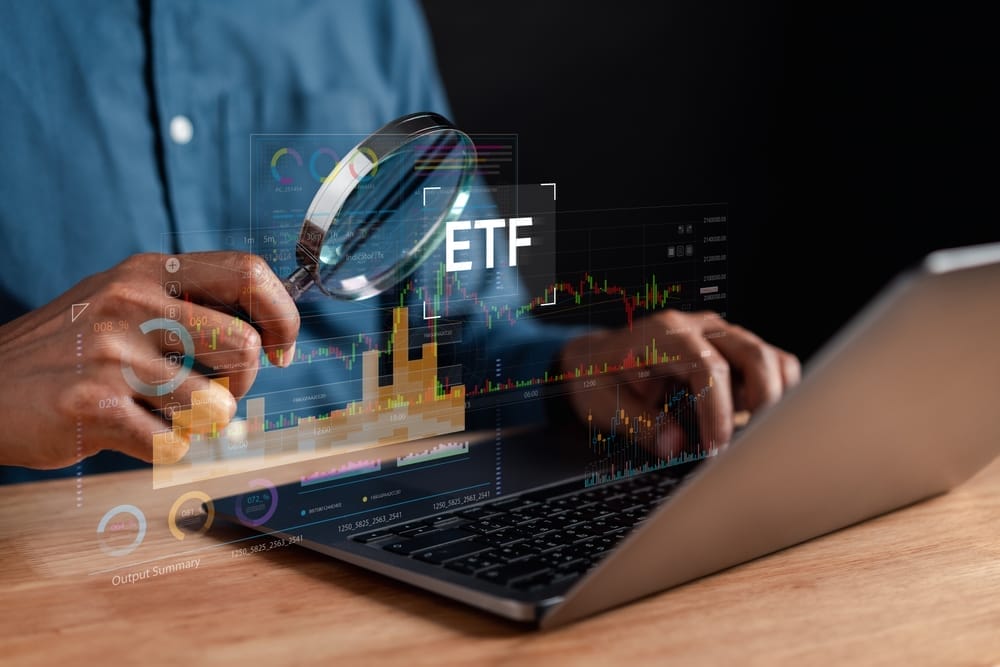
Image source: shutterstock.com

Every investor dreams of growing wealth faster—but too often, taxes quietly eat away at those gains. The good news is that with the right strategies, you can minimize what you owe without taking unnecessary risks. Tax-efficient investing helps you keep more of what you earn by structuring your portfolio in a way that takes advantage of tax laws and long-term planning. Whether you’re new to investing or already building a portfolio, learning these principles today can make a big difference in your financial future.

1. Understanding What Tax-Efficient Investing Really Means

At its core, tax-efficient investing is about making strategic decisions that reduce how much you pay in taxes on your investment returns. Every dollar you save in taxes is a dollar that continues to grow over time. This approach focuses on asset placement—where your investments are held—and asset selection—what types of investments you choose. Tax-efficient investors know how to balance growth and income while minimizing taxable events. With thoughtful planning, you can keep more of your earnings working for you instead of losing them to the IRS each year.

2. Use Tax-Advantaged Accounts to Your Benefit

One of the easiest ways to practice tax-efficient investing is by taking advantage of tax-deferred or tax-free accounts. Contributions to retirement accounts like traditional IRAs and 401(k)s can lower your taxable income now, while Roth IRAs allow for tax-free withdrawals later. Health Savings Accounts (HSAs) also offer triple tax benefits—tax-deductible contributions, tax-free growth, and tax-free withdrawals for medical expenses. By prioritizing these accounts, you not only save for the future but also reduce your current and future tax burden. Using these tools smartly can be the foundation of a more efficient investment plan.

3. Focus on Long-Term Gains Instead of Short-Term Trades

Timing matters when it comes to tax-efficient investing. Short-term capital gains—profits from investments held for less than a year—are taxed at higher rates than long-term gains. Holding investments for at least a year can significantly reduce your tax bill while also encouraging more disciplined decision-making. The goal isn’t just to avoid taxes, but to make smarter, more patient choices that align with your financial goals. Over time, this long-term mindset compounds both your returns and your tax savings.

4. Place the Right Investments in the Right Accounts

Asset placement is one of the most overlooked aspects of tax-efficient investing. Not all investments are taxed the same, so where you hold them matters. Tax-inefficient investments—like bonds, REITs, or actively managed funds—are better suited for tax-deferred accounts since they generate regular income that would otherwise be taxed each year. Meanwhile, tax-efficient assets like index funds or ETFs fit well in taxable accounts because they produce fewer taxable distributions. This strategic separation helps reduce your annual tax liability and improve your after-tax returns.

5. Don’t Ignore the Power of Tax-Loss Harvesting

Even the best investors experience losses, but smart investors use them to their advantage through tax-loss harvesting. This strategy involves selling investments that have declined in value to offset gains from other assets. Doing so can lower your taxable income while giving you the opportunity to reinvest in similar—but not identical—holdings. Over time, this can significantly reduce your overall tax exposure without derailing your long-term strategy. When done correctly, tax-loss harvesting turns temporary setbacks into long-term advantages.

6. Reinvest Dividends Wisely

Dividends are great for generating income, but they also come with tax implications. Qualified dividends are taxed at a lower rate, while non-qualified dividends are taxed as ordinary income. Reinvesting dividends instead of taking them as cash can delay taxes and help your portfolio grow more efficiently. For investors practicing tax-efficient investing, understanding the type of dividends your holdings produce can influence where you place them in your accounts. Choosing funds that minimize unnecessary distributions can make your returns smoother and more predictable.

7. Consider Municipal Bonds for Tax-Free Income

For investors in higher tax brackets, municipal bonds can be a powerful tool for tax-efficient investing. The interest earned on most municipal bonds is exempt from federal income taxes—and sometimes from state and local taxes as well. These bonds often appeal to conservative investors looking for steady, tax-friendly income. While the yields may be lower than corporate bonds, the after-tax returns can be more favorable. Including municipal bonds in a diversified portfolio helps balance growth with tax savings.

8. Be Mindful of Mutual Fund Turnover

Not all funds are created equal when it comes to taxes. Mutual funds with high turnover—meaning they buy and sell frequently—can generate significant taxable capital gains even if you never sell your shares. Low-turnover funds, such as index funds or ETFs, typically produce fewer taxable events, making them more tax-efficient. Before investing, review a fund’s historical turnover rate and distribution patterns. A little research upfront can prevent unwanted tax surprises at the end of the year.

Building a Smarter, More Efficient Financial Future

Mastering tax-efficient investing doesn’t require a finance degree—it just takes awareness, planning, and discipline. By understanding where your money grows best and how to minimize taxes legally, you can keep more of your hard-earned gains. These small, consistent choices compound over time, quietly strengthening your wealth. The sooner you start applying these principles, the more powerful their effect becomes. When it comes to investing, efficiency isn’t about complexity—it’s about strategy that pays off year after year.

Which tax-efficient investing strategy has made the biggest difference in your portfolio? Share your thoughts and tips in the comments below!

What to Read Next…

9 Key Considerations When Investing Through Automated Platforms

The “Dirty Dozen”: The 12 Tax Scams the IRS Is Warning All Americans About

10 Essential Books That Will Change Your Entire Investment Philosophy

Why Are My Investment Returns Always Lower Than The News Reports Claim?

10 Amazing Strategies for Creating Tax-Efficient Withdrawal Plans

Catherine Reed
Catherine Reed

Catherine is a tech-savvy writer who has focused on the personal finance space for more than eight years. She has a Bachelor’s in Information Technology and enjoys showcasing how tech can simplify everyday personal finance tasks like budgeting, spending tracking, and planning for the future. Additionally, she’s explored the ins and outs of the world of side hustles and loves to share what she’s learned along the way. When she’s not working, you can find her relaxing at home in the Pacific Northwest with her two cats or enjoying a cup of coffee at her neighborhood cafe.

Filed Under: Investing Tagged With: investing, Personal Finance, Planning, portfolio management, retirement planning, tax strategy, tax-efficient investing, Wealth management

5 Simple Checks for Evaluating a Stock’s Underlying Health

October 23, 2025 by Travis Campbell Leave a Comment

stocks
Image source: pexels.com

When you’re thinking about investing in stocks, it’s easy to get caught up in the excitement of rising prices or hot tips. But lasting success comes from understanding what’s really behind a company’s numbers. Evaluating a stock’s underlying health is essential if you want to make smart, confident decisions. It helps you avoid companies with shaky foundations and focus on those built to last. With so many choices out there, having a simple framework to judge a stock’s true strength can make all the difference. Here are five practical checks to help you dig deeper before you buy or hold a stock.

1. Revenue Growth Over Time

One of the most important signs of a healthy stock is steady revenue growth. If a company’s sales are consistently rising year after year, it usually means the business is expanding, gaining customers, or increasing prices successfully. On the flip side, flat or falling revenue can signal trouble, like losing market share or struggling with demand.

Look at the company’s quarterly and annual reports to spot trends in revenue. Compare growth rates with competitors in the same industry. A healthy stock doesn’t need to have explosive growth, but a positive and reliable trend is a good start. Also, be cautious of one-time spikes or drops—see if the growth is coming from the core business, not just from selling assets or other unusual events.

2. Profit Margins and Consistency

Revenue tells you how much money is coming in, but profit margins show how much the company keeps after expenses. Strong profit margins mean the business is efficient and has pricing power. Healthy stocks usually belong to companies that can maintain or even improve their margins over time, even when costs rise.

Check both the gross margin (revenue minus cost of goods sold) and the net margin (profit after all expenses). Compare these margins with industry averages. If a company’s margins are shrinking, it might be facing rising costs, increased competition, or other challenges. Consistency is key—wild swings in profit margins can signal instability or management issues.

3. Debt Levels and Balance Sheet Strength

Even profitable companies can run into trouble if they have too much debt. Evaluating a stock’s underlying health means looking at its balance sheet, especially the debt-to-equity ratio. This ratio compares what the company owes to what it owns. A lower ratio usually means less risk, while a high ratio can be a red flag—especially if interest rates rise or earnings fall.

Also, check the company’s cash position. Healthy stocks typically come from companies with enough cash to cover debts and fund growth. If a business is burning through cash or constantly borrowing to stay afloat, that’s a warning sign.

4. Cash Flow Generation

Profit on paper isn’t always the same as real cash in the bank. That’s why it’s important to look at cash flow, not just earnings. Free cash flow (FCF) measures how much cash a company has left after paying for its operations and investments. Companies with strong and growing free cash flow can pay dividends, buy back shares, or reinvest in the business—all signs of a healthy stock.

Review the cash flow statement in annual reports or on financial websites. Watch out for companies with positive reported earnings but negative operating cash flow. This can happen if a company relies too much on accounting tricks or has trouble collecting payments. Consistent, positive cash flow is a sign that the business is actually generating real value.

5. Competitive Position and Industry Trends

Numbers are important, but context matters too. A healthy stock often comes from a company with a strong competitive position—think brand strength, unique technology, or cost advantages. If a business is a market leader or has high barriers to entry, it’s more likely to withstand tough times.

Look at how the company stacks up against its peers. Are its products or services in demand? Is it keeping up with industry changes, or falling behind? Changes in technology, consumer habits, or regulations can quickly shift the outlook for an entire sector.

Putting It All Together for Smarter Investing

Evaluating a stock’s underlying health doesn’t have to be overwhelming. By checking revenue growth, profit margins, debt levels, cash flow, and competitive position, you can get a clear picture of where a company stands. Each of these checks gives you a different angle on the business, but together they help you separate strong investments from risky bets.

It’s worth taking the time to dig into these fundamentals before you invest. Relying on a simple process helps you focus on healthy stocks and avoid surprises down the road. What methods do you use to evaluate a stock’s underlying health? Share your thoughts in the comments below!

What to Read Next…

  • Identifying Underpriced Stocks Using The Graham Formula
  • 7 Investment Loopholes That Can Be Closed Without Warning
  • Why So Many Investors Are Losing Assets In Plain Sight
  • How Financial Planners Are Recommending Riskier Portfolios In 2025
  • 8 Subtle Illusions Used By Scammers In Investment Offers
Travis Campbell
Travis Campbell

Travis Campbell is a digital marketer/developer with over 10 years of experience and a writer for over 6 years. He holds a degree in E-commerce and likes to share life advice he’s learned over the years. Travis loves spending time on the golf course or at the gym when he’s not working.

Filed Under: Investing Tagged With: Financial Health, investing, Personal Finance, stock analysis, stock evaluation

6 Mistakes People Make When Selling Investments Too Early

October 23, 2025 by Travis Campbell Leave a Comment

investment
Image source: pexels.com

Making decisions about when to sell investments is one of the most critical parts of managing your money. The timing can make a huge difference in your long-term financial health. When you sell investments too early, you might miss out on potential growth, lose out on compounding, or even create unnecessary tax bills. Many people act on impulse or emotion, especially during market swings. Understanding the common pitfalls can help you avoid costly mistakes and build a stronger financial future.

1. Reacting Emotionally to Market Fluctuations

The most frequent mistake investors make is letting emotions drive their choices. When markets drop, fear can take over. People often panic and sell investments too early, locking in losses that could have been temporary. History shows that markets tend to recover over time, and those who stay invested usually fare better than those who sell at the first sign of trouble. If you base your investment decisions on headlines or your gut response, you could undermine your long-term goals.

2. Ignoring the Power of Compounding

Compounding is one of the most effective ways to grow your wealth. The longer you keep your money invested, the more it can earn—not just from gains, but from the gains on those gains. When you sell investments too early, you interrupt this process. Even a few lost years of compounding can mean a much smaller nest egg down the road. It’s easy to overlook how powerful time is in investing, but patience is key to letting your money work for you.

3. Failing to Consider Taxes and Fees

Another mistake is not factoring in the tax consequences and transaction fees when selling investments too early. Short-term gains are often taxed at higher rates than long-term gains. Selling too soon can mean a bigger tax bill, eating into your profits. Plus, if you’re trading frequently, those fees can add up quickly. Before making a move, look at the after-tax, after-fee impact on your returns. Sometimes, holding on just a bit longer could save you a significant amount of money.

4. Chasing the Next Big Thing

It’s tempting to sell investments to jump on the latest hot trend. Maybe you read about a booming sector or hear a tip from a friend. This kind of chasing usually leads to selling solid investments too early, only to buy into something that may not perform as well. The result? You miss out on the growth of your original holdings and risk making choices based on hype, not fundamentals. Instead, stick to a long-term investment plan and avoid the urge to constantly switch lanes.

5. Not Having a Clear Investment Plan

Without a clear plan, it’s easy to make hasty decisions. Many people sell investments too early simply because they didn’t set goals or define their time horizon. If you don’t know why you own an investment or what role it plays in your portfolio, you’re more likely to sell at the wrong time. A written plan helps keep you focused and less likely to react to short-term noise. If you’re unsure how to build a plan, consider working with a certified financial planner who can guide you through the process.

6. Overestimating the Need for Liquidity

Some investors sell investments too early because they think they’ll need the cash soon, even when they don’t. This can happen after a job change, a big purchase, or simply from worrying about the future. While it’s smart to keep an emergency fund, you don’t need to liquidate long-term investments for short-term needs. Instead, plan ahead and keep enough cash on hand so you can let your investments grow undisturbed. This way, you avoid missing out on market gains and the benefits of staying invested.

Building Better Habits for Long-Term Investing

Selling investments too early can have a lasting impact on your wealth-building journey. The key is to make decisions based on your goals, not emotions or the latest market buzz. Remember, the primary benefit of investing is long-term growth, and that takes time. By avoiding the mistakes above, you give your money the best chance to work for you over the years.

Building discipline and patience may not be flashy, but they’re essential for reaching your financial goals. Are there other mistakes you’ve seen when people sell investments too early? Share your thoughts in the comments below!

What to Read Next…

  • Why So Many Investors Are Losing Assets In Plain Sight
  • 7 Investment Loopholes That Can Be Closed Without Warning
  • 8 Subtle Illusions Used By Scammers In Investment Offers
  • 10 Hidden Profit Sharing Clauses In Investment Products
  • 6 Compounding Mistakes That Devastate Fixed Income Portfolios
Travis Campbell
Travis Campbell

Travis Campbell is a digital marketer/developer with over 10 years of experience and a writer for over 6 years. He holds a degree in E-commerce and likes to share life advice he’s learned over the years. Travis loves spending time on the golf course or at the gym when he’s not working.

Filed Under: Investing Tagged With: investing, investment mistakes, investment timing, long-term investing, Personal Finance, Wealth Building

8 Portfolio Mistakes People Admit After Years of “Set It and Forget It”

October 23, 2025 by Travis Campbell Leave a Comment

portfolio
Image source: pexels.com

Investing in a portfolio and letting it ride may sound like the ultimate stress-free approach. Many people love the idea of “set it and forget it” because it promises simplicity and peace of mind. But after years of this hands-off style, investors often admit to making avoidable mistakes. The truth is, even the most well-diversified portfolio needs occasional attention. Ignoring your investments can quietly undermine your financial goals. Let’s look at the most common portfolio mistakes people realize only after years of neglect.

1. Ignoring Portfolio Rebalancing

Rebalancing is the process of realigning your asset allocation back to your target mix. Over time, some investments grow faster than others, causing your portfolio to drift from its original plan. People who use the “set it and forget it” method often admit they didn’t rebalance for years. This can mean much more risk—or less growth—than intended. Regular rebalancing helps you buy low and sell high, and keeps your risk in check.

2. Forgetting to Adjust for Life Changes

Life doesn’t stand still. Marriage, children, job changes, or even inheritances can all impact your investment needs. Many investors confess they didn’t update their portfolio after major life events. Failing to adjust your investments can leave you underprepared for new goals or emergencies. A portfolio should reflect where you are now, not where you were a decade ago.

3. Overlooking Fees and Expenses

Fees can quietly eat away at your returns over time. People who set their portfolio and tune out often miss when fund expenses or advisory fees creep up. Sometimes, old funds become expensive compared to newer, low-cost options. Reviewing your portfolio regularly helps ensure you’re not paying more than you need to. Even a small reduction in fees can make a big difference after many years.

4. Missing Out on Tax Optimization

Tax laws change, and so does your income. Investors who ignore their portfolio often miss chances to optimize for taxes. Techniques like tax-loss harvesting or placing certain assets in tax-advantaged accounts can boost after-tax returns. If you don’t check in, you might pay more taxes than necessary. A bit of attention each year can keep your tax bill lower and your investment returns higher.

5. Failing to Update Beneficiaries

Beneficiary designations on retirement accounts and insurance policies don’t update automatically. People sometimes admit that, after years of “set it and forget it,” their accounts still list old partners or family members. This can cause headaches—and even legal disputes—down the road. Reviewing beneficiaries regularly ensures your money goes where you want.

6. Holding On to Outdated Investments

Markets and companies change. An investment that made sense years ago may no longer be a good fit. Investors who take a hands-off approach can end up holding funds with poor performance, high risk, or outdated strategies. Reviewing your portfolio helps you spot these laggards and replace them with better options. Don’t let inertia keep you tied to yesterday’s winners.

7. Underestimating Inflation’s Impact

Inflation slowly erodes the value of money. After years of inaction, many investors realize their “safe” portfolio didn’t keep up with rising costs. Holding too much in cash or low-yield bonds can mean losing purchasing power, especially over decades. A balanced portfolio that considers inflation is crucial for long-term goals.

8. Not Setting Clear Portfolio Goals

One of the biggest portfolio mistakes is not having specific, updated goals. People often admit they started investing with a vague idea but never revisited what they were aiming for. Without clear goals, it’s hard to measure progress or know when to make changes. Setting—and regularly reviewing—your investment targets helps keep your portfolio on track.

How to Avoid These Portfolio Mistakes

“Set it and forget it” is tempting, but it’s not a free pass to ignore your investments forever. The biggest portfolio mistakes often come from neglect, not bad luck. A yearly checkup can help you catch issues before they grow. This doesn’t mean you need to overhaul everything, but reviewing your asset allocation, fees, beneficiaries, and goals can make a big difference over time. If you need guidance, working with a certified financial planner can help you keep your portfolio in shape.

What portfolio mistakes have you learned from over the years? Share your experiences or advice in the comments below!

What to Read Next…

  • How Financial Planners Are Recommending Riskier Portfolios In 2025
  • 7 Areas Of Your Portfolio Exposed To Sudden Market Shocks
  • 8 Subtle Illusions Used By Scammers In Investment Offers
  • 6 Compounding Mistakes That Devastate Fixed Income Portfolios
  • 10 Financial Questions That Could Undo Your Entire Retirement Plan
Travis Campbell
Travis Campbell

Travis Campbell is a digital marketer/developer with over 10 years of experience and a writer for over 6 years. He holds a degree in E-commerce and likes to share life advice he’s learned over the years. Travis loves spending time on the golf course or at the gym when he’s not working.

Filed Under: Investing Tagged With: Asset Allocation, investing, Planning, portfolio mistakes, rebalancing, Retirement, tax optimization

9 Key Considerations When Investing Through Automated Platforms

October 22, 2025 by Travis Campbell Leave a Comment

investing
Image source: pexels.com

Investing through automated platforms has become increasingly popular, offering convenience, lower fees, and algorithm-driven portfolios. But before you jump in, it’s important to understand exactly what you’re signing up for. Automated investing can simplify your financial life, but it isn’t a set-it-and-forget-it solution. There are key factors to weigh, from costs to control to customer service. If you’re thinking about using an automated platform for your investments, being informed can help you avoid surprises and maximize your returns. Here are nine essential considerations to keep in mind before handing your money over to the robots.

1. Understand the Platform’s Investment Approach

The first step when investing through automated platforms is to get familiar with how your money will be managed. Most platforms use algorithms to build and rebalance portfolios based on your risk tolerance and goals. Some favor low-cost index funds, while others may include alternative assets or even direct stocks. Read up on their methodology. Make sure the investment style matches your comfort level and expectations. Not all robo-advisors are created equal, and their approaches can differ in ways that impact your results.

2. Analyze the Fee Structure

Automated investing platforms often tout lower fees compared to traditional advisors, but those costs can still eat into your returns over time. Look beyond headline rates. Some platforms charge a flat percentage, while others have tiered pricing or add-on fees for premium features. Make sure you understand what’s included and whether there are hidden costs, like fund expense ratios or withdrawal fees. Comparing fee structures across platforms can help you make a more informed decision and keep more of your money working for you.

3. Assess Account Minimums and Funding Requirements

Many automated platforms have low or no minimum investment requirements, making them attractive for new investors. However, some still require a minimum balance to access certain features or receive personalized advice. Check the fine print to avoid surprises. If you’re starting with a smaller amount, confirm that the platform will accept your initial deposit and won’t charge extra for lower balances. This consideration is especially important if you plan to invest through automated platforms for the first time.

4. Evaluate Portfolio Customization Options

One of the main appeals of automated investing is the promise of a tailored portfolio. But the level of customization varies. Some platforms offer only a handful of pre-set portfolios, while others allow you to tweak allocations, exclude certain sectors, or add socially responsible investing screens. Think about how much control you want over your investments. If you have specific preferences or ethical considerations, look for platforms that let you customize your portfolio to fit your values and goals.

5. Consider Tax Efficiency and Account Types

Taxes can take a bite out of your investment returns, so it’s smart to see what tax strategies a platform offers. Features like tax-loss harvesting, automatic rebalancing, and support for different account types (IRAs, 401(k) rollovers, taxable accounts) can add real value. Not every platform provides the same tax optimization tools. If tax efficiency matters to you, compare offerings and ask questions before committing. This is especially relevant for investors with larger portfolios or those in higher tax brackets.

6. Review Security and Data Protection Measures

Your financial data and assets deserve top-notch protection. Automated platforms typically use encryption and multi-factor authentication, but standards can vary. Check for SIPC insurance, which protects securities in case the platform fails (though not against investment losses). Read the platform’s privacy policy and security practices. If you’re particularly concerned about online safety, you can find additional information at this FTC guide to online security. Peace of mind is worth the extra effort.

7. Examine Customer Support and Educational Resources

Even the best algorithms can’t answer your questions or help you in a crisis. Quality customer support matters, especially if you’re new to investing through automated platforms. Look for platforms that offer multiple support channels—phone, chat, email—and have a reputation for responsive service. Educational resources, such as articles, webinars, and calculators, can also help you make better decisions and understand your investments. Good support can make the automated investing experience smoother and less stressful.

8. Check for Integration with Other Financial Tools

Your investments are just one part of your financial life. Some automated platforms integrate with budgeting apps, tax software, or even your bank accounts. This can make it easier to see your complete financial picture and manage your money more effectively. If you want a streamlined experience, look for platforms that play well with the tools you already use.

9. Stay Aware of Platform Limitations

Automated investing platforms are powerful, but they aren’t perfect. Many don’t offer advanced strategies like options trading, direct real estate investment, or access to certain international markets. If you have complex needs or want personalized financial planning, you may need to supplement with a human advisor. Be realistic about what the platform can and can’t do. Setting the right expectations before investing through automated platforms will help you avoid frustration and disappointment down the road.

Making the Most of Automated Investing

Investing through automated platforms is an accessible way to start building wealth, especially for those who want a hands-off approach. By weighing these key considerations, you can choose a platform that fits your goals, risk tolerance, and values. Take your time, do your research, and don’t be afraid to ask questions. Automated investing works best when you stay engaged and informed.

What has your experience been with automated investing platforms? Share your thoughts or questions in the comments below!

What to Read Next…

  • What Robo Advisors Don’t Tell Women About Longevity Risk
  • 10 Ways Zero Fee Investing Platforms Make Money Off You
  • How Financial Planners Are Recommending Riskier Portfolios in 2025
  • 8 Subtle Illusions Used by Scammers in Investment Offers
  • 7 Investment Loopholes That Can Be Closed Without Warning
Travis Campbell
Travis Campbell

Travis Campbell is a digital marketer/developer with over 10 years of experience and a writer for over 6 years. He holds a degree in E-commerce and likes to share life advice he’s learned over the years. Travis loves spending time on the golf course or at the gym when he’s not working.

Filed Under: Investing Tagged With: automated investing, investment platforms, Planning, portfolio management, robo-advisors, tax efficiency

These 5 Stocks Only Perform Well When The Entire Stock Market Does

October 21, 2025 by Travis Campbell Leave a Comment

investing
Image source: shutterstock.com

Investors often look for stocks that can weather any storm, but not every company fits that bill. Some stocks rely heavily on the overall direction of the market to perform well. When the entire stock market is on the rise, these stocks can soar. But if the market turns, they often fall just as fast. Understanding which stocks depend on broad market strength is key for anyone building a portfolio. If you’re chasing gains during good times, these stocks can be tempting. But knowing their limits helps you manage risk and set realistic expectations.

This article highlights five stocks that typically only do well when the entire stock market does. We’ll explain why their fortunes are so closely tied to market-wide optimism. If you’re considering adding these to your portfolio, it’s smart to know what you’re getting into.

1. Tesla (TSLA)

Tesla is a classic example of a stock that thrives when the stock market as a whole is bullish. The company’s growth story and high valuation depend heavily on investor confidence. When markets are rising and risk appetite is high, Tesla’s share price often surges. Investors are willing to pay a premium for future growth, even if the company isn’t always profitable by traditional standards.

However, when the stock market sours, Tesla’s shares tend to drop more than average. Its volatility is often higher than the S&P 500. That’s because investors quickly shift away from high-growth, high-expectation stocks when fear sets in. So, Tesla’s performance is closely tied to the overall health of the market, making it a stock that only performs well when the entire stock market does.

2. Meta Platforms (META)

Meta Platforms, the company behind Facebook, Instagram, and WhatsApp, is another stock that’s highly sensitive to broad market trends. Meta’s advertising-driven business model depends on companies having the confidence (and budgets) to spend big. When the economy—and the stock market—are booming, Meta’s revenue and stock price often follow suit.

But when market sentiment shifts and companies tighten their belts, Meta’s ad revenue can take a hit. Investors tend to pull back from large-cap tech stocks like Meta during downturns. The company’s fortunes are tied to both market optimism and the health of the digital advertising industry. If the market is strong, Meta usually is too, but it rarely bucks a negative trend on its own.

3. Carnival Corporation (CCL)

Carnival Corporation, a leader in the cruise industry, is very much a market-dependent stock. When the stock market is strong and consumer confidence is high, people are more likely to book cruises. This boosts Carnival’s earnings and often sends its stock price higher. The company benefits from discretionary spending, which tends to increase when people feel wealthier—often thanks to rising investment portfolios.

However, Carnival’s business is one of the first to feel the pinch when the market dips. Economic uncertainty usually means fewer people splurging on vacations. During broad market downturns, Carnival’s shares can fall sharply. Its performance is a reminder that some stocks only perform well when the entire stock market does, especially those in the travel and leisure sectors.

4. Goldman Sachs (GS)

Goldman Sachs is a major player in the financial sector, but its profits are tightly linked to the health of the stock market. When markets rise, Goldman earns more from investment banking, trading, and asset management. The firm thrives when dealmaking is brisk and clients are optimistic about raising money or investing in new ventures.

But during market slumps, business dries up. Companies avoid IPOs, mergers slow, and trading revenue falls. As a result, Goldman’s earnings and share price often mirror the broader market’s direction. It’s a great example of a stock that only performs well when the entire stock market does. Investors seeking stability might want to look elsewhere during volatile periods.

5. Chipotle Mexican Grill (CMG)

Chipotle might seem like a surprising pick, but its performance is more tied to the overall stock market than you might think. When markets are strong and investor confidence is high, consumers are more willing to spend on dining out. Chipotle benefits from this trend, posting strong same-store sales and earnings growth.

However, Chipotle’s premium pricing and focus on discretionary spending make it vulnerable during market downturns. If the stock market dips and consumer sentiment turns negative, people often cut back on eating out. Chipotle’s stock, which trades at a high valuation, tends to fall quickly when the market does. It’s another case of a stock that only performs well when the entire stock market does.

Balancing Your Portfolio When Market-Dependent Stocks Dominate

It’s tempting to chase the hottest names, especially when the entire stock market does well and these stocks are leading the charge. But relying too heavily on market-dependent stocks can leave your portfolio exposed during downturns. Diversification matters. Mixing in defensive stocks, bonds, or other assets can cushion your investments when broad market optimism fades.

If you’re interested in learning more about portfolio balance, check out this guide to diversification. Remember, even the strongest stocks can stumble if the market does. Knowing which stocks only perform well when the entire stock market does helps you make smarter, more resilient choices for your financial future.

Do you hold any of these market-dependent stocks? How do you manage the ups and downs? Share your thoughts in the comments below!

What to Read Next…

  • Identifying Underpriced Stocks Using The Graham Formula
  • How Financial Planners Are Recommending Riskier Portfolios In 2025
  • 7 Areas Of Your Portfolio Exposed To Sudden Market Shocks
  • 10 Guaranteed Return Investments That Usually Disappoint
  • Why So Many Investors Are Losing Assets In Plain Sight
Travis Campbell
Travis Campbell

Travis Campbell is a digital marketer/developer with over 10 years of experience and a writer for over 6 years. He holds a degree in E-commerce and likes to share life advice he’s learned over the years. Travis loves spending time on the golf course or at the gym when he’s not working.


Filed Under: Investing Tagged With: bull market, investing, market-dependent stocks, portfolio management, Risk management, stock market, stock performance

4 Bold Predictions Regarding the Future of the Stock Market

October 20, 2025 by Travis Campbell Leave a Comment

investing
Image source: shutterstock.com

Thinking about the future of the stock market isn’t just for Wall Street analysts or day traders. Everyday investors, retirees, and anyone with a 401(k) have a stake in what happens next. The stock market’s direction shapes everything from the value of your retirement account to the cost of borrowing money. With so much uncertainty in the world, it’s more important than ever to anticipate possible changes. If you understand what might be coming, you can make smarter choices for your investments and financial plans. In this article, we’ll explore four bold predictions regarding the future of the stock market that could impact your financial life in the years ahead.

1. Technology Will Reshape the Stock Market Landscape

Technology has always played a key role in the evolution of the stock market, but the pace of change is accelerating. Artificial intelligence and algorithm-driven trading are already influencing prices and trading volumes. In the future of the stock market, expect even more automation and data-driven decision-making. This could lead to markets that react faster to news and global events, but it might also increase volatility when algorithms trigger rapid trades.

Additionally, blockchain technology could make trading more transparent and efficient. Companies may use decentralized ledgers to record ownership and facilitate transactions. While this might reduce fraud and errors, it could also disrupt traditional brokers and clearinghouses. Investors will need to stay informed about new platforms and how these technologies affect their access to markets.

2. Environmental and Social Factors Will Influence Valuations

Investors are paying closer attention to environmental, social, and governance (ESG) criteria. In the future of the stock market, companies that score well on ESG factors may see higher demand for their shares. Regulatory changes and consumer preferences are pushing firms to be more transparent about their impact on the environment and society.

This shift isn’t just about ethics—it’s also about managing risk. Companies that ignore climate change or labor issues may face lawsuits, fines, or loss of customers. On the other hand, businesses that lead in sustainability could attract investment from large funds and individual investors alike. If you’re building a long-term portfolio, it’s smart to monitor how ESG trends could influence the companies you own.

3. Retail Investors Will Play a Bigger Role

The rise of online trading platforms has changed who participates in the market. Over the past few years, we’ve seen a surge in retail investors—ordinary people trading from their phones or laptops. Social media groups and online forums now influence stock prices in ways that would have been hard to imagine a decade ago.

In the future of the stock market, expect retail investors to remain a powerful force. They have access to more information and tools than ever before, leveling the playing field with institutional investors. While this democratizes investing, it can also lead to sudden price swings and unexpected trends. Companies may need to rethink how they communicate with shareholders and respond to online sentiment.

4. Global Events Will Drive Increased Volatility

Markets have always responded to global events, but the connections between economies are now tighter than ever. Geopolitical tensions, supply chain disruptions, and changes in international trade policies can all ripple through the stock market. In the future of the stock market, these shocks may become more frequent and harder to predict.

This means investors will need to brace for periods of higher volatility. Diversification across sectors and countries could become even more important. It’s wise to have a plan for managing risk when headlines cause sudden drops or rallies. Staying informed and flexible will help you take advantage of opportunities and avoid panic-driven decisions.

Positioning Yourself for the Future of the Stock Market

The future of the stock market is full of unknowns, but it’s also full of opportunity. By paying attention to technology, ESG factors, retail investor trends, and global events, you can make better choices with your money. Staying curious and adaptable is key. No one can predict every twist and turn, but preparation goes a long way.

What changes do you expect to see in the future of the stock market? Share your thoughts and join the conversation below!

What to Read Next…

  • Why ChatGPT May Be Generating Fake Financial Advice And Getting Away With It
  • Identifying Underpriced Stocks Using The Graham Formula
  • How Financial Planners Are Recommending Riskier Portfolios In 2025
  • 7 Areas Of Your Portfolio Exposed To Sudden Market Shocks
  • Why So Many Investors Are Losing Assets In Plain Sight
Travis Campbell
Travis Campbell

Travis Campbell is a digital marketer/developer with over 10 years of experience and a writer for over 6 years. He holds a degree in E-commerce and likes to share life advice he’s learned over the years. Travis loves spending time on the golf course or at the gym when he’s not working.

Filed Under: Investing Tagged With: ESG, future trends, investing, retail investors, stock market, technology, volatility

8 Reasons Day Trading Is the Financial Addiction No One Talks About

October 19, 2025 by Catherine Reed Leave a Comment

8 Reasons Day Trading Is the Financial Addiction No One Talks About
Image source: shutterstock.com

Day trading can seem thrilling—fast decisions, quick profits, and the potential to outsmart the market from your laptop. But beneath that adrenaline rush, a darker pattern often develops: the rise of a financial addiction that mirrors gambling more than investing. Many traders convince themselves they’re just being ambitious, but over time, their obsession with wins and losses starts to consume everything else. Understanding why day trading becomes such a powerful financial addiction is key to recognizing the warning signs before it takes control of your life.

1. The Instant Gratification Feeds the Brain Like a Slot Machine

Day trading delivers quick rewards and instant feedback, which can trigger the same dopamine response as gambling. Every trade feels like a spin of the wheel—sometimes you win big, sometimes you lose, but the rush keeps you coming back. That unpredictable reward cycle is what makes financial addiction so powerful. The brain begins to crave the excitement rather than the profit itself. Over time, traders find themselves chasing the high of “just one more trade,” even when it hurts their portfolio.

2. The Illusion of Control Masks the Chaos

One reason day trading becomes a financial addiction is that it tricks people into believing they can control the outcome. Traders often spend hours researching charts and patterns, thinking that preparation gives them mastery over market movements. While knowledge helps, no one can fully predict short-term price swings. This illusion of control feeds overconfidence and encourages risky behavior. When results inevitably go sideways, many double down instead of stepping back—just like any other addictive cycle.

3. Small Wins Reinforce Risky Behavior

A few early wins can be dangerous for new traders. Those small successes create a false sense of skill and make it easy to overlook luck’s role in the market. The emotional reward from those early victories reinforces risk-taking and makes quitting harder. This reinforcement loop is what cements financial addiction: the brain learns to associate risk with reward, even when the odds are against you. Many traders end up chasing the feeling of their first win long after the profits are gone.

4. The Constant Stimulation Feels Impossible to Leave Behind

Unlike long-term investing, day trading keeps participants glued to screens for hours, immersed in constant action. The rapid movement of charts, flashing numbers, and quick decisions floods the brain with stimulation. Over time, this becomes a craving in itself—the mind feels restless or empty without the constant activity. This is how financial addiction quietly builds: not just through money lost, but through the dependency on nonstop excitement. Many traders find it difficult to step away because stillness feels uncomfortable.

5. Emotional Highs and Lows Mirror Substance Abuse Patterns

Financial addiction through day trading follows the same psychological rollercoaster as drug or alcohol dependence. The euphoric high of a successful trade is followed by deep frustration or guilt after a loss. That emotional whiplash keeps traders locked in a destructive cycle, constantly seeking the next win to erase the pain of the last failure. The repeated exposure to these intense emotions can desensitize people to normal life satisfaction. Eventually, even relationships or personal achievements can start to feel dull compared to trading’s highs.

6. The Community Reinforces Dangerous Habits

Online trading forums and social media groups can create echo chambers that normalize excessive risk-taking. Within these spaces, traders often brag about big wins and downplay their losses. This creates social pressure to take bolder risks, reinforcing the behaviors that fuel financial addiction. Instead of fostering discipline, these communities often glamorize high-stakes trading as a lifestyle. People caught in this cycle may feel validated even as their finances spiral out of control.

7. Losses Become Rationalized as “Learning Opportunities”

A subtle hallmark of financial addiction is the way people justify their losses. Instead of recognizing them as warning signs, addicted traders frame losses as “part of the process.” While learning from mistakes is healthy, ignoring consistent red flags is not. This rationalization allows the cycle of overtrading and overconfidence to continue unchecked. Admitting that day trading has become unhealthy can be difficult when ego and pride are at stake.

8. The Financial and Emotional Toll Adds Up Quietly

At first, the consequences of day trading might seem manageable—a few missed meals, a weekend lost to charts, a small dip in savings. But as financial addiction deepens, the costs multiply. Emotional burnout, financial stress, and even damaged relationships often follow. The trader’s world narrows until every thought revolves around market movement. By the time most people realize the damage, they’ve sacrificed far more than money—they’ve lost balance, peace, and perspective.

Regaining Control Before the Market Controls You

Day trading doesn’t have to become destructive, but recognizing when it’s crossed the line is essential. Setting strict boundaries, diversifying into long-term investments, and taking regular breaks can help prevent financial addiction from taking hold. It’s also important to separate your identity from your trading performance—your worth isn’t tied to daily profits or losses. Seeking accountability from a financial advisor or therapist can restore balance and clarity. True financial success isn’t about the thrill of the moment—it’s about stability, patience, and emotional control that lasts a lifetime.

Have you or someone you know experienced the pull of financial addiction through day trading? What helped you regain control? Share your insights in the comments below!

What to Read Next…

  • 13 Startling Facts About The True Cost of Delaying Investment
  • Should I Prioritize Paying Off My Mortgage or Investing Extra Cashflow?
  • 9 Key Strategies for Navigating Complex Foreign Investment Laws
  • Why Are My Investment Returns Always Lower Than The News Reports Claim?
  • Is My Fear of Market Crashes Preventing Me From Investing At All?
Catherine Reed
Catherine Reed

Catherine is a tech-savvy writer who has focused on the personal finance space for more than eight years. She has a Bachelor’s in Information Technology and enjoys showcasing how tech can simplify everyday personal finance tasks like budgeting, spending tracking, and planning for the future. Additionally, she’s explored the ins and outs of the world of side hustles and loves to share what she’s learned along the way. When she’s not working, you can find her relaxing at home in the Pacific Northwest with her two cats or enjoying a cup of coffee at her neighborhood cafe.

Filed Under: Investing Tagged With: Day Trading, emotional investing, financial addiction, investing psychology, money management, Personal Finance, trading habits

12 Essential Checkpoints Before Committing to a Large Investment

October 18, 2025 by Travis Campbell Leave a Comment

investing
Image source: pexels.com

Committing to a large investment is a big decision. Whether you’re considering real estate, a business venture, or a significant stock purchase, there’s a lot at stake. Rushing in without a careful look can lead to regret or financial loss. It’s essential to slow down, do your homework, and run through a list of key checkpoints. By following a structured approach, you can make sure your large investment aligns with your goals and risk tolerance.

1. Clarify Your Investment Goals

Before making any large investment, ask yourself why you’re investing. Are you looking for long-term growth, steady income, or capital preservation? Being clear about your goals will help you choose the right type of investment and set realistic expectations. This checkpoint sets the stage for every other decision you’ll make.

2. Assess Your Financial Situation

Take a close look at your finances. Can you afford to tie up this amount of money for years? Will your emergency fund remain intact? Large investments should not jeopardize your ability to cover living expenses or handle surprises. Make sure you’re not stretching yourself too thin.

3. Understand the Investment Thoroughly

Never invest in something you don’t fully understand. Research how it works, what drives returns, and what could cause losses. If you’re considering a complex product, take time to learn the details or talk to a professional. A large investment deserves your full attention and understanding.

4. Evaluate the Risks

Every large investment carries risk. Identify what could go wrong—market downturns, business failures, interest rate changes, or regulatory shifts. Consider both the obvious and hidden risks. Knowing what you’re up against helps you prepare and decide if the potential reward is worth it.

5. Research the Market Conditions

Market timing isn’t everything, but it matters. Is the market for this investment type overheated, or are prices reasonable? Are there economic trends or cycles you should be aware of? A quick check of recent news and industry reports can reveal important clues.

6. Review the Investment’s Track Record

Look into the past performance of similar investments or the specific asset you’re considering. While past results don’t guarantee future returns, they offer valuable context. Patterns, volatility, and average returns can help you set expectations for your large investment.

7. Analyze Fees and Hidden Costs

Fees can quietly eat away at your returns. Scrutinize every cost, from management fees to transaction charges and taxes. Sometimes, a large investment looks good on paper but loses its appeal once you account for all expenses. Don’t overlook the fine print.

8. Consider the Liquidity

How quickly can you access your money if you need it? Some large investments, like real estate or private equity, can be hard to sell in a pinch. Make sure you’re comfortable with the level of liquidity and that it fits your broader financial plan.

9. Check Legal and Regulatory Issues

Are there legal barriers or compliance requirements for this investment? For example, certain real estate deals or international assets come with extra paperwork and rules. Do your due diligence to avoid unpleasant surprises down the road.

10. Seek Professional Advice

It’s wise to consult with a financial advisor, accountant, or attorney before finalizing a large investment. An expert can provide a second opinion, point out risks you missed, and help you structure the deal. Look for an advisor with experience in the specific investment type you’re considering.

11. Stress-Test Your Assumptions

What happens if things don’t go as planned? Run through worst-case scenarios and see how your finances would hold up. If a large investment drops in value, will it derail your goals? Stress-testing helps you spot weak points before you commit.

12. Review the Exit Strategy

Every large investment should have a clear exit strategy. How and when will you cash out? Are there penalties for early withdrawal or restrictions on selling? Planning your exit in advance prevents you from getting stuck or making rushed decisions later.

Making Your Large Investment Decision

Taking the time to walk through these essential checkpoints can make a world of difference when you’re evaluating a large investment. It’s not just about minimizing risk—it’s about aligning your choices with your long-term goals and peace of mind. A thoughtful, step-by-step approach protects you from costly mistakes and builds your confidence as an investor.

What steps do you take before making a large investment? Share your thoughts or tips in the comments below!

What to Read Next…

  • 7 Investment Loopholes That Can Be Closed Without Warning
  • 5 Home Investment Plans That Legal Experts Say to Avoid
  • 8 Subtle Illusions Used By Scammers in Investment Offers
  • 10 Hidden Profit Sharing Clauses in Investment Products
  • Identifying Underpriced Stocks Using the Graham Formula
Travis Campbell
Travis Campbell

Travis Campbell is a digital marketer/developer with over 10 years of experience and a writer for over 6 years. He holds a degree in E-commerce and likes to share life advice he’s learned over the years. Travis loves spending time on the golf course or at the gym when he’s not working.

Filed Under: Investing Tagged With: due diligence, investing, investment strategies, Planning, Risk management

5 Best Practices for Selecting and Monitoring Mutual Funds

October 18, 2025 by Travis Campbell Leave a Comment

investments
Image source: shutterstock.com

Building wealth takes more than just saving money. You need to make your money work for you, and mutual funds are a popular way to do that. But with thousands of options out there, selecting and monitoring mutual funds can feel overwhelming. The right choices can help you reach your financial goals, while the wrong ones could set you back. That’s why it’s important to have a clear process for picking funds and keeping tabs on them. By following some best practices, you can make confident decisions and avoid costly mistakes.

1. Define Your Investment Goals and Risk Tolerance

Before you even look at a list of mutual funds, get clear on what you want to achieve. Are you saving for retirement, a child’s education, or a down payment on a house? Your investment timeline and risk tolerance will guide your choices. For example, if you’re decades away from retirement and comfortable with ups and downs, you might choose growth-oriented funds. If you need the money in a few years, you’ll likely prefer more stable options.

Understanding your own risk tolerance can help prevent panic during market swings. Assess how much volatility you’re willing to accept, and let that guide your mutual fund selection. Many fund companies provide online quizzes to help you gauge your comfort with risk. Matching your goals and risk tolerance with the right funds is the foundation of effective mutual fund selection.

2. Evaluate Fund Performance in Context

It’s tempting to pick mutual funds based on recent returns. But past performance doesn’t guarantee future results. Instead, compare how a fund has performed over different periods—like 1, 5, and 10 years—against appropriate benchmarks and similar funds. Look for consistency, not just one-off wins.

Pay attention to how the fund performed during market downturns. Did it lose less than its peers, or did it drop sharply? A fund that weathers tough markets well may deserve a closer look. Always remember, selecting and monitoring mutual funds means digging deeper than surface-level numbers.

3. Analyze Fees and Expenses

Every dollar you pay in fees is a dollar less in your pocket. When selecting and monitoring mutual funds, look at the expense ratio and any other costs, such as sales loads or redemption fees. Even small differences in fees can add up over time and eat into your returns.

Low-cost index funds often outperform higher-cost actively managed funds, especially over the long term. Use resources like Morningstar’s mutual fund screener to compare expense ratios and fund categories. Make sure you understand what you’re paying for and if the fund’s performance and strategy justify the cost.

4. Scrutinize the Fund Manager and Strategy

The person or team running your mutual fund matters. Research the manager’s track record, tenure with the fund, and investment approach. A fund with frequent manager turnover can be a red flag, as it may signal instability or shifting strategies.

Read the fund’s prospectus or summary to understand its investment philosophy. Does it stick to its stated strategy, or does it frequently change course? Consistency is key when selecting and monitoring mutual funds. If the manager leaves or the strategy changes significantly, it might be time to reconsider your investment.

5. Review Portfolio Holdings and Diversification

It’s easy to assume that any mutual fund offers diversification, but that’s not always the case. Check the fund’s top holdings and sector allocations to ensure you’re not doubling up on the same stocks or sectors across multiple funds. Too much overlap can increase risk and reduce the benefits of diversification.

Many investors use tools like Fidelity’s mutual fund screener to dig into portfolio details. When selecting and monitoring mutual funds, make sure your overall portfolio remains balanced. Don’t just set it and forget it—review holdings at least once a year or if your financial situation changes.

Stay Proactive With Your Mutual Fund Investments

Choosing mutual funds isn’t a one-time task. Even after you’ve selected funds that fit your goals, you need to monitor them regularly. Revisit your investments at least annually, or when major life events happen. Are the funds still performing as expected? Have their fees or strategies changed? Staying proactive helps you spot red flags early and adjust your strategy when needed.

By following these best practices for selecting and monitoring mutual funds, you’ll be better equipped to build a portfolio that matches your needs and adapts as your life evolves. The mutual fund landscape is always changing, but a disciplined approach makes it easier to navigate.

What strategies do you use when selecting and monitoring mutual funds? Share your thoughts in the comments below!

What to Read Next…

  • Why ChatGPT May Be Generating Fake Financial Advice And Getting Away With It
  • 7 Investment Loopholes That Can Be Closed Without Warning
  • How Financial Planners Are Recommending Riskier Portfolios In 2025
  • 10 Hidden Profit Sharing Clauses In Investment Products
  • What Robo Advisors Don’t Tell Women About Longevity Risk
Travis Campbell
Travis Campbell

Travis Campbell is a digital marketer/developer with over 10 years of experience and a writer for over 6 years. He holds a degree in E-commerce and likes to share life advice he’s learned over the years. Travis loves spending time on the golf course or at the gym when he’s not working.

Filed Under: Investing Tagged With: investing, investment strategy, mutual funds, Personal Finance, portfolio management

  • « Previous Page
  • 1
  • …
  • 6
  • 7
  • 8
  • 9
  • 10
  • …
  • 28
  • Next Page »

FOLLOW US

Search this site:

Recent Posts

  • Can My Savings Account Affect My Financial Aid? by Tamila McDonald
  • 12 Ways Gen X’s Views Clash with Millennials… by Tamila McDonald
  • What Advantages and Disadvantages Are There To… by Jacob Sensiba
  • 10 Tactics for Building an Emergency Fund from Scratch by Vanessa Bermudez
  • Call 911: Go To the Emergency Room Immediately If… by Stephen Kanaval
  • 7 Weird Things You Can Sell Online by Tamila McDonald
  • 10 Scary Facts About DriveTime by Tamila McDonald

Copyright © 2026 · News Pro Theme on Genesis Framework