• Home
  • About Us
  • Getting Finances Done
    • Hiring Advisors
    • Debt Management
    • Spending Plan
  • Insurance
    • Life Insurance
    • Health Insurance
    • Disability Insurance
    • Homeowners/Renters Insurance
  • Contact Us
  • Our Editorial Commitment

The Free Financial Advisor

You are here: Home / Archives for Emilie Burke

Emilie is a prolific blogger, and influencer inspiring millennial women to live financially, physically, and professionally fit lives. She writes about overcoming debt, while balancing trying to eat healthy, stay fit, and have a little fun along the way. She is a politics major turned data engineer who graduated from Princeton University in 2015.  She currently lives in North Carolina with her college sweetheart Casey who is currently stationed at Fort Bragg. She enjoys eating food, cuddling with her dog, and binge watching HGTV.

Things You Need to Do to Protect Yourself from Identity Theft

October 16, 2017 by Emilie Burke Leave a Comment

Identity theft is a real threat to everyone, no matter what your credit score is or how many credit accounts you have. Once a thief has your personal information (name, address, date of birth, and social security number) they can start applying for credit in your name, damaging your credit rating.

The threat is even scarier when large credit reporting agencies, like Equifax, announce they’ve been hacked and millions of people have their information at risk. Shouldn’t it be a top priority for these companies to protect your information? Yes. And no. While they should have protection measures in place and do everything possible to protect your information, the ultimate responsibility for your credit is on you.

A regular check of your credit report is a good way to ensure that your identity hasn’t been stolen, but there are ways to protect yourself before you’re at risk. Here are a few ways to protect your identity from falling into the wrong hands.

Never give your personal information, especially your social security number, to a stranger. Whether they call, text, or email, if you don’t know the recipient don’t give them any information. Unless you’re paying your taxes to the IRS or your state, don’t write your social security number on your checks. If your SSN is your account identification, the last four numbers should be enough for them to find your account. And never write your social on any forms or anything that is not credit related.

Don’t keep your social security card in your wallet. Likewise, don’t carry any infrequently used credit cards or notes of passwords and PINs. Make sure your wallet and/or purse is always within your site or locked up tight in the trunk of your car, out of site for strangers.

Don’t post things that could be used to identify you on your social media accounts. These things would include your mother’s maiden name, your full date of birth, your pet’s names, or any other answers to your account’s secret questions. Better yet, check your privacy settings so that only people you choose to friend can see any of your personal information.

Set up mobile alerts with your credit and bank accounts so that you are notified of any transactions. This will help you know quickly if someone has stolen your card so you can contact your bank or credit company.

Photocopy the fronts and backs of all of your credit cards, reward cards, driver’s license, and any other cards you carry in your wallet then place it in a secure place within your home. If your wallet is ever stolen, you will have all of the phone numbers and account numbers you need to cancel your cards.

Place credit freezes on your credit reports through the credit reporting agencies. This will keep any identity thieves from obtaining credit in your name.

Keep your devices protected with a password. This includes your cellphone, laptop, desktop computer, tablet, and any other devices you use to log in to your financial accounts, social media, and emails.

If you have small children, place a credit freeze on their social security numbers as well. Identity thieves love to steal the information of minors because their reports are usually clean and no one ever checks them.

These simple tasks will help you to keep your identity safe and your credit secure.

Emilie Burke writer at the Free Financial Advisor
Emilie Burke

Emilie is a prolific blogger, and influencer inspiring millennial women to live financially, physically, and professionally fit lives. She writes about overcoming debt, while balancing trying to eat healthy, stay fit, and have a little fun along the way. She is a politics major turned data engineer who graduated from Princeton University in 2015.  She currently lives in North Carolina with her college sweetheart Casey who is currently stationed at Fort Bragg. She enjoys eating food, cuddling with her dog, and binge watching HGTV.
Filed Under: money management

Where to Find Free Financial Planning Classes

October 9, 2017 by Emilie Burke Leave a Comment

If you’re new to financial planning and you want to learn how to manage your finances on your own without hiring a professional, there are a few places you can find the information you need. And, it’s free. Fortunately, there are a number of free online courses that can help you learn what you need to know. Here are some of the best ones I’ve found.

CNN Money – Money Essentials

This is one of the best resources for money advice, tips, and learning. It includes 29 lessons with everything from setting goals to managing debt to home ownership and insurance, all the way through to retirement planning. Pick and choose just the topics you need or the things you’re most interested in learning now. It even includes glossaries of terms you need to know and quizzes to help make sure you’ve learned what you need. And best of all, it makes learning easy.

Money Management International

Money Management’s online Financial Education site offers a variety of tips for long-term planning and short-term needs. If you want to know how to save money on holiday shopping or how you can earn more money, they’ve got you covered. Need information on bankruptcy, credit reports, and understanding your credit reports? That’s there too. Need help with a home loan or debt management? It’s all there. Even tips on teaching your kids about financial matters.

University of California-Irvine’s Fundamentals of Personal Financial Planning

This online course offers lessons on creating your financial goals, doing the math to figure out what you need, creating a financial plan, and getting started with your plan. Once you have a plan together, it will help you figure out things like insurance, long-term care, social security, and medical care. Like the other courses, you can start anywhere you’d like and skip the courses you don’t think you need or aren’t ready for yet. Even though this is a college-level course, it was designed to help regular consumers at all levels of their financial education make better informed decisions about their money.

Purdue University’s Planning for a Secure Retirement

This 10-module course will help you plan your retirement to make sure you have all the money you need to get through. It includes several helpful tools to help you plan including personality profiles and risk tolerance calculators. This course is at-your-own-pace and it’s easy to understand no matter your financial education level.

The American Financial Services Association Education Foundation’s MoneySKILL

This course is designed for those who are new to financial planning to help you gain a basic understanding of money management. It covers topics like income, expenses, savings, investing, building credit, and obtaining insurance. It’s a high school and college level course to teach teens and adults alike the basics of money management and planning.

Learning what you need to know about financial planning can seem overwhelming and confusing, but with free courses like these that teach you everything you need to know in an easy to understand manner, there’s nothing to stop you from becoming financially independent.


Emilie Burke writer at the Free Financial Advisor
Emilie Burke

Emilie is a prolific blogger, and influencer inspiring millennial women to live financially, physically, and professionally fit lives. She writes about overcoming debt, while balancing trying to eat healthy, stay fit, and have a little fun along the way. She is a politics major turned data engineer who graduated from Princeton University in 2015.  She currently lives in North Carolina with her college sweetheart Casey who is currently stationed at Fort Bragg. She enjoys eating food, cuddling with her dog, and binge watching HGTV.
Filed Under: Planning

DIY Financial Planning Software

October 2, 2017 by Emilie Burke Leave a Comment

When you’re ready to start creating your financial plan, there’s one thing you really need and that’s a good program to keep track of all those numbers. If you’ve never created a spreadsheet before, don’t know what you need, or what you’re using isn’t working for you, these software picks will help you out.

Get ready to create a workable financial plan with these software programs:

Financial Fate

This is a free program for personal financial planning for both families and individuals. Just download to your computer and open it up to start planning. Start with your personal information, debt, financial goals, and retirement age. Financial Fate will automatically start tallying numbers to help you figure out where you need to make some shifts. It also shows you a year-by-year breakdown of your financial details and makes recommendations for future planning. This software is only for Windows and does not contain a print option.

eFinPLAN Online Financial Planning

eFinPLAN is a subscription financial planning program and costs run $99 a year or $149 to include a session with a financial coach. You can use the plan to enter your current financial information as well as your financial goals. There are no uncomfortable interviews with a financial planner and the process is simple and easy to use. Take your time filling out the information at your leisure, the program will save as it goes, it will then customize a road map to help you reach your financial goals. During your subscription, you’ll receive a 65-page financial plan, access to online financial courses, and an action item checklist. You can even run “what-if” scenarios to plan for different goals and challenges. The upgraded version includes a 30-minute phone or online session with a financial coach to answer questions and help with your planning.

VeriPlan

VeriPlan is a spreadsheet software that allows you to easily integrate your budget with your goals. It’s user-friendly and it does all of the calculations for you as you go. It analyzes your income, expenses, debts, taxes, and cash flow to help you make a personalized plan for your future. It also includes retirement savings calculators, tax estimators, and budgets. There is a one-time expense of $49.95 and works on any Mac or Windows computer the runs Microsoft Excel.

FlexScore

FlexScore puts a new twist on financial planning software. It’s a free online app that creates a financial score using the information you input to calculate your financial health. Then it offers advice for improving your financial score along with resources and links to help you. Just sign up for a free account, input your retirement goals, add your assets and income you expect to have in retirement along with your expenses, then get your results to see if you’re on track. If you’re not, it will make suggestions and give you action steps to get you on track. It’s an easy way to see if your current financial plans are getting you to your retirement goal.

If you’re just starting out or you’re not sure if you have a good plan, these financial planning programs will help get you organized and create a plan for your financial future.


Emilie Burke writer at the Free Financial Advisor
Emilie Burke

Emilie is a prolific blogger, and influencer inspiring millennial women to live financially, physically, and professionally fit lives. She writes about overcoming debt, while balancing trying to eat healthy, stay fit, and have a little fun along the way. She is a politics major turned data engineer who graduated from Princeton University in 2015.  She currently lives in North Carolina with her college sweetheart Casey who is currently stationed at Fort Bragg. She enjoys eating food, cuddling with her dog, and binge watching HGTV.

Filed Under: Estate Planning

The Importance of a Personal Investing Statement

September 25, 2017 by Emilie Burke Leave a Comment

Sometimes, money is just hard. There’s this saying in personal finance: “There’s no right answer. Personal finance is personal.” While there are rules and things that are generally agreed upon my personal finances experts, your life, your context, and your goals are unique to, well, you. Here’s one thing we can agree on, though: Setting financial goals is important to your financial success. In fact, the lock screen on my phone reminds me of this on a daily basis. It says,

A dream written down becomes a goal.

A goal broken down into steps becomes a plan.

A plan backed by actions makes your dreams come true.

Well, no duh.

personal-financial-statement

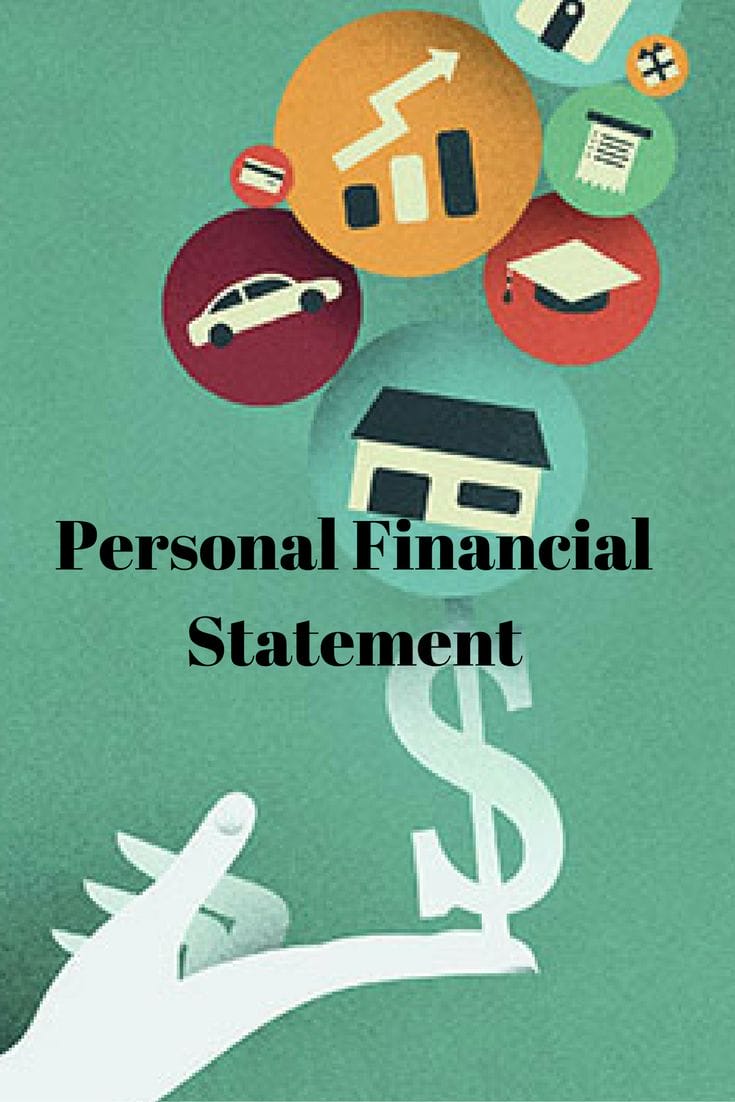
If you want to make your financial goals happen. You need a personal investing statement to help you get there. A personal investing statement is a specific plan on how to reach your investment goals. Putting it in writing makes it more likely that I will attain my goals. You can tell that I live this way because I blog about my monthly goals and my weekly goals.

Personal investing statements keep you on track to reach your goals, especially in “worst case” scenarios. Many people are tempted to pull all of their investments out at the first sign that the market might be headed downward. Instead of changing your investment strategy based on emotions (which are often fallible), you have already planned for every possible situation and can react appropriately.

How to write a personal investing statement:

Plan for both short-term and long-term goals. Include a timeline of when you want to achieve these goals. Update it as situations arise that would change your investment strategy, such as a birth or death in the family, career change, or other momentous life occasion.

Determine how to allocate your investments and how much risk you’re willing to take. Do you want to invest more aggressively or conservatively? Experts suggest you should invest more aggressively when you’re young. Scott Alan Turner of the Financial Rockstar podcast suggests taking your age from the number 110 to figure out a good allocation strategy across stocks and bonds. For example, I am twenty-three; 110-23 = 87, so I want to be invest 87% in stocks and 13% in bonds. Do you want to invest solely in mutual funds or do you want to branch into rental properties as well?

Determine what your values are. Some investors choose to invest solely in American investments, while others choose to invest in the global market. There are similar dilemmas around company’s that have ecologically friendly policies, among other controversial features. That’s something that your investment advisor (or you, if you are self-advising) need to be aware of when looking at potential investments.

Just start writing! This will give you someplace to start! Even if your Personal Investing Statement isn’t perfect, getting started is the biggest part of the battle. You can and should refine over time as your financial priorities change!

Do you have a personal investing statement?


Emilie Burke writer at the Free Financial Advisor
Emilie Burke

Emilie is a prolific blogger, and influencer inspiring millennial women to live financially, physically, and professionally fit lives. She writes about overcoming debt, while balancing trying to eat healthy, stay fit, and have a little fun along the way. She is a politics major turned data engineer who graduated from Princeton University in 2015.  She currently lives in North Carolina with her college sweetheart Casey who is currently stationed at Fort Bragg. She enjoys eating food, cuddling with her dog, and binge watching HGTV.

Filed Under: Investing

Best Free Financial Advice

September 18, 2017 by Emilie Burke Leave a Comment

Growing up, I was never taught about personal finances. Sure, I knew that money could buy you things, but that was the extent of my financial knowledge. When I graduated college, I had to teach myself everything about finances from scratch. Living on a small post-graduate income, I didn’t have lots of money to invest in financial courses and books. Thanks to the wealth of information on the Internet, I didn’t have to! Here is a list of the best free financial advice that I’ve learned in the years since graduating.

Spend less than you earn and get on a written budget.

Before you can become rich, it’s absolutely critical that you spend less money than you earn and get on a written budget. Ideally, you would not want to be living paycheck-to-paycheck but have some extra money in your budget each month.

Minimize debt.

Some people believe that debts such as mortgages and student loans are “good” debt, while some do not. Either way, any debt you have means you owe money to someone else and will (most likely) be paying interest on that debt. The less debt you carry, especially the high interest ones such as credit card debt, the more money you will have to invest. I personally am working towards being 100% debt free.

Save for emergencies.

It’s a fact of life: hard times are going to come. Be prepared for them by saving money in an emergency fund so you won’t have to go into debt to cover the emergency. I was so thankful I had my emergency fund when my car broke down recently. Financial guru Dave Ramsey recommends having $1,000 in your emergency fund ($500 if you’re low income), but I’m personally not comfortable with less than $1,500-$2,500 in a starter emergency fund. My eventual goal, once I pay off debt, is to save 3-6 months’ worth of living expenses in my emergency fund.

Diversify your investments.

When I was younger, I heard an elderly neighbor say something along the lines of “Don’t put all your eggs in one basket.” I always thought it was about just planning on only one outcome, but as I learned more about finances I realized the saying applies for it as well. I’ve heard stories of people who invest entirely into one stock, and when the stock market crashes their investment is entirely wiped out. Spreading your investments across a variety of assets is less risky.

Think long-term with your investments.

You know the saying “Rome wasn’t built in a day”? Well, the same is true for your finances. You won’t become a millionaire overnight, but by investing in retirement funds and mutual funds and thanks to the magic of compound interest, over time you can build up your net worth. I recommend investing 10-15% of your income into retirement and other investment accounts. If you can’t start with that much, start with as much as you can afford, even if it’s just a small amount. If your employer offers a match for a 401(k) or 403(b), I definitely recommend investing the maximum matching amount– otherwise, it’s like turning down free money!

Earn more.

I decided to work part-time in addition to working my full-time job (aka “side hustling”) when I decided I wanted to get out of debt. I love it! It allows me to gain work experience outside of my day job, plus it allows me to pursue something I’m passionate about—writing and inspiring others (through my blog.) Side hustle money can be used for anything from investing to paying off debt to travel.

Money isn’t everything.

Billionaires Warren Buffett and Bill Gates created the Giving Pledge, which encourages other billionaires to give away half of their earnings to charity. Buffett even went so far as to pledge to give away 99% of his wealth in his lifetime or within 10 years after his estate is settled upon his death. I love that idea. As much as I love finances, at the end of the day, it’s just money. You can’t take it with you when you pass away. This is why I believe in giving a portion of your income to charities and others in need.


Interesting posts from friends:

  • Tearra Maris Net Worth
  • Jodie Sweetins Net Worth
Emilie Burke writer at the Free Financial Advisor
Emilie Burke

Emilie is a prolific blogger, and influencer inspiring millennial women to live financially, physically, and professionally fit lives. She writes about overcoming debt, while balancing trying to eat healthy, stay fit, and have a little fun along the way. She is a politics major turned data engineer who graduated from Princeton University in 2015.  She currently lives in North Carolina with her college sweetheart Casey who is currently stationed at Fort Bragg. She enjoys eating food, cuddling with her dog, and binge watching HGTV.

Filed Under: Debt Management, money management, Planning

Make Things Easier With Progressive Homequote Explorer

September 13, 2017 by Emilie Burke Leave a Comment

Progressive Homequote Explorer
This post is sponsored by Progressive.

Buying your first home can be an extremely stressful experience. Having just done it myself, I am pretty sure that I now know why: You don’t know what you don’t know.

For example, when someone is trying to figure out how much home they can afford, they, for example, use mortgage calculators to help them understand what their payments will be at different levels of a home. Mortgage calculators, though, don’t consider the other obligations that go into your mortgage payment. Home insurance is something that you should consider when you are determining how much of a home you can afford.

You Need Home Insurance For Escrow

In the context of a mortgage, escrow items are those you pay the lender in addition to the mortgage that the lender then uses on your behalf to pay those expenses. Most mortgages include escrow items for home insurance, property taxes, and private mortgage insurance (PMI), where applicable.  In many states, insurance is a major component of escrow.  It’s also a component that you can often save money on shopping around to determine your options because by estimating the expenses of the escrow account, you can start to get closer to what the actual monthly mortgage bill will be to determine if it’s manageable for you and your budget.

Until recently though, getting homeowners insurance has been a long and convoluted process.   Advances in technology have recently made this process a lot easier.  An excellent example is Progressive’s new HomeQuote Explorer. I piloted this process and clocked it in at 6 to 7 minutes.

How HomeQuote Explorer Works

The main idea with HomeQuote Explorer is to simplify the application process so that you can have an easier time getting a home insurance quote and immediately be provided additional options from other companies side-by-side.

Getting a home insurance quote using HomeQuote Explorer was pretty easy. In a nutshell, using your address to pre-fill much of the information from the public record, and then following a series of questions supplemented with pictures, you can get multiple home insurance quotes from multiple companies side-by-side.   

HomeQuote Explorer puts you in touch with multiple companies who can offer you a policy once the application is completed – e.g. you’re helped with comparison-shopping for your home insurance.  Comparison-shopping can be tedious and scary. Calling five different companies is not only annoying but it’s really time-consuming. If each call takes 20 minutes, a very conservative estimate, it can take two hours to get five quotes! In the craziness of buying a new home, two hours is a lot of time.

Here is a quick video I did on HomeQuote Explorer to show you how it’s done.


If you’re a bit of a technophobe or find the online process less clear than you’d like, Progressive has experts available to talk you through the whole process. In other words, using HomeQuote Explorer you can still get multiple companies home insurance quotes with the guidance of an expert online or on the phone.

Disadvantages Of The Progressive HomeQuote Explorer

The software isn’t perfect.  You need to enter your email – which presumably puts you on a marketing list even if you don’t decide to buy home insurance through Progressive.   You also need to provide your social security number – which many people do not like.   The choices of providers that the tool offers tend not to be major providers, which means the reputation and quality of the product the companies offer may also not be ones which you may be aware of.

Let’s talk!

  • Were you shocked by your escrow payments the first time you bought a home?
  • Have you given Progressive’s HomeQuote Explorer tool a try?
Emilie Burke writer at the Free Financial Advisor
Emilie Burke

Emilie is a prolific blogger, and influencer inspiring millennial women to live financially, physically, and professionally fit lives. She writes about overcoming debt, while balancing trying to eat healthy, stay fit, and have a little fun along the way. She is a politics major turned data engineer who graduated from Princeton University in 2015.  She currently lives in North Carolina with her college sweetheart Casey who is currently stationed at Fort Bragg. She enjoys eating food, cuddling with her dog, and binge watching HGTV.

Filed Under: Uncategorized Tagged With: Progressive Homequote Explorer

Common Types of Financial Advisers

September 11, 2017 by Emilie Burke 2 Comments

As someone who is passionate about finances, I believe that one of the best investments that anyone can make is in their finances. Although I haven’t yet been to a traditional financial adviser, as my first priority right now is to pay off debt and build my emergency savings, it’s something I definitely want to do in the future. There are many types of financial advisers, so here’s a look at the different types and what makes them different. 

192077549062151-blkrczt6rbz9hpdzp0uh_height640

Certified Public Accountant (CPA)

Certified Public Accountants’ expertise is taxes, so they offer advice on how to prepare taxes, how to invest for college and retirement so you pay the least amount of taxes, and how to prepare your estate so your survivors pay the least amount of taxes.

Certified Financial Planner (CFP)

Certified Financial Planners offer general financial advice on topics such as insurance, retirement, estate planning, taxes, and investing. They are great resources for anything from learning how to pay off debt to managing an estate. Certified Financial Planners must hold a Bachelor’s degree (in the US), complete a specific coursework of financial planning courses, and sit through an exam. Additionally, they must have 3 years of professional experience (or 2 years of a CFP apprenticeship.)

Broker/registered representatives

Most people use the term broker to describe a person who buys and sells stocks, mutual funds, and other investment products, but that’s not entirely the case; brokers are actually the person or company in charge of buying and selling investment products, while the individuals who do the buying and selling are technically known as registered representatives. Registered representatives are required to register with the Securities and Exchange Commission (SEC).

 Investment Adviser

Investment advisers are specialists on all things investing. Some of them charge flat fees or annual fees, while others require a minimum investment. Unlike brokers, who may mention a more expensive product to their clients so they can receive a greater commission, investment advisers have a fiduciary responsibility to offer less expensive products to their clients that meet their needs. Investment advisers who are registered with the SEC are known as Registered Investment Advisers.

Insurance Agent

Insurance agents sell life, auto, property, and other types of insurance and can help clients determine which insurance policy best suits their needs. Some insurance agents exclusively represent one agency, while independent agents sell policies from multiple agencies.

Attorney

Although most people wouldn’t expect to attorneys to be financial advisors (and most aren’t), there are some attorneys who specialize in tax law. Attorneys also prepare important financial documents such as wills and trusts.

Robo-advisor

Since many traditional financial advisors require higher investments and fees, consumers, especially millennial ones, are turning to robo-advisors. Thanks to technology such as developing computer-based algorithms, these websites and apps are able to offer financial advice to users. Examples of robo-advisors are Betterment and Wealthfront. 

Financial coach

Coaching is a relatively new phenomenon that is most popular with millennials. They look at the big picture and how their finances fit into their lifestyle. There are a variety of coaching certifications, but they are not required. Many coaches have degrees in fields such as psychology and social work.

Emilie Burke writer at the Free Financial Advisor
Emilie Burke

Emilie is a prolific blogger, and influencer inspiring millennial women to live financially, physically, and professionally fit lives. She writes about overcoming debt, while balancing trying to eat healthy, stay fit, and have a little fun along the way. She is a politics major turned data engineer who graduated from Princeton University in 2015.  She currently lives in North Carolina with her college sweetheart Casey who is currently stationed at Fort Bragg. She enjoys eating food, cuddling with her dog, and binge watching HGTV.

Filed Under: Investing, money management

10 Best Financial Planning Blogs

September 4, 2017 by Emilie Burke 6 Comments

It used to be that when you wanted to learn something you had a to take a class on it or buy a book on it (or check out of your library), which made the barrier to knowledge high. With the rise of the internet, though, the access to information is plentiful. In fact, Google and other search engines allow you to ask the internet basically any question you’d like and you will almost always get an answer for it. The information is free and you can get it. You know the only problem with that? How do you know that the information is credible?


At the end of the day, it’s not enough to read one article and consider yourself an expert. We must constantly be learning and working to understand more. This is one of my favorite reasons to follow blogs. For subscribing- via email, an RSS feed reader, or or your method of choice- you get provided with information on a weekly basis (or more often?) that can help you continuously learn and grow.

bestfinancialplanningblogs

Because I want to make it easy for you to do that too, here are a list of some of the best financial planning blogs.

  1. USAA Financial Advice Blog. USAA is a financial services company that offers banking, investment planning, and insurance for military members, past and present, and their families. While much of their blog is geared toward military families, there are still many articles that are applicable to civilian families as well.
  2. Dave Ramsey’s Blog. Dave Ramsey is a popular financial author and speaker who is famous for his “Debt Free Screams” on his radio show. A large portion of his blog is dedicated towards articles about getting out of debts and families who have done just that, but it also includes other posts like budgeting and saving money while shopping.
  3. Oblivious Investor. Colorado CPA Mike Piper writes this blog about how to be a successful investor without overwhelming yourself with complicated knowledge.
  4. VTX Capital. Instead of spending thousands of dollars on expensive brokerage fees, VTX Capital offers simple investing and financial coaching for beginners. If you’re not ready to invest in VTX Capital’s services (no pun intended), their blog has some great free advice.
  5. The Reformed Broker. Unlike many financial planning blogs, Joshua M. Brown doesn’t give you financial advice or tell you what to invest in; instead, he offers his thoughts on market-related issues. Josh is an on-air contributor to CNBC’s Halftime Report, so his thoughts on the financial world are legitimate insights instead of just your crazy uncle’s rants (or is that just mine?)
  6. Retirement Researcher. Retirement professor Wade D. Pfau, Ph.D., is an active researcher in retirement strategies, and his blog provides retirement information to both financial planners and do-it-yourselfers.
  7. Nerd’s Eye View by Michael Kitces. Kitces offers thoroughly researched information on his blog that financial advisors and consumers alike can trust. His website offers Certified Fincial Planner Continuing Education credits for site members who read the articles published on Wednesdays.
  8. DealBreaker. DealBreaker updates you on the latest market news, while also throwing in a dash of pop culture. One article I read referenced Leonardo DiCaprio!
  9. CNA Finance. This website offers the latest news on the financial market, specifically information on stocks, written so that the everyday investor can understand the stock market.
  10. Daily Worth. This blog offers money, career, business, and life advice geared specifically towards women.

For more help educating yourself check out these great articles

Your Grandparents & Their Money — What You Can Learn From Them
Financial Planning Basics: The Financial Pyramid
Become a Financial Expert Step-by-Step

Are there any you think I might have missed? Be sure to let me know in the comments!

Emilie Burke writer at the Free Financial Advisor
Emilie Burke

Emilie is a prolific blogger, and influencer inspiring millennial women to live financially, physically, and professionally fit lives. She writes about overcoming debt, while balancing trying to eat healthy, stay fit, and have a little fun along the way. She is a politics major turned data engineer who graduated from Princeton University in 2015.  She currently lives in North Carolina with her college sweetheart Casey who is currently stationed at Fort Bragg. She enjoys eating food, cuddling with her dog, and binge watching HGTV.

Filed Under: Uncategorized

Financial Planning Series – Estate Planning

July 31, 2017 by Emilie Burke Leave a Comment

You may think you’re too young to think about estate planning; or maybe you think it’s not something you need to worry about yet, but the fact is, if you have any assets, you need an estate plan. As you acquire more assets, you’ll need an improved estate plan to make sure your loved ones are taken care of.

In many states, if you pass away without a will, the state will take your assets and let a court decide who should get what. That often takes several years, causing your family financial difficulties until it’s resolved. Here are the steps you should be taking to create an estate plan that will protect your family.

Make a will.

This is non-negotiable and has nothing to do with how much you have. A will directs who will inherit your property, how it will be divided, and if you have young children, it will name a guardian for them if your spouse has passed away as well. Whatever else you do or don’t do with your estate planning, get a will to protect your loved ones. You will also need to name an executor, the person who will handle the distribution of your property and filing tax returns on behalf of your estate. They will also handle any claims from creditors.

Consider a living trust.

You may or may not need a trust, but depending on your assets and the age of your heirs, you may want to consider it. A trust is allows you to put conditions on how and when your assets are to be distributed. For instance, you can state that your children don’t inherit until they are 25 with the exception of educational expenses.

Create a health care directive.

A living will helps you maintain control of the type of medical care you desire. For instance, if you are injured and have severe brain trauma and are declared brain dead, a living will helps the doctors know what you would want them to do for you. Would you want to be kept alive or would you want life support discontinued. In most states, without a health care directive, the doctors or the courts will make the decision which can take a long time, all the while racking up more hospital bills for your family.

Have a power of attorney drawn up.

This will protect your assets if you are incapacitated for a short period of time. If you should injure yourself and you’re unable to take care of your financial responsibilities for a short time, the POA will allow the person you direct to pay your bills from your account for you.

Write a letter.

Wills do not usually allow for funeral arrangements or other personal requests. Write a letter to your family letting them know your final wishes, like the type of funeral you would like, and give it to a trusted friend or keep it in a lock box with your will. Be sure to let someone know where it is.

Speak to a tax attorney or accountant.

Be sure you know the tax laws about inheritance and get professional help to ensure that your heirs will be able to avoid paying estate taxes.

File beneficiary forms.

Your bank and/or investment accounts should have a beneficiary form that you can fill out, designating who should receive the funds. This will allow your heirs to access those funds quicker, without having to go through probate. Many banks have a “pay on death” form that is similar to a beneficiary form which allows your heir to simply transfer the account holder to themselves.

Last, but not least, in this day and age you will also need to consider digital files. Keep a list of your accounts and passwords so your family will be able to easily access your online accounts and close them out without hassle.

Planning for your death is something we’d all prefer not to think about, but sooner or later, we will all pass away and isn’t it more comforting to know that your family will be taken care of.

Emilie Burke writer at the Free Financial Advisor
Emilie Burke

Emilie is a prolific blogger, and influencer inspiring millennial women to live financially, physically, and professionally fit lives. She writes about overcoming debt, while balancing trying to eat healthy, stay fit, and have a little fun along the way. She is a politics major turned data engineer who graduated from Princeton University in 2015.  She currently lives in North Carolina with her college sweetheart Casey who is currently stationed at Fort Bragg. She enjoys eating food, cuddling with her dog, and binge watching HGTV.

Filed Under: Planning

Financial Planning Series: Retirement Planning

July 24, 2017 by Emilie Burke 2 Comments

Retirement planning can be a bit confusing, trying to figure out what you will need and how to plan when you’re not even sure yet what your lifestyle will be and how long you will need to live on savings. But there are two things you can know for sure … first, you are never too old or too young to start planning and second, you will definitely need a retirement plan.

Knowing those two things, it may surprise you to also know that less than half of all Americans have taken the time and steps to start saving for retirement and that 30% of people who work in private industry and have access to a 401K or other savings plan do not participate. Considering that the average American lives in retirement for about 20 years and Social Security is not guaranteed, it’s time to take retirement planning seriously.

Here are some tips for getting started:

Start saving and keep saving.

If you’ve already started saving, great! If not, it’s time to work a savings plan into your monthly budget. Look for savings options that pay interest, are tax-free, and keep your money out of easy access. You don’t want to be tempted to dip into your savings.


Calculate what you need as best as you can.

Experts estimate that you will need at least 70% of your preretirement income annually to live if you’re making a 6-figure income. If you’re making less, you’ll need closer to 90% of your income to maintain your lifestyle. That is based on your home being paid off. If you’ll still have a mortgage in retirement, you’ll need to plan for 100% of your preretirement income. Keep in mind that your medical expenses will likely increase in retirement as well.


Determine how you will meet those expenses.

Include your pension, investments, Social Security, and any income you will continue to receive like payments from rental properties. If you’re not sure what you can expect to receive from Social Security, request a copy of your benefits estimator from the Social Security website. On average, you can expect to receive 40% of what you earned before retirement based on your seven highest-paid years. Your benefits will vary though depending on when you take benefits, so that’s important to calculate when determining when you plan to retire. You will receive fewer benefits if you start taking them at 62 than if you hold out and take them at 65.


Now that you know what income you can expect to receive after your paychecks stop, you’ll need to fill the gap with your savings. Knowing how much you will need to live on for at least 20 years and how much you will have coming in, you should be able to figure out what you’ll need to fund your retirement nest egg.

Planning for retirement doesn’t have to be confusing; it just involves a few calculations. Calculate your expected expenses and your expected income for the years you plan to live in retirement, determine the difference, then make a plan to start saving so you reach your savings goal before you reach retirement.


Emilie Burke writer at the Free Financial Advisor
Emilie Burke

Emilie is a prolific blogger, and influencer inspiring millennial women to live financially, physically, and professionally fit lives. She writes about overcoming debt, while balancing trying to eat healthy, stay fit, and have a little fun along the way. She is a politics major turned data engineer who graduated from Princeton University in 2015.  She currently lives in North Carolina with her college sweetheart Casey who is currently stationed at Fort Bragg. She enjoys eating food, cuddling with her dog, and binge watching HGTV.

Filed Under: Planning

  • « Previous Page
  • 1
  • 2
  • 3
  • 4
  • 5
  • Next Page »

Follow Us

Search this site:

Recent Posts

  • Can My Savings Account Affect My Financial Aid? by Tamila McDonald
  • 12 Ways Gen X’s Views Clash with Millennials… by Tamila McDonald
  • What Advantages and Disadvantages Are There To… by Jacob Sensiba
  • 10 Tactics for Building an Emergency Fund from Scratch by Vanessa Bermudez
  • Call 911: Go To the Emergency Room Immediately If… by Stephen Kanaval
  • 7 Weird Things You Can Sell Online by Tamila McDonald
  • 10 Scary Facts About DriveTime by Tamila McDonald

Copyright © 2026 · News Pro Theme on Genesis Framework