• Home
  • About Us
  • Getting Finances Done
    • Hiring Advisors
    • Debt Management
    • Spending Plan
  • Insurance
    • Life Insurance
    • Health Insurance
    • Disability Insurance
    • Homeowners/Renters Insurance
  • Contact Us
  • Our Editorial Commitment

The Free Financial Advisor

You are here: Home / Archives for treasury yields

Bond Yields Are Surging Again — What That Means for Savings Accounts, Loans and 401(k)s

September 16, 2026 by Brandon Marcus Leave a Comment

Bond Yields Are Surging Again — What That Means for Savings Accounts, Loans and 401(k)s
Bond yields recently climbed above 5%, creating potential opportunities for savers while putting upward pressure on borrowing costs and adding volatility to bond and stock investments in 401(k) accounts – Shutterstock

Bond yields are surging again, and that movement reaches far beyond Wall Street. The 10-year Treasury yield climbed above 5% on September 15, reaching about 5.04%, its highest level since 2007, as investors reacted to inflation concerns, higher oil prices and worries about government borrowing.

That matters because Treasury yields help set the tone for many other interest rates. A rising yield can create opportunities for savers while making life more expensive for borrowers, and it can even shake up what happens inside a 401(k). The financial world loves complicated vocabulary, but the basic idea is surprisingly simple: when the bond market moves, household money can feel the ripple.

Why a Rising Bond Yield Matters to Regular Households

A bond yield represents the return investors can demand from a bond at its current price, and bond prices and yields generally move in opposite directions. When investors demand higher yields, existing bonds typically lose value because newer bonds can offer more attractive returns.

The 10-year Treasury receives particular attention because investors use it as a benchmark for many longer-term financial products, including mortgages and other forms of borrowing. Rising yields can signal concerns about inflation, economic growth, government borrowing or the future path of interest rates, and the current jump has reflected several of those concerns at once.

Savings Accounts Could Get More Interesting

Higher bond yields can create a more competitive environment for savers, but a Treasury yield does not automatically determine what a bank pays on a savings account. Banks consider their own funding needs, competition and broader interest-rate conditions when setting deposit rates, which explains why one bank can offer a much better rate than another even during the same market environment.

That creates a useful reason to check where cash sits, especially for money that needs to remain accessible rather than invested in the stock market. A household that keeps a large emergency fund in a low-paying traditional savings account could miss an opportunity to earn more elsewhere, while a high-yield savings account or other appropriate cash option may offer a more competitive return without requiring stock-market risk. Current high-yield savings offers can reach around 4.50%, although rates vary and can change.

Loans Can Become More Expensive

Borrowers usually feel the less charming side of rising yields because higher market rates can push borrowing costs upward. Mortgage rates, auto loans and other consumer financing can respond to broader market conditions, although each loan carries its own pricing factors and does not simply copy the 10-year Treasury yield.

That distinction matters for anyone shopping for a home or car right now because a higher benchmark can raise the cost of financing even when the Federal Reserve has not just announced a matching rate increase. Existing borrowers with fixed-rate loans generally do not see their rate change simply because Treasury yields climbed, but people seeking new financing or refinancing may face different quotes. A borrower who focuses only on the monthly payment can miss the bigger cost hiding in the interest rate.

Your 401(k) Could Feel the Bond Market Move

A 401(k) does not automatically lose money whenever bond yields rise, but the investment choices inside the account can react very differently. Bond funds and other fixed-income investments generally face price pressure when yields climb because older bonds become less attractive compared with newly issued bonds carrying higher yields.

Stocks can also feel pressure because higher bond yields give investors a more attractive alternative to riskier assets and can raise financing costs for companies. That does not mean a worker should suddenly sell investments because Treasury yields crossed a particular threshold, especially since a 401(k) usually serves a long-term goal rather than a short-term trading account. Instead, the move provides a useful reason to check whether the account still matches the intended mix of stocks, bonds and other investments.

The Smart Money Move May Be Paying Attention, Not Panicking

Rising yields create a financial tug-of-war that can benefit one part of a household budget while hurting another. Someone with substantial cash may welcome better savings opportunities, while someone shopping for a mortgage could wish the bond market would take a very long vacation. Meanwhile, a retirement account can experience both bond-market losses and stock-market volatility depending on its investments.

The practical response starts with knowing which side of the equation matters most personally. Savers can compare deposit rates, borrowers can shop financing offers rather than accepting the first quote, and retirement investors can review their allocation without making a dramatic move based on one market headline. With the 10-year Treasury yield recently moving above 5%, the bond market deserves attention, but a single yield level should not dictate an entire financial plan.

Could rising bond yields change how you save, borrow or invest over the next few months?

You May Also Like…

7 Things to Check Before Trusting an Investment Advisor You Found Online

What Young People Need To Know About Investing Volatility

How To Start Your 2026 Investing Journey With A Bang

The State That Gives Newborns $3,200 to Build Wealth: Inside Connecticut’s First-in-the-Nation “Baby Bonds”

7 Bank-Safety Red Flags Emerging After FDIC Banks Posted $90.1B in Quarterly Profits

Brandon Marcus
Brandon Marcus

Brandon Marcus is a writer who has been sharing the written word since a very young age. His interests include sports, history, pop culture, and so much more. When he isn’t writing, he spends his time jogging, drinking coffee, or attempting to read a long book he may never complete.

Filed Under: Personal Finance Tagged With: 401(k), bond yields, federal reserve, interest rates, investing, loans, mortgages, Personal Finance, savings accounts, treasury yields

Treasury Yields Are Rising. Why Should Someone Who Doesn’t Own a Treasury Care?

September 1, 2026 by Brandon Marcus Leave a Comment

Treasury Yields Are Rising. Why Should Someone Who Doesn’t Own a Treasury Care?
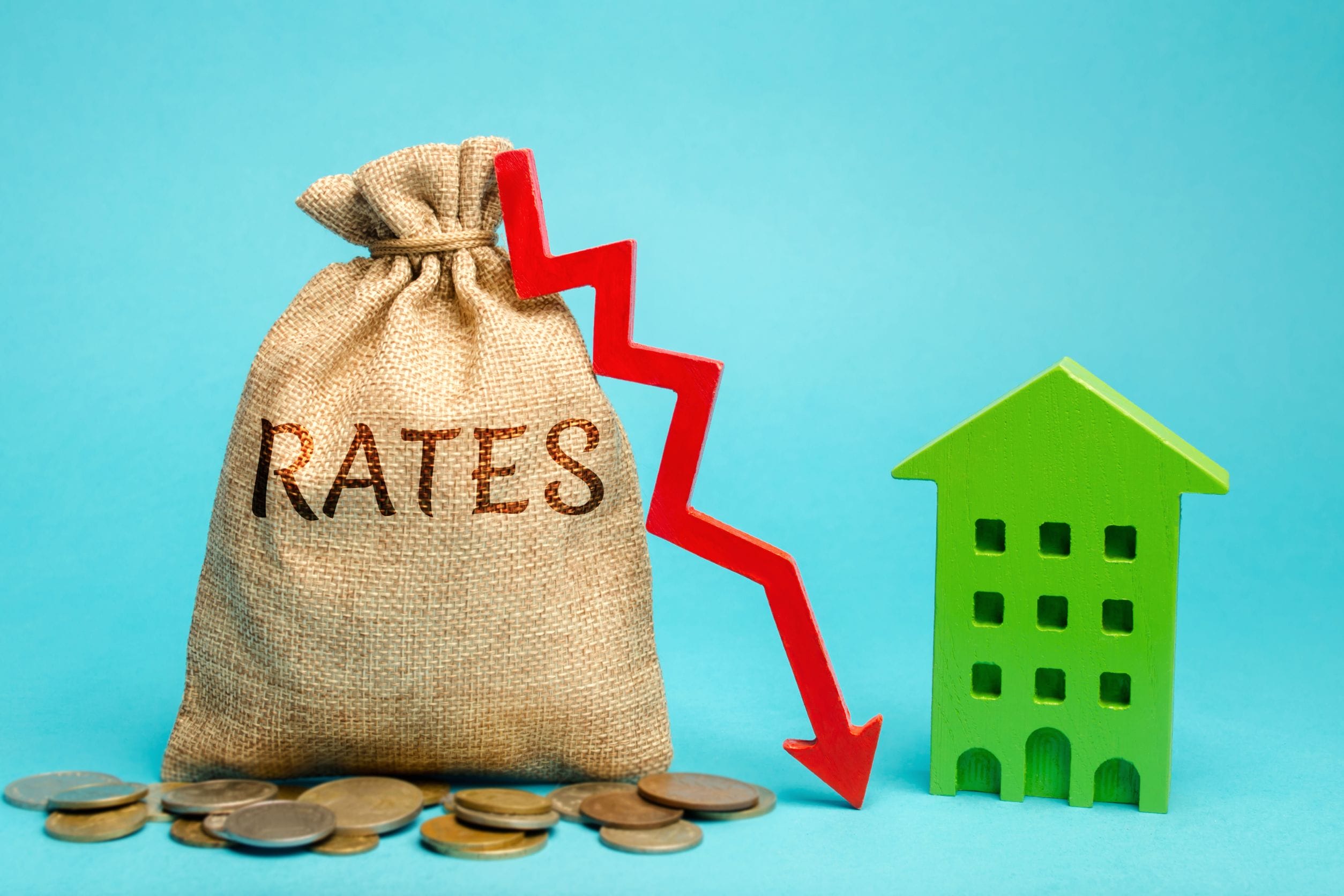
Rising Treasury yields can influence mortgage rates, borrowing costs, stock valuations and savings returns, making the bond market relevant to everyday finances – Shutterstock

Treasury yields have become one of those financial phrases that can make a normal day sound like a graduate seminar. Yet the movement matters even if a Treasury bond has never appeared on your list, because Treasury yields help set borrowing costs across the economy. When yields rise, mortgages, business financing, investments and savings can all feel the change.

That does not mean every loan rate moves with a Treasury yield.  But it means the bond market can quietly change the financial landscape underneath everyday decisions, sometimes before anyone notices. Knowing where that ripple reaches can make the headline much less mysterious.

Treasury Yields Help Set the Price of Money

Treasury securities carry very little credit risk because the U.S. government backs them, so investors often use their yields as reference points for other investments and loans. When Treasury yields rise, other investments may need to offer higher returns to attract buyers. The Federal Reserve reports that Treasury yields have risen this year, alongside increases in several other long-term debt yields.

That connection matters to someone shopping for a home, even without buying a bond. The 10-year Treasury yield often serves as a benchmark for long-term interest rates, including mortgages, although lenders add spreads based on risk and market conditions. So a rising Treasury yield can push mortgage rates higher without determining the exact rate a borrower receives.

The Monthly Budget Can Feel the Ripple

Consider someone planning to replace a car, refinance debt, or buy a house next year. If market rates rise, that purchase can cost more to finance even though the buyer never touches a Treasury. Banks and lenders consider market funding costs, borrower risk and broader financial conditions when setting rates.

Mortgages offer an obvious example, but the effect can reach businesses too. Higher long-term Treasury yields can raise financing costs for companies, potentially making expansion and major purchases more expensive. Reuters recently reported that rising Treasury yields have pushed borrowing costs higher for households, companies and the federal government. That does not guarantee higher rates on every loan, but it can make cheap financing harder to find.

Stocks Have Reasons to Pay Attention

Treasury yields also matter to people whose biggest investment sits inside a retirement account rather than a bond account. When government debt offers a more attractive return, investors may demand a better potential payoff before accepting stock-market risk. Higher yields can also raise corporate borrowing costs and reduce the value investors place on profits expected years into the future.

That combination can pressure stock prices, particularly for companies that depend heavily on future growth. It does not mean a rising Treasury yield automatically sends stocks tumbling, because earnings and other economic forces can offset rate pressure. For retirement savers, the practical lesson involves resisting dramatic portfolio moves every time the 10-year yield makes financial headlines. A diversified portfolio can absorb plenty of market noise without requiring a panic button.

Savers May Get a Silver Lining

Higher interest rates can offer a benefit to people who keep cash in savings accounts, money market accounts, or CDs. Banks compete for deposits, and higher market rates can encourage some institutions to offer better returns on cash. The relationship does not work instantly, so a bank can leave its savings rate unchanged while broader market rates move.

That gives cash holders a reason to pay attention without becoming full-time bond-market watchers. Someone with a sizable cash balance can compare savings and CD rates instead of automatically accepting the current bank’s offer. Higher yields can also make cash and high-quality fixed-income investments more competitive with stocks for income. The goal is not to chase the highest advertised rate, but to earn a reasonable return while keeping the access and safety that the money requires.

The Yield Headline Tells a Bigger Story

Rising Treasury yields can reflect inflation concerns, Federal Reserve expectations, economic growth, government borrowing and demand for Treasury securities. Recent market moves have reflected inflation and energy-price worries alongside expectations that the Federal Reserve could keep rates higher for longer. That makes the direction of yields more useful than any single headline number.

For households, the smartest response rarely involves predicting the bond market. Instead, watch the areas that connect directly to personal finances: mortgage rates, refinancing offers, auto loans, savings yields and retirement investments. Someone planning a major purchase can leave room in the budget rather than assuming today’s financing terms will stick around. Treasury yields may sound distant, but they can influence the price of money long before a borrower signs a loan agreement.

The Bond Market Is Far Away, But Your Wallet Isn’t

A Treasury yield is not a mortgage rate or savings rate, yet it can influence both because it helps establish a baseline for returns across financial markets. That makes rising yields worth watching even for people who have never owned a Treasury security. The sensible response involves monitoring borrowing costs and cash returns, not reacting to every market headline. The bond market may operate far from the kitchen table, but its decisions can still show up in the household budget. In other words, Treasury yields may never appear on a personal balance sheet, but their influence can still find its way there.

Could rising Treasury yields change the way you handle a mortgage, savings account or investment portfolio this year? Share your thoughts in the comments.

You May Also Like…

Treasury Proposes New Stablecoin Rules Under GENIUS Act — Here’s Who Could Be Affected

Treasury Department Has a Troubling Update for Every American Taxpayer

At 55, Should You Still Be Investing Like You’re 35?

The Investment You’ve Owned for 20 Years Is Up 800%. Is That a Reason to Keep It — or Sell It?

Here’s What Your Financial Advisor Isn’t Telling You About Investing in 2026

Brandon Marcus
Brandon Marcus

Brandon Marcus is a writer who has been sharing the written word since a very young age. His interests include sports, history, pop culture, and so much more. When he isn’t writing, he spends his time jogging, drinking coffee, or attempting to read a long book he may never complete.
Filed Under: Lifestyle Tagged With: federal reserve, interest rates, investing, mortgages, Personal Finance, savings, Treasury bonds, treasury yields

The Window Is Narrowing: Why Locking In a 4% Yield Still Makes Sense Before Markets Shift

March 13, 2026 by Brandon Marcus Leave a Comment

The Window Is Narrowing: Why Locking In a 4% Yield Still Makes Sense Before Markets Shift
Image Source: Unsplash.com

The clock isn’t striking midnight just yet, but the market is definitely glancing at its watch. Right now, investors have a chance to lock in yields around 4% — a level that hasn’t always been easy to find over the past decade. And while there’s no official Fed deadline, the central bank’s upcoming meetings and shifting economic signals mean this window may not stay open forever.

Yields move fast, and when they change, they don’t send a courtesy text first. Acting while the market is offering attractive rates can make the difference between a portfolio that hums and one that limps along wishing it had moved sooner.

Why 4% Still Feels Like a Prize

A 4% yield may not sound flashy, but in a world where inflation has cooled and volatility still lurks, it’s a sweet spot. It’s high enough to beat inflation, low enough to avoid unnecessary risk, and stable enough to anchor a portfolio. Treasuries, CDs, and high‑yield savings accounts have all hovered near this level, giving conservative investors a rare moment of breathing room.

The catch is that yields don’t sit still. They rise and fall based on expectations for Federal Reserve policy, inflation data, and economic momentum. When the Fed signals it may cut rates later in the year — something markets have been speculating about — yields often drift downward before the Fed actually moves. That means the opportunity to lock in 4% can disappear long before any official announcement. In other words, the market doesn’t wait for the Fed’s press conference. It moves on whispers, hints, and economic tea leaves.

How the Fed Actually Shapes This Opportunity

The Federal Reserve doesn’t set Treasury yields directly, but it absolutely influences them. When the Fed raises or holds rates, yields tend to stay elevated. When the Fed hints at cuts, yields often fall in anticipation. Investors reposition, banks adjust their offerings, and suddenly that 4% CD or Treasury bill doesn’t look so common anymore.

With each Fed meeting — including the one coming up in March — traders reassess expectations. If inflation continues cooling or economic growth slows, markets may price in future rate cuts. And once that happens, yields can slide quickly. This is why investors talk about “locking in” yields. It’s not about beating a deadline on the calendar — it’s about staying ahead of the market’s next move.

Where You Can Still Capture a 4% Yield

The good news is that 4% is still on the table in several places. If you are looking to hold onto a yield that’s at 4%, here are some of the places you should be looking:

Treasury bills: Short‑term Treasuries often hover near this level, offering safety backed by the U.S. government.

Certificates of deposit (CDs): Many banks still offer promotional CDs around 4%, especially for 6‑ to 12‑month terms.

Money market funds: Some remain above 4%, though these rates can drop quickly if the Fed shifts policy.

High‑yield savings accounts: A few are still in the 4% range, but these are variable and can change overnight.

Investors who want stability often use laddering, also known as spreading money across multiple maturities, to capture today’s rates while staying flexible and ready for tomorrow’s. This approach mitigates risk from sudden rate changes and provides access to capital at intervals, ensuring that funds are not locked in entirely if rates rise further.

The Window Is Narrowing: Why Locking In a 4% Yield Still Makes Sense Before Markets Shift
Image Source: Shutterstock.com

Mistakes That Can Cost You

The biggest mistake is waiting too long. Investors sometimes hold out for a slightly higher yield, only to watch rates fall and never return. Another common misstep is ignoring the fine print: early‑withdrawal penalties, minimum balances, or teaser rates that vanish after a few months. Chasing exotic products for an extra fraction of a percent can also backfire. Simple, safe vehicles like Treasuries and CDs often outperform complicated alternatives once fees and risks are factored in.

The key is preparation and speed, because the moment to lock in this 4% yield is fleeting, and hesitation can mean watching the window close without acting.

Why Acting Now Still Makes Sense

Locking in a 4% yield today isn’t about panic — it’s about positioning. If the Fed eventually cuts rates, yields will likely drift lower. If the Fed holds steady, you’ve still secured a solid return. And if inflation surprises to the upside, you’ve locked in a rate that protects your purchasing power.

There’s also a psychological benefit: certainty. Knowing part of your portfolio is earning a predictable return frees you to make smarter decisions with the rest of your money.

Hold Onto Your 4% Yield

There’s no official deadline. No secret Fed cutoff. No ticking time bomb. But there is a market that moves quickly, and a Federal Reserve whose decisions ripple through yields long before they’re announced. That makes now a smart moment to consider locking in a 4% return while it’s still widely available. Opportunities like this don’t last forever. Acting with clarity and speed can turn today’s yield environment into tomorrow’s financial stability.

How would you position your portfolio to take advantage of today’s rates before the market shifts again? Jot down all your thoughts or strategies in the comments.

You May Also Like…

5 Moves to Make Before the Federal Reserve Cuts Rates Again in 2026

The Interest Rate Cliff Explained: One Day You’re Fine, the Next Day You’re Broke

Ground Ambulance Bills Still Fall Outside Federal Surprise Billing Protections

Why Credit Card APRs Only Dropped 0.35% Even After Three Fed Rate Cuts in 2025

6 Retirement Plans That Kick You Off Federal Aid Without Notice

Brandon Marcus
Brandon Marcus

Brandon Marcus is a writer who has been sharing the written word since a very young age. His interests include sports, history, pop culture, and so much more. When he isn’t writing, he spends his time jogging, drinking coffee, or attempting to read a long book he may never complete.

Filed Under: Finance Tagged With: 4% yield, bonds, federal reserve, fixed income, interest rates, investing strategy, investment opportunities, Market timing, money management, Planning, portfolio strategy, savings, treasury yields

Follow Us

Search this site:

Recent Posts

  • Can My Savings Account Affect My Financial Aid? by Tamila McDonald
  • 12 Ways Gen X’s Views Clash with Millennials… by Tamila McDonald
  • What Advantages and Disadvantages Are There To… by Jacob Sensiba
  • 10 Tactics for Building an Emergency Fund from Scratch by Vanessa Bermudez
  • Call 911: Go To the Emergency Room Immediately If… by Stephen Kanaval
  • 7 Weird Things You Can Sell Online by Tamila McDonald
  • 10 Scary Facts About DriveTime by Tamila McDonald

Copyright © 2026 · News Pro Theme on Genesis Framework