• Home
  • About Us
  • Toolkit
  • Getting Finances Done
    • Hiring Advisors
    • Debt Management
    • Spending Plan
  • Insurance
    • Life Insurance
    • Health Insurance
    • Disability Insurance
    • Homeowners/Renters Insurance
  • Contact Us
  • Privacy Policy
  • Risk Tolerance Quiz

The Free Financial Advisor

You are here: Home / Archives for Market timing

The Window Is Narrowing: Why Locking In a 4% Yield Still Makes Sense Before Markets Shift

March 13, 2026 by Brandon Marcus Leave a Comment

The Window Is Narrowing: Why Locking In a 4% Yield Still Makes Sense Before Markets Shift

Image Source: Unsplash.com

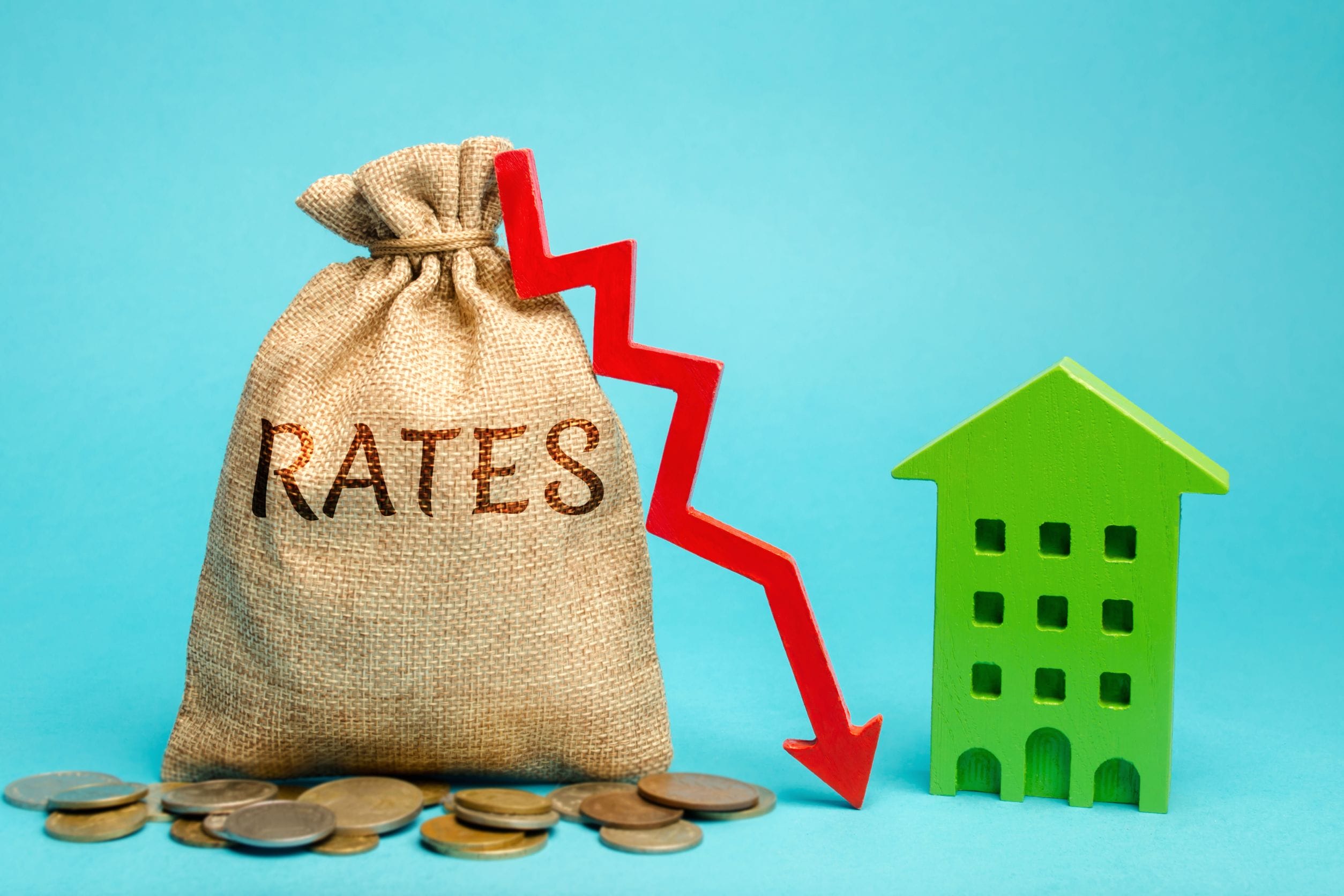
The clock isn’t striking midnight just yet, but the market is definitely glancing at its watch. Right now, investors have a chance to lock in yields around 4% — a level that hasn’t always been easy to find over the past decade. And while there’s no official Fed deadline, the central bank’s upcoming meetings and shifting economic signals mean this window may not stay open forever.

Yields move fast, and when they change, they don’t send a courtesy text first. Acting while the market is offering attractive rates can make the difference between a portfolio that hums and one that limps along wishing it had moved sooner.

Why 4% Still Feels Like a Prize

A 4% yield may not sound flashy, but in a world where inflation has cooled and volatility still lurks, it’s a sweet spot. It’s high enough to beat inflation, low enough to avoid unnecessary risk, and stable enough to anchor a portfolio. Treasuries, CDs, and high‑yield savings accounts have all hovered near this level, giving conservative investors a rare moment of breathing room.

The catch is that yields don’t sit still. They rise and fall based on expectations for Federal Reserve policy, inflation data, and economic momentum. When the Fed signals it may cut rates later in the year — something markets have been speculating about — yields often drift downward before the Fed actually moves. That means the opportunity to lock in 4% can disappear long before any official announcement. In other words, the market doesn’t wait for the Fed’s press conference. It moves on whispers, hints, and economic tea leaves.

How the Fed Actually Shapes This Opportunity

The Federal Reserve doesn’t set Treasury yields directly, but it absolutely influences them. When the Fed raises or holds rates, yields tend to stay elevated. When the Fed hints at cuts, yields often fall in anticipation. Investors reposition, banks adjust their offerings, and suddenly that 4% CD or Treasury bill doesn’t look so common anymore.

With each Fed meeting — including the one coming up in March — traders reassess expectations. If inflation continues cooling or economic growth slows, markets may price in future rate cuts. And once that happens, yields can slide quickly. This is why investors talk about “locking in” yields. It’s not about beating a deadline on the calendar — it’s about staying ahead of the market’s next move.

Where You Can Still Capture a 4% Yield

The good news is that 4% is still on the table in several places. If you are looking to hold onto a yield that’s at 4%, here are some of the places you should be looking:

Treasury bills: Short‑term Treasuries often hover near this level, offering safety backed by the U.S. government.

Certificates of deposit (CDs): Many banks still offer promotional CDs around 4%, especially for 6‑ to 12‑month terms.

Money market funds: Some remain above 4%, though these rates can drop quickly if the Fed shifts policy.

High‑yield savings accounts: A few are still in the 4% range, but these are variable and can change overnight.

Investors who want stability often use laddering, also known as spreading money across multiple maturities, to capture today’s rates while staying flexible and ready for tomorrow’s. This approach mitigates risk from sudden rate changes and provides access to capital at intervals, ensuring that funds are not locked in entirely if rates rise further.
The Window Is Narrowing: Why Locking In a 4% Yield Still Makes Sense Before Markets Shift

Image Source: Shutterstock.com

Mistakes That Can Cost You

The biggest mistake is waiting too long. Investors sometimes hold out for a slightly higher yield, only to watch rates fall and never return. Another common misstep is ignoring the fine print: early‑withdrawal penalties, minimum balances, or teaser rates that vanish after a few months. Chasing exotic products for an extra fraction of a percent can also backfire. Simple, safe vehicles like Treasuries and CDs often outperform complicated alternatives once fees and risks are factored in.

The key is preparation and speed, because the moment to lock in this 4% yield is fleeting, and hesitation can mean watching the window close without acting.

Why Acting Now Still Makes Sense

Locking in a 4% yield today isn’t about panic — it’s about positioning. If the Fed eventually cuts rates, yields will likely drift lower. If the Fed holds steady, you’ve still secured a solid return. And if inflation surprises to the upside, you’ve locked in a rate that protects your purchasing power.

There’s also a psychological benefit: certainty. Knowing part of your portfolio is earning a predictable return frees you to make smarter decisions with the rest of your money.

Hold Onto Your 4% Yield

There’s no official deadline. No secret Fed cutoff. No ticking time bomb. But there is a market that moves quickly, and a Federal Reserve whose decisions ripple through yields long before they’re announced. That makes now a smart moment to consider locking in a 4% return while it’s still widely available. Opportunities like this don’t last forever. Acting with clarity and speed can turn today’s yield environment into tomorrow’s financial stability.

How would you position your portfolio to take advantage of today’s rates before the market shifts again? Jot down all your thoughts or strategies in the comments.

You May Also Like…

5 Moves to Make Before the Federal Reserve Cuts Rates Again in 2026

The Interest Rate Cliff Explained: One Day You’re Fine, the Next Day You’re Broke

Ground Ambulance Bills Still Fall Outside Federal Surprise Billing Protections

Why Credit Card APRs Only Dropped 0.35% Even After Three Fed Rate Cuts in 2025

6 Retirement Plans That Kick You Off Federal Aid Without Notice

Brandon Marcus
Brandon Marcus

Brandon Marcus is a writer who has been sharing the written word since a very young age. His interests include sports, history, pop culture, and so much more. When he isn’t writing, he spends his time jogging, drinking coffee, or attempting to read a long book he may never complete.

Filed Under: Finance Tagged With: 4% yield, bonds, federal reserve, fixed income, interest rates, investing strategy, investment opportunities, Market timing, money management, Planning, portfolio strategy, savings, treasury yields

6 Financial Questions Advisors Wish Clients Would Stop Asking

August 27, 2025 by Travis Campbell Leave a Comment

money help

Image source: pexels.com

Financial advisors hear a lot of the same questions from clients. While asking questions is important, certain ones just aren’t useful or don’t have a straightforward answer. These financial questions can waste time or even lead to confusion. Advisors want to guide clients to better financial decisions, but some topics simply don’t have a “right” answer. Understanding which questions to avoid can make your meetings with an advisor more productive. If you want to get the most out of your relationship, it helps to know which financial questions advisors wish clients would stop asking.

1. What’s the Next Hot Stock?

One of the most common financial questions clients ask is about the next big stock pick. They want to know which company will explode in value. The problem? No one can predict the future of the stock market with certainty. Even seasoned professionals who study the markets all day can’t consistently pick winners. Chasing after the “next hot stock” often leads to disappointment and unnecessary risk.

Instead, focus on building a diversified investment portfolio that matches your goals and risk tolerance. Long-term growth comes from patience, not guessing the next big thing.

2. How Much Will I Need to Retire?

This financial question sounds simple, but it’s actually incredibly complex. There’s no magic number that works for everyone. Your retirement needs depend on your lifestyle, health, location, and even unexpected life events. Some clients want a quick answer, but a responsible advisor will ask about your goals, current savings, and spending habits before even attempting an estimate.

Rather than seeking a single dollar amount, work with your advisor to create a flexible retirement plan. This plan should be reviewed and updated as your situation changes.

3. Can You Guarantee I Won’t Lose Money?

Another financial question that makes advisors cringe is the request for guarantees. No legitimate investment advisor can promise you won’t lose money. All investments carry some level of risk. Anyone making guarantees is either misinformed or not being honest with you.

It’s essential to recognize that risk and reward are inextricably linked. The best an advisor can do is help you manage risk and make choices that suit your comfort level. If you’re looking for truly risk-free options, you’re probably limited to things like FDIC-insured savings accounts, which typically offer low returns.

4. Should I Take Money Out When the Market Drops?

During market downturns, clients often panic and ask if they should pull out their investments. This financial question is understandable—losing money never feels good. However, selling when the market is down often locks in losses and can hurt your long-term returns. Advisors know that markets go through cycles. Historically, staying invested through the tough times has led to better outcomes.

Instead of reacting emotionally, talk with your advisor about your investment strategy and whether it still fits your goals. If you have a solid plan, sticking with it is usually the best move.

5. Can You Help Me Beat the Market?

Many clients hope their advisor can help them outperform the market year after year. This is one of those financial questions that sets unrealistic expectations. Even top professionals rarely beat the market consistently. In fact, many actively managed funds fail to outperform simple index funds over the long haul.

Rather than focusing on beating the market, ask your advisor how to reach your financial goals with an appropriate mix of investments. Managing your emotions, costs, and risk is more important than chasing returns.

6. When Will Interest Rates Go Up (or down)?

Clients love to ask about the future of interest rates. This financial question is challenging because rates depend on numerous unpredictable factors, including the economy, government policy, and even global events. Advisors can share current trends, but they can’t predict exactly when rates will change.

If you’re concerned about how interest rates impact your investments or loans, consult your advisor about strategies for managing various scenarios.

How to Get the Most from Your Advisor

Focusing on the right financial questions can make your advisor relationship much more valuable. Instead of asking for predictions or guarantees, try to understand the bigger picture. Ask about building a plan that adapts to your life changes and helps you stay on track. The best questions are about your goals, values, and how to handle life’s uncertainty—not about quick wins or easy answers. Remember, financial advisors want to help you succeed, not just tell you what you want to hear.

What questions do you wish you could ask a financial advisor? Share your thoughts in the comments below!

What to Read Next…

10 Financial Questions That Could Reveal You’re Being Advised Poorly

9 Things You Should Never Tell a Financial Planner

10 Questions Bad Financial Advisors Are Afraid You May Ask Them

Travis Campbell
Travis Campbell

Travis Campbell is a digital marketer/developer with over 10 years of experience and a writer for over 6 years. He holds a degree in E-commerce and likes to share life advice he’s learned over the years. Travis loves spending time on the golf course or at the gym when he’s not working.

Filed Under: Financial Advisor Tagged With: client advice, financial advisor, financial questions, investing, Market timing, retirement planning, Risk management

FOLLOW US

Search this site:

Recent Posts

  • Can My Savings Account Affect My Financial Aid? by Tamila McDonald
  • 12 Ways Gen X’s Views Clash with Millennials… by Tamila McDonald
  • What Advantages and Disadvantages Are There To… by Jacob Sensiba
  • Call 911: Go To the Emergency Room Immediately If… by Stephen Kanaval
  • 10 Tactics for Building an Emergency Fund from Scratch by Vanessa Bermudez
  • 7 Weird Things You Can Sell Online by Tamila McDonald
  • 10 Scary Facts About DriveTime by Tamila McDonald

Copyright © 2026 · News Pro Theme on Genesis Framework