• Home
  • About Us
  • Toolkit
  • Getting Finances Done
    • Hiring Advisors
    • Debt Management
    • Spending Plan
  • Insurance
    • Life Insurance
    • Health Insurance
    • Disability Insurance
    • Homeowners/Renters Insurance
  • Contact Us
  • Risk Tolerance Quiz
  • Our Editorial Commitment

The Free Financial Advisor

You are here: Home / Archives for language

9 English Tongue-Twisters That Could Trip Up a Native Speaker

November 16, 2025 by Travis Campbell Leave a Comment

talking
Image source: shutterstock.com

People commonly believe tongue-twisters exist only for children and professional voice artists, yet native English speakers also struggle with these phrases. The specific sound patterns in the English language reveal the difficulty in pronouncing words correctly. The attempt to speak quickly through a tongue-twister will transform any speaker into someone who speaks in mumbled words. English tongue-twisters serve two purposes by entertaining people while helping them develop their pronunciation skills and listening abilities. The following nine examples will determine your English language abilities regardless of your birthplace.

1. She Sells Seashells

This is the classic English tongue-twister everyone tries at least once. The string of “sh” and “s” sounds forces your tongue to move in tiny, fast shifts. Even native speakers start slurring around the third repetition. The trick is to slow down just enough to separate each hiss.

Interestingly, this twister has a story behind it. It’s often linked to Mary Anning, a fossil collector from the 1800s who actually sold seashells. Real history or not, it’s a reminder that English tongue-twisters often blend sound play with real people and places.

2. Peter Piper Picked a Peck

The “p” sound makes this one pop like popcorn. Try saying it five times in a row and you’ll feel your lips working overtime. The repetition forces you to control breath and rhythm, which is great practice for anyone who speaks quickly or gives presentations.

What makes this English tongue-twister tough isn’t just pronunciation—it’s memory. The words blur into each other, and suddenly “peck” becomes “pick.” Your brain tries to predict the next sound, but the pattern keeps shifting just enough to throw you off.

3. Fuzzy Wuzzy Was a Bear

Soft “f” and “w” sounds seem easy until you repeat them fast. This playful rhyme tricks the mouth into lazy motion, and that’s where mistakes creep in. Many people emphasize the wrong syllable or turn “was” into “wuz,” which changes the rhythm completely.

As far as English tongue-twisters go, this one’s sneaky. It sounds simple, but the bouncing rhythm and internal rhyme make it a challenge for anyone who rushes through it. Perfect pacing wins over speed here.

4. Unique New York

Every broadcast student learns this one early. It trains you to articulate vowels clearly, especially the “u” and “ew” sounds that blend easily. Say it slowly, then faster, and you’ll feel your jaw tighten to keep the words distinct.

This English tongue-twister is short but brutal. The back-and-forth vowel shift from “unique” to “New” tests precision more than endurance. It’s a favorite for actors warming up before cameras roll.

5. Red Lorry, Yellow Lorry

Try saying it without tripping over your own tongue. The alternating “r” and “l” sounds are a nightmare for native and non-native speakers alike. The challenge comes from switching between two tongue positions in rapid succession.

This one’s common in the UK, where “lorry” means truck. It’s easy to underestimate, but after a few rounds, the words start melting together. That’s the beauty of English tongue-twisters—they reveal how even familiar sounds can betray you under pressure.

6. Irish Wristwatch

It looks harmless on paper, but “Irish wristwatch” is a coordination test. The repeated “r,” “sh,” and “w” sounds demand precise movement. If you rush, the words collapse into something unrecognizable.

Speech coaches often use this English tongue-twister to improve clarity for people who speak too fast. It forces focus on each syllable. Clear speech isn’t about speed—it’s about control, and this phrase proves it.

7. Toy Boat

Say it three times and you’re fine. Say it five times and you’ll invent a new word by accident. The “oy” and “oa” sounds bounce off each other, confusing your mouth and ears. It’s short, but it’s merciless.

Many English tongue-twisters rely on consonant repetition, but this one uses vowels to trip you up. It’s a great reminder that vowel shifts can be just as tricky as hard consonants when spoken quickly.

8. Black Bug’s Blood

This one feels like a tongue workout. The combination of “bl,” “b,” and “g” sounds tests how well you can separate voiced and unvoiced consonants. It’s not just pronunciation—it’s precision timing.

The best way to handle it is to exaggerate the consonants. Once you can say it slowly without stumbling, speed it up. Many English tongue-twisters reward control before speed, and this one proves that rule perfectly.

9. How Can a Clam Cram

It’s playful, but it’s also packed with similar “cl” and “cr” sounds. They demand your tongue shift position mid-word, which is harder than it sounds. The rhythm feels natural until you try saying it fast, then chaos takes over.

This English tongue-twister highlights how clusters of consonants can confuse even experienced speakers. It’s not about memory or rhyme—it’s about agility. If you can say it five times cleanly, your articulation is in top shape.

Why We Keep Twisting Our Tongues

English tongue-twisters serve dual functions, including entertainment value, and help people identify their pronunciation errors and stay focused. Tongue-twisters help speakers detect their speech rhythm errors while teaching them to deliver their words at a controlled speed. The practice provides its services to users who require assistance with interview preparation or improved podcast recording audio quality.

Tongue-twisters serve as an effective communication tool for individuals with proficient language skills. The human mouth naturally seeks to take shortcuts, but these specific phrases actively work against this tendency. Practicing these phrases will enhance your speech clarity, improve your listening abilities, and build your self-assurance. Which of these phrases caused you the most difficulty?

The development of the English language throughout history contains interesting information that can be discovered by reading about its evolution. The English language contains numerous unexpected elements that match the unpredictable nature of tongue-twisters, helping to sustain its unique character.

What to Read Next…

  • Why ChatGPT May Be Generating Fake Financial Advice And Getting Away With It
  • How Your Wi-Fi Router Placement Might Be Sharing Personal Info
  • What Your Google Search History Could Say In A Probate Case
  • 8 Email Habits That Make You A Target For Identity Theft After 40
  • What Happens To Your Credit Score If Your Cell Provider Changes Ownership
Travis Campbell
Travis Campbell

Travis Campbell is a digital marketer/developer with over 10 years of experience and a writer for over 6 years. He holds a degree in E-commerce and likes to share life advice he’s learned over the years. Travis loves spending time on the golf course or at the gym when he’s not working.


Filed Under: Education Tagged With: English, fun, language, pronunciation, speech

10 Slang Terms That Prove Just How Fast Language Is Dying

November 3, 2025 by Travis Campbell Leave a Comment

chat
Image source: shutterstock.com

Language continues to evolve at an increasingly rapid pace in the present day. Social media platforms and texting services create new slang words that become popular within a short period of time. The short-lived nature of new words in language makes them disappear as quickly as they emerge, but certain terms manage to survive long enough to confuse people who do not follow current trends. The rapid language transformation pattern leaves people uncertain about whether language is facing extinction or undergoing natural development. The ability to understand modern slang terms reveals how our communication patterns both create and disrupt established language rules. The following ten slang terms demonstrate how language evolves at a rapid pace.

1. Sus

Short for “suspicious” or “suspect,” “sus” became popular thanks to the game Among Us and quickly spread across social media. People now use it to call out anything that seems off, sketchy, or untrustworthy. The rise of “sus” shows how quickly slang terms can replace longer, more traditional words. This kind of shortcut might save time, but it can also obscure meaning for anyone unfamiliar with the context.

2. Yeet

“Yeet” started as a dance move before morphing into a catch-all word for throwing something with force or excitement. Now, it’s used in almost any context involving energy or enthusiasm. The flexible nature of “yeet” highlights how slang terms can lose their original meaning and become catchphrases. It’s a clear sign of how fast language is dying, as words become trendy for a moment and then shift or fade without warning.

3. Ghosted

To be “ghosted” means someone suddenly cuts off all communication with you, usually in a dating or friendship context. The term quickly replaced older phrases, such as “giving someone the cold shoulder.” Its popularity underlines how slang terms can make serious actions sound casual, sometimes even trivializing hurtful behavior. This trend highlights how rapidly language is evolving, as new words often strip emotional nuance.

4. FOMO

Standing for “fear of missing out,” FOMO describes the anxiety people feel when they think others are having fun without them. This acronym, like many modern slang terms, is rooted in digital culture. The popularity of FOMO shows how our language adapts to reflect new social pressures, but it also signals how quickly new phrases can enter and exit our vocabulary.

5. Stan

“Stan” blends “stalker” and “fan,” describing someone who is an obsessive supporter of a celebrity or trend. What started as an Eminem song reference is now common online. The rapid adoption of “stan” demonstrates how digital culture can breathe new life into a single word—sometimes with meanings the original creators never intended. It’s another example of how rapidly language is evolving, as words are repurposed and redefined at a rapid pace.

6. Flex

To “flex” means to show off, usually in a way that’s meant to impress. Originally rooted in hip-hop culture, “flex” now pops up everywhere from Instagram captions to everyday conversation. Its spread into mainstream language shows how slang terms can quickly become part of the everyday lexicon, often losing their edge or original context.

7. Cap/No Cap

“Cap” means a lie, while “no cap” emphasizes honesty. These terms have become popular ways to call out truth or deception in a conversation. Their rise illustrates how slang terms can condense complex ideas into a single word or phrase. However, with each new term, older words and phrases are pushed aside, further fueling the sense that language is dying—or at least evolving rapidly.

8. Salty

Calling someone “salty” means they’re bitter or upset, often over something minor. This playful insult has roots in gaming but is now widely used. “Salty” is a perfect example of how slang terms can take on new meaning depending on context. It’s a reminder that language can lose subtlety when words are repurposed and recycled at such a fast pace.

9. Lit

“Lit” originally described something that was literally on fire. Now, it means anything exciting, fun, or excellent. This dramatic shift in meaning illustrates just how rapidly language is evolving, as familiar words are transformed to fit new trends. “Lit” is everywhere, from parties to product ads, but its overuse has already made it feel dated to some people.

10. Slaps

If a song “slaps,” it means it’s really good or has a strong beat. This slang term, like many others, started in music circles before spreading online. The quick rise and fall of words like “slaps” highlight the short shelf-life of many slang terms today. They can make communication lively but also confusing for anyone not up to date with the latest lingo.

The Fast-Paced Future of Language

Slang terms function as more than casual expressions because they reveal our social behaviors and cultural values. The rapid emergence and disappearance of slang terms create an illusion that language is disappearing, as permanent meanings transform into short-lived fashion trends. The evolution of language into a new chapter or its decline into extinction depends on how you view this situation.

The process of keeping up with slang terms requires constant effort, yet demonstrates how people use language to express their creativity and flexibility in communication.

Which new slang term have you encountered that left you speechless or brought a smile to your face? Share your thoughts in the comments section.

What to Read Next…

  • How Many Of These 8 Middle Class Habits Are Keeping You Poor
  • 6 Online Freebies That End In Identity Theft
  • 8 Everyday Services That Are Slowly Becoming Subscription Only
  • 7 Ways Your Neighbor Could Be Spying On You Without Breaking The Law
  • 8 Email Habits That Make You A Target For Identity Theft After 40
Travis Campbell
Travis Campbell

Travis Campbell is a digital marketer/developer with over 10 years of experience and a writer for over 6 years. He holds a degree in E-commerce and likes to share life advice he’s learned over the years. Travis loves spending time on the golf course or at the gym when he’s not working.

Filed Under: Trends Tagged With: Communication, digital culture, language, linguistics, Slang

9 Fancy Words People Commonly Misuse (and Don’t Realize It)

September 21, 2025 by Travis Campbell Leave a Comment

language
Image source: pexels.com

Language is powerful, but it can also trip us up—especially with fancy words people commonly misuse. Sometimes, we reach for a sophisticated word to sound smart or professional. Other times, we use a term because we’ve heard it before, not realizing it doesn’t quite fit. Misusing words can lead to confusion, miscommunication, or even embarrassment. If you want to communicate clearly and make the right impression, it pays to know how to use these tricky words correctly. Let’s look at nine examples of fancy words people commonly misuse, and how you can avoid these mistakes.

1. Ironic

Many people say something is “ironic” when it’s just a coincidence or unfortunate. True irony involves a contrast between expectations and reality, often in a witty or poignant way. For example, if a fire station burns down, that’s ironic—not just bad luck. Using “ironic” correctly makes your point clearer and shows you understand subtlety in language.

2. Literally

“Literally” is one of those fancy words people commonly misuse for emphasis. When someone says, “I’m literally dying of laughter,” they usually mean they’re laughing a lot, not actually dying. “Literally” means something happened exactly as stated, with no exaggeration. If you use it for emphasis, be aware that it might confuse or annoy grammar sticklers.

3. Nonplussed

This word is often mistaken for “unfazed” or “unimpressed,” but it actually means bewildered or at a loss for what to do. If you say you’re “nonplussed” by a surprise party, you mean you’re so surprised you’re speechless. Using it the wrong way could leave your listeners nonplussed about what you really meant.

4. Bemused

People sometimes use “bemused” as a fancy synonym for “amused,” but it actually means confused or bewildered. If you say you’re bemused by a joke, you’re saying you don’t get it—not that you found it funny. This is a subtle difference, but it matters if you want to be clear and precise.

5. Enormity

“Enormity” doesn’t just mean something is enormous. It refers to something morally wrong or outrageous, like the enormity of a crime. If you use it to describe the size of a mountain, you’re missing the word’s true meaning. This is one of those fancy words people commonly misuse when trying to sound dramatic.

6. Disinterested

Many people think “disinterested” means uninterested, but it really means impartial or unbiased. For example, a judge should be disinterested, not uninterested, in a case. If you mean you don’t care, “uninterested” is the word you want. Getting this wrong can change the entire meaning of your sentence.

7. Peruse

To “peruse” doesn’t mean to skim quickly—it actually means to read thoroughly and carefully. If you “peruse” a contract, you’re going over every detail. Using this word correctly can help you sound more precise and informed, especially in professional settings.

8. Fortuitous

“Fortuitous” is often confused with “fortunate.” While both relate to luck, “fortuitous” means something happened by chance, not necessarily that it was good. For example, meeting a friend in a different city by accident is fortuitous, even if it’s not lucky for you. This word appears in lists of fancy words people commonly misuse for a reason—it’s easy to get wrong.

9. Unconscionable

Some use “unconscionable” to mean “unbelievable” or “incredible,” but it actually describes something shockingly unfair or immoral. If you call a price “unconscionable,” you’re saying it’s so high it’s almost unethical, not just surprising. This is a word best reserved for serious situations.

Sharpen Your Vocabulary for Clearer Communication

Using fancy words that people commonly misuse can backfire, especially in professional or academic settings. When you choose the right word, you show respect for your audience and strengthen your message. If you’re not sure about a word, take a moment to check its meaning. Reliable online dictionaries, like Merriam-Webster, can help you build your vocabulary and avoid common pitfalls.

Want more tips on effective communication and personal finance? Check out resources like Grammarly’s blog for insights into language and writing.

Which fancy words have you caught yourself or others misusing? Share your experiences or questions in the comments below!

What to Read Next…

  • Why ChatGPT May Be Generating Fake Financial Advice And Getting Away With It
  • 8 Cringeworthy Promotions That Foreshadow Fraudulent Financial Advice
  • 10 Financial Lies That Are Still Being Taught In Schools Today
  • 8 Email Formats That Signal A Financial Scam In Disguise
  • 7 Free Financial Tools With Privacy Concerns
Travis Campbell
Travis Campbell

Travis Campbell is a digital marketer/developer with over 10 years of experience and a writer for over 6 years. He holds a degree in E-commerce and likes to share life advice he’s learned over the years. Travis loves spending time on the golf course or at the gym when he’s not working.

Filed Under: Education Tagged With: Communication, grammar, language, personal development, vocabulary, writing

13 Reasons Why You Should Never Trust Someone That Starts A Sentence With Honestly

May 31, 2024 by Toi Williams Leave a Comment

Starts a sentence with Honestly
 123RF

We’ve all heard it before, someone starts a sentence with Honestly, and it immediately raises our guard. While it may seem like a harmless way to emphasize sincerity, the frequent use of this phrase can actually signal a lack of trustworthiness. You should be cautious of those who frequently use it. Here are 13 reasons why you should never trust someone who starts a sentence with Honestly.

1. It Suggests Previous Dishonesty

123RF

When someone feels the need to preface their statement with Honestly, it implies that their previous statements may not have been entirely truthful. This can create doubt about their credibility and integrity.

If a person consistently starts a sentence with Honestly, it might indicate a pattern of dishonesty or a habit of withholding the full truth. This makes it difficult to trust their words and intentions moving forward.

2. It Can Be a Manipulation Tactic

123RF

Using the word Honestly can be a subtle manipulation tactic to make their statement appear more genuine or believable. This can be especially concerning if the person is trying to persuade or influence you.

Manipulative individuals often use such language to mask their true intentions and gain your trust. Being aware of this tactic can help you remain cautious and critically evaluate the information being presented.

3. Overcompensation for Lack of Sincerity

123RF

People who frequently use Honestly may be overcompensating for a lack of sincerity or confidence in their own statements. They may feel that their words need extra validation to be convincing.

This overcompensation can be a red flag, indicating that the person is not naturally truthful and feels the need to bolster their statements with unnecessary emphasis. Genuine honesty doesn’t require such qualifiers.

4. It May Signal Insecurity

123RF

Starting a sentence with Honestly can also indicate insecurity or self-doubt. The speaker might be unsure of their own credibility and feel the need to reassure others of their sincerity.

While insecurity is a common human trait, it can become problematic if it leads to habitual use of phrases that undermine trust. A confident and trustworthy person should not need to constantly affirm their honesty.

5. Creates Skepticism

123RF

Ironically, the use of Honestly can create skepticism rather than trust. When someone repeatedly uses this phrase, it can make you question the truthfulness of their other statements.

Instead of reinforcing trust, the frequent use of Honestly can have the opposite effect, leading you to doubt their honesty and reliability. It’s a subtle but significant way that language can impact perception.

6. It Can Be a Sign of Habitual Lying

123rf

Habitual liars often develop specific linguistic habits to navigate their deceptions. Using phrases like Honestly can be a way for them to appear more credible and mask their dishonesty.

If you notice someone starts a sentence with Honestly consistently, it might be worth paying closer attention to their overall behavior and the consistency of their statements. Habitual lying often comes with other telltale signs.

7. It Undermines Genuine Statements

123RF

When Honestly is used frequently, it can undermine genuinely honest statements. Listeners might start to tune out the phrase and become less receptive to the speaker’s messages.

For someone striving to be seen as trustworthy, overusing qualifiers like Honestly can backfire. It’s important to let actions and consistent honesty speak louder than words.

8. It Reflects Poor Communication Skills

123RF

Effective communication relies on clarity and directness. Prefacing statements with Honestly can reflect poor communication skills and a lack of confidence in one’s ability to convey information accurately.

Improving communication skills can help eliminate the need for such qualifiers and foster more straightforward and trustworthy interactions. Trust is built on clear, concise, and consistent messaging.

9. It May Indicate a Need for Approval

123RF

Starting a sentence with Honestly can also indicate a need for approval or validation from others. The speaker might be seeking reassurance that their statements are being taken seriously.

While seeking approval is natural, it can become problematic if it leads to habitual use of phrases that cast doubt on one’s honesty. Building self-confidence and trusting in one’s own words can help mitigate this issue.

10. Can Be a Red Flag in Relationships

123RF

In personal relationships, frequent use of Honestly can be a red flag. It might indicate that the person feels the need to constantly prove their sincerity, which can be exhausting and create tension.


Healthy relationships are built on mutual trust and open communication. If you find yourself questioning a partner’s honesty because they frequently use this phrase, it might be worth addressing the underlying issues.

11. It’s Often Unnecessary

123RF

In many cases, Honestly is an unnecessary filler word that doesn’t add value to the statement. Trustworthy individuals rely on the content of their message rather than extra words to convey honesty.

Eliminating unnecessary fillers can make communication more effective and genuine. Trust is earned through consistent honesty and transparency, not through repetitive assurances.

12. Reflects Social Conditioning

123RF

When someone starts a sentence with Honestly, it could be out of social conditioning and mimicking speech patterns they have heard from others. While not inherently deceitful, this habit can still undermine their perceived trustworthiness.

Breaking free from such conditioned speech patterns involves becoming more mindful of one’s language and striving for authenticity in communication. Genuine interactions are more likely to build lasting trust.

13. Can Be a Symptom of Broader Issues

123RF

Frequent use of Honestly can be symptomatic of broader issues such as low self-esteem, anxiety, or past experiences with dishonesty. Addressing these underlying issues can lead to more authentic and trustworthy communication.

By focusing on personal growth and self-awareness, individuals can develop healthier communication habits that foster trust and respect in their relationships.

Trust Through Actions, Not Words

123RF

While the phrase Honestly might seem harmless, its frequent use can signal deeper issues of trustworthiness. True honesty and integrity are demonstrated through consistent actions and reliable behavior, not just words. By being mindful of the language we use and striving for authenticity in our interactions, we can build stronger, more trustworthy relationships. Remember, trust is earned through deeds, not just declarations.

Toi Williams
Toi Williams

Toi Williams began her writing career in 2003 as a copywriter and editor and has authored hundreds of articles on numerous topics for a wide variety of companies. During her professional experience in the fields of Finance, Real Estate, and Law, she has obtained a broad understanding of these industries and brings this knowledge to her work as a writer.

Filed Under: language Tagged With: Communication, Communication Skills, Cultural Quirks, language, symptom of broader issues

15 English Tongue-Twisters: Words That Will Test Your Speaking Skills

April 1, 2024 by Vicky Monroe Leave a Comment

English has many confusing rules and conventions, making it a challenging language to learn. There are some words that even native speakers struggle to say and spell. Here are 15 English tongue-twister examples that will test your verbal abilities no matter how long you’ve been speaking the language.

1. Worcestershire

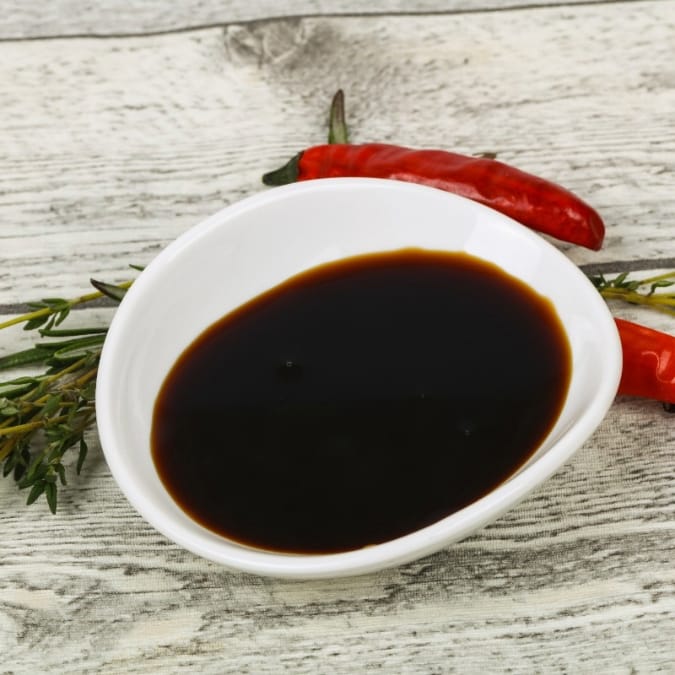
Worcestershire (pronounced “WOO-stuh-sher”) is a savory brown sauce that was created in Worcester, England. Many Americans have a hard time saying and spelling this word, possibly because of its British origins.

2. Colonel

We all know a colonel is a high-ranking officer in the military. However, many English speakers say this word wrong due to its confusing spelling. It’s actually pronounced the same way as the word “kernel,” making it one of the trickier words in the English language.

3. Quinoa

Quinoa has become an increasingly popular health food despite the fact that it’s hard to say out loud. This English tongue-twister is actually pronounced “KEEN-wah” (and not “keen-OH-uh” as the spelling would suggest). Luckily you don’t have to say this tasty grain’s name correctly to enjoy eating it!

4. Onomatopoeia

An onomatopoeia is a word that mimics the sound it describes, such as boom, boing, clang, or pow. Considering its meaning, it’s ironic that onomatopoeia is one of the hardest words to say and spell. The correct pronunciation of this English tongue-twister is “on-uh-mot-uh–PEE–uh.”

5. Anemone

Contrary to popular belief, anemones aren’t actually plants. Although they look like colorful flowering bushes, they’re actually aquatic animals.

Saying anemone out loud can be just as confusing. At first glance, it looks like it only contains two or three syllables. But it’s actually a four-syllable word that’s pronounced “ah-NEM-oh-nee.”

6. Synecdoche

Synecdoche is a figure of speech that involves describing something using one of its parts. An example of synecdoche is referring to a car as a “nice set of wheels.”

It can be difficult to remember the meaning of synecdoche, but it’s even harder to say it. Although it appears to be a three-syllable word, it actually contains four syllables and is pronounced “sih-NECK-duh-key.”

7. Lieutenant

Lieutenant is a term used to refer to a low-ranking military officer. Although the meaning is the same everywhere you go, the pronunciation differs between countries.

In the United States, we say “loo-TEN-ant.” Across the pond in the UK, people pronounce it “lef-TEN-ant.” In our opinion, the British way is much harder and turns lieutenant into an English tongue-twister.

8. Comfortable

We recently found out that we’ve been saying the word “comfortable” wrong our whole lives. It’s apparently supposed to be pronounced “KUHMF-tr-bl” with emphasis placed on the first syllable. Who knew?

This makes it much harder to say, so we may keep mispronouncing it by breaking it up into four syllables. Don’t judge!

9. Coup

It can be hard to remember how to pronounce “coup” properly because it has a silent letter. You’re not supposed to say the “p” at the end of the word, making the correct pronunciation “coo.”

10. Epitome

Epitome is the epitome of words that are hard to pronounce. Many people incorrectly say it as “EP-i-tohm,” which is understandable based on the way it’s spelled. But it’s supposed to be broken down into four syllables like so: “uh-PI-tuh-mee.” The more you know!

11. Gyro

Gyro is another word that trips us up because you aren’t supposed to pronounce it with a hard “g.” The correct way to say it is actually “YEE-ro.” Although gyro is an English tongue-twister, you shouldn’t let that prevent you from ordering this delicious sandwich!

12. Acai

Why do so many healthy foods have names that are hard to pronounce? Acai is a berry that tastes delicious in smoothies, but its name doesn’t quite roll off the tongue. The “c” is actually supposed to be pronounced like an “s.” So the correct way to say this English tongue-twister is “aa-saa-EE.”

13. Isthmus

An isthmus is a small strip of land that connects two larger land masses. This word is hard to say because of the string of consonants right in the middle. The correct pronunciation is “I-smus” which can be tough for some to master.

14. Queue

Queue means “to line up” and is more commonly used in British English. Due to the strange combo of vowels, it can be difficult to figure out how to say this word properly. Surprisingly, queue is pronounced the same way as a “cue” ball. So all those extra vowels probably aren’t necessary.

15. Sixth

Sixth is an English tongue-twister for the same reason as isthmus—it has a strange combo of consonants that trips people up. When properly pronounced, sixth sounds like “siksth.” But we’re rarely able to say it right!

Practice Makes Perfect

Many English words are said differently than they’re spelled, which can make English a difficult language to master. But luckily practice makes perfect. Researching tongue-twisters will help you improve your pronunciation and level up your language skills.

Read More 

The Evolution of Slang: 10 Old Slang Terms Explained

14 Millennial Phrases That Are Becoming More Annoying Than Trendy

Vicky Monroe
Vicky Monroe

Vicky Monroe is a freelance personal finance and lifestyle writer. When she’s not busy writing about her favorite money saving hacks or tinkering with her budget spreadsheets, she likes to travel, garden, and cook healthy vegetarian meals.

Filed Under: language Tagged With: language, learn the language

14 Millennial Phrases That Are Becoming More Annoying Than Trendy

March 18, 2024 by Tamila McDonald Leave a Comment

Millenials Intro
123rf

In the ever-evolving landscape of language, certain phrases catch on like wildfire, only to become overused to the point of irritation. Millennials, a generation known for their unique linguistic contributions, have popularized numerous phrases. However, some of these expressions are starting to grate on people’s ears more than they charm. Check out these 14 such Millennial phrases that are losing their trendiness and edging more into the realm of annoyance.

1. “I Can’t Even”

inability to deal with a situation
123rf

This phrase, meant to convey an overwhelming inability to deal with a situation, has been used to the point of exhaustion. Initially a humorous way to express disbelief or frustration, it now often comes across as a generic, uninspired reaction to even the most mundane situations.

2. “This Is Everything”

something was incredibly important

Originally used to express that something was incredibly important or epitomized a particular moment, “This is everything” has become a hyperbolic cliché. It’s now so overused that it often diminishes the actual significance of what’s being discussed.

3. “Adulting”

Adulting
123rf

“Adulting” started as a playful way for Millennials to describe performing adult responsibilities. However, its overuse has made it seem as though everyday tasks are extraordinary feats, which can trivialize the actual challenges of adulthood.

4. “Sorry Not Sorry”

sorry not sorry
123rf

Intended to be a cheeky way of acknowledging a lack of regret, “Sorry not sorry” is now perceived as dismissive and insincere. It often comes across as trying too hard to project confidence while actually being rude.

5. “It’s Lit”

exciting or excellent situation
123rf

Used to describe an exciting or excellent situation, “It’s lit” has burned out from overuse. While it once conveyed enthusiasm, it’s now seen as a lazy way to express that something is good without providing any real descriptive value.

6. “Slay”

Slay
123rf

Originally a term of empowerment and success, “slay” has become so commonplace that it’s losing its impactful connotation. What once was a powerful way to celebrate achievements now often feels like an over-the-top description of everyday successes.

7. “Feels”

Feels

“Feels,” short for feelings, started as a way to express strong emotional reactions, especially in online discussions. Now, it’s seen as a melodramatic and vague term, often used to oversimplify complex emotions.

8. “Yas”

Yas
123rf

This enthusiastic form of “yes” initially gained popularity as a playful, empowering exclamation. However, its overuse, especially in contexts that don’t warrant such high levels of excitement, has rendered it more grating than inspiring.

9. “Lituation”

an event that is particularly exciting or lively
123rf

A blend of “lit” and “situation,” “Lituation” was meant to describe an event that is particularly exciting or lively. However, its overuse has stripped away much of its original appeal, turning it into a tired cliché.

10. “Squad Goals”

squad goals
123rf

Used to refer to an aspirational group dynamic, “squad goals” has become more about projecting an idealized image than celebrating genuine friendships. The phrase is now often seen as promoting superficial benchmarks for relationships.

11. “Throw Shade”

throw shade
123rf

Once a clever way to describe discreetly criticizing or expressing contempt, “throw shade” is now overused to the point of losing its subtlety. It’s often employed in situations that don’t actually involve nuanced or clever criticism.

12. “Spill the Tea”

spill the tea
123rf

Originally a catchy phrase for gossiping or sharing juicy information, “Spill the Tea” has become so commonplace that it often detracts from the intrigue or excitement of the information being shared.

13. “Basic”

Basic
123rf

“Basic” started as a playful jab at those with mainstream tastes but has turned into an overused, judgmental label. The term has lost its humorous edge and now often comes off as unnecessarily mean-spirited.

14. “Bae”

Bae
123rf

Once a term of endearment, “bae” has been used so frequently for partners, friends, foods, and even objects that it has become more of a generic placeholder than a special descriptor.

Moving Beyond Clichéd Expressions

conversations
123rf

As language continues to evolve, so too should our use of it. While these phrases once added color and distinctiveness to our conversations, their overuse has led to a loss of originality and impact. It’s important to be mindful of how we use language to express ourselves and connect with others.

By choosing our words thoughtfully and creatively, we can maintain the vibrancy and relevance of our communication. What new expressions will define the next generation’s linguistic landscape? Only time, and our collective creativity, will tell. In the meantime, let’s strive for authenticity and innovation in the way we speak and write.

Tamila McDonald
Tamila McDonald

Tamila McDonald is a U.S. Army veteran with 20 years of service, including five years as a military financial advisor. After retiring from the Army, she spent eight years as an AFCPE-certified personal financial advisor for wounded warriors and their families. Now she writes about personal finance and benefits programs for numerous financial websites.

Filed Under: People Tagged With: bae, basic, language, millenials, throw shade, yas

FOLLOW US

Search this site:

Recent Posts

  • Can My Savings Account Affect My Financial Aid? by Tamila McDonald
  • 12 Ways Gen X’s Views Clash with Millennials… by Tamila McDonald
  • What Advantages and Disadvantages Are There To… by Jacob Sensiba
  • 10 Tactics for Building an Emergency Fund from Scratch by Vanessa Bermudez
  • Call 911: Go To the Emergency Room Immediately If… by Stephen Kanaval
  • 7 Weird Things You Can Sell Online by Tamila McDonald
  • 10 Scary Facts About DriveTime by Tamila McDonald

Copyright © 2026 · News Pro Theme on Genesis Framework