• Home
  • About Us
  • Getting Finances Done
    • Hiring Advisors
    • Debt Management
    • Spending Plan
  • Insurance
    • Life Insurance
    • Health Insurance
    • Disability Insurance
    • Homeowners/Renters Insurance
  • Contact Us
  • Our Editorial Commitment

The Free Financial Advisor

You are here: Home / Archives for homeowners insurance

Think You’re Safe Without Flood Insurance? 7 Dangerous Lies Insurance Companies Tell

March 17, 2025 by Latrice Perez Leave a Comment

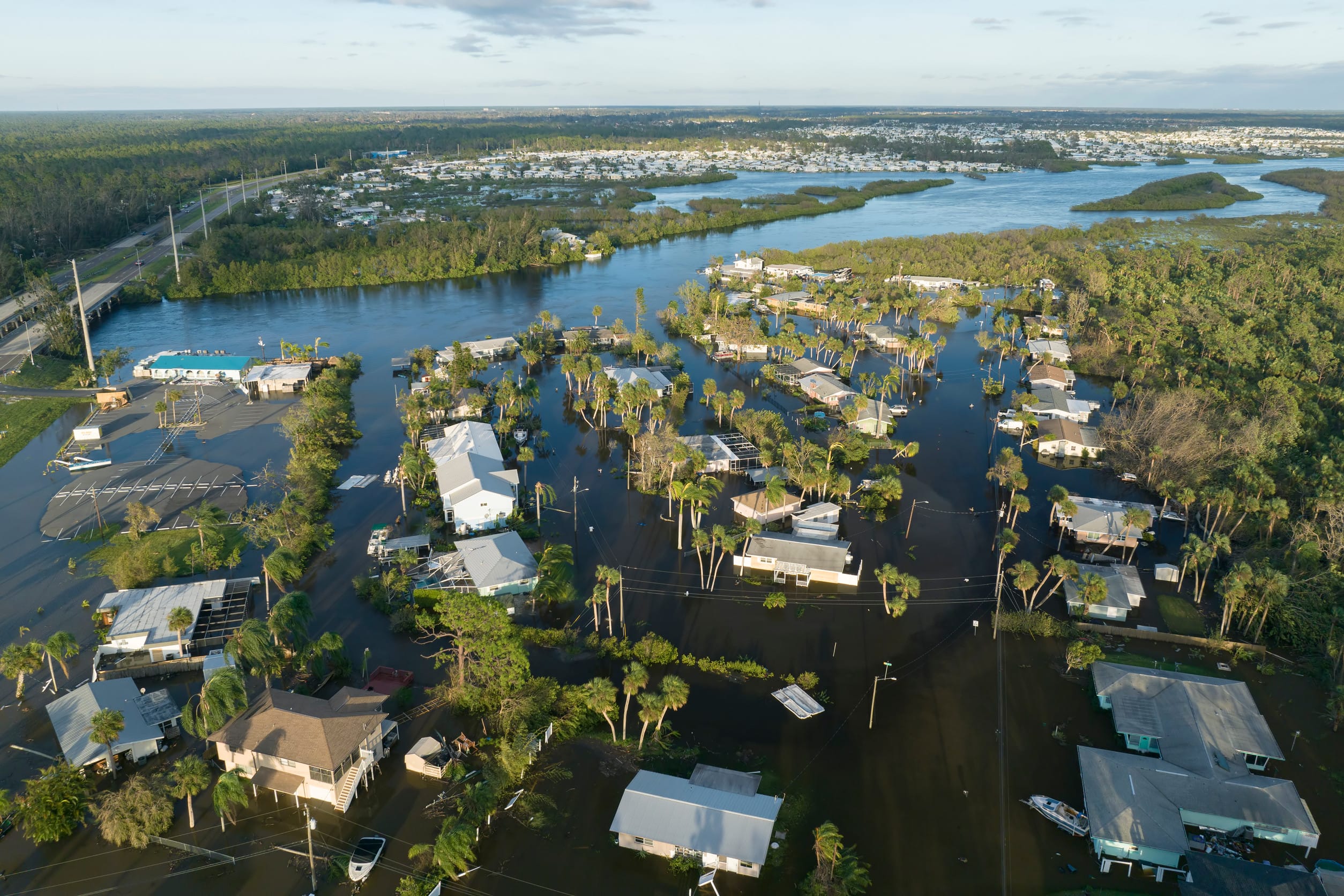
Flood
Image Source: 123rf.com

Insurance is supposed to provide peace of mind, but what if the company you trust to protect you is actually leaving you exposed? Many homeowners assume they are covered against natural disasters, accidents, and unexpected losses—only to find out the hard way that their policy has major gaps.

Insurance companies are in the business of making money, and sometimes that means downplaying risks, misleading policyholders, and using technical loopholes to avoid paying claims. One of the biggest lies they tell? That flood insurance isn’t necessary. But that’s just the beginning.

Here are seven dangerous lies insurance companies tell that could leave you financially devastated when disaster strikes.

You Don’t Need Flood Insurance If You’re Not in a Flood Zone

One of the most common and costly lies insurance companies tell homeowners is that flood insurance is only necessary for those living in designated flood zones. While it’s true that homes in high-risk areas are required to carry flood insurance by mortgage lenders, the reality is that flooding can happen anywhere.

According to FEMA, more than 20 percent of all flood claims come from properties outside of high-risk flood zones. Heavy rainfall, storm surges, and even poor drainage systems can lead to flooding, and most standard homeowners insurance policies do not cover it. Waiting until after a flood to realize you need coverage can be a financial disaster, as government assistance is often limited and slow to arrive.

Your Homeowners Insurance Covers All Natural Disasters

Many people believe that their standard homeowners insurance policy covers all natural disasters, but that’s far from the truth. Floods, earthquakes, mudslides, and certain types of storm damage often require separate policies.

For example, while your policy may cover damage from strong winds, it might exclude water damage from storm surge or flooding. If a hurricane strikes, you could be left paying out of pocket for thousands—or even hundreds of thousands—of dollars in repairs. Always read the fine print and ask specifically about coverage for major disasters in your area.

Water Damage and Flood Damage Are the Same Thing

Insurance companies often use confusing language to make policyholders think they are covered for certain types of water damage when they actually aren’t. Water damage from a burst pipe or a leaking roof may be covered under your homeowners policy, but flood damage—defined as rising water from an external source—is almost always excluded unless you have separate flood insurance.

This technical distinction means that if heavy rain causes a river to overflow into your home, your insurance company can deny your claim. Understanding the difference between water damage and flood damage can help you avoid costly surprises when filing a claim.

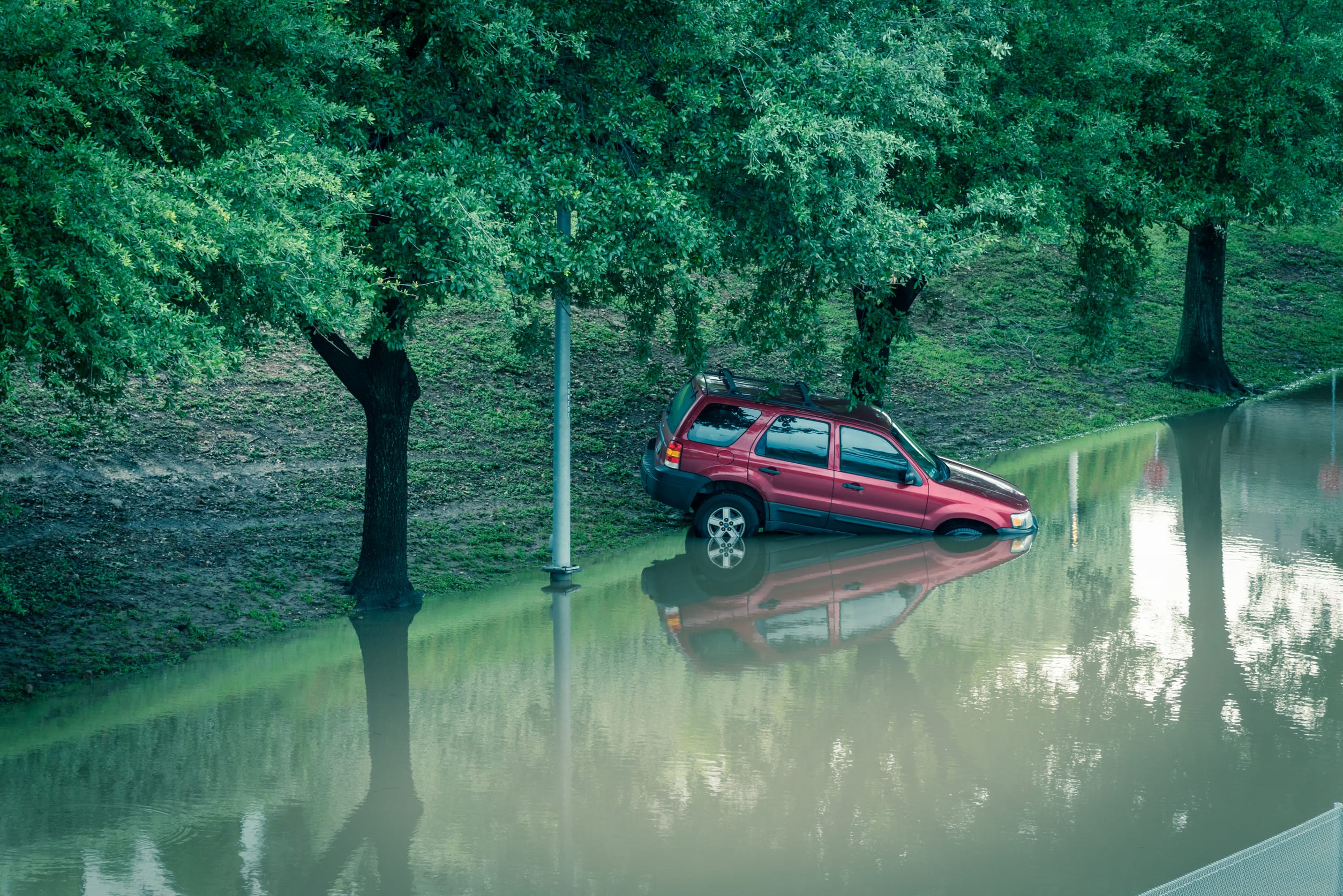
Your Car Insurance Will Cover Flood Damage to Your Vehicle

flooded vehicle
Image Source: 123rf.com

Many drivers assume that their auto insurance will protect them if their car is damaged by a flood. However, if you only have liability or collision coverage, flood damage will not be covered.

Comprehensive coverage is the only type of car insurance that protects against flooding, hurricanes, and other natural disasters. Without it, you could be left paying for repairs or replacing your vehicle entirely. If you live in an area prone to flooding, making sure your policy includes comprehensive coverage is a must.

Filing a Claim Will Only Affect Your Rates If You’re at Fault

Insurance companies often encourage policyholders to file claims when disasters strike, but they don’t always disclose the long-term consequences. Even if you file a claim for something that wasn’t your fault—like storm damage or theft—your rates could still go up.

Many insurers use a database called the Comprehensive Loss Underwriting Exchange (CLUE) to track claims. Even inquiries about damage that don’t result in a claim can sometimes be recorded, leading to higher premiums in the future. Before filing a claim, it’s important to weigh the long-term costs and benefits.

You Have Plenty of Time to Get Coverage Before Disaster Strikes

Many people assume they can wait until a storm is approaching before purchasing flood insurance or adding additional coverage. The reality is that most insurance policies have waiting periods that prevent last-minute sign-ups.

For example, flood insurance policies through the National Flood Insurance Program (NFIP) typically have a 30-day waiting period before coverage takes effect. Some private insurers may offer shorter waiting periods, but they still won’t provide immediate coverage when a storm is already on the horizon. If you wait too long, you could be left completely unprotected when disaster hits.

You’ll Get the Full Replacement Cost for Your Losses

One of the most misleading assumptions homeowners have is that their insurance will pay the full cost to rebuild their home or replace lost belongings. In reality, many policies only cover the actual cash value of items, which takes depreciation into account.

For example, if your five-year-old TV is destroyed in a flood and your policy only covers actual cash value, you’ll only be reimbursed for what it’s worth today—not what it costs to buy a new one. To avoid this, homeowners should look for policies that include replacement cost coverage rather than actual cash value. This ensures that you receive enough money to rebuild or replace your lost items at current market prices.

Don’t Let These Lies Cost You Everything

Insurance companies rely on policyholders assuming they are covered for all disasters, but as these seven lies show, that’s not always the case. Believing these myths could leave you financially devastated when the unexpected happens.

To protect yourself, review your policies carefully, ask direct questions about exclusions, and consider additional coverage where needed. The best time to prepare is before disaster strikes—not after it’s too late.

Have you ever had an insurance claim denied due to one of these myths? Share your experience in the comments below.

Read More:

7 Ridiculous Reasons Your Liability Insurance Isn’t Protecting You

The Top Benefits of Having Condo Insurance for Homeowners

Latrice Perez

Latrice is a dedicated professional with a rich background in social work, complemented by an Associate Degree in the field. Her journey has been uniquely shaped by the rewarding experience of being a stay-at-home mom to her two children, aged 13 and 5. This role has not only been a testament to her commitment to family but has also provided her with invaluable life lessons and insights.

As a mother, Latrice has embraced the opportunity to educate her children on essential life skills, with a special focus on financial literacy, the nuances of life, and the importance of inner peace.

Filed Under: Insurance Tagged With: car insurance, filing insurance claims, financial protection, flood insurance, homeowners insurance, insurance companies secrets, insurance loopholes, insurance myths, natural disaster coverage, protecting your home

How Much Income Do I Need For a 300k Mortgage in 2025?

January 3, 2025 by Latrice Perez Leave a Comment

income needed for 300k mortgage
Image Source: 123rf.com

Navigating the home buying process can be complex, especially when it comes to understanding the financial aspects. One common question many prospective homeowners have is about the income needed for a 300k mortgage. This article breaks down the necessary income levels and factors that influence your mortgage affordability in 2025.

Understanding Mortgage Basics

To determine the income needed for a 300k mortgage, it’s crucial to understand how lenders calculate your borrowing limit. Typically, lenders use a debt-to-income (DTI) ratio, which should not exceed 36% of your gross monthly income. For a $300,000 mortgage, you would ideally need a monthly income that supports not only the mortgage payment but also other debt obligations. This fundamental requirement ensures that you are not financially overstretched by your new home purchase.

The Role of Interest Rates

Interest rates significantly affect the monthly payment on a mortgage, thus influencing the income needed to qualify. In 2025, if interest rates rise, the monthly payment on a 300k mortgage will increase, requiring a higher income to maintain the same DTI ratio. Conversely, lower interest rates can make more expensive homes more accessible as they decrease the monthly payment. It’s essential to monitor interest rate trends when planning to apply for a mortgage.

Additional Financial Considerations

Apart from the principal and interest payments, owning a home comes with additional financial responsibilities that impact the overall income needed. Property taxes, homeowner’s insurance, and possibly private mortgage insurance (PMI) if your down payment is less than 20%, all add to the monthly cost. Therefore, when calculating the income needed for a 300k mortgage, these costs must be factored into your budget to ensure financial stability.

Strategies to Boost Mortgage Affordability

If the required income for a 300k mortgage seems out of reach, there are strategies to make homeownership more accessible. Increasing your down payment can reduce the loan amount and thus the required income. Additionally, improving your credit score can help secure lower interest rates, reducing the monthly payments. Finally, considering a longer-term mortgage or exploring different types of loans might also make the payments more manageable.

By understanding these key elements, you can better prepare for the financial requirements of buying a home in 2025. Whether you’re buying your first home or upgrading, knowing the income needed for a 300k mortgage is the first step toward making an informed decision.

Read More

  • New Year, New Credit Score: Tips to Improve Your Financial Health
  • The Ultimate End-of-Year Financial Checklist to Prepare for Next Year
Latrice Perez

Latrice is a dedicated professional with a rich background in social work, complemented by an Associate Degree in the field. Her journey has been uniquely shaped by the rewarding experience of being a stay-at-home mom to her two children, aged 13 and 5. This role has not only been a testament to her commitment to family but has also provided her with invaluable life lessons and insights.

As a mother, Latrice has embraced the opportunity to educate her children on essential life skills, with a special focus on financial literacy, the nuances of life, and the importance of inner peace.

Filed Under: money management Tagged With: down payment strategies, home buying income requirements, homeowners insurance, income needed for 300k mortgage, mortgage affordability 2025, mortgage interest rates, mortgage qualification

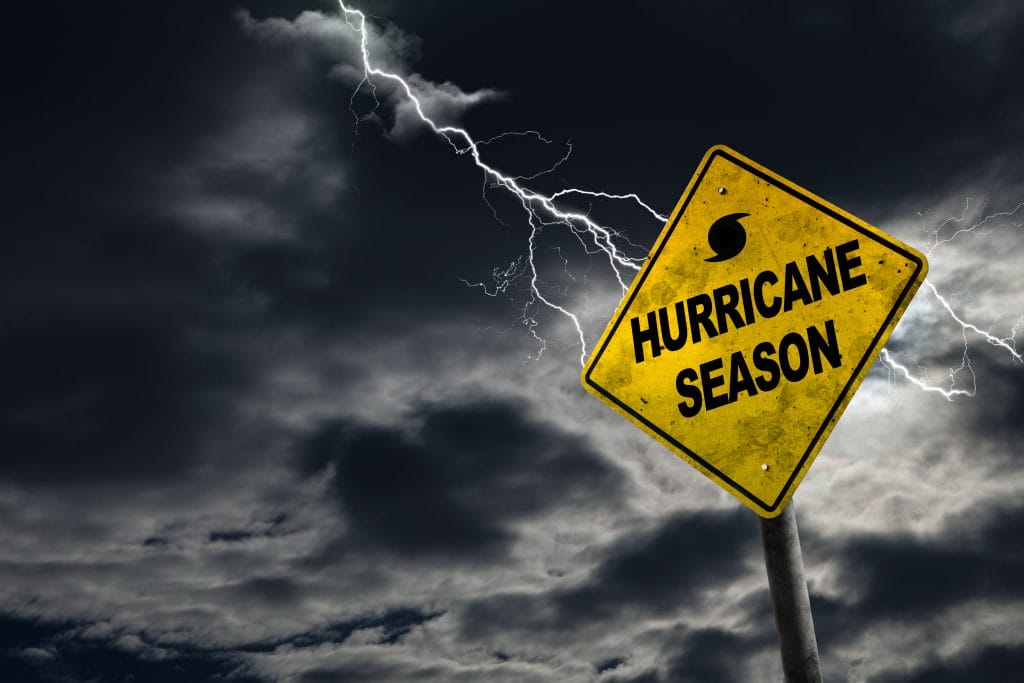
Hurricane Season-Here’s What Your Insurance Won’t Cover for Hurricanes

August 2, 2021 by Tamila McDonald Leave a Comment

Homeowners Insurance Won't Cover for Hurricanes


Hurricane season is currently well underway. While most people don’t want to think about a hurricane hitting their home.  If you live in certain areas of the country, the possibility certainly exists. That’s why having the right kind of insurance coverage is so critical. Without it, you may not have the proper level of protection if your house ends up in the path of a hurricane. If you are wondering what your homeowners insurance won’t cover for hurricanes. Here’s a breakdown based on insurance type.

What Typical Homeowners Insurance Won’t Cover For Hurricanes

While homeowners insurance can be fairly comprehensive, it does have limits. Certain types of damage are often excluded if you have a traditional homeowners insurance policy.

In many cases, hurricanes aren’t explicitly listed as non-covered events. However, the kinds of damage hurricanes often cause normally are listed as excluded.

For example, water damage caused by storm surges and floods isn’t covered by the vast majority of traditional policies. If you live in a hurricane-prone area, some forms of wind damage might also be excluded. In both of those cases, you may need supplemental policies for flood and wind damage to secure the proper coverage.

Additionally, sewer backups related to a hurricane aren’t usually covered events. In fact, you may have to have both flood insurance and sewer backup coverage to ensure you have all of the protection you need.

Finally, if you incur expenses during an evacuation, such as costs associated with temporary lodging, that isn’t covered by most traditional homeowners insurance policies. However, if you come back to find that your house is now unlivable. You may have some coverage that can offset any temporary housing costs.

Dealing with Hurricane Deductibles

It’s important to note that if you do have a policy that covers hurricane-related damage.  You may be subject to a hurricane deductible. A hurricane deductible is similar to a typical one. Since it outlines the amount you are responsible for paying to address the resulting damage.

However, hurricane deductibles are higher than your typical deductible. Additionally, they only apply under specific circumstances. Usually, a triggering event has to occur. For example, if a hurricane warning is issued by the National Weather Service, that may enable insurers to require hurricane deductibles.

Whether you may be subject to a hurricane deductible depends on where you live. They are only a factor if you reside in one of the areas that allow them. Currently, those locations include:

  • Alabama
  • Connecticut
  • Delaware
  • Florida
  • Georgia
  • Hawaii
  • Louisiana
  • Maine
  • Maryland
  • Massachusetts
  • Mississippi
  • New Jersey
  • New York
  • North Carolina
  • Pennsylvania
  • Rhode Island
  • South Carolina
  • Texas
  • Virginia
  • Washington, DC

Additionally, the amount of a hurricane deductible can vary. Typically, it’s based both on state law and the value of your covered property. It could be as little as 1 percent of your home’s value. On the other hand, it could be as high as 10 percent. This depends on applicable laws and what’s in your policy.

Addressing Supplemental Coverage

As mentioned above, certain kinds of hurricane-related damage aren’t usually covered by basic homeowners insurance policies. However, if you have the right supplemental policies or riders. You may have all of the coverage you need.

If you want reasonably comprehensive coverage for all kinds of damage a hurricane can cause. You may need the following extra policies:

  • Flood Insurance
  • Wind Insurance
  • Sewer Backup Insurance

Typically, by adding those three kinds of coverage, you can address most hurricane-related damage. However, as with all insurance policies. You’ll need to review the details to confirm what is and isn’t covered. Even those policies or riders can have exclusions. So you want to read through the policy carefully to make sure you have everything you need.

What Typical Renters Insurance Doesn’t Cover

Renters have a different kind of insurance coverage than homeowners. With a renters insurance policy, there’s never any coverage for the building’s physical structure. That’s because the renter doesn’t own the building.

However, like homeowners insurance policies, renters insurance coverage does have limitations. In most cases, damage caused by floods created by hurricanes isn’t a part of a typical renters insurance policy. Instead, the renter would need a separate flood insurance policy or a rider that addresses that type of water-related damage.

If you have a basic renters policy. Adding flood insurance or an appropriate rider may be enough. However, you’ll want to review the policy details to confirm.

Additionally, it’s important to note that renters aren’t typically subject to hurricane deductibles. As a result, if you owe a deductible. It’s typically the standard one in the policy.

What Vehicle Insurance Doesn’t Cover

Both homeowners and renters insurance policies don’t extend coverage to your vehicle. Regardless of whether the damage is related to a hurricane. As a result, you need a separate auto policy.

Unlike homeowners and renters insurance, comprehensive vehicle policies do provide hurricane-related coverage. With comprehensive coverage, damage that isn’t related to a collision is covered. Which includes damage caused by severe weather.

However, if you only have liability coverage on your vehicle. Damage related to a hurricane isn’t a part of it. In that case, you would have to handle any related expenses yourself.

Can you think of anything your homeowners insurance won’t cover for hurricanes? Share your thoughts in the comments below.

Read More:

  • Every Homeowner Should Have Flood Insurance-Here’s Why!
  • Which Life Insurance Fits Your Needs Best
  • 5 Things to Keep in Mind While Buying Auto Insurance


Tamila McDonald
Tamila McDonald

Tamila McDonald is a U.S. Army veteran with 20 years of service, including five years as a military financial advisor. After retiring from the Army, she spent eight years as an AFCPE-certified personal financial advisor for wounded warriors and their families. Now she writes about personal finance and benefits programs for numerous financial websites.

Filed Under: Insurance Tagged With: homeowners insurance, hurricane insurance

5 Surprising Things Not Covered By Homeowners Insurance

June 29, 2020 by Tamila McDonald Leave a Comment


5 Surprising Things Not Covered By Homeowners Insurance

Overall, homeowner’s insurance is fairly comprehensive. It financially protects you from the burden associated with a variety of potential events. This ensures that you can move forward with repairs or replace stolen or damaged belongings. However, homeowners insurance doesn’t cover everything. In fact, there are some gaps that many don’t expect. These gaps can lead to a rude awakening if certain kinds of events occur. If you are wondering what is not covered by homeowners insurance. Here are five things that usually aren’t.

[Read more…]

Tamila McDonald
Tamila McDonald

Tamila McDonald is a U.S. Army veteran with 20 years of service, including five years as a military financial advisor. After retiring from the Army, she spent eight years as an AFCPE-certified personal financial advisor for wounded warriors and their families. Now she writes about personal finance and benefits programs for numerous financial websites.

Filed Under: Personal Finance, Real Estate Tagged With: Home insurance, homeowners insurance

  • « Previous Page
  • 1
  • 2
  • 3
  • 4

Follow Us

Search this site:

Recent Posts

  • Can My Savings Account Affect My Financial Aid? by Tamila McDonald
  • 12 Ways Gen X’s Views Clash with Millennials… by Tamila McDonald
  • What Advantages and Disadvantages Are There To… by Jacob Sensiba
  • 10 Tactics for Building an Emergency Fund from Scratch by Vanessa Bermudez
  • Call 911: Go To the Emergency Room Immediately If… by Stephen Kanaval
  • 7 Weird Things You Can Sell Online by Tamila McDonald
  • 10 Scary Facts About DriveTime by Tamila McDonald

Copyright © 2026 · News Pro Theme on Genesis Framework