• Home
  • About Us
  • Toolkit
  • Getting Finances Done
    • Hiring Advisors
    • Debt Management
    • Spending Plan
  • Insurance
    • Life Insurance
    • Health Insurance
    • Disability Insurance
    • Homeowners/Renters Insurance
  • Contact Us
  • Privacy Policy
  • Risk Tolerance Quiz

The Free Financial Advisor

You are here: Home / Archives for home buying

7 Horrifying Mortgage Terms People Agree to Without Realizing

May 30, 2025 by Travis Campbell Leave a Comment

home with mortgage

Image Source: pexels.com

Buying a home is one of the biggest financial decisions you’ll ever make, and the mortgage terms you sign can shape your finances for decades. Yet, in the excitement (and sometimes stress) of closing, many people breeze past the fine print, only to find themselves trapped by confusing or downright scary mortgage terms. These hidden details can cost you thousands, limit your options, or even put your home at risk. Understanding what you’re signing isn’t just smart—it’s essential for protecting your future. Let’s break down seven horrifying mortgage terms that people often agree to without realizing it, so you can avoid costly surprises and make confident choices.

1. Prepayment Penalties

Imagine you finally get a raise or come into some extra cash and want to pay off your mortgage early. Sounds great, right? Not if your loan includes a prepayment penalty. This clause means you’ll be charged a fee for paying off your mortgage ahead of schedule, whether you’re making extra payments, refinancing, or selling your home. Lenders include this to recoup some of the interest they’d lose, but it can cost you thousands. Always ask if your mortgage has a prepayment penalty and, if so, how long it lasts and how much it could cost you. If you want flexibility, look for loans without this term.

2. Adjustable-Rate Mortgages (ARMs) Surprises

Adjustable-rate mortgages (ARMs) can seem appealing with their low initial rates, but the catch is in the fine print. After a set period, your interest rate can jump—sometimes dramatically—based on market conditions. Many borrowers are shocked when their monthly payments skyrocket after the introductory period ends. Before agreeing to an ARM, make sure you understand how often the rate can change, the maximum increase per adjustment, and the highest possible rate.

3. Balloon Payments

A balloon payment is a large, lump-sum payment due at the end of your mortgage term. While your monthly payments might be low for years, you could be on the hook for a massive final payment that most people can’t afford without refinancing or selling. Balloon mortgages are risky, especially if your financial situation changes or the housing market shifts. If you see the word “balloon” anywhere in your mortgage documents, ask for a clear explanation and consider whether you’ll realistically be able to handle that big payment down the road.

4. Negative Amortization

Negative amortization is a mortgage term that sounds complicated but is downright dangerous. It means your monthly payments aren’t even covering the interest, so the unpaid interest gets added to your loan balance. Over time, you end up owing more than you originally borrowed. This can happen with certain adjustable-rate or payment-option loans. If you see “negative amortization” in your paperwork, proceed with extreme caution. It’s a surefire way to get underwater on your mortgage, making it harder to refinance or sell your home later.

5. Escrow Shortfalls and Surprises

Many mortgages require you to pay property taxes and homeowners’ insurance into an escrow account, which the lender manages. While this can be convenient, it’s not always straightforward. If your taxes or insurance premiums go up, your lender will cover the difference and then increase your monthly payment to make up the shortfall. Some homeowners are caught off guard by sudden payment hikes. Review your escrow statements regularly and budget for possible increases to avoid surprises.

6. Private Mortgage Insurance (PMI) Traps

If your down payment is less than 20%, you’ll likely be required to pay private mortgage insurance (PMI). While PMI protects the lender, not you, it can add hundreds to your monthly payment. What’s worse, some lenders make it tricky to cancel PMI, even after you’ve built enough equity. Make sure you know when and how you can remove PMI from your mortgage, and factor this extra cost into your budget when shopping for a home.

7. “Due-on-Sale” Clauses

A “due-on-sale” clause means your lender can demand full repayment of your mortgage if you sell or transfer the property. This can be a nasty surprise if you want to transfer your home to a family member or put it in a trust. While it’s standard in most mortgages, it’s important to know how it works and plan accordingly. If you’re considering any transfer of ownership, talk to your lender first to avoid triggering this clause and facing an unexpected bill.

Protect Yourself from Mortgage Nightmares

The world of mortgage terms is full of hidden traps, but you don’t have to fall victim to them. By reading the fine print, asking questions, and understanding your agreement, you can avoid the most horrifying mortgage terms and set yourself up for long-term financial success. Don’t let confusing jargon or pressure from lenders rush you into a decision. Take your time, do your research, and remember that the right mortgage should work for you, not against you.

Have you ever been surprised by a mortgage term? Share your story or advice in the comments below!

Read More

12 Private Clubs Only the Wealthy Can Afford

Debt Consolidation Loan: How Do They Work and Its Benefits

Travis Campbell
Travis Campbell

Travis Campbell is a digital marketer/developer with over 10 years of experience and a writer for over 6 years. He holds a degree in E-commerce and likes to share life advice he’s learned over the years. Travis loves spending time on the golf course or at the gym when he’s not working.
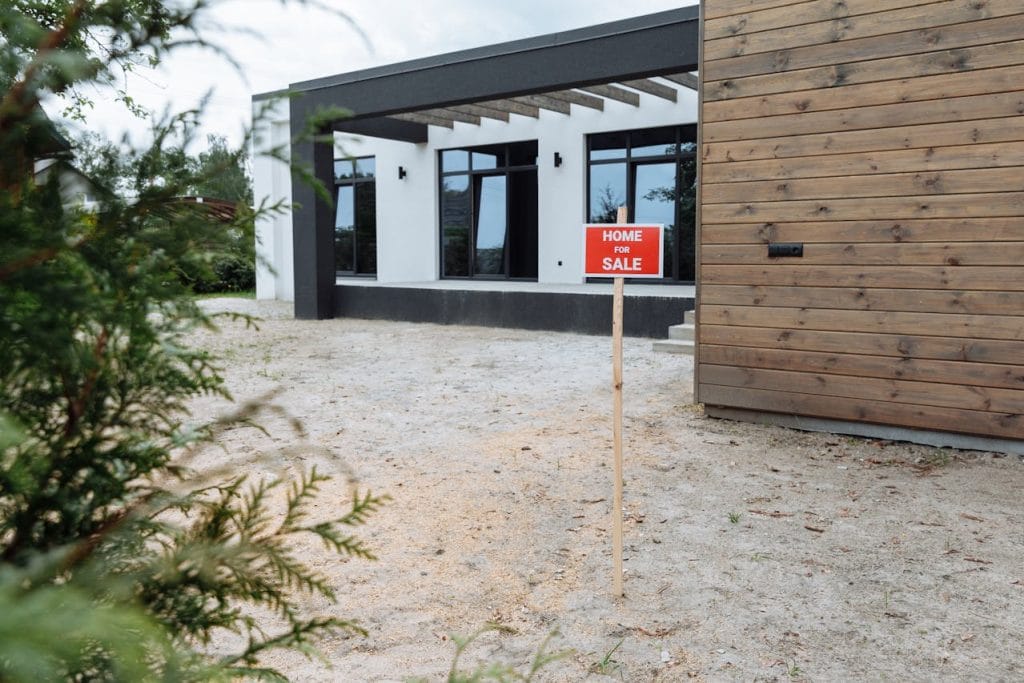
Filed Under: Real Estate Tagged With: financial advice, home buying, Home Loans, mortgage, mortgage terms, Personal Finance, Real estate

10 Real Estate “Deals” That Can Turn Into Absolute Disasters

May 28, 2025 by Travis Campbell Leave a Comment

real estate

Image Source: pexels.com

Buying real estate is often seen as a path to wealth, but not every “deal” is as good as it looks. Many buyers, from first-timers to seasoned investors, have learned the hard way that some opportunities can quickly turn into financial nightmares. With home prices rising and competition fierce, it’s easy to overlook red flags in the rush to close. The consequences can be severe: lost savings, legal battles, and years of stress. Understanding the risks behind seemingly attractive real estate deals is crucial for anyone hoping to protect their finances and make smart decisions.

This guide breaks down ten common real estate “deals” that can become absolute disasters. Each section highlights real-world examples, key statistics, and practical advice to help you avoid costly mistakes.

1. The “Too Good to Be True” Foreclosure

Foreclosures often promise big discounts, but the reality can be harsh. Many foreclosed homes are sold “as is,” hiding expensive problems like mold, structural damage, or missing appliances. Foreclosed properties required significant repairs before they could be safely occupied. Buyers may also face unpaid property taxes or liens, which become their responsibility after purchase. Before jumping in, always budget for unexpected repairs and conduct a thorough inspection—even if it means walking away from a “bargain.”

2. The Unpermitted Renovation Trap

Homes with unpermitted additions or renovations can seem like a steal, but they often come with hidden costs. Unpermitted work may not meet safety codes, leading to insurance denials or forced demolition. In some cities, home sales involve unpermitted improvements, putting buyers at risk of fines or legal action. Always check local records and require proof of permits before closing. If you discover unpermitted work, negotiate repairs or walk away.

3. The “Hot Market” Overbid

In competitive markets, buyers sometimes waive inspections or bid far above the asking price to secure a home. This can backfire if the property appraises for less than the purchase price, leaving buyers to cover the difference out of pocket. Buyers paid more than the appraised value, often stretching their finances thin. Overbidding can also lead to regret if the market cools and home values drop. Stick to your budget and never skip essential due diligence, no matter how hot the market feels.

4. The Hidden HOA Headache

Properties in homeowners associations (HOAs) can come with strict rules and rising fees. Some HOAs have the power to foreclose on homes for unpaid dues, and special assessments can cost thousands. In 2024, the average HOA fee in the U.S. reached $148 per month, with some communities imposing surprise assessments for repairs or upgrades. Review HOA documents carefully, ask about upcoming projects, and talk to current residents before buying into any association.

5. The “As-Is” Money Pit

“As-is” listings often attract bargain hunters, but these homes can hide major issues. Sellers are not required to fix anything, and some states allow them to skip disclosure of known problems. Always hire a qualified inspector and be prepared to walk away if the risks outweigh the rewards.

6. The Timeshare Trap

Timeshares are marketed as affordable vacation options, but can be nearly impossible to resell. Annual maintenance fees often rise faster than inflation, and some owners pay thousands just to exit their contracts. The Federal Trade Commission warns that many timeshare resale companies are scams, preying on desperate sellers. If you’re considering a timeshare, research the true costs and resale market first—or better yet, consider alternatives like vacation rentals.

7. The “Turnkey” Rental Mirage

Turnkey rental properties promise instant income, but reality can differ. Some sellers inflate rental income projections or hide vacancy rates. Turnkey investors reported earning less than half the promised returns. Research local rental demand, verify tenant leases, and inspect the property in person. Don’t rely solely on the seller’s numbers—do your own math.

8. The Land with No Access

Vacant land can seem like a cheap investment, but a lack of legal access can make it worthless. Some parcels are “landlocked,” meaning there’s no public road or legal easement. You can’t build, sell, or even visit your property without access. Always verify access rights with the county and get everything in writing before buying land.

9. The Pre-Construction Promise

Buying pre-construction can lock in a lower price, but delays and cancellations are common. New home contracts were canceled due to financing issues or builder delays. Some buyers lose deposits or face years of waiting. Research the builder’s track record, read the contract carefully, and have a backup plan if things go wrong.

10. The Out-of-State Investment Gamble

Investing in real estate far from home can be risky, especially if you rely on unfamiliar property managers or contractors. Scams and mismanagement are common, and resolving issues from a distance is harder. If you’re considering this route, visit the area in person, build a trusted local team, and start small.

Smart Moves for Safer Real Estate Deals

Real estate deals can be life-changing, but the wrong move can lead to disaster. The most common thread among these pitfalls is a lack of due diligence, rushing into a deal without fully understanding the risks. Whether you’re buying a foreclosure, considering a timeshare, or investing out of state, take your time, ask tough questions, and consult professionals when needed. Protect your finances by treating every “deal” with healthy skepticism and thorough research.

Have you ever faced a real estate deal that turned out differently than you expected? Share your story in the comments—your experience could help others avoid a costly mistake.

Read More

The Art and Science of Underwriting Multifamily Properties

10 Reasons It’s Too Late for Boomers to Change Their Retirement Strategies

Travis Campbell
Travis Campbell

Travis Campbell is a digital marketer/developer with over 10 years of experience and a writer for over 6 years. He holds a degree in E-commerce and likes to share life advice he’s learned over the years. Travis loves spending time on the golf course or at the gym when he’s not working.

Filed Under: Real Estate Tagged With: financial advice, home buying, homeownership, property investment, Real estate, real estate deals, real estate risks

Should You Really Buy a Home Right Now? The Unfiltered Math

May 27, 2025 by Travis Campbell Leave a Comment

buying a home

Image Source: pexels.com

Buying a home has always been a milestone for many Americans, but lately, the question “Should you really buy a home right now?” feels more loaded than ever. With headlines warning of sky-high prices, mortgage rates climbing, and stories of buyers waiving inspections just to get a foot in the door, it’s easy to feel overwhelmed. For many, the dream of homeownership is colliding with the harsh reality of today’s market math. Understanding the real numbers behind the decision is crucial if you’re weighing whether to jump in or sit tight. Let’s break down the unfiltered math so you can make a choice that truly fits your financial life.

1. Home Prices: Still at Record Highs

Home prices across the U.S. remain stubbornly high, even as the market cools in some regions. The median existing-home price hit $407,600 in April 2024, up 5.7% from a year earlier, according to the National Association of Realtors. In many cities, prices are even higher—San Francisco, Boston, and Seattle all report median prices well above $800,000.

This means that the entry point is steeper for many buyers than ever. For example, a first-time buyer in Austin, Texas, now faces a median price of $450,000, compared to $325,000 just five years ago. These numbers aren’t just abstract—they translate into larger down payments, higher monthly payments, and more risk if the market shifts.

The underlying cause is a persistent shortage of homes for sale, combined with strong demand from millennials entering their peak buying years. Even with new construction picking up, inventory remains tight, keeping prices elevated. If you’re considering buying, be prepared for stiff competition and the possibility of paying above asking price in many markets.

2. Mortgage Rates: The Cost of Borrowing Has Doubled

The cost of borrowing is a game-changer in today’s housing market. Mortgage rates have more than doubled since early 2022, with the average 30-year fixed rate hovering around 7% as of May 2025. Just two years ago, rates were closer to 3%.

What does this mean for your wallet? On a $400,000 loan, a 3% rate would cost about $1,686 per month (principal and interest). At 7%, that jumps to $2,661—a difference of nearly $1,000 every month. Over 30 years, that’s an extra $350,000 in interest alone.

This shift has priced many buyers out of the market or forced them to lower their budgets. It also means that even if home prices stabilize, the total cost of ownership remains much higher than in recent years. If you’re stretching to afford a home at today’s rates, consider whether you’d still be comfortable if your financial situation changed.

3. Rent vs. Buy: The Math Isn’t Always Obvious

With home prices and mortgage rates both high, the classic rent vs. buy debate is more relevant than ever. In many cities, renting is now significantly cheaper than buying. For example, in Los Angeles, the average rent for a two-bedroom apartment is about $2,900, while the monthly cost to own a similar home (including mortgage, taxes, and insurance) can exceed $4,500.

But the math goes beyond monthly payments. Homeownership comes with additional costs—maintenance, repairs, HOA fees, and property taxes—that can add up to 1-2% of your home’s value each year. On a $500,000 home, that’s $5,000 to $10,000 annually.

On the flip side, owning a home can build equity over time, especially if prices continue to rise. However, if you plan to move within five years, buying and selling transaction costs may outweigh any gains. Use a rent vs. buy calculator to see how the numbers stack up for your situation.

4. Down Payments and Hidden Costs: The Barriers to Entry

Saving for a down payment is one of the biggest hurdles for buyers today. With median prices above $400,000, a traditional 20% down payment means coming up with $80,000—no small feat. While some loans allow for lower down payments, this often means paying private mortgage insurance (PMI), which can add hundreds to your monthly bill.

Beyond the down payment, buyers face closing costs (typically 2-5% of the purchase price), moving expenses, and the immediate need for repairs or upgrades. For example, a $400,000 home could require $8,000 to $20,000 in closing costs alone.

These upfront costs can drain savings and leave new homeowners financially vulnerable. If you’re considering buying, make sure you have a healthy emergency fund and budget for the true all-in cost, not just the sticker price.

5. Market Uncertainty: What If Prices Drop?

One of the biggest fears for buyers right now is the risk of buying at the top of the market. While most experts don’t predict a 2008-style crash, some regions are seeing price corrections as affordability wanes. If you buy now and prices dip, you could end up underwater on your mortgage, owing more than your home is worth.

This risk is especially real if you need to sell within a few years due to a job change or family needs. Homeownership is best viewed as a long-term investment. If you’re not sure you’ll stay put for at least five to seven years, renting may offer more flexibility and less financial risk.

Making the Numbers Work for You

The unfiltered math of buying a home right now is sobering, but it’s not all doom and gloom. If you have a stable income, a solid down payment, and plan to stay in your home for the long haul, buying can still make sense, especially if you find a property that fits your budget and needs.

However, don’t let FOMO or pressure from friends and family push you into a decision that doesn’t add up. Run the numbers carefully, consider your long-term plans, and be honest about your financial comfort zone. Sometimes, waiting or renting a bit longer is the smartest move.

Are you wrestling with the decision to buy a home right now? What’s the biggest factor influencing your choice? Share your thoughts in the comments below.

Read More

Is It Ever a Good Idea to Move Back in with Your Parents to Pay Off Debt?

8 Hidden Costs of Buying a Home

Travis Campbell
Travis Campbell

Travis Campbell is a digital marketer/developer with over 10 years of experience and a writer for over 6 years. He holds a degree in E-commerce and likes to share life advice he’s learned over the years. Travis loves spending time on the golf course or at the gym when he’s not working.

Filed Under: Real Estate Tagged With: first-time buyers, home buying, Housing Market, mortgage rates, Personal Finance, Real estate, rent vs buy

The Truth About Property Taxes That Real Estate Agents Avoid Telling You

May 24, 2025 by Travis Campbell Leave a Comment

handing over keys

Image Source: pexels.com

If you’re thinking about buying a home, you’ve probably heard plenty about mortgage rates, down payments, and the thrill of house hunting. But there’s one topic that rarely gets the spotlight it deserves: property taxes. Real estate agents might mention them in passing, but they often gloss over the details—sometimes because they don’t want to scare you off, and sometimes because they simply don’t know all the ins and outs themselves. Yet, property taxes can greatly impact your monthly budget, your long-term investment, and even your ability to keep your home. Understanding the truth about property taxes isn’t just smart—it’s essential for every homeowner and homebuyer. Let’s pull back the curtain and talk about what real estate agents often avoid telling you.

1. Property Taxes Can Rise Faster Than You Expect

One of the biggest misconceptions about property taxes is that they’re fixed or predictable. Property taxes can increase significantly from year to year, sometimes outpacing inflation and wage growth. Local governments periodically reassess property values, and if your home’s value goes up or your area needs more funding for schools, roads, or emergency services, your tax bill can jump. This is especially true in hot real estate markets, where home values can skyrocket in just a few years. Many buyers are caught off guard when their monthly escrow payments suddenly increase, straining their budgets. According to the Tax Foundation, property tax rates and increases vary widely by state and county, so it’s crucial to research local trends before buying.

2. Your Property Tax Bill Isn’t Just About Your Home’s Value

It’s easy to assume that your property tax bill is based solely on your home’s market value, but that’s only part of the story. Local governments use a formula that often includes the assessed value of your property, the local tax rate (also called the millage rate), and sometimes special assessments for things like schools, parks, or infrastructure projects. These extra assessments can add hundreds or even thousands of dollars to your annual bill. Some areas also have “parcel taxes” or “levies” that fund specific community needs. Real estate agents may not always break down these details, but you can usually find them on your county assessor’s website or by asking your local tax office.

3. Exemptions and Appeals Are Your Secret Weapons

Many real estate agents don’t mention that you might be eligible for property tax exemptions or reductions, but you have to apply for them. Common exemptions include those for seniors, veterans, people with disabilities, and sometimes first-time homebuyers. These can lower your taxable value and save you hundreds each year. Additionally, if you believe your property has been over-assessed, you have the right to appeal. The process can be a bit bureaucratic, but it’s worth it if you think you’re paying too much. According to NerdWallet, successful appeals can reduce your tax bill for years to come.

4. Property Taxes Can Affect Your Home’s Resale Value

When you’re ready to sell, high property taxes can make your home less attractive to buyers. Savvy shoppers compare home prices and the ongoing ownership costs, including property taxes. If your home is in a district with rising taxes or special assessments, it could limit your pool of potential buyers or force you to lower your asking price. On the flip side, homes in areas with stable or lower property taxes often sell faster and for higher prices. This is a key reason to pay attention to local tax trends, not just for your budget, but for future resale prospects.

5. Escrow Isn’t a Magic Shield

Many homeowners pay their property taxes through an escrow account managed by their mortgage lender. While this can make budgeting easier, it’s not a magic shield against rising costs. If your property taxes go up, your lender will adjust your monthly payment to cover the difference, sometimes with little warning. This can lead to “escrow shortages” and unexpected increases in your mortgage payment. It’s important to review your annual escrow statement and keep an eye on local tax changes so you’re not caught off guard.

6. New Construction and Renovations Can Trigger Reassessments

Thinking about buying a brand-new home or planning a major renovation? Be prepared for a possible property tax reassessment. New construction is often assessed at a higher value than older homes, and significant improvements—like adding a pool, finishing a basement, or building an addition—can prompt your local assessor to raise your home’s value. This means your property taxes could jump after you move in or complete your project. Always factor potential tax increases into your renovation budget or new home purchase.

7. Property Taxes Fund More Than You Think

It’s easy to grumble about property taxes, but remembering what they pay for is worth it. In most communities, property taxes fund public schools, police and fire departments, libraries, parks, and road maintenance. Some areas also use property taxes to support hospitals, transit systems, and affordable housing initiatives. Understanding where your money goes can help you appreciate the value you’re getting—and give you a voice in local budget decisions. If you’re concerned about rising taxes, get involved in local government meetings or budget hearings.

The Real Cost of Homeownership: Don’t Let Property Taxes Surprise You

Property taxes are a crucial part of the true cost of homeownership, and ignoring them can lead to financial headaches down the road. Understanding how property taxes work, staying informed about local trends, and taking advantage of exemptions or appeals can protect your budget and make smarter real estate decisions. Don’t let property taxes be the hidden surprise that derails your homeownership dreams—be proactive, ask questions, and plan ahead.

What’s your experience with property taxes? Have you ever been surprised by a tax increase or found a way to lower your bill? Share your story in the comments below!

Read More

How Are Property Taxes Determined Each Year?

Are There Taxes That Have to Be Paid on Yearly Bonuses?

Travis Campbell
Travis Campbell

Travis Campbell is a digital marketer/developer with over 10 years of experience and a writer for over 6 years. He holds a degree in E-commerce and likes to share life advice he’s learned over the years. Travis loves spending time on the golf course or at the gym when he’s not working.
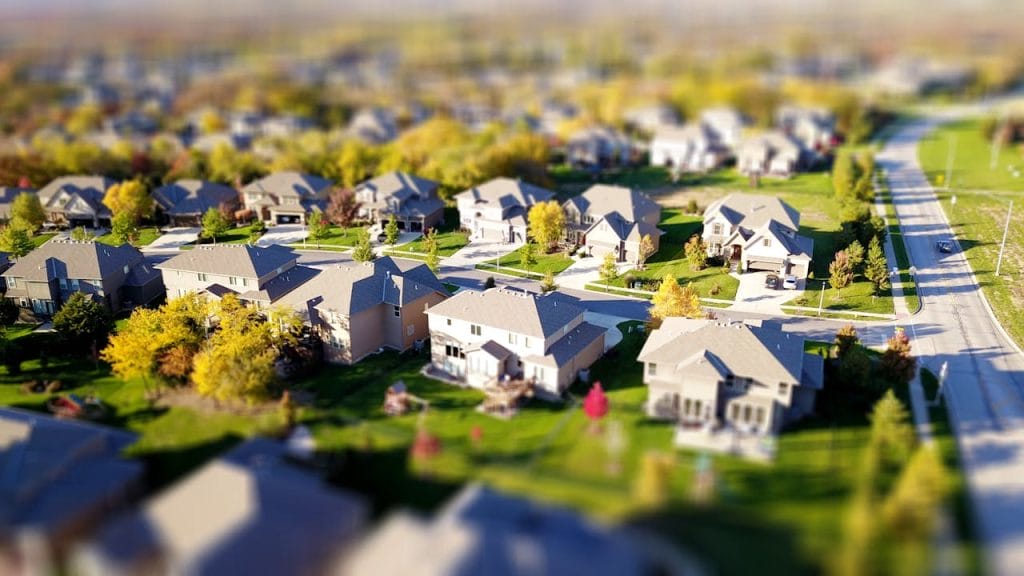
Filed Under: Real Estate Tagged With: budgeting, home buying, homeownership, Personal Finance, property taxes, Real estate, real estate advice, taxes

The $100,000 Home Buying Mistake No One Warned You About

May 22, 2025 by Travis Campbell Leave a Comment

home buying

Image Source: pexels.com

Buying a home is one of the most exciting—and nerve-wracking—financial decisions you’ll ever make. For many, it’s the ultimate symbol of stability and success. But what if I told you there’s a $100,000 home buying mistake that almost no one talks about? This isn’t about picking the wrong neighborhood or getting a bad mortgage rate. It’s a hidden pitfall that can quietly drain your wealth and leave you with serious regrets. Understanding this mistake could save you a small fortune, whether you’re a first-time buyer or a seasoned homeowner. Let’s break down what you need to know so you don’t fall into this costly trap.

1. Overlooking the True Cost of Homeownership

Most buyers focus on the sticker price of a home and their monthly mortgage payment. But the real cost of homeownership goes far beyond that. Property taxes, homeowners’ insurance, maintenance, repairs, and HOA fees can add up to thousands of dollars each year. Zillow says the average homeowner spends over $9,000 annually on these “hidden” costs. Over a decade, that’s nearly $100,000—money that could have been invested elsewhere. If you don’t budget for these expenses, you might find yourself house-poor, struggling to keep up with bills, and unable to enjoy the home you worked so hard to buy.

2. Underestimating Maintenance and Repairs

It’s easy to fall in love with a home’s curb appeal or updated kitchen, but every house requires ongoing maintenance, no matter how new. Roofs need replacing, HVAC systems break down, and appliances wear out. The U.S. News & World Report recommends setting aside at least 1% of your home’s value each year for maintenance and repairs. For a $400,000 home, that’s $4,000 annually. Skip this step, and you could be hit with a $10,000 roof replacement or a $7,000 HVAC repair at the worst possible time. These costs sneak up on homeowners who don’t plan ahead, making their dream home a financial headache.

3. Ignoring the Impact of Property Taxes

Property taxes are one of the most overlooked aspects of homeownership, yet they can dramatically affect your long-term finances. These taxes vary widely by location and can increase over time, sometimes outpacing your income growth. In some states, property taxes can add thousands to your annual expenses. If you don’t factor this into your budget, you might find yourself struggling to keep up as rates rise. Before buying, research local tax rates and ask your real estate agent for historical data. This simple step can help you avoid a nasty surprise and keep your home buying mistake from ballooning into a six-figure loss.

4. Failing to Account for Opportunity Cost

Here’s where the $100,000 home buying mistake really comes into play: opportunity cost. When you tie up a large chunk of your savings in a down payment and ongoing home expenses, that money isn’t working for you elsewhere. If you had invested $100,000 in the stock market instead of putting it all into your home, you could have seen significant returns over time. According to NerdWallet, the average annual return for the S&P 500 is about 10% before inflation. Over 10 years, that $100,000 could grow to more than $259,000. You might be missing out on wealth-building opportunities that could change your financial future by not considering opportunity cost.

5. Letting Emotions Drive Your Purchase

Buying a home is an emotional experience, but letting your heart overrule your head can lead to costly mistakes. Maybe you stretch your budget for a house with a dreamy backyard or ignore red flags because you’re afraid of missing out. Emotional decisions often lead to overpaying, skipping inspections, or settling for a home that doesn’t truly fit your needs. Step back, set clear financial boundaries, and remember that the right home should fit your life and your budget, not just your Pinterest board. Avoiding this emotional trap can help you sidestep the $100,000 home buying mistake and make a decision you’ll be happy with for years to come.

6. Overextending on Your Mortgage

Buying as much house as your lender will allow is tempting, but just because you qualify for a big mortgage doesn’t mean you should take it. Overextending yourself can leave you vulnerable to financial shocks like job loss, medical emergencies, or unexpected repairs. Lenders don’t always consider your full financial picture, including future goals like retirement or college savings. Stick to a mortgage payment that’s comfortable and leaves room for other priorities. This discipline can help you avoid becoming house-poor and keep you from making a $100,000 home buying mistake that could haunt you for years.

7. Skipping a Thorough Home Inspection

A home inspection might seem like a formality, but skipping it is a gamble that can cost you big. Inspectors can uncover hidden issues like foundation problems, mold, or outdated electrical systems—repairs that can run into the tens of thousands. Don’t waive your inspection contingency even if you’re buying in a hot market. Spending a few hundred dollars upfront can save you from a six-figure mistake down the road. Protect yourself by hiring a reputable inspector and reviewing their findings carefully before closing the deal.

Protect Your Wealth: Make Smart Home Buying Choices

The $100,000 home buying mistake isn’t just one misstep—it’s a series of overlooked costs, emotional decisions, and missed opportunities that add up over time. By understanding the true cost of homeownership, planning for maintenance, researching property taxes, considering opportunity cost, and making rational decisions, you can confidently protect your wealth and enjoy your new home. Remember, buying a home is a major milestone, but it shouldn’t come at the expense of your financial future.

Have you ever faced an unexpected homeownership cost or made a home buying mistake? Share your story in the comments below!

Read More

The $100K Mistake Newlyweds Make Without Realizing It

10 Bad Ideas for Preventing Unnecessary Spending in Your Family

Travis Campbell
Travis Campbell

Travis Campbell is a digital marketer/developer with over 10 years of experience and a writer for over 6 years. He holds a degree in E-commerce and likes to share life advice he’s learned over the years. Travis loves spending time on the golf course or at the gym when he’s not working.

Filed Under: Home Improvement Tagged With: home buying, homeownership, mortgage, Personal Finance, Planning, property taxes, Real estate

Here’s What It Cost To Buy A Home in 2010

May 18, 2025 by Travis Campbell Leave a Comment

home sold

Image Source: pexels.com

Buying a home is one of the biggest financial decisions most people will ever make. But have you ever wondered what the cost of buying a home in 2010 was? Whether you’re a first-time buyer, a seasoned homeowner, or just curious about how the real estate market has changed, understanding the costs from a decade and a half ago can offer valuable perspective. The housing market in 2010 was still reeling from the effects of the Great Recession, and prices, interest rates, and buyer incentives looked very different from what we see today. Looking back, we can better appreciate how far the market has come—and what lessons we can apply to our financial journeys. So, let’s take a trip down memory lane and break down exactly what buying a home in 2010 costs.

1. The National Median Home Price in 2010

In 2010, the national median home price was about $221,800, according to the National Association of Realtors. This figure represented a significant drop from the housing bubble peak in 2006, when prices soared above $250,000. The aftermath of the financial crisis meant that home values had plummeted, making 2010 a buyer’s market in many regions. This was an opportunity for buyers with stable finances to purchase homes at prices not seen in years. However, the low prices also reflected the uncertainty and caution that defined the market at the time.

2. Mortgage Interest Rates: Historically Low

One of the most striking aspects of buying a home in 2010 was the historically low mortgage interest rates. According to Freddie Mac, the average 30-year fixed mortgage rate hovered around 4.69% for much of the year. This was a significant drop from the double-digit rates seen in the 1980s, which were even lower than the rates in the early 2000s. These low rates made monthly payments more affordable and allowed buyers to qualify for larger loans. For many, this was the perfect time to lock in a low rate and save thousands over the life of their mortgage.

3. Down Payments: How Much Did Buyers Need?

In 2010, the standard down payment for a conventional loan was typically 20% of the home’s purchase price. However, many buyers took advantage of FHA loans, which required as little as 3.5% down. For a median-priced home, that meant a down payment of about $7,763 with an FHA loan, or $44,360 for a conventional loan. The lower down payment options helped more first-time buyers enter the market, especially those who might have struggled to save a large lump sum. Still, buyers needed to factor in private mortgage insurance (PMI) if they put down less than 20%, which added to their monthly costs.

4. Closing Costs: The Hidden Expenses

Beyond the down payment, buyers in 2010 also had to budget for closing costs, which typically ranged from 2% to 5% of the home’s purchase price. A $221,800 home meant an additional $4,436 to $11,090 in fees for things like appraisals, title insurance, and loan origination. Some buyers were able to negotiate with sellers to cover part of these costs, especially in a market where sellers were eager to close deals. However, it was essential for buyers to be prepared for these expenses, as they could quickly add up and catch the unprepared off guard.

5. Tax Credits and Buyer Incentives

One unique aspect of buying a home in 2010 was the availability of government incentives. The federal government offered a first-time homebuyer tax credit of up to $8,000, which was a huge help for many buyers. This program, part of the economic stimulus efforts following the recession, was designed to encourage home purchases and stabilize the housing market. While the tax credit expired in mid-2010, those who bought early in the year could still take advantage of this significant financial boost. For some, this incentive made the difference between renting and owning.

6. Regional Price Differences

While the national median gives a good overview, the cost to buy a home in 2010 varied widely by region. In cities hit hardest by the housing crash, like Las Vegas and Phoenix, home prices dropped dramatically, sometimes by more than 50% from their peaks. In contrast, markets like New York and San Francisco remained relatively expensive, though they too saw some price declines. This regional variation meant that buyers in certain areas could find incredible bargains, while others still faced steep prices. Understanding these differences is crucial for anyone comparing today’s market to the past.

7. The Cost of Waiting: Then vs. Now

Looking back, it’s clear that 2010 was a unique window of opportunity for homebuyers. Those who bought at the bottom of the market likely saw significant home value appreciation. For example, the national median home price has more than doubled since 2010, reaching over $400,000 in 2024. This dramatic increase highlights the long-term benefits of buying during a downturn and underscores the importance of timing and market conditions. While no one can predict the future, understanding the past can help buyers make more informed decisions.

Lessons From 2010: What Today’s Buyers Can Learn

Unique economic forces shaped the cost of buying a home in 2010, but the lessons still apply today. Low prices, favorable interest rates, and government incentives created opportunities for those ready to act. Today’s buyers can learn from this period by staying informed, being prepared for all costs (not just the sticker price), and looking for opportunities in changing markets. Whether you’re buying your first or fifth home, understanding the cost to buy a house in 2010 can help you make smarter, more confident decisions in today’s market.

What do you remember about the housing market in 2010? Did you buy a home then, or were you waiting on the sidelines? Share your story in the comments below!

Read More

8 Hidden Costs of Buying a Home

How Much House Can I Afford? Use This House Affordability Calculator

Travis Campbell
Travis Campbell

Travis Campbell is a digital marketer/developer with over 10 years of experience and a writer for over 6 years. He holds a degree in E-commerce and likes to share life advice he’s learned over the years. Travis loves spending time on the golf course or at the gym when he’s not working.

Filed Under: Real Estate Tagged With: 2010, first-time buyers, home buying, home prices, Housing Market, mortgage, Planning, Real estate

Here’s What is Cost To Buy A Home in 2000

May 17, 2025 by Travis Campbell Leave a Comment

hand holding key against house background

Image Source: 123rf.com

Buying a home is one of the biggest financial decisions most people will ever make. But have you ever wondered what buying a home in 2000 actually cost? Whether you’re a first-time buyer, a seasoned homeowner, or just curious about how the real estate market has changed, understanding the cost to buy a home in 2000 can offer a valuable perspective. It’s not just about nostalgia—comparing past and present home prices can help you make smarter decisions today. It’s fascinating to see how much the market has shifted in just a few decades. Let’s take a trip down memory lane and break down what it really cost to buy a home in 2000, and what that means for you now.

1. The National Median Home Price in 2000

Back in 2000, the national median home price was about $119,600, according to the U.S. Census Bureau. That number might sound shockingly low compared to today’s prices, but it’s important to remember that wages, interest rates, and the overall economy were very different. The cost of buying a home in 2000 was much more accessible for many families, especially when compared to the rapid price increases seen in the years since. This figure is a great starting point if you’re comparing your current home search to what your parents or older siblings experienced.

2. Mortgage Rates Made a Big Difference

Interest rates played a considerable role in the cost of buying a home in 2000. At the start of the millennium, the average 30-year fixed mortgage rate hovered around 8%. While that’s higher than the historic lows we’ve seen in recent years, it was actually considered reasonable at the time. Higher rates meant higher monthly payments, even lower home prices. For example, a $120,000 mortgage at 8% interest would result in a monthly payment of about $880 (excluding taxes and insurance). Understanding how mortgage rates impact affordability is crucial, whether you’re looking back or planning your next move.

3. Down Payments and Loan Options

In 2000, the standard down payment was typically 20%, though some buyers qualified for FHA loans with as little as 3% down. A typical buyer must save around $24,000 for a median-priced home. The cost to buy a home in 2000 wasn’t just about the sticker price but also about how much cash you needed upfront. While there were fewer low-down-payment options than today, programs for first-time buyers were becoming more common. If you’re saving for a home now, it’s helpful to know that buyers in 2000 faced similar challenges when scraping together a down payment.

4. Closing Costs and Other Fees

Beyond the purchase price and down payment, buyers in 2000 also had to budget for closing costs. These typically ranged from 2% to 5% of the home’s price, covering things like loan origination fees, title insurance, and inspections. A $120,000 home meant an additional $2,400 to $6,000 out of pocket. The cost to buy a home in 2000 included these “hidden” expenses, which often caught first-time buyers by surprise. Today, closing costs remain a significant part of the home-buying process, so planning for them early is wise.

5. Regional Price Differences

Like today, the cost of buying a home in 2000 varied widely depending on where you lived. Home prices in the Midwest and South were often well below the national median, sometimes under $100,000. Meanwhile, buyers in places like California or the Northeast faced much steeper prices, with some markets already pushing past $200,000 for a modest home. These regional differences highlight why it’s important to look beyond national averages and consider your local market when considering affordability.

6. The Impact of Inflation

It’s easy to look at the cost to buy a home in 2000 and feel a pang of envy, but don’t forget about inflation. Adjusted for inflation, that $119,600 median price is roughly equivalent to about $210,000 in today’s dollars. While homes were still more affordable by many measures, the gap isn’t quite as dramatic as it first appears. This perspective can help you set realistic expectations and appreciate the long-term value of real estate as an investment.

7. Wages and Affordability

One of the most important factors in the cost of buying a home in 2000 was how much people earned. The median household income in 2000 was about $42,000. That means the typical home costs about 2.8 times the average annual income. By comparison, today’s home prices are often five or six times the median income, making affordability a much bigger challenge. If you’re feeling squeezed by today’s market, you’re not alone—wages simply haven’t kept pace with rising home prices.

8. What You Got for Your Money

Homes built or bought in 2000 were often smaller and had fewer amenities than many new builds today. The average new home was about 2,000 square feet, with three bedrooms and two bathrooms. The cost to buy a home in 2000 got you a comfortable, functional space, but not necessarily the open floor plans, granite countertops, or smart home features that are common now. If you’re house hunting today, it’s worth considering what features matter most to you and where you might be willing to compromise.

Looking Back to Move Forward

Reflecting on the cost to buy a home in 2000 isn’t just an exercise in nostalgia—it’s a powerful reminder of how much the housing market has changed, and how important it is to plan carefully. While prices have risen and affordability has become more challenging, understanding the past can help you make smarter decisions for your future. Whether you’re saving for your first home or thinking about moving up, knowing what it cost to buy a home in 2000 can inspire you to set realistic goals and stay focused on what matters most.

How does your experience compare to the cost of buying a home in 2000? Share your thoughts or stories in the comments below!

Read More

8 Hidden Costs of Buying a Home

How Much House Can I Afford? Use This House Affordability Calculator

Travis Campbell
Travis Campbell

Travis Campbell is a digital marketer/developer with over 10 years of experience and a writer for over 6 years. He holds a degree in E-commerce and likes to share life advice he’s learned over the years. Travis loves spending time on the golf course or at the gym when he’s not working.

Filed Under: Real Estate Tagged With: affordability, first-time buyers, home buying, Housing Market, Inflation, mortgage rates, real estate history

12 Ways to Buy A Million Dollar House Even With A Modest Budget

May 15, 2025 by Travis Campbell Leave a Comment

mansion

Image Source: pexels.com

Are you dreaming of living in a million dollar house but feel like your budget is holding you back? You’re not alone. With soaring real estate prices, the idea of owning a luxury home can seem out of reach for many. But what if there were creative, practical ways to make that dream a reality—even if you don’t have a seven-figure bank account? The good news is, there are! Whether you’re a first-time buyer or looking to upgrade, these strategies can help you unlock the doors to a million dollar house without breaking the bank. Let’s dive into twelve actionable ways you can make it happen.

1. Expand Your Search to Up-and-Coming Neighborhoods

One of the smartest ways to buy a million dollar house on a modest budget is to look beyond the most popular zip codes. Up-and-coming neighborhoods often offer luxury homes at a fraction of the price you’d pay in established areas. Property values can rise quickly as these neighborhoods grow, turning your purchase into a savvy investment. Keep an eye on local development plans, new businesses, and infrastructure improvements—these are often signs a neighborhood is on the rise.

2. Consider a Fixer-Upper

Buying a fixer-upper can be a golden ticket to owning a million dollar house for less. Homes that need some TLC are typically priced lower, giving you the chance to build equity as you renovate. You can transform a dated property into your dream home with a clear vision and a solid renovation plan. Just be sure to budget for repairs and consult with contractors before making an offer.

3. Pool Resources with Family or Friends

Co-buying with trusted family members or friends is becoming more common, especially in high-cost markets. By pooling your resources, you can afford a larger down payment and qualify for a bigger mortgage, making a million dollar house more attainable. Ensure a clear legal agreement is in place to outline ownership shares and responsibilities.

4. Leverage Low Down Payment Loan Programs

You don’t always need a 20% down payment to buy a million dollar house. Many lenders offer low down payment options, especially for first-time buyers. Programs like FHA, VA, and certain conventional loans can help you get into a high-value home with as little as 3-5% down.

5. House Hack Your Way In

House hacking means buying a multi-unit property, living in one unit, and renting out the others. The rental income can help cover your mortgage, making it easier to afford a million dollar house. This strategy works especially well in markets where duplexes, triplexes, or homes with accessory dwelling units are available.

6. Negotiate Seller Concessions

Don’t be afraid to negotiate! In a buyer’s market, sellers may be willing to cover closing costs, pay for repairs, or even lower the price. These concessions can free up cash for your down payment or renovations, making a million dollar house more accessible.

7. Look for Off-Market Deals

Some of the best deals never hit the MLS. Off-market properties—sometimes called “pocket listings”—are homes for sale that aren’t publicly advertised. Working with a well-connected real estate agent can help you find these hidden opportunities and potentially score a million dollar house below market value.

8. Explore Creative Financing Options

Creative financing can open doors that traditional mortgages can’t. Options like seller financing, lease-to-own agreements, or assumable mortgages can help you buy a million dollar house with less cash up front. Each option has pros and cons, so consult a financial advisor to see what fits your situation.

9. Maximize Your Credit Score

A higher credit score can unlock better mortgage rates and terms, saving you thousands over the life of your loan. Before shopping for a million dollar house, check your credit report, pay down debts, and avoid taking on new loans. Even a small boost in your score can make a big difference in your buying power.

10. Invest in Pre-Construction or New Developments

Buying a home before it’s built—known as pre-construction—can offer significant savings. Developers often offer lower prices and incentives to early buyers. While there’s some risk involved, getting in early can help you secure a million dollar house at a discount before prices rise.

11. Downsize Your Expectations (Temporarily)

If your budget is tight, consider buying a smaller million dollar house or one with fewer amenities. Focus on location and potential for future upgrades. As your finances improve, you can renovate or expand, turning your starter luxury home into your forever dream house.

12. Build Sweat Equity

If you’re handy, doing some of the renovation work yourself can save thousands. From painting to landscaping, sweat equity can help you afford a million dollar house by reducing labor costs. Just be realistic about your skills and time commitment.

Turning Dreams Into Reality: Your Path to a Million Dollar House

Buying a million dollar house with a modest budget isn’t just a fantasy—it’s a goal within reach if you’re willing to think creatively and act strategically. You can unlock doors you never thought possible by exploring alternative neighborhoods, leveraging unique financing options, and being open to fixer-uppers or co-buying. Remember, the journey to your dream home is as important as the destination. With patience, research, and a willingness to try new approaches, your million dollar house could be closer than you think.

What strategies have you considered or tried to buy a million dollar house? Share your thoughts and experiences in the comments below!

Read More

5 Ways to Save Up to Buy a House

8 Hidden Costs of Buying a Home

Travis Campbell
Travis Campbell

Travis Campbell is a digital marketer/developer with over 10 years of experience and a writer for over 6 years. He holds a degree in E-commerce and likes to share life advice he’s learned over the years. Travis loves spending time on the golf course or at the gym when he’s not working.

Filed Under: Real Estate Tagged With: budgeting, first-time buyers, home buying, investing, million dollar house, Mortgage Tips, Personal Finance, Real estate

Here’s What it Cost To Buy A Home in 2025

May 13, 2025 by Travis Campbell Leave a Comment

Miniature house on old book with house key in girl hand over blurred tropical beach background, property and real estate investment business, house insurance

Image Source: 123rf.com

Buying a home has always been a significant milestone—and a major financial commitment. But in 2025, the landscape for homebuyers has shifted in ways that might surprise you. Whether you’re a first-time buyer, a seasoned investor, or just curious about the current market, understanding what it really costs to buy a home in 2025 is essential. With interest rates, home prices, and even the types of homes people buy all changing, it’s more important than ever to know what you’re getting into. Let’s break down the real costs, the hidden fees, and the smart moves you can make to get the most for your money. If you’re considering moving this year, this guide is for you.

1. The National Median Home Price in 2025

The first thing most buyers want to know is: what’s the average price of a home right now? In 2025, the national median home price will have reached approximately $420,000, according to the latest National Association of Realtors data. This is a significant jump from just a few years ago, reflecting both inflation and ongoing demand in many markets. While some regions—like the Midwest—still offer homes below the national median, hot markets on the coasts and in major cities are seeing prices well above $600,000. If you’re house hunting, it’s crucial to research your local market and set realistic expectations for your budget.

2. Mortgage Rates: Higher, But Not Sky-High

Mortgage rates have been a rollercoaster over the past few years. In 2025, the average 30-year fixed mortgage rate hovers around 6.5%. While this is higher than the historic lows of the early 2020s, it’s not as high as some feared. The difference in rates can mean hundreds of dollars more (or less) in your monthly payment, so it pays to shop around. Consider locking in your rate if you find a good deal, and don’t forget to factor in points, lender fees, and closing costs when comparing offers.

3. Down Payments: What’s Expected in 2025?

The traditional 20% down payment is still the gold standard, but in 2025, many buyers are putting down less. The average down payment for first-time buyers is now closer to 8-10%, thanks to various loan programs and assistance options. However, putting down less than 20% usually means paying for private mortgage insurance (PMI), which can add $100 or more to your monthly bill. If you can save up for a larger down payment, you’ll lower your monthly costs and improve your chances of getting a better mortgage rate.

4. Closing Costs: The Hidden Price Tag

It’s easy to focus on the sticker price of a home, but don’t forget about closing costs. In 2025, buyers can expect to pay between 2% and 5% of the home’s purchase price in closing costs. On a $420,000 home, that’s $8,400 to $21,000. These costs include loan origination fees, title insurance, appraisal, and taxes. Some buyers can negotiate with sellers to cover part of these costs, but in a competitive market, you may need to budget for the full amount yourself.

5. Homeowners’ Insurance and Property Taxes

Once you own your home, the costs don’t stop. Homeowners’ insurance and property taxes are ongoing expenses that vary widely depending on where you live. In 2025, the average annual homeowners insurance premium is about $1,500, but it can be much higher in areas prone to natural disasters. Property taxes also range from less than 1% to over 2% of your home’s value each year. Research these costs in your area and factor them into your monthly budget.

6. Maintenance and Repairs: The Unseen Expenses

Every homeowner knows that maintenance and repairs are part of the deal. Experts recommend budgeting at least 1% of your home’s value annually for upkeep. For a $420,000 home, that’s $4,200 annually. This covers everything from routine maintenance like HVAC servicing to unexpected repairs like a leaky roof. Setting aside a home maintenance fund can help you avoid financial surprises.

7. The Impact of Location and Lifestyle

Where you buy matters just as much as what you buy. In 2025, urban homes tend to cost more but may offer savings on commuting and amenities. Suburban and rural areas often have lower home prices but may come with higher transportation costs or fewer services. When choosing a location, consider your lifestyle, work situation, and long-term plans. Sometimes, paying a bit more for a home in a walkable neighborhood or near public transit can save you money (and stress) in the long run.

8. New Construction vs. Existing Homes

In 2025, new construction homes are more popular than ever but often come with a premium price tag. The average new home costs about 10-15% more than a comparable existing home. However, new builds may offer energy efficiency, lower maintenance costs, and modern amenities that can save you money over time. When deciding between new and existing homes, weigh the upfront cost against potential long-term savings.

9. First-Time Buyer Programs and Assistance

Don’t overlook the many programs designed to help first-time buyers. In 2025, there are more options than ever, from down payment assistance grants to special loan programs with lower interest rates. Check with your state or local housing authority, and explore federal options like FHA, VA, or USDA loans. These programs can make homeownership more accessible, especially if you’re struggling to save for a down payment or qualify for a conventional loan.

Making Your Move in 2025: Smart Strategies for Today’s Homebuyers

Buying a home in 2025 is a big investment, but with the right information and a clear plan, it’s absolutely achievable. Start by understanding the true cost to buy a home in 2025, from the purchase price to the hidden fees and ongoing expenses. Shop around for the best mortgage rates, explore assistance programs, and don’t be afraid to negotiate. Most importantly, choose a home and a location that fit your lifestyle and long-term goals. The market may be challenging, but with preparation and flexibility, you can find a home that works for you without breaking the bank.

What’s your experience with buying a home in 2025? Share your story or tips in the comments below!

Read More

8 Hidden Costs of Buying a Home

How Much House Can I Afford? Use This House Affordability Calculator

Travis Campbell
Travis Campbell

Travis Campbell is a digital marketer/developer with over 10 years of experience and a writer for over 6 years. He holds a degree in E-commerce and likes to share life advice he’s learned over the years. Travis loves spending time on the golf course or at the gym when he’s not working.

Filed Under: Real Estate Tagged With: 2025 housing market, first-time buyers, home buying, homeownership, mortgage rates, Personal Finance, Real estate

6 Ways HOA’s Get You Trapped Into Their Outrageous Fees

May 12, 2025 by Travis Campbell Leave a Comment

Apartment building with covered entrances against cloudy sky on a winter day

Image Source: 123rf.com

If you’ve ever dreamed of living in a picture-perfect neighborhood, you’ve probably considered a home in a community governed by a Homeowners Association (HOA). On the surface, HOAs promise manicured lawns, sparkling pools, and a sense of order. But behind those white picket fences, many homeowners discover a different reality: a maze of rules and, more alarmingly, a web of outrageous fees. These fees can sneak up on you, drain your wallet, and leave you feeling powerless. Understanding how HOAs operate—and how they can trap you financially—is crucial for anyone considering buying into an HOA community. Let’s pull back the curtain and explore the six sneaky ways HOAs get you stuck with their fees, so you can protect your hard-earned money and make smarter decisions.

1. Mandatory Membership and Non-Negotiable Dues

When you buy a home in an HOA community, membership isn’t optional—it’s a requirement. This means you’re automatically on the hook for monthly or annual dues, regardless of whether you use the amenities or agree with the board’s decisions. These fees can increase yearly, often outpacing inflation, and you have little say. According to the Foundation for Community Association Research, the average monthly HOA fee in the U.S. is about $250, but it can soar much higher in some areas. Before you sign on the dotted line, make sure you understand exactly what you’re committing to and how much those dues could rise over time.

2. Special Assessments That Hit When You Least Expect

You might not be prepared for special assessments even if you budget for regular HOA dues. These are one-time fees levied when the HOA needs extra cash for big projects—think roof replacements, pool repairs, or unexpected legal battles. Special assessments can run into the thousands, and you’re legally obligated to pay them. Many homeowners are blindsided by these charges, especially if the HOA hasn’t managed its reserve funds well. Always ask for the HOA’s financial statements and reserve study before buying to gauge the likelihood of future assessments.

3. Hidden Fees for Everyday Activities

HOAs are notorious for tacking on extra fees for things you might assume are included. Want to rent the clubhouse for a birthday party? There’s a fee. Need a parking permit for a guest? That’ll cost you. Some HOAs even charge for pool keys, mailbox replacements, or using the tennis courts. These hidden fees can add up quickly and catch new homeowners off guard. Review the HOA’s fee schedule carefully and ask current residents about any surprise charges they’ve encountered.

4. Fines for Rule Violations—Big and Small

One of the most frustrating ways HOAs get you trapped is through fines for breaking community rules, no matter how minor. Did you forget to bring in your trash can by 10 a.m.? That could be a $50 fine. Paint your front door the wrong shade of blue? Another fine. These penalties can escalate if not paid promptly, sometimes leading to legal action or even a lien on your property. According to Nolo, HOAs have broad authority to enforce rules and collect fines, so reading the community’s covenants, conditions, and restrictions (CC&Rs) before moving in is essential.

5. Legal Fees Passed Directly to Homeowners

If you ever find yourself in a dispute with your HOA—whether over a landscaping issue or a contested fine—you could be responsible for the association’s legal fees, not just your own. Many HOA agreements include clauses that allow the board to recover legal costs from homeowners, even if the dispute is minor. This can quickly turn a small disagreement into a financial nightmare. Before buying, review the HOA’s governing documents for legal fee provisions and consider consulting a real estate attorney to understand your risks.

6. Escalating Fees with Little Oversight

HOA boards are typically made up of volunteers, and while many are well-intentioned, some lack the financial expertise to manage large budgets. This can lead to poor decision-making, mismanagement of funds, and, ultimately, higher fees for everyone. Sometimes, boards may hire expensive management companies or contractors without proper oversight, passing those costs directly to homeowners. Attend HOA meetings, review budgets, and get involved in board elections to help keep your fees in check.

Don’t Let HOA Fees Catch You Off Guard

Living in an HOA community can offer perks, but going in with your eyes wide open is vital. Outrageous HOA fees can quickly make your dream home a financial burden if you’re not careful. The best defense is doing your homework: read all documents, ask tough questions, and talk to current residents. Remember, it’s tough to get out of these obligations once you’re in. By understanding how HOAs operate and where their fees come from, you can make a more informed decision and avoid getting trapped.

Have you ever been surprised by an HOA fee or assessment? Share your story or advice in the comments below!

Read More

15 Mistakes You’re Making Destroying Your Home’s Value

Home Insurance: The Smart Way to Protect Your Home and Finances

Travis Campbell
Travis Campbell

Travis Campbell is a digital marketer/developer with over 10 years of experience and a writer for over 6 years. He holds a degree in E-commerce and likes to share life advice he’s learned over the years. Travis loves spending time on the golf course or at the gym when he’s not working.

Filed Under: Real Estate Tagged With: HOA fees, HOA fines, home buying, homeowners association, Personal Finance, Real estate, special assessments

  • « Previous Page
  • 1
  • 2
  • 3
  • 4
  • Next Page »

FOLLOW US

Search this site:

Recent Posts

  • Can My Savings Account Affect My Financial Aid? by Tamila McDonald
  • 12 Ways Gen X’s Views Clash with Millennials… by Tamila McDonald
  • What Advantages and Disadvantages Are There To… by Jacob Sensiba
  • Call 911: Go To the Emergency Room Immediately If… by Stephen Kanaval
  • 10 Tactics for Building an Emergency Fund from Scratch by Vanessa Bermudez
  • 7 Weird Things You Can Sell Online by Tamila McDonald
  • 10 Scary Facts About DriveTime by Tamila McDonald

Copyright © 2026 · News Pro Theme on Genesis Framework