• Home
  • About Us
  • Toolkit
  • Getting Finances Done
    • Hiring Advisors
    • Debt Management
    • Spending Plan
  • Insurance
    • Life Insurance
    • Health Insurance
    • Disability Insurance
    • Homeowners/Renters Insurance
  • Contact Us
  • Privacy Policy
  • Risk Tolerance Quiz

The Free Financial Advisor

You are here: Home / Archives for health

12 Health Fads That Became Useless Over Time

June 5, 2024 by Teri Monroe Leave a Comment

health fads

123rf

In the ever-evolving world of health and wellness, countless health fads have emerged, each promising to be the next miracle solution for weight loss, detoxification, or overall well-being. From bizarre diets to unusual supplements, many of these health fads have captivated public attention, only to fade into obscurity as their claims failed to hold up under scientific scrutiny. While some trends offer temporary results or placebo effects, they often lack the sustainability and safety required for long-term health. Here we explore 12 health fads that once dominated headlines but have since been debunked and discarded, emphasizing the importance of evidence-based approaches to wellness.

1. The Grapefruit Diet
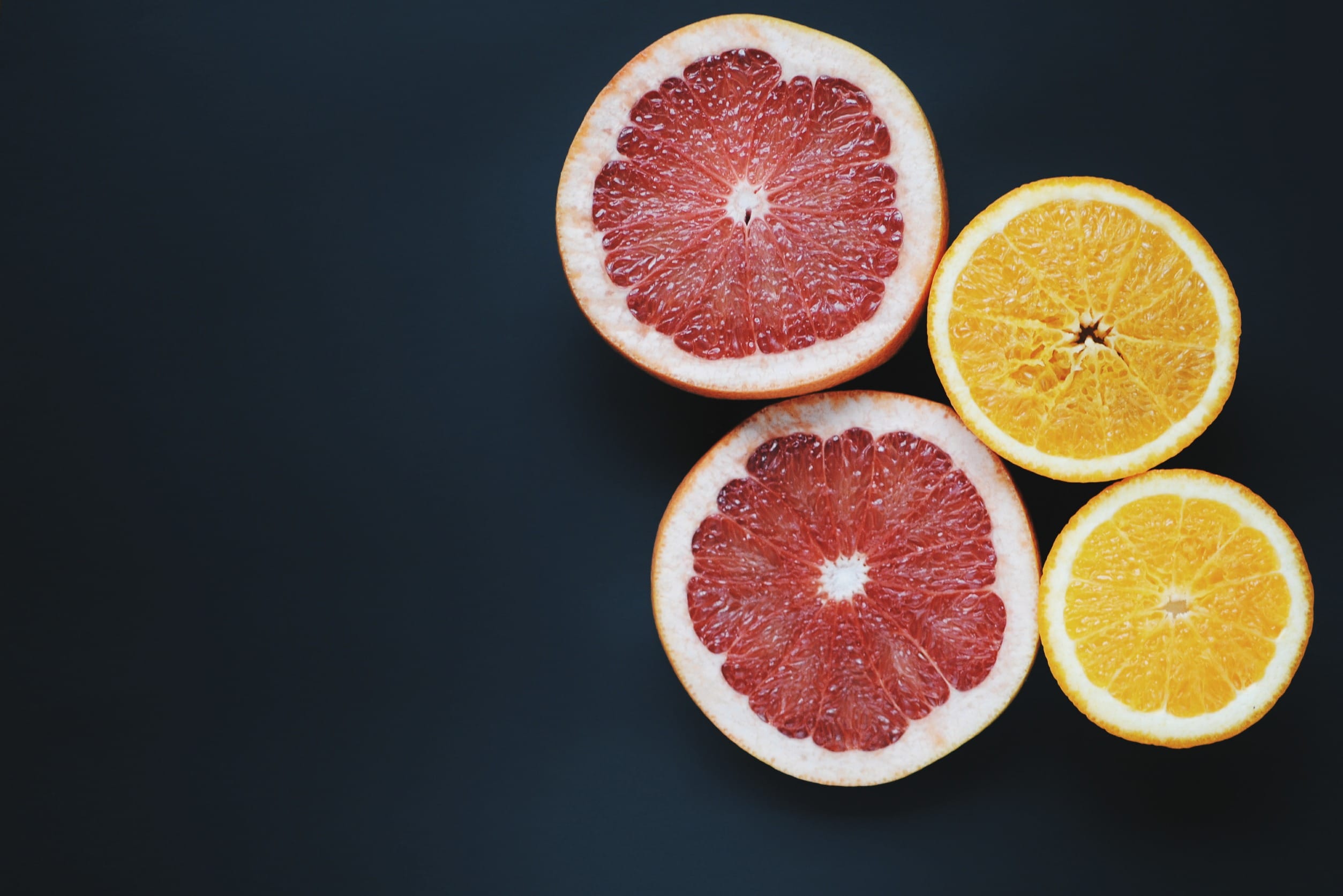
grapefruit diet

123rf

The Grapefruit Diet, popular in the 1930s, claimed that consuming half a grapefruit before each meal could burn fat and boost metabolism. However, the scientific evidence behind these claims was weak, and the fad diet proved unsustainable for most people. Over time, nutritionists highlighted the importance of balanced diets, rendering this citrus-centric approach obsolete. Today, the focus is on whole foods and portion control rather than health fads like single-food solutions.

2. Tapeworm Pills

fad diet tapeworm pills

123rf

In the early 20th century, some people turned to tapeworm pills to lose weight, believing that the parasites would consume excess calories. The risks, however, far outweighed any potential benefits, as tapeworms can cause severe health problems, including malnutrition and intestinal blockages. Medical advancements have since eradicated the need for such dangerous practices. The emphasis now is on safe, sustainable weight management methods.

3. Juice Cleanse

juice cleanses

123rf

Juice cleanses surged in popularity in the early 2000s, with claims of detoxifying the body and aiding weight loss. Despite their appeal, they often lack essential nutrients and can lead to muscle loss and metabolic slowdown. Experts now argue that our bodies have built-in detox systems, the liver and kidneys, that don’t require extreme diets to function. Balanced eating and regular exercise have been proven more effective for long-term health.

4. Fat-Free Craze
fat-free diet

123rf

The fat-free craze of the 1990s led many to believe that eliminating all fats from their diets would result in weight loss and improved health. However, fat is essential for nutrient absorption, brain function, and hormone production. The removal of fat from products often led to the addition of sugars and other unhealthy ingredients. Modern nutrition advice emphasizes the importance of healthy fats, such as those from avocados, nuts, and fish.

5. Master Cleanse
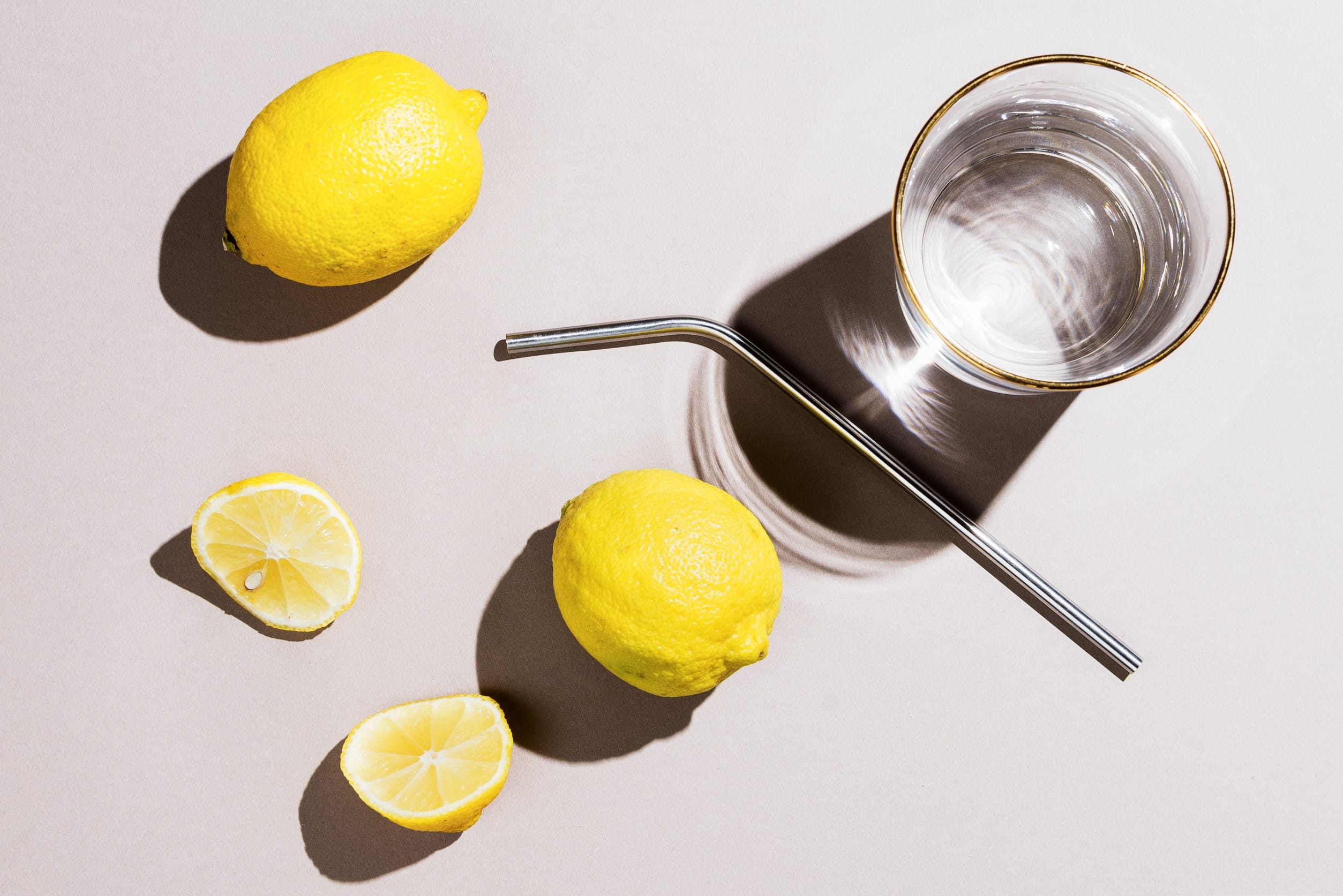
master cleanse fad diet

123rf

The Master Cleanse, involving a concoction of lemon juice, cayenne pepper, maple syrup, and water, promised rapid weight loss and detoxification. While followers did lose weight, it was often temporary and due to severe caloric restriction. Such extreme diets and health fads can be harmful, leading to nutrient deficiencies and other health issues. Sustainable, balanced eating habits are now recognized as the best approach to weight management.

6. Cabbage Soup Diet

cabbage soup

123rf

The Cabbage Soup Diet, a week-long eating plan centered around unlimited cabbage soup, was touted for quick weight loss. While participants did see short-term results, they often experienced hunger, fatigue, and boredom due to the diet’s restrictive nature. Once the diet ended, weight regain was common. Today, variety and moderation are key principles of effective and enjoyable weight loss strategies.

7. Alkaline Diet
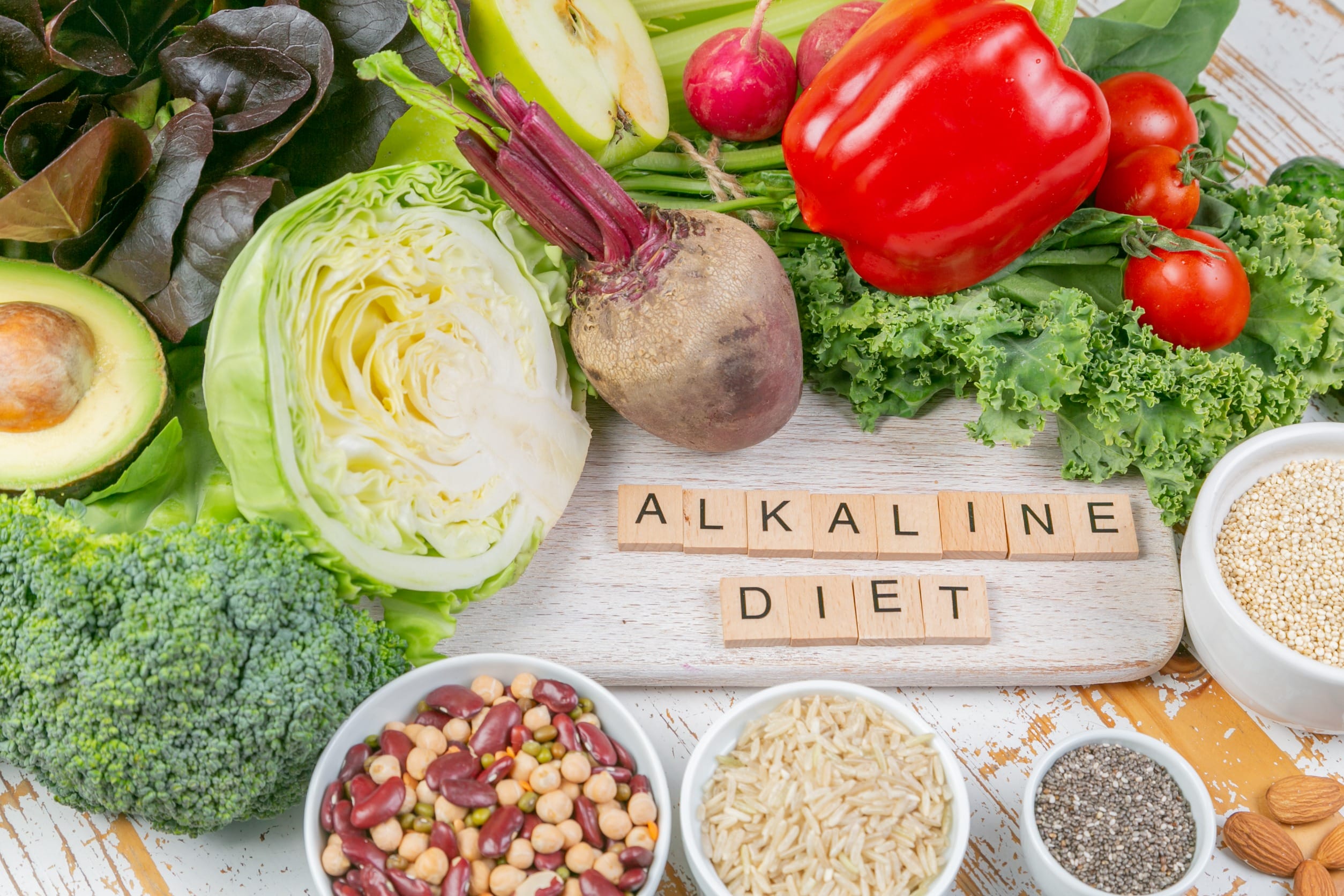
alkaline diet

123rf

The Alkaline Diet claims that eating certain foods can alter the body’s pH balance, promoting better health and weight loss. However, the human body naturally regulates its pH levels, making dietary attempts to change it largely ineffective. Furthermore, scientific evidence supporting the diet’s claims is scant. Emphasis on balanced, nutrient-rich diets remains the gold standard for health.

8. HCG Diet
fad diet

123rf

The HCG Diet, which combines severe caloric restriction with injections of human chorionic gonadotropin (HCG), a hormone produced during pregnancy, gained attention for its rapid weight loss promises. However, the FDA has declared HCG diet products illegal and fraudulent, as there is no substantial evidence supporting their efficacy. Severe calorie restriction can lead to various health problems, making this diet both ineffective and unsafe. The consensus now favors more balanced and evidence-based weight loss methods.

9. Slimming Body Wraps

health fads body wraps

123rf

Body wraps, often marketed in spas, promised to help users lose inches from their waistlines through temporary compression and detoxification. While they might offer short-term water weight loss, the effects are fleeting and do not result in lasting fat reduction. Furthermore, these treatments can be expensive and time-consuming without providing significant benefits. Sustainable weight management focuses on diet, exercise, and lifestyle changes rather than quick fixes.

10. Blood Type Diet
health fads

123rf

The Blood Type Diet suggested that people should eat according to their blood type to achieve optimal health and weight loss. Despite its popularity, there is no scientific evidence to support the diet’s claims, and many nutritionists consider it a pseudoscience. The diet’s restrictions can also lead to nutrient deficiencies. Modern dietary advice emphasizes personalized nutrition based on individual health needs and preferences rather than blood type.

11. Apple Cider Vinegar Shots

health fads apple cider vinegar diet

123rf

Taking shots of apple cider vinegar was once thought to aid weight loss, improve digestion, and boost metabolism. However, the harsh acidity can damage tooth enamel, irritate the throat, and cause stomach issues when consumed in large amounts. Scientific support for its health benefits is limited, and experts recommend incorporating it sparingly into meals rather than as a standalone remedy. A balanced diet and regular physical activity remain the best strategies for achieving and maintaining health.

12. The Cotton Ball Diet

health fads cotton ball diet

123rf

The Cotton Ball Diet, where individuals consume cotton balls soaked in juice to feel full without eating actual food, is extremely dangerous. This fad can lead to severe gastrointestinal blockages and malnutrition, posing significant health risks. It highlights the extremes to which some will go in the pursuit of weight loss. Current health guidelines emphasize the importance of balanced, nutritious eating habits for maintaining a healthy weight and overall well-being.

Embracing Sustainable Health Practices Over Health Fads
sustainable health practices

123rf

As we’ve seen, fad diets often promise quick fixes but rarely deliver lasting, safe results. Over time, scientific research and medical advancements have debunked many of these trends, highlighting the importance of balanced nutrition, regular physical activity, and holistic wellness. It’s essential to approach new health trends with skepticism and prioritize evidence-based practices. By focusing on sustainable habits, we can achieve better health outcomes and avoid the pitfalls of fleeting fads.


Photograph of Teri Monroe
Teri Monroe
Teri Monroe started her career in communications working for local government and nonprofits. Today, she is a freelance finance and lifestyle writer and small business owner. Teri holds a B.A. From Elon University.  In her spare time, she loves golfing with her husband, taking her dog Milo on long walks, and playing pickleball with friends.

Filed Under: Lifestyle Tagged With: diet, health, Health Fads, Lifestyle

10 Strange Facts About the Human Body You Never Knew

May 21, 2024 by Teri Monroe Leave a Comment

strange facts about the body

123RF

The human body is a marvel of evolution, with its intricate systems and functions. From the brain’s complexity to the mysteries of our DNA, there’s a lot about our bodies that continues to fascinate scientists and laypeople alike. However, amidst the well-known facts, there are some peculiarities that often go unnoticed. Here are 10 strange facts about the human body that might surprise you.

1. You Have Unique Fingerprints

fingerprints

123RF

Fingerprints are one of nature’s intricate signatures, each as unique as a snowflake in a blizzard. Formed during fetal development, they are a blend of genetic predisposition and environmental factors. These ridged patterns not only provide friction for gripping objects but also serve as foolproof identifiers, crucial in forensic science and biometric security. Even identical twins, with their genetic similarity, boast distinct fingerprint patterns, underscoring the unparalleled individuality of these tiny, swirling designs.

2. You Produce Enough Saliva to Fill Two Swimming Pools

swimming pool

123RF

According to the Journal of Medicine and Life, the average person produces about 0.5 to 1.5 liters of saliva per day. Over a lifetime, that’s enough to fill two large swimming pools! Saliva is essential for digestion, oral health, and even wound healing, showcasing the incredible efficiency and adaptability of our bodies. Despite its abundance, saliva often goes unnoticed until its absence, highlighting its vital role in everyday life.

3. Goosebumps Date Back to Our Ancestors

goosebumps

123RF

According to Harvard Medical School, goosebumps, also known as piloerection, are a physiological response triggered by the autonomic nervous system in response to cold temperatures, fear, or emotional arousal. When we experience these stimuli, tiny muscles at the base of hair follicles contract, causing the hairs to stand on end. This reaction is an evolutionary remnant from our ancestors, who would puff up their fur to appear larger or trap more air for insulation when threatened or cold. While less functional in humans, goosebumps still serve as a vestigial response, often accompanying strong emotional experiences.

4. Tongue Prints Are as Unique as Fingerprints

tongue prints

123RF

Tongue prints, like fingerprints, are unique to each individual and can be used for identification purposes. The tongue’s surface is covered in tiny papillae, each with a distinct pattern, creating a unique imprint. While not as commonly used as fingerprints, tongue prints have been explored as a potential biometric identifier due to their uniqueness and stability over time. However, research into their practical application for identification purposes is still ongoing.

5. You Hear Your Own Voice Differently

hear your voice differently

123RF

When you hear your voice in recordings, it often sounds different from what you hear when speaking. This is because when you speak, you not only hear the sound transmitted through the air but also vibrations conducted through your skull, which give your voice a fuller, deeper tone. This discrepancy between internal and external perception can sometimes be surprising or disorienting when hearing recordings of our own voices. How you hear your own voice differently is one of the many strange facts about the human body.

6. Gut Feelings Have a Scientific Basis

gut feeling

123RF

The gut is often referred to as our “second brain” due to its extensive network of neurons. This enteric nervous system not only regulates digestion but also communicates with the central nervous system, influencing mood and behavior. Hence, phrases like “gut feeling” or “butterflies in the stomach” may have a scientific basis. It’s no wonder that gut health is now linked to conditions like anxiety and depression.

7. Humans Emit Visible Light

fireflies

123RF

While bioluminescence is commonly associated with certain marine organisms like jellyfish and fireflies, recent studies suggest that humans might possess a form of bioluminescence as well. It’s proposed that this bioluminescence might be very faint and linked to biochemical reactions involving reactive oxygen species (ROS) within our cells. However, the exact mechanism and purpose of this bioluminescence, if it exists, remain subjects of ongoing research and debate within the scientific community. In 2020, scientists discovered that the human body emits visible light, though it’s too faint for the human eye to detect without specialized equipment.

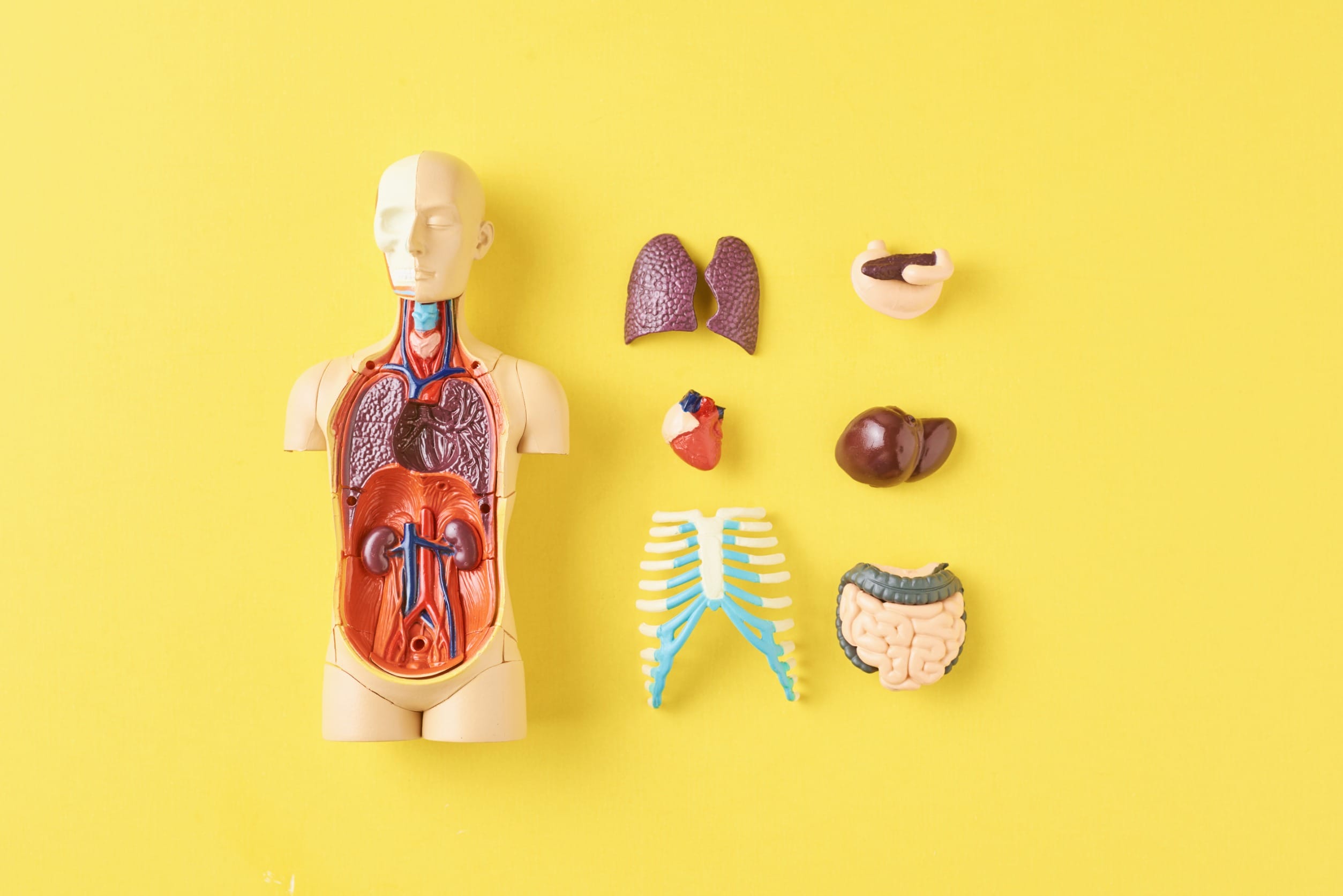
8. You Can Survive without a Significant Portion of Your Organs

human body

123RF

Humans can survive without certain organs due to the body’s remarkable ability to adapt and compensate. For instance, individuals can live without a spleen, as other organs like the liver can assume some of its functions, such as filtering blood and fighting infections. Similarly, while the removal of one kidney can impair renal function, the remaining kidney can often manage the body’s filtration needs adequately. Even portions of the digestive system, like the colon, can be partially removed, with the small intestine adapting to absorb nutrients more efficiently. While such adaptations may require lifestyle adjustments and careful medical management, they highlight the incredible resilience and adaptability of the human body.

9. Rapid Eye Movement (REM) Sleep Paralyzes You

REM sleep

123RF

During REM sleep, when most dreaming occurs, your body essentially becomes paralyzed, except for your eyes and certain muscle groups involved in breathing. This paralysis prevents you from acting out your dreams and potentially harming yourself while asleep. Contrary to what many might think, the brain doesn’t slow down when you go to sleep. In fact, it’s more active during the night than during the day. This increased activity is crucial for processes such as memory consolidation, problem-solving, and emotional processing. Recent studies have even linked specific brain waves during sleep to creativity and learning.

10. Your Sense of Smell Adapts to Your Environment

smelling coffee

123RF

Have you ever noticed that you stop smelling a strong odor after a while, even though it hasn’t dissipated? This phenomenon, known as olfactory adaptation, occurs when your brain becomes accustomed to a constant smell and filters it out to focus on more relevant scents. It’s why you might not notice the aroma of your own home but can immediately detect unfamiliar smells elsewhere. This adaptation serves to prevent sensory overload and allows humans and animals to detect changes in their environment more effectively, making it one of many strange facts about the human body.

Our Unique Bodies

body

123RF

These strange facts about the human body serve as a reminder of the incredible complexity and uniqueness of our biology. Despite centuries of study, there’s still much to learn and discover about ourselves, keeping the journey of exploration ever fascinating.

Read More

9 Cities Where Millennials Are Moving And Why

Protecting Your Practice: 5 Essential Insurances Every Small Hospital Doctor Should Have

Photograph of Teri Monroe
Teri Monroe
Teri Monroe started her career in communications working for local government and nonprofits. Today, she is a freelance finance and lifestyle writer and small business owner. Teri holds a B.A. From Elon University.  In her spare time, she loves golfing with her husband, taking her dog Milo on long walks, and playing pickleball with friends.

Filed Under: Lifestyle Tagged With: health, Lifestyle, strange facts

From Cold Cures to Detox Diets: 15 Health Myths Unmasked

May 3, 2024 by Vanessa Bermudez Leave a Comment

health

123rf

In an era dominated by information overload and a plethora of self-proclaimed health gurus, distinguishing fact from fiction in the world of wellness can be daunting. 

From old wives’ tales about curing a common cold to modern marketing ploys like detox diets, it’s easy to get caught up in health myths that promise quick fixes and dramatic results. This article will explore and debunk some of the most common misconceptions to ensure you make well-informed health decisions.

1. Cold Weather Causes Colds

man with colds

123rf

One of the most persistent health myths is that exposure to cold weather can make you sick. In reality, colds are caused by viruses, not temperature. 

While it’s true that colds are more common in winter, this is likely due to people spending more time indoors near each other, thus facilitating virus transmission. 

Dressing warmly and avoiding the cold does not directly prevent colds; it’s more about practicing good hygiene and maintaining a healthy immune system.

2. Starve a Fever, Feed a Cold

woman with fever

123rf

This saying suggests that eating less during a fever and more when you have a cold can help you recover. However, both parts of this advice are misleading. 

When you’re ill, good nutrition always matters. Your body needs more energy and nutrients to fight the infection, whether it’s a cold or a fever.

Proper hydration and a balanced diet can support recovery from any illness.

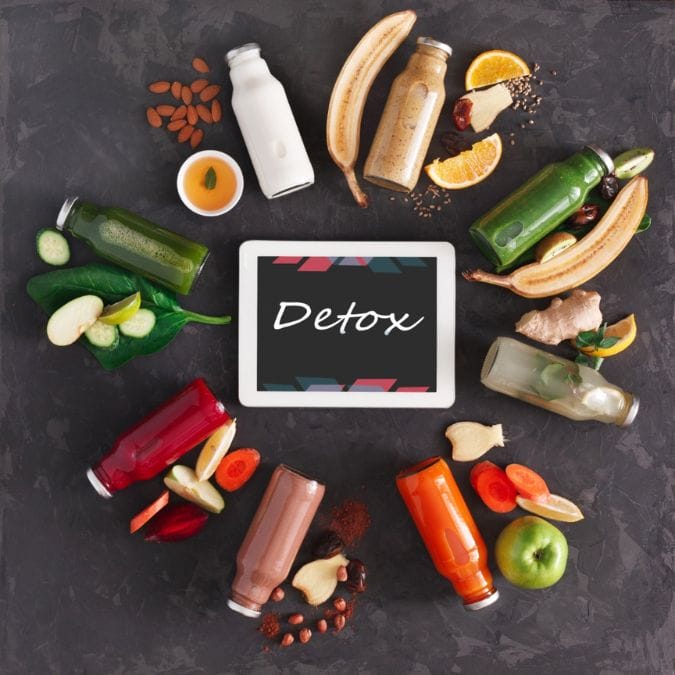
3. Detox Diets Cleanse Your Body

detox diet

123rf

Detox diets are often touted as a way to remove toxins from the body and promote weight loss. However, the liver and kidneys are naturally efficient at filtering out most toxins. 

Most detox diets are not only unnecessary but can be potentially dangerous by depriving the body of essential nutrients. A balanced diet high in fiber, fruits, and vegetables supports the body’s detox pathways more effectively than any quick-fix detox diet.

4. Carrots Improve Your Vision

woman with poor eyesight

123rf

Carrots are rich in beta-carotene, which the body converts into vitamin A, a nutrient essential for good vision. However, the belief that eating carrots can improve your eyesight is a myth. 

While vitamin A deficiency can lead to vision problems, consuming excess carrots will not enhance vision beyond normal levels. Good eye health is better supported by a diet that includes a variety of nutrients, such as omega-3 fatty acids, antioxidants, and minerals.

5. You Should Drink Eight Glasses of Water a Day

drinking water

123rf

While hydration is essential, the often-cited rule of drinking eight glasses of water per day is not based on scientific evidence. Individual water needs vary based on factors like age, activity level, climate, and dietary intake. 

It’s better to listen to your body and drink when you’re thirsty. Remember that other beverages and high-water-content foods also contribute to your daily water intake.

6. Reading in Dim Light Ruins Your Eyesight

reading in dim light

123rf

Reading in low light won’t permanently damage your eyesight. It can cause temporary eye strain or fatigue, but these are not lasting conditions. 

To avoid discomfort, it’s best to use adequate lighting when reading or doing detailed work. This myth persists likely because people may experience more eye strain as they age, regardless of lighting conditions.

7. Cracking Your Knuckles Causes Arthritis

cracking knuckles

123rf

The sound of cracking knuckles comes from bubbles bursting in the synovial fluid, which helps lubricate joints. While it can be annoying to others, there is no scientific evidence linking this habit to the development of arthritis. 

However, habitual knuckle-cracking may lead to hand swelling and reduced grip strength over time, so while it’s not as harmful as once thought, it’s not entirely benign.

8. Eating Sugar Causes Diabetes

sugar

123rf

Eating sugar by itself does not cause diabetes. Type 2 diabetes develops from a combination of genetic and lifestyle factors, including poor diet, excessive calorie intake, and lack of exercise. 

While sugary foods can contribute to weight gain, which is a risk factor for diabetes, they are not a direct cause. Maintaining a balanced diet and a healthy weight are key preventive measures.

9. You Can Lose Weight in Specific Areas

weight loss

123rf

The idea that you can target fat loss in specific body areas through diet or exercise is a myth. When you lose weight, you lose it throughout your body, depending on your genetic predisposition. 

Focus on a whole-body approach—like cardio, strength training, and a healthy diet—to achieve a toned appearance and reduce overall body fat.

10. Skipping Meals Helps You Lose Weight

woman holding food

123rf

Skipping meals is not an effective strategy for weight loss. It can actually backfire by causing you to eat more at other meals due to increased hunger. 

Regular meals help maintain blood sugar levels, reduce cravings, and improve metabolism. A better approach to weight loss includes eating balanced meals and controlling portion sizes.

11. Eggs Are Bad for Your Heart

sweaty woman

123rf

The myth that eggs are bad for your heart because they contain cholesterol has been debunked. Recent studies show that moderate egg consumption (up to one a day) does not increase the risk of heart disease in healthy individuals. 

Eggs are a nutritious source of protein and other important nutrients that can play a part in a balanced diet.

12. If You’re Not Sweating, You’re Not Working Out Hard Enough

sweaty woman

123rf

Sweat is not a reliable indicator of physical exertion. Sweating is the body’s mechanism to cool down, not necessarily an indicator of calorie burn or workout intensity. 

Some people sweat more than others due to genetic factors or environmental conditions, not because they’re working out harder. Judge the effectiveness of your workout on your heart rate and muscle fatigue, not just the amount of sweat produced.

13. More Protein is Always Better

food rich in protein

123rf

The body needs protein, but more is not always better. Excessive protein intake can lead to digestive, kidney, and vascular problems. 

The key is balance. Ensure you consume the right amount of protein for your body type, activity level, and health goals.

14. Microwaving Food Destroys Nutrients

microwave oven

123rf

Microwaving food is actually one of the best methods to preserve nutrients during cooking, contrary to the myth that it destroys them. The shorter cooking times and reduced use of water in microwaving help retain vitamins and minerals that might be lost in other cooking methods like boiling.

15. Natural or Herbal Products Are Always Safe

herbal products

123rf

Just because a product is labeled natural or herbal does not automatically make it safe for everyone. These products are not always thoroughly tested for efficacy and safety before marketing. 

Some can interact negatively with prescription medications or may not be suitable for everyone, especially pregnant women and those with certain health conditions. 

Always consult with a healthcare professional before starting any new treatment or supplement, especially if it is labeled as natural.

Health is Wealth

woman enjoys sunset

123rf

By challenging these myths with scientific insight and encouraging a more nuanced understanding of health, we empower individuals to make better, more informed decisions about their wellness. Remember, a critical mind is just as important as a healthy body in navigating the complex landscape of modern health advice.

Read More

Stay Young Forever? 14 Non-Exercise Tips That Actually Work

9 Reasons Baby Boomers Are Healthier Than Other Generations

Vanessa Bermudez
Vanessa Bermudez
Vanessa Bermudez is a content writer with over eight years of experience crafting compelling content across a diverse range of niches. Throughout her career, she has tackled an array of subjects, from technology and finance to entertainment and lifestyle. In her spare time, she enjoys spending time with her husband and two kids. She’s also a proud fur mom to four gentle giant dogs.

Filed Under: Myths Tagged With: health, health myths, myths

Stay Young Forever? 14 Non-Exercise Tips That Actually Work

May 1, 2024 by Vanessa Bermudez Leave a Comment

girl stands on a mountain and looks at the sunset

123rf

In a society obsessed with youthfulness and vitality, the quest to stay young forever is a common aspiration. While exercise is often touted as a key component of anti-aging strategies, numerous non-exercise tips can also contribute to maintaining a youthful appearance and vibrant health. 

In this article, we’ll explore 14 non-exercise tips that actually work, helping you defy the effects of aging and feel your best at any age.

1. Prioritize Sleep for Rest and Regeneration

woman in bed waking up

123rf

Quality sleep is essential for overall health and well-being, including maintaining a youthful appearance. During sleep, the body undergoes important processes of repair and regeneration. This includes the production of growth hormone, which helps keep skin firm and elastic. 

Aim for 7-9 hours of quality sleep each night, and establish a consistent sleep schedule to optimize the benefits of restorative rest.

2. Hydrate Your Skin Inside and Out

a person drinking water

123rf

Proper hydration is crucial for achieving youthful, radiant skin. Drink plenty of water throughout the day to keep your skin hydrated from the inside out. Consider using a moisturizer with hydrating ingredients like hyaluronic acid to lock in moisture.

Additionally, incorporating foods high in water content, such as fruits and vegetables, into your diet can further support skin hydration and all-around health.

3. Protect Your Skin from Sun Damage

woman wearing sunglasses

123rf

Excessive sun exposure is a major contributor to premature aging, causing wrinkles, age spots, and loss of skin elasticity. Protect your skin by wearing sunscreen with broad-spectrum protection every day and seeking shade during peak sun hours.

Plus, wearing protective clothing like hats and sunglasses can further shield your skin from harmful UV rays.

4. Healthy Diet Rich in Antioxidants

healthy diet

123rf

Eating a balanced diet rich in antioxidants can help protect your body from the damaging effects of free radicals, which contribute to aging and disease. Add fruits and vegetables, whole grains, lean proteins, and healthy fats into your meals to provide essential nutrients and support good health.

Foods high in antioxidants, such as berries, leafy greens, and nuts, can also help combat inflammation and oxidative stress, promoting youthful vitality.

5. Learn Stress Management Techniques

yoga exercise

123rf

Chronic stress can accelerate the aging process and contribute to a variety of health issues, including inflammation, hormonal imbalances, and impaired immune function. Do stress management techniques such as meditation, deep breathing exercises, yoga, or tai chi to promote relaxation and reduce stress levels.

Prioritizing self-care activities and finding healthy ways to cope with stress can help you keep a youthful mindset and vibrant energy.

6. Cultivate Meaningful Relationships and Social Connections

a group of friends

123rf

Strong social connections and meaningful relationships are essential for overall well-being and can profoundly impact aging. Engage in regular social activities, spend time with loved ones, and cultivate friendships that bring joy and fulfillment to your life.

Research suggests that maintaining social connections can help reduce stress, boost immunity, and even prolong lifespan, highlighting the importance of nurturing relationships for healthy aging.

7. Mindfulness and Mental Fitness Practices

woman watching sunset

123rf

Mindfulness practices, such as meditation and cognitive behavioral therapy, can help improve mental fitness and resilience. By cultivating awareness of your thoughts, emotions, and sensations, you can develop greater emotional intelligence and adaptive coping skills to navigate life’s challenges.

Regular practice of these techniques can also enhance brain function, improve mood, and reduce symptoms of anxiety and depression, contributing to a more youthful outlook on life.

8. Prioritize Brain Health with Mental Stimulation

crossword puzzle

123rf

Just as physical exercise is important for maintaining physical health, mental stimulation is crucial for preserving cognitive function and brain health as you age. Engage in activities that challenge your brain, such as puzzles, crosswords, learning a new language, or playing musical instruments.

Continuous mental stimulation can help build cognitive reserve, reduce the risk of cognitive decline, and promote lifelong learning and growth.

9. Get Regular Health Screenings and Check-ups

regular checkup

123rf

Regular health screenings and check-ups are essential for early detection and prevention of age-related health issues. Schedule routine appointments with your healthcare provider to monitor key health indicators, such as blood pressure, cholesterol, and blood sugar levels. 

Additionally, discuss any concerns or symptoms you may have with your doctor to address them proactively and avoid health complications.

10. Maintain Good Posture and Mobility

good posture sitting down

123rf

Poor posture and limited mobility can contribute to muscle imbalances, joint stiffness, and increased risk of falls as you age. Observe good posture habits, such as sitting and standing tall with shoulders back and chin up, to maintain proper spinal alignment and reduce strain on your muscles and joints.

Incorporate regular stretching and mobility exercises into your daily routine to improve flexibility, range of motion, and balance, helping you stay active and independent as you age.

11. Limit Alcohol Consumption and Avoid Smoking

drinking alcohol

123rf

Excessive alcohol consumption and smoking are two major lifestyle factors that can accelerate the aging process and contribute to a variety of health issues. Limit alcohol intake to moderate levels to reduce the risk of liver damage, heart disease, and premature aging.

Avoid smoking and exposure to secondhand smoke, as smoking is a major contributor to wrinkles, dull skin, and other signs of premature aging.

12. Practice Gratitude and Positive Thinking

think positive

123rf

Developing a mindset of gratitude and positive thinking can profoundly affect your health and well-being. Take time each day to reflect on the things you’re grateful for and express appreciation for the blessings in your life.

Positive affirmations and gratitude practices can help shift your focus from negativity to abundance, fostering a more optimistic outlook and enhancing your overall quality of life.

13. Have a Sense of Purpose and Meaning

volunteer work

123rf

Having a sense of purpose and meaning in life is essential for overall well-being and can contribute to a longer, healthier life. Engage in activities that bring joy and fulfillment, whether it’s pursuing hobbies, volunteering, or contributing to causes you’re passionate about. 

Cultivate a sense of purpose by setting meaningful goals, nurturing your talents and interests, and finding ways to make a positive impact on the world around you.

14. Embrace Change and Adaptability

embrace change

123rf

As you age, embracing change and adaptability is important to navigate life’s transitions with ease. Welcome new experiences, challenges, and opportunities for growth, and approach change with an open mind and a willingness to learn.

Adaptability can help you thrive in the face of adversity, maintain a sense of curiosity, and continue to grow throughout your life.

Aging Gracefully with These Non-Exercise Tips

father and daughter enjoy sunset

123rf

In essence, embracing non-exercise activities alongside a healthy lifestyle can contribute significantly to aging gracefully. By nurturing physical health, mental agility, and social connections, individuals can lead fulfilling and vibrant lives as they grow older.

Read More

9 Reasons Baby Boomers Are Healthier Than Other Generations

Not Just For Kids: 10 Reasons Even Baby Boomers Should Play Outside

Vanessa Bermudez
Vanessa Bermudez
Vanessa Bermudez is a content writer with over eight years of experience crafting compelling content across a diverse range of niches. Throughout her career, she has tackled an array of subjects, from technology and finance to entertainment and lifestyle. In her spare time, she enjoys spending time with her husband and two kids. She’s also a proud fur mom to four gentle giant dogs.

Filed Under: Mental Health, Misc. Tagged With: exercise, Fitness, health

Not Just For Kids: 10 Reasons Even Baby Boomers Should Play Outside

April 22, 2024 by Teri Monroe Leave a Comment

playing outside

In a world increasingly dominated by screens and sedentary lifestyles, the call to get outdoors isn’t just for the young. Baby boomers, often associated with a strong work ethic and a focus on family, can benefit just as much from spending time in nature. While the concept of outdoor play may conjure images of children running through fields or climbing trees, the truth is that outdoor activities offer a plethora of benefits for individuals of all ages. Here are ten compelling reasons why even baby boomers should consider playing outside.

1. Improved Physical Health

boomer swimming

Engaging in outdoor activities such as walking, hiking, gardening, or even simple stretching exercises under the open sky can significantly improve cardiovascular health, muscle strength, and overall physical well-being.

2. Vitamin D Boost

coffee outside

Spending time outdoors exposes the body to natural sunlight, which is essential for synthesizing vitamin D. Just 15 minutes of time outside per day can help you get your allotted daily dose of Vitamin D. Adequate vitamin D levels are crucial for maintaining bone health, supporting the immune system, and reducing the risk of certain diseases.

3. Stress Reduction

stress reduction

Nature has a calming effect on the mind. Whether it’s the gentle rustle of leaves, the chirping of birds, or the sight of a beautiful sunset, spending time outdoors can lower stress levels, promote relaxation, and improve mental clarity.

4. Social Connection

boomers playing outside by gardening

Outdoor activities often present opportunities for social interaction and bonding. Whether it’s joining a walking group, participating in community gardening projects, or simply enjoying a picnic with friends, outdoor play fosters connections with others and combats feelings of loneliness or isolation.

5. Enhanced Mood

Enhanced Mood

Exposure to natural light and fresh air triggers the release of endorphins, the body’s natural mood lifters. Regular outdoor play can help alleviate symptoms of depression and anxiety, promoting a more positive outlook on life.

6. Brain Health

riding bikes

Outdoor activities that require problem-solving, such as navigating hiking trails or learning new outdoor skills, stimulate cognitive function and promote brain health. Additionally, spending time in green spaces has been linked to improved memory and attention span. A study by the University of Michigan found memory performance and attention spans improved by 20 percent after people spent an hour interacting with nature.

7. Creativity and Inspiration

painting outside

Nature has long been a source of inspiration for artists, writers, and innovators. Immersing oneself in the outdoors can stimulate creativity, spark new ideas, and reignite passions that may have lain dormant.

8. Better Sleep

better sleep

Exposure to natural light during the day helps regulate the body’s internal clock, promoting better sleep patterns. Additionally, physical activity during outdoor play can tire the body in a healthy way, leading to deeper and more restful sleep at night.

9. Sense of Purpose

golfing

Engaging in outdoor activities such as volunteering for environmental conservation projects or participating in outdoor sports can provide a sense of purpose and fulfillment, contributing to overall life satisfaction.

10. Appreciation for Nature

appreciation of nature

Finally, spending time outdoors fosters a deeper appreciation for the natural world and encourages a sense of stewardship toward the environment. Baby boomers, who have witnessed significant environmental changes over their lifetimes, can play a vital role in advocating for conservation efforts and preserving nature for future generations.

Benefits of Outdoor Play for All Ages

boomers playing at the beach

Outdoor play is not just for kids—it’s for everyone, including baby boomers. By baby boomers playing outside, they can enjoy numerous physical, mental, and emotional benefits that contribute to a healthier and more fulfilling lifestyle. So, whether it’s taking a leisurely stroll in the park, tending to a garden, or embarking on a new outdoor adventure, stepping outside can lead to a wealth of positive experiences and lasting memories.

Read More

12 Places Baby Boomers Are Spending Their Money That Have Meaning

10 Smart Reasons Most Baby Boomers Are Aging in Place

Photograph of Teri Monroe
Teri Monroe
Teri Monroe started her career in communications working for local government and nonprofits. Today, she is a freelance finance and lifestyle writer and small business owner. Teri holds a B.A. From Elon University.  In her spare time, she loves golfing with her husband, taking her dog Milo on long walks, and playing pickleball with friends.

Filed Under: Mental Health, Misc. Tagged With: Boomers, health, outdoors, well-being

What Are The Different Types of Wealth?

September 30, 2020 by Jacob Sensiba Leave a Comment

types-of-wealth


Most people think “lots of money” when they hear the term wealth. Though that is part of the basket, we’ll call it that today, it’s not the only part of the wealth equation.

There are four different types of wealth: financial, social, time, and health.

In today’s post, we’ll go over each, what they consist of, and what you can do to get more.

Financial

We’ll tackle this one right away; this is The Free FINANCIAL Advisor, after all. Financial wealth is what everyone has in mind when the term wealth is used.

Whether that means investments, savings, disposable income, no debt, what have you. Financial wealth implies that you don’t have to worry about your finances and you can now spend on things that matter to you.

To improve your financial wealth, there are a few things you can do:

  • Eliminate your debt – Debt costs you money, both in interest and opportunities. Opportunities to invest and/or to free up your time (more on that in a bit).
  • Invest – stock market, direct lending, real estate, or hard assets (precious metals, art, ect.).
  • Spend wisely – Keep a budget, review your expenses, and monitor your spending.

In my opinion, financial wealth is the least important of the four types of wealth we’ll discuss here. My explanation is in the “conclusion” section.

Social

There are two ways you can look at Social Wealth. One way is status – your social hierarchy and social class. The other way (and how I look at it) is your connections and relationships.

Unfortunately, social hierarchy is important in today’s society. People higher up in the ranks tend to have better connections and job opportunities. I’m not discounting its importance but underlining how integral good relationships are to your life.

We’re social creatures. We evolved this way. That’s why we care what people think, and that’s why we need to nurture our friendships. Healthy relationships help us live longer, happier lives.

Do you want to improve this? Communicate with people that align with your values. Tell people what they mean to you. If you love your buddy, tell them you love them.

This brings me to the next type of wealth.

Time

We truly do not know when our time will run out, for you or for me. That’s why it’s so incredibly important to make the most of it.

Using your “financial wealth” to free up your time is a great way to “create” more of it. Would rather spend time with your family and not cut the grass? Pay someone to do it for you.

Time is our most precious, yet our most wasted resource. We always think, “maybe tomorrow” or “I’ll do it next week”. Next week might not get here. If it crosses your mind, take action.

I elaborate on this in last week’s reflection

Health

I can’t decide if time or health are the most underappreciated forms of wealth. Time is the most finite of resources, but I feel like health is an afterthought, in most cases.

Your body and your mind have to be a priority. Watch what you eat, take walks, exercise, journal, meditate, speak with a therapist. Whatever you need to do to be mentally and physically healthy, I promise you, it’s worth the time/money/energy.

Conclusion

If I had to rank these types of wealth in order of importance, I’d go time, health, social, and financial. Your rankings may differ, as this is my personal opinion.

Without time, you have nothing. If you have the time, focus on your health and your relationships. If you don’t have either of those, having money doesn’t mean a darn thing.

Related reading:

The Psychology of Money

Ways to Increase Your Wealth

What Are The Levels of Wealth?

Jacob Sensiba
Jacob Sensiba

Jacob Sensible is a financial advisor with decades of experience in the financial planning industry.  His journey into finance began out of necessity, stepping up to support his grandfather during a health crisis. This period not only grounded him in the essentials of stock analysis, investment strategies, and the critical roles of insurance and trusts in asset preservation but also instilled a comprehensive understanding of financial markets and wealth management.  Jacob can be reached at: jake.sensiba@mygfpartner.com.

mygfpartner.com/jacob-sensiba-wisconsin-financial-advisor/

Filed Under: Feature, money management, Personal Finance, Psychology Tagged With: finance, health, social, time, Wealth

  • « Previous Page
  • 1
  • 2
  • 3
  • 4

FOLLOW US

Search this site:

Recent Posts

  • Can My Savings Account Affect My Financial Aid? by Tamila McDonald
  • 12 Ways Gen X’s Views Clash with Millennials… by Tamila McDonald
  • What Advantages and Disadvantages Are There To… by Jacob Sensiba
  • 10 Tactics for Building an Emergency Fund from Scratch by Vanessa Bermudez
  • Call 911: Go To the Emergency Room Immediately If… by Stephen Kanaval
  • 7 Weird Things You Can Sell Online by Tamila McDonald
  • 10 Scary Facts About DriveTime by Tamila McDonald

Copyright © 2026 · News Pro Theme on Genesis Framework