• Home
  • About Us
  • Toolkit
  • Getting Finances Done
    • Hiring Advisors
    • Debt Management
    • Spending Plan
  • Insurance
    • Life Insurance
    • Health Insurance
    • Disability Insurance
    • Homeowners/Renters Insurance
  • Contact Us
  • Privacy Policy
  • Risk Tolerance Quiz

The Free Financial Advisor

You are here: Home / Archives for digital payments

IRS Warning: That Venmo Payment for Your Garage Sale Just Triggered a Surprise Tax Bill

January 14, 2026 by Brandon Marcus Leave a Comment

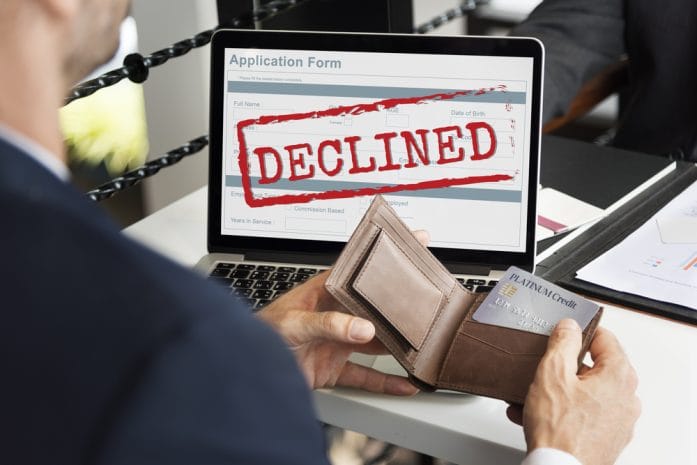
That Venmo Payment for Your Garage Sale Just Triggered a Surprise Tax Bill

Image Source: Shutterstock.com

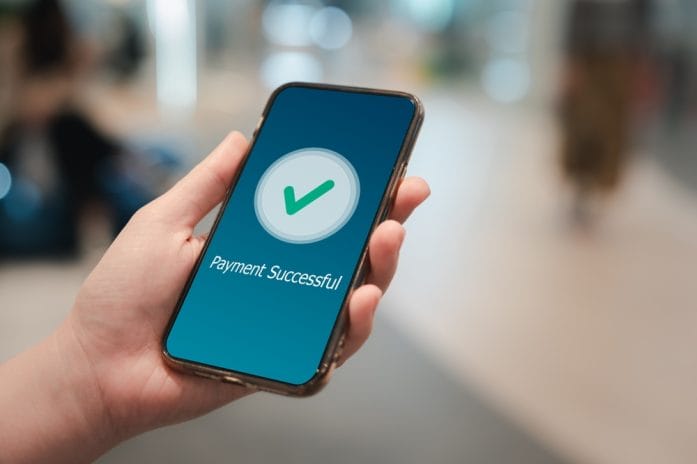
It’s a wonderful moment when Venmo confirms a payment has hit your bank account, especially when it’s a garage or yard sale. A stranger happily walks away with your old coffee table, and you feel like a decluttering champion who just earned a few extra bucks.

Victory, right? Not so fast.

That innocent little digital payment may have quietly waved hello to the IRS, and months later it could come roaring back as a tax surprise you never saw coming. Welcome to the modern garage sale, where folding tables, lawn signs, and peer-to-peer payment apps collide with federal tax rules in ways that catch everyday sellers completely off guard.

Why That Innocent Venmo Payment Raised A Red Flag

For decades, garage sales lived in a blissful cash-only bubble, rarely noticed by anyone outside the neighborhood. Digital payments changed that overnight, because apps like Venmo, PayPal, and Cash App leave electronic paper trails that never fade. When money flows through these platforms, it can be categorized as business income depending on how the payment is tagged or processed. Even if you were just unloading old stuff from your basement, the system may not know that. From the IRS perspective, incoming payments can look like earnings unless clearly identified otherwise.

The confusion often starts when buyers send money using the default settings or label the transaction as payment for goods or services. That single tap can flip a switch that classifies you as a seller rather than a casual declutterer. Payment platforms are required to track and report certain transactions, which means your weekend garage sale could accidentally resemble a side hustle.

How The IRS Actually Tracks Digital Payments

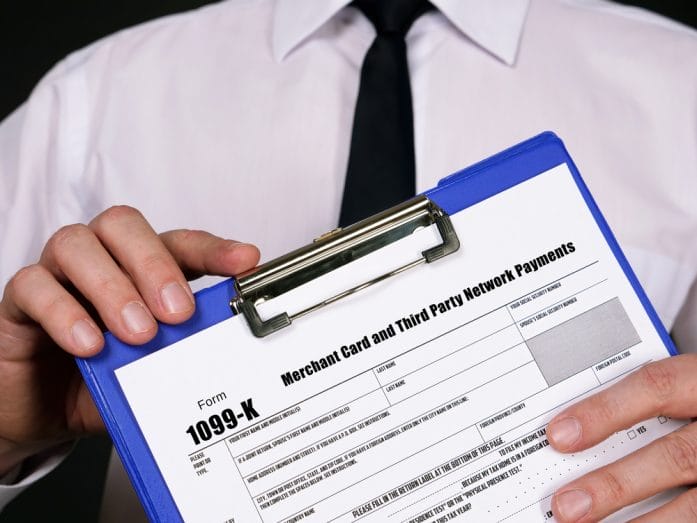
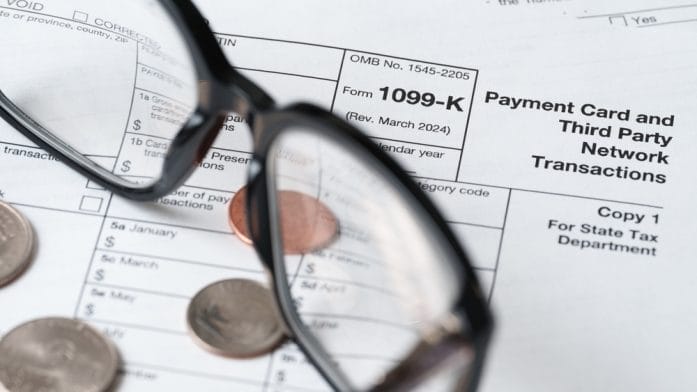
The IRS does not sit around spying on garage sales, but it does pay attention to reported income. Payment platforms are required to issue tax forms when accounts meet specific reporting thresholds. These forms summarize the total amount of payments received during the year that were classified as taxable transactions. Once that form exists, the IRS expects to see the same income reflected on your tax return. If it is missing, questions tend to follow.

This system does not evaluate context, fairness, or intent. It only compares reported numbers. That means selling a used couch at a loss can look identical to running a small online shop if the payments are processed the same way. Many people are stunned to learn that the IRS receives this information automatically, without any action required on their part.

That Venmo Payment for Your Garage Sale Just Triggered a Surprise Tax Bill

Image Source: Shutterstock.com

What Counts As Taxable Income And What Does Not

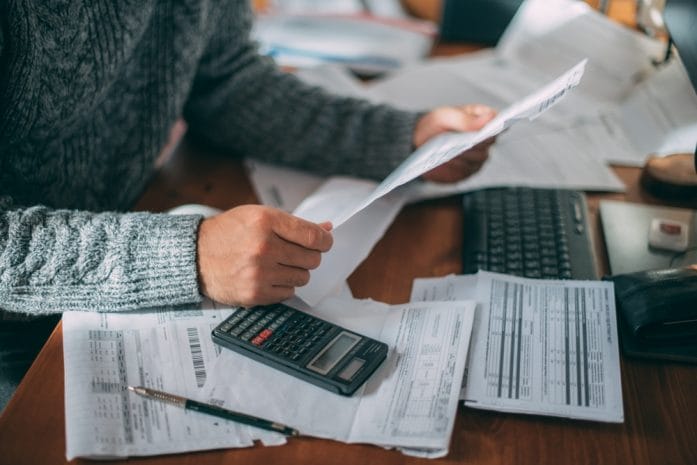
Here is where things get nuanced, and where many sellers panic unnecessarily. Selling personal items for less than you originally paid is generally not taxable income. That old blender you bought for eighty dollars and sold for fifteen does not create a profit, and profits are what matter for taxes. The problem is proving that loss if the IRS only sees gross payments. Without records, the system assumes the worst.

On the flip side, items sold for more than their original purchase price can be taxable. Collectibles, antiques, and high-demand items sometimes appreciate, and that gain may count as income. Regularly selling items with the intention of making money can also cross the line into business activity. Frequency, intent, and organization all matter. The tax rules themselves are not new, but the visibility created by digital payments is. What used to fly under the radar now shows up in black and white.

Smart Ways To Avoid A Garage Sale Tax Headache

The easiest way to reduce confusion is to label payments correctly. Friends-and-family options are designed for personal transactions and help distinguish casual exchanges from sales activity. Keeping simple records can also save your sanity later. Notes, screenshots, or even a quick spreadsheet showing what you sold and roughly what you paid can make a huge difference. You do not need museum-level documentation, just reasonable evidence.

If you sell items frequently, consider separating personal sales from any side business activity. Using different accounts can prevent totals from blending together into something that looks much bigger than it is. Reading platform settings carefully before your next sale is another smart move. A few minutes of prep can spare you hours of confusion during tax season. Most importantly, do not ignore tax forms if they arrive. Addressing them head-on is far less stressful than hoping they vanish.

Your Turn In The Garage Sale Spotlight

Digital payments have made selling easier, faster, and more convenient, but they have also rewritten the rules of casual selling. A simple garage sale can now brush up against federal reporting systems without warning. Understanding how these systems work puts you back in control and turns surprises into manageable paperwork instead of panic.

Everyone has a story about a sale that did not go as planned, especially when technology gets involved. Scroll down and let others know how digital payments have changed your selling experience or what lessons you learned along the way.

You May Also Like…

What Your First Budget Of The Year Should Include

6 Vital Signs Your Advisor Isn’t Putting Your Interests First

The Subtle Home Smells That Real Estate Agents Say Ruin Sales

8 Outrageous Truths About Student Loan Repayments

6 Situations Where Cash Is Safer Than Digital Payments


Brandon Marcus
Brandon Marcus

Brandon Marcus is a writer who has been sharing the written word since a very young age. His interests include sports, history, pop culture, and so much more. When he isn’t writing, he spends his time jogging, drinking coffee, or attempting to read a long book he may never complete.

Filed Under: tax tips Tagged With: America, digital payments, garage sale, Income, Internal Revenue Service, IRS, Payments, Tax, tax bill, tax problems, taxable income, taxes, United States, Venmo, Venmo payments

Cashless America: 7 Groups That Will Struggle Most When Paper Money Disappears

October 21, 2025 by Catherine Reed Leave a Comment

Cashless America: 7 Groups That Will Struggle Most When Paper Money Disappears

Image source: shutterstock.com

The idea of a fully digital economy sounds sleek and convenient—until you realize not everyone can keep up. As the world moves closer to becoming a cashless America, millions of people may find themselves left behind. Credit cards, digital wallets, and payment apps may simplify transactions for some, but they also create barriers for others who depend on physical currency. From the elderly to small business owners, the transition could reshape financial access in ways society hasn’t fully considered. Here are seven groups likely to struggle most when cash becomes a thing of the past.

1. Older Adults Unfamiliar with Digital Banking

Many seniors grew up managing their finances with checkbooks, bank tellers, and cash envelopes. The shift toward a cashless America could leave them overwhelmed by apps, passwords, and online security measures. Studies show that older adults are more vulnerable to scams and may distrust digital platforms altogether. Without in-person assistance or simple alternatives, they risk being excluded from everyday financial transactions. Helping this group requires education and technology designed with accessibility in mind.

2. Low-Income Households Without Banking Access

Roughly 4.2 percent of U.S. households remain “unbanked,” meaning they don’t have checking or savings accounts. These families rely heavily on cash to pay rent, buy groceries, or cover utilities. In a cashless America, their financial independence would depend on access to digital tools they may not afford, like smartphones or internet service. The cost of maintaining digital accounts or prepaid cards can also add up quickly. Without deliberate inclusion efforts, a cashless society risks widening the economic divide.

3. Rural Communities with Limited Connectivity

Not every region of the country has reliable internet or cellular coverage. Rural communities already face challenges with online banking and mobile payments, making a cashless America especially difficult. When connectivity drops, people in these areas could lose access to funds entirely. Small businesses that rely on physical transactions might struggle to stay open. Until infrastructure improves nationwide, rural America could be unintentionally sidelined in the digital economy.

4. Small Businesses That Rely on Cash Flow

Local shops, food trucks, barbers, and street vendors often operate in cash-heavy environments. These small businesses depend on physical money to avoid high transaction fees from card processors or payment platforms. Transitioning to digital-only payments could eat into already thin profit margins. In a cashless America, they’d need to invest in new technology, cybersecurity, and compliance measures—costs many can’t easily absorb. Unless financial systems adapt to support them, cash-dependent entrepreneurs may face serious hurdles.

5. Children and Teens Learning Financial Responsibility

Cash plays an important role in teaching kids the value of money. When children earn an allowance or pay for small purchases in cash, they physically see money leaving their hands. In a cashless America, those lessons become abstract, replaced by numbers on a screen. While digital tools like prepaid debit cards or family banking apps can help, they remove the tangible learning experience. Without proper education, younger generations might struggle to understand budgeting and saving in a virtual world.

6. Undocumented Workers and Migrant Laborers

For many undocumented workers, cash is the safest and most practical way to get paid. They often lack the identification required to open traditional bank accounts or access digital payment systems. In a cashless America, this group could lose the ability to participate in the formal economy altogether. Even alternative options like prepaid cards or mobile wallets often require verification steps they cannot complete. The result could be an increase in economic inequality and informal labor practices.

7. Privacy-Conscious Individuals

Some people value the anonymity that comes with using cash. In a cashless America, every transaction leaves a digital trail that can be tracked, analyzed, or even sold. While financial transparency helps prevent fraud, it also raises concerns about data privacy and surveillance. For individuals wary of government oversight or corporate data mining, losing the option of physical money feels intrusive. Balancing technological progress with personal freedom will be one of the biggest challenges of the transition.

Rethinking Inclusion in a Fully Digital Future

The shift toward a cashless America may be inevitable, but it doesn’t have to be exclusionary. Policymakers, financial institutions, and technology companies must design systems that ensure equal access for all groups, not just the digitally savvy. Bridging the gap means improving infrastructure, lowering fees, and prioritizing digital literacy. The ultimate goal should be convenience without sacrificing fairness. A future without cash can work—if no one is left behind.

Do you think a fully cashless America would help or harm everyday consumers? Which groups do you believe would face the biggest challenges? Share your thoughts in the comments.

What to Read Next…

8 Ways to Make Your Cash Work For You

5 Bank Fees That Are Secretly Draining Hundreds From Your Account Annually

6 Financial Dangers of Keeping Too Much Cash in Checking

7 Surprising Risks of Keeping Too Much Cash at Home

6 Situations Where Cash Is Safer Than Digital Payments

Catherine Reed
Catherine Reed

Catherine is a tech-savvy writer who has focused on the personal finance space for more than eight years. She has a Bachelor’s in Information Technology and enjoys showcasing how tech can simplify everyday personal finance tasks like budgeting, spending tracking, and planning for the future. Additionally, she’s explored the ins and outs of the world of side hustles and loves to share what she’s learned along the way. When she’s not working, you can find her relaxing at home in the Pacific Northwest with her two cats or enjoying a cup of coffee at her neighborhood cafe.

Filed Under: money management Tagged With: banking access, cashless economy, digital payments, economic inequality, financial inclusion, financial literacy, Personal Finance, technology and society

Some U.S. Banks Are Now Charging a “Cash Handling” Fee—Even at ATMs

July 20, 2025 by Travis Campbell 4 Comments

ATM

Image Source: pexels.com

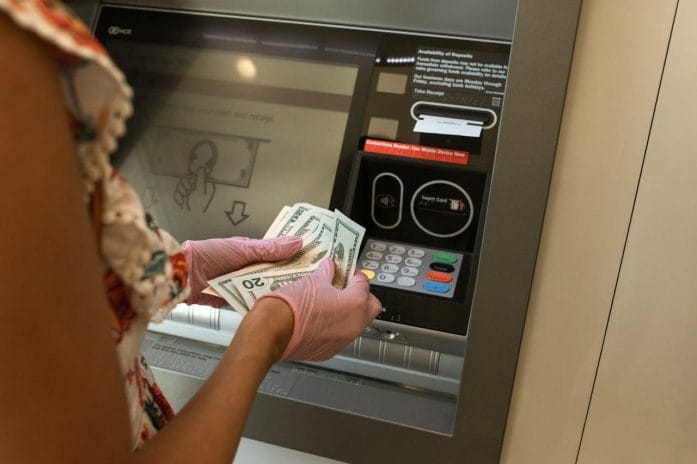
If you use ATMs often, you might notice something new on your bank statement: a “cash handling” fee. Some U.S. banks are now charging this fee, even when you use their own ATMs. This change is catching many people off guard. It’s not just about out-of-network ATM fees anymore. Now, you could pay extra just for depositing or withdrawing cash. This matters because it affects how much of your money you actually get to keep. And for people who rely on cash, these fees can add up fast.

1. What Is a “Cash Handling” Fee?

A “cash handling” fee is a charge for processing cash transactions. This can include deposits, withdrawals, or even exchanging bills for coins. Banks used to charge these fees mostly to businesses. Now, some are adding them to personal accounts, too. You might see this fee when you deposit cash at an ATM or withdraw a large amount. The fee can be a flat rate or a percentage of the transaction. For example, some banks charge $3 per cash deposit at an ATM. Others might take 1% of the amount you deposit or withdraw. This fee is separate from the usual ATM fee for using another bank’s machine.

2. Why Are Banks Adding These Fees?

Banks say cash is expensive to handle. It needs to be counted, stored, and transported. There’s also a risk of theft or loss. Digital payments are cheaper and easier for banks to manage. So, they want to encourage people to use cards or apps instead of cash. By adding a “cash handling” fee, banks hope to cover their costs and push more people toward digital banking. But for customers, it feels like another way to squeeze more money out of every transaction.

3. How Much Are These Fees?

The amount varies by bank and account type. Some banks charge as little as $2 per transaction. Others might charge $5 or more for large deposits or withdrawals. A few banks set a monthly limit for free cash transactions. After you hit that limit, every extra deposit or withdrawal costs you. For example, you might get three free cash deposits per month. After that, each one costs $2.50. Some banks also charge a percentage, like 0.5% of the total cash you deposit. These fees can add up quickly, especially if you use cash often.

4. Who Is Most Affected by Cash Handling Fees?

People who use cash for daily expenses feel these fees the most. This includes workers who get paid in cash, small business owners, and anyone who prefers cash over cards. Older adults and people without easy access to digital banking are also at risk. If you live in a rural area or don’t have a smartphone, you might rely on cash more than others. For these groups, cash handling fees are more than just an annoyance—they can eat into your budget. Even if you only use cash a few times a month, the fees can add up over time.

5. How Can You Avoid Cash Handling Fees?

There are a few ways to avoid or reduce these fees. First, check your bank’s fee schedule. Some banks still offer accounts with no cash handling fees. Credit unions and online banks are less likely to charge these fees. If you must use cash, try to limit your deposits and withdrawals. Combine transactions when possible. For example, deposit all your cash at once instead of making several small deposits. You can also ask your employer to pay you by direct deposit. If you run a small business, look for banks with business accounts that include free cash deposits. Switching banks might be worth it if you use cash often.

6. What About ATM Fees on Top of Cash Handling Fees?

Here’s where it gets tricky. Some banks charge both an ATM fee and a cash handling fee for the same transaction. For example, you might pay $3 to use an out-of-network ATM, plus another $2 for the cash handling fee. That’s $5 just to get your own money. Even if you use your bank’s ATM, you could still see a cash handling fee on your statement. Always read the fine print before making a transaction. If you’re not sure, ask your bank about all possible fees before you use an ATM.

7. What Does This Mean for the Future of Cash?

Banks are making it harder and more expensive to use cash. This could push more people toward digital payments. But not everyone can or wants to go cashless. Some people value privacy, or don’t trust digital banking. Others simply find cash easier to manage. If cash handling fees continue to rise, more people may seek alternatives, such as prepaid cards or digital wallets. But for now, cash is still important for many Americans. These new fees are just one more thing to watch out for.

Rethinking How You Use Cash

Cash handling fees are changing the way people use their money. If you rely on cash, it’s time to pay close attention to your bank’s policies. Look for ways to avoid extra charges. Ask questions and compare accounts. The goal is to keep more of your money in your pocket, not in the bank’s hands.

Have you noticed new cash handling fees at your bank? How are you dealing with them? Share your experience in the comments.

Read More

Why Some Women Are Choosing Sperm Banks Over Relationships

Is my money safe in digital banks?

Travis Campbell
Travis Campbell

Travis Campbell is a digital marketer/developer with over 10 years of experience and a writer for over 6 years. He holds a degree in E-commerce and likes to share life advice he’s learned over the years. Travis loves spending time on the golf course or at the gym when he’s not working.

Filed Under: Banking Tagged With: ATM Fees, bank fees, banking, cash handling, digital payments, money management, Personal Finance

5 Things You Should Do If You Get A Random Zelle Deposit

May 12, 2025 by Travis Campbell 1 Comment

online banking

Image Source: 123rf.com

Have you ever checked your bank account and noticed a mysterious Zelle deposit from someone you don’t know? It’s a situation that can leave you feeling both curious and concerned. With the rise of digital payment platforms like Zelle, these unexpected transactions are becoming more common, and they’re not always as innocent as they seem. Knowing how to handle a random Zelle deposit is crucial for protecting your finances, whether it’s a simple mistake or a potential scam. In this article, we’ll walk you through the five essential steps you should take if you ever find yourself in this situation. By the end, you’ll feel confident and prepared to handle any surprise Zelle activity that comes your way.

1. Don’t Spend the Money

The first and most important thing to remember if you receive a random Zelle deposit is not to spend the money. It might be tempting to treat yourself, but using funds that aren’t yours can lead to serious consequences. Banks can reverse transactions if they determine the deposit was made in error or as part of a scam. If you’ve already spent the money, you could owe your bank or even face legal trouble. Unauthorized or mistaken payments can be reversed, and recipients may be required to return the funds. So, please resist the urge to use the money and keep it untouched in your account until you know more.

2. Check for Accompanying Messages or Emails

After noticing the random Zelle deposit, check your email, text messages, and Zelle app notifications for any communication from the sender. Sometimes, the person who sent the money will reach out to explain the mistake and request a return. However, be cautious—scammers often use this tactic to trick you into sending money back, sometimes even more than you received. If you receive a message, verify the sender’s identity before taking action. Never click on suspicious links or provide personal information. If the message seems legitimate, you can contact your bank for guidance on how to proceed safely.

3. Contact Your Bank Immediately

If you receive a random Zelle deposit, your next step should be contacting your bank or credit union immediately. Explain the situation and provide any details you have about the transaction. Your bank can investigate the deposit, determine if it was a mistake, and advise you on the proper steps to take. They may also place a hold on the funds to prevent accidental use. Prompt communication with your bank protects you from potential scams and demonstrates your good faith in resolving the issue. Most banks have dedicated fraud departments handling Zelle-related concerns, so don’t hesitate to ask for help.

4. Don’t Return the Money Directly to the Sender

Don’t do it if someone contacts you claiming to be the sender and asks you to return the money via Zelle or another payment method. This is a common scam tactic. Scammers may send you a fraudulent deposit, then ask for the money back, only for the original transaction to be reversed later, leaving you out of pocket. Instead, always work through your bank to resolve the issue. Your bank can safely return the funds to the rightful owner if necessary. Returning money directly to a stranger increases your risk of falling victim to fraud. For more information on Zelle scams and how to avoid them, visit Zelle’s official security page.

5. Monitor Your Account for Suspicious Activity

After you’ve reported the random Zelle deposit and followed your bank’s instructions, keep a close eye on your account. Monitor your transactions for unauthorized activity, such as unexpected withdrawals or additional deposits. Scammers sometimes use small deposits to test if an account is active before attempting larger fraudulent transactions. Set up account alerts if your bank offers them, so you’ll immediately be notified of any unusual activity. If you notice anything suspicious, report it to your bank immediately. Staying vigilant is key to protecting your finances in the digital age.

Stay Safe and Informed with Zelle Deposits

Receiving a random Zelle deposit can be confusing, but taking the proper steps can protect you from scams and financial headaches. Remember, don’t spend the money, check for messages, contact your bank, avoid returning funds directly, and monitor your account closely. By following these tips, you’ll be prepared to handle any unexpected Zelle activity confidently. Digital payment platforms like Zelle are convenient but require a healthy dose of caution. Stay informed, trust your instincts, and always prioritize your financial security.

Have you ever received a random Zelle deposit? How did you handle it? Share your story or tips in the comments below!

Read More

How to Prevent Being a Victim of Fraud

What to Do About Debt Collectors

Travis Campbell
Travis Campbell

Travis Campbell is a digital marketer/developer with over 10 years of experience and a writer for over 6 years. He holds a degree in E-commerce and likes to share life advice he’s learned over the years. Travis loves spending time on the golf course or at the gym when he’s not working.

Filed Under: Banking Tagged With: banking, digital payments, fraud prevention, money management, Personal Finance, scams, Zelle

  • « Previous Page
  • 1
  • 2

FOLLOW US

Search this site:

Recent Posts

  • Can My Savings Account Affect My Financial Aid? by Tamila McDonald
  • 12 Ways Gen X’s Views Clash with Millennials… by Tamila McDonald
  • What Advantages and Disadvantages Are There To… by Jacob Sensiba
  • 10 Tactics for Building an Emergency Fund from Scratch by Vanessa Bermudez
  • Call 911: Go To the Emergency Room Immediately If… by Stephen Kanaval
  • 7 Weird Things You Can Sell Online by Tamila McDonald
  • 10 Scary Facts About DriveTime by Tamila McDonald

Copyright © 2026 · News Pro Theme on Genesis Framework