• Home
  • About Us
  • Getting Finances Done
    • Hiring Advisors
    • Debt Management
    • Spending Plan
  • Insurance
    • Life Insurance
    • Health Insurance
    • Disability Insurance
    • Homeowners/Renters Insurance
  • Contact Us
  • Our Editorial Commitment

The Free Financial Advisor

You are here: Home / Archives for upselling

Flight Attendants Are Revealing The Sneaky Ways Airlines Get You to Spend More Money

October 27, 2025 by Travis Campbell Leave a Comment

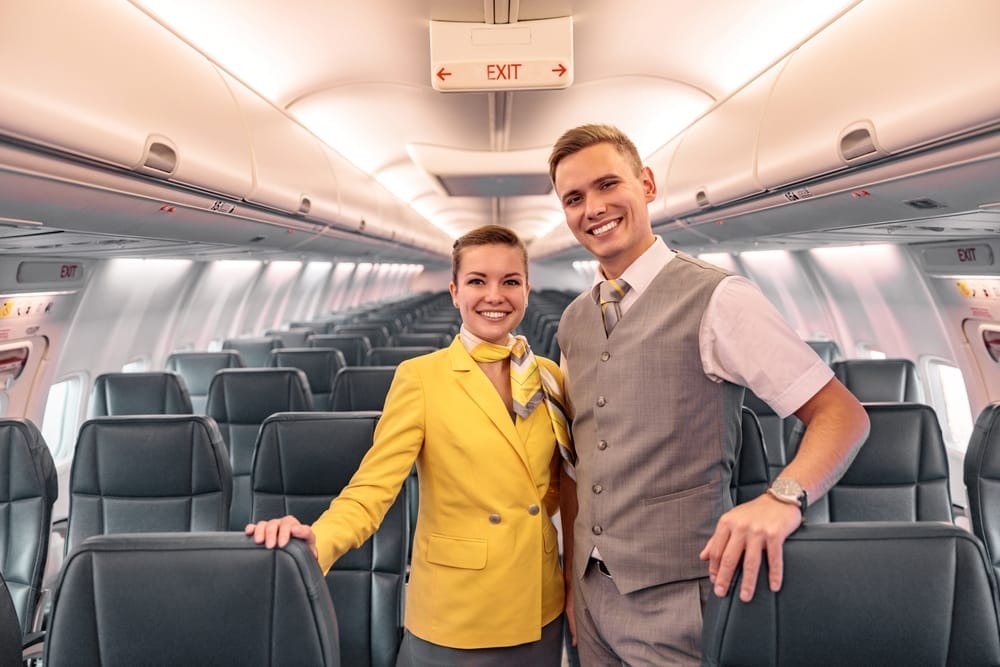
flight attended
Image source: shutterstock.com

Air travel appears to be a simple process which involves ticket purchase followed by seat selection before boarding the flight. But behind the scenes, airlines have a host of strategies to get you to spend more than you planned. Flight attendants serve as the first point of contact for these initiatives because they have started to reveal the hidden methods airlines use to increase their profits. Travelers who fly often and those who watch their expenses need to understand airline strategies for additional revenue to save their money. With ticket prices often appearing low at first glance, the real cost of flying often comes from these less obvious upsells. The following article explains how airlines use deceptive methods to increase your spending during flights so you can prevent unwanted expenses when traveling.

1. The Art of the In-Flight Sales Pitch

Flight attendants are trained to sell, and airlines equip them with scripts designed to tempt passengers. Mid-flight announcements about snacks, drinks, or duty-free items are carefully timed. The goal? To catch you when you’re bored, hungry, or just looking for a distraction. These offers may sound appealing, but in reality, the prices are often much higher than what you’d pay on the ground. The next time you hear a chipper voice promoting a “limited-time offer,” remember it’s all part of the plan to get you to spend more money while you’re a captive audience.

2. Strategic Placement of Food and Drink Menus

Ever notice how menus are tucked into seat pockets or handed out just as you start to feel hungry? That’s no accident. Airlines know that hunger and thirst are powerful motivators. Flight attendants reveal that displaying menus at eye level and announcing special combos are tactics to encourage purchases. The prices for these snacks and drinks are marked up significantly. By understanding this upselling strategy, you can pack your own snacks and avoid paying extra for convenience.

3. Limited-Time Offers and Scarcity Tactics

Airlines love to create a sense of urgency. Flight attendants may announce that there are “only a few” of a particular snack or drink left, even if the supply is adequate. This scarcity tactic pushes passengers to buy now rather than risk missing out. Airlines get you to spend more money by making you feel like you’ll lose out if you don’t act quickly. Staying aware of these psychological tricks can help you resist the pressure to splurge.

4. Upgrades and Seat Selection Fees

Gone are the days when you could pick your seat for free. Airlines now charge for everything from extra legroom to window seats. Flight attendants sometimes walk the aisle offering last-minute upgrades, making them sound like a great deal. In reality, these fees can add up fast. This is another way airlines get you to spend more money—by presenting optional extras as must-haves for comfort. If you’re not picky about where you sit, skipping these offers is a smart way to save.

5. Promoting Airline Credit Cards Mid-Flight

It’s not uncommon for flight attendants to make announcements about airline-branded credit cards. These pitches often include promises of free miles, priority boarding, or even a free checked bag. While some benefits can be worthwhile, the main aim is to get you to sign up and spend more money with the airline in the long run. Before biting on these offers, check if the perks truly outweigh the costs and if you’ll use the card enough to justify the annual fee.

6. Bundling Services for “Savings”

Bundling is a classic upselling technique. Airlines package things like checked bags, priority boarding, and in-flight meals, claiming you’ll save money by buying them together. While it might sound like a bargain, you could end up paying for extras you don’t need. Flight attendants sometimes reinforce these bundles during boarding or in announcements. To avoid falling for this tactic, consider what you actually need for your flight and purchase only those services individually.

7. Emotional Triggers and Personalization

Flight attendants are skilled at reading passengers and tailoring their pitches. If they notice you’re traveling with kids, they might suggest snack boxes or toys. Couples might be offered champagne or chocolates. Airlines get you to spend more money by making their offers feel personal and relevant. These small touches can be tempting, but they’re designed to open your wallet. Setting a budget before your flight can help you stick to it, no matter how personalized the pitch.

8. Making Payments Frictionless

Many airlines now accept tap-to-pay and mobile payments, making it effortless to buy something mid-flight. This frictionless payment process removes the mental barrier of handing over cash, increasing the likelihood that you’ll make impulse purchases. Flight attendants often have handheld devices ready, so transactions happen quickly. If you want to avoid overspending, decide in advance if you’ll make any in-flight purchases and stick to your plan.

Smart Ways to Outsmart Airline Upselling

The knowledge you gained from flight attendants helps you identify the sneaky tactics that lead you to spend additional money. The marketing strategies used during flights include flight sales pitches, strategic food placement, and emotional marketing techniques that operate from start to finish of the flight experience. Travelers who understand these fees can pick suitable options to protect their money during their trips.

You should bring your own food for the flight, check which extra items you require, and set aside money for costs. The less you fall for upselling tricks, the more you’ll save for your actual destination.

What sneaky airline upselling tricks have you noticed on your travels? Share your experiences and tips in the comments!

What to Read Next…

  • 7 Hidden Fees That Aren’t Labeled As Fees At All
  • Are Automatic Renewals Draining More Than You Realize?
  • 5 Budgeting Tools That Trick You Into Higher Spending
  • 7 Tactics Grocery Stores Use To Keep You From Thinking About Price
  • Are Financial Apps Sharing Your Spending Data More Than You Realize?
Travis Campbell
Travis Campbell

Travis Campbell is a digital marketer/developer with over 10 years of experience and a writer for over 6 years. He holds a degree in E-commerce and likes to share life advice he’s learned over the years. Travis loves spending time on the golf course or at the gym when he’s not working.

Filed Under: Travel Tagged With: air travel, airline fees, budget travel, flight attendants, Personal Finance, travel tips, upselling

Everyday Phrases That Tell Salespeople You’re Easy to Upsell

July 11, 2025 by Travis Campbell Leave a Comment

salesman
Image Source: pexels.com

We all want to get a good deal, but sometimes the words we use can work against us. Salespeople are trained to listen for certain phrases that signal you might be open to spending more. These everyday comments can make you an easy target for upselling, even if you don’t realize it. Upselling isn’t always bad, but it can lead to buying things you don’t need or spending more than you planned. Knowing which phrases to avoid can help you keep control of your money and make smarter choices. Here are the most common things people say that make upselling a breeze for salespeople.

1. “I’m just looking.”

This sounds harmless, but it’s a classic opener that tells a salesperson you haven’t made up your mind. When you say you’re “just looking,” you’re signaling that you’re open to suggestions. Salespeople see this as a chance to guide you toward higher-priced items or add-ons. Instead, be specific about what you want. If you know what you need, say it clearly. This limits the salesperson’s ability to steer you toward more expensive options.

2. “What do you recommend?”

Asking for recommendations puts the power in the salesperson’s hands. They might suggest the most expensive or profitable products, not necessarily what’s best for you. This phrase is an open invitation for upselling. If you need advice, do your own research first or ask for options within a set price range. For example, say, “I’m looking for something under $50.” This keeps the conversation focused and helps you avoid being talked into pricier choices.

3. “I want the best you have.”

Everyone likes quality, but saying you want “the best” tells the salesperson you’re willing to pay top dollar. This makes it easy for them to show you the most expensive products, even if you don’t need all the features. Instead, explain what you actually need. For example, “I need something reliable for everyday use.” This helps you get what fits your needs, not just the highest price tag.

4. “I don’t really have a budget.”

Not having a budget is like walking into a store with a blank check. Salespeople know they can push higher-priced items or extras because they haven’t set any limits. Even if you’re not sure about your exact budget, give a range. Say, “I’d like to stay under $100.” This gives you control and makes it harder for the salesperson to upsell you.

5. “I’m not sure what I need.”

Uncertainty is a green light for upselling. If you don’t know what you want, the salesperson can suggest all sorts of add-ons or upgrades. They might convince you that you need features you’ll never use. Take some time to think about what you actually need before you shop. If you’re still unsure, ask for basic options first and work up from there only if necessary.

6. “I want something that will last.”

Durability is important, but this phrase can lead to being shown only the most expensive products. Salespeople often equate “lasting” with “premium,” even if mid-range options would work just as well. Instead, ask about warranties or customer reviews.

7. “I’ve had problems with cheaper brands.”

Mentioning bad experiences with cheaper products tells the salesperson you’re ready to spend more for peace of mind. They may use this to justify upselling you to a premium product, even if a mid-range option would solve your problem. Instead, focus on what features matter most to you and ask if there are affordable options that meet those needs.

8. “I’ll take whatever you think is best.”

This phrase hands over all decision-making power. The salesperson can easily steer you toward the most expensive or profitable items. It’s better to stay involved in the process. Ask for a few options and compare them yourself. Look at the pros and cons, and don’t be afraid to say no if something doesn’t fit your needs.

9. “I want to keep up with the latest trends.”

Wanting the newest thing can make you an easy upsell target. Salespeople know you’re willing to pay more for the latest features or styles. But new doesn’t always mean better. Sometimes, last year’s model is just as good and costs less. Check tech review sites like CNET to see if the latest upgrade is worth the extra money.

10. “I’m in a hurry.”

Rushing makes you vulnerable. When you’re in a hurry, you’re less likely to compare options or question prices. Salespeople can use this to push add-ons or upgrades quickly. If you’re short on time, it’s better to come back later or shop online where you can compare at your own pace.

Protecting Yourself from Upselling Traps

Upselling is everywhere, from electronics stores to car dealerships to online checkouts. The phrases you use can make a big difference in how much you spend. By being clear about what you want, setting a budget, and staying involved in the decision, you can avoid falling for upselling tactics. Remember, it’s your money. You have the right to say no or take your time. The next time you shop, pay attention to what you say. Small changes in your words can help you keep more cash in your pocket.

Have you ever realized you were upsold after using one of these phrases? Share your story or tips in the comments below.

Read More

The Definition of Irony (or Why You Should Know What You’re Doing)

Stop Reading About Last Year’s Top Ten Mutual Funds

Travis Campbell
Travis Campbell

Travis Campbell is a digital marketer/developer with over 10 years of experience and a writer for over 6 years. He holds a degree in E-commerce and likes to share life advice he’s learned over the years. Travis loves spending time on the golf course or at the gym when he’s not working.

Filed Under: Psychology Tagged With: consumer tips, financial literacy, negotiation, Personal Finance, sales tactics, Spending Habits, upselling

Follow Us

Search this site:

Recent Posts

  • Can My Savings Account Affect My Financial Aid? by Tamila McDonald
  • 12 Ways Gen X’s Views Clash with Millennials… by Tamila McDonald
  • What Advantages and Disadvantages Are There To… by Jacob Sensiba
  • 10 Tactics for Building an Emergency Fund from Scratch by Vanessa Bermudez
  • Call 911: Go To the Emergency Room Immediately If… by Stephen Kanaval
  • 7 Weird Things You Can Sell Online by Tamila McDonald
  • 10 Scary Facts About DriveTime by Tamila McDonald

Copyright © 2026 · News Pro Theme on Genesis Framework