• Home
  • About Us
  • Toolkit
  • Getting Finances Done
    • Hiring Advisors
    • Debt Management
    • Spending Plan
  • Insurance
    • Life Insurance
    • Health Insurance
    • Disability Insurance
    • Homeowners/Renters Insurance
  • Contact Us
  • Privacy Policy
  • Risk Tolerance Quiz

The Free Financial Advisor

You are here: Home / Archives for airline fees

Flight Attendants Are Revealing The Sneaky Ways Airlines Get You to Spend More Money

October 27, 2025 by Travis Campbell Leave a Comment

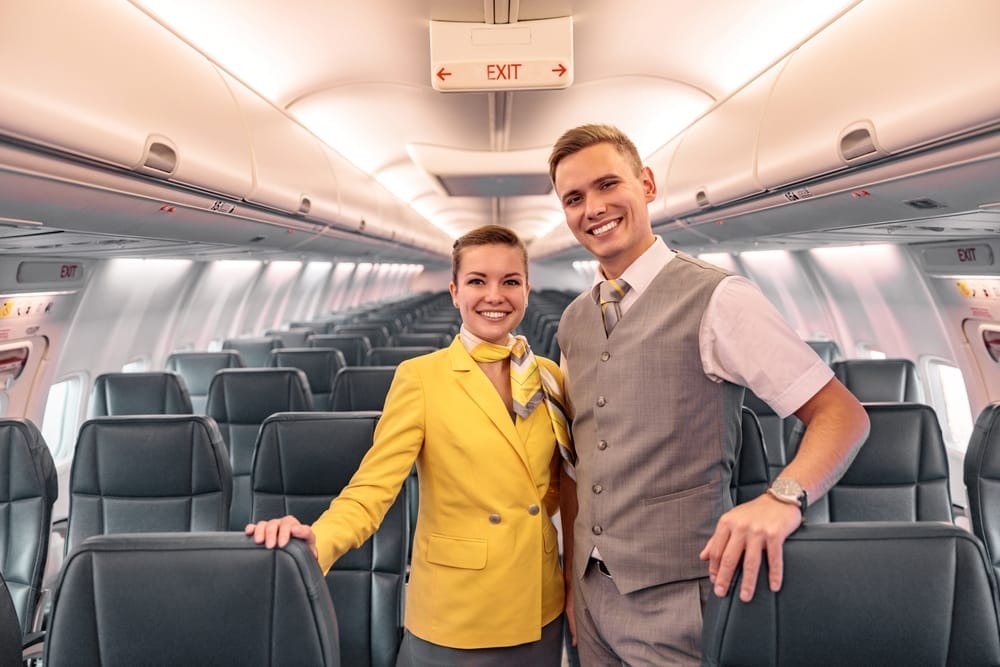
flight attended

Image source: shutterstock.com

Air travel appears to be a simple process which involves ticket purchase followed by seat selection before boarding the flight. But behind the scenes, airlines have a host of strategies to get you to spend more than you planned. Flight attendants serve as the first point of contact for these initiatives because they have started to reveal the hidden methods airlines use to increase their profits. Travelers who fly often and those who watch their expenses need to understand airline strategies for additional revenue to save their money. With ticket prices often appearing low at first glance, the real cost of flying often comes from these less obvious upsells. The following article explains how airlines use deceptive methods to increase your spending during flights so you can prevent unwanted expenses when traveling.

1. The Art of the In-Flight Sales Pitch

Flight attendants are trained to sell, and airlines equip them with scripts designed to tempt passengers. Mid-flight announcements about snacks, drinks, or duty-free items are carefully timed. The goal? To catch you when you’re bored, hungry, or just looking for a distraction. These offers may sound appealing, but in reality, the prices are often much higher than what you’d pay on the ground. The next time you hear a chipper voice promoting a “limited-time offer,” remember it’s all part of the plan to get you to spend more money while you’re a captive audience.

2. Strategic Placement of Food and Drink Menus

Ever notice how menus are tucked into seat pockets or handed out just as you start to feel hungry? That’s no accident. Airlines know that hunger and thirst are powerful motivators. Flight attendants reveal that displaying menus at eye level and announcing special combos are tactics to encourage purchases. The prices for these snacks and drinks are marked up significantly. By understanding this upselling strategy, you can pack your own snacks and avoid paying extra for convenience.

3. Limited-Time Offers and Scarcity Tactics

Airlines love to create a sense of urgency. Flight attendants may announce that there are “only a few” of a particular snack or drink left, even if the supply is adequate. This scarcity tactic pushes passengers to buy now rather than risk missing out. Airlines get you to spend more money by making you feel like you’ll lose out if you don’t act quickly. Staying aware of these psychological tricks can help you resist the pressure to splurge.

4. Upgrades and Seat Selection Fees

Gone are the days when you could pick your seat for free. Airlines now charge for everything from extra legroom to window seats. Flight attendants sometimes walk the aisle offering last-minute upgrades, making them sound like a great deal. In reality, these fees can add up fast. This is another way airlines get you to spend more money—by presenting optional extras as must-haves for comfort. If you’re not picky about where you sit, skipping these offers is a smart way to save.

5. Promoting Airline Credit Cards Mid-Flight

It’s not uncommon for flight attendants to make announcements about airline-branded credit cards. These pitches often include promises of free miles, priority boarding, or even a free checked bag. While some benefits can be worthwhile, the main aim is to get you to sign up and spend more money with the airline in the long run. Before biting on these offers, check if the perks truly outweigh the costs and if you’ll use the card enough to justify the annual fee.

6. Bundling Services for “Savings”

Bundling is a classic upselling technique. Airlines package things like checked bags, priority boarding, and in-flight meals, claiming you’ll save money by buying them together. While it might sound like a bargain, you could end up paying for extras you don’t need. Flight attendants sometimes reinforce these bundles during boarding or in announcements. To avoid falling for this tactic, consider what you actually need for your flight and purchase only those services individually.

7. Emotional Triggers and Personalization

Flight attendants are skilled at reading passengers and tailoring their pitches. If they notice you’re traveling with kids, they might suggest snack boxes or toys. Couples might be offered champagne or chocolates. Airlines get you to spend more money by making their offers feel personal and relevant. These small touches can be tempting, but they’re designed to open your wallet. Setting a budget before your flight can help you stick to it, no matter how personalized the pitch.

8. Making Payments Frictionless

Many airlines now accept tap-to-pay and mobile payments, making it effortless to buy something mid-flight. This frictionless payment process removes the mental barrier of handing over cash, increasing the likelihood that you’ll make impulse purchases. Flight attendants often have handheld devices ready, so transactions happen quickly. If you want to avoid overspending, decide in advance if you’ll make any in-flight purchases and stick to your plan.

Smart Ways to Outsmart Airline Upselling

The knowledge you gained from flight attendants helps you identify the sneaky tactics that lead you to spend additional money. The marketing strategies used during flights include flight sales pitches, strategic food placement, and emotional marketing techniques that operate from start to finish of the flight experience. Travelers who understand these fees can pick suitable options to protect their money during their trips.

You should bring your own food for the flight, check which extra items you require, and set aside money for costs. The less you fall for upselling tricks, the more you’ll save for your actual destination.

What sneaky airline upselling tricks have you noticed on your travels? Share your experiences and tips in the comments!

What to Read Next…

  • 7 Hidden Fees That Aren’t Labeled As Fees At All
  • Are Automatic Renewals Draining More Than You Realize?
  • 5 Budgeting Tools That Trick You Into Higher Spending
  • 7 Tactics Grocery Stores Use To Keep You From Thinking About Price
  • Are Financial Apps Sharing Your Spending Data More Than You Realize?
Travis Campbell
Travis Campbell

Travis Campbell is a digital marketer/developer with over 10 years of experience and a writer for over 6 years. He holds a degree in E-commerce and likes to share life advice he’s learned over the years. Travis loves spending time on the golf course or at the gym when he’s not working.
Filed Under: Travel Tagged With: air travel, airline fees, budget travel, flight attendants, Personal Finance, travel tips, upselling

7 Outrageous Costs Hidden in Airline Tickets

September 27, 2025 by Catherine Reed Leave a Comment

7 Outrageous Costs Hidden in Airline Tickets

Image source: 123rf.com

Booking a flight often feels like a victory—until the final price tag appears. What looked like a deal at first quickly grows as hidden charges creep into your cart. These extra fees can transform affordable airline tickets into expensive headaches, leaving travelers frustrated and confused. Knowing what to watch for is the first step toward saving money and avoiding unnecessary costs. Let’s uncover seven of the most outrageous add-ons hiding in the fine print of airline tickets.

1. Baggage Fees That Balloon the Price

One of the most infamous hidden costs in airline tickets is baggage fees. Many airlines now charge for both checked bags and, surprisingly, carry-ons, depending on the fare type. These fees vary widely and can skyrocket if you wait until the gate to pay. For families or long-term travelers, the added baggage charges can sometimes cost more than the flight itself. Always check an airline’s baggage policy before booking to avoid sticker shock later.

2. Seat Selection Costs That Add Up

What used to be a complimentary choice has become another money-maker for airlines. Even selecting a standard seat on airline tickets can come with a fee, sometimes up to $50 or more for basic rows. If you want extra legroom or seats near the front, expect the price to climb even higher. Refusing to pay might leave you stuck in the least desirable seats or separated from your travel companions. To save, compare options, or wait until check-in when some seats may become available for free.

3. Sneaky Resort and Facility Charges

Certain flights tied to vacation packages or specific airports tack on “resort” or “facility” fees. While these are often disguised as taxes, they’re actually additional charges folded into the cost of airline tickets. Travelers may not even notice until they review the breakdown of charges after purchase. These costs don’t enhance your flight experience but pad the bill regardless. Before hitting confirm, review the line-item details of your ticket to make sure you’re not overpaying.

4. In-Flight Wi-Fi and Entertainment Costs

Airline tickets rarely include the luxury of connectivity anymore. In-flight Wi-Fi can cost as much as $40 per flight, and entertainment services may require additional payment. For frequent flyers, these small costs add up quickly, especially if multiple devices are used. While some airlines are moving toward free access, many still charge steep rates. Packing your own entertainment or downloading content in advance can help you sidestep these surprise costs.

5. Change and Cancellation Fees That Bite

Life happens, but airlines profit from it. One of the most frustrating hidden charges in airline tickets is the change and cancellation fee. Although some airlines have relaxed these rules post-pandemic, many still charge hefty amounts for alterations, especially on basic fares. Sometimes the cost of changing a ticket nearly matches buying a new one. Consider travel insurance or flexible fare options if your plans aren’t set in stone.

6. Food and Drink Markups That Shock

Airline tickets used to include complimentary meals, but now even water might carry a price tag on some flights. Snacks, sandwiches, and alcoholic beverages can run two to three times the cost you’d pay at a regular store. Families traveling with children especially feel the pinch when small items like chips or juice add up. Since outside food is often allowed, packing your own snacks is a budget-friendly alternative. Being prepared before you board ensures you won’t be caught off guard by high in-flight prices.

7. Credit Card Surcharges and Booking Fees

Many people overlook the extra fees airlines tack on at the time of purchase. Some carriers add credit card surcharges or booking fees that inflate the total price of airline tickets. These charges often appear at the final step of checkout, leaving little room to adjust. Using alternative payment methods or booking through certain travel sites can sometimes reduce or eliminate these fees. Keeping an eye out for this last-minute upcharge can prevent a deal from becoming a disappointment.

The Real Cost of Flying Isn’t Always in the Fare

When you’re comparing airline tickets, the base fare tells only part of the story. The real cost comes from all the extras that creep in after you’ve chosen your flight. By recognizing these outrageous hidden charges, you can make smarter decisions, pack strategically, and avoid falling into common traps. Travel should be about the destination, not the stress of overspending. With awareness and planning, you can keep your journey affordable and enjoyable.

Which hidden airline fee has caught you off guard the most? Share your experiences in the comments below!

What to Read Next…

  • Why Do Families Pretend They Can Afford the Holidays
  • 6 Dangerous Myths About Credit Card Rewards
  • Why Do Wealthy People Lease Cars Instead of Buying Them Outright
  • 7 Strange Truths About Middle-Class Spending Habits
  • The Retirement Rule That Sounds Smart—But Could Leave You Broke at 75
Catherine Reed
Catherine Reed

Catherine is a tech-savvy writer who has focused on the personal finance space for more than eight years. She has a Bachelor’s in Information Technology and enjoys showcasing how tech can simplify everyday personal finance tasks like budgeting, spending tracking, and planning for the future. Additionally, she’s explored the ins and outs of the world of side hustles and loves to share what she’s learned along the way. When she’s not working, you can find her relaxing at home in the Pacific Northwest with her two cats or enjoying a cup of coffee at her neighborhood cafe.

Filed Under: Travel Tagged With: airfare savings, airline fees, airline tickets, flying hacks, hidden costs, travel budgeting, travel tips

7 Shocking Fees Hidden in Airline Tickets

September 7, 2025 by Travis Campbell Leave a Comment

airline

Image source: pexels.com

Booking a flight can feel like navigating a maze. You find a great price, but by the time you finish checking out, the total is much higher than expected. Why? Airline tickets are full of hidden fees that can quickly add up. These charges aren’t always obvious until you’re deep in the booking process—or even at the airport. Understanding these extra costs is essential if you want to keep your travel budget under control. Let’s break down the most common and surprising fees hidden in airline tickets, so you know exactly what you’re paying for.

1. Baggage Fees That Sneak Up on You

Baggage fees are one of the most notorious hidden fees in airline tickets. Many airlines now charge for checked bags, and some even add fees for carry-ons. The price can vary depending on the airline and route, but it’s not unusual to pay $30 or more per checked bag, each way. Don’t forget that overweight and oversized bags can trigger even steeper charges—sometimes over $100 extra. These fees can easily double the cost of a budget ticket if you’re not careful. Always check your airline’s baggage policy before you book, and try to pack light when possible.

2. Seat Selection Fees

Gone are the days when you could pick your seat for free. Now, many airlines charge for seat selection, especially if you want a window, aisle, or extra legroom. Even standard seats might come with a fee, particularly on low-cost carriers. Prices can range from $10 to $50 or more per seat, per flight segment. If you’re traveling with family or friends, these fees add up quickly. Sometimes, you may have to pay just to avoid being assigned a middle seat. If you’re flexible, you can skip this fee and accept a random seat assignment, but there’s no guarantee you’ll sit with your group.

3. In-Flight Food and Drink Charges

Many travelers expect at least a snack or a drink on their flight, but that’s not always the case anymore. Especially on domestic and budget airlines, food and beverages are often available only for purchase. A simple sandwich or snack box can cost $8-$12, while alcoholic drinks might run $7 or more each. Even water or soda can come with a price tag. These hidden fees in airline tickets can catch you off guard if you’re not prepared. Bringing your own snacks or filling a water bottle after security can help you avoid these extra expenses.

4. Change and Cancellation Fees

Plans change, but airlines often charge hefty fees for altering or canceling a ticket. Depending on the fare type, you could pay anywhere from $75 to $200 or more just to change your flight. Some basic economy tickets are completely non-refundable and non-changeable. Even if you bought a flexible fare, you might still face a difference in fare cost. These hidden fees in airline tickets can turn a minor schedule adjustment into a major expense. Always read the fine print before booking, and consider travel insurance for extra protection.

5. Payment Processing and Booking Fees

Some airlines tack on fees just for how you pay or where you book. For example, certain low-cost carriers charge extra for using a credit card or booking by phone instead of online. These fees are often buried in the final steps of checkout and can range from a few dollars to $20 or more per ticket. While these may seem minor, they can push your total cost over budget. Always review the payment summary before you finalize your purchase to spot any unexpected charges.

6. Airport and Security Fees

Airlines often pass along government-imposed taxes, airport facility fees, and security charges to passengers. While these are technically not set by the airline, they’re often lumped into the total price without a clear explanation. These hidden fees in airline tickets can include passenger service charges, U.S. September 11th Security Fees, and international departure taxes. Depending on your route, these can add $20, $50, or even more to your ticket. While unavoidable, knowing about them upfront can help you compare fares more accurately.

7. Priority Boarding and Early Check-In Fees

Want to board early, skip the lines, or be among the first to access overhead bins? Many airlines now sell priority boarding or early check-in as add-ons. Fees for these perks can start at $10 and go much higher. While they’re not essential, airlines market them heavily—especially if you have carry-on luggage or are traveling with kids. Before paying, weigh whether the benefit is worth the extra cost or if you can manage with standard boarding.

Smart Strategies for Avoiding Hidden Airline Fees

Hidden fees in airline tickets don’t have to ruin your travel plans. With a little research and planning, you can sidestep many of these charges. Start by reading all fare details before you book and always compare the “all-in” prices, not just the headline fare. Pack light to avoid baggage fees, and consider skipping seat selection if you’re flexible. Bringing your own snacks and using digital boarding passes can also help you save.

Another smart move is to use travel credit cards that offer perks like free checked bags or priority boarding. Some cards even reimburse certain airline fees. By staying informed, you can keep your trip affordable and stress-free.

What’s the most surprising or frustrating hidden fee you’ve encountered when booking airline tickets? Share your story in the comments below!

What to Read Next…

  • 7 Hidden Fees That Aren’t Labeled As Fees At All
  • Are These 7 Little Expenses Quietly Costing You Thousands A Year?
  • 7 Costs Retirees Refuse To Pay In 2025 And How You Can Follow Their Lead
  • Are Retirement Homes Quietly Charging Hidden Admission Fees?
  • 6 Monthly Bills You Should Cancel Immediately Even If You Can Afford Them
Travis Campbell
Travis Campbell

Travis Campbell is a digital marketer/developer with over 10 years of experience and a writer for over 6 years. He holds a degree in E-commerce and likes to share life advice he’s learned over the years. Travis loves spending time on the golf course or at the gym when he’s not working.

Filed Under: Travel Tagged With: airfare, airline fees, budget travel, flight booking, hidden costs, Personal Finance, travel tips

5 Outrageous Ways Consumers Get Nickel-and-Dimed Daily

September 7, 2025 by Travis Campbell Leave a Comment

nickle and dime

Image source: pexels.com

It seems like everywhere you turn, there’s a new fee or a sneaky charge. From your morning coffee to your monthly subscriptions, companies are finding creative ways to squeeze a little extra out of your wallet. These daily “nickel-and-dime” tactics may not seem like much at first, but over time, they add up. Paying attention to these small charges matters because they can quietly sabotage your budget and long-term financial goals. If you’re tired of feeling like your money is slipping away unnoticed, it’s time to get wise to these outrageous ways consumers get nickel-and-dimed daily.

1. Sneaky Banking Fees

Banking used to feel straightforward. Now, it’s a maze of charges: maintenance fees, overdraft penalties, ATM surcharges, and even “inactivity” fees if you don’t touch your account for a while. It’s easy to overlook a $2 monthly maintenance fee or a $3 ATM charge, but these nickel-and-dime costs can quietly drain your account. Banks count on consumers not noticing or not wanting the hassle of switching banks.

To avoid these charges, review your statements each month and ask your bank about ways to waive fees. Sometimes, simply setting up direct deposit or maintaining a minimum balance can help.

2. Fast Food and Coffee Shop “Extras”

Craving a burger or a latte? You may be surprised at how small add-ons inflate your bill. Want an extra slice of cheese, a dollop of whipped cream, or a side of sauce? Many chains now charge for these little extras, often without clear signage. Even asking for a non-dairy milk or a flavor shot can tack on 50 cents to a dollar or more per order.

It’s not just about the food—it’s about the experience of being nickel-and-dimed. These small charges can become a daily expense, especially for busy consumers who grab coffee or lunch on the go. Over a month, those “extras” add up and eat into your budget.

3. Airlines and Travel Fees

Remember when airfare included your seat, a checked bag, and maybe even a snack? Now, airlines have turned nickel-and-dime tactics into an art form. You’ll pay for checked bags, carry-on luggage, seat selection, early boarding, and sometimes even printing your boarding pass at the airport. Want to sit next to your family? That will cost extra. Prefer a window seat? That’s another fee.

Travelers often underestimate these costs when booking a flight. The advertised price rarely reflects the true amount you’ll pay. To avoid surprises, research the airline’s fee structure before booking and factor in all potential charges.

4. Streaming Service Add-Ons

Cord-cutting was supposed to save us money. Yet, streaming platforms are now experts at nickel-and-diming their subscribers. Basic plans often come with ads, and commercial-free viewing costs extra. Want to share your account? That could mean an additional monthly charge. Even high-definition streaming or downloading content for offline viewing may require an upgrade.

Consumers often sign up for a low introductory rate, only to face price hikes and optional add-ons later. These incremental charges, though small on their own, can turn an affordable entertainment option into a monthly budget buster. Keep close tabs on your subscriptions, and don’t be afraid to cancel services you aren’t using regularly.

5. Automatic Gratuity and Service Charges

You might expect to tip for good service, but many restaurants and service providers have started adding automatic gratuity or “service charges” to bills. Sometimes, these charges are buried in the fine print or added for larger parties, but increasingly, they appear on bills for even small groups. While the intent may be to ensure fair wages for workers, these fees can feel like another way consumers get nickel-and-dimed.

It’s important to review your receipt before adding a tip. You may find that gratuity has already been included, and adding more could result in over-tipping. Awareness is key, especially as more businesses adopt these policies in response to rising labor costs.

Watch Out for These Daily Money Traps

Nickel-and-dime charges are everywhere, and they often fly under the radar. Whether it’s a hidden fee on your bank statement or an extra charge for oat milk in your coffee, these small expenses can make a big difference over time. By recognizing the most common ways consumers get nickel-and-dimed daily, you can start to make smarter choices and keep more of your hard-earned money.

Staying informed and reviewing your spending habits regularly is the best defense against these sneaky costs. Take a closer look at your monthly statements, receipts, and subscriptions to spot patterns. Small changes—like switching to a fee-free bank or making your own coffee—can add up to significant savings.

Have you noticed any outrageous ways you’re getting nickel-and-dimed daily? Share your experiences and tips in the comments below!

What to Read Next…

  • 7 Hidden Fees That Aren’t Labeled As Fees At All
  • Are These 7 Little Expenses Quietly Costing You Thousands A Year?
  • 8 Everyday Services That Are Slowly Becoming Subscription Only
  • 5 Invisible Service Charges Eating Into Your Bank Balance
  • Are Automatic Renewals Draining More Than You Realize?
Travis Campbell
Travis Campbell

Travis Campbell is a digital marketer/developer with over 10 years of experience and a writer for over 6 years. He holds a degree in E-commerce and likes to share life advice he’s learned over the years. Travis loves spending time on the golf course or at the gym when he’s not working.

Filed Under: Smart Shopping Tagged With: airline fees, banking, budgeting, Hidden Fees, nickel-and-dimed, Personal Finance, subscriptions

How “Budget” Airlines Are Costing You More Than Premium

July 4, 2025 by Travis Campbell Leave a Comment

airline

Image Source: pexels.com

If you’ve ever booked a flight with a “budget” airline, you probably felt a rush of excitement at the low fare staring back at you. Who wouldn’t want to save a few hundred bucks on airfare? But here’s the catch: those rock-bottom prices often come with a hidden cost that can leave your wallet lighter than if you’d just booked with a premium carrier in the first place. From sneaky fees to time-consuming hassles, budget airlines have mastered the art of making you pay more for less. If you’re looking to travel smart and actually save money, it’s time to look beyond the sticker price and see what you’re really getting into. This article breaks down the real costs of budget airlines and why that “deal” might not be as sweet as it seems.

1. The Hidden Fees Add Up Fast

Budget airlines are notorious for their à la carte pricing. The base fare may seem like a steal, but once you start adding essentials—such as a carry-on bag, checked luggage, seat selection, and even printing your boarding pass—the total can quickly skyrocket. Many travelers are shocked by the final bill, which often rivals or exceeds what a premium airline would charge for an all-inclusive ticket. For example, a 2024 study by NerdWallet found that some budget carriers charge up to $100 for a single checked bag on international flights. These fees aren’t always obvious at booking, so it’s easy to underestimate your true cost.

2. Inconvenient Airports and Flight Times

Budget airlines often operate out of secondary airports located far from city centers. While this helps them keep costs down, it can mean extra time and money for you. You might need to pay for a long taxi ride, extra train tickets, or even an overnight hotel stay if your flight lands late at night. These “hidden” travel expenses can quickly erase any savings from your cheap ticket. Premium airlines, on the other hand, usually fly into major airports with better connections and more convenient schedules, saving you both time and hassle.

3. Poor Customer Service and Limited Support

When things go wrong—delays, cancellations, lost bags—budget airlines are often less equipped to help. Their customer service teams are typically smaller, and some carriers only offer support via email or online chat, with long response times. If you need to rebook a missed connection or resolve a problem quickly, you may find yourself stranded or forced to pay out of pocket for a new ticket. Premium airlines generally provide more robust support, including dedicated phone lines and airport staff who can assist you on the spot.

4. Less Legroom and Comfort

Budget airlines maximize profits by squeezing more seats into their planes, which means less legroom and narrower seats for passengers. On a short hop, this might not matter much, but on longer flights, cramped quarters can make for a miserable experience. If you want extra space, you’ll have to pay for it—sometimes as much as the cost of your original ticket. Premium airlines typically offer more generous seat pitch and amenities, making your journey more comfortable without the upcharge.

5. No Free Food or Drinks

On most budget airlines, even a bottle of water will cost you. Forget about complimentary snacks or meals—everything is for sale, and prices are often inflated. If you’re traveling with family or on a long-haul flight, these costs can add up quickly. In contrast, premium airlines usually include at least some food and beverages in the ticket price, so you’re not nickel-and-dimed at 30,000 feet.

6. Strict Baggage and Check-In Policies

Budget airlines enforce strict rules about baggage size, weight, and check-in times. If your bag is even slightly over the limit, you could face hefty penalties at the gate. Miss the online check-in window? That could mean another fee. These policies are designed to catch travelers off guard and generate extra revenue. Premium airlines tend to be more flexible, with more generous baggage allowances and less punitive policies.

7. Higher Risk of Delays and Cancellations

Budget airlines often operate with tighter schedules and fewer backup planes. If something goes wrong—like a mechanical issue or bad weather—there may not be another flight available for hours or even days. This can lead to missed connections, extra hotel nights, and lost vacation time. A recent report from the U.S. Department of Transportation shows that budget carriers have higher rates of delays and cancellations compared to premium airlines, putting your plans at risk.

8. The True Cost of Your Time

Time is money, and budget airlines often cost you both. From longer lines at check-in to inconvenient airports and frequent delays, the hours you lose can outweigh any savings. If you value your time—or need to be somewhere on schedule—a premium airline may actually be the better deal. Consider the full journey, not just the ticket price, when making your decision.

Why Paying More Upfront Can Save You in the End

When you add up all the extra fees, inconvenience, and potential headaches, budget airlines often end up costing more than premium carriers. The promise of a cheap flight is tempting, but the reality is that you’re paying for every little thing—and sometimes, for things you can’t control. By choosing a premium airline, you get more value, better service, and a smoother travel experience. Next time you’re booking a flight, look beyond the base fare and consider the total cost of your trip.

Have you ever been surprised by the true cost of a budget airline ticket? Share your story or tips in the comments below!

Read More

Vacation Without Breaking the Bank

5 Biggest Refinance Concerns

Travis Campbell
Travis Campbell

Travis Campbell is a digital marketer/developer with over 10 years of experience and a writer for over 6 years. He holds a degree in E-commerce and likes to share life advice he’s learned over the years. Travis loves spending time on the golf course or at the gym when he’s not working.

Filed Under: Travel Tagged With: airfare, airline fees, budget airlines, hidden costs, premium airlines, travel hacks, travel tips

FOLLOW US

Search this site:

Recent Posts

  • Can My Savings Account Affect My Financial Aid? by Tamila McDonald
  • 12 Ways Gen X’s Views Clash with Millennials… by Tamila McDonald
  • What Advantages and Disadvantages Are There To… by Jacob Sensiba
  • Call 911: Go To the Emergency Room Immediately If… by Stephen Kanaval
  • 10 Tactics for Building an Emergency Fund from Scratch by Vanessa Bermudez
  • 7 Weird Things You Can Sell Online by Tamila McDonald
  • 10 Scary Facts About DriveTime by Tamila McDonald

Copyright © 2026 · News Pro Theme on Genesis Framework