• Home
  • About Us
  • Toolkit
  • Getting Finances Done
    • Hiring Advisors
    • Debt Management
    • Spending Plan
  • Insurance
    • Life Insurance
    • Health Insurance
    • Disability Insurance
    • Homeowners/Renters Insurance
  • Contact Us
  • Privacy Policy
  • Risk Tolerance Quiz

The Free Financial Advisor

You are here: Home / Archives for Crime

The Dark Web’s Strangest Crimes You’ve Never Heard Of—And Why They’re Thriving

April 3, 2025 by Latrice Perez Leave a Comment

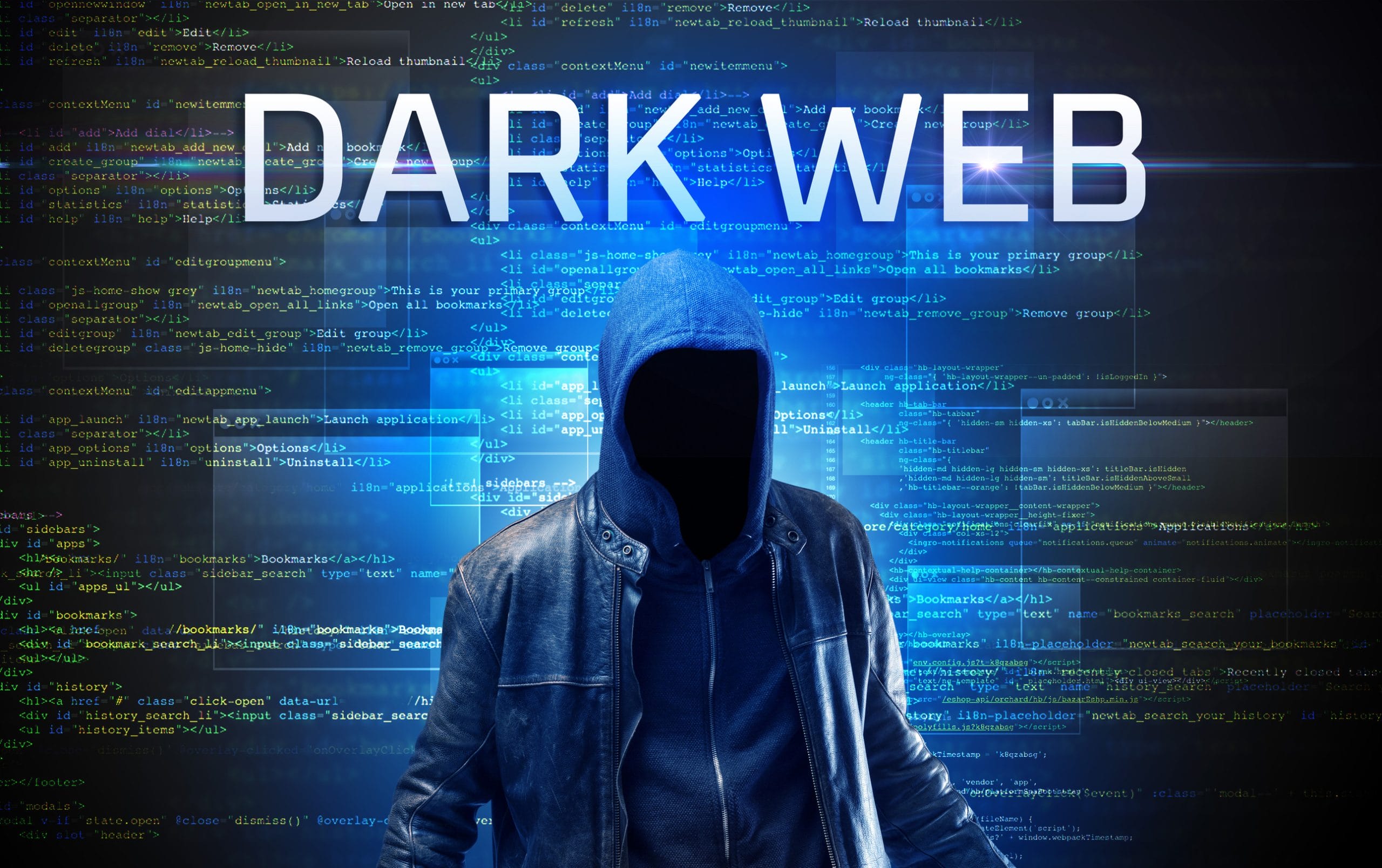
Faceless hacker with DARK WEB inscription on a binary code background

Image Source: 123rf. com

Most people have heard of the dark web—a hidden corner of the internet that operates out of reach from traditional search engines. It’s often associated with illegal activities, but you’d be surprised at the variety of strange and unusual crimes that thrive in these shadowy spaces. While some are shockingly sinister, others are so bizarre that they almost defy explanation. Let’s take a closer look at the dark web’s strangest crimes and explore why this digital underworld continues to flourish.

1. Digital Hitmen for Hire

Hiring a hitman sounds like something straight out of a Hollywood thriller, but on the dark web, it’s disturbingly real. What’s even more bizarre is that some of these so-called “hitmen services” are elaborate scams designed to con people out of their money. Desperate individuals pay thousands of dollars to hire someone for a crime that will (thankfully) never happen. However, in rare cases, legitimate operators have been uncovered, revealing a chilling reality. The anonymity of the dark web makes it an ideal platform for these heinous activities to exist in the shadows.

2. Black-Market Organ Brokering

While the trade of illegal organs may sound like an urban legend, it’s a thriving market on the dark web. Desperate buyers and sellers connect in this underground network to negotiate the trade of kidneys, livers, and other organs. Shockingly, these transactions often occur without legal oversight or medical safety standards, putting countless lives at risk. Economic disparities and inadequate access to healthcare fuel the demand, while the secrecy of the dark web provides a safe haven for this black-market trade.

3. Surprise “Loot Boxes”

A terrifying twist on the concept of loot boxes in gaming, some dark web sites claim to sell “mystery boxes” filled with unknown items. Buyers purchase these boxes without knowing what’s inside, but rumors suggest that the contents can range from harmless junk to genuinely disturbing items, like stolen personal belongings or unsettling photographs. These boxes play on the human fascination with curiosity, turning it into a profitable—and unnerving—business model.

4. Ransomware-as-a-Service

Cybercrime has become surprisingly accessible, thanks to dark web services that allow anyone to rent ransomware tools. Known as Ransomware-as-a-Service (RaaS), these platforms let criminals with little technical knowledge execute high-stakes cyberattacks. Users simply pay a fee to access software that can lock victims out of their data until a ransom is paid. The strange part? Some RaaS providers even offer “customer support” to ensure their clients successfully deploy their attacks.

5. Wildlife Trafficking Networks

It’s not just humans who fall victim to the dark web—animals do too. The illicit trafficking of exotic wildlife, including endangered species, has found a home in the dark corners of the internet. From rare bird eggs to exotic reptiles, buyers and sellers use the anonymity of the dark web to circumvent international laws. The bizarre and tragic demand for these creatures puts countless species at risk of extinction.

6. Counterfeit Citizenship Services

For those desperate to escape their country or reinvent their identity, the dark web offers counterfeit passports and citizenship services. What makes this especially strange is the level of detail in these fake documents, which often include elaborate backstories and supporting paperwork. Some users even purchase entire “new identities,” including fake online histories and social media accounts.

7. Data Trafficking Auctions

Businessman finger touch digital device, hud hologram with office document icons and binary. Storage of personal data information, online database. Concept of cloud service

Image Source: 123rf.com

While stolen credit card information and personal data are known commodities on the dark web, some criminals take it to the next level by hosting live auctions for massive data breaches. Companies’ confidential files, government documents, and even celebrity information are put up for bids. The auction format adds a sinister layer of gamification to the already dubious act of data theft.

Why These Crimes Thrive

So why does the dark web continue to be a hub for such unusual crimes? Its very nature—a hidden, encrypted network—makes it difficult for authorities to monitor and control. Users leverage anonymity tools like Tor to remain untraceable, giving them the freedom to engage in activities that would otherwise be impossible. Moreover, the global reach of the dark web connects criminals and buyers from different corners of the world, making enforcement a monumental challenge.

Economic desperation, human curiosity, and the growing sophistication of technology further fuel these crimes. The result? A thriving ecosystem that caters to both sinister intentions and bizarre impulses.

A Strange and Sinister World

The dark web may seem like a place of mystery, but it’s also a stark reminder of the dangers of anonymity and unchecked technology. While not all activities on the dark web are illegal, the ones that are can have devastating consequences. By raising awareness about these strange crimes, we can better understand the risks they pose and work toward creating solutions.

Have you ever been curious about the dark web or heard stories of unusual crimes? What are your thoughts on how we can combat this hidden underworld? Share your insights in the comments below—I’d love to hear your perspective.

Read More:

7 Crimes You’ve Probably Already Committed Without Knowing It

Why Some Criminals Leave a Water Bottle on Your Car Tire—And What It Means

Latrice Perez

Latrice is a dedicated professional with a rich background in social work, complemented by an Associate Degree in the field. Her journey has been uniquely shaped by the rewarding experience of being a stay-at-home mom to her two children, aged 13 and 5. This role has not only been a testament to her commitment to family but has also provided her with invaluable life lessons and insights.

As a mother, Latrice has embraced the opportunity to educate her children on essential life skills, with a special focus on financial literacy, the nuances of life, and the importance of inner peace.


Filed Under: Crime Tagged With: cybercrime, cybersecurity, dark web, dark web facts, digital crime, online anonymity, unusual crimes

10 Scary Reasons You Should Never Ignore a Strange Car Parked Near Your House

March 5, 2025 by Latrice Perez Leave a Comment

Parked Car

Image Source: 123rf.com

It’s easy to overlook a strange car parked near your house, especially if it doesn’t seem to be causing any immediate trouble. But what if that vehicle isn’t just a coincidence? A parked car that lingers too long could be a sign of something far more concerning, from criminals scouting out your home to someone watching your family. Ignoring it could put your safety at risk in ways you might not expect. Before you dismiss that unfamiliar vehicle, consider these 10 unsettling reasons why you should pay closer attention.

A Suspicious Car Could Be Scoping Out Your Home

If a car has been parked near your house for an unusual amount of time, it could mean someone is watching your home for the wrong reasons. Criminals often case houses before committing a break-in, noting when people leave, when they return, and whether security cameras are present. They may also be looking for weak points in your home, such as an open garage or an unlocked window. Ignoring the vehicle could give them the green light to move forward with their plans. If something feels off, trust your instincts and report it to local authorities.

It May Belong to a Stalker

In some cases, a car lingering near your home could be a sign that someone is stalking you or a family member. Stalkers often gather information about their targets by watching their daily routines and looking for opportunities to approach them. If you’ve noticed the same vehicle repeatedly, especially if it’s parked in different spots nearby, it could be cause for concern. Document the car’s details, such as its make, model, color, and license plate, and report your suspicions if the situation persists. Taking action early can prevent things from escalating.

It Might Be Linked to a Crime

A strange car parked near your house could be connected to criminal activity in your neighborhood. Drug deals, human trafficking, or other illegal activities often involve vehicles parked in inconspicuous areas. If you notice unfamiliar people coming and going from the car, exchanging items, or behaving secretively, it’s a red flag. Criminals rely on people ignoring suspicious behavior, so staying vigilant can help prevent crime in your community. If you suspect something illegal is happening, alert local law enforcement rather than confronting the situation yourself.

It Could Be a Getaway Vehicle

Criminals often leave getaway cars parked in residential areas before committing crimes, whether it’s robbing a home, a business, or even committing a more serious offense. These vehicles allow them to make a quick escape without drawing attention. If the car is running without anyone inside or has been parked for a long time with no movement, it could be suspicious. Paying attention to these details and alerting authorities when necessary can prevent a crime before it happens. Your report could make all the difference.

Someone May Be Watching Your Kids

Kids Outside

Image Source: 123rf.com

If you have children who play outside or walk home from school, a strange vehicle parked nearby should immediately raise concerns. Predators often use cars to observe and track children’s routines, looking for moments when they are alone or vulnerable. If you notice a car parked in a way that seems to be watching your home or your children, it’s better to be safe than sorry. Teach your kids to be aware of their surroundings and report anything suspicious to you immediately. Keeping a record of the vehicle and its occupants can be crucial in preventing a potential threat.

The Driver Could Be Looking to Steal Packages

Porch pirates are more common than ever, and many use parked cars to blend into the neighborhood while they wait for delivery trucks to drop off packages. If a car has been sitting near your home around the time of expected deliveries, the driver may be watching for an opportunity to snatch packages from your doorstep. These thieves move quickly, and their cars allow them to cover multiple homes in a short time. Installing security cameras and reporting suspicious activity can help deter them from targeting your home.

It Might Be a Sign of Identity Theft

Identity thieves sometimes rummage through trash bins or mailboxes in search of sensitive information. If an unfamiliar car is parked near your home late at night or early in the morning, it could mean someone is looking for documents with your personal information. Credit card offers, bank statements, and other mail can be used to steal your identity. Shredding documents before discarding them and securing your mailbox can prevent you from becoming a victim. If you notice a vehicle that seems out of place, consider notifying the authorities.

It Could Indicate an Attempted Home Invasion

A parked car that appears occupied but never moves could be a sign that someone is planning a home invasion. Criminals may sit in a vehicle for hours, watching your house to determine when you leave, when you sleep, and whether you have security systems. They may also be checking if you have a dog or if your neighbors would notice unusual activity. If you see a car lingering too long, don’t hesitate to call the police. A proactive approach can stop a break-in before it happens.

It Might Be Someone Pretending to Be a Utility Worker

Scammers often pose as utility workers, repairmen, or surveyors to gain access to homes. They may park near your house while they scope out the area or look for an opportunity to approach your door. If a vehicle has an official-looking logo but something feels off, ask for identification and verify their credentials before allowing them onto your property. Many legitimate workers carry identification that can be confirmed with a quick call to the company. Don’t let a uniform or a clipboard trick you into letting a potential scammer inside.

It Could Be a Stolen or Abandoned Vehicle

Sometimes, a car parked near your home isn’t targeting you specifically but could still pose a problem. Stolen vehicles are often abandoned in quiet neighborhoods until the thief decides to retrieve them later. If a car looks neglected, has broken windows, or seems out of place, it may have been stolen. Reporting it to the authorities can help recover the vehicle and prevent crime in your area. It’s always better to check than to assume it’s harmless.

Never Ignore a Strange Parked Car

A strange car parked near your home is never something to ignore. Whether it’s a potential burglar, a stalker, or a scammer, taking early action can prevent a dangerous situation. If you ever feel uneasy, document the vehicle’s details and notify the authorities rather than confronting the driver yourself. Your safety and the security of your home should always come first. The more vigilant you are, the less likely your home will be an easy target.

Have you ever encountered a suspicious vehicle near your home? What did you do about it? Share your experience in the comments below and help others stay safe!

Read More:

Road Trip Safety: No One Should Travel Without These 12 Essentials In Their Car

Think You’re Safe? 8 Risks of Being Added as an Authorized User on a Credit Card Without Your Knowledge

Latrice Perez

Latrice is a dedicated professional with a rich background in social work, complemented by an Associate Degree in the field. Her journey has been uniquely shaped by the rewarding experience of being a stay-at-home mom to her two children, aged 13 and 5. This role has not only been a testament to her commitment to family but has also provided her with invaluable life lessons and insights.

As a mother, Latrice has embraced the opportunity to educate her children on essential life skills, with a special focus on financial literacy, the nuances of life, and the importance of inner peace.

Filed Under: Crime Tagged With: community vigilance, crime prevention, neighborhood safety, property protection, suspicious vehicles

14 Online Behaviors That Put You at Risk of Cybercrime

April 9, 2024 by Teri Monroe Leave a Comment

online risky behaviors that lead to cybercrime

In today’s digital age, the internet has become an integral part of our daily lives, offering convenience, connectivity, and countless opportunities. However, along with its benefits come risks, particularly regarding cybersecurity. With over 2328 attacks per day, there is a hacker attack online about every 39 seconds. There are some behaviors online that put you more at risk of cybercrime than you may be aware.

Cybercriminals constantly evolve tactics to exploit vulnerabilities and steal sensitive information from unsuspecting individuals. While technology has advanced to combat cyber threats, individuals must also be vigilant and aware of their online behaviors that can expose them to cybercrime. Here are 14 common online habits that can put you at risk.

1. Weak Passwords

weak passwords

According to Verizon’s annual Data Breach Index Report, up to 80% of successful data breaches result from compromised login credentials. Using simple or easily guessable passwords makes it easier for cybercriminals to access your accounts. 

As many as 2 in 3 users are at risk for data breaches because of their passwords. Strong, unique passwords that combine letters, numbers, and special characters are essential for better security.

2. Reusing Passwords

reusing passwords cybercrime

A study found that 34% of respondents use a variation of the same password across multiple sites. Using the same password across multiple accounts increases the risk of a security breach. If one account is compromised, cybercriminals can also gain access to other accounts.

3. Clicking on Suspicious Links

phishing scams

Clicking links in unsolicited emails, pop-up ads, or social media messages can lead to phishing scams or malware infections. Always verify the source and legitimacy of links before clicking on them.

Cybercriminals are constantly changing their tactics to make phishing scams more believable. Phishing emails and text messages often tell a story to trick you into clicking on a link or opening an attachment. You might get an unexpected email or text message that looks like it’s from a company you know or trust, like a bank, credit card company, or utility company. 

4. Ignoring Software Updates

software updates to avoid cybercrime

Neglecting to update your operating system, antivirus software, web browsers, and other applications leaves your devices vulnerable to known security vulnerabilities. Install updates regularly to patch security flaws and protect against cyber threats.

5. Downloading Unauthorized Software

downloading suspicious software

Downloading pirated software, games, movies, or music from untrusted sources often exposes users to malware, ransomware, or other malicious software hidden within the files.

6. Sharing Personal Information

identity theft

Revealing sensitive personal information such as full name, address, phone number, or financial details on social media platforms or unsecured websites can lead to identity theft or fraud.

If you believe your information has been compromised, you can report it to the FTC. This can help you determine the next steps and prevent fraud and identity theft in the future.

7. Using Public Wi-Fi Unprotected

public wifi security risk

Connecting to public Wi-Fi networks without using a Virtual Private Network (VPN) or other encryption measures exposes your data to interception by cybercriminals monitoring the network. This risky online behavior makes you an easy target for cybercrime.

8. Ignoring Privacy Settings

data privacy settings online security

Failing to review and adjust privacy settings on social media accounts, online profiles, or mobile apps may inadvertently expose your personal information to the public or third-party advertisers. 

Pew Research found that only about one in five adults say they always or often read a company’s privacy policy before agreeing to it.

9. Falling for Social Engineering Tactics

hacked from falling for social engineering

Cybercriminals often employ social engineering techniques to manipulate users into divulging confidential information or performing actions that compromise security, such as posing as tech support or a trusted acquaintance. 

10. Not Backing Up Data

external devices to prevent data loss

Failing to regularly back up important files and documents can leave you vulnerable to data loss in the event of a cyber attack, ransomware infection, or hardware failure. You can choose to back up files to the cloud or external devices.

11. Overlooking Email Security

ignoring email security online behavior putting you at risk

Opening email attachments or downloading files from unknown senders without verifying their authenticity can lead to malware infections or phishing attacks.

12. Ignoring Two-Factor Authentication

ignoring two step authentication online behavior that can put you at risk

Disabling or neglecting to enable two-factor authentication (2FA) on online accounts leaves them more susceptible to unauthorized access, as it adds an extra layer of security beyond just a password. 2FA usually requires your password and another factor such as a security token or biometric factor.

13. Engaging with Untrustworthy Sites

online gambling risky behavior

Participating in online activities such as illegal file sharing or gambling on untrustworthy websites increases the likelihood of encountering malware or falling victim to scams. These online behaviors put you directly at risk of cybercrime.

14. Not Monitoring Financial Accounts

checking financial accounts

A recent Ipsos poll found that nearly 1 in 3 Americans have been victims of online financial fraud or cybercrime. Failing to regularly monitor bank statements, credit card transactions, and other financial accounts for unauthorized activity may delay detecting fraudulent charges or identity theft.

Staying Safe Online

managing online behaviors that put you at risk

Safeguarding against cybercrime requires awareness, vigilance, and proactive measures to protect yourself online. By avoiding these risky online behaviors and adopting good cybersecurity practices, you can reduce your risk of falling victim to cyber threats and ensure a safer digital experience. 

Remember, staying informed and exercising caution are crucial steps in defending against the ever-evolving landscape of cybercrime.

Read More

15 Things Smart People Only Leave To Charity In Their Wills

10 Surprising Ways Boomer Grandparents Are Splurging On Their Grandkids

Photograph of Teri Monroe
Teri Monroe
Teri Monroe started her career in communications working for local government and nonprofits. Today, she is a freelance finance and lifestyle writer and small business owner. Teri holds a B.A. From Elon University.  In her spare time, she loves golfing with her husband, taking her dog Milo on long walks, and playing pickleball with friends.

Filed Under: Crime Tagged With: cybercrime, cybersecurity, hackers, identity theft, online behaviors

How Epsilon Data Management Facilitated Elder Fraud Schemes and What to Do if You Lost Money

August 4, 2022 by Erin H. Leave a Comment

Epsilon Data Management Fraud Case

Between 2008 and 2017, Epsilon Data Management sold lists of customer names and addresses to companies involved in fraudulent activities. These companies sent letters or emails to consumers saying they won a big prize or free psychic reading if they paid a reasonable fee. These scams were aimed at the elderly and other vulnerable individuals who paid the companies for the prizes or physic readings and received nothing in return.

The Epsilon Data Management Company had to pay $150 million for fraud and in 2021 entered an agreement with the Department of Justice and the US Attorney’s Office for the District of Colorado. They continued to sell client information even when their employees knew some of their partners had been arrested for fraud and scams.

Companies that sell customer lists have a responsibility to sell the lists to ethical companies and protect consumer information. Victims of this scam by Epsilon Data Management were to be contacted directly by the company, and funds are expected to be distributed by an independent claim administrator.

Types of Consumer Fraud

There are many distinct types of consumer fraud. For example, one company called consumers on the phone and told them their personal computers had serious technical issues. They posed as technicians and demanded payment for unneeded technical support.

There have been wire transfer companies involved in fraud, and consumers have reported that their funds never arrived at the bank or that the person for whom they were intended never received them. Some customers lost thousands of dollars, and the issue has never been resolved.

During the pandemic, companies sold fake vaccine kits and cures to consumers. Robo calls, telemarketing calls, emails, texts, and even door-to-door solicitation are just some of the ways scammers market their schemes. The level of federal fraud security class actions in 2019 was high, with plaintiffs filing 424 cases in 2019 as compared to 413 in 2017. Federal fraud security cases and federal civil cases continue to increase every year due to new scams.

What to Do About Scams and Fraud Schemes

When you discover you have been swindled or scammed, report the company and the scam to the appropriate agency. If you are a senior, you can report it to the Elder Fraud Hotline or the Department of Justice. Additionally, your state financial controller and attorney general take reports and complaints about fraud. You can report your case to the Better Business Bureau if a local company is involved in a scam. In severe scam cases, charges may be brought to the federal court. In 1962, 11.5% of federal civil cases went to trial. Today, only around 1% of civil cases actually reach trial in the Federal courts. However, for cases as large as the Epsilon Data Management case, taking the case to the federal level is essential.

If you are regularly paying the company that scammed you, do not pay any more money. Collect emails, documents and conversations you have had with the company to document the fraud. What websites or phone numbers did you use to contact them? Where did the money you paid come from and how did it affect your finances? All this information can be used to file a complaint.

If you provided a credit card number, debit card number, or bank account number to pay for services, you should contact the bank or credit card company to report the scam and fraud incident. You can change your passwords or be issued a new card or account number. Your financial institution can also freeze your account until the issue is resolved.

Some homeowner’s insurance policies have fraud theft protection for losses related to identity theft that affects your finances. You can hire a lawyer to help you with your case and a financial counselor to help you devise a plan to improve your financial situation. In cases of severe money loss, chapter 7 bankruptcy debt allows consumers with credit card balances, medical bills, and personal loans to have the fees discharged. This allows you to move forward with rebuilding your finances after you have been frauded out of your savings.

Reporting scams to the right agency can help protect other consumers and may be a way to help you with finances. Hiring a lawyer, financial advisor, or accountant can be a way to deduct costs from your income taxes and help you recover and protect yourself from scams going forward.

Filed Under: Crime, Personal Finance, Retirement, risk management

How to Identify a Ponzi Scheme

September 12, 2019 by Susan Paige Leave a Comment

Woman involved in a ponzi scheme

There have been so many Ponzi schemes in the past decades that you’re bound to have heard of the concept by now. Some of the more popular ones were Geneva Gold, Gold Guarantee, and Sunshine Empire. A Ponzi scheme is a set-up where members pay a registration fee, and new members’ fees are used to pay the old members. Eventually, the scheme runs out of new people to sign, and everything comes tumbling down.

Being a victim of a Ponzi scheme can be a very painful experience because you have to watch your investments go up in flames in a very short time. Here are some things that can help you identify and avoid Ponzi schemes.

They are always masked as investment opportunities.

Obviously, nobody in their right mind will invest their money on something that’s painted as a Ponzi scheme. For schemes like these to really pull people in, they are disguised as incredible investment opportunities that are too good to miss. A great way to spot them is to look for the differences between them and traditional investment opportunities like stocks and real estate investments.

Although you can’t run away from every investment opportunity you come across, being cautious of the ones you buy into can give you enough time to conduct your research and unearth the truth about them. Another thing about these investment opportunities is that they try to get you to buy in as quickly as possible. Because these schemes never last very long, they always try to get as many people within as little time as possible.

You should always research any investment you want to get into. You can find a precious resource here. The website is called ReviewNerds, and it reviews some of the most popular investments opportunities and tells you whether they are worth it or not.

They have questionable income models.

For an investment to be truly valid, it must have a means of generating returns, and this is where most Ponzi schemes falter. All the well-known investments have a clear and easily recognizable way for its investors to make money. Real estate appreciates, and companies pay their shareholders dividends based on how many stocks they own.

A Ponzi scheme, on the other hand, generates income almost exclusively by robbing one person to pay the other. If you observe this kind of income model, it’s best to steer clear of such an establishment. Several multilevel marketing businesses generate income by referrals, but these sell products alongside. That way, the company continues to generate products, even if no new referrals are made. A Ponzi scheme, however, is much different.

There’s a rave about it.

This tip refers to bad decisions in general, although it certainly applies to Ponzi schemes. Usually, when there’s a lot of buzz about something, it’s because it’s flashy and attractive. Every savvy investor knows that by the time the general population understands the opportunity, the peak period has already passed. The same thing applies to these schemes.

By the time the general public hears about it, and everyone you know is telling you about it, the scheme is probably as big as it’s going to be. Beyond this, it will ‘run out of people’ and most likely crash down like a house of cards. If everyone is talking about a business you’ve never heard of, and you can’t get your head around how they make money besides the commissions of signing other people, don’t put your money in it.

For more of our great articles, check these out:

Life Insurance Basics

Health Insurance Basics

Homeowners Insurance

Source: Pexels.


Filed Under: Crime Tagged With: Crime, ponzi schemes

  • « Previous Page
  • 1
  • 2

FOLLOW US

Search this site:

Recent Posts

  • Can My Savings Account Affect My Financial Aid? by Tamila McDonald
  • 12 Ways Gen X’s Views Clash with Millennials… by Tamila McDonald
  • What Advantages and Disadvantages Are There To… by Jacob Sensiba
  • 10 Tactics for Building an Emergency Fund from Scratch by Vanessa Bermudez
  • Call 911: Go To the Emergency Room Immediately If… by Stephen Kanaval
  • 7 Weird Things You Can Sell Online by Tamila McDonald
  • 10 Scary Facts About DriveTime by Tamila McDonald

Copyright © 2026 · News Pro Theme on Genesis Framework