
In today’s digital age, the internet has become an integral part of our daily lives, offering convenience, connectivity, and countless opportunities. However, along with its benefits come risks, particularly regarding cybersecurity. With over 2328 attacks per day, there is a hacker attack online about every 39 seconds. There are some behaviors online that put you more at risk of cybercrime than you may be aware.
Cybercriminals constantly evolve tactics to exploit vulnerabilities and steal sensitive information from unsuspecting individuals. While technology has advanced to combat cyber threats, individuals must also be vigilant and aware of their online behaviors that can expose them to cybercrime. Here are 14 common online habits that can put you at risk.
1. Weak Passwords
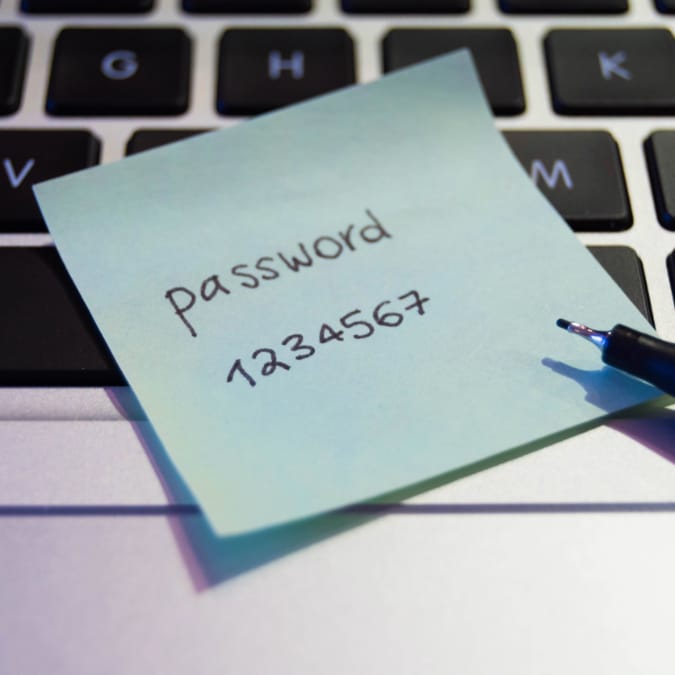
According to Verizon’s annual Data Breach Index Report, up to 80% of successful data breaches result from compromised login credentials. Using simple or easily guessable passwords makes it easier for cybercriminals to access your accounts.
As many as 2 in 3 users are at risk for data breaches because of their passwords. Strong, unique passwords that combine letters, numbers, and special characters are essential for better security.
2. Reusing Passwords
A study found that 34% of respondents use a variation of the same password across multiple sites. Using the same password across multiple accounts increases the risk of a security breach. If one account is compromised, cybercriminals can also gain access to other accounts.
3. Clicking on Suspicious Links

Clicking links in unsolicited emails, pop-up ads, or social media messages can lead to phishing scams or malware infections. Always verify the source and legitimacy of links before clicking on them.
Cybercriminals are constantly changing their tactics to make phishing scams more believable. Phishing emails and text messages often tell a story to trick you into clicking on a link or opening an attachment. You might get an unexpected email or text message that looks like it’s from a company you know or trust, like a bank, credit card company, or utility company.
4. Ignoring Software Updates

Neglecting to update your operating system, antivirus software, web browsers, and other applications leaves your devices vulnerable to known security vulnerabilities. Install updates regularly to patch security flaws and protect against cyber threats.
5. Downloading Unauthorized Software

Downloading pirated software, games, movies, or music from untrusted sources often exposes users to malware, ransomware, or other malicious software hidden within the files.
6. Sharing Personal Information

Revealing sensitive personal information such as full name, address, phone number, or financial details on social media platforms or unsecured websites can lead to identity theft or fraud.
If you believe your information has been compromised, you can report it to the FTC. This can help you determine the next steps and prevent fraud and identity theft in the future.
7. Using Public Wi-Fi Unprotected

Connecting to public Wi-Fi networks without using a Virtual Private Network (VPN) or other encryption measures exposes your data to interception by cybercriminals monitoring the network. This risky online behavior makes you an easy target for cybercrime.
8. Ignoring Privacy Settings
Failing to review and adjust privacy settings on social media accounts, online profiles, or mobile apps may inadvertently expose your personal information to the public or third-party advertisers.
Pew Research found that only about one in five adults say they always or often read a company’s privacy policy before agreeing to it.
9. Falling for Social Engineering Tactics

Cybercriminals often employ social engineering techniques to manipulate users into divulging confidential information or performing actions that compromise security, such as posing as tech support or a trusted acquaintance.
10. Not Backing Up Data

Failing to regularly back up important files and documents can leave you vulnerable to data loss in the event of a cyber attack, ransomware infection, or hardware failure. You can choose to back up files to the cloud or external devices.
11. Overlooking Email Security

Opening email attachments or downloading files from unknown senders without verifying their authenticity can lead to malware infections or phishing attacks.
12. Ignoring Two-Factor Authentication
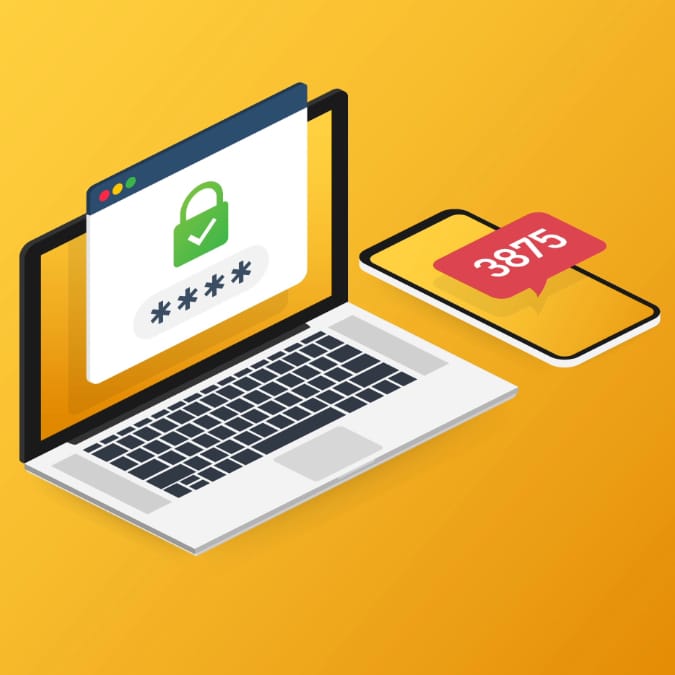
Disabling or neglecting to enable two-factor authentication (2FA) on online accounts leaves them more susceptible to unauthorized access, as it adds an extra layer of security beyond just a password. 2FA usually requires your password and another factor such as a security token or biometric factor.
13. Engaging with Untrustworthy Sites

Participating in online activities such as illegal file sharing or gambling on untrustworthy websites increases the likelihood of encountering malware or falling victim to scams. These online behaviors put you directly at risk of cybercrime.
14. Not Monitoring Financial Accounts

A recent Ipsos poll found that nearly 1 in 3 Americans have been victims of online financial fraud or cybercrime. Failing to regularly monitor bank statements, credit card transactions, and other financial accounts for unauthorized activity may delay detecting fraudulent charges or identity theft.
Staying Safe Online

Safeguarding against cybercrime requires awareness, vigilance, and proactive measures to protect yourself online. By avoiding these risky online behaviors and adopting good cybersecurity practices, you can reduce your risk of falling victim to cyber threats and ensure a safer digital experience.
Remember, staying informed and exercising caution are crucial steps in defending against the ever-evolving landscape of cybercrime.
Read More
15 Things Smart People Only Leave To Charity In Their Wills
10 Surprising Ways Boomer Grandparents Are Splurging On Their Grandkids

.png)
Leave a Reply