• Home
  • About Us
  • Toolkit
  • Getting Finances Done
    • Hiring Advisors
    • Debt Management
    • Spending Plan
  • Insurance
    • Life Insurance
    • Health Insurance
    • Disability Insurance
    • Homeowners/Renters Insurance
  • Contact Us
  • Privacy Policy
  • Risk Tolerance Quiz

The Free Financial Advisor

You are here: Home / Archives for budget tips

The Daily Money Challenge

December 19, 2016 by Emilie Burke Leave a Comment

The 52 Week Money Challenge hit the internet a few years ago– where you save $1 in the first week of the year, $2 in the second week of the year, and so on–  and is a great idea to boost your savings. However, it can be difficult for some people who might not be able to set aside $210 in the last month of the year. Saving so much money in one month can be intimidating for beginner savers. So, an alternative to the 52 Week Money Challenge was born– the Daily Money Challenge. Like the 52 week money challenge, you set aside a set amount of money, but this time each day instead of once a week.

daily-money-challenge

Do a Daily Penny Challenge.

How many of you walk past a penny on the ground and keep walking because it’s not worth your time to pick it up? Well, now it will be! For this challenge, set aside one penny on day one, two pennies on day two, and so on until you are saving $3.65 on the last day of the year. Even on the last day, it’s still a manageable amount to save. You can easily save $3.65 by brewing your morning coffee at home instead of going to the expensive cafe or by drinking water instead of a soda when you are out to eat. By the end of the challenge, you will have saved $667.95. If you’ve never saved money before, that’s definitely a good start and will put you over halfway to saving a mini-emergency fund of $1,000 (as taught by Dave Ramsey.) Just be warned that if you choose to physically save all of these coins, cashing in at a Coinstar will cost you 10.9% in fees. If you choose to cash in at a bank, they may make you roll your coins into coin wrappers by hand; it happened to a friend of mine and it took him an hour at the bank to roll all of his coins!

RELATED: How to Prioritize When Setting Financial Goals

Do a Weekly $12.85 Automatic Transfer Challenge instead of the Daily Penny Challenge.

One of the biggest issues to doing the daily money challenge is not carrying cash. Like many of you, my paycheck is direct-deposited into my account, I pay for all of my expenses using my debit card, and never carry cash unless I need it, which requires me to stop at the bank to withdraw some. Plus, the idea of keeping so much cash in my house makes me uncomfortable. Enter: the automatic transfer challenge. Unfortunately, most online banking systems will not let you set daily automatic transfers; the most frequent automatic transfer you can do is weekly. However, you can still participate in the challenge! If you were to automatically transfer $12.85 a week into your savings account, you will save $668.20 by the end of the year. That’s less than the cost of one fast food meal per week!

RELATED: Best Free Financial Advice

Do a Daily Nickel Challenge.

If saving pennies doesn’t provide you with the amount of money you need, save nickels instead. By the end of the year, you save $3,339.75. Although it will be a little trickier to save a larger amount of money, this is perfect for people who need to significantly increase their savings in one year’s time.


Articles from our friends:

  • Walmart Savings Catcher
  • How Much Do Youtubers Make?
  • 52-week Money Challenge
Emilie Burke writer at the Free Financial Advisor
Emilie Burke

Emilie is a prolific blogger, and influencer inspiring millennial women to live financially, physically, and professionally fit lives. She writes about overcoming debt, while balancing trying to eat healthy, stay fit, and have a little fun along the way. She is a politics major turned data engineer who graduated from Princeton University in 2015.  She currently lives in North Carolina with her college sweetheart Casey who is currently stationed at Fort Bragg. She enjoys eating food, cuddling with her dog, and binge watching HGTV.


Filed Under: budget tips, successful investing

Strategies for Handling Unexpected Expenses

February 22, 2016 by Joe Saul-Sehy Leave a Comment

business idea, education, people and technology concept - close up of female hands with calculator, pen and lighting bulb drawing in notebook on table

Only 38 percent of Americans have enough money saved up to cover an unexpected expense such as a $1,000 emergency room visit or a $500 car repair, Bankrate found. Twenty-six percent of respondents said they would cover expenses by reducing spending on other things, 16 percent would borrow from family and friends, and 12 percent would use credit cards. What would you do if you had to pay for a sudden bill? Here are a few strategies to help you prepare for the unexpected.

Build an Emergency Fund

Personal finance author Dave Ramsey recommends saving up a $1,000 emergency fund before pursuing any other financial goals. The purpose of this is to cover unexpected immediate expenses, such as fixing a plumbing emergency or buying new car tires so you can get to work. Store this money in a separate checking account so you’re less tempted to spend it.

After meeting this initial goal and paying off non-mortgage debt, Ramsey recommends saving up enough to cover three to six months of living expenses, in case you lose your job or face a similar situation. In today’s tough economy, saving enough for nine or even twelve months isn’t a bad idea.

Start Budgeting

In order to save up an emergency fund, it will help to create a budget. Two out of three Americans don’t prepare a detailed budget each month, according to a Gallup poll. If you’re new to budgeting, a simple guideline experts recommend is the 50/20/30 rule.

The 50/20/30 rule means that you put 50 percent of your monthly income towards essential expenses such as rent, 20 percent towards financial goals such as building savings and repaying debt, and 30 percent towards discretionary spending on non-essentials such as clothes or entertainment.

Buy Insurance

Having adequate insurance is another preventive measure that can keep you out of financial emergencies. The NEA recommends that in order to have comprehensive insurance against financial emergencies, you should consider a range of possible policies.

Health insurance is essential in the event that a medical emergency treated at somewhere like CSU urgent care hits you with a high hospital bill. Life insurance can protect your loved ones in the event of your death, and some policies enable you to borrow or cash out funds. Disability insurance safeguards you in the event that you’re unable to work. Mortgage life insurance can help your loved ones cover your house payments in the event that something happens to you. Homeowners or renters insurance can protect you against emergencies such as fire or theft. Auto insurance can protect you from the cost of having to replace a vehicle or make repairs.

Finding Financing When You Aren’t Prepared

What if it’s too late to take the preventive measures above and you need to raise funds fast? In this case, you still have a few options. Using your credit card or borrowing from family or friends are the most common strategies. If you need immediate cash and you have a credit card but you can’t take a cash advance or would prefer to avoid the interest, you might offer to take a friend shopping on your credit card in exchange for them giving you the amount of cash you need.

If you’ve got something worth selling, you can use it to raise cash. Some good candidates include gold, silver, collectibles, extra clothes, and books.

You can also sell your labor. If you have freelancing skills in areas such as writing or graphic design, you might advertise them online. Sites such as TaskRabbit let you connect with consumers who need help with chores such as moving, home repair, cleaning, shopping, and event planning. You may also be able to convince people you know to give you money in exchange for promise with help on tasks. For instance, you might promise to babysit a friend’s kids.

Another option is crowdfunding. GoFundMe includes a section where you can raise funds for emergencies. Finally, Need Help Paying Bills lists a wide variety of charities and other resources that provide assistance with bills, mortgage, debt, and other financial burdens.


Articles that are worth the read:

  • Walmart Savings Catcher
  • How Much Do Youtubers Make?
Photo of Joe Saul-Sehy
Joe Saul-Sehy

Joe is a former financial advisor and media representative for American Express and Ameriprise. He was the “Money Man” at Detroit television WXYZ-TV, appearing twice weekly. He’s also appeared in Bride, Best Life, and Child magazines, the Los Angeles Times, Chicago Sun-Times, Detroit News and Baltimore Sun newspapers and numerous other media outlets.  Joe holds B.A Degrees from The Citadel and Michigan State University.

joesaulsehy.com/

Filed Under: budget tips, Featured, Planning

How to Get a Vehicle Loan: Tips for the Credit-Challenged Car Buyer

December 30, 2015 by Joe Saul-Sehy 4 Comments

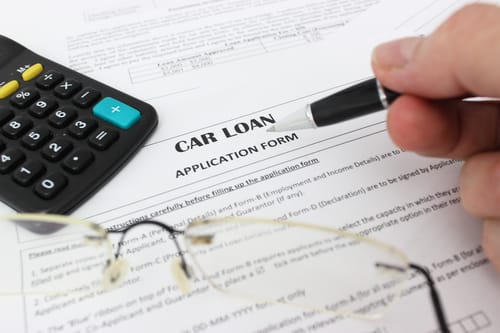
Car Loan Paperwork


Buying a car is an exciting experience, one that everyone dreams about when they’re young. But when you’re an adult trying to buy a car with little to no credit, that experience is more like a nightmare. Although it may not seem like it is possible to get a good car loan with nonexistent credit, it is achievable if you ask the right questions and know where to look.

How long will the loan be active?

Before pursuing a loan, it is important to crunch some numbers and make some decisions. The first thing you should ask yourself is how much you can afford to pay each month and how long you are willing to pay it. You want to be sure the payments are reasonable and within your means. Don’t overestimate, but you want to pay as much as you can without setting yourself up to fail.

If you decide that a longer auto loan (more than six years) is best for you, know that your monthly payments will be lower, but you will end up paying more in interest over the life of the loan. Choosing a longer loan also means you run the risk of falling victim to depreciation. This means you could end up owing more on the car than it is worth, or the dreaded underwater scenario.

Do you have a co-signer?

If you alone do not look appealing on paper, adding a co-signer to the loan, like a spouse or parent, can make you look a lot more attractive to lenders. With a cosigner, the party lending the money has more options for recovery outside of the borrower. Essentially, if you have someone with good credit willing to vouch for you, you are more likely to drive away in a new or used car. However, you have now made that individual as equally responsible for the payments as you are.

Who will lend to you?

Don’t give up on a bank loan until you’ve actually tried. Know that you are more likely to be approved at an institution where you already have an account. If you are not approved the first time, it may be worth your time to wait and apply again a few months later, particularly if in those months you can demonstrate steady employment, change in income or steady credit payments.

If you have no luck at a corporate bank, try for pre-approval from a credit union. Credit unions are capable of making personalized decisions, especially if you bank there. A bonus is that credit unions tend to offer lower interest rates than banks, and they do not follow the bank’s tiered rate system, so your interest payments will be the same as any other credit union member’s, regardless of your credit score.

Another option is to go with a dealership that caters to customers with little to no credit, such as DriveTime. Its website states that it has approved over 2.5 million people and sold over 750,000 used vehicles to people with no or bad credit. It claims that it works with all credit types, so you are more likely to get approval.

Photo of Joe Saul-Sehy
Joe Saul-Sehy

Joe is a former financial advisor and media representative for American Express and Ameriprise. He was the “Money Man” at Detroit television WXYZ-TV, appearing twice weekly. He’s also appeared in Bride, Best Life, and Child magazines, the Los Angeles Times, Chicago Sun-Times, Detroit News and Baltimore Sun newspapers and numerous other media outlets.  Joe holds B.A Degrees from The Citadel and Michigan State University.

joesaulsehy.com/

Filed Under: budget tips, Featured, money management, Planning

Durable Tech: the Smart Buyers’ Guide to Getting Your Money’s Worth

December 2, 2015 by Joe Saul-Sehy Leave a Comment

Technology is improving and updating so rapidly that it’s hard even for the educated consumer to rationalize buying new tech at all. Consider the formula of Moore’s Law, originally created in 1965 by Gordon Moore, Intel co-founder, which asserts that the rate of improvement in the capacity of computer chips increases exponentially, roughly doubling every 18 months. Granted, based on the specific kind of technology, the formula varies, but it’s still pretty depressing to realize that technology becomes outdated almost as quickly as automobiles.

You might think that going with the cheapest model of PC or laptop makes the most sense, since a newer, better, shinier model will be released in a matter of months, but just like with automobiles, your old model does not become obsolete when the new model hits the market. That’s why there are so many updates that continue to flash across your screen. Your model is still completely functional. Newer isn’t always better and you may find yourself missing your old unit after spending money on the latest and greatest.

So then, the key to getting the most out of your tech may not be to buy the newest, but to buy the most durable. Here is a case for investing in durable technology and three compelling reasons that choosing a more durable piece of technology is the wisest course of action when buying a laptop or PC.

If You Have Children: If you have children, then this reason needs no explanation. But just to be thorough, imagine that you allow a five-year-old to play Minecraft on your PC. Imagine that this child has acquired countless, priceless items during a playing session only to be stabbed to death by a Zombie Pigman. Said child has now lost all of his stuff. Said child then has a meltdown, a tantrum of epic proportions. What inanimate object does he take out his frustration on? Why, your laptop, of course. Before you decide on a laptop, ask: “Can this computer withstand the repercussions of a death by Zombie Pigman?”

If You Tech While on the Go: If you are never without your portable tech and often commute with it, you increase the likelihood of dropping your beloved computer. So if you are looking for an ultra durable, incredibly reliable laptop, Lenovo manufactures a great line of ThinkPad laptops built to last. Many of these ThinkPads have reinforced designs and are manufactured with the capability to withstand the stress of on-the-go use and the rigors of repeated use by multiple users. Lenovo is also ranked number one on the on Rescueco’s Reliability Report.

If You are Accident-Prone: Not everyone has the grace of Baryshnikov or the agility of a trained ninja. In fact, many of us can’t make it through the morning without sloshing coffee on ourselves. Where tech is concerned, this is a fatal character flaw. An estimated 60 percent of laptop repairs are needed due to liquid spills, so if you are unable to shield yourself from such accidents, you better choose a laptop with the durability and capability of protecting itself. No laptop is waterproof, but there are covers and keyboard protection accessories to help.

For many users, the smart decision is to shell out a few extra dollars for durability when looking to buy a new laptop or PC. The durability of a machine can help counter Moore’s Law, offer protection from your busy lifestyle, and withstand the consequences of Minecraft-madness by simply being designed to endure such traumas.

Photo of Joe Saul-Sehy
Joe Saul-Sehy

Joe is a former financial advisor and media representative for American Express and Ameriprise. He was the “Money Man” at Detroit television WXYZ-TV, appearing twice weekly. He’s also appeared in Bride, Best Life, and Child magazines, the Los Angeles Times, Chicago Sun-Times, Detroit News and Baltimore Sun newspapers and numerous other media outlets.  Joe holds B.A Degrees from The Citadel and Michigan State University.

joesaulsehy.com/

Filed Under: budget tips, Featured

6 Ways to Save Money at Museums

October 12, 2015 by Kathleen Celmins Leave a Comment

elephant-in-museum_GkIPn8uu

Museums are my favorite way to spend a rainy afternoon, especially in a new city I’m visiting. But if you’re not careful, they can take a big chunk out of your travel budget.

Thank goodness you’re careful. Actually, thank goodness you’re here.

Follow my advice and use these six different ways to save money at museums:

1. Consider a CityPass

If you’re going to be in town for awhile, and you want to see and do as much as possible, look into CityPASS. Chances are, if you want to do some touristy things, you can save money purchasing a booklet of tickets to top attractions.

2. Go Early or Late

Check to see if the museum has discounted entry. Sometimes, if you get to the museum in the last hour of the day, entry is free. Sometimes, you can go during the first hour to save money. Chart your museums in advance to see what makes the most sense for you.

3. Become a Member

Becoming an annual member probably only makes sense when you visit a city frequently, not one-off visits. But if the membership fee is typically about 3X the cost of a one-time ticket, consider whether you’ll be back to that city in the next 12 months.

4. Look for Discounts Online

Sites like Groupon, Livingsocial, and Smart Save are excellent places to find discounted entry fees. For example, if you wanted to go to the USS Intrepid museum, with a bit of hunting online, you can easily save 20%.

5. Pay Attention to Emails from Your Credit Card

This is not a reason to sign up for a new credit card, but if you have a Bank of America or Merrill Lynch credit card, look in your email. Several times a year, they offer “museums on US” days and partner with museums all over the country.

6. Remember “Suggested Donation” is Just That… a Suggestion

There’s a difference between entry fees and suggested donations. Pay close attention to the wording. If it says “suggested donation $25,” that means you can pay less. But speak up! The person at the window is supposed to make that suggestion look like more of a rule.

And, really, if none of these work… go to the museum anyway. I spent one magical afternoon at the Detroit Institute of Art several years ago, and tried fruitlessly to find a discount. It was still one of the best afternoons I can remember.


Photograph of Kathleen Celmins
Kathleen Celmins

Kathleen Celmins is a marketing expert who works with small to medium-sized businesses to help them scale their revenue, especially in the products they create around their own intellectual property.   In addition to decades of marketing and leadership experience, she holds a BA from Pacific University.  In her spare time, she enjoys parenting, entrepreneurship, and monetizing content.

Filed Under: budget tips

Debit or Credit: What Works For You?

September 13, 2015 by Joe Saul-Sehy Leave a Comment

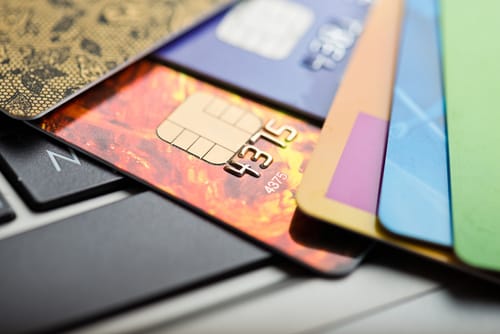
Credit and Debit Cards

There are pros and cons of both credit and debit cards. Before you load your wallet with a series of credit cards, or request a debit card for each of your bank accounts, you should educate yourself on the pros and cons of each. Here is a list of strengths and weaknesses of debit and credit cards.

Debit Cards

Pros: Debit cards are a convenient way to carry the equivalent of cash. Debit cards link directly with your checking or savings account and each time you use it funds are deducted directly from the account that card is linked with. Whenever you make a purchase with your debit card you must enter a four-digit PIN, as a security procedure. The limit of your debit card is the same amount of money you have in the account. Debit cards are easily acquired, as banks take no risks when they provide these cards. You can only spend what you already have so there are no monthly payments.

Cons: The cons of debit cards are few, but severe. If you spend more than what is directly in the account linked with the card you’re charged an overdraft fee. These fees can be anywhere between $30 to $50 for each transaction executed while there are no funds in your account. You must repay both the amount spent plus the overage fees. It’s a pricey consequence, especially if you’re unaware you’ve overdrafted and make more transactions with your card.

Another danger of debit cards are the lack of security which surround them. Since your card is linked with your bank account, if someone steals your card they have instant access. The PIN you set up should provide some protection, though many debit cards can be run as credit, bypassing the use of a PIN altogether. Investigating this kind of fraud can take a lot of time and the longer you put off reporting it, the more liability you’ll face. Look into your bank’s fraud protection policy so you know the risks of debit card fraud.

Credit Cards

Pros: Credit cards provide you a line of credit, or loan, which you will be expected to pay in full within 30 days. You can put off pricey items until your next paycheck comes in. Build your credit score every time you make a payment on time. Your credit score directly influences the loans banks will offer you. This includes home and car loans.

Credit cards aren’t your actual funds. If anyone steals your credit card, cancel it as quickly as possible. If the person has made purchases with it, you can claim fraud and fill out a claim. While this is a hassle, it’s also much easier to prove than with a debit card. Also, you may have noticed a small microchip on your newest credit card. This is an EMV. An EMV is a payment process like the magnetic strip on the back of the card. However, an EMV communicates a series of complex transactions which include cryptographic processes. This makes credit cards more secure, in many ways, than debit cards. Credit monitoring and identity theft prevention services are still helpful in case you’re account is compromised.

Cons: While credit cards can help you build up your credit score, they can also destroy it. Some Americans are financially crippled by credit card debt. Many credit cards have variable interest rates which can be increased and make it difficult for you to make minimum payments. If your credit score is poor it’s very difficult to take out a loan for a house or car, even after you’ve paid off your debt.

Photo of Joe Saul-Sehy
Joe Saul-Sehy

Joe is a former financial advisor and media representative for American Express and Ameriprise. He was the “Money Man” at Detroit television WXYZ-TV, appearing twice weekly. He’s also appeared in Bride, Best Life, and Child magazines, the Los Angeles Times, Chicago Sun-Times, Detroit News and Baltimore Sun newspapers and numerous other media outlets.  Joe holds B.A Degrees from The Citadel and Michigan State University.

joesaulsehy.com/

Filed Under: budget tips, Debt Management, Featured, Uncategorized

5 Tips to Save Money on Your Smartphone Bill

January 30, 2015 by Joe Saul-Sehy 2 Comments

When you just can’t seem to make your money last all month, something has got to give. If you’re searching for ways to cut your monthly expenses, look no further than your smartphone. A Harris Interactive survey found that almost half of Americans spend $100 or more each month on their smartphone, while 13 percent drop $200 or more on monthly phone service.

Pardon our frankness, but that’s crazy. $100-$200 a month? No, no, no. We’ll show you how to do it for cheaper.

Downgrade Your Data Plan

Check your usage statistics on your phone. If you’re only using a portion of the data you’re paying for each month, then ask your carrier if you can switch to a lighter usage plan. Use MyRatePlan.com to compare plans and find the right fit for your usage needs.

Make money from technology

Reduce Your Data Usage

This tip goes hand-in-hand with the one above; if you can’t downgrade your data plan because you use too much data, well then maybe it’s time you reduced your data usage — then you can cut back on your plan. To do this:

  • Connect to free Wi-Fi whenever possible. Of course, don’t do any online banking or send any sensitive personal or financial information, unless the site is encrypted. For more tips on using public Wi-Fi safely, visit the Federal Trade Commission website.
  • Don’t stream video, play games or use apps unless you’re connected to Wi-Fi. These activities suck up a lot of data.
  • Make sure you’ve killed your apps when you’re done using them. If you don’t, they’ll continue to run in the background, using data.
  • Don’t run apps that regularly push content, such as weather updates and sports scores. These use data continuously. If you need help turning these off, simply search “How to turn off push notifications on a (your device)” and follow the instructions.


Change Your Insurance Plan

Many people don’t realize that they aren’t limited to the insurance offered at the time they bought the phone or signed up for service. Insurance from the manufacturer or carrier is usually more expensive than going through a third-party provider. Protect Your Bubble offers smartphone protection starting at $5.99 a month. It covers liquid damage, cracked screens and mechanical breakdowns, and most deductibles are just $50.

You can take your chances and cancel your insurance altogether — that will save you money. But then you take the chance of having to shell out up to several hundred dollars for repair or replacement if something happens. That’s not good for your monthly budget, either.

Go With a Prepaid Plan

Prepaid, no-contract plans are a good way to reduce your bill, and a lot of them have come down in price in recent months. Walmart’s Straight Talk plan has an unlimited talk, text and data plan for $45 a month; Cricket Wireless and Boost Mobile have similar plans for $50 a month; and the GoPhone offers the same type of plan for $60.

There are some caveats here, however. Make sure to ask about coverage, overages and the available selection of smartphones. Consumer Reports features a comprehensive guide to no-contract phones and plans.

Stop Buying Stuff

Finally, quit downloading apps, games, music and the like. Ninety-nine cents here and there isn’t much, but it does add up. If you need a little help with willpower, turn off your ability to make in-app purchases.

Photo of Joe Saul-Sehy
Joe Saul-Sehy

Joe is a former financial advisor and media representative for American Express and Ameriprise. He was the “Money Man” at Detroit television WXYZ-TV, appearing twice weekly. He’s also appeared in Bride, Best Life, and Child magazines, the Los Angeles Times, Chicago Sun-Times, Detroit News and Baltimore Sun newspapers and numerous other media outlets.  Joe holds B.A Degrees from The Citadel and Michigan State University.

joesaulsehy.com/

Filed Under: budget tips, Featured, Lists

3 Bookkeeping Tips for Entrepreneurs

December 16, 2014 by Joe Saul-Sehy 2 Comments

The Sarbanes-Oxley Act of 2002 was passed to stop corporate malfeasance and accounting scandals at Enron, Tyco and other large companies that cost investors billions and many Americans their pensions. In 2014, a study by the University of Kansas School of Business found that only 728 financial restatements were filed with the Securities and Exchange Commission (SEC) in 2012. That’s down from 1,784 restatements filed in 2006. The study also found the highest proportion of egregious errors were filed by small and medium-sized companies as opposed to large corporations.

Accounting oversights and inaccuracies can land your company a hefty fine and also can cause leaks in revenues that will ultimately sink your startup. These three bookkeeping tips will help simplify the process and avoid costly mistakes.

Pick the Right SoftwareCalculator Free Financial Advisor

QuickBooks is by far the most popular business accounting software for small businesses, boasting a 90 percent market share, states PRWeb. Its interface is extremely user-friendly, complete with pictures to help you get started. The Setup Interview process helps configure payroll, accounts receivable and billing. There also are several pre-printed forms for tax filing, purchase orders and other business processes.

Gene Marks, owner of consulting firm Marks Group PC, argued that many Quickbooks users will be forced to switch to cloud-based solutions. For those who believe this proposition, PC Magazine recommends Xero because of its exporting capabilities and add-ons that you can customize to fit your business structure. Wave, FreshBooks and Kashoo also are highly regarded, cloud-based accounting solutions.

Invest in Cloud Storage

Most entrepreneurs aren’t trained accountants, which is why storing important documents in the cloud is essential. This way you’ll be able to access all of your financial statements on your smartphone, laptop or any other mobile device. It also gives your company an extra layer of protection if disaster strikes in the form of fire, hurricane or some other unfortunate event.

Dropbox is the most popular cloud solution because it’s user-friendly and provides 2 GB of free storage. And, you can earn up to 16 additional GB of storage by referring friends to the service. Another solution is OneDrive, which is built right into Windows 8.1. Carbonite and Open Drive also are popular among small businesses.

Use Apps for Expense Tracking

It can be a tedious process to keep track of receipts for gas, hotel stays, food and other business expenses that can be written off at the end of the year. Luckily, there are several expense tracking apps that make the process seamless.

  • Expensify allows you to sync the app software with your credit cards to automatically capture expenditures and export them to PDF files. It also turns the camera on your phone into a scanner that can digitize paper receipts.
  • Mileage Log+ is a great app for those who travel a lot by car. It stores frequent trips for quick recall and provides reimbursement rates pursuant to IRS regulations.
  • BizXpense Tracker is another option to consider for comprehensive expense recording.

Effective bookkeeping is about organization and accuracy. DIY accounting is the most cost-effective solution, but don’t hesitate to consult a professional anytime a situation is beyond your understanding.

Photo of Joe Saul-Sehy
Joe Saul-Sehy

Joe is a former financial advisor and media representative for American Express and Ameriprise. He was the “Money Man” at Detroit television WXYZ-TV, appearing twice weekly. He’s also appeared in Bride, Best Life, and Child magazines, the Los Angeles Times, Chicago Sun-Times, Detroit News and Baltimore Sun newspapers and numerous other media outlets.  Joe holds B.A Degrees from The Citadel and Michigan State University.

joesaulsehy.com/

Filed Under: budget tips, Featured

Save Money: 4 Items To Buy Online

November 10, 2014 by Joe Saul-Sehy Leave a Comment

Online Purchases
According to the Economic Policy Institute, the average family budget for a two-parent and two-child family runs $48,166 in Marshall County, Mississippi, to $94,676 in New York City. Meanwhile, costs like childcare in Washington D.C. for just one child run $1,318. The institute found even in solid economic conditions, low-wage jobs would not cover basic family needs. Annual wages for a full-time minimum wage worker run $15,080 which makes it difficult, if not impossible, to live in even an inexpensive area.

While you may not be able to control the cost of living in your area or your wages, there are ways you can save money. Shop online for often overlooked necessities like groceries and eyeglasses, and dramatically slash your budget. Here’s a look at items you should always buy online to beat brick and mortar stores at their own game.

Groceries

A weekly grocery bill for an average family of four runs about $200, according to the USDA Center for Nutrition Policy and Promotion. Spending just short of $800 a month just on groceries is a serious budget breaker. Trim your costs by buying groceries online with sites like Amazon or Walmart. Amazon offers a subscription service where you can sign-up to receive orders on everything from paper towels to cereal to arrive at a set date and time of your choosing. Aside from convenience, signing up for a subscription can lower your order costs.

Walmart offers a wide range of products and brands like Betty Crocker and Campbell’s at prices that will beat most competitors. You’ll also get free shipping on orders of $50 or more and save yourself the time and trouble of dragging the kids to the grocery store and unloading when you get home.

Eyeglasses

Shopping for new frames at your eye doctors could cost hundreds of dollars for a designer brand. Even discount eyewear retailers like LensCrafters will usually charge around $100 for glasses. Meanwhile, sites like ZenniOptical.com offer prescription frames starting at just $6.95 for men, women and children. The lower cost means less stress over picking out frames and even keeping a back-up on hand for active kids prone to breaking their eyewear. The downside is returns can be tricky with Zenni only offering 50 percent of the value upon return.

Tires

It can be intimidating to order tires online and know what to do once you hit “buy.” But online retailers can take care of all the logistics for you. Such retailers can connect you with recommended tire shops to install them. Tires are shipped for free and arrive fast so you can get up and running quickly. Online tire outlets are also likely to offer ongoing promotions and discounts to save you even more money than walking into a store.

Electronics

Skip the high pressure from salesmen and order electronics online at a discount. Shop online for electronics from stores like Costco and BJ’s Wholesale. You will need to buy a membership at $55 or more a year just to shop, but the savings can still add up. If you don’t care about name brands, buy the generic house brand instead. Wholesale retailers are also likely to carry Sony TVs next to affordable Vizio flat screens for hundreds of dollars less. Costco in particular is great, their customer service is fantastic and their return policy is first rate.

Photo of Joe Saul-Sehy
Joe Saul-Sehy

Joe is a former financial advisor and media representative for American Express and Ameriprise. He was the “Money Man” at Detroit television WXYZ-TV, appearing twice weekly. He’s also appeared in Bride, Best Life, and Child magazines, the Los Angeles Times, Chicago Sun-Times, Detroit News and Baltimore Sun newspapers and numerous other media outlets.  Joe holds B.A Degrees from The Citadel and Michigan State University.

joesaulsehy.com/

Filed Under: budget tips, Featured, Lists Tagged With: budget tips, budgeting

Cutting the Cord: How and Why You Should Eliminate Cable TV

October 30, 2014 by Joe Saul-Sehy 2 Comments

Nearly everyone has seen a sci-fi or futuristic movie that shows a dystopian future where television has gone out of control, featuring thousands of channels with nothing worth watching. Unfortunately, that future seems more realistic every day, and with the continuously rising prices of cable and satellite television, many people are choosing to cut the cord and switch to other alternatives. The FCC recently completed a study showing the average basic cable bill is over $64 per month before taxes and surcharges, and that doesn’t include any premium shows or channels at all.

Controller

The most obvious extreme is to stop paying for television all together. Whether you realize it or not, every major city in the country still transmits television over the air at little to no cost to you. Basic channels are still available to anyone with a regular antenna, and for a one time minimal charge, you can pick up an HD or digital antenna to get the local shows in high definition.

If you’re looking for something a little more than what an antenna can provide, the obvious choice is to turn to the Internet. Whether you choose to watch from your computer or have the ability to connect your TV to your computer source, there are a few streaming options that can save you loads of cash every month.

Hulu Plus

This service is great if you’re looking to watch TV shows right when they come out. Most are usually up and running on their website no more than a day after it premiers on cable, and they have a wide variety of both TV shows and movies available for streaming.

Cost: $7.99 per month with a free trial available.

Netflix

If you aren’t worried about watching new releases right when they come out, this is a great option. With a wide variety of complete seasons of television, a huge selection of movies and several critically acclaimed original programs, you can watch whatever you want whenever you want. And, with their focus on cross platform streaming, you can use nearly any device.

Cost: $7.99 per month with free trial available.

Amazon Prime and iTunes

The advantage to these two options is that you can stream shows from your devicesand download movies and episodes to watch even when you might be out of Internet service.

Cost: Amazon Prime is $79 per year with 1 month free trial; iTunes varies per purchase.

Roku Streaming Player

The Roku streaming media player plugs directly into your television and uses your Wi-Fi to connect you directly to Hulu. There are a variety of options ranging from a simple USB Streaming Stick to the new Roku 3, which has Hulu, Netflix, Amazon, HBO Go and others.

Cost: $49–$99 with various free trials.

Apple TV

This product from Apple will essentially turn your TV into a streaming machine without the need for a direct connection to your computer. With access to all the major streaming services, you also can connect directly to your iTunes account, giving you access to purchased songs and streaming from iTunes Radio.

Cost: $99

Ultimately the choice is yours, but with so many options available to you, the decision to cut the cord just makes good financial sense.

Photo of Joe Saul-Sehy
Joe Saul-Sehy

Joe is a former financial advisor and media representative for American Express and Ameriprise. He was the “Money Man” at Detroit television WXYZ-TV, appearing twice weekly. He’s also appeared in Bride, Best Life, and Child magazines, the Los Angeles Times, Chicago Sun-Times, Detroit News and Baltimore Sun newspapers and numerous other media outlets.  Joe holds B.A Degrees from The Citadel and Michigan State University.

joesaulsehy.com/

Filed Under: budget tips, Featured, Planning

  • « Previous Page
  • 1
  • …
  • 8
  • 9
  • 10
  • 11
  • 12
  • Next Page »

FOLLOW US

Search this site:

Recent Posts

  • Can My Savings Account Affect My Financial Aid? by Tamila McDonald
  • 12 Ways Gen X’s Views Clash with Millennials… by Tamila McDonald
  • What Advantages and Disadvantages Are There To… by Jacob Sensiba
  • 10 Tactics for Building an Emergency Fund from Scratch by Vanessa Bermudez
  • Call 911: Go To the Emergency Room Immediately If… by Stephen Kanaval
  • 7 Weird Things You Can Sell Online by Tamila McDonald
  • 10 Scary Facts About DriveTime by Tamila McDonald

Copyright © 2026 · News Pro Theme on Genesis Framework