• Home
  • About Us
  • Getting Finances Done
    • Hiring Advisors
    • Debt Management
    • Spending Plan
  • Insurance
    • Life Insurance
    • Health Insurance
    • Disability Insurance
    • Homeowners/Renters Insurance
  • Contact Us
  • Our Editorial Commitment

The Free Financial Advisor

You are here: Home / Archives for Tamila McDonald

Tamila McDonald is a U.S. Army veteran with 20 years of service, including five years as a military financial advisor. After retiring from the Army, she spent eight years as an AFCPE-certified personal financial advisor for wounded warriors and their families. Now she writes about personal finance and benefits programs for numerous financial websites.

10 Signs You’re Heading Towards a Financial Disaster

February 19, 2024 by Tamila McDonald Leave a Comment

financial disaster

In today’s fast-paced economic climate, managing personal finances has become more challenging than ever. With fluctuating markets, increasing living costs, and the allure of easy credit, it’s easy to slip into financial pitfalls. Take a look at these ten critical signs indicating that you might be on the verge of a money disaster. Understanding these signs is vital to taking proactive steps toward financial stability.

1. Consistent Overdrafts in Your Bank Account
Overdraft

Continual reliance on overdrafts is a glaring red flag in financial management. Overdrafts might seem like a convenient short-term solution, but they often come with high fees and interest rates. Regularly finding yourself in the red implies that you’re spending more than you earn, a dangerous precedent leading to a debt spiral. Start by re-evaluating your budget and cutting unnecessary expenses to mitigate this risk.

2. Reliance on Credit Cards for Daily Expenses
credit cards

Using credit cards for everyday expenses can be a slippery slope towards debt accumulation. It’s especially concerning if you’re not paying off the balance each month. High-interest rates on unpaid balances can quickly escalate, trapping you in a cycle of debt. To avoid this, use debit cards or cash for daily transactions and reserve credit cards for emergencies or planned expenses.

3. No Emergency Savings Fund
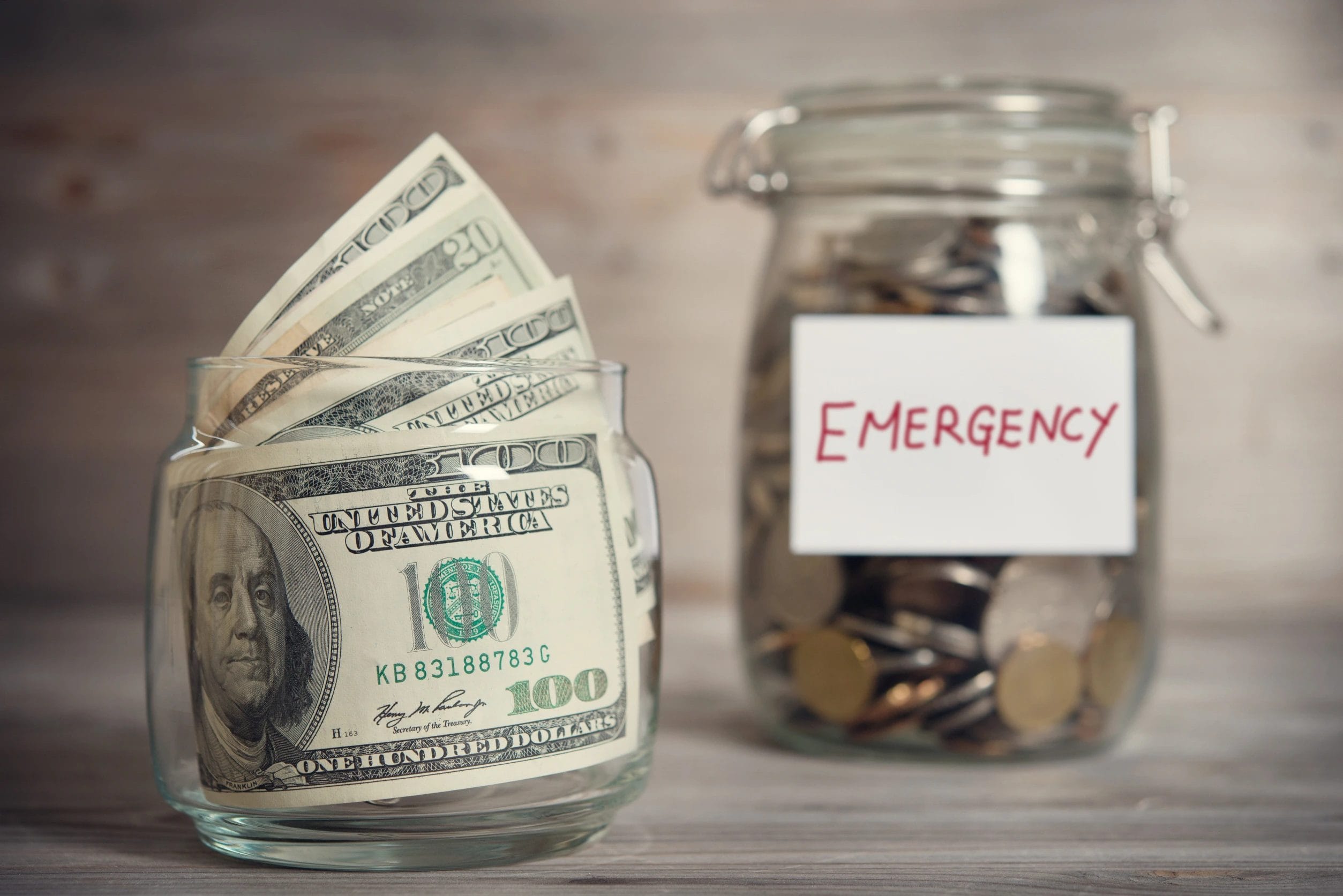
Emergency Fund

The absence of an emergency fund exposes you to financial peril. Unforeseen expenses like medical emergencies or car repairs can compel you to resort to high-interest loans or credit cards. Financial advisors often recommend having at least three to six months’ worth of living expenses saved. Start small if necessary, but make it a habit to regularly contribute to this fund.

4. Minimum Payments on High Debt Levels

Minimum Payment

Paying only the minimum on your debts, especially high-interest ones, is a warning sign. This approach prolongs your debt period and increases the total interest paid. Focus on creating a strategy to pay more than the minimum, starting with the highest interest debts. This approach can save you money in the long run and expedite your journey to being debt-free.

5. Lack of a Monthly Budget or Financial Plan

monthly budget

Not having a monthly budget is like navigating without a map and it’s a quick way to be met with a money disaster. Without a clear understanding of your income and expenditures, it’s easy to overspend and save less. Crafting a budget helps you prioritize your spending, save consistently, and make informed financial decisions. It’s a fundamental tool in maintaining financial health.

6. Regular Late Payments on Bills
late payments

Late payments on bills are not just about paying extra fees; they also negatively impact your credit score. A low credit score can lead to higher interest rates on loans and credit cards, making it more expensive to borrow money. To avoid this, set reminders for due dates or consider setting up automatic payments for your recurring bills.

7. Investment in High-Risk Ventures Without Proper Research

high risk ventures

Investing in high-risk ventures without due diligence can lead to significant financial losses. While high returns can be tempting, they come with increased risks. Diversify your investment portfolio and conduct thorough research before committing your money. Remember, if an investment sounds too good to be true, it probably is.

8. Ignoring Financial Statements and Bills

Ignoring Bills

Not reviewing your financial statements and bills can lead to missed errors or unrecognized fraudulent charges. Regularly monitoring these documents helps you stay on top of your finances and identify any discrepancies quickly. It also keeps you informed about your spending patterns, aiding in better financial planning.

9. Continuous Borrowing from Retirement Funds

borrowing from retirement

Dipping into retirement savings can have long-term repercussions on your financial future and potentially lead to a money disaster. These funds are meant for your post-retirement life and withdrawing them early can result in penalties and lost interest. It’s crucial to view retirement funds as untouchable until retirement and find other ways to manage current financial obligations.

10. Lifestyle Inflation Outpacing Income Growth

Lifestyle inflation

Increasing your standard of living as soon as your income rises is a common trap. This lifestyle inflation can prevent you from saving and investing for the future. It’s important to balance enjoying your present while also securing your financial future. Practicing mindful spending and continuously saving a portion of your income can help maintain this balance.

Avoiding a Money Disaster Requires Financial Stability

financial stability

Recognizing these ten signs is crucial in averting a potential money disaster. Financial stability requires discipline, planning, and awareness. If you find yourself identifying with any of these signs, it’s time to take action. Review your financial habits, seek professional advice if needed, and start making changes today. Remember, the path to financial health is a journey, and it’s never too late to start.

Start by assessing your financial health today. Create a budget, plan your expenses, and set realistic financial goals. Your future self will thank you!

Tamila McDonald
Tamila McDonald

Tamila McDonald is a U.S. Army veteran with 20 years of service, including five years as a military financial advisor. After retiring from the Army, she spent eight years as an AFCPE-certified personal financial advisor for wounded warriors and their families. Now she writes about personal finance and benefits programs for numerous financial websites.


Filed Under: Personal Finance Tagged With: borrowing from retirement funds, investint in high risk ventures, late payments, making the minimum payment, no emergency fund

10 Financial Advisors’ Tips That Don’t Hold Up in Today’s Economy

February 12, 2024 by Tamila McDonald Leave a Comment

In an ever-evolving financial landscape, the wisdom that once guided investors and savers alike may no longer hold the same weight. As we navigate through unprecedented economic conditions marked by rapid technological advancements, shifting market dynamics, and unexpected global events, some traditional advice from financial advisors seems increasingly out of touch. Here, we explore ten financial advisor tips that might not stand up to the rigors of today’s economy.

1. Sticking Strictly to the Traditional 60/40 Investment Portfolio

The age-old investment strategy of allocating 60% of one’s portfolio to stocks and 40% to bonds is being challenged by today’s low-interest-rate environment. While this diversification tactic was once considered a safe bet for steady growth and income, the diminishing returns on bonds and increased market volatility have called its effectiveness into question. Investors are now exploring alternative assets, such as real estate, commodities, and even cryptocurrencies, to find the right balance between risk and reward.

2. Homeownership as the Ultimate Financial Goal

For decades, owning a home was synonymous with financial success and stability. However, the modern economy, characterized by job mobility, skyrocketing real estate prices, and the gig economy, has made homeownership an unattainable dream for many. The flexibility of renting, coupled with the high costs associated with property maintenance and taxes, makes it an increasingly viable option, challenging the notion that buying a home is always the best investment.

3. The Assurance of a College Degree

cgsgc

While higher education has traditionally been touted as a surefire path to a lucrative career, the rising cost of college tuition and the burden of student loans are prompting a reevaluation. With the emergence of alternative education paths, such as online courses, boot camps, and apprenticeships, many are questioning the return on investment of a traditional four-year degree, especially in fields where practical skills often outweigh academic credentials.

4. Saving 10% of Your Income for Retirement

The conventional wisdom of setting aside 10% of one’s income for retirement may not suffice in today’s economic climate. Longer life expectancies, increasing healthcare costs, and the uncertain future of Social Security demand a more aggressive savings strategy. Financial experts now recommend saving at least 15% to 20% of your income to ensure a comfortable retirement, taking into account the potential for inflation and unforeseen expenses.

5. Counting on Social Security

Relying on Social Security as a significant component of one’s retirement plan is becoming increasingly risky. With the program facing potential funding shortfalls, future benefits may be reduced, leaving those who haven’t saved enough on their own in a precarious position. It’s more important than ever to diversify retirement savings across various vehicles, such as 401(k)s, IRAs, and personal savings, to build a more secure financial future.

6. The Infallibility of the Emergency Fund Rule of Thumb

The standard advice of having three to six months’ worth of living expenses saved in an emergency fund might not be adequate for today’s economic uncertainties. Given the volatility of the job market and the potential for unexpected costs, a more robust safety net of up to twelve months’ worth of expenses is advisable for those in less stable employment situations or with higher financial obligations.

7. Avoiding All Debt

While excessive debt is undoubtedly harmful, the blanket advice to avoid all debt doesn’t take into account the nuanced role it can play in financial health. Strategic borrowing, such as low-interest loans for education, a home, or to start a business, can be an investment in one’s future. It’s the high-interest, non-productive debt from credit cards and consumer loans that should be handled with caution.

8. The Necessity of a Large Down Payment on a Home

The traditional advice to make a 20% down payment on a home to avoid private mortgage insurance (PMI) and secure better loan terms is not always feasible or advisable in today’s market. With home prices soaring, saving a 20% down payment can be prohibitive, delaying homeownership for many. Financing options that allow for smaller down payments can open the door to homeownership sooner, allowing buyers to start building equity and benefit from potential property appreciation.

9. Keeping a Fixed Asset Allocation

The idea of setting and forgetting an asset allocation does not hold up in the face of rapid economic changes and personal life transitions. Regular rebalancing and adjusting one’s investment strategy in response to market fluctuations and personal circumstances, such as age and risk tolerance, are crucial for optimizing investment returns and managing risk.

10. Delaying Investing Until You Have Significant Savings

Waiting to invest until you have a substantial amount of money saved is a missed opportunity, especially in today’s digital age where investment platforms allow you to start with minimal amounts. The power of compounding interest means that even seemingly tiny but regular investments made early can grow substantially over time, making it essential to begin investing as early as possible, regardless of the amount.

Ultimately

Ultimately, while traditional financial advice has its roots in historical success, the rapid changes in today’s economy necessitate a more flexible, informed approach to personal finance. By questioning outdated wisdom and adapting to current realities, individuals can navigate the complexities of modern financial planning with greater confidence and success.

Can you think of any other financial advisors’ tips that don’t hold up in today’s economy? Do you disagree with an item on this list and want to tell others why? Share your thoughts in the comments below.

Read More:

  • 10 ‘Bargain’ Online Shopping Sites That Could Drain Your Wallet
  • From Wealth to Want: 8 Luxury Spending Habits That Could Lead to Financial Ruin
Tamila McDonald
Tamila McDonald

Tamila McDonald is a U.S. Army veteran with 20 years of service, including five years as a military financial advisor. After retiring from the Army, she spent eight years as an AFCPE-certified personal financial advisor for wounded warriors and their families. Now she writes about personal finance and benefits programs for numerous financial websites.

Filed Under: Personal Finance Tagged With: 10 Financial Advisors' Tips That Don't Hold Up in Today's Economy, Sticking Strictly to the Traditional 60/40 Investment Portfolio

20 Valuable Items In Your Home Hiding in Plain Sight

February 6, 2024 by Tamila McDonald Leave a Comment


House

Your home may be a treasure trove of items with hidden value. Often overlooked, these everyday objects can be of significant worth, either as collectibles or for their historical importance. Check out these 20 such household items, revealing their potential hidden value and how to identify them.

1. Vintage Coins and Currency

vintage coins and currency

Old coins and currency tucked in drawers or old jars could be miniature goldmines. Collectors often seek rare editions, mint errors, or pieces with historical significance. Beyond their face value, these items can tell a story of the past, making them even more valuable to collectors. Examine your old change; there might be a rare piece waiting to be discovered.

2. First Edition Books

first edition books

First editions, especially those signed by the author, can be worth a fortune. These treasures often sit unnoticed on bookshelves, gathering dust. First editions from iconic authors or books that have had a significant cultural impact are particularly valuable. To identify a first edition, look for specific publishers’ markings and print numbers.

3. Antique Jewelry

Antique Jewelry

Inherited jewelry, often deemed out of style, can hold surprising value. Vintage pieces, particularly from recognized brands or specific historical periods, often fetch high prices. Their craftsmanship, rarity, and sometimes the stories behind them add to their allure and value. Check for maker’s marks or hallmarks to identify their origins.

4. Vintage Toys and Games

vintage toys


Old toys and games from your childhood could be worth more than sentimental value. Pristine conditions and original packaging significantly increase their worth. Brands like LEGO, Barbie, and classic video games from the 80s and 90s are in high demand among collectors. Even everyday toys can be valuable if they are rare or discontinued.

5. Vinyl Records

vinyl records

Certain old vinyl records are highly collectible, especially limited editions or original pressings. Albums by iconic artists or rare recordings can fetch substantial sums. The revival of vinyl records as a preferred music format has only increased their value. Check for records that were limited runs or special editions.

6. Old Magazines and Newspapers

newspapers

Particular old magazines and newspapers, especially those marking significant historical events, can be collectible. The value lies in their condition and rarity. Collectors often seek unique editions or those in excellent shape. They serve as a window into history and are cherished by enthusiasts.

7. Vintage Electronics

electronics

Retro electronics like old video game consoles, turntables, and early computers can be surprisingly valuable. Their nostalgic appeal makes them popular among collectors, especially when they’re in working condition. Original accessories and packaging can significantly enhance their value. Look for iconic models that were either a technological breakthrough or a cultural phenomenon.

8. Stamps

rare stamps

Stamp collections can be hidden gems. Rare stamps, error prints, and older, well-preserved collections are in high demand. Their value can be determined by rarity, condition, and historical significance. Stamps from certain eras or countries, or those featuring errors, are particularly sought after by philatelists.

9. Antique Furniture

Antique Furniture

Vintage furniture, especially pieces from notable periods or makers, can be highly valuable. Original condition and historical significance greatly add to their worth. Look for unique craftsmanship or signature elements that indicate a piece’s age and origin. The furniture’s provenance can also significantly increase its value.

10. Artwork

artwork

Original artwork, even from lesser-known artists, can be valuable. The value lies not just in the name but in the art’s uniqueness and the story it tells. Check for signatures and research the artist’s history to gauge its worth. Sometimes, the frame itself can be an antique and of considerable value.

11. Designer Clothing and Accessories

designer clothes

Designer clothing and accessories, particularly from iconic brands, retain value. Vintage or slightly used high-end brands like Chanel, Louis Vuitton, or Hermes are particularly sought after. The craftsmanship and brand heritage play a significant role in their valuation. Limited edition pieces or those from significant fashion eras are especially valuable.

12. Vintage Cameras and Photography Equipment

vintage cameras

Old cameras and photography equipment have a market among collectors and enthusiasts. Classic models from brands like Leica or Nikon, especially those in good condition, are highly prized. The historical significance of the camera model and its contribution to photography can add to its value.

13. Handmade Quilts and Textiles

handmade quilts

Handmade quilts and textiles, particularly antique or with a unique history, can be of considerable value. The craftsmanship, materials used, and the story behind the piece add to its worth. These items are often undervalued but can fetch high prices, especially if they are from a known artisan or a historically significant period.

14. Sports Memorabilia

sports memorabilia

Sports memorabilia, including signed equipment or vintage items, hold both sentimental and monetary value. The item’s connection to a famous athlete or a significant sports event can greatly increase its worth. Authentication plays a crucial role in valuing these items, so it’s essential to have proper documentation.

15. Collectible Pottery and Porcelain

porcelain

Pottery and porcelain from well-known makers or unique pieces are highly collectible. Their value is determined by the maker’s mark, age, and the item’s condition. Collectible pieces often come from specific periods or have distinctive designs that set them apart. Even everyday items can be valuable if they are rare or have historical significance.

16. Silverware and Flatware

silverware

Silverware sets, particularly those made of real silver, can be quite valuable. The value is not just in the material but also in the craftsmanship and design. Even individual pieces or incomplete sets can be of worth, based on their weight and craftsmanship. Look for hallmarks that indicate the silver quality.

17. Wine and Spirits

wines

Certain bottles of wine and spirits increase in value with age. Collectible bottles include limited edition releases, vintage years, and unique blends. The storage conditions and provenance of the bottle also play a significant role in its valuation.

18. Antique Glass and Crystal

Antique Glass and Crystal

Glassware and crystal, particularly from notable manufacturers or with unique designs, can be of considerable value. Items in excellent condition and with distinctive features like etchings or unique colors are highly sought after. The rarity and history of the piece add to its allure.

19. Old Maps and Globes

old maps

Vintage maps and globes are collectible items, especially rare or hand-drawn ones. Their historical significance and the story they tell make them valuable. Look for maps and globes that are in good condition and have unique features or were made by well-known cartographers.

20. Classic Car Models and Parts

classic cars

Classic car models, even small die-cast ones, can be valuable, particularly if they are rare or in mint condition. Additionally, old car parts, especially from vintage or classic cars, are in demand. Their value lies in their rarity, condition, and the vehicle model they belong to.

Exciting and Lucrative Adventure

lucrative

Discovering hidden treasures in your home can be an exciting and potentially lucrative endeavor. Whether it’s a piece of history, a work of art, or a nostalgic item, these household objects can offer more than meets the eye.

If you’ve found some valuable household items in your home, we’d like to hear about it in the comments.

Tamila McDonald
Tamila McDonald

Tamila McDonald is a U.S. Army veteran with 20 years of service, including five years as a military financial advisor. After retiring from the Army, she spent eight years as an AFCPE-certified personal financial advisor for wounded warriors and their families. Now she writes about personal finance and benefits programs for numerous financial websites.

Filed Under: Personal Finance Tagged With: hiding in plain sight, House, vintage coins

Rediscovering Tradition: 12 Time-Honored Practices Worth Reviving

February 5, 2024 by Tamila McDonald Leave a Comment

Traditions

In an era where the digital world reigns supreme, there is a growing trend towards reconnecting with the simplicity and authenticity of the past. Traditional practices, once the norm, now offer a unique way to enrich our modern lives with skills, sustainability, and a sense of heritage. Here are 12 such practices, shedding light on their timeless value and relevance in today’s fast-paced world.

1. Home Gardening

home gardening

Home gardening is a rewarding endeavor that brings us closer to nature and our food sources. Cultivating a garden promotes sustainability, encourages healthier eating habits, and can be a therapeutic activity. This practice not only provides fresh produce but also instills a sense of accomplishment and environmental responsibility.

2. Cooking from Scratch

cooking from scratch

Preparing meals from scratch was once a daily routine and is now a healthier, more fulfilling alternative to processed foods. This practice allows for control over ingredients, fostering a healthier lifestyle. It also offers a creative outlet and an opportunity to bond with family over traditional recipes and cooking techniques.

3. Sewing and Knitting

sewing and knitting

Sewing and knitting are crafts that offer both practical and creative benefits. These skills enable the creation of unique, personalized items and promote a culture of repairing and repurposing. They provide a sense of achievement and can be a peaceful, meditative practice.

4. Reading Physical Books

Reading a book

The joy of reading physical books offers a different experience than digital alternatives. The tactile sensation of turning pages and the visual appeal of bookshelves filled with literature bring a unique charm. Building a personal library provides a tangible connection to knowledge and history.

5. Using Traditional Healing Remedies

healing rememdies

Natural remedies, rooted in traditional practices, offer holistic approaches to health and wellness. Revisiting these remedies reconnects us to ancestral wisdom and promotes an understanding of the healing properties of herbs and natural ingredients.

6. Storytelling

storytelling

The art of oral storytelling is a powerful tool for cultural and familial bonding. It’s a way to share experiences, history, and values across generations. Storytelling enhances communication skills and fosters a strong sense of community and belonging.

7. Handcrafting Furniture

handcrafting furniture

The skill of handcrafting furniture is a testament to patience and artistry. Unlike mass-produced items, handmade furniture can be tailored to personal tastes and needs. This practice emphasizes the value of craftsmanship and the beauty of creating enduring, functional art.

8. Practicing Calligraphy

Calligraphy

Calligraphy is an artistic form of writing that requires skill and concentration. It transforms ordinary text into elegant art, preserving the beauty of handwriting. This practice offers a peaceful, meditative escape from the digital world.

9. Making Homemade Preserves

preserves

Creating homemade preserves such as jams and pickles is a delightful way to capture the essence of the seasons. This practice allows for culinary creativity, reduces food waste, and provides healthier alternatives to commercial products.

10. Playing Traditional Games

board games

Engaging in traditional games encourages physical activity, strategic thinking, and social interaction. These games, often passed down through generations, provide a digital detox and a chance to connect with others in a fun, interactive way.

11. Keeping a Physical Journal or Diary

Journal

Maintaining a handwritten journal or diary is a practice of reflection and self-expression. It offers a personal space to record thoughts, experiences, and emotions. Physical journals serve as a lasting memoir, capturing moments in a tangible form that can be revisited and cherished.

12. Learning and Playing Musical Instruments

playing musical instruments

The tradition of learning and playing musical instruments enhances cognitive abilities, discipline, and artistic expression. This practice offers a fulfilling way to explore creativity, relieve stress, and can even be a shared activity that strengthens social bonds and cultural connections.

Enriching Modern Lives

modern living


Reviving these traditional practices is not just about nostalgia; it’s about enriching our modern lives with meaningful activities that offer balance, fulfillment, and a connection to our roots. In a world dominated by screens and technology, these time-honored customs remind us of the importance of simplicity, skill, and the human touch. By embracing these practices, we can rediscover the joys of slower, more thoughtful living and forge a deeper connection with our past, our communities, and ourselves.

Tamila McDonald
Tamila McDonald

Tamila McDonald is a U.S. Army veteran with 20 years of service, including five years as a military financial advisor. After retiring from the Army, she spent eight years as an AFCPE-certified personal financial advisor for wounded warriors and their families. Now she writes about personal finance and benefits programs for numerous financial websites.

Filed Under: Personal Finance Tagged With: cooking from scratch, keeping a journal, playing musical instruments, sewing

12 Overrated Vacation Destinations That Aren’t Worth Your Hard-Earned Cash

February 5, 2024 by Tamila McDonald Leave a Comment

Traveling is an enriching experience, offering the chance to explore new cultures, cuisines, and landscapes. However, not all destinations live up to their hype, and some are notoriously overvalued, promising more than they can deliver. Here’s a look at 12 overrated vacation destinations that aren’t worth your hard-earned cash.

1. Times Square, New York City

Often romanticized in films and television shows, Times Square in New York City is a hub of bright lights, big screens, and bustling crowds. However, this iconic location can be overwhelmingly crowded, excessively commercialized, and surprisingly expensive. With high-priced dining and shopping options tailored more towards tourists than locals, you might find yourself spending a fortune on mediocre experiences. Instead of lingering in this chaotic square, explore the city’s diverse neighborhoods, historic landmarks, and world-class museums to get a true taste of the Big Apple.

2. The Leaning Tower of Pisa, Italy

The Leaning Tower of Pisa is a marvel of medieval engineering, famous worldwide for its unintended tilt. However, the site is often swarmed by tourists attempting the clichéd ‘holding up the tower’ pose, leading to long wait times and a cluttered experience. The surrounding area is filled with vendors selling overpriced souvenirs, detracting from the historical significance of the site. Italy is rich with underappreciated gems, from the rolling hills of Tuscany to the serene canals of Venice, offering more rewarding and less congested experiences.

3. Hollywood Walk of Fame, Los Angeles

Los Angeles is a city of dreams, and the Hollywood Walk of Fame is a testament to the stars who have made it big. Yet, this famous sidewalk can be underwhelming, with its busy streets and commercial atmosphere overshadowing the glamor it’s supposed to represent. The area is also known for aggressive vendors and impersonators vying for tourists’ attention and money. For a more authentic LA experience, consider hiking up to Griffith Observatory for panoramic city views or exploring the vibrant arts scene in neighborhoods like Silver Lake and Echo Park.

4. Las Vegas Strip, Nevada

Las Vegas is synonymous with dazzling entertainment and opulent casinos. However, the Las Vegas Strip, with its extravagant hotels and casinos, can feel like an amusement park for adults, with high prices and sensory overload. Beyond the glitzy facades, the city lacks the cultural depth found in other destinations. For those seeking more than just bright lights and slot machines, the surrounding desert offers stunning natural landscapes like Red Rock Canyon, which provides a peaceful and scenic escape from the city’s hustle and bustle.

5. The Pyramids of Giza, Egypt

The Pyramids of Giza are a testament to ancient engineering and are rightfully one of the Seven Wonders of the Ancient World. However, the experience of visiting can be marred by the aggressive hawkers, crowded viewing spots, and the jarring sight of the urban sprawl encroaching on the ancient site. While the pyramids themselves are magnificent, the overall experience can be disappointing. For those fascinated by ancient Egyptian culture, the country offers numerous other sites like the temples of Luxor and Karnak, where one can explore in a more serene setting.

6. Stonehenge, United Kingdom

Stonehenge is an iconic prehistoric monument shrouded in mystery and historical significance. Yet, visitors might be surprised to find themselves kept at a distance from the stones, with the site often feeling more like a viewing platform than an immersive experience. The remote location and entry fees also contribute to an underwhelming visit. The UK is rich in history, and alternatives like the Roman Baths in Bath or the Edinburgh Castle in Scotland provide more engaging and accessible experiences.

7. The Little Mermaid Statue, Copenhagen

Copenhagen’s Little Mermaid statue, inspired by Hans Christian Andersen’s fairy tale, is a small and unassuming monument. Many tourists leave feeling underwhelmed by its size and the lack of fanfare surrounding the attraction. Copenhagen, however, is a vibrant city with much to offer, from the colorful Nyhavn harbor to the innovative culinary scene. A canal tour or a visit to the Tivoli Gardens might prove to be a more memorable use of time in this charming Danish capital.

8. Loch Ness, Scotland

The allure of Loch Ness is undeniably tied to the legend of its mythical inhabitant, Nessie. However, aside from the beautiful Scottish Highlands scenery, there’s not much to do at Loch Ness itself, and the chances of spotting the elusive monster are slim to none. The Highlands are full of stunning landscapes, historic castles, and whiskey distilleries that offer a more authentic taste of Scottish culture and natural beauty.

9. Mount Rushmore, South Dakota

Mount Rushmore, with the carved faces of four American presidents, is a symbol of national pride. However, the monument is smaller than expected and can be fully appreciated in a short visit, leaving some visitors questioning the long journey to this remote location. The surrounding Black Hills region, however, offers breathtaking natural beauty, with opportunities for hiking, cave exploration, and encountering wildlife, making it a worthwhile destination for nature enthusiasts.

10. The Mona Lisa, Louvre Museum, Paris

The Mona Lisa is perhaps the most famous painting in the world, housed in the Louvre, one of the most renowned museums. Yet, visitors are often surprised by the painting’s small size and the crowded conditions of its viewing area, making it difficult to appreciate the artwork. The Louvre itself is a treasure trove of art and history, with thousands of other works that can be enjoyed in a less congested setting. Exploring these lesser-known masterpieces might prove to be a more fulfilling experience.

11. Bali, Indonesia

Bali is celebrated for its stunning beaches, lush landscapes, and vibrant culture. However, some of its most popular areas have become overcrowded and overly commercialized, detracting from the island’s natural beauty and tranquility. For those seeking the serene paradise often depicted in photographs, exploring the less touristy parts of the island or neighboring islands like Lombok and the Gili Islands might offer a more authentic and peaceful experience.

12. The Dead Sea, Middle East

The Dead Sea is known for its hyper-saline water, allowing visitors to float effortlessly, and its mineral-rich mud, touted for its health benefits. However, the shrinking size of the sea, the commercialization of the beaches, and the sometimes overcrowded facilities can detract from the experience. For a more serene and natural setting, consider visiting the nearby nature reserves or taking a dip in the hot springs that dot the region, offering a tranquil retreat from the tourist crowds.

Ultimately

Ultimately, while these destinations are famous for a reason, the reality of visiting can sometimes fall short of expectations, primarily due to overcrowding, commercialization, or simply the buildup of hype. Travel is deeply personal, and what disappoints one person might delight another. The key is to research and look beyond the tourist hotspots, seeking out experiences that resonate with your interests and desires. Often, it’s the less heralded places that leave the most lasting impressions, offering genuine interactions and unspoiled beauty.

Do you know of any other overrated vacation destinations that aren’t worth the money? Do you think that some of the destinations above are actually worthwhile? Share your thoughts in the comments below.

Read More:

  • This Is How to Plan a Budget-Friendly Summer Vacation
  • How Much Does It Cost to Drive Across Country?
Tamila McDonald
Tamila McDonald

Tamila McDonald is a U.S. Army veteran with 20 years of service, including five years as a military financial advisor. After retiring from the Army, she spent eight years as an AFCPE-certified personal financial advisor for wounded warriors and their families. Now she writes about personal finance and benefits programs for numerous financial websites.

Filed Under: Personal Finance Tagged With: 12 Overrated Vacation Destinations That Aren't Worth Your Hard-Earned Cash, adventure, Getaway, Holiday, Sightseeing, Tourism, vacation

Kids Eat Free At These 14 Restaurants: A Guide for Family Dining on a Budget

February 2, 2024 by Tamila McDonald Leave a Comment

Kids Eating Out

Eating out with your family can be an enjoyable yet costly affair. For parents seeking to minimize dining expenses without sacrificing fun, finding restaurants where kids eat free is a valuable option. In this comprehensive guide, we present 14 family-friendly restaurants offering free meals for children. We’ll cover options for all meals – breakfast, lunch, and dinner – and provide useful tips to ensure a delightful dining experience for both you and your children.

Enjoy Breakfast, Lunch, or Dinner at IHOP

IHOP

IHOP, a favorite among breakfast enthusiasts, also caters to lunch and dinner preferences with its variety of burgers, sandwiches, and salads. Children aged 12 and under eat free every day from 4 p.m. to 10 p.m. with an adult entree purchase. The kids’ menu includes pancakes, French toast, chicken nuggets, and more.

Denny’s: A Versatile Dining Option

Dennys

Denny’s offers an array of dishes for all three meals. On Tuesdays, from 4 p.m. to 10 p.m., kids aged 10 and under eat free with an adult entree purchase. Their kids’ menu includes pancakes, eggs, burgers, and spaghetti, catering to various tastes.

American Classics at Applebee’s

Applebees

Applebee’s, known for its classic American dishes like steaks and burgers, allows kids aged 12 and under to eat free on Mondays and Tuesdays with an adult entree. The kids’ menu features chicken grillers, macaroni and cheese, and mini cheeseburgers.

Tex-Mex Flavors at Chili’s

Chilis

Chili’s offers a taste of Tex-Mex with its fajitas, tacos, and nachos. Kids aged 12 and under eat free on Tuesdays with an adult entree purchase. The menu for kids includes cheese quesadillas, chicken crispers, and cheeseburger bites.

Casual Dining at Ruby Tuesday

Ruby Tuesday

Specializing in burgers, salads, and seafood, Ruby Tuesday welcomes kids aged 10 and under to eat free every Tuesday from 5 p.m. with an adult entree purchase. The kids’ menu features grilled chicken, pasta marinara, and cheese pizza.

Fun Meals at TGI Fridays

TGI Friday

TGI Fridays, known for its festive atmosphere, serves kids aged 12 and under free on Mondays and Tuesdays with an adult entree. The menu includes chicken fingers, cheeseburger sliders, and macaroni and cheese.

Homestyle Cooking at Bob Evans

Bob Evans

Bob Evans, ideal for family dining, offers free meals for kids aged 12 and under every Tuesday after 4 p.m. with an adult entree. The menu includes pancakes, scrambled eggs, turkey dinner, and more.

Fresh Mexican Cuisine at Moe’s Southwest Grill

Moe's Southwest Grill

Moe’s serves customizable Mexican dishes like burritos and tacos. On Tuesdays after 4 p.m., kids aged 12 and under eat free with an adult entree purchase. The kids’ menu offers mini burritos and quesadillas.

All-Day Breakfast at Perkins

Perkins

Perkins, a bakery and restaurant, serves breakfast all day and features a kids’ menu with pancakes, waffles, and French toast sticks. Kids aged 12 and under eat free every Tuesday after 4 p.m. with an adult entree.

Pizza Hut: A Family Favorite

Pizza Hut

Known for its variety of pizzas, Pizza Hut allows kids aged 10 and under to eat free every Tuesday from 5 p.m. to 8 p.m. with an adult buffet or entree purchase. The menu includes cheese pizza, pepperoni pizza, and chicken nuggets.

Gourmet Burgers at Red Robin

Red Robin

Red Robin offers gourmet burgers and unlimited fries. Kids aged 10 and under eat free every Wednesday from 4 p.m. to 10 p.m. with an adult entree purchase. The menu features cheeseburgers, chicken tenders, and macaroni and cheese.

Classic Diner Experience at Steak ‘n Shake

Steak and Shake


Steak ‘n Shake serves classic diner fare. Kids aged 12 and under eat free every Saturday and Sunday with a $9 adult entree purchase. The menu includes steakburgers, hot dogs, and grilled cheese.

Unique Pizzas at Uno Pizzeria & Grill

Uno Pizzeria

Uno Pizzeria & Grill offers deep-dish and thin-crust pizzas. Kids aged 12 and under eat free every Tuesday with an adult entree purchase. The menu features cheese pizza, pepperoni pizza, and chicken bites.

Village Inn: A Cozy Eatery

Village Inn

Village Inn, a restaurant and bakery, serves kids aged 10 and under free every Monday and Tuesday with an adult entree purchase. The menu includes French toast, scrambled eggs, and mini burgers.

Making the Most of Kids Eat Free Offers

Kids Eating Free

To maximize these offers, read the fine print for restrictions, call ahead for availability, tip well for good service, and most importantly, have fun and make memories with your family.

Affordable Family Dining

Affordable Dining

With these 14 restaurants, you can enjoy dining out without straining your budget. Remember to check the offer details, call ahead, tip generously, and enjoy your family time.

We hope this guide helps you save money while enjoying meals out with your family. Share this with friends and family who might also appreciate these deals, and feel free to suggest other kid-friendly dining options in the comments.

Tamila McDonald
Tamila McDonald

Tamila McDonald is a U.S. Army veteran with 20 years of service, including five years as a military financial advisor. After retiring from the Army, she spent eight years as an AFCPE-certified personal financial advisor for wounded warriors and their families. Now she writes about personal finance and benefits programs for numerous financial websites.
Filed Under: kids and money Tagged With: Applebees, Bob Evans, Chilis, dennys, ihop, Kids eat free, Red Robin

10 ‘Bargain’ Online Shopping Sites That Could Drain Your Wallet

January 29, 2024 by Tamila McDonald Leave a Comment

bargain online shopping sites

In the age of digital consumerism, finding a good deal online can be as exhilarating as it is financially dangerous. With the rise of ‘bargain’ online shopping sites, consumers are constantly tempted by seemingly unbeatable prices and endless options. However, these sites can be double-edged swords, offering great deals that may lead to excessive spending. Here are 10 popular online shopping platforms where bargains can unexpectedly drain your wallet.

1. Amazon

Amazon

Amazon, the behemoth of online retail, offers a vast array of products at competitive prices. With its lightning deals, daily discounts, and Prime Day sales, it’s easy to get caught up in the thrill of bargain hunting. However, the convenience of Amazon can lead to impulsive buying decisions. The site’s recommendation system cleverly suggests additional products, often leading shoppers to purchase more than they initially intended. Moreover, the Prime membership, while offering benefits like free shipping, can create a false sense of savings, encouraging more frequent purchases.

2. eBay

Ebay

eBay, known for its auction-style sales, is a treasure trove for deals, especially for second-hand items. The bidding process can be enticing, often leading buyers into a competitive mindset, and driving them to spend more than they might on a regular purchase. Additionally, eBay’s “Buy It Now” option presents items at seemingly low prices, but these can add up quickly. The site also offers daily deals and seasonal promotions that can lead to compulsive buying. Plus, the vast and varied inventory on eBay can make it tempting to explore and purchase items you didn’t initially plan to buy.

3. Wish

Wish is famous for offering a wide range of products at astonishingly low prices. However, the quality of products can be hit or miss, leading to potential disappointment and unnecessary expenditure on replacements. The app’s interface, filled with eye-catching deals and limited-time offers, encourages quick purchasing decisions. Additionally, the low prices can make it easy to justify buying in bulk, but this can lead to spending more overall. It’s also important to consider shipping costs and delivery times, as these can offset the perceived savings from the low initial product prices.

4. AliExpress

AliExpress is a popular site for finding products at wholesale prices, directly from manufacturers. While the prices are low, the temptation to buy in larger quantities can lead to overspending. The site frequently offers flash sales and coupons, making it hard to resist adding just one more item to your cart. However, long shipping times and variable product quality can sometimes lead to frustration and additional costs for returns or replacements. Additionally, the overwhelming variety of products can make it easy to stray from your original shopping list.

5. Groupon

Groupon is a go-to site for discounts on services, experiences, and goods. While the deals are great for saving on specific activities or products, they can also encourage purchases that aren’t really needed. The time-sensitive nature of Groupon deals can create a sense of urgency, leading to hasty buying decisions. Moreover, the convenience of having numerous deals in one place can result in spending on things you wouldn’t have otherwise considered. It’s also important to be aware of the terms and conditions of each deal, as restrictions and expiration dates can affect the actual value of the offer.

6. Overstock

Overstock offers discounted prices on high-quality home goods and furniture. While the discounts are attractive, the wide selection of stylish and premium products can tempt you into buying more than what you need. The site frequently runs sales events and clearance promotions, which, while offering good deals, can also encourage additional spending. Additionally, the appeal of outfitting your home with coordinated items can lead to purchasing entire sets instead of individual pieces. It’s important to remember that larger items come with significant shipping and handling costs, which can add up quickly.

7. Thrift Stores Online (e.g., ThredUP, Poshmark)

Online thrift stores like ThredUP and Poshmark have revolutionized the way we approach second-hand shopping, offering an eco-friendly alternative to fast fashion. These platforms boast an ever-changing inventory of clothing, accessories, and even home goods, catering to a diverse range of styles and sizes. The excitement of discovering unique items at significantly reduced prices can make it easy to overindulge in seemingly guilt-free shopping. However, the convenience of browsing and buying from the comfort of your home can lead to more frequent and impulsive purchases. As a result, shoppers need to be mindful of their spending habits to avoid accumulating a collection of unnecessary items.

8. Shein

Shein is a fast-fashion website offering the latest trends at low prices. The constantly updating inventory encourages regular visits and purchases, leading to a cycle of continuous spending. While the prices are budget-friendly, the cost can accumulate quickly when buying multiple items. The site also uses targeted marketing and flash sales to entice buyers, making it difficult to resist adding just one more item to your cart. Plus, the allure of trendy, inexpensive fashion can result in a closet full of items that may go out of style quickly or might not meet expectations in terms of quality. Shein’s easy-to-navigate platform and personalized recommendations can also lead to prolonged browsing and increased temptation to make impulse purchases.

9. Rakuten

Rakuten, formerly known as Ebates, offers cash back and discounts at various online retailers. While the prospect of earning money back on purchases can be appealing, it can also encourage more spending than intended. Shoppers might find themselves buying items they don’t need, just to get a cashback reward. Additionally, Rakuten’s partnerships with a wide array of retailers can lead to browsing through more stores and hence, more opportunities to spend. It’s important for consumers to be mindful that the cashback earned should not be the primary reason for making a purchase.

10. ASOS

ASOS is a favorite among fashion enthusiasts for its wide range of affordable clothing and accessories. The site frequently updates its inventory with the latest trends, keeping shoppers constantly engaged and tempted by new items. ASOS also offers sales and discounts, which, while saving money on individual items, can lead to buying more than necessary. The free shipping and returns policy, although customer-friendly, can encourage ordering multiple items to try on at home, increasing the likelihood of keeping more than you might originally have planned. Additionally, the ASOS app makes shopping convenient and quick, which can be dangerous for those prone to impulse buying.

Bargain Online Shopping Sites

Bargain online shopping sites have revolutionized the way we purchase goods, offering convenience and seemingly endless opportunities to save. However, these platforms can also lead to increased spending due to their marketing strategies, vast selections, and the allure of discounts. As consumers, it is crucial to shop mindfully, being aware of the tactics used by these sites to encourage more spending and making sure our online shopping habits align with our financial goals and needs. Remember, a bargain is only a bargain if it’s something you actually need and are going to purchase anyway.

Do you know of any other bargain online shopping sites that aren’t necessarily a good deal? Are there bargain online shopping websites you use that are genuinely great options? Share your thoughts in the comments below.

Read More:

  • From Wealth to Want: 8 Luxury Spending Habits That Could Lead to Financial Ruin
  • The Penny-Wise Trap: 11 Everyday Items That Cost More to Skimp on Than Splurge
Tamila McDonald
Tamila McDonald

Tamila McDonald is a U.S. Army veteran with 20 years of service, including five years as a military financial advisor. After retiring from the Army, she spent eight years as an AFCPE-certified personal financial advisor for wounded warriors and their families. Now she writes about personal finance and benefits programs for numerous financial websites.
Filed Under: budget tips Tagged With: AliExpress, Groupon

From Wealth to Want: 8 Luxury Spending Habits That Could Lead to Financial Ruin

January 22, 2024 by Tamila McDonald Leave a Comment

Luxury Spending Habits

For many, the idea of spending in a lavish way is incredibly enticing. The issue is that some of the habits that come with it can dramatically harm your financial well-being. Here’s a look at eight luxury spending habits that could lead to financial ruin.

1. Lifestyle Inflation

One spending habit that typically leads to financial trouble at some point is falling victim to lifestyle inflation. Essentially, this means increasing spending levels whenever more income comes into the household, often by sacrificing opportunities to save more or reduce debt.

Many people succumb to lifestyle inflation under the notion that they deserve some niceties because their income went up. While some alterations in spending habits can make sense when more money is available, such as buying healthier food that can promote better health, not all of the extra outgoing cash goes to costs like that. And since lifestyle inflation usually means more spending and not more saving or debt reduction, it prevents a person from improving their financial position in a way, and that can lead to hardship if an unexpected decrease in income occurs.

Generally, it’s better to assess how an income increase impacts the household’s budget. Then, allocate some (or preferably most) of the extra money toward critical financial goals, like debt reduction and savings. Finally, see if a few budget categories could benefit from a slight uptick and decide where the rest of the available income provides enough value to justify an increase.

2. Lavish Vacations

While taking a break from work isn’t a bad idea, as it can help ensure a person’s well-being, lavish vacations can take a toll on a household’s finances.

While wealthy families may be able to take off to other countries, stay at high-end results, and otherwise choose luxurious options, trying to do so on a more modest income can be financially catastrophic. The issue is even worse if a person turns to debt as a means of financing the trip, leaving them with interest to contend with, too.

Paring back when planning a vacation can certainly be a bit disheartening, but it’s the better choice if going all out isn’t a wise financial move. Plus, there are many amazing options – including less expensive destinations or even staycations – that can provide the needed respite without breaking the bank.

3. Spending Spontaneously

Even higher-income households can run into trouble if they spend without thinking. Without assessing their financial picture before committing funds, it’s easy to accidentally overspend, putting them in a troublesome spot.

While being able to spend without thinking may seem like the ultimate luxury, it’s not a wise approach. Instead, it’s better to keep an eye on the broader picture and follow a budget, ensuring a spontaneous purchase doesn’t lead to financial struggle.

4. Assuming a High Price Means High Quality

It’s easy to assume that spending more means you’re getting a better-quality item, making the initial investment worthwhile. However, sometimes, an item with a massive price tag doesn’t offer substantially more lifespan or functionality.

As a result, that big purchase may need repeating far sooner than you’d expect, and over time, the total spent on that product category can add up fast.

Instead, spend time researching the various available options across an array of reasonable price points and assess their quality. By doing so, there’s a good chance of finding a suitable product with good longevity that won’t break the bank.

5. Buying High Depreciation Assets

Specific assets – particularly new vehicles – are known for high levels of depreciation once they’re purchased. Once driven off the lot, it’s common for many people to owe more on their auto loan than the car is worth, and that can put them in a bad financial position should the vehicle become damaged and need replacing (even if with solid insurance).

Generally, there are two ways to avoid the traps that can come with high depreciation assets. In some cases, paying cash instead of financing works, particularly for anyone who plans to own the item for a substantial amount of time.

Alternatively, going with a used version may work well, as the bulk of the depreciation has already occurred, and that’s reflected in the purchase price.

6. Justifying Shopping Because of a Sale

While getting a solid discount on an item or service you genuinely require is excellent, using a sale to justify an unnecessary purchase is problematic. If a person buys anything that doesn’t address a need, it’s money wasted regardless of the price. The amount of money saved is irrelevant, as superfluous spending is what actually occurred.

Before buying an item – regardless of its price – consider whether it’s something the household genuinely requires. If not, bypass the item and keep the money that would have been spent in the bank.

7. Not Negotiating

Higher-income households may assume that negotiating on big-ticket items is unnecessary if they have the money available or can finance the purchase. However, whenever buying something where negotiating is an accepted practice, it’s always best to try for a reasonable price reduction. Ultimately, that allows the buyer to keep more of their hard-earned cash, and that’s never a bad thing, regardless of their income level.

8. Keeping Up with the Joneses

For some, ensuring they appear to have the same financial status as the people around them is a driving force. The issue is that keeping up with the Joneses often leads to spending beyond their means. They end up dedicating income to activities and belongings mainly as a way to maintain appearances, and that can lead to financial irresponsibility.

Plus, keeping up with the Joneses can cause a person to buy things they wouldn’t even want if it wasn’t for pressure from their social group. Essentially, along with overspending, they aren’t focused on their own priorities. That can lead to significant dissatisfaction, as well as eat up a large chunk of their income.


Do you know of any other luxury spending habits that can lead a person toward financial ruin? Have you made some of the missteps above and want to tell others about what happened or how you recovered? Share your thoughts in the comments below.

Read More:

  • The Penny-Wise Trap: 11 Everyday Items That Cost More to Skimp On Than Splurge
  • Credit Card Catastrophes: 12 Debt Traps Smart People Fall Into Without Realizing
Tamila McDonald
Tamila McDonald

Tamila McDonald is a U.S. Army veteran with 20 years of service, including five years as a military financial advisor. After retiring from the Army, she spent eight years as an AFCPE-certified personal financial advisor for wounded warriors and their families. Now she writes about personal finance and benefits programs for numerous financial websites.

Filed Under: Personal Finance Tagged With: From Wealth to Want: 8 Luxury Spending Habits That Could Lead to Financial Ruin, Luxury, Spending Habits

The Penny-Wise Trap: 11 Everyday Items That Cost More to Skimp On Than Splurge

January 15, 2024 by Tamila McDonald Leave a Comment

everyday items

Frugality is usually an excellent mindset, particularly if you have a tighter budget. However, pinching pennies on some everyday items can actually cost you more in the long run than if you splurged. That’s why it’s critical to not fall into the penny-wise trap. If you’re wondering which product categories are worth spending a little more on, here’s a look at 11 everyday items that cost you more if you skimp than if you splurge.

1. Shoes

Inexpensive shoes usually don’t offer much support or comfort. Plus, they use lower-cost materials, so they tend to wear out faster. Since people spend so much time on their feet, that’s not ideal.

In most cases, it’s better to focus on quality when buying shoes. Find pairs that offer the proper arch support and good cushioning. Additionally, choose brands that are known to stand up to regular wear. By doing that, investing means you get a better experience, as well as more life out of your shoes, leading to a savings.

It is critical to note that spending less on kids’ shoes may make sense. It’s wise to purchase pairs that are high enough quality to be comfortable and handle the demands a child may exert on them, but since children can grow quickly, longevity isn’t as much of an issue. Since that’s the case, pinching pennies with them a bit isn’t always a bad idea, suggesting the comfort and durability parts of the equation are reasonable for the amount of time they’ll be worn.

2. Laundry Detergent

There are many options for saving on laundry detergent, including using a few simple ingredients to make your own. While some discount solutions can give decent results, others may not meet your expectations.

If a laundry detergent isn’t removing dirt and stains, it can cost you more in the long run. You may have to run the load through a second time, which could require additional soap and definitely means using more water. With a more expensive option, you may get the cleaning power you require in a single wash.

Plus, some higher-cost options also have ingredients that help clothing last longer. That can save you money since you won’t have to refresh your wardrobe as often.

Ultimately, going with a higher-quality laundry detergent isn’t a major investment. As a result, it’s often worth doing.

3. Pots and Pans

Buying new pots and pans can cost quite a bit, so it’s often tempting to go with cheaper options if you’re worried about your budget. The problem is that low-cost pans and pots may tear up faster than you’d expect. Plus, if the bottoms aren’t thick enough, the pots or pans can warp in just a few uses, causing them to not sit flat on your stovetop.

Generally, it’s better to spend a little more when you’re purchasing pots and pans. High-quality options will give you far more years of use and won’t suffer from issues like warping. As a result, you can keep using them longer, often resulting in savings over time.

4. Lightbulbs

While LEDs usually cost more than any of the available alternatives, splurging on them usually saves you money in the long run. LED lightbulbs are designed to last for years if not decades. Plus, they cost very little to use.

As a result, investing in LED bulbs limits your need for replacement lightbulbs down the line. Additionally, it can help keep your electric bill in check. Since that’s the case, going with LEDs is generally the more frugal choice.

5. Clothing Staples

While going for inexpensive when buying trendy clothing that you may not wear for more than a season makes sense, when it comes to staple pieces, it’s better to invest. Cheaper clothing won’t generally last as long, as inexpensive materials may shrink, pill, or change shape as time passes. As a result, you’ll need replacements more frequently.

By focusing on quality when buying clothing you intend to wear regularly for years, you usually save in the long run. Well-made pieces with high-quality materials won’t show wear and tear as quickly, allowing you to get years out of them. Since you won’t need replacements for some time, that single investment today can usually save you money over time.

6. Batteries

Low-cost batteries don’t usually offer the same lifespan as higher-quality alternatives, especially in high-use, high-drain devices. As a result, splurging on name-brand batteries that can provide suitable longevity is usually worthwhile, as it means needing fewer replacements.

The main exception here is low-use, low-drain devices. In those, inexpensive batteries may be enough to meet your needs without dying too frequently, so keep that in mind.

7. Frequent-Use Small Appliances

When you’re buying small appliances for your kitchen, paying a bit more to get higher quality versions of those you’ll use regularly (at least weekly, if not daily) is usually worth doing. Generally, more expensive ones will have higher-quality components, which gives them more longevity. Plus, they may be better at handling their designated task, leading to less frustration during use.

For small appliances you won’t use regularly, then going with a cheaper version may be okay. That’s especially true if you only need it to do a decent job – instead of a good or great one – at the task it’s designed to handle.

8. Mattresses

Buying a new mattress normally means spending a pretty penny. For those on tight budgets, they may assume that going with a cheap mattress is the best choice. However, a subpar mattress can cause unexpected harm. You may struggle to get a good night’s sleep, which can negatively impact your well-being, productivity at work, and other aspects of your life. Plus, if the mattress is uncomfortable, it becomes a source of stress and frustration.

Fortunately, you can get a good mattress without having to buy the most expensive option on the market. Focus on quality when you search for available options, and try to narrow down your choices to a few mattresses from reputable brands with strong reviews. Then, factor in the cost.

9. Pillows

Like mattresses, the quality of your pillow matters. A cheap pillow might not offer you the right support, causing sleepless nights or pain in areas of your body, such as your neck. Plus, inexpensive pillows don’t usually stay in reasonable condition for long, so you’ll have to replace them frequently.

By investing in a higher-quality pillow, you’re giving yourself a chance for a better night’s sleep. Plus, the pillow will remain in good shape longer, limiting your need for replacements.

10. Toilet Paper

While there are some highly inexpensive toilet paper options on the market, going too cheap works against you in many cases. If the toilet paper isn’t high quality enough, it usually takes more to feel clean. Plus, the material may be a bit rougher than you’d like, which isn’t ideal considering toilet paper’s main purpose.

Since better quality options aren’t significantly more expensive, splurging for a better experience alone is potentially worthwhile. Plus, you may need fewer sheets each time, which means packs may last longer when compared to cheap alternatives.

11. Tools

Technically, there are situations where buying low-cost tools is the better choice. However, that’s mainly limited to tools you may only need to use on rare occasions. If you plan to use them regularly – and especially if they play a role in your job – investing in quality ones is the better choice.

Higher-quality tools can have dramatically longer lifespans, and some may even last a lifetime. Plus, they offer improved performance and may be more comfortable to put to work, which makes doing tasks with them easier or more enjoyable.

Can you think of any other everyday items that can cost more if you skimp on them instead of splurge? Do you have a higher-cost item you use regularly that was worth every dime you paid and want to tell others about it? Share your thoughts in the comments below.

Read More:

  • Credit Card Catastrophes: 12 Debt Traps Smart People Fall into Without Realizing
  • The Invisible Drain: How 6 Hidden Fees Are Silently Eroding Your Savings
Tamila McDonald
Tamila McDonald

Tamila McDonald is a U.S. Army veteran with 20 years of service, including five years as a military financial advisor. After retiring from the Army, she spent eight years as an AFCPE-certified personal financial advisor for wounded warriors and their families. Now she writes about personal finance and benefits programs for numerous financial websites.

Filed Under: budget tips Tagged With: The Penny-Wise Trap: 11 Everyday Items That Cost More to Skimp On Than Splurge

Credit Card Catastrophes: 12 Debt Traps Smart People Fall Into Without Realizing

January 8, 2024 by Tamila McDonald Leave a Comment

credit card problems

Credit card problems are shockingly common, and once you start to accumulate credit card debt, finding a way out of the hole isn’t easy. That’s why it’s critical to avoid credit card debt traps as much as possible. By doing so, you can maintain your financial health. If you aren’t sure where the issues lie, here’s a look at 12 credit card debt traps that smart people fall into without realizing it.

1. Introductory APRs

Introductory APRs are low interest rates advertised as a form of incentive, essentially encouraging people to open up new credit cards. While those rates are usually incredibly enticing, the issue is that they don’t last. If you carry a balance beyond the introductory APR period, a higher interest rate will start applying. That can cause a debt (and the related payments) that once felt manageable to become incredibly cumbersome.

2. Balance Transfer Promotions

Like introductory APRs, balance transfer promotions usually allow cardholders to get a lower-than-typical interest rate on balances transferred from another card for a specific amount of time, such as 12 or 24 months. While they’re often enticing – particularly if the debt originally had a high APR – they aren’t always the best deal.

Balance transfers typically come with a balance transfer fee, which is often between 3 and 5 percent. Plus, once the promotional period ends, the regular APR applies to that balance.

Generally, a balance transfer is only a good deal if the associated fee is less than the interest that would have accumulated during the promotional period. Additionally, if the new card’s regular APR is higher than the previous card’s interest rate, the balance transfer may only provide real value if that amount is paid off before the new card’s APR comes into play. Ultimately, doing the math can help cardholders determine if the deal is solid or if it only seems good if you don’t look at the details.

3. Late Payments

Late payments on any debt can come with consequences. At a minimum, you may owe a late fee, and that may be sizeable. In some cases, late credit card payments also trigger a penalty interest rate, causing interest to accumulate far quicker than it did previously.

Usually, the penalty interest rate is the biggest issue, as the difference between the previous APR and the penalty APR is often sizeable. Plus, most credit card issuers leave the penalty interest rate on your account for at least six months, and failing to make those upcoming payments on time can extend the duration.

4. Special Financing Options

Some credit cards have special financing options for specific types of purchases. For example, one of the more common versions involves a “same as cash” repayment period. During the time window, the interest rate for that specific purchase is usually a very low rate, such as 0 percent. However, if you don’t pay off that balance by the time that time period ends, your total owed may skyrocket.

The reason the total owed can climb dramatically is due to what happens after the promotional repayment period ends. At that point, it’s not just that the card’s usual interest rate applies. In some cases, you’ll also owe the interest that would have accumulated (based on the card’s regular APR) since the purchase occurred. That can cause a sizeable balance increase to happen all at once, and it can easily leave you with far more debt than you expected.

5. Overspending

One of the biggest credit card problems is that credit cards can increase your chances of overspending. A splurge might not seem like an issue since you can pay the balance off over time. However, the problem is that it’s easy to fall prey to that kind of thinking. Then, a single splurge turns into two, then three, then four. The next thing you know, you have a sizeable credit card balance to contend with, and it can put a severe strain on your budget.

6. Getting Lured in by Perks

Many credit cards offer a variety of perks, such as cashback or rewards points you can spend. The issue is, if you’re carrying a balance and paying interest, what you’re getting in perks is usually significantly offset by what you’re paying in interest. Plus, the presence of perks may encourage you to use your credit card more often, increasing your chances of charging more than you can pay off in full at the end of the billing cycle.

Generally, perks only provide real value if you don’t carry a balance. That’s particularly true if it’s a credit card with a high interest rate.

7. Skipping Payments

Some – but not all – credit cards allow cardholders to skip the occasional payment without any penalty. While this may be helpful if you experience an unexpected financial hardship and need some breathing room, it’s critical to remember what happens. Any interest associated with the skipped payment ends up added to your balance, and it will start accumulating interest, too. That can have a surprising impact on the amount of debt you’ll have to tackle, particularly if you skip a payment whenever the opportunity arises.

8. Interest Rate Adjustments

The vast majority of credit cards come with variable APRs. That means the interest rate is impacted by changes to the prime rate, which is set by the Federal Reserve. So, if the Federal Reserve raises rates, your credit card’s APR can climb to match that increase. Along with increasing how much interest you generate, it also leads to a higher minimum payment.

9. Withdrawing Cash from an ATM

Many credit card companies allow cardholders to withdraw cash from ATMs. Essentially, credit card users can tap into their credit limit but gain the convenience of spending physical money.

Now, most cardholders understand that any cash withdrawn can accumulate interest, just as charges do when using a credit card at a register. However, some people don’t realize that credit card companies often charge additional cash-advance fees when they use the card to withdraw cash from an ATM. While the cash-advance fees may seem small, some are as high as 5 percent. Plus, there may be ATM surcharges, too.

Ultimately, using an ATM for a cash advance can lead to a lot of fees, pushing your balance up quickly. If you don’t pay everything off when the bill cycles, then you’ll owe interest on the withdrawn amount and any charged fees, too, causing a simple transaction to cost a lot more than most people expect.

10. Making Only the Minimum Payment

With installment debt, making only the minimum payment isn’t always problematic. Those types of debts – often in the form of loans – have a definitive end date. As a result, if you make the minimum payment, you’ll pay off the entire balance within the preset number of months (typically no more than 84, which works out to seven years, not including mortgages) without issue.

Credit cards work differently. The minimum payment is based on a percentage of the total balance and any newly accumulated interest. Suggesting you don’t rack up any new charges, the minimum payment you owe shrinks over time. As a result, even if you make the minimum payment each month like clockwork, it could take several years, if not decades, to pay the balance in full.

Precisely how long it takes does depend on the total balance, with smaller balances taking less time. Still, it’s easy to fall into a trap by not realizing how long you’ll carry credit card debt even if you pay what’s required. Plus, that means you’re paying substantial sums just to cover the interest, which can harm your budget and financial health.

11. Limited Access to New Credit

While having a credit card can be beneficial to your credit score if you limit how much you use it and make your payments on time, there are plenty of situations where credit cards can hurt your ability to secure new credit. Your credit limit size can impact your access to new credit cards or loans, as lenders factor in the total amount you could borrow, not just your existing balance.

Similarly, mishandling of your credit card – such as late payments – can harm your credit score. That may also make securing new credit harder.

12. Fraudulent Charges

Generally, credit cards offer better protection against fraudulent charges than debit cards. However, if an unauthorized purchase occurs, you have to report it to your credit card issuer within 60 days of receiving the statement with the fraudulent charges on it. If you don’t, you can be on the hook for the amount spent, regardless of whether it was unauthorized. While this isn’t usually an issue for anyone who carefully reviews their transactions regularly and will quickly report any suspected fraud, it could be an issue for anyone who doesn’t monitor their bills, leading to additional debt they didn’t expect.

Do you know of any other credit card problems that can get people in over their heads? Do you have any tips that people can use to help manage their credit card debt more effectively? Share your thoughts in the comments below.

Read More:

  • Does the 15/3 Credit Card Payment Hack Really Work?
  • Follow These Tips to Keep Your Credit Card Information Safe
Tamila McDonald
Tamila McDonald

Tamila McDonald is a U.S. Army veteran with 20 years of service, including five years as a military financial advisor. After retiring from the Army, she spent eight years as an AFCPE-certified personal financial advisor for wounded warriors and their families. Now she writes about personal finance and benefits programs for numerous financial websites.

Filed Under: Debt Management Tagged With: Credit Card Catastrophes

  • « Previous Page
  • 1
  • …
  • 4
  • 5
  • 6
  • 7
  • 8
  • …
  • 26
  • Next Page »

Follow Us

Search this site:

Recent Posts

  • Can My Savings Account Affect My Financial Aid? by Tamila McDonald
  • 12 Ways Gen X’s Views Clash with Millennials… by Tamila McDonald
  • What Advantages and Disadvantages Are There To… by Jacob Sensiba
  • 10 Tactics for Building an Emergency Fund from Scratch by Vanessa Bermudez
  • Call 911: Go To the Emergency Room Immediately If… by Stephen Kanaval
  • 7 Weird Things You Can Sell Online by Tamila McDonald
  • 10 Scary Facts About DriveTime by Tamila McDonald

Copyright © 2026 · News Pro Theme on Genesis Framework