• Home
  • About Us
  • Getting Finances Done
    • Hiring Advisors
    • Debt Management
    • Spending Plan
  • Insurance
    • Life Insurance
    • Health Insurance
    • Disability Insurance
    • Homeowners/Renters Insurance
  • Contact Us
  • Our Editorial Commitment

The Free Financial Advisor

You are here: Home / Archives for Tamila McDonald

Tamila McDonald is a U.S. Army veteran with 20 years of service, including five years as a military financial advisor. After retiring from the Army, she spent eight years as an AFCPE-certified personal financial advisor for wounded warriors and their families. Now she writes about personal finance and benefits programs for numerous financial websites.

11 Pieces of Advice Your Financial Advisor Isn’t Giving You About Retirement Savings

March 1, 2024 by Tamila McDonald Leave a Comment

Retirement savings

Retirement planning is an intricate process that demands a nuanced understanding of various financial strategies. In the rapidly evolving economic environment, it’s essential to explore all avenues to secure a comfortable retirement. This enhanced guide delves deeper into 11 crucial pieces of advice for retirement savings that might not be on your financial advisor’s radar but can significantly impact your financial stability in your golden years.

1. Diversify Beyond Traditional Retirement Accounts

Diversify

While traditional retirement accounts like IRAs and 401(k)s are vital, diversifying your investment portfolio is crucial. Explore different asset classes to mitigate risk and potentially increase returns. Investments in emerging markets or newer sectors like technology or green energy could offer substantial growth opportunities alongside your standard retirement plans.

2. Understand the Impact of Inflation

inflation

Inflation is a silent factor that can significantly diminish the value of your retirement savings over time. It’s important to invest in assets that not only keep pace with inflation but potentially exceed it. Considering investments in commodities or inflation-protected securities could be a wise move to safeguard your purchasing power in retirement.

3. Healthcare Costs in Retirement

healthcare costs

Many people are caught off guard by the escalating costs of healthcare in retirement. It’s crucial to factor in these expenses, including potential long-term care. To get a rough estimate, you could contact ‘caregiver agencies near me‘ and see what sort of services they offer and how much they charge. Additionally, try to seek ones that can be covered by insurance. Investing in a health savings account (HSA) or seeking insurance plans that offer comprehensive coverage in later life can be critical steps in managing these costs.

4. The Rule of 72

Rule of 72

The Rule of 72 is a quick, useful tool for gauging the growth of your investments. Understanding this rule can help you make informed decisions about where to allocate your resources to achieve your desired retirement savings goals within a realistic timeframe.

5. Maximize Tax-Efficient Retirement Contributions

Tax Efficient

Making the most of tax-efficient retirement contributions can significantly impact your financial health in retirement. Familiarize yourself with the different types of retirement accounts and their respective tax benefits. For instance, Roth IRAs offer tax-free withdrawals, which can be a major advantage in retirement planning.

6. Early Retirement Withdrawal Penalties

Early Withdrawal

Understanding the penalties for early withdrawal is crucial to avoid eroding your retirement savings. Be aware of the age thresholds and exceptions for penalty-free withdrawals, like those for medical expenses or first-time home purchases, to strategically manage your funds.

7. The Benefits of Delaying Social Security

delay social security

Delaying Social Security can be a strategic move. The increase in monthly benefits for delaying can significantly boost your financial resources in later years, especially as life expectancies increase and people spend more years in retirement.

8. Consider Part-Time Work in Retirement

part time work in retirement

Engaging in part-time work during retirement can offer more than just financial benefits. It can also provide mental stimulation, social interaction, and a sense of purpose, all of which are important for a fulfilling retirement life.

9. The Importance of Estate Planning

Estate Planning

Effective estate planning is a crucial component of retirement planning. It involves not just drafting a will but also considering how to minimize tax burdens on your beneficiaries and ensuring your health care wishes are respected.

10. Review and Adjust Your Plan Regularly

Reviewing retirement Plan

The financial landscape and personal circumstances can change, making it essential to review and adjust your retirement plan accordingly. This might include rebalancing your investment portfolio, revisiting your risk tolerance, and updating your estate plans as needed.

11. Understanding Retirement Living Options

retirement living options

Your choice of retirement living can significantly impact your financial needs and quality of life. Research different living arrangements and their costs, and consider how changes in health and mobility might influence your choice in the future.

Well-Rounded Approach

well rounded approach

A well-rounded approach to retirement savings involves looking beyond the standard advice and exploring various strategies to build a secure and comfortable future. Remember, the most effective retirement plan is one that is continuously evaluated and adapted to meet your evolving needs.

Is your retirement plan comprehensive enough? Share this article with others to spread valuable insights on preparing for a secure retirement.

Tamila McDonald
Tamila McDonald

Tamila McDonald is a U.S. Army veteran with 20 years of service, including five years as a military financial advisor. After retiring from the Army, she spent eight years as an AFCPE-certified personal financial advisor for wounded warriors and their families. Now she writes about personal finance and benefits programs for numerous financial websites.

Filed Under: Retirement Tagged With: Early Retirement Withdrawal Penalties, The Importance of Estate Planning, The Rule of 72, Understanding Retirement Living Options

Renovating Without a Permit? Here are 14 Catastrophic Consequences You Need to Know About

February 28, 2024 by Tamila McDonald Leave a Comment

home renovation permits intro

Embarking on a home renovation journey can be exhilarating, but neglecting the essential step of securing permits could lead to dire consequences. The allure of cutting corners and avoiding the permit process may seem like a time and money saver, but the risks involved are substantial and often underestimated. Here we explore 14 catastrophic outcomes that can arise from renovating without a permit, emphasizing the crucial need to adhere to legal and regulatory standards.

1. Severe Financial Penalties

Financial Penalties

Undertaking a renovation project without the necessary permits can lead to severe financial repercussions. Local authorities impose fines that can be quite hefty, and these can accumulate rapidly, particularly if you ignore initial warnings. These unexpected costs can significantly strain your renovation budget, making what seemed like a cost-saving measure into a costly mistake.

2. Compromised Insurance Coverage

Insurance Coverage

Homeowner’s insurance policies generally stipulate compliance with local building codes, which include obtaining the proper permits. If you renovate without a permit, you risk voiding your insurance coverage. This means that any damage to your property, whether related to the renovation or not, may not be covered, leaving you financially vulnerable.

3. Legal Complications When Selling

legal complications

When selling a property, you’re required to disclose any renovations and provide the corresponding permits. Lack of permits can lead to legal complications, delay the selling process, or even reduce the property’s value. Buyers are often wary of unpermitted work, as it raises questions about the quality and legality of the renovations.

4. Potential Safety Hazards

Potential Safety Hazards

Permits are not just bureaucratic hurdles; they ensure that all renovations meet safety standards. By avoiding permits, you might be unwittingly compromising the safety of your home. This oversight can lead to dangerous living conditions, putting you and your family at risk.

5. Difficulty in Obtaining Future Permits

Obtaining Future Permits

If you’re caught renovating without a permit, it may affect your ability to obtain permits in the future. Local building departments could scrutinize your subsequent applications more rigorously, leading to delays and additional inspections for any future renovation projects.

6. Increased Costs of Subsequent Renovations

Increased Costs of Subsequent Renovations

Unpermitted renovations often need to be rectified to meet local building codes, which can be a costly and time-consuming process. You may need to undo or redo significant portions of your work, leading to increased costs and extended timelines for your project.

7. Issues with Financing

Issues with Financing

Banks and other lending institutions often require proof of permits for financing home renovations. If you renovate without a permit, you may face challenges in securing loans or refinancing your home, as lenders are cautious about legal discrepancies and potential safety issues.

8. Neighbor Complaints and Legal Disputes

Neighbor Complaints

Unpermitted renovations can lead to complaints from neighbors, especially if the construction affects shared property lines, drainage, or violates zoning laws. Such disputes can escalate into legal battles, causing stress and potential financial burdens.

9. Impact on Warranty Claims

Warranty

Some home warranties and guarantees require that all renovations and repairs be permitted and performed to code. Unpermitted work could nullify these warranties, leaving you without recourse for faulty construction or defects.

10. Difficulty in Getting Work Inspected

Getting Work Inspected

Renovations done without permits bypass mandatory inspections, which are vital in ensuring the work meets safety and quality standards. If issues arise later, it can be challenging to get the work inspected and approved retroactively.

11. Risk of Work Being Red-Tagged

Red Tagged

Local authorities can issue a stop-work order, also known as being “red-tagged,” if they discover unpermitted work. This can halt your renovation project indefinitely until permits are obtained and fines are paid, leading to significant delays.

12. Complications with Homeowner Associations (HOAs)

Homeowner Associations (HOAs)

If you live in a community with an HOA, unpermitted renovations can violate their regulations, leading to conflicts and penalties. HOAs often have strict rules about modifications to properties and may require proof of permits for any changes.

13. Impact on Neighborhood Property Values

Neighborhood Property Values

Unpermitted renovations can negatively impact the property values in your neighborhood. They can set a precedent for non-compliance with local codes, affecting the community’s overall appeal and market value.

14. Personal Stress and Anxiety

Stress and Anxiety

Navigating the consequences of unpermitted renovations can be a source of significant stress and anxiety. The constant worry about being discovered by authorities, facing legal actions, or dealing with safety concerns can take a toll on your mental well-being.

Regret and Financial Strain

Financial Strain

Renovating your home should be an exciting and rewarding experience, not a source of regret and financial strain. Understanding and respecting the importance of obtaining permits is crucial for a successful renovation project. Always consult with professionals and adhere to local regulations to ensure your renovation journey is both enjoyable and compliant.

Thinking about renovating? Share this article to inform others about the importance of permits and help them avoid these costly mistakes!

Tamila McDonald
Tamila McDonald

Tamila McDonald is a U.S. Army veteran with 20 years of service, including five years as a military financial advisor. After retiring from the Army, she spent eight years as an AFCPE-certified personal financial advisor for wounded warriors and their families. Now she writes about personal finance and benefits programs for numerous financial websites.

Filed Under: Planning Tagged With: Issues with Financing, Personal Stress and Anxiety, Potential Safety Hazards, Risk of Work Being Red-Tagged, Severe Financial Penalties

10 Myths About Poverty That Prevent Progress

February 27, 2024 by Tamila McDonald Leave a Comment

Poverty Myths Intro

Misconceptions about poverty often cloud our understanding of its true nature and hinder our ability to address it effectively. Unveiling the truth behind these 10 common myths is essential for comprehending the real challenges and promoting informed action toward effective solutions. By dismantling these fallacies, we can pave the way for meaningful progress in combating global poverty.

1. Myth: Poverty Is Solely Due to Laziness

Laziness

The assumption that poverty is simply a result of laziness ignores critical structural issues such as limited access to quality education, fluctuating economic conditions, and scarce employment opportunities. Many individuals facing poverty work tirelessly in multiple jobs, yet still struggle financially due to insufficient wages and escalating living costs.

2. Myth: Throwing Money at the Problem Will Fix It

Throwing Money At The Problem

Believing that increasing funding alone can eliminate poverty overlooks the need for systemic and strategic changes. Tackling poverty effectively involves thoughtful investments in education, healthcare, infrastructure, and the implementation of policies that address economic disparity and social inequities.

3. Myth: Poverty Is Only a Problem in Developing Countries

Developing Countries

This myth fails to recognize that poverty is a global issue, affecting individuals even in the wealthiest nations. Developed countries grapple with income inequality, homelessness, and limited access to basic services for the disadvantaged, proving that poverty is not confined to any one region.

4. Myth: Poor People Are Uneducated

Uneducated

This stereotype is unfair and inaccurate, as many individuals in poverty highly value education but are hindered by factors like affordability, accessibility, and quality. Often, immediate survival needs take precedence over educational pursuits, perpetuating the cycle of poverty.

5. Myth: More Jobs Will Automatically Reduce Poverty

more jobs

Creating jobs is not a cure-all for poverty. The emphasis should be on generating quality employment opportunities that provide adequate wages, job security, and prospects for advancement. Many who are impoverished are employed in low-paying or precarious jobs that fail to offer a livable wage.

6. Myth: Poverty Doesn’t Affect the Wider Community

wider community

Contrary to this belief, poverty has significant economic and social impacts on the broader community. High poverty levels contribute to increased crime rates, poorer public health, and diminished economic growth. Addressing poverty yields benefits for the entire society, fostering a healthier, more stable, and prosperous community.

7. Myth: Poor People Are Prone to Crime

prone to crime

This myth unjustly stigmatizes those in poverty, ignoring the myriad factors that contribute to criminal behavior. While economic desperation might lead to higher crime rates in some instances, many living in poverty are law-abiding citizens striving for a better life despite their circumstances.

8. Myth: Poverty Is Inevitable and Unsolvable

poverty is unsolvable

Viewing poverty as an unchangeable and unsolvable condition leads to apathy and inaction. History shows that strategic policies and targeted interventions can significantly reduce poverty. Believing in the possibility of change is the first step toward creating solutions.

9. Myth: All Poor People Live the Same Way

All Poor People Live the Same Way

This oversimplification ignores the diversity of experiences among people living in poverty. Poverty manifests differently across various regions, cultures, and individual circumstances. Understanding this diversity is crucial for developing targeted and effective poverty alleviation strategies.

10. Myth: Welfare Programs Make People Dependent

Welfare

The misconception that welfare programs create dependency neglects their role in providing essential support to those in need. These programs are often designed as stepping stones to greater stability, offering temporary assistance to help individuals regain their footing.

Realities of Poverty

Realities of Poverty

Dispel myths, embrace facts. Understanding the realities of poverty is crucial in crafting and implementing effective solutions. It’s time to shift the narrative and focus on actions that truly make a difference in the fight against poverty.

Share this article to spread awareness and join the conversation about real solutions to poverty.

Tamila McDonald
Tamila McDonald

Tamila McDonald is a U.S. Army veteran with 20 years of service, including five years as a military financial advisor. After retiring from the Army, she spent eight years as an AFCPE-certified personal financial advisor for wounded warriors and their families. Now she writes about personal finance and benefits programs for numerous financial websites.

Filed Under: Myths Tagged With: Poor People Are Prone to Crime, Poor People Are Uneducated, Poverty Is Solely Due to Laziness

Breaking Free After 50: 12 Relationship Norms to Toss Out the Window

February 26, 2024 by Tamila McDonald Leave a Comment

Relationships after 50

Crossing the half-century mark often brings a newfound sense of clarity and confidence in various aspects of life, particularly in relationships. This stage is an opportune time to shed outdated norms and embrace a more liberated, authentic approach to companionship. Here are 12 relationship norms that can be confidently discarded after 50, paving the way for deeper, more meaningful connections.

1. The Need to Always Agree

Agree on Everything

Agreeing on everything is not only unrealistic but also unnecessary for a healthy relationship. It’s vital to recognize and respect each other’s individuality and viewpoints. Celebrating these differences rather than seeing them as obstacles can lead to a richer, more dynamic relationship.

2. Keeping Score

not keeping score

A tit-for-tat mentality in relationships is counterproductive. It’s more fulfilling to focus on mutual support and appreciation. Remember, love is not a transaction but a journey of shared experiences and growth.

3. Overvaluing Romantic Gestures

romantic gestures

While grand gestures have their place, it’s the everyday acts of love and kindness that truly strengthen a bond. Recognizing and valuing these small gestures can bring a deeper sense of appreciation and gratitude toward your partner.

4. Expecting Your Partner to Complete You

complete you

Understanding that you are complete on your own is empowering. A partner should complement, not complete your life. This realization fosters a healthier, more independent, and yet intimately connected relationship.

5. Sticking to Traditional Gender Roles

traditional gender roles

Dispensing with traditional gender roles allows for a more authentic expression of each partner’s strengths and preferences. This flexibility can lead to a more balanced and fulfilling partnership.

6. Letting Physical Intimacy Take a Backseat

Physical Intimacy

Maintaining physical intimacy is crucial for emotional connection and happiness. It’s important to communicate openly about changing needs and desires to keep this aspect of the relationship vibrant and fulfilling.

7. Avoiding Sensitive Topics

avoiding sensitive topics

Mature relationships benefit from openness and honesty, especially regarding challenging topics. Addressing these issues head-on can strengthen trust and understanding between partners.

8. The Myth of the Perfect Partner

perfect partner

Embracing imperfection in both yourself and your partner can lead to a more relaxed and authentic relationship. It allows you to appreciate the unique qualities that each of you brings to the partnership.

9. Prioritizing Others’ Opinions Over Your Happiness

opinions over personal happiness

At this stage in life, it’s more important than ever to trust your own judgment and prioritize your own happiness. Your relationship should be about the joy and fulfillment it brings to you and your partner, not about appeasing others.

10. Neglecting Self-Growth

self growth

A healthy relationship includes two individuals who grow both together and independently. Encouraging each other’s personal growth can bring new energy and perspectives to the relationship.

11. Thinking It’s Too Late for New Beginnings

New Beginnings

It’s never too late for new experiences or to reinvent your relationship. This time of life can be ripe with opportunities for rediscovery and deeper exploration of your partnership.

12. Overlooking the Joy of Now

Enjoying NOW

Focusing on the present allows you to fully appreciate and savor your relationship. Make each moment count and find joy in the everyday aspects of your partnership. The quote “Be Here Now” means just that. So ensuring that you’re living for right now is imperative.

Changing Relationship Norms After 50

Embrace Change

Embracing change, especially in how you view and conduct your relationships after 50, can lead to some of the most fulfilling years of your life. Shedding these outdated norms opens up a world of possibilities, allowing for deeper connections and more authentic interactions with your partner.

Looking to rejuvenate your relationship in your 50s? Share this article and start a conversation with your partner about breaking free from these outdated norms and embracing a new chapter in your relationship.

[Read more…]

Tamila McDonald
Tamila McDonald

Tamila McDonald is a U.S. Army veteran with 20 years of service, including five years as a military financial advisor. After retiring from the Army, she spent eight years as an AFCPE-certified personal financial advisor for wounded warriors and their families. Now she writes about personal finance and benefits programs for numerous financial websites.

Filed Under: relationships Tagged With: Avoiding Sensitive Topics, Neglecting Self-Growth, Overlooking the Joy of Now

14 Outrageous Things That Are Somehow Legal – But Shouldn’t Be!

February 24, 2024 by Tamila McDonald Leave a Comment


Laws Intro

Laws are intended to maintain order and protect citizens, but sometimes, they fall short, allowing certain practices that are ethically dubious or downright outrageous. From owning exotic animals to other surprising activities, here are 14 examples of activities that are, shockingly, still legal, sparking debates about their ethical implications and the need for legal reform.

1. Owning Exotic Animals as Pets

exotic animals

In some states, it’s legal to own exotic animals like lions, tigers, or bears as pets. This raises significant safety concerns and ethical questions about animal welfare. Keeping wild animals in domestic settings often leads to poor living conditions for the animals and can pose serious risks to the owners and their communities.

2. Corporal Punishment in Schools

Corporal Punishment in Schools

Corporal punishment is still legal in 19 states across the USA. This means students can be physically disciplined by school staff, a practice at odds with modern understandings of child welfare and psychology. The use of corporal punishment in schools has been linked to long-term harmful psychological and educational outcomes.

3. Conversion Therapy for Minors

Conversion Therapy

In several states, it’s still legal to subject minors to conversion therapy, a practice aimed at changing an individual’s sexual orientation. This practice has been widely discredited by the medical community and is known to cause psychological trauma.

4. Child Marriage

Child Marriage

Child marriage, defined as marriage under the age of 18, is legal in many places with parental consent. This practice can have detrimental effects on the health, education, and overall well-being of minors, and is considered a violation of human rights.

5. Salvage Logging Without Environmental Review

Salvage Logging

There are still places where logging companies can legally cut down trees in areas affected by natural disturbances without comprehensive environmental assessments. This can lead to significant ecological damage, including habitat destruction and increased soil erosion.

6. Private Ownership of Machine Guns

Machine Gun

In some jurisdictions, it’s legal to own machine guns and other automatic weapons. The ease of access and potential for misuse of these high-capacity firearms pose significant public safety risks.

7. Patent Trolling

Patent Trolling

Patent trolling remains a legal practice where entities use patent infringement claims to extort money from businesses, often without any intention to produce or market the patented item. This practice stifles innovation and places undue financial pressure on businesses, particularly smaller startups.

8. Using Credit Scores in Hiring Decisions

credit score for employment

Employers in many areas can legally use credit scores to make hiring decisions. This practice can discriminate against candidates who have faced financial difficulties, perpetuating a cycle of poverty and unemployment.

9. The Sale of Flavored Tobacco Products

Flavored Tobacco

Despite the known health risks, the sale of flavored tobacco products is still legal in many regions. These products, often appealing to younger demographics, can lead to nicotine addiction and long-term health issues, yet they remain on the market, often marketed in ways that attract younger users.

10. Widespread Availability of High-Interest Payday Loans

PayDay Loans

Despite being a financial lifeline for some, payday loans with exorbitantly high interest rates are legal in many regions. These loans are often marketed as quick fixes for financial emergencies but can trap borrowers in a cycle of debt due to their steep interest rates and fees.

This practice disproportionately affects low-income individuals, exacerbating their financial struggles and creating a cycle of dependence and financial instability. The need for regulation in this area is crucial to protect vulnerable consumers from predatory lending practices that can lead to long-term financial ruin.

11. Declawing Cats for Convenience

declawing cats

In many areas, declawing cats is still a legal practice, often done for the convenience of the pet owner rather than the welfare of the animal. This procedure can result in long-term physical and behavioral issues for cats, leading to calls for a ban on the practices.

12. Selling Products with Microbeads

Microbeads

Despite their known environmental hazards, products containing microbeads are still legally sold in some areas. These tiny plastic particles contribute to pollution and pose a threat to marine life and ecosystems.

13. Unrestricted Drone Usage in Public Spaces

Drones

The use of drones in public spaces without significant restrictions is legal in many areas, raising concerns about privacy and public safety. The potential for drones to be used for intrusive surveillance is a growing concern in the age of advanced technology.

14. Direct-to-Consumer Pharmaceutical Advertising

Pharmaceutical Drugs

The United States and New Zealand are the only countries where it’s legal to advertise prescription drugs directly to consumers. This practice has been criticized for promoting drug overuse and prioritizing marketing over public health.

Addressing Legal Gaps

Legal Gaps

While laws are crucial for societal order and safety, these examples highlight the need for ongoing legal review and reform. Addressing these legal gaps is essential for ensuring public safety, ethical treatment of animals, environmental protection, and overall societal well-being.

Awareness is the first step towards change. Share this article to spread knowledge about these legal loopholes and join the conversation about necessary legal reforms.

Tamila McDonald
Tamila McDonald

Tamila McDonald is a U.S. Army veteran with 20 years of service, including five years as a military financial advisor. After retiring from the Army, she spent eight years as an AFCPE-certified personal financial advisor for wounded warriors and their families. Now she writes about personal finance and benefits programs for numerous financial websites.

Filed Under: Law Tagged With: Cat Declawing, Conversion Therapy for Minors, corporal punishment in schools, exotic animals as pets, Selling Products with Microbeads

15 Types of Businesses Your City Is Losing That’s Slowly Destroying It

February 23, 2024 by Tamila McDonald Leave a Comment

small business

In the hustle and bustle of urban life, cities evolve and change rapidly. However, amidst this evolution, there are certain types of businesses that are disappearing, impacting the fabric of the community and contributing to the gradual decline of the cityscape.  With the loss of these 15 types of businesses from your city, let’s see how their disappearance is slowly eroding the essence of your urban environment.

1. Local Bookstores: Losing Literary Charm

local bookstore

Local bookstores have long been a staple of communities, offering a cozy atmosphere and curated selections that reflect the neighborhood’s tastes and interests. With the rise of online retailers and e-books, many independent bookstores struggle to compete, leading to closures and the loss of a cherished community gathering spot.

2. Family-Owned Restaurants: Fading Culinary Diversity

family owned restaraunts

Family-owned restaurants not only serve delicious cuisine but also preserve cultural traditions and culinary diversity within a city. However, rising rents and competition from chain establishments often force these beloved eateries to shutter their doors, depriving residents of unique dining experiences and authentic flavors.

3. Neighborhood Hardware Stores: Diminishing DIY Support

hardware stores

Local hardware stores have traditionally been a go-to destination for homeowners and DIY enthusiasts seeking tools, materials, and expert advice. Yet, as big-box retailers dominate the market and online shopping becomes more prevalent, these neighborhood institutions struggle to survive, leaving residents with fewer convenient options for home improvement needs.

4. Community Theaters: Losing Artistic Expression

Community Theater

Community theaters play a vital role in nurturing local talent, fostering creativity, and providing accessible entertainment for residents of all ages. Declining attendance and funding challenges often plague these cultural landmarks, leading to closures that diminish the city’s artistic vibrancy and deprive aspiring performers of valuable opportunities.

5. Independent Coffee Shops: Dwindling Social Hubs

Coffee Shop

Independent coffee shops serve as more than just purveyors of caffeine; they are gathering places where neighbors connect, artists find inspiration, and ideas are born.

Yet, as multinational chains expand their reach and gentrification alters neighborhood landscapes, these cozy cafes face mounting pressures, resulting in closures that diminish the city’s sense of community and charm.

6. Local Art Galleries: Fading Creative Spaces

local art gallery

Local art galleries serve as vital platforms for emerging and established artists to showcase their work, fostering cultural exchange and artistic dialogue within the community.

Due to rising rents and shifting consumer behaviors often pose challenges to these galleries, leading to closures that diminish opportunities for artistic expression, cultural enrichment, and community engagement.

7. Music Venues: Silencing Live Performances

music venues

Music venues are vital hubs for live performances, fostering musical talent, and creating memorable experiences for audiences. Skyrocketing real estate prices, noise ordinances, and changing consumer preferences pose significant challenges to these establishments, leading to closures that deprive the city of its cultural soundtrack and vibrant nightlife.

8. Recreation Centers: Diminishing Community Spaces

Recreation Center

Recreation centers are vital hubs for community engagement, offering residents of all ages access to fitness facilities, sports programs, and social activities. However, budget cuts and shifting priorities often lead to the closure of these valuable spaces, depriving neighborhoods of opportunities for physical recreation, social interaction, and youth development.

9. Vintage Clothing Stores: Fading Fashion Nostalgia

Vintage Clothing Stores

Vintage clothing stores celebrate fashion history, offering curated collections of retro styles and one-of-a-kind garments that evoke nostalgia and individuality.

As fast fashion dominates consumer preferences and online retailers offer convenience and affordability, these boutique shops face dwindling foot traffic and financial pressures, leading to closures that diminish the city’s sartorial diversity and cultural flair.

10. Community Gardens: Losing Green Spaces

community garden

Community gardens provide residents with access to fresh produce, outdoor recreation, and opportunities for community engagement and environmental stewardship. As urban development encroaches on green spaces and land values rise, these vital community assets face the threat of displacement and closure, depriving residents of vital connections to nature and sustainable living practices.

11. Independent Cinemas: Dimming Silver Screens

Cinema

Independent cinemas offer cinephiles a diverse array of films, from art house classics to avant-garde masterpieces, fostering a love of cinema and cinematic culture within the community.

Streaming services redefined the way audiences consume media and blockbuster franchises dominate multiplexes, these intimate theaters struggle to attract audiences and remain financially viable, leading to closures that dim the city’s cinematic landscape and cultural enrichment.

12. Toy Stores: Disappearing Childhood Wonders

toy stores

Toy stores ignite the imaginations of children, offering a treasure trove of playthings that inspire creativity, learning, and exploration. As online retailers and big-box chains undercut prices and convenience, independent toy stores find it increasingly difficult to compete, resulting in closures that deprive the city’s youth of hands-on shopping experiences and the joy of discovering new toys.

13. Specialty Pet Stores: Losing Animal Advocacy

pet store

Specialty pet stores cater to the unique needs of pets and their owners, offering a curated selection of supplies, nutrition expertise, and personalized service. Although pet care trends are shifting towards online shopping and big-box retailers, these small businesses face stiff competition and declining foot traffic, jeopardizing the personalized care and advocacy they provide for pets and their owners within the community.

14. Antique Shops: Fading Relics of the Past

Antique

Antique shops are treasure troves of history, offering collectors and enthusiasts a curated selection of vintage furniture, decor, and memorabilia that tell stories of bygone eras.

With consumer preferences shifting towards modern aesthetics and online marketplaces offering convenience and affordability, these charming boutiques struggle to attract customers, leading to closures that diminish the city’s connection to its cultural heritage and design legacy.

15. Independent Pharmacies: Dwindling Personalized Care

Pharmacies

Independent pharmacies provide patients with personalized care, medication management, and health resources tailored to their individual needs.

Unfortunately, as pharmacy chains and online prescriptions gain dominance, these community pharmacies face financial pressures and regulatory challenges that threaten their viability, depriving residents of the personalized attention and continuity of care they rely on for their health and well-being.

The Disappearance Impact

create an image of businesses disappearing

The disappearance of these businesses not only affects the economic landscape of the city but also erodes its cultural identity, social fabric, and quality of life for residents.

As we witness the gradual loss of these cherished establishments, it’s imperative to support local businesses, advocate for policies that foster entrepreneurship and small business growth, and preserve the unique character and vitality of our cities for generations to come.

What businesses are disappearing from your city and how is it impacting it? Let us know in the comments.

Tamila McDonald
Tamila McDonald

Tamila McDonald is a U.S. Army veteran with 20 years of service, including five years as a military financial advisor. After retiring from the Army, she spent eight years as an AFCPE-certified personal financial advisor for wounded warriors and their families. Now she writes about personal finance and benefits programs for numerous financial websites.

Filed Under: business planning Tagged With: coffee shops, community theaters, hardware stores, local bookstore

11 Cults That You May Be A Part Of Without Realizing It

February 21, 2024 by Tamila McDonald Leave a Comment

Cult

We live in a world where many people feel lonely unless they belong to a group or community. For this reason and the world of social media, the term ‘cult’ has expanded beyond its traditional boundaries. Let’s delve into the world of 11 modern groups or communities that, due to their intense loyalty and charismatic leadership, might share similarities with cult-like phenomena.

1. FAANG Companies: The Corporate Cult

FAANG Companies

Employees of FAANG companies often display a cult-like dedication, blurring the lines between personal and professional life. This deep integration is fostered by workplace cultures that encourage a ‘work-as-life’ philosophy, often leading to a strong communal bond and a sense of superiority about the company’s mission and values. This environment can create a powerful group identity, echoing the total devotion found in more traditional cults.

2. Peloton: The Fitness Fervor

Peleton

Peloton’s community showcases a passion that goes beyond normal brand loyalty, creating a close-knit group that shares workouts, celebrates milestones, and often forms real-life connections. This intense bonding over fitness routines and shared goals fosters a community that not only works out together but also supports each other in a manner reminiscent of more zealous group formations. The devotion to Peloton instructors, who often become celebrity-like figures within the community, further mirrors the charismatic leadership seen in cults.

3. The Beyhive: Beyoncé’s Loyal Followers

bee hive

The Beyhive, known for their unwavering support for Beyoncé, often mobilizes quickly on social media to celebrate her successes or defend her against criticism. This group’s coordinated efforts and deep emotional investment in the success and well-being of Beyoncé resemble the dynamics seen in traditional cult followings. The Beyhive’s ability to influence social media trends and public opinion demonstrates the powerful impact of their collective action.

4. Political Party Diehards

Political

Hardcore supporters of political parties often display an almost religious fervor for their chosen ideologies. Their unwavering commitment can lead to a reluctance to engage with opposing viewpoints, creating an echo chamber effect. This kind of blind allegiance can be particularly evident during election cycles, where the intensity of support often reaches its peak.

5. Apple Enthusiasts: The Tech Devotees

Apple

Apple enthusiasts, often deeply invested in the brand’s ecosystem, frequently advocate for Apple’s products and innovations with a zeal comparable to religious converts. Their sense of community is strengthened by exclusive events like Apple keynotes and product launches, which are celebrated as major events within the community. This level of devotion goes beyond consumer preference, reflecting a deep-seated belief in the brand’s philosophy.

6. Cryptocurrency Evangelists

Crypto Evangelist

Cryptocurrency supporters often exhibit a deep conviction in the transformative potential of digital currencies. This belief system sometimes leads to an ‘us versus them’ mentality, particularly against traditional financial institutions. The community’s language and rituals, including terms like ‘HODL,’ foster a unique subculture within the broader financial world.

7. Followers of Eckhart Tolle

Eckhart Tolle

Eckhart Tolle’s followers often integrate his teachings into their daily lives, viewing his guidance as a path to higher consciousness and enlightenment. This intense devotion can sometimes lead to an uncritical acceptance of his ideas, with group discussions and gatherings reinforcing their shared beliefs. Tolle’s approach to mindfulness and spirituality attracts a diverse audience, further expanding his influence.

8. Megachurches: The Spiritual Hubs

MegaChurch

Megachurches, often known for their charismatic leaders and large congregations, can sometimes create a cult-like environment. These religious institutions typically emphasize emotional experiences, personal transformation, and a strong community bond, drawing members into a tightly knit and often insular group.

The persuasive sermons and captivating worship sessions can create an atmosphere that demands unquestioning faith and devotion. This intense communal experience, along with the prominence given to church leaders, can mirror the dynamics seen in traditional cults, where individual beliefs are often submerged within the collective ethos.

9. The Marvel Cinematic Universe Fans

Marvel Universe

Fans of the MCU share a deep emotional investment in its characters and storylines, often engaging in detailed analysis and speculation about future directions. This intense involvement creates a shared language and culture among fans, with conventions and fan gatherings serving as important communal events. The shared anticipation for new releases and collective mourning of character losses exemplify the emotional bond within this community.

10. Elite University Alumni Networks

University

Alumni from elite universities often maintain lifelong connections, viewing their alma mater as a key part of their identity. These networks can influence career opportunities and social connections, reinforcing the exclusivity and prestige associated with these institutions. The strong loyalty to their educational institutions can mirror the communal bonds and shared identity seen in more traditional cults.

11. Instagram Influencers’ Followers

Instagram Followers

Followers of Instagram influencers often emulate their lifestyles, making purchasing decisions based on their recommendations. This deep influence extends beyond consumer behavior, affecting followers’ perceptions of beauty, success, and lifestyle. The personal connection followers feel with influencers, often fueled by the intimate glimpse into their lives, creates a powerful bond akin to the loyalty seen in cult-like groups.

Be Aware of Influences

Cults

While these groups are not cults in the traditional sense, the dynamics within them share certain similarities. Being aware of these influences can help ensure that your involvement in any community remains positive and healthy.

Examine your participation in these communities. Are you engaging in a way that enriches your life while maintaining your individuality and critical thinking? Stay mindful of the impact these groups can have on your personal and social identity.

Tamila McDonald
Tamila McDonald

Tamila McDonald is a U.S. Army veteran with 20 years of service, including five years as a military financial advisor. After retiring from the Army, she spent eight years as an AFCPE-certified personal financial advisor for wounded warriors and their families. Now she writes about personal finance and benefits programs for numerous financial websites.

Filed Under: Lists Tagged With: Beyhive, FAANG, Followers of Eckhart Tolle, Instagram

16 Ways to Live More Sustainably Without Sacrificing Comfort

February 20, 2024 by Tamila McDonald Leave a Comment

Living Sustainably

In an era where environmental awareness is not just a trend but a necessity, living sustainably has become increasingly crucial. However, many people assume that adopting an eco-friendly lifestyle means giving up modern comforts, which isn’t the case. Try these 16 innovative ways to embrace sustainability without compromising on comfort. By incorporating these practices, you can contribute to a healthier planet while enjoying a high quality of life.

1. Energy-Efficient Appliances

energy efficient appliances

Investing in energy-efficient appliances is a smart move for both the planet and your wallet. These appliances consume less electricity, reducing your carbon footprint and utility bills. Look for products with Energy Star ratings, which meet strict energy efficiency guidelines set by the U.S. Environmental Protection Agency and the U.S. Department of Energy. From refrigerators to washing machines, opting for energy-efficient models is a seamless way to enhance sustainability in your household.

2. Smart Thermostats for Climate Control

smart thermostat

Smart thermostats are a game-changer in maintaining comfort while being eco-friendly. These devices learn your temperature preferences and adjust automatically, ensuring optimal comfort and energy efficiency. By reducing energy use when you’re away or asleep, smart thermostats can significantly lower greenhouse gas emissions and energy bills.

3. Eco-Friendly Insulation

Eco-Friendly Insulation

Upgrading your home’s insulation is a powerful step towards sustainability. Quality insulation keeps your home warmer in winter and cooler in summer, reducing the need for extensive heating and cooling. Materials like sheep’s wool or recycled denim are not only effective insulators but also environmentally friendly options.

4. Sustainable Fashion Choices

sustainable fashion

Fashion can be both stylish and sustainable. Opt for clothing from brands that prioritize eco-friendly materials and ethical production practices. Materials like organic cotton, bamboo, and recycled fabrics have a lower environmental impact. Also, embracing a ‘less is more’ approach to your wardrobe by choosing versatile, high-quality pieces reduces waste and promotes sustainability.

5. Plant-Based Diet for a Healthier Planet

Plant-Based Diet

Adopting a plant-based diet, even partially, can significantly reduce your carbon footprint. Livestock farming is a major contributor to greenhouse gas emissions, so incorporating more plant-based meals into your diet is an effective way to support environmental sustainability. With the vast array of delicious and nutritious plant-based options available today, this shift doesn’t mean sacrificing taste or satisfaction.

6. Minimize Water Waste

Minimize Water Waste

Conserving water is a key aspect of sustainable living. Simple changes like fixing leaks, installing low-flow showerheads, and using water-efficient appliances can make a big difference. Collecting rainwater for gardening and reusing greywater where possible are also excellent strategies for reducing water waste without affecting your daily comfort.

7. Use of LED Lighting

LED Lighting

Switching to LED lighting is an easy yet impactful way to conserve energy. LED bulbs are more energy-efficient and have a longer lifespan than traditional bulbs. This change not only lowers energy consumption but also reduces the frequency of replacements, offering both environmental and practical benefits.

8. Sustainable Transport Options

Sustainable Transport Options

Embracing sustainable transportation methods, such as cycling, walking, carpooling, or using public transport, can significantly reduce your carbon footprint. For longer distances, consider electric or hybrid vehicles. These modes of transportation provide the comfort and convenience of personal travel while being more environmentally friendly.

9. Supporting Local and Organic Products

Supporting Local and Organic Products


Purchasing local and organic products reduces the environmental impact of transportation and supports sustainable farming practices. Local products often come with the added benefit of freshness and quality, enhancing your overall experience while promoting eco-friendly practices.

10. Green Cleaning Products

Green Cleaning Products

Switching to green cleaning products is a straightforward way to live more sustainably. These products are made from natural, biodegradable ingredients, reducing the release of harmful chemicals into the environment. They are effective in cleaning and are safer for your health, ensuring a clean and comfortable home environment.

11. Responsible Technology Use

Technology Use

Being mindful of technology use can contribute to sustainability. Opt for electronic devices with energy-saving features, and practice responsible usage and disposal. Recycling or donating old electronics reduces e-waste and conserves resources, aligning with sustainable living principles.

12. Water-Saving Gardening Techniques

Water-Saving Gardening Techniques

Implementing water-saving gardening techniques, such as drip irrigation and mulching, conserves water while keeping your garden lush and thriving. These methods deliver water directly to the roots of plants, reducing evaporation and water waste. A sustainable garden not only supports biodiversity but also provides a serene and comfortable outdoor space.

13. Sustainable Home Decor

Sustainable Home Decor

Sustainable home decor involves choosing items made from eco-friendly or recycled materials. This approach not only reduces environmental impact but also adds unique character and warmth to your living space. Sustainable decor options are diverse, ranging from reclaimed wood furniture to natural fiber rugs.

14. Conscious Travel Choices

travel choices

Making conscious travel choices, such as selecting eco-friendly accommodations and minimizing air travel, reduces your environmental impact while still allowing you to explore the world. Opt for travel experiences that support local communities and conservation efforts, enhancing the quality and meaning of your travels.

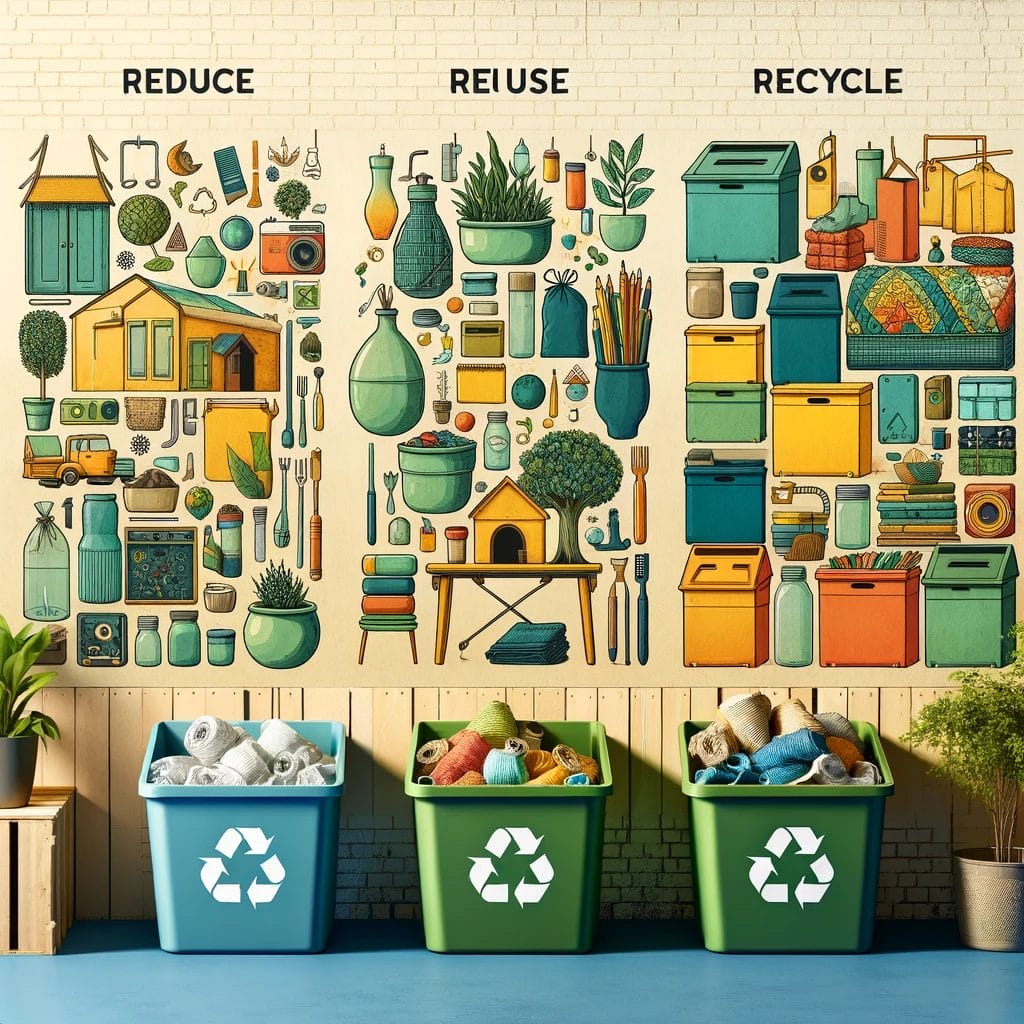
15. Reduce, Reuse, Recycle

Reduce reuse recycle

The age-old mantra of ‘reduce, reuse, recycle’ is as relevant as ever in sustainable living. Reducing consumption, reusing items, and recycling materials minimizes waste and resource use. This practice is easily integrated into daily life and helps maintain a clean, organized, and comfortable home environment.

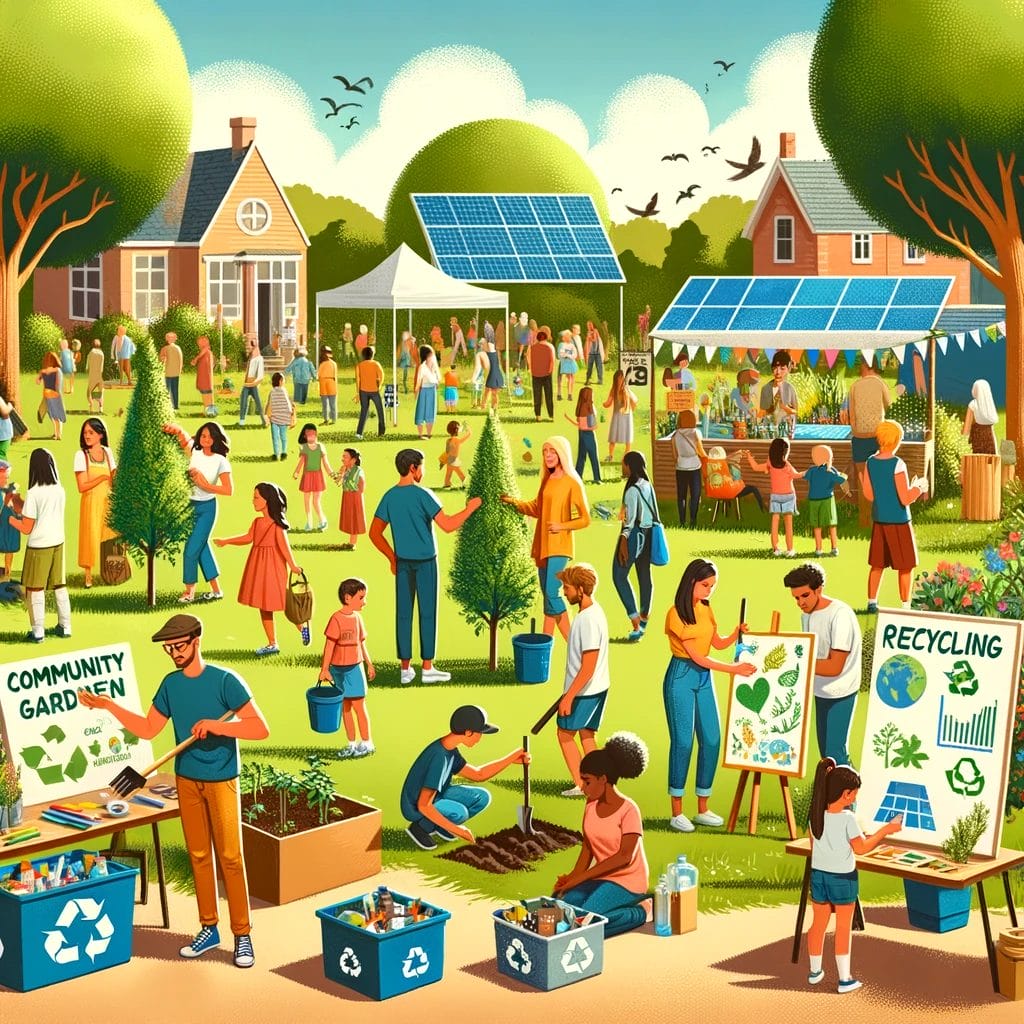
16. Engaging in Community Sustainability Efforts

Engaging In Community Focused Sustainability

Participating in community sustainability efforts, such as local cleanups or environmental advocacy groups, amplifies your impact. Doing your part in these activities fosters a sense of community and collective responsibility for the planet, enriching your personal life while contributing to broader sustainability goals.

Positive Impact On The Environment

Positive Impact

Living sustainably doesn’t mean sacrificing comfort. By incorporating these 16 practices into your lifestyle, you can enjoy modern conveniences while making a positive impact on the environment. Start with small changes and gradually integrate more sustainable habits into your daily routine. Your actions, no matter how small, play a crucial role in shaping a more sustainable future.

Begin your sustainable living journey today by implementing one or more of these practices. Share your experiences in the comments and inspire others to join the movement towards a healthier planet and a more sustainable way of life.

Tamila McDonald
Tamila McDonald

Tamila McDonald is a U.S. Army veteran with 20 years of service, including five years as a military financial advisor. After retiring from the Army, she spent eight years as an AFCPE-certified personal financial advisor for wounded warriors and their families. Now she writes about personal finance and benefits programs for numerous financial websites.

Filed Under: successful investing Tagged With: reduce reuse recycle, responsible technology use, Smart Thermostats, sustainable home decor, Use of LED Lighting

These 5 Money Habits Will Keep You Poor

February 19, 2024 by Tamila McDonald 1 Comment

Money Habits That Keep You Poor

Living paycheck-to-paycheck is difficult. Along with leaving you uncertain about how you’ll make ends meet, it often prevents you from setting money aside for the future. A situation like this can occur regardless of a person’s income level, particularly if they don’t develop skills that help them get ahead. Here’s a look at five money habits that will keep you poor, as well as how to overcome them and start moving in a better direction.

Not Creating and Sticking with a Budget

Overall, designing and following a budget isn’t the most fun, but it’s generally critical for financial success. When you create a budget, you’re making a plan for your money. You have full awareness of your expenses and the opportunity to allocate your income to make sure you’re covering your bills on time and handling your living expenses.

Without a budget, it’s easy to spend in a way that leaves you short on something critical, like rent or utilities. If you do fall short, you can make a challenging situation worse. For example, it could trigger utility shutoffs, late fees, evictions, or similar outcomes.

Take the time to create a workable budget. Begin by outlining your various bills, allowing you to allocate income to those first. Then, take what’s left and divide it into various spending and saving categories.

When you figure out how much should go into the spending categories, make sure you’re realistic. Usually, the easiest thing to do is look at your average spending and use those as a baseline. Begin with necessities like groceries and gasoline, and move your way toward optional spending like entertainment. Make sure you aren’t being overly optimistic about how much you can scale back on the necessities, as doing so can set you up for struggles when you inevitably spend more in that area.

Keep refining your budget over time, too. Costs in specific categories can shift, so you want to account for that as quickly as possible. That way, your budget adapts to your life, ensuring it remains a good fit.

Racking Up Debt

Relying on credit cards, personal loans, or similar financial products to make ends meet or support the purchase of non-necessities makes it harder to get your financial footing back. The cost of interest often adds up far quicker than you’d expect, causing you to essentially throw away hundreds – if not thousands – of dollars on interest every year.

High-interest debt is classically difficult to pay off, causing it to hang over you for years. Plus, high balances on credit cards on credit cards can harm your credit score, making it harder to secure lower rates down the line.

Focus on finding ways to avoid the need to accrue additional debt. For example, if you’re considering a non-essential purchase, don’t go forward if you can’t cover it with cash. If you’ve been using a credit card to make ends meet, see if you can revamp your budget and cut back on non-essentials to avoid having to go that route.

It’s also potentially wise to check into options if your debt is becoming too difficult to manage. For example, going with a reputable credit counseling agency could provide you with insights that can help you get back on track. Some even have debt repayment plans available that can help reduce your interest rates while you focus on paying off the debts, which can leave to savings while giving you a clear path for becoming debt-free.

Spending More to Capture “Savings”

Many people justify unnecessary purchases because the items were on sale or there was a coupon. The issue is that you’re not saving any money if it’s something you didn’t genuinely need. Instead, you’re still spending; it may just be a bit less than it would be otherwise.

Usually, this type of issue involves the “fear of missing out,” which is a feeling brands and retailers create intentionally. If you succumb to that feeling, you end up spending money you didn’t plan to send out the door, and that can put you in a bind.

One way to avoid this situation is to reduce your exposure to this kind of messaging from retailers. Don’t comb over sales flyers or look at every coupon. Instead, if you’re looking for discounts on things you do need, focus those efforts to ensure you’re not looking at information you don’t need. For example, many cashback or rebate apps have search features that let you see if there are rebates on specific items. By doing that, you aren’t skimming a long list of cashback opportunities that don’t apply to your genuine needs.

It’s also wise to unsubscribe to sales emails from stores that don’t sell necessities. Again, this helps you reduce your exposure to advertising that’s designed to make you worried about missing out, often preventing you from unnecessary splurges that can bust your budget.

Lifestyle Inflation

When you get a raise or bonus at work, changing your lifestyle due to the extra money can keep you trapped in a challenging cycle. Essentially, if you start spending more every time your income goes up, you may prevent yourself from getting on better footing. It limits your ability to leverage the extra funds to make positive progress.

Instead of spending more, consider how you can take the extra cash to get ahead. Consider paying down debt, boosting your savings, or similar steps that reduce your expenses long-term or provide you with a financial cushion. Try to keep your other spending relatively level as you work toward those other goals. Then, once you start hitting those targets, you can reevaluate the situation to determine how you can stay on a more positive path while loosening things up a little.

Confusing Needs and Wants

One area where many people struggle is confusing needs and wants. For example, people need food to live, but going to a restaurant for a meal is a want, even if it meets that need. Primarily, that’s because dining out isn’t the most affordable way to address that need, which causes it to shift into the want category.

The same situation can unfold in numerous ways. You may need clothes, but you might want higher-end clothing. You may need a car, but you might want a luxury model with all of the bells and whistles. Ultimately, needs usually represent the base-level approach that ensures you can live, while wants offer an elevated experience that isn’t genuinely necessary.

Learn to identify the difference between needs and wants, and spend time considering whether any spending you’re about to do crosses into want territory. By getting into that habit, it’s far easier to determine if you’re justifying a want purchase by incorrectly labeling it as a need, allowing you to adjust your mindset and start making wiser financial choices.

Can you think of any other money habits that keep you poor? Do you have any tips to help people overcome money habits that can lead to financial trouble? Did you struggle with any of the issues above and want to tell others about your experience? Share your thoughts in the comments below.

Read More:

  • Financial Hacks That Really Work
  • Need Extra Money? Consider hosting a yard sale
  • Best Cashback Monitors On The Market
Tamila McDonald
Tamila McDonald

Tamila McDonald is a U.S. Army veteran with 20 years of service, including five years as a military financial advisor. After retiring from the Army, she spent eight years as an AFCPE-certified personal financial advisor for wounded warriors and their families. Now she writes about personal finance and benefits programs for numerous financial websites.

Filed Under: budget tips Tagged With: Confusing Needs and Wants, Lifestyle Inflation, Not Creating and Sticking with a Budget, Racking Up Debt, Spending More to Capture “Savings”, These 5 Money Habits Will Keep You Poor

The ‘No Longer a Steal’ List: 15 Items That Turned into Money Pits

February 19, 2024 by Tamila McDonald Leave a Comment

Money Pits

In the world of savvy shopping and bargain hunting, the thrill of snagging a deal is unmatched. However, not all that glitters is gold, and some purchases that seem like steals initially can quickly turn into significant drains on your finances. This phenomenon has become increasingly relevant as consumers navigate the shifting landscapes of quality, sustainability, and hidden costs. Here, we explore 15 items that many thought were steals but ended up being money pits, shedding light on the hidden facets of seemingly good deals.

1. Fast Fashion Finds

The allure of fast fashion lies in its ability to offer trendy items at incredibly low prices. However, the hidden costs become apparent with time. These pieces often lack durability, leading to frequent replacements and a cycle of continuous spending. Moreover, the environmental impact of fast fashion, including waste and pollution, has started to weigh on the conscience of eco-aware consumers, adding a moral cost to every cheap purchase.

2. Inexpensive Electronics from Unknown Brands

Electronics from obscure brands can be tempting with their lower upfront costs compared to established names. However, these gadgets often come with reliability issues, shorter lifespans, and minimal after-sales support. The cost of repairs or replacements can quickly surpass the initial savings, not to mention the frustration and inconvenience of dealing with faulty devices.

3. DIY Home Renovation Kits

The DIY movement has inspired many to undertake home renovations on their own, often lured by the promise of saving on labor costs. Yet, without the necessary skills, what starts as a fun project can lead to costly mistakes, requiring professional intervention. The lure of saving can ironically lead to higher expenses than hiring experts in the first place.

4. Budget Airlines for Long-Haul Flights

While budget airlines offer unbeatable prices for short trips, their long-haul flights can sometimes turn into penny-wise, pound-foolish situations. Hidden fees for baggage, meals, and seat selection can add up, diminishing the initial savings. Moreover, the lack of comfort and amenities on longer flights can take a toll, making the slightly higher cost of traditional carriers worth it for some.

5. Extended Warranties on Appliances

Extended warranties can seem like a wise investment for protecting new appliances. However, the reality is that most modern appliances are unlikely to fail within the extended warranty period, making these warranties an additional cost that rarely pays off. Consumers often end up paying more for the peace of mind than they would for potential repairs.

6. Cheap, Bulk Grocery Items

Bulk buying can lead to savings, but only if you use all the items before they expire. Purchasing perishable items or goods you use infrequently in bulk can lead to waste when these items expire or go unused, effectively negating any initial savings and contributing to unnecessary food waste.

7. Low-Cost Furniture that Requires Assembly

Furniture that comes at a low price point and requires home assembly can be appealing for its affordability and the illusion of simplicity. However, the often-inferior materials and construction can lead to a short lifespan, frequent repairs, or replacements. The time and effort required for assembly and the potential need to hire help can also add to the total cost.

8. Trendy Exercise Equipment

The latest exercise gadgets and equipment can catch your eye with promises of fitness breakthroughs but often end up underused or ineffective. The initial cost, plus the space they take up, can make these items more of a financial burden than a path to fitness, especially if they quickly become obsolete or are replaced by the next trend.

9. Timeshares and Vacation Clubs

Timeshares and vacation clubs market themselves as investments in future vacations at today’s prices. However, the ongoing maintenance fees, difficulty in exchanging weeks, and the challenge of reselling a timeshare can transform what seemed like a smart vacation strategy into a financial sinkhole.

10. Budget Beauty and Skincare Products

While drugstore beauty and skincare products can offer significant savings, they may sometimes lead to skin issues or ineffective results, prompting the purchase of more expensive remedies to counteract the effects. It’s essential to choose such products wisely, focusing on quality and suitability for your skin.

11. Inexpensive Tools for Home Improvement

For the occasional DIYer, cheap tools might seem like a good deal. However, their tendency to break or malfunction can lead to repeated purchases, higher costs in the long run, and potentially dangerous situations. Investing in quality tools that last can be more economical and safer.

12. Low-Priced Pet Products

Pet products that come with a low price tag, such as toys, beds, or even food, can sometimes compromise on quality, leading to frequent replacements or health issues for your pet. The long-term costs of veterinary care resulting from inferior products can far exceed the initial savings.

13. Bargain Smartphones with Limited Features

Smartphones from lesser-known brands or older models might be wallet-friendly, but they often lack the longevity, support, and functionality of slightly pricier counterparts. The need for frequent upgrades or replacements can make these bargain phones more costly over time.

14. Discounted Online Courses with No Accreditation

The rise of online learning platforms has made education more accessible, but not all courses offer value. Enrolling in discounted courses that lack proper accreditation or fail to provide practical skills can result in wasted time and money without advancing your career or knowledge.

15. Cheap Travel Insurance

Opting for the cheapest travel insurance might seem like a cost-saving measure, but it can leave you inadequately covered. When faced with travel mishaps or health emergencies abroad, the out-of-pocket expenses due to insufficient coverage can dwarf the initial savings on premiums.

Financial Strategy

Financial Strategy

Ultimately, while the pursuit of bargains is a wise financial strategy, it’s crucial to look beyond the price tag and consider the long-term value and hidden costs associated with seemingly good deals. By doing so, consumers can avoid falling into the trap of “money pits” and make truly savvy purchasing decisions.

Can you think of other products that ultimately turn into money pits? Share your thoughts in the comments below.

Read More:

  • 10 Financial Advisors’ Tips That Don’t Hold Up in Today’s Economy
  • From Wealth to Want: 8 Luxury Spending Habits That Could Lead to Financial Ruin
Tamila McDonald
Tamila McDonald

Tamila McDonald is a U.S. Army veteran with 20 years of service, including five years as a military financial advisor. After retiring from the Army, she spent eight years as an AFCPE-certified personal financial advisor for wounded warriors and their families. Now she writes about personal finance and benefits programs for numerous financial websites.

Filed Under: budget tips Tagged With: Extended Warranties on Appliances, Trendy Exercise Equipment

  • « Previous Page
  • 1
  • …
  • 3
  • 4
  • 5
  • 6
  • 7
  • …
  • 26
  • Next Page »

Follow Us

Search this site:

Recent Posts

  • Can My Savings Account Affect My Financial Aid? by Tamila McDonald
  • 12 Ways Gen X’s Views Clash with Millennials… by Tamila McDonald
  • What Advantages and Disadvantages Are There To… by Jacob Sensiba
  • 10 Tactics for Building an Emergency Fund from Scratch by Vanessa Bermudez
  • Call 911: Go To the Emergency Room Immediately If… by Stephen Kanaval
  • 7 Weird Things You Can Sell Online by Tamila McDonald
  • 10 Scary Facts About DriveTime by Tamila McDonald

Copyright © 2026 · News Pro Theme on Genesis Framework