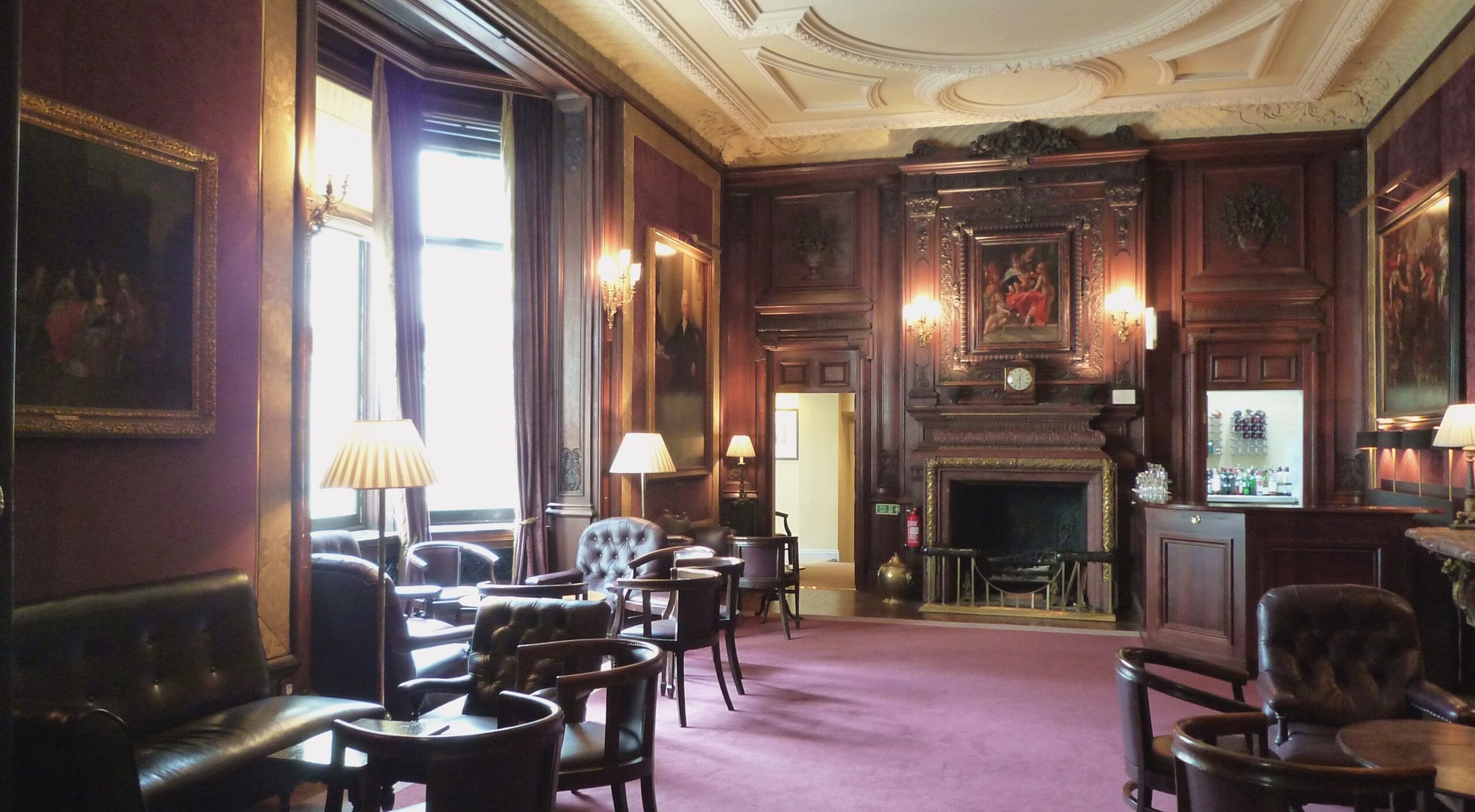
In an era of growing wealth disparity, the world’s elite are increasingly seeking exclusivity and privacy. This trend has led to a resurgence in ultra-exclusive private clubs, where membership is not just about financial means but also about social standing, influence, and connections.
These bastions of privilege offer unparalleled amenities, networking opportunities, and discretion, but at a price that’s out of reach for all but the wealthiest individuals. Let’s peek behind the velvet ropes and explore 12 of these ultra-exclusive enclaves.
1. Soho House, Global

Soho House isn’t just a club; it’s a global phenomenon spanning 27 locations across Europe, North America, and Asia. Founded in London in 1995, it caters primarily to those in creative industries. Members enjoy access to chic workspaces, rooftop pools, cinemas, and even bedrooms at select houses.
The club’s ethos is “a home away from home,” but with annual fees ranging from $1,000 to $3,500, plus hefty joining fees, it’s a home few can afford. Its exclusivity stems from its selective membership process, favoring influencers, artists, and media moguls.
2. The Battery, San Francisco

In the heart of San Francisco’s tech hub, The Battery reflects the city’s digital wealth. Founded by Michael and Xochi Birch, who sold Bebo to AOL for $850 million, this club caters to tech entrepreneurs, venture capitalists, and innovators. Members have access to a world-class art collection, gourmet dining, and even a secret underground bar. The real draw, however, is the networking, deals worth billions have been struck here. With a $2,500 initiation fee and $2,400 annual dues, it’s a small price for potential unicorn connections.
3. 5 Hertford Street, London

Tucked away in London’s Mayfair district, 5 Hertford Street is the epitome of old-world charm meets modern exclusivity. Owned by Robin Birley, son of famous club owner Mark Birley, it’s a favorite among royalty, politicians, and business tycoons.
The club features a Moroccan-themed nightclub, LouLou’s, where Prince Harry reportedly first met Meghan Markle. Membership is by invitation only, with fees rumored to exceed £1,800 annually. The club’s allure lies in its privacy, no cameras allowed, making it a safe haven for high-profile guests.
4. Core Club, New York City
New York’s Core Club is where Wall Street meets the art world. Located in Midtown Manhattan, it was founded by 100 influential individuals across finance, fashion, and entertainment. The club boasts a contemporary art collection rivaling many museums, curated events with thought leaders, and a high-tech fitness center. However, access to this intellectual and financial powerhouse doesn’t come cheap, initiation fees are around $50,000, with yearly dues of $15,000. It’s a steep price, but for those seeking to rub shoulders with Fortune 500 CEOs, it’s an investment.
5. The Tanglin Club, Singapore

Established in 1865, The Tanglin Club in Singapore is a relic of the colonial era that has adapted to the city-state’s nouveau riche. Set in a stunning white colonial building, it offers a blend of traditional charm and modern luxury. Members, many from Asia’s burgeoning billionaire class, enjoy access to squash courts, a stunning pool, and even a cigar lounge. The club’s appeal lies in its business facilities, where major regional deals are often negotiated. Joining requires a proposer and a seconder, plus fees that can reach S$25,000.
6. Annabel’s, London

Annabel’s in London’s Berkeley Square is not just a club; it’s a work of art. Founded in 1963 and recently redesigned for £55 million, every inch is Instagram-worthy. Each room has a different theme, from the jungle-inspired Garden of Eden to the opulent Nightclub. Members, who include fashion designers, A-list celebrities, and aristocrats, have access to a spa, cigar salon, and world-class restaurants.
But beauty comes at a price, membership costs can soar to £3,500 annually, plus a hefty joining fee. For the elite, it’s a small price for entry to London’s most photogenic playground.
7. The Carnegie Club at Skibo Castle, Scotland

For those seeking nobility, there’s The Carnegie Club at Skibo Castle in the Scottish Highlands. Once home to industrialist Andrew Carnegie, this 8,000-acre estate offers a taste of aristocratic life. Members can stay in luxurious rooms, play the championship golf course, go salmon fishing, or enjoy whisky tastings.
The club’s exclusivity lies in its history and limited membership, only 400 individuals worldwide. Joining requires a one-time fee of £25,000 plus annual dues of £8,000, making it a retreat only for those with both lineage and liquidity.
8. The Cosmos Club, Washington, D.C.
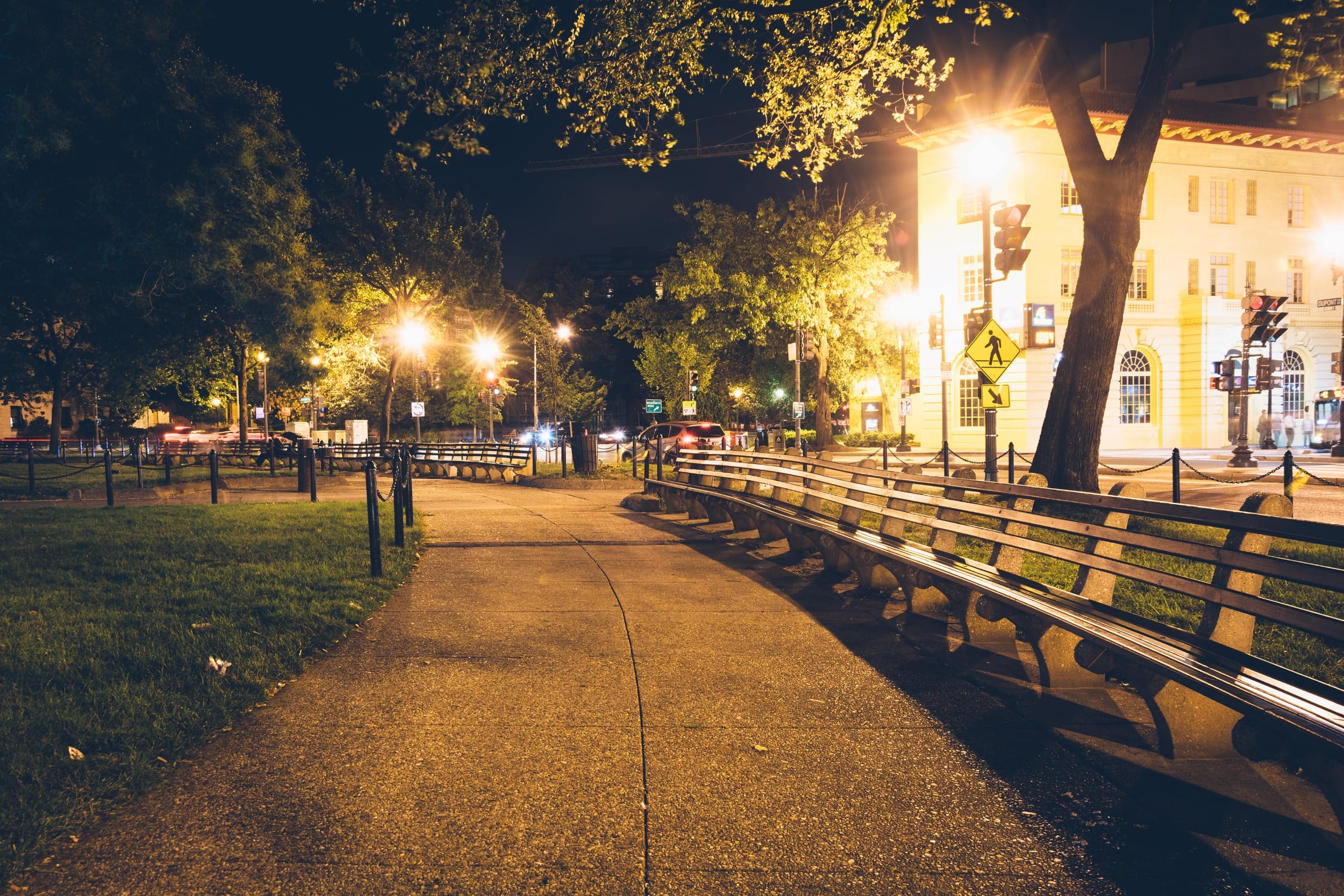
In a city driven by power, The Cosmos Club in Washington, D.C., trades in intellectual capital. Founded in 1878, its membership roster reads like a who’s who of Nobel laureates, Pulitzer winners, and top-tier academics. Located in a Dupont Circle mansion, the club features a magnificent library, scholarly lectures, and refined dining.
Unlike others on this list, wealth alone doesn’t grant access, members must have “done meritorious original work in science, literature, or the arts.” Still, with initiation fees of around $5,000 and annual dues of $3,000, it’s clear that in D.C., even intellectualism has a price tag.
9. The Wing, Multiple U.S. Cities

In response to male-dominated clubs, The Wing offers a progressive alternative. With locations in New York, Los Angeles, Chicago, and more, it’s a network of co-working and community spaces designed for women. Founded by Audrey Gelman and Lauren Kassan, it reflects the rising economic power of female entrepreneurs and executives.
Members enjoy beautifully designed workspaces, pump rooms for nursing mothers, and events featuring influential women. While more accessible than some, with fees around $2,350 annually, it’s still a luxury, a symbol that in today’s world, women’s success is a commodity worth investing in.
10. Club 33, Disneyland, California
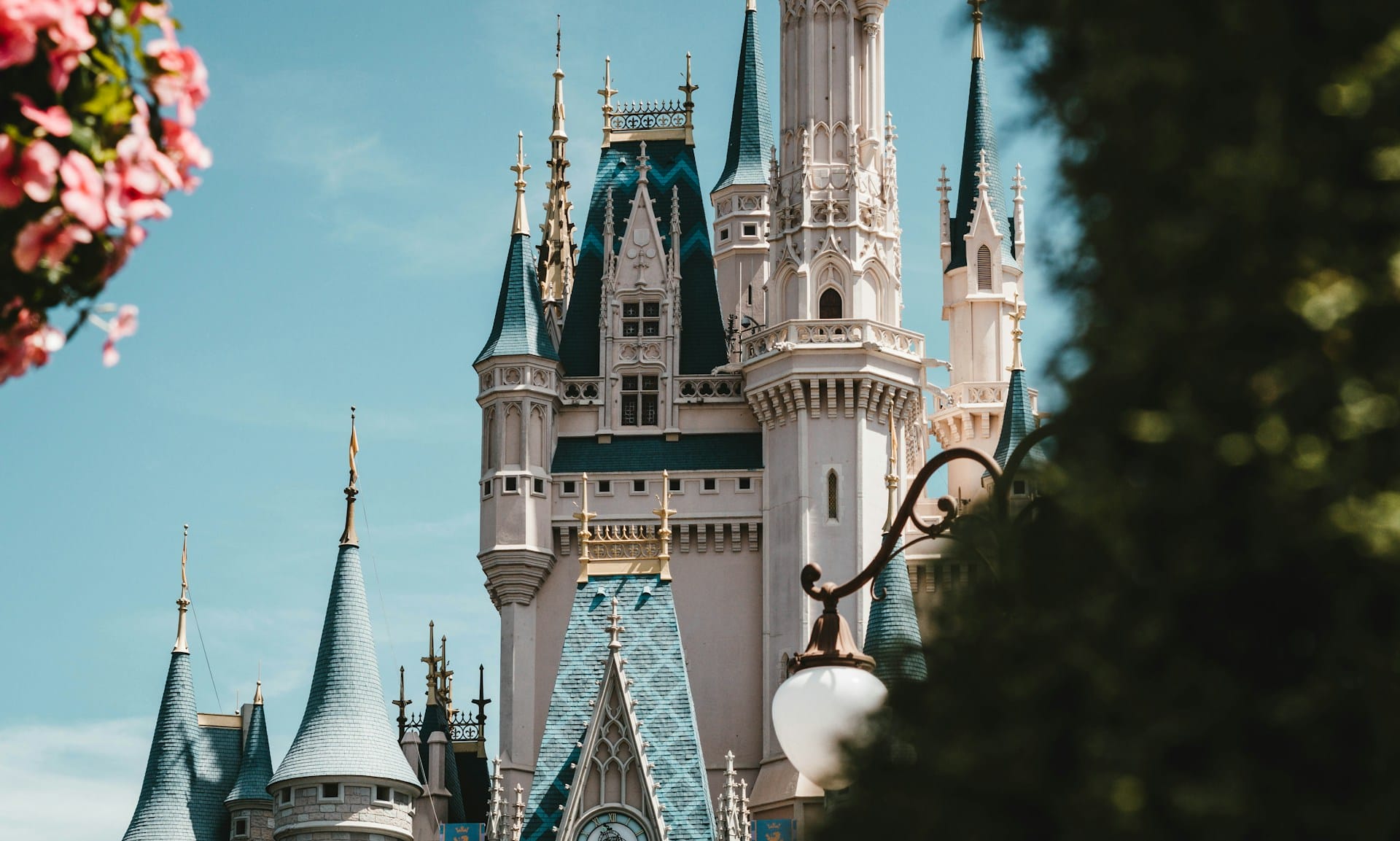
Behind an unmarked door in Disneyland’s New Orleans Square lies Club 33, a secret haven unknown to most park visitors. Originally conceived by Walt Disney as a place to entertain investors, it’s now the ultimate status symbol for Disney superfans.
Members enjoy priority park access, valet parking, and exquisite dining in a space filled with original Disney artifacts. The real magic? Alcohol is served as a rarity in the park. With a rumored 20-year waitlist, $25,000 initiation fee, and $15,000 annual dues, it’s proof that even in the happiest place on Earth, money talks.
11. The Augusta National Golf Club, Georgia

For golf aficionados, the Augusta National Golf Club in Georgia is the holy grail. Home to the prestigious Masters Tournament, its fairways have been graced by every golfing legend. Membership is by invitation only, usually extended to CEOs, politicians, and celebrities who are passionate golfers.
The club’s allure isn’t just its impeccable course but its traditions, caddies still wear white jumpsuits, and there’s a strict no-cell-phone policy. While membership costs are a closely guarded secret, estimates suggest initiation fees exceed $40,000, with substantial annual dues. In Augusta, wealth buys more than golf, it buys a piece of sporting history.
12. Yellowstone Club, Montana
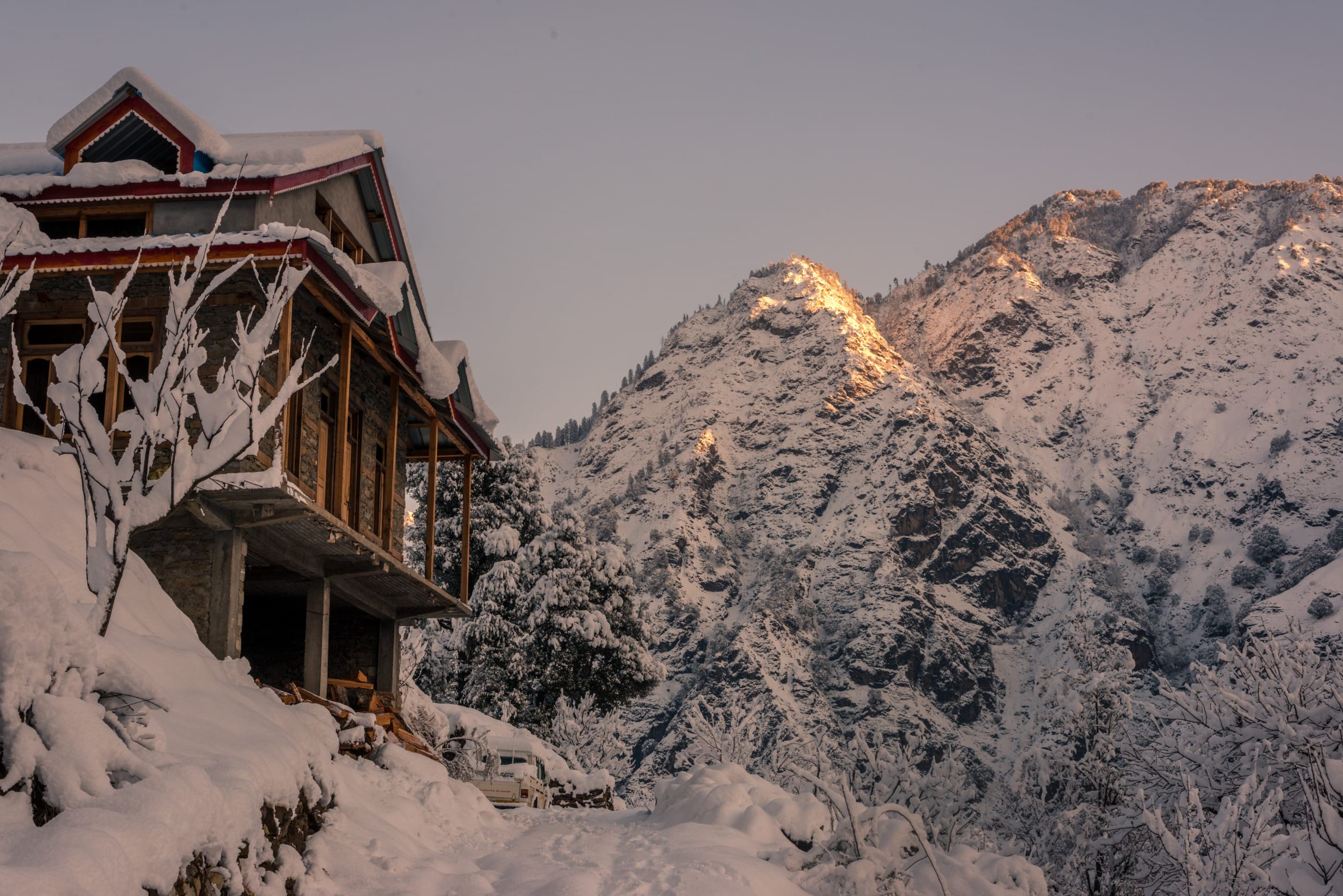
For those who find urban clubs too confining, there’s the Yellowstone Club in Montana, a 15,200-acre private ski and golf resort. Co-founded by Tim and Edra Blixseth, this wilderness playground caters to tech moguls, Hollywood stars, and business titans seeking privacy in nature. Members own multi-million-dollar chalets and enjoy access to world-class skiing, an 18-hole golf course designed by Tom Weiskopf, and even private fly-fishing streams.
Security is paramount, ensuring paparazzi-free vacations. But this mountain serenity comes at a summit-high price, property ownership starts at $3 million, plus a $300,000 joining fee and $37,500 in annual dues.
The High Price of Privacy and Power

These 12 clubs represent more than just luxury; they’re symbols of the growing chasm between the ultra-wealthy and everyone else. In an age where privacy is increasingly scarce and networking is currency, these exclusive enclaves offer both, at a price that’s astronomical to most. From tech havens in San Francisco to Scottish castles, each club reflects the particular tastes and needs of the global elite.
But there’s a larger conversation to be had. As wealth concentrates at the top, so do opportunities for influence. Deals made over whisky at Skibo Castle or during a round at Augusta can shape industries and even national policies. These clubs aren’t just about luxury; they’re about access to power.
Moreover, in a world striving for inclusivity, the very existence of such exclusive spaces raises questions. Are they bastions of privacy in an oversharing age, or symbols of widening social divides? Do they foster innovation through elite networking, or do they further entrench existing power structures?
Do you think such spaces are a harmless luxury, or do they contribute to social inequality? Share your thoughts in the comments below. Your perspective could shed light on a world few ever see, a world where the price of entry isn’t just high; it’s prohibitively so for all but the wealthiest among us.

Stephen began his career as a Research Assistant at a reputable middle-market private equity firm, where he honed his skills in market research, financial analysis, and identifying investment opportunities. He then transitioned to full-time financial writing focusing on small-cap biotech innovation and digital payment solutions. Today, Stephen is a value-based retail investor and novice baseball statistician.