• Home
  • About Us
  • Toolkit
  • Getting Finances Done
    • Hiring Advisors
    • Debt Management
    • Spending Plan
  • Insurance
    • Life Insurance
    • Health Insurance
    • Disability Insurance
    • Homeowners/Renters Insurance
  • Contact Us
  • Privacy Policy
  • Risk Tolerance Quiz

The Free Financial Advisor

You are here: Home / Law / 14 Outrageous Things That Are Somehow Legal – But Shouldn’t Be!

14 Outrageous Things That Are Somehow Legal – But Shouldn’t Be!

February 24, 2024 by Tamila McDonald Leave a Comment


Laws Intro

Laws are intended to maintain order and protect citizens, but sometimes, they fall short, allowing certain practices that are ethically dubious or downright outrageous. From owning exotic animals to other surprising activities, here are 14 examples of activities that are, shockingly, still legal, sparking debates about their ethical implications and the need for legal reform.

1. Owning Exotic Animals as Pets

exotic animals

In some states, it’s legal to own exotic animals like lions, tigers, or bears as pets. This raises significant safety concerns and ethical questions about animal welfare. Keeping wild animals in domestic settings often leads to poor living conditions for the animals and can pose serious risks to the owners and their communities.

2. Corporal Punishment in Schools

Corporal Punishment in Schools

Corporal punishment is still legal in 19 states across the USA. This means students can be physically disciplined by school staff, a practice at odds with modern understandings of child welfare and psychology. The use of corporal punishment in schools has been linked to long-term harmful psychological and educational outcomes.

3. Conversion Therapy for Minors

Conversion Therapy

In several states, it’s still legal to subject minors to conversion therapy, a practice aimed at changing an individual’s sexual orientation. This practice has been widely discredited by the medical community and is known to cause psychological trauma.

4. Child Marriage

Child Marriage

Child marriage, defined as marriage under the age of 18, is legal in many places with parental consent. This practice can have detrimental effects on the health, education, and overall well-being of minors, and is considered a violation of human rights.

5. Salvage Logging Without Environmental Review

Salvage Logging

There are still places where logging companies can legally cut down trees in areas affected by natural disturbances without comprehensive environmental assessments. This can lead to significant ecological damage, including habitat destruction and increased soil erosion.

6. Private Ownership of Machine Guns

Machine Gun

In some jurisdictions, it’s legal to own machine guns and other automatic weapons. The ease of access and potential for misuse of these high-capacity firearms pose significant public safety risks.

7. Patent Trolling

Patent Trolling

Patent trolling remains a legal practice where entities use patent infringement claims to extort money from businesses, often without any intention to produce or market the patented item. This practice stifles innovation and places undue financial pressure on businesses, particularly smaller startups.

8. Using Credit Scores in Hiring Decisions
credit score for employment

Employers in many areas can legally use credit scores to make hiring decisions. This practice can discriminate against candidates who have faced financial difficulties, perpetuating a cycle of poverty and unemployment.

9. The Sale of Flavored Tobacco Products

Flavored Tobacco

Despite the known health risks, the sale of flavored tobacco products is still legal in many regions. These products, often appealing to younger demographics, can lead to nicotine addiction and long-term health issues, yet they remain on the market, often marketed in ways that attract younger users.
10. Widespread Availability of High-Interest Payday Loans

PayDay Loans

Despite being a financial lifeline for some, payday loans with exorbitantly high interest rates are legal in many regions. These loans are often marketed as quick fixes for financial emergencies but can trap borrowers in a cycle of debt due to their steep interest rates and fees.

This practice disproportionately affects low-income individuals, exacerbating their financial struggles and creating a cycle of dependence and financial instability. The need for regulation in this area is crucial to protect vulnerable consumers from predatory lending practices that can lead to long-term financial ruin.

11. Declawing Cats for Convenience

declawing cats

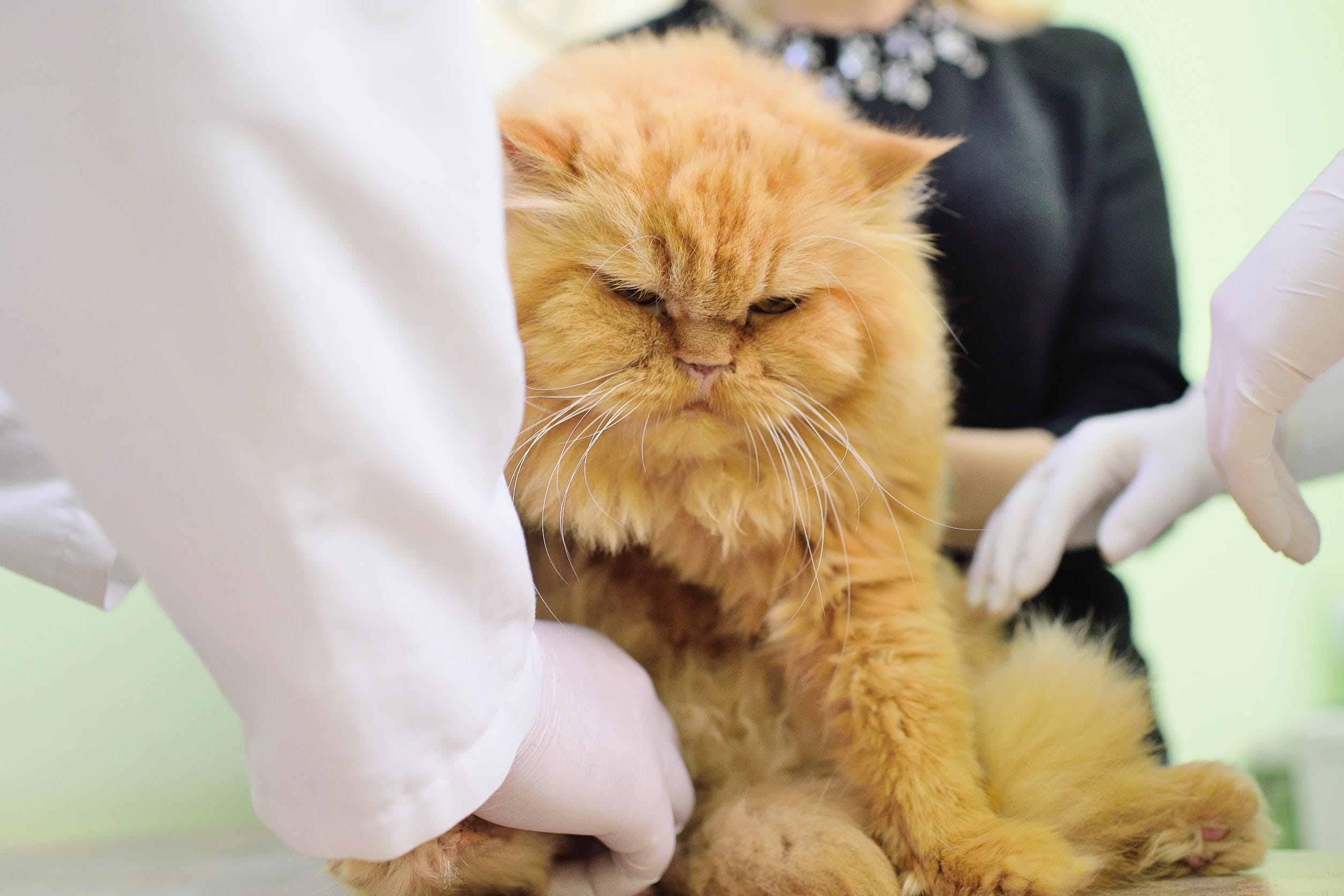
In many areas, declawing cats is still a legal practice, often done for the convenience of the pet owner rather than the welfare of the animal. This procedure can result in long-term physical and behavioral issues for cats, leading to calls for a ban on the practices.

12. Selling Products with Microbeads

Microbeads

Despite their known environmental hazards, products containing microbeads are still legally sold in some areas. These tiny plastic particles contribute to pollution and pose a threat to marine life and ecosystems.

13. Unrestricted Drone Usage in Public Spaces

Drones

The use of drones in public spaces without significant restrictions is legal in many areas, raising concerns about privacy and public safety. The potential for drones to be used for intrusive surveillance is a growing concern in the age of advanced technology.

14. Direct-to-Consumer Pharmaceutical Advertising

Pharmaceutical Drugs

The United States and New Zealand are the only countries where it’s legal to advertise prescription drugs directly to consumers. This practice has been criticized for promoting drug overuse and prioritizing marketing over public health.

Addressing Legal Gaps

Legal Gaps

While laws are crucial for societal order and safety, these examples highlight the need for ongoing legal review and reform. Addressing these legal gaps is essential for ensuring public safety, ethical treatment of animals, environmental protection, and overall societal well-being.

Awareness is the first step towards change. Share this article to spread knowledge about these legal loopholes and join the conversation about necessary legal reforms.

(Visited 222 times, 1 visits today)
Tamila McDonald
Tamila McDonald

Tamila McDonald is a U.S. Army veteran with 20 years of service, including five years as a military financial advisor. After retiring from the Army, she spent eight years as an AFCPE-certified personal financial advisor for wounded warriors and their families. Now she writes about personal finance and benefits programs for numerous financial websites.

Filed Under: Law Tagged With: Cat Declawing, Conversion Therapy for Minors, corporal punishment in schools, exotic animals as pets, Selling Products with Microbeads

Leave a Reply Cancel reply

Your email address will not be published. Required fields are marked *

FOLLOW US

Search this site:

Recent Posts

  • Can My Savings Account Affect My Financial Aid? by Tamila McDonald
  • 12 Ways Gen X’s Views Clash with Millennials… by Tamila McDonald
  • What Advantages and Disadvantages Are There To… by Jacob Sensiba
  • Call 911: Go To the Emergency Room Immediately If… by Stephen Kanaval
  • 10 Tactics for Building an Emergency Fund from Scratch by Vanessa Bermudez
  • 7 Weird Things You Can Sell Online by Tamila McDonald
  • 10 Scary Facts About DriveTime by Tamila McDonald

Copyright © 2026 · News Pro Theme on Genesis Framework