
• Home
  • About Us
  • Toolkit
  • Getting Finances Done
    • Hiring Advisors
    • Debt Management
    • Spending Plan
  • Insurance
    • Life Insurance
    • Health Insurance
    • Disability Insurance
    • Homeowners/Renters Insurance
  • Contact Us
  • Privacy Policy
  • Risk Tolerance Quiz

The Free Financial Advisor

You are here: Home / Archives for wills and trusts

10 Beneficiary Form Errors That Blow Up Estate Plans (and How to Correct Them)

August 21, 2025 by Catherine Reed Leave a Comment

10 Beneficiary Form Errors That Blow Up Estate Plans (and How to Correct Them)

Image source: 123rf.com

You may have a detailed will or trust, but if your beneficiary forms are outdated or incorrect, your estate plan could collapse. These forms—attached to retirement accounts, insurance policies, and investment accounts—override what’s written in your will. That’s why avoiding common mistakes is essential to protecting your family’s future. The truth is, many people make beneficiary form errors that blow up estate plans without even realizing it. Knowing the pitfalls and how to correct them can ensure your legacy is passed on smoothly.

1. Forgetting to Update After Major Life Events

One of the most frequent beneficiary form errors that blow up estate plans is failing to update after marriage, divorce, or the birth of a child. Many accounts still list an ex-spouse or a deceased relative as the beneficiary. This can lead to assets being distributed against your wishes. The fix is simple: review all forms after any major life event. Keeping them current ensures your loved ones are properly provided for.

2. Leaving Beneficiaries Blank

An empty form can create chaos, leaving assets to be decided by state law or default plan rules. This mistake often forces accounts into probate, delaying distribution. Beneficiary form errors that blow up estate plans don’t get much bigger than this. The solution is always to name at least one primary and one contingent beneficiary. This ensures your money goes where you want it to go.

3. Naming Minor Children Directly

Many parents list minor children as beneficiaries without realizing the legal complications. Courts typically require a guardian to manage the funds until the child reaches adulthood. These kinds of beneficiary form errors that blow up estate plans can leave assets tied up for years. The better option is to set up a trust for the child and name the trust as the beneficiary. This protects the money until the child is mature enough to handle it responsibly.

4. Failing to Name Contingent Beneficiaries

If your primary beneficiary dies before you, the account may be left without a clear recipient. This is one of the easiest beneficiary form errors that blow up estate plans to overlook. Without a contingent, your assets could end up in probate court. The correction is simple: always name backups. This guarantees your estate plan has a safety net.

5. Using General Terms Instead of Names

Listing “my children” or “my spouse” rather than specific names can create confusion. If family circumstances change, these vague terms can be challenged in court. These beneficiary form errors that blow up estate plans often result in drawn-out disputes. Always use full legal names and relationships to remove doubt. Precision keeps your wishes clear and enforceable.

6. Not Coordinating with Your Will or Trust

Your beneficiary forms can override instructions in your will or trust. This disconnect creates one of the most damaging beneficiary form errors that blow up estate plans. For example, you may leave an account to one child in your will but name another on the form. The account will go to whoever is listed on the form, not the will. To fix this, regularly review all documents to ensure they align.

7. Forgetting to Update Employer Retirement Accounts

People often change jobs and forget to update old retirement accounts. Many still have outdated beneficiaries listed from decades ago. This oversight is among the most common beneficiary form errors that blow up estate plans. It can cause benefits to go to unintended people, like former partners. Consolidating accounts and checking forms after job changes prevents this mistake.

8. Overlooking Tax Consequences

Some beneficiary choices can create large tax burdens for heirs. For instance, leaving retirement accounts to a non-spouse may force faster withdrawals and higher taxes. These financial surprises are overlooked beneficiary form errors that blow up estate plans. Correcting this involves consulting with an advisor about tax-efficient strategies. Sometimes naming a trust or spouse offers better results.

9. Naming Someone with Special Needs Without a Trust

Leaving assets directly to a loved one with special needs can unintentionally disqualify them from government benefits. These are heartbreaking beneficiary form errors that blow up estate plans because the money meant to help ends up hurting. A better approach is to create a special needs trust. This allows your loved one to receive support without losing access to essential programs. Careful planning avoids unintended harm.

10. Setting It and Forgetting It

Perhaps the biggest mistake is never revisiting your beneficiary forms. Life changes, laws change, and financial accounts evolve. Treating forms as one-and-done leads to the most preventable beneficiary form errors that blow up estate plans. The fix is to schedule a review every couple of years or after any big life event. Consistent attention ensures your estate plan stays strong.

Protecting Your Legacy Starts with the Details

It’s easy to overlook paperwork, but the small details of your beneficiary forms can make or break your estate plan. The reality is that many families only discover beneficiary form errors that blow up estate plans when it’s too late to fix them. By taking time now to review, update, and coordinate these forms with your overall plan, you protect your loved ones from unnecessary stress. Estate planning is about more than big strategies—it’s about making sure every detail supports your wishes.

Have you reviewed your beneficiary forms recently to make sure they reflect your wishes? Share your experience in the comments below!

Read More:

8 Beneficiary Rules That Favor Banks Over Living Partners

10 Times Your Beneficiaries Won’t Qualify for Heir Benefits

Catherine Reed
Catherine Reed

Catherine is a tech-savvy writer who has focused on the personal finance space for more than eight years. She has a Bachelor’s in Information Technology and enjoys showcasing how tech can simplify everyday personal finance tasks like budgeting, spending tracking, and planning for the future. Additionally, she’s explored the ins and outs of the world of side hustles and loves to share what she’s learned along the way. When she’s not working, you can find her relaxing at home in the Pacific Northwest with her two cats or enjoying a cup of coffee at her neighborhood cafe.


Filed Under: Estate Planning Tagged With: beneficiary forms, Estate planning, family planning, financial mistakes, Inheritance, retirement planning, wills and trusts

How One Outdated Will Can Make Probate Last for Years

August 15, 2025 by Catherine Reed Leave a Comment

How One Outdated Will Can Make Probate Last for Years

Image source: 123rf.com

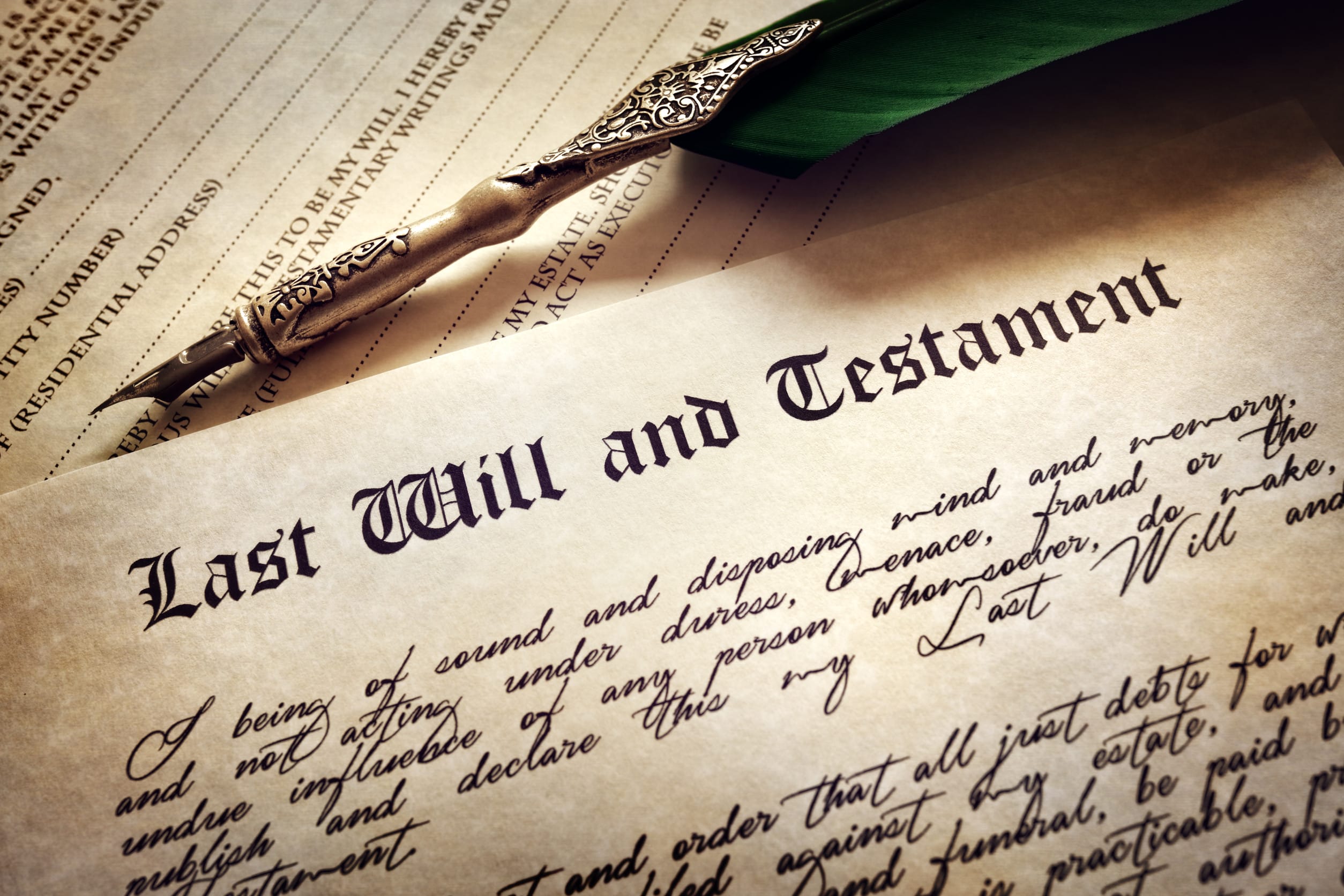
When a loved one passes away, families often expect that a will should make the inheritance process smooth and straightforward. But what many don’t realize is that an outdated will can cause serious legal complications. If the will no longer reflects current laws, relationships, or assets, it can lead to lengthy disputes, court delays, and unexpected costs. These problems can turn what should be a matter of months into years of probate headaches. Understanding how one outdated will can make probate last for years is key to avoiding unnecessary stress for your loved ones.

1. Beneficiaries May No Longer Be Accurate

Life changes such as births, deaths, marriages, and divorces can drastically alter who should receive assets. If a will still names people who have passed away or leaves out new family members, it can create disputes among heirs. Courts may need to interpret the deceased’s true intentions, leading to delays as evidence is gathered. In some cases, parts of the estate may even pass according to state intestacy laws instead of the outdated will. This is one of the most common ways how one outdated will can make probate last for years.

2. Assets Might No Longer Exist

Over time, property listed in a will may be sold, transferred, or otherwise disposed of. If the will references these non-existent assets, the court has to determine how to adjust the inheritance plan. This process can involve appraisals, financial records, and testimony from witnesses familiar with the deceased’s intentions. These extra steps can significantly extend probate proceedings. This complication is a prime example of how one outdated will can make probate last for years.

3. Outdated Executors Can Cause Delays

If the executor named in the will has passed away, moved out of state, or is unwilling to serve, the court must appoint a new one. This change requires legal filings, hearings, and sometimes disputes over who should take on the role. Without a trusted, readily available executor, the probate process can stall for months. The longer it takes to appoint someone, the longer creditors and beneficiaries must wait. This scenario shows how one outdated will can make probate last for years by simply not keeping executor details current.

4. Conflicts Between Old and Current Laws

Estate planning laws can change over time, and a will that hasn’t been updated may include provisions that are no longer valid. Certain tax clauses, inheritance rules, or property transfer instructions might conflict with current regulations. When this happens, attorneys must spend additional time and resources to interpret or amend the will’s instructions under the law. This not only delays probate but can also increase legal fees. Such conflicts are another way how one outdated will can make probate last for years.

5. Ambiguous Language Leads to Disputes

Older wills sometimes contain vague or unclear wording, especially if they were written without professional guidance. Phrases like “my house” or “my savings” may not specify exact property or account details. Ambiguities often lead to disagreements among heirs over what was meant. These disputes can result in drawn-out legal battles that significantly extend the probate timeline. This ambiguity is yet another reason how one outdated will can make probate last for years.

6. Failure to Address Digital Assets

In today’s world, digital accounts, cryptocurrency, and online business assets can hold significant value. Older wills may not include any mention of these types of property, leaving courts and families unsure how to handle them. Accessing these assets often requires specific legal authorization, which can add months to the probate process if not clearly outlined. Without clear instructions, valuable assets may be lost or mismanaged. This modern oversight is a growing reason how one outdated will can make probate last for years.

Updating Your Will Protects Your Loved Ones

The best way to prevent probate delays is to keep your will updated whenever major life changes occur — and to review it at least every few years. This ensures your beneficiaries, assets, executor, and instructions reflect your current wishes and comply with today’s laws. A well-maintained will reduces the chances of legal disputes, shortens probate, and lowers costs for your estate. By acting now, you can save your loved ones from years of unnecessary frustration. In the end, staying proactive is the simplest way to avoid learning firsthand how one outdated will can make probate last for years.

When was the last time you reviewed your will? Share your thoughts and experiences in the comments below!

Read More:

Why Are So Many Boomers Dying Millionaires and Leaving No Will

9 Estate Planning Moves That End Up in Heated Probate Cases

Catherine Reed
Catherine Reed

Catherine is a tech-savvy writer who has focused on the personal finance space for more than eight years. She has a Bachelor’s in Information Technology and enjoys showcasing how tech can simplify everyday personal finance tasks like budgeting, spending tracking, and planning for the future. Additionally, she’s explored the ins and outs of the world of side hustles and loves to share what she’s learned along the way. When she’s not working, you can find her relaxing at home in the Pacific Northwest with her two cats or enjoying a cup of coffee at her neighborhood cafe.
Filed Under: Estate Planning Tagged With: Estate planning, how one outdated will can make probate last for years, inheritance disputes, legal planning, probate delays, wills and trusts

8 Trust Phrases That Backfire and Undermine Your Estate Plan

August 8, 2025 by Catherine Reed Leave a Comment

8 Trust Phrases That Backfire and Undermine Your Estate Plan

Image source: 123rf.com

Trusts are powerful tools for managing your assets and protecting your family’s future, but the way you write or explain them can make or break their effectiveness. Certain phrases, though seemingly harmless, can create confusion, invite legal challenges, or give beneficiaries the wrong impression. These common missteps may cause family tension, lead to costly court battles, or result in the mismanagement of your legacy. Understanding the trust phrases that backfire helps you avoid vague or misleading language that weakens your estate plan. Here are eight examples to steer clear of if you want to keep your wishes clear, enforceable, and respected.

1. “I Trust My Kids to Work It Out”

This phrase might sound heartfelt, but it leaves too much open to interpretation and often leads to conflict. Without specific directions, adult children may disagree on how to divide assets, manage properties, or handle care decisions. Psychologists and estate attorneys alike note that even the closest siblings can clash when emotions and money collide. Trusts should be clear, not reliant on good intentions alone. You’re not showing trust by staying vague—you’re setting the stage for potential disputes.

2. “Everything Should Be Split Fairly”

While this sounds reasonable, the word “fairly” is highly subjective and frequently misunderstood. One child may see fairness as equal shares, while another might believe extra caregiving or financial need justifies a larger portion. Without detailed instructions, “fairly” often triggers resentment or legal battles among heirs. To avoid this, specify exactly how assets should be divided and under what conditions. Clear math beats abstract fairness every time.

3. “They Know What I Meant”

Even if you’ve had verbal conversations about your wishes, those discussions won’t carry legal weight. Saying “they know what I meant” assumes perfect memory and agreement—two things rarely found in emotionally charged situations. If it’s not written clearly in your trust document, courts and family members won’t be able to uphold your true intentions. Trust phrases that backfire often rely on assumed understanding rather than defined instruction. Put everything in writing and make it as specific as possible.

4. “Distribute at Their Discretion”

Giving a trustee full discretion over when and how to distribute funds may sound flexible, but it can backfire fast. Without clear guardrails, a trustee could make inconsistent or unfair decisions, leading to accusations of favoritism or abuse. Some beneficiaries may challenge distributions or withholdings in court, especially if family dynamics are already strained. If you want flexibility, create structured guidelines rather than unlimited power. Trusts should protect beneficiaries—not pit them against the trustee.

5. “Leave It Up to the Family Lawyer”

Deferring all estate decisions to the family attorney can cause confusion, especially if that lawyer retires, passes away, or is unfamiliar with your family dynamics. It also puts undue pressure on someone who may not be emotionally or practically equipped to handle the fallout. Your estate documents should stand on their own and not rely on a specific person’s memory or interpretation. Trust phrases that backfire often involve outsourcing too much responsibility. A solid trust should speak for itself without needing extra clarification.

6. “No One Gets Anything Until They Turn 40”

Setting a rigid age limit might seem like a good way to encourage financial maturity, but it can create unintended hardships. What if a beneficiary faces a health crisis, educational need, or family emergency before then? Hard age cutoffs can seem arbitrary and unfair, especially if they’re not tied to milestones or evaluations. Instead of a strict number, consider allowing distributions based on life events, needs, or stages. This provides more compassion and flexibility without risking your intent.

7. “Use It for Whatever They Want”

While generosity is admirable, this phrase removes any purpose-driven structure from your trust. It could lead to reckless spending, missed opportunities for education or growth, and even enable harmful behaviors like addiction. Psychologists warn that sudden access to large sums with no restrictions can harm rather than help young or unprepared beneficiaries. Instead, consider setting up milestone distributions or encouraging specific uses like schooling or home purchases. Boundaries don’t diminish generosity—they strengthen it.

8. “I Don’t Want to Play Favorites”

Trying to treat everyone exactly the same can still lead to resentment if it ignores individual circumstances. Equal treatment isn’t always equitable, especially in families with special needs, blended households, or caregiver dynamics. The phrase “I don’t want to play favorites” can unintentionally dismiss real differences that require thoughtful planning. A good estate plan acknowledges complexity instead of glossing over it. Customize your trust to meet each beneficiary’s unique needs, even if that means unequal distributions.

Clarity Is the Best Gift You Can Leave Behind

The trust phrases that backfire often come from a place of love—but love without clarity can turn into confusion and conflict. A well-written trust reflects not only your values but also a clear plan that removes stress from your loved ones during an emotional time. When you’re specific, transparent, and thoughtful, you’re giving your family more than money—you’re giving them peace of mind. Don’t let vague or emotional language unravel your estate plan after you’re gone. A little effort now can spare your family years of tension later.

Have you come across a trust or will phrase that created confusion or conflict? Share your experience or tips in the comments below.

Read More:

8 Legacy Plans That Fail When Heirs Aren’t Informed

Why More Heirs Are Suing Over “Surprise” Trusts in 2025

Catherine Reed
Catherine Reed

Catherine is a tech-savvy writer who has focused on the personal finance space for more than eight years. She has a Bachelor’s in Information Technology and enjoys showcasing how tech can simplify everyday personal finance tasks like budgeting, spending tracking, and planning for the future. Additionally, she’s explored the ins and outs of the world of side hustles and loves to share what she’s learned along the way. When she’s not working, you can find her relaxing at home in the Pacific Northwest with her two cats or enjoying a cup of coffee at her neighborhood cafe.

Filed Under: Estate Planning Tagged With: Estate planning, family conflict, inheritance planning, Legacy Planning, legal advice, parenting and money, Planning, trust mistakes, wills and trusts

The Financial Fallout of Naming the Wrong Executor

August 7, 2025 by Catherine Reed Leave a Comment

The Financial Fallout of Naming the Wrong Executor

Image source: 123rf.com

Choosing the right executor for your will isn’t just a legal checkbox—it’s a decision with real financial consequences. When someone picks the wrong person for the job, the aftermath can cause delays, unnecessary expenses, family tension, and even legal battles. Executors handle everything from paying debts to distributing assets, and if they fumble those responsibilities, your legacy and your loved ones’ peace of mind are at risk. Unfortunately, many people choose someone based on familiarity or obligation instead of capability. Let’s look at how naming the wrong executor can create costly problems and what you can do to avoid that outcome.

1. Delays That Drain the Estate

When you’re naming the wrong executor, the first major risk is long delays in settling the estate. An overwhelmed or disorganized executor might miss court deadlines or ignore important filings, which can slow probate to a crawl. These delays can be emotionally and financially draining for beneficiaries, who may depend on the inheritance. Meanwhile, unpaid property taxes, mortgage payments, and legal fees quietly eat away at the estate’s value. Choosing someone who’s detail-oriented and responsive makes a huge difference in avoiding this kind of drawn-out fallout.

2. Poor Communication Sparks Family Conflict

Another fallout of naming the wrong executor is strained relationships among heirs and family members. If the executor fails to keep everyone informed or appears to be acting unfairly, suspicion grows quickly. Even when intentions are good, poor communication can lead to resentment and unnecessary tension. In some cases, family members may end up hiring lawyers to challenge decisions, which only adds to estate costs. An effective executor knows how to communicate clearly and respectfully to reduce friction and preserve harmony.

3. Mishandling Money and Property

Not everyone is equipped to handle the financial side of an estate, and naming the wrong executor can lead to costly mistakes. Common errors include undervaluing assets, failing to keep records, or not safeguarding property during probate. If the executor lacks financial literacy or experience, even routine decisions can result in avoidable losses. Mistakes may also invite legal liability, leaving the estate open to lawsuits or penalties. That’s why it’s critical to name someone who understands—or is willing to hire professionals to understand—the financial responsibilities involved.

4. Paying Unnecessary Taxes and Penalties

Estate administration includes a range of tax obligations, and overlooking any of them can trigger penalties. If the executor fails to file income or estate tax returns on time, the IRS may impose interest and fines. Similarly, they may miss opportunities to reduce taxes through strategic distributions or charitable deductions. Naming the wrong executor—especially someone unfamiliar with tax laws—can mean paying far more to the government than necessary. Working with a tax-savvy executor (or one who will consult with an expert) can save the estate thousands.

5. Conflicts of Interest Hurt the Estate

When you’re naming the wrong executor, you might unintentionally give control to someone with competing personal interests. For example, if a beneficiary is also the executor, they might prioritize their own share or manipulate asset distribution. Conflicts of interest don’t always involve malicious intent—they often come from inexperience or emotional decision-making. Still, these situations can lead to contested wills, delays, and court battles. It’s often safer to choose someone neutral who can remain objective throughout the process.

6. Ignoring Professional Help

Some executors believe they need to handle everything themselves, which often backfires. Trying to avoid the cost of legal or accounting help can result in greater financial damage in the long run. Naming the wrong executor—especially one who’s stubborn or overly confident—can increase the risk of DIY errors. The probate process is complex, and even small missteps can have lasting consequences. A wise executor knows when to get support from professionals and uses the estate’s funds to protect its value properly.

7. Emotional Burnout Leads to Mistakes

Serving as an executor is stressful, especially if the person is grieving while managing complex financial decisions. Naming the wrong executor can set someone up for emotional burnout that leads to poor judgment. Fatigue, stress, and sadness can all interfere with their ability to stay organized and make clear-headed decisions. Unfortunately, personal overwhelm doesn’t shield them from legal responsibility. If someone isn’t up to the task emotionally or mentally, it’s best to consider someone else—or at least appoint a co-executor to help shoulder the load.

What You Can Do Instead

Instead of choosing the most obvious person, think carefully about who is actually prepared for the role. Consider qualities like attention to detail, emotional maturity, transparency, and availability. If no one in your life checks those boxes, consider hiring a professional fiduciary or estate attorney to serve as executor. You can also appoint co-executors to balance personal familiarity with professional expertise. Taking the time now to make the right choice can save your family from major headaches later.

A Legacy Shouldn’t Come with a Legal Mess

Naming the wrong executor can turn a smooth estate process into an expensive, stressful ordeal for your loved ones. But with thoughtful planning, you can protect your assets and help ensure your wishes are carried out as intended. Don’t let familiarity, guilt, or assumptions guide your decision. A responsible executor is one of the most important gifts you can leave behind—right up there with the assets themselves.

Have you ever seen a family struggle because the wrong executor was chosen? What qualities do you think matter most in someone handling your legacy?

Read More:

6 Estate Mistakes That Could Make Your Will Invalid Overnight

10 Estate Terms You Should Never Use in a Will

Catherine Reed
Catherine Reed

Catherine is a tech-savvy writer who has focused on the personal finance space for more than eight years. She has a Bachelor’s in Information Technology and enjoys showcasing how tech can simplify everyday personal finance tasks like budgeting, spending tracking, and planning for the future. Additionally, she’s explored the ins and outs of the world of side hustles and loves to share what she’s learned along the way. When she’s not working, you can find her relaxing at home in the Pacific Northwest with her two cats or enjoying a cup of coffee at her neighborhood cafe.

Filed Under: Estate Planning Tagged With: estate management, Estate planning, executor mistakes, family finances, inheritance issues, naming the wrong executor, probate tips, wills and trusts

The Most Common Asset People Forget to Include in Their Estate Plans

August 7, 2025 by Catherine Reed Leave a Comment

The Most Common Asset People Forget to Include in Their Estate Plans

Image source: 123rf.com

When it comes to writing a will or setting up a trust, most people cover the basics: the house, the car, the retirement accounts, and maybe even the family heirlooms. But there’s one type of asset that often gets overlooked, despite being incredibly valuable—both financially and emotionally. This forgotten category can cause confusion, delays, and even legal battles if not properly addressed. And the worst part? You may not even realize it’s missing from your documents until it’s too late. Let’s explore the most commonly forgotten asset in estate plans and why you should take action to include it now.

1. Digital Assets Are Often Left Out

In today’s world, digital assets are everywhere—yet they’re rarely included in estate plans. These can include email accounts, cloud storage, online banking credentials, digital photos, cryptocurrency, social media accounts, and more. If a loved one passes away without documenting access to these platforms, families are often locked out permanently. This can lead to the loss of financial value (like Bitcoin wallets) or sentimental treasures (like family photos on cloud drives). Estate plans need to clearly list digital assets, access credentials, and who should manage them.

2. Reward Points and Travel Miles Have Value

Many people have airline miles, hotel points, or credit card reward programs that go unused after death simply because no one thought to transfer or claim them. Some programs allow transfers to a spouse or heir, while others require advance designation or expire quickly. Without including them in your estate plans, these valuable rewards may disappear into corporate black holes. It’s important to read the fine print of each program and add instructions to your plan. These points may not buy a house, but they can pay for a meaningful trip or save a loved one money.

3. Sentimental Items Without Clear Instructions

Not every valuable item has a big price tag. Jewelry, photo albums, letters, family recipes, or handmade gifts can carry tremendous emotional weight. But without being clearly included in your estate plans, these items can spark tension or even legal conflict among family members. The more specific you are about who should receive what, the less likely there is to be misunderstanding. Sentimental items may not appear on balance sheets, but they are priceless to the people who love you.

4. Personal Business Assets or Freelance Income Streams

Side hustles, small businesses, or creative income streams often go unmanaged after death if they’re not outlined in estate plans. This includes Etsy shops, YouTube channels, online courses, or freelance contracts. These income sources may be modest or substantial, but either way, they need to be addressed. Without a plan for who takes over or how to shut things down, clients or customers can be left in limbo. If you have a personal brand or online business, your estate plan should clearly say what happens to it.

5. Life Insurance Policies Without Updated Beneficiaries

You may have life insurance listed in your estate plans, but if the beneficiary designations are outdated, the plan won’t matter. Life insurance policies are governed by the documents you fill out with the insurance company, not your will. That means if your ex-spouse or deceased parent is still listed, they may receive the payout regardless of your current wishes. Always ensure your beneficiary designations match your broader estate plans to avoid painful surprises. Double-check these details annually or during major life changes.

6. Forgotten Bank or Investment Accounts

It’s easier than you think to forget about old bank accounts, employer retirement plans, or brokerage accounts opened years ago. If they’re not listed in your estate plans and no one knows they exist, they can become unclaimed property. That means your loved ones might never even know to look for them. Keep an updated list of all your financial institutions and account numbers in a secure place alongside your estate documents. This simple step ensures your hard-earned money isn’t lost to time.

7. Vehicles Not Clearly Assigned

Most people assume a car will just be passed to the spouse or next of kin, but without proper documentation, the process can be frustrating. Whether it’s a family SUV or a collectible car, failing to mention it in your estate plans can delay title transfers or probate proceedings. If a vehicle is still under loan or lease, those terms need to be addressed too. Clearly assigning ownership helps prevent headaches down the road—literally and figuratively. Even everyday vehicles deserve to be named in your estate plan.

8. Passwords and Access Instructions

This may sound obvious, but many people never provide a central location for their important passwords. From financial sites to subscription services, today’s accounts require layers of security that can be nearly impossible to crack without guidance. Without access, surviving family members might not be able to cancel recurring charges or retrieve important records. Including a secure, updated password list or using a password manager with shared access can save your loved ones serious stress. Your estate plans should offer a roadmap, not a dead end.

Estate Plans Should Reflect Everything You Value

The most thoughtful estate plans don’t just list the big-ticket items—they reflect the full picture of your life, values, and legacy. From digital photos to side businesses, forgetting even one asset can create confusion or loss for your loved ones. Taking time to review and update your plan ensures that everything important to you—financial or otherwise—is properly handled. Estate plans aren’t just legal documents. They’re love letters to your family, filled with the instructions they’ll need when you’re no longer there to guide them.

Have you checked your estate plans for overlooked assets? What steps have you taken to make sure nothing slips through the cracks? Let us know in the comments!

Read More:

What Are Estate Lawyers Warning Clients About in 2025?

Do You Know the Estate Planning Essentials to Protect Your Family’s Future?

Catherine Reed
Catherine Reed

Catherine is a tech-savvy writer who has focused on the personal finance space for more than eight years. She has a Bachelor’s in Information Technology and enjoys showcasing how tech can simplify everyday personal finance tasks like budgeting, spending tracking, and planning for the future. Additionally, she’s explored the ins and outs of the world of side hustles and loves to share what she’s learned along the way. When she’s not working, you can find her relaxing at home in the Pacific Northwest with her two cats or enjoying a cup of coffee at her neighborhood cafe.

Filed Under: Estate Planning Tagged With: digital assets, estate planning tips, estate plans, family finances, financial literacy, forgotten assets, retirement planning, wills and trusts

What the IRS Can Still Seize Even After Death

August 6, 2025 by Catherine Reed Leave a Comment

What the IRS Can Still Seize Even After Death

Image source: 123rf.com

It’s a common misconception that once someone passes away, their tax troubles die with them. But in reality, if a person owed back taxes or had unresolved issues with the IRS, those problems don’t just disappear. The federal government can and often will go after the deceased person’s estate to collect what’s owed—and it may surprise families what the IRS can still seize. Whether it’s property, money, or pending assets, heirs might find themselves tangled in financial and legal complications they never saw coming. Here’s a breakdown of what the IRS can still seize after someone passes away and how to protect your loved ones from an unexpected tax nightmare.

1. Bank Accounts Held Solely by the Deceased

If a person dies with money in a checking or savings account titled in their name only, that money becomes part of their estate. Before heirs or beneficiaries can claim it, debts and taxes owed by the deceased—including federal taxes—must be addressed. The IRS can step in and claim those funds to satisfy back taxes, penalties, and interest. Executors are legally obligated to use estate assets to pay tax debt before making any distributions to heirs. This is often one of the first assets the IRS targets because of its liquidity and accessibility.

2. Real Estate and Primary Residences

Many families assume a home automatically passes to heirs, but it’s not that simple if taxes are owed. The IRS can place a lien on the property or force its sale to recover the balance due. Even if the property was intended to stay in the family or be passed on through a will, the tax debt takes priority. In some cases, surviving spouses or children are forced to sell the home to cover the liability. When planning an estate, it’s crucial to understand what the IRS can still seize to avoid losing property that’s been in the family for generations.

3. Life Insurance Proceeds Payable to the Estate

If a life insurance policy names the estate as the beneficiary (instead of a person), the proceeds are subject to creditors, including the IRS. That money becomes part of the overall estate assets, which means it’s vulnerable to claims for unpaid taxes. This can be a devastating surprise to heirs who expected the payout to cover funeral costs or provide financial support. Choosing individual beneficiaries on insurance policies is one way to shield these funds from seizure. Understanding this detail can prevent life insurance money from being used to settle old IRS debts.

4. Retirement Accounts Without Proper Beneficiaries

Just like life insurance, retirement accounts such as IRAs or 401(k)s are more protected when individual beneficiaries are named. If there’s no named beneficiary or if the estate is the default, the IRS can step in to claim these funds. The account balance becomes part of the estate and is treated like any other asset when paying debts. It’s especially risky when an estate goes through probate, as the IRS often monitors these proceedings closely. Naming a direct beneficiary ensures the money bypasses the estate and limits what the IRS can still seize.

5. Vehicles and Other Titled Property

Cars, motorcycles, boats, and RVs can all be seized if they are considered part of the estate. If taxes are owed, these items may be repossessed or sold to help cover the debt. This is particularly upsetting for heirs who planned to keep the family car or use the vehicle for practical purposes. Personal property that isn’t directly passed through joint ownership or a trust is always at risk. It’s another example of what the IRS can still seize if proper estate planning isn’t in place.

6. Pending Tax Refunds Owed to the Deceased

Believe it or not, if someone dies and is owed a tax refund, the IRS can still apply that refund to past due balances. The refund won’t be issued to the estate until outstanding debts are settled. Families waiting on that check may be disappointed to learn it never arrives or is significantly reduced. Even in death, the IRS can redirect money owed to the deceased to cover money they owed. It’s a frustrating but important part of the process to be aware of.

7. Inherited Property Without Proper Protections

If property is inherited without the protection of a trust or legal structure, it could still be subject to IRS claims. This includes things like family heirlooms, investment properties, or valuable collectibles. The IRS may force the estate to liquidate these items or sell them at auction to satisfy debts. If heirs want to keep specific assets, they may be forced to buy them back from the estate or pay the taxes out-of-pocket. Understanding what the IRS can still seize helps families make smarter inheritance and estate planning decisions.

Estate Planning Isn’t Just About Who Gets What

Many people spend years thinking about who will inherit their assets but forget to plan for what happens if debts come first. The IRS doesn’t pause for grief or sentiment—it follows the law, and that often means claiming assets from the estate before anyone else can. What the IRS can still seize after death might surprise you, but with the right planning, many of these risks can be avoided. From naming beneficiaries to establishing trusts and avoiding probate, families can take steps now to protect future generations from financial shock.

Have you dealt with estate issues involving the IRS? What steps have you taken to protect your family’s assets? Share your thoughts in the comments!

Read More:

8 Minor Asset Transfers That Can Cause Major Tax Trouble

How One Missed Tax Deadline Cost a Widow Her Retirement Home

Catherine Reed
Catherine Reed

Catherine is a tech-savvy writer who has focused on the personal finance space for more than eight years. She has a Bachelor’s in Information Technology and enjoys showcasing how tech can simplify everyday personal finance tasks like budgeting, spending tracking, and planning for the future. Additionally, she’s explored the ins and outs of the world of side hustles and loves to share what she’s learned along the way. When she’s not working, you can find her relaxing at home in the Pacific Northwest with her two cats or enjoying a cup of coffee at her neighborhood cafe.

Filed Under: Tax Planning Tagged With: Estate planning, family finances, financial literacy for parents, inheritance risks, IRS after death, tax debt, what the IRS can still seize, wills and trusts

6 Outdated Estate Strategies That Are Now Riskier Than Doing Nothing

August 4, 2025 by Catherine Reed Leave a Comment

6 Outdated Estate Strategies That Are Now Riskier Than Doing Nothing

Image source: 123rf.com

Estate planning is meant to give families peace of mind, but not all strategies stand the test of time. Laws, tax rules, and financial realities change, leaving many once-popular tactics outdated and even harmful to your long-term goals. Relying on these old methods could create unnecessary expenses, family disputes, or even lead to assets being lost entirely. Knowing which outdated estate strategies to avoid can help you protect your wealth and pass it on smoothly to the next generation.

1. Joint Ownership as a Primary Planning Tool

Many people once believed adding a child or relative as a joint owner on a bank account or property was a simple estate planning fix. While it can avoid probate, this outdated estate strategy often leads to unintended tax consequences and ownership disputes. Creditors of the joint owner can legally go after the property, putting family assets at risk. Additionally, other heirs may feel unfairly treated, sparking conflicts after your death. Modern estate planning tools, like transfer-on-death designations, offer cleaner, safer solutions.

2. Relying Solely on a Basic Will

For years, a simple will was considered sufficient for most families, but this is no longer the case. This outdated estate strategy does little to avoid probate, protect privacy, or provide tax advantages for heirs. It also doesn’t handle scenarios like incapacity or complex family structures involving stepchildren or blended families. A will alone can lead to long court processes and costly legal battles for beneficiaries. A comprehensive plan with trusts and powers of attorney better safeguards your wishes.

3. Using Outdated Trust Structures

Some older trusts were designed under laws that no longer exist, leading to unnecessary taxes or restricted access to assets. Families relying on these outdated estate strategies may discover that their trusts do more harm than good today. For example, certain irrevocable trusts can limit flexibility or unintentionally increase estate taxes under current rules. Without regular updates, these trusts can trap assets in outdated legal frameworks. Reviewing and revising trust documents ensures they still meet your goals and today’s tax laws.

4. Naming Minors Directly as Beneficiaries

Many older estate plans listed children directly as beneficiaries on life insurance policies or investment accounts. This outdated estate strategy forces courts to appoint a guardian before funds can be accessed, delaying inheritance and increasing costs. Minors cannot legally manage large sums of money, leading to unnecessary legal intervention. Modern planning uses custodial accounts or trusts to protect assets until heirs are mature enough to handle them responsibly. Updating beneficiary designations prevents lengthy and expensive probate proceedings.

5. Gifting Property Without Considering Tax Consequences

Decades ago, it was common to transfer property during your lifetime to avoid probate. However, this outdated estate strategy often creates significant capital gains tax liabilities for heirs when they eventually sell the property. Today, keeping assets until death usually provides a step-up in cost basis, saving families thousands in taxes. Lifetime gifting without professional guidance can unintentionally harm your heirs’ finances. Consulting with an estate planner ensures property transfers are structured tax-efficiently.

6. Assuming “Do-It-Yourself” Templates Are Sufficient

Many families rely on outdated estate strategies like generic online forms or old templates passed down from relatives. These documents often fail to address current laws, unique family needs, or updated tax codes. Errors or vague instructions can lead to court challenges and family disputes. What once seemed like a money-saving shortcut can become an expensive legal mess for your heirs. Customized, professionally prepared estate plans avoid these risks and provide long-term protection.

Modernizing Your Estate Plan for True Protection

Sticking with outdated estate strategies can leave your family vulnerable to taxes, legal delays, and costly conflicts. The laws governing inheritance and estate planning change regularly, meaning what worked decades ago may now do more harm than good. Updating your plan with professional guidance ensures your wealth is preserved, distributed efficiently, and aligned with current regulations. A modern, well-structured estate plan gives you peace of mind knowing your legacy is secure and your loved ones are truly protected.

Have you reviewed your estate plan recently? Which outdated estate strategies do you think most families need to leave behind? Share your thoughts in the comments below!

Read More:

Financial Planning Basics: The Financial Pyramid

How a Poorly Structured Inheritance Triggers Lifetime Resentment

Catherine Reed
Catherine Reed

Catherine is a tech-savvy writer who has focused on the personal finance space for more than eight years. She has a Bachelor’s in Information Technology and enjoys showcasing how tech can simplify everyday personal finance tasks like budgeting, spending tracking, and planning for the future. Additionally, she’s explored the ins and outs of the world of side hustles and loves to share what she’s learned along the way. When she’s not working, you can find her relaxing at home in the Pacific Northwest with her two cats or enjoying a cup of coffee at her neighborhood cafe.

Filed Under: Estate Planning Tagged With: avoiding probate, Estate planning, family finances, inheritance planning, outdated estate strategies, wills and trusts

Why More Heirs Are Suing Over “Surprise” Trusts in 2025

August 3, 2025 by Catherine Reed Leave a Comment

Why More Heirs Are Suing Over "Surprise" Trusts in 2025

Image source: 123rf.com

Families expect estate planning to provide clarity, fairness, and security for future generations. But in 2025, legal experts are seeing a rising trend of heirs taking each other to court over surprise trusts they didn’t know existed—or whose terms they didn’t understand. These unexpected changes often leave loved ones shocked, confused, and feeling betrayed, turning what should be a smooth inheritance process into a legal battle. Knowing why these disputes are becoming more common can help families avoid painful conflicts and ensure their legacies are passed down as intended.

1. Poor Communication Between Settlors and Heirs

One major reason surprise trusts spark lawsuits is that many estate plans are kept secret until after someone passes away. Heirs often discover unexpected terms or beneficiaries only during trust readings, creating feelings of confusion or betrayal. This lack of communication can quickly escalate into conflict, especially when expectations don’t match reality. Estate planners emphasize that open discussions about intentions help prevent misunderstandings. Without transparency, heirs may see a trust as unfair or manipulative, leading to legal challenges.

2. Last-Minute Changes to Trust Documents

Surprise trusts often arise when amendments are made close to the end of someone’s life, sometimes under questionable circumstances. These changes might alter who inherits assets, reduce someone’s share, or include new beneficiaries entirely. When heirs suspect undue influence or lack of mental capacity, disputes are almost inevitable. Courts in 2025 are seeing more of these cases as families fight over whether last-minute changes were valid. Proper documentation and professional oversight can help avoid future legal battles.

3. Complex Trust Terms That Cause Confusion

Even when heirs are aware of a trust, overly complicated or unclear terms can lead to lawsuits. Surprise trusts often contain vague instructions, discretionary powers for trustees, or confusing distribution timelines. This lack of clarity breeds mistrust, especially if some heirs believe others are favored unfairly. Families are more likely to sue when they can’t understand or agree on how the trust is meant to function. Simple, transparent language in trust documents is crucial for preventing these disputes.

4. Unequal Distributions That Feel Unjust

Trusts don’t always divide assets equally among heirs, and this can cause major resentment. Surprise trusts that drastically change what children or relatives expect to receive often lead to claims of favoritism or unfair treatment. While unequal distributions may have valid reasons, they can still shock beneficiaries who were never told about the plan. This emotional reaction is a common driver of lawsuits in 2025. Early, honest conversations about unequal inheritances can reduce hurt feelings and court battles later.

5. Trustees Acting Against Beneficiaries’ Interests

A poorly chosen trustee can turn a trust into a source of conflict. Surprise trusts often give trustees significant control over when and how heirs receive their inheritance. If beneficiaries feel funds are being mishandled or withheld unfairly, lawsuits are likely to follow. Courts are seeing more heirs challenge trustee actions or even the validity of the trust itself. Selecting a trustworthy, impartial trustee and setting clear guidelines is vital for avoiding disputes.

6. Blended Families and Complex Relationships

Modern family structures, including remarriages, stepchildren, and estranged relatives, are fueling more disputes over surprise trusts. When new heirs are added or long-expected beneficiaries are removed, emotions often boil over. These situations are particularly prone to accusations of manipulation or broken promises. Estate plans that don’t consider complicated family dynamics leave heirs vulnerable to shock and resentment. Proper planning that includes all parties can prevent future legal wars.

7. Outdated Trusts That No Longer Match Family Needs

Sometimes a trust was created decades ago and no longer reflects current family circumstances. Surprise trusts that ignore new relationships, children, or updated financial realities can cause intense frustration. Heirs may feel the trust is unfair or invalid because it doesn’t account for life changes. Courts are increasingly asked to interpret or challenge these outdated documents. Regular reviews and updates to estate plans keep them relevant and reduce the risk of lawsuits.

Preventing Surprise Trust Disputes Before They Start

The rising number of lawsuits over surprise trusts in 2025 highlights the importance of clear, proactive estate planning. Open communication, simple language, fair distributions, and thoughtful trustee choices can prevent future conflict among heirs. Regularly updating trust documents ensures they match current wishes and family dynamics. Families who take time to explain their plans often avoid misunderstandings that lead to courtroom battles. A well-prepared estate plan is one of the best gifts you can leave behind.

Have you experienced or witnessed disputes over surprise trusts in your family? What steps do you think help prevent inheritance conflicts? Share your thoughts in the comments below!

Read More:

Why Do More Adult Children Regret Accepting Early Inheritance

10 Things People Don’t Realize Will Be Taxed After They Die

Catherine Reed
Catherine Reed

Catherine is a tech-savvy writer who has focused on the personal finance space for more than eight years. She has a Bachelor’s in Information Technology and enjoys showcasing how tech can simplify everyday personal finance tasks like budgeting, spending tracking, and planning for the future. Additionally, she’s explored the ins and outs of the world of side hustles and loves to share what she’s learned along the way. When she’s not working, you can find her relaxing at home in the Pacific Northwest with her two cats or enjoying a cup of coffee at her neighborhood cafe.

Filed Under: Estate Planning Tagged With: Estate planning, family finances, inheritance disputes, legal advice, surprise trusts, wills and trusts

The Clause in Your Living Trust That Might Work Against You

August 2, 2025 by Catherine Reed Leave a Comment

The Clause in Your Living Trust That Might Work Against You

Image source: 123rf.com

A living trust is often seen as a foolproof way to protect your assets and ensure your loved ones are taken care of after you’re gone. But many families don’t realize that certain provisions buried deep in these documents can have unintended consequences. In fact, the clause in your living trust that might work against you could lead to disputes, unexpected taxes, or delays in asset distribution. Without careful review, what you intended as a safety net for your family can end up creating confusion and hardship. Understanding the potential pitfalls in your trust is the first step toward preventing future problems.

1. Overly Restrictive Conditions on Inheritance

One common example of a clause in your living trust that might work against you involves setting strict conditions for heirs to receive their inheritance. While you may want to ensure funds are used responsibly, overly rigid rules can create tension and legal challenges. If beneficiaries cannot meet the conditions or feel unfairly restricted, they may contest the trust. This can lead to expensive court battles and strained family relationships. A balance between guidance and flexibility is key when drafting these provisions.

2. Mandatory Trustee Decisions Without Flexibility

Another problematic clause in your living trust that might work against you is one that gives trustees little to no discretion in handling unforeseen circumstances. Life is unpredictable, and situations may arise that your trust didn’t anticipate. If your trustee must follow strict instructions without room for judgment, it could harm beneficiaries financially. This lack of adaptability may cause delays or poor investment choices that reduce the value of the estate. Giving trustees limited flexibility can prevent future complications.

3. Outdated Tax Provisions That Increase Liabilities

Tax laws change over time, and a clause in your living trust that might work against you is one that no longer aligns with current tax regulations. Trusts created years ago might have outdated tax planning strategies that unintentionally increase estate taxes or capital gains for heirs. This can significantly reduce the amount your loved ones ultimately receive. Without periodic reviews, these outdated clauses can quietly erode your legacy. Updating your trust regularly ensures it takes advantage of current tax benefits.

4. Forced Liquidation of Assets

Some trusts include instructions that require certain assets to be sold upon your death. This clause in your living trust that might work against you can be damaging if the market conditions are poor or if heirs prefer to keep the property. Forced liquidation may result in lower sale prices and unnecessary tax implications. Beneficiaries often feel frustrated if they lose cherished family homes or valuable investments due to rigid instructions. Allowing flexibility in asset management can preserve more value for your heirs.

5. Ambiguous Language That Creates Disputes

Poorly worded clauses can leave too much room for interpretation, leading to conflicts among heirs and trustees. This clause in your living trust that might work against you often results in costly legal battles that drag on for months or even years. Ambiguity can make it unclear who is entitled to what or how funds should be used. Even well-meaning families can end up divided over unclear provisions. Working with an experienced estate planner can help ensure language is precise and legally sound.

6. Overlapping Instructions with Other Estate Documents

Sometimes, a clause in your living trust that might work against you conflicts with instructions in your will, beneficiary designations, or insurance policies. These inconsistencies create confusion and may allow courts to override your intentions. The result can be assets going to unintended beneficiaries or getting caught up in probate. Families often face long delays and expensive legal fees to resolve these conflicts. Keeping all estate documents coordinated avoids this problem.

7. No Successor Trustee Plan

A final clause in your living trust that might work against you is failing to outline who takes over if the primary trustee cannot serve. Without a clear backup plan, courts may need to appoint a trustee, which can delay asset distribution and increase costs. This can also lead to disputes among family members over who should manage the trust. A well-drafted trust names multiple successor trustees to keep the process smooth. Planning ahead ensures your family carries out your wishes without unnecessary roadblocks.

Protecting Your Legacy from Hidden Trust Pitfalls

While a living trust is a valuable tool, certain clauses can undermine the very goals you set out to achieve. The clause in your living trust that might work against you can lead to confusion, conflict, and financial losses for your heirs. Regularly reviewing and updating your trust, clarifying language, and building flexibility into its terms can help avoid these problems. A well-crafted trust provides security and peace of mind, not decades of disputes. Taking time now to refine your plan ensures your family benefits from your intentions exactly as you envisioned.

Have you reviewed your living trust recently to ensure it works in your favor? Share your experiences or concerns in the comments below.

Read More:

Why Do More Adult Children Regret Accepting Early Inheritance

10 Things People Don’t Realize Will Be Taxed After They Die

Catherine Reed
Catherine Reed

Catherine is a tech-savvy writer who has focused on the personal finance space for more than eight years. She has a Bachelor’s in Information Technology and enjoys showcasing how tech can simplify everyday personal finance tasks like budgeting, spending tracking, and planning for the future. Additionally, she’s explored the ins and outs of the world of side hustles and loves to share what she’s learned along the way. When she’s not working, you can find her relaxing at home in the Pacific Northwest with her two cats or enjoying a cup of coffee at her neighborhood cafe.

Filed Under: Estate Planning Tagged With: Estate planning, family financial planning, inheritance issues, living trust mistakes, wills and trusts

9 Beneficiaries Who Lost Everything Because of One Signature Error

August 2, 2025 by Catherine Reed Leave a Comment

9 Beneficiaries Who Lost Everything Because of One Signature Error

Image source: 123rf.com

Estate planning is meant to protect loved ones, yet a single oversight on a signature line can unravel everything. Families expect life insurance policies, wills, and trusts to deliver financial security, but mistakes in signing or missing documentation can wipe out entire inheritances. There are countless heartbreaking stories of beneficiaries who lost everything because of one signature error, often leaving them tied up in court or completely disinherited. These errors are easy to make and hard to fix, but understanding how they happen can help families avoid devastating outcomes. Here are nine real-life scenarios that show just how costly one small mistake can be.

1. A Will Signed Without Proper Witnesses

One of the most common cases of beneficiaries who lost everything because of one signature error involves a will lacking the required witness signatures. Without valid witnesses, the court may deem the document invalid and distribute assets under state laws instead. This often means property goes to unintended relatives or is split differently than planned. Beneficiaries who expected specific inheritances can lose their share entirely. Ensuring every will is signed and witnessed correctly is critical to avoid this disaster.

2. A Life Insurance Policy Missing a Beneficiary Signature

Life insurance policies must be properly signed to be enforceable. In some cases, beneficiaries who lost everything because of one signature error discovered that the insured never signed the final page or a required amendment. This allowed the insurance company to deny the payout, claiming the policy was incomplete or invalid. Even when intent was clear, courts upheld the missing signature as a fatal flaw. Reviewing all pages of a policy before submission helps secure rightful benefits.

3. Retirement Account Forms Filled Out Incorrectly

Another example of beneficiaries who lost everything because of one signature error involves retirement account forms where the designation was signed improperly. A missing date or wrong signature format can nullify the choice of heir, forcing the account to pass through probate instead. This often delays access to funds or sends them to someone else entirely. Simple errors on these forms can cost heirs hundreds of thousands of dollars. Double-checking and updating these documents regularly avoids this outcome.

4. Trust Documents Missing a Notarized Signature

Trusts are designed to bypass probate and smoothly transfer assets, but missing a notarized signature can make the entire trust invalid. Beneficiaries who lost everything because of one signature error often find out too late that property meant for them cannot be legally transferred. The assets then revert to standard probate rules, disregarding the trust’s instructions. This creates confusion, conflict, and financial loss for heirs. Working with professionals ensures all signatures meet legal requirements.

5. A Divorce Settlement Without Signed Beneficiary Changes

Divorces often require updating beneficiary designations, yet many forget to sign the necessary forms. In cases of beneficiaries who lost everything because of one signature error, ex-spouses remained on policies while intended new heirs received nothing. Courts frequently uphold the last valid signature on file, even if it no longer reflects the deceased’s wishes. This simple oversight leaves loved ones empty-handed. Promptly signing and filing updated designations after major life changes is essential.

6. Estate Amendments Never Properly Executed

Families sometimes agree to change a will or trust, but fail to finalize it with proper signatures. Beneficiaries who lost everything because of one signature error were left relying on verbal promises that held no legal weight. Without signed documents, the original estate plan stands, even if everyone knows it’s outdated or unfair. This leads to bitter disputes and lasting resentment among heirs. Always ensure amendments are signed, dated, and legally filed.

7. Joint Ownership Agreements Missing Signatures

Real estate or bank accounts set up with joint ownership can transfer directly to the surviving owner, but only if paperwork is signed correctly. Some beneficiaries who lost everything because of one signature error discovered their loved one never completed the process. The property then entered probate, leaving intended heirs with nothing. This mistake is common in blended families or second marriages. Confirming all signatures on ownership documents protects intended beneficiaries.

8. Beneficiary Claim Forms Rejected for Signature Issues

Even after a loved one passes, heirs can lose everything if claim forms are not signed properly when submitted. A surprising number of beneficiaries who lost everything because of one signature error were denied payouts because forms were unsigned, illegible, or lacked required witnesses. Insurers and financial institutions will not process incomplete claims. Having legal guidance during the claim process prevents avoidable rejections.

9. Electronic Signatures Not Accepted by Certain Institutions

In today’s digital world, many people assume e-signatures are valid everywhere. Sadly, beneficiaries who lost everything because of one signature error learned that some banks, insurers, or courts still require ink signatures. If a document wasn’t signed in a legally recognized way, it could be voided entirely. This technicality has cost families their inheritances and caused years of litigation. Verifying signature rules for each institution ensures documents are legally binding.

Protecting Loved Ones from Costly Signature Mistakes

These real-world examples show how a small oversight can have life-changing consequences. Beneficiaries who lost everything because of one signature error highlight the importance of thoroughness in estate planning. Every document, form, and amendment must be signed, witnessed, and notarized according to legal requirements. Regular reviews with professionals can catch mistakes before they become irreversible. A few extra minutes now can protect your family’s future from devastating loss.

Have you seen someone lose an inheritance due to a simple signature error? Share your story or advice in the comments below.

Read More:

9 Mistakes That Turned Wealth Transfers Into IRS Nightmares

10 Things People Don’t Realize Will Be Taxed After They Die

Catherine Reed
Catherine Reed

Catherine is a tech-savvy writer who has focused on the personal finance space for more than eight years. She has a Bachelor’s in Information Technology and enjoys showcasing how tech can simplify everyday personal finance tasks like budgeting, spending tracking, and planning for the future. Additionally, she’s explored the ins and outs of the world of side hustles and loves to share what she’s learned along the way. When she’s not working, you can find her relaxing at home in the Pacific Northwest with her two cats or enjoying a cup of coffee at her neighborhood cafe.

Filed Under: Estate Planning Tagged With: avoiding probate issues, beneficiary errors, estate planning mistakes, inheritance disputes, wills and trusts

  • « Previous Page
  • 1
  • 2
  • 3
  • Next Page »

FOLLOW US

Search this site:

Recent Posts

  • Can My Savings Account Affect My Financial Aid? by Tamila McDonald
  • 12 Ways Gen X’s Views Clash with Millennials… by Tamila McDonald
  • What Advantages and Disadvantages Are There To… by Jacob Sensiba
  • 10 Tactics for Building an Emergency Fund from Scratch by Vanessa Bermudez
  • Call 911: Go To the Emergency Room Immediately If… by Stephen Kanaval
  • 7 Weird Things You Can Sell Online by Tamila McDonald
  • 10 Scary Facts About DriveTime by Tamila McDonald

Copyright © 2026 · News Pro Theme on Genesis Framework