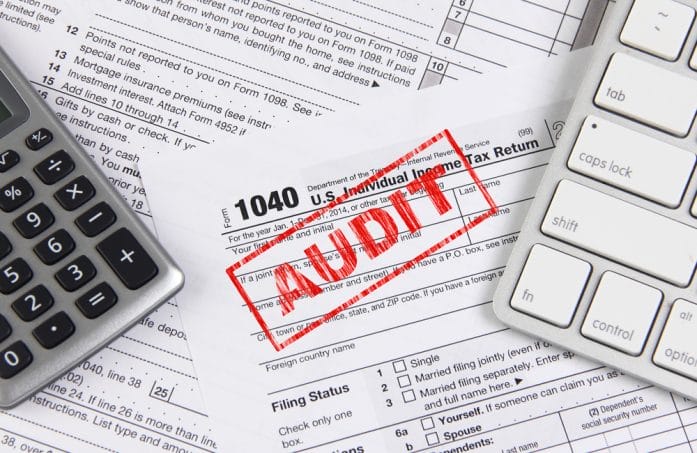
Tax season just got a serious upgrade on the government side. The IRS now uses advanced matching technology that scans income records with far more precision than before. This system compares information from employers, banks, gig platforms, and third-party payers in real time. Small inconsistencies that once slipped through now trigger alerts faster than ever. Taxpayers who rely on outdated assumptions about reporting accuracy face new risks. Financial transparency now sits at the center of modern tax enforcement.
The change does not only affect high-income earners or large corporations. Everyday workers, freelancers, and side hustlers also fall under this upgraded scrutiny. The IRS designed these systems to close the gap between reported income and actual payments received. That shift pushes accuracy into the spotlight for anyone earning money outside traditional payroll systems. As technology improves, so does the speed and depth of IRS enforcement actions.
Why the IRS Is Rolling Out Smarter Income Tracking Systems
The IRS invests heavily in modernizing its data systems to reduce tax revenue loss. Budget pressures and rising filing complexity pushed the agency to adopt faster, more automated tools. These systems now connect massive data sources and identify mismatches within seconds. Officials want to reduce reliance on manual reviews that often delay enforcement. The goal centers on improving accuracy while reducing delays in identifying underreported income.
This shift also reflects the explosion of gig work and digital payments. Platforms like freelance marketplaces and payment apps now report income directly to the IRS. That creates a web of data points that the agency can cross-check instantly. When numbers do not align, the system flags the return for further review. This approach strengthens compliance without requiring taxpayers to change how they earn money.
How the IRS Matching Technology Actually Works Behind the Scenes
The IRS uses automated matching software that compares tax returns against third-party data submissions. Employers send W-2 forms, banks submit interest statements, and gig platforms issue 1099 forms. The system scans all submitted documents and aligns them with reported income lines on tax returns. When it detects differences, it assigns a risk score to the return. Higher scores often trigger letters, audits, or requests for clarification.
Machine learning tools also help the system improve over time. These tools recognize patterns in past discrepancies and apply that knowledge to new filings. For example, repeated mismatches from certain types of income sources now get flagged faster. The system also prioritizes cases with larger financial gaps. This technology reduces human workload while increasing enforcement accuracy across millions of filings.
Common Income Discrepancies That Now Trigger Faster IRS Alerts
One of the most common triggers involves missing 1099 income from freelance or contract work. Many workers forget to report smaller gigs that still show up on platform-issued tax forms. The IRS system quickly identifies these gaps and flags them for review. Even small amounts of unreported income can now create compliance issues. This creates pressure to track every payment source throughout the year.
Another frequent issue involves bank interest and investment income mismatches. Banks and brokerages report earnings directly to the IRS, which compares them against taxpayer entries. Errors often arise when individuals forget to include small interest payments or dividend reinvestments. The system also catches duplicate reporting mistakes when taxpayers manually enter incorrect totals. These discrepancies now receive faster attention than in previous years.
What Workers, Freelancers, and Small Businesses Need to Watch Closely
Gig workers face some of the highest exposure under the new system. Many rely on multiple platforms that issue separate tax documents, which increases the chance of missing entries. The IRS matching tools quickly identify gaps between platform reports and filed returns. That creates pressure to maintain organized records throughout the year. Clear bookkeeping now plays a major role in avoiding unnecessary tax notices.
Small business owners also need to monitor payroll and contractor reporting closely. The IRS cross-checks business expense deductions against reported contractor payments. Any mismatch between issued 1099 forms and deducted expenses can trigger review. Business owners who rely on manual spreadsheets face higher risk of error. Digital accounting systems now offer stronger protection against these mismatches.
How to Stay Ahead of IRS Matching Technology and Avoid Surprises
Strong recordkeeping now serves as the most effective defense against IRS matching alerts. Taxpayers who track every income source reduce the chance of mismatches significantly. Digital tools help organize invoices, platform payments, and bank deposits in real time. Consistency between records and tax filings strengthens compliance and reduces audit risk. Careful attention to detail now matters more than ever.
Reviewing all tax documents before filing also prevents common reporting mistakes. Many discrepancies arise from simple oversight rather than intentional misreporting. Cross-checking W-2s, 1099s, and bank statements helps identify missing entries early. Taxpayers who take time to reconcile records avoid most automated flags. This proactive approach keeps financial records aligned with IRS expectations.
A New Era of Tax Accuracy Driven by Technology
IRS matching technology now reshapes how income reporting works across the country. The system strengthens enforcement by identifying discrepancies that once went unnoticed. Workers, freelancers, and business owners all face higher expectations for accuracy. Technology now drives faster detection, quicker responses, and more consistent compliance outcomes. The shift marks a major step toward real-time tax oversight.
This evolution does not change tax rules, but it changes how closely systems watch compliance. Every income source now leaves a digital footprint that the IRS can verify instantly. Taxpayers who stay organized and consistent benefit most under this system. Financial habits now play a bigger role in avoiding stress during tax season. Staying ahead of the system now means staying ahead of the data.
What steps will help taxpayers adjust most effectively to this new level of IRS scrutiny?
You May Also Like…
5 Ways to Avoid Being Reported Under New 1099-DA Crypto Rules
The IRS’s New 1099-K Threshold Could Catch Side Hustlers Off Guard
Estimated Tax Payments Are Due in June — Missing It Costs More Than People Expect
Filing an Extension Doesn’t Protect You From Late Payment Penalties — Here’s What Does
Math Error Notices Are Spiking — Here’s What’s Actually Causing Them This Summer

Brandon Marcus is a writer who has been sharing the written word since a very young age. His interests include sports, history, pop culture, and so much more. When he isn’t writing, he spends his time jogging, drinking coffee, or attempting to read a long book he may never complete.