• Home
  • About Us
  • Getting Finances Done
    • Hiring Advisors
    • Debt Management
    • Spending Plan
  • Insurance
    • Life Insurance
    • Health Insurance
    • Disability Insurance
    • Homeowners/Renters Insurance
  • Contact Us
  • Our Editorial Commitment

The Free Financial Advisor

You are here: Home / Archives for SSA

Why Your Social Security Payment Was Delayed: Common Oversights and Fast Fixes

April 6, 2026 by Brandon Marcus Leave a Comment

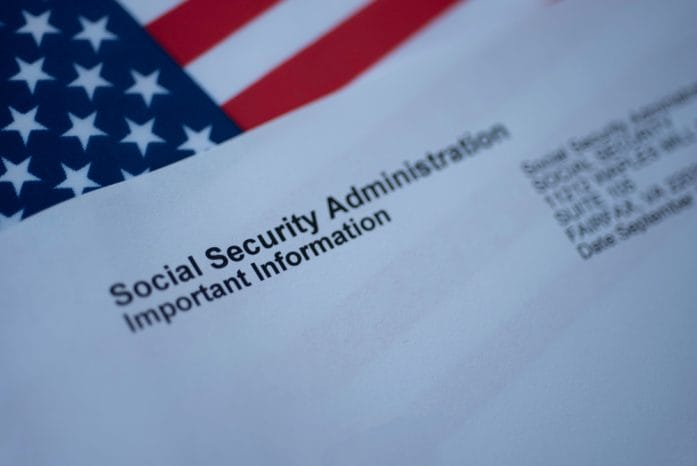
Why Your Social Security Payment Was Delayed: Common Oversights and Fast Fixes
Image Source: Shutterstock.com

Getting paid on time should feel like the one thing that never goes wrong. Yet when a Social Security payment doesn’t show up, everything suddenly feels off balance, and frustration kicks in fast. Bills don’t pause, groceries don’t wait, and that missing deposit can spark a spiral of worry that no one wants to deal with. The truth sits somewhere between bureaucracy and small human error, and once that reality clicks into place, the situation becomes far less mysterious—and far more fixable.

Social Security delays don’t happen randomly, and they rarely come out of nowhere. Something triggers them, whether it’s a paperwork hiccup, a banking mismatch, or a system flag that demands attention. That might sound intimidating at first, but it actually works in your favor because every delay comes with a reason, and every reason comes with a solution.

The Paperwork Trap That Trips People Up

A surprising number of delayed payments trace back to something simple: paperwork that didn’t line up perfectly. Social Security runs on precise data, so even a small mismatch between names, addresses, or account details can cause the system to hit pause. That pause doesn’t come with much warning, which explains why it feels so sudden. Many people update their address, switch banks, or change marital status and assume everything syncs automatically, but that assumption often creates the problem. The system needs confirmation, and until it gets it, payments can stall.

Timing also plays a big role here, and it often goes overlooked. Submitting a change right before a scheduled payment date can interrupt processing because the system needs time to verify and update the new information. That doesn’t mean the payment disappears forever, but it does mean it might arrive later than expected. Staying ahead of updates makes a huge difference, especially when life changes happen quickly.

A quick fix starts with checking the details already on file. Logging into a Social Security account and reviewing personal information can reveal mismatches instantly. If anything looks outdated or incorrect, updating it right away puts things back in motion. Keeping documentation handy, like identification or proof of address, speeds up the process even more and reduces back-and-forth delays.

Banking Glitches That Slow Everything Down

Direct deposit usually feels like the most reliable option, but it can also become the source of a delay when something changes behind the scenes. Banks update systems, accounts close, and routing numbers shift, and those changes don’t always communicate smoothly with Social Security. When that happens, the payment doesn’t land where it should, and the system holds it instead of sending it into the void. That safety measure protects funds, but it also creates a delay that can catch people off guard.

Switching banks stands out as one of the most common triggers for this issue. Many people assume updating their bank account online completes the process instantly, but verification still needs to happen. During that window, payments may pause briefly while everything gets confirmed. That delay feels frustrating, especially when the change seemed straightforward at the time.

A smart move involves double-checking bank details before and after making any updates. Confirming the routing number, account number, and account type can prevent small mistakes from turning into bigger problems. Calling the bank directly can also help confirm that everything matches on their end. Taking those extra steps might feel tedious, but they often make the difference between a smooth deposit and a delayed one.

Identity Checks That Put Payments on Hold

Security measures exist for a reason, and Social Security takes identity verification seriously. When the system detects something unusual, like a change in login behavior or a flagged account detail, it may temporarily hold payments until everything checks out. That might feel inconvenient, but it protects benefits from fraud and unauthorized access. Still, it can create confusion when it happens without clear communication.

These checks often occur after updates to personal information or account access. Logging in from a new device, changing a password, or updating sensitive details can trigger a review. The system wants to make sure the right person made those changes, and until it confirms that, payments may stay on hold. That process doesn’t take forever, but it does require action to move forward.

The fastest way to resolve this issue involves completing any requested verification steps as soon as possible. That might include answering security questions, uploading identification, or confirming details through an official channel. Ignoring those prompts only extends the delay, so staying proactive keeps things moving. Keeping account information secure and consistent can also reduce the chances of triggering these checks in the future.

Benefit Status Changes That Cause Confusion

Not every delay comes from an error; sometimes it comes from a change in benefit status. Social Security reviews eligibility regularly, especially for disability benefits and Supplemental Security Income. Those reviews can temporarily interrupt payments while the system reassesses eligibility. That doesn’t mean benefits stop permanently, but it does mean there may be a gap while everything gets sorted out.

Life changes can also influence benefit status in ways that aren’t always obvious. Returning to work, earning additional income, or changes in living arrangements can all affect payments. Even small shifts can trigger a review, and that review can lead to a delay while the system processes the new information. Staying informed about how these changes impact benefits can prevent surprises.

Keeping records organized and up to date makes a big difference here. Reporting changes promptly and accurately helps avoid unnecessary delays. If a review does happen, responding quickly to any requests for information can speed up the process. Understanding how benefits work in different situations turns a confusing delay into something much easier to navigate.

Missed Notices That Lead to Bigger Problems

Social Security doesn’t operate in silence, even though it can feel that way sometimes. When something needs attention, the agency usually sends a notice by mail or through an online account. Missing those notices creates a ripple effect, because the system often waits for a response before moving forward. That waiting period can turn a small issue into a bigger delay.

Mail doesn’t always arrive when expected, and online notifications can get overlooked easily. That combination creates the perfect storm for missed communication. Once that happens, payments may pause until the required action gets completed. That pause can feel confusing, especially if the notice never got noticed in the first place.

Staying on top of communication helps avoid this entirely. Checking an online Social Security account regularly ensures nothing slips through the cracks. Updating contact information also ensures notices reach the right place. Taking a few minutes to review messages can prevent days or even weeks of unnecessary delay.

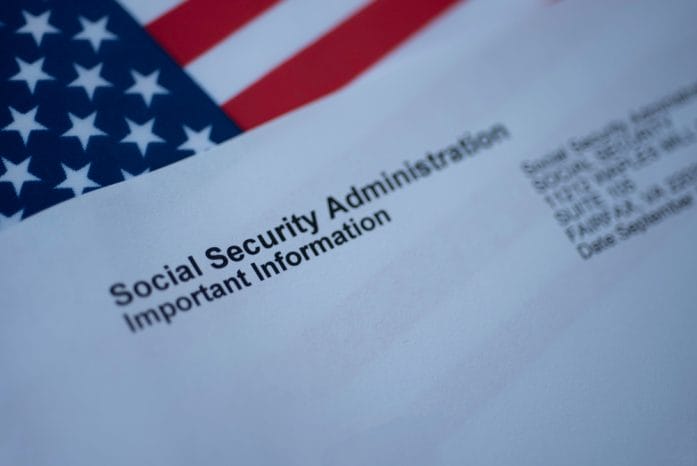
Why Your Social Security Payment Was Delayed: Common Oversights and Fast Fixes
Image Source: Shutterstock.com

Stay Ahead, Stay Ready

Delays feel stressful, but they rarely stay permanent when the right steps come into play. Most issues come down to information, timing, or verification, and each one has a clear path forward once identified. Taking a proactive approach, like reviewing account details regularly and responding quickly to requests, can keep payments running smoothly. Small habits create big stability when it comes to something this important.

What steps have helped keep payments on track, or what challenges have popped up along the way? Share thoughts, strategies, or experiences in the comments and keep the conversation going.

You May Also Like…

Why Every Newly Married Woman Should Update Her Social Security Record Right Away

Social Security Checks Are Getting Smaller for Some Retirees — And It’s Not a Benefit Cut

8 Mistakes That Can Trigger a Social Security Overpayment Notice

The Harsh Truth About Delaying Social Security: You Might Never See the Money

Why More Seniors Are Getting Surprise Social Security Overpayment Notices

Brandon Marcus
Brandon Marcus

Brandon Marcus is a writer who has been sharing the written word since a very young age. His interests include sports, history, pop culture, and so much more. When he isn’t writing, he spends his time jogging, drinking coffee, or attempting to read a long book he may never complete.

Filed Under: social security Tagged With: benefits issues, delayed payments, direct deposit problems, disability benefits, Financial Tips, government payments, identity verification, payment delays, retirement income, Social Security, SSA, SSI

Why More Seniors Are Getting Surprise Social Security Overpayment Notices

February 26, 2026 by Brandon Marcus Leave a Comment

Why More Seniors Are Getting Surprise Social Security Overpayment Notices
Image Source: Pixabay.com

A letter from the government can rattle even the calmest retiree. When that letter demands thousands of dollars back in Social Security benefits, it can feel like the ground just shifted. Across the country, more seniors have opened their mailboxes to find overpayment notices from the Social Security Administration. These notices claim that the agency paid them more than they should have received, sometimes years ago. In some cases, the amount stretches into the tens of thousands of dollars. The shock alone can knock the wind out of anyone living on a fixed income.

This trend has raised serious concerns among retirees, advocates, and lawmakers. While overpayments have always occurred, many seniors now report an uptick in notices, often tied to old records, earnings updates, or changes in eligibility.

When the Numbers Don’t Add Up

Social Security calculates benefits based on earnings history, age at retirement, and in some cases, disability or income limits. That system involves a mountain of data. When even one piece of information changes, the benefit amount can shift.

Overpayments often stem from unreported or misreported income. Seniors who continue working while collecting benefits can trigger adjustments if their earnings exceed certain limits before reaching full retirement age. The agency relies on wage data from employers and the Internal Revenue Service, and when those records arrive late or contain discrepancies, adjustments can occur long after payments have gone out.

Errors also arise from life changes. Marriage, divorce, remarriage, or the death of a spouse can affect benefit calculations, especially for those receiving spousal or survivor benefits. If someone receives Supplemental Security Income, which depends on financial need, even small changes in income or resources can alter eligibility. When reporting falls behind or paperwork lags, the system may continue issuing higher payments until someone corrects the record.

Backlogs, Budget Cuts, and Bureaucracy

The Social Security Administration manages benefits for more than 70 million Americans. That enormous responsibility requires staff, technology, and constant updates. In recent years, staffing shortages and funding constraints have strained operations.

When the agency falls behind, it can take months or even years to process changes. That delay creates a painful scenario. A retiree may report income accurately and on time, yet the system may not adjust payments immediately. Benefits keep flowing at the old rate. Later, once the adjustment finally goes through, the agency identifies an overpayment and sends a notice demanding repayment.

Technology also plays a role. Social Security relies on legacy computer systems that date back decades. Modernizing those systems takes time and money, and until upgrades occur, data mismatches and processing delays remain a real risk. Seniors who assume that one phone call or online update solves everything may discover that the wheels of bureaucracy turn more slowly than expected.

The Crushing Impact on Fixed Incomes

For someone living on Social Security alone, even a small repayment demand can feel overwhelming. Many seniors budget down to the dollar each month. They plan around rent or mortgage payments, groceries, medications, and utility bills. An unexpected notice demanding $5,000 or more can spark fear about basic survival.

The agency can withhold a portion of future benefits to recover overpayments. In the past, Social Security sometimes withheld up to 100 percent of a monthly check in certain cases, though policy changes in 2024 reduced the standard withholding rate for many beneficiaries. Even so, any reduction in a monthly payment can cause real hardship.

Some seniors face overpayments that date back years, sometimes linked to disability benefits or complex eligibility issues. When that happens, frustration often rises alongside confusion. Many beneficiaries insist that they reported everything correctly, and some documentation supports their claims. Sorting out responsibility becomes a stressful, time-consuming process.

What to Do When That Letter Arrives

The worst move involves ignoring the notice. The agency sets deadlines for response and outlines options in the letter. Acting quickly can protect rights and open the door to solutions.

First, review the notice carefully. It should explain why the overpayment occurred and how the agency calculated the amount. Compare the information with personal records, including earnings statements, prior correspondence, and benefit notices. Mistakes can and do happen, and documentation provides the strongest defense.

Next, consider filing an appeal if the calculation appears wrong. The appeal process allows beneficiaries to challenge the agency’s decision. A request for reconsideration must usually be filed within 60 days of receiving the notice. During that process, beneficiaries can also request that Social Security pause collection efforts.

Seeking assistance from a local legal aid organization or an attorney experienced in Social Security matters can make the process less intimidating. Community groups and senior advocacy organizations often provide guidance at low or no cost.

Why More Seniors Are Getting Surprise Social Security Overpayment Notices
Image Source: Pixabay.com

Why This Issue Seems More Visible Now

Several factors contribute to the sense that overpayment notices have surged. As the population ages, more Americans collect benefits. A larger beneficiary pool naturally increases the number of administrative errors or mismatches.

At the same time, the agency has increased efforts to identify and recover improper payments. Audits and internal reviews have highlighted billions of dollars in overpayments and underpayments over the years. When oversight tightens, recovery actions often follow.

Public attention also amplifies the issue. Media coverage and advocacy campaigns have shone a spotlight on cases where seniors faced extreme repayment demands. Lawmakers from both parties have called for reforms to make the process fairer and more transparent. That scrutiny has pushed Social Security to revisit some policies, including how aggressively it withholds benefits.

Protecting Yourself Before Problems Start

No one can control every bureaucratic twist, but proactive steps can reduce risk. Keep detailed records of earnings, especially when working while receiving benefits. Save pay stubs, tax returns, and any correspondence with Social Security.

Report changes promptly and confirm that the agency has processed them. After reporting income or life changes, follow up and request written confirmation. Logging into a personal account on the Social Security website allows beneficiaries to review benefit statements and track reported earnings.

Consider consulting a financial planner or benefits counselor before making major decisions, such as returning to work or remarrying. Understanding how those choices affect benefits can prevent unpleasant surprises later. Knowledge may not eliminate every glitch, but it arms seniors with confidence and clarity.

Stay Alert & Stay Empowered

Social Security serves as a financial lifeline for millions of retirees, and most payments arrive correctly and on time. Yet overpayment notices remind everyone that even large federal systems can falter.

Understanding how benefits work, keeping careful records, and responding quickly to any notice can turn a frightening letter into a manageable problem. No one should feel powerless in the face of bureaucracy.

Have you or someone close faced an overpayment notice, and what steps helped navigate the process? We want to hear about it below.

You May Also Like…

The Hidden Tax Rules Shrinking Social Security Checks — What Seniors Need to Know

Social Security, 401(k)s, and Market Swings: Why Retirement Feels Riskier Than Ever

9 Everyday Costs Rising Faster Than Seniors’ Income

How to Budget for Senior Independent Living

8 Rules Around Health Savings Accounts That Still Confuse Seniors

Brandon Marcus
Brandon Marcus

Brandon Marcus is a writer who has been sharing the written word since a very young age. His interests include sports, history, pop culture, and so much more. When he isn’t writing, he spends his time jogging, drinking coffee, or attempting to read a long book he may never complete.

Filed Under: social security Tagged With: disability benefits, Financial Security, government benefits, income reporting, Medicare, Overpayment Notices, Retirement, retirement planning, Senior Benefits, Social Security, SSA, SSI

What Happens to Your Social Security If the Government Shuts Down Again?

July 26, 2025 by Travis Campbell 2 Comments

social security
Image Source: unsplash.com

A government shutdown can feel like a looming storm. You hear about it on the news, see the headlines, and wonder what it means for your daily life. If you rely on Social Security, the worry can hit even harder. Will your check arrive? Will you be able to reach someone if you have a problem? These are real concerns for millions of Americans. Understanding what happens to your Social Security if the government shuts down again can help you plan and stay calm. Here’s what you need to know.

1. Social Security Payments Will Still Go Out

The most important thing to know: Social Security payments do not stop during a government shutdown. The Social Security Administration (SSA) is considered an essential service. This means the people who process and send out your payments keep working, even if other parts of the government close. Your monthly check or direct deposit should arrive on time, just like usual. This is true for retirement, disability, and survivor benefits. The money for Social Security comes from a trust fund, not from the annual budget Congress fights over. So, even if lawmakers can’t agree, your Social Security payment is safe.

2. New Applications May Face Delays

If you need to apply for Social Security benefits during a shutdown, be ready for possible delays. While payments keep going out, some SSA offices may have fewer staff. This can slow down how fast new applications are processed. If you’re planning to retire soon or need to file for disability, try to get your paperwork in before a possible shutdown. If you can’t, just know it might take longer to get a decision. The same goes for appeals or requests for reconsideration. The process keeps moving, but it may crawl instead of walk.

3. Customer Service Will Be Limited

During a government shutdown, many SSA employees are furloughed. This means fewer people are available to answer phones or help at local offices. You might wait longer on hold or have trouble getting an appointment. Some offices may close or offer only basic services. If you have a simple question, try using the SSA’s online tools first. You can check your benefits, update your address, or print a benefit letter online. For more complex issues, patience will be key.

4. Online Services Remain Available

Even if local offices are short-staffed, the SSA’s website stays up and running. You can use it to apply for benefits, check your status, or manage your account. This is often the fastest way to get things done during a shutdown. The online system is designed to handle most routine tasks. If you haven’t set up a “my Social Security” account yet, it’s a good idea to do so. This gives you more control and can help you avoid long waits if the government shuts down again.

5. Medicare and Other Related Benefits Are Not Affected

Social Security and Medicare are closely linked, so it’s natural to worry about both. The good news: Medicare benefits continue as usual during a shutdown. You can still go to the doctor, fill prescriptions, and use your coverage. The same goes for Social Security Disability Insurance (SSDI) and Supplemental Security Income (SSI). These programs are funded separately from the annual budget. Your health and income support are not at risk, even if Congress can’t agree on funding.

6. Some Services May Be Suspended

While payments keep coming, some non-essential services may pause. This can include things like replacing a lost Social Security card or getting help with certain paperwork. If you need a service that isn’t urgent, you may have to wait until the government reopens. Planning ahead can help you avoid surprises.

7. Plan Ahead for Possible Disruptions

If you rely on Social Security, it’s smart to plan for possible hiccups. Keep extra copies of important documents. Make sure your bank information is up to date. If you need to contact the SSA, try to do it before a shutdown starts. If you’re helping a family member or friend, remind them to check their mail and bank account for any changes. Being prepared can make a stressful situation easier to handle.

8. Stay Informed and Watch for Scams

Shutdowns can create confusion, and scammers know this. Be careful if you get calls or emails claiming your Social Security is at risk. The SSA will never threaten to cut off your benefits or ask for your personal information by phone or email. If you’re unsure, hang up and call the official SSA number. Staying informed through trusted sources can help you avoid falling for a scam.

9. What If the Shutdown Lasts a Long Time?

Most government shutdowns are short, but some have lasted weeks. Even in a long shutdown, Social Security payments have always continued. The SSA has plans in place to keep essential services running. If you’re worried, keep an eye on the news and the SSA website for updates. If anything changes, you’ll hear about it from official sources first.

Your Social Security: Reliable Even in Uncertain Times

A government shutdown can be stressful, but your Social Security is built to withstand it. Payments keep coming, and most services continue, even if some things slow down. The best thing you can do is stay informed, use online tools, and plan ahead for possible delays. Your benefits are a promise, not a bargaining chip.

Have you ever experienced a government shutdown while receiving Social Security? How did it affect you? Share your story in the comments.

Read More

Social Security Offices Are Facing Backlogs—What It Means for You

5 Measures You Can Take If You’re Barely Getting By on Your Social Security

Travis Campbell
Travis Campbell

Travis Campbell is a digital marketer/developer with over 10 years of experience and a writer for over 6 years. He holds a degree in E-commerce and likes to share life advice he’s learned over the years. Travis loves spending time on the golf course or at the gym when he’s not working.

Filed Under: Retirement Tagged With: benefits, Disability, government shutdown, Medicare, Personal Finance, Retirement, Social Security, SSA, SSI

Social Security Offices Are Facing Backlogs—What It Means for You

July 15, 2025 by Travis Campbell Leave a Comment

social security
Image Source: pexels.com

Social Security offices across the country are facing serious backlogs. If you need help with retirement, disability, or survivor benefits, you might wait longer than you expect. These delays can affect your finances, your plans, and your peace of mind. Many people rely on Social Security for essential income, so any holdup can cause real stress. Understanding what’s happening and how to handle it can help you avoid bigger problems. Here’s what you need to know about the Social Security office backlog and what it means for you.

1. Longer Wait Times for In-Person Visits

If you plan to visit a Social Security office, expect to wait. Many offices are understaffed, and the number of people needing help keeps growing. Some people report waiting hours just to speak with someone. Others can’t even get an appointment for weeks. This isn’t just annoying—it can delay your benefits or leave you without answers when you need them most. If you have urgent questions or need to file paperwork, try to use online services first. The Social Security Administration (SSA) website offers many tools that can save you time and frustration. But if you must go in person, bring snacks, water, and something to read. Prepare for a long day.

2. Delays in Processing Applications

The backlog doesn’t just affect people walking into offices. It also slows down how fast the SSA processes applications for retirement, disability, and survivor benefits. Some people wait months for a decision. If you’re applying for Social Security Disability Insurance (SSDI) or Supplemental Security Income (SSI), the wait can be even longer. This can be a big problem if you’re counting on that money to pay bills or cover medical costs. To speed things up, make sure your application is complete and accurate. Double-check your paperwork before you submit it. Missing information can add weeks or months to your wait.

3. Phone Lines Are Jammed

Calling the Social Security office used to be a good way to get help. Now, it’s often just as slow as going in person. Many people spend hours on hold, only to get disconnected or told to call back later. This is frustrating, especially if you have a simple question. If you need to call, try early in the morning or late in the afternoon. Avoid calling on Mondays or right after a holiday, when lines are busiest. If you can, use the SSA’s online FAQ or chat features to get answers without waiting on hold.

4. Appeals and Hearings Take Even Longer

If your claim is denied and you need to appeal, prepare for a long process. The backlog has made it harder to schedule hearings with administrative law judges. Some people wait over a year for a hearing date. This can be devastating if you’re unable to work and need benefits to survive. To avoid delays, respond quickly to any requests for more information. Keep copies of all your paperwork and follow up regularly. If you can, consider hiring a representative or advocate who knows the system and can help move your case forward.

5. Online Services Can Help—But They’re Not Perfect

The SSA encourages people to use its online services to reduce the strain on offices. You can apply for benefits, check your status, and update your information online. This can save you time, but it’s not always easy. Some people have trouble creating an account or navigating the website. Others worry about security or don’t have reliable internet access. If you’re comfortable online, start there. If not, ask a trusted friend or family member for help.

6. Mistakes Are More Likely

With staff stretched thin, mistakes happen more often. Paperwork can get lost. Applications can be misfiled. Letters might not reach you on time. These errors can cause delays or even lead to denied benefits. To protect yourself, keep copies of everything you send to the SSA. Use certified mail or get a receipt when you drop off documents. If you notice a mistake, report it right away. The sooner you catch an error, the easier it is to fix.

7. Planning Ahead Is More Important Than Ever

Because of these backlogs, you need to plan ahead. Don’t wait until the last minute to apply for benefits or update your information. Start the process early, months before you need your benefits to begin. If you’re nearing retirement, check your Social Security statement and make sure your earnings record is correct. If you’re applying for disability, gather all your medical records and supporting documents before you file. The more prepared you are, the smoother things will go.

8. Vulnerable Groups Are Hit Hardest

People with disabilities, seniors, and those with limited English skills often face the biggest challenges. They may have trouble using online tools or understanding complex forms. The backlog makes it even harder for them to get help. If you or someone you know is in this situation, look for local organizations that offer free assistance. Many community centers, legal aid groups, and nonprofits can help you navigate the system. The National Council on Aging is a good place to start.

9. Your Patience and Persistence Matter

Dealing with Social Security backlogs can be exhausting. You might feel ignored or stuck. But persistence pays off. Keep records of every call, letter, and visit. Follow up regularly. If you don’t get an answer, try again. It’s not fair but being organized and persistent can make a difference. Don’t give up if you hit a roadblock.

Staying Ahead of the Social Security Backlog

Social Security offices are facing backlogs, and that affects everyone who needs help. The best way to protect yourself is to plan ahead, use online tools when possible, and keep careful records. Mistakes and delays are more common now, so double-check everything and follow up often. If you’re struggling, reach out for help from trusted sources. Staying informed and persistent can help you get the benefits you deserve, even when the system is slow.

Have you experienced delays or issues with Social Security offices? Share your story or tips in the comments below.

Read More

Warning: This Is Why Your Social Security Payment Just Dropped

5 Measures You Can Take If You’re Barely Getting By on Your Social Security

Travis Campbell
Travis Campbell

Travis Campbell is a digital marketer/developer with over 10 years of experience and a writer for over 6 years. He holds a degree in E-commerce and likes to share life advice he’s learned over the years. Travis loves spending time on the golf course or at the gym when he’s not working.

Filed Under: Retirement Tagged With: backlogs, Disability, government benefits, Personal Finance, Planning, Retirement, Social Security, SSA

  • « Previous Page
  • 1
  • 2
  • 3

Follow Us

Search this site:

Recent Posts

  • Can My Savings Account Affect My Financial Aid? by Tamila McDonald
  • 12 Ways Gen X’s Views Clash with Millennials… by Tamila McDonald
  • What Advantages and Disadvantages Are There To… by Jacob Sensiba
  • 10 Tactics for Building an Emergency Fund from Scratch by Vanessa Bermudez
  • Call 911: Go To the Emergency Room Immediately If… by Stephen Kanaval
  • 7 Weird Things You Can Sell Online by Tamila McDonald
  • 10 Scary Facts About DriveTime by Tamila McDonald

Copyright © 2026 · News Pro Theme on Genesis Framework