• Home
  • About Us
  • Toolkit
  • Getting Finances Done
    • Hiring Advisors
    • Debt Management
    • Spending Plan
  • Insurance
    • Life Insurance
    • Health Insurance
    • Disability Insurance
    • Homeowners/Renters Insurance
  • Contact Us
  • Privacy Policy
  • Risk Tolerance Quiz

The Free Financial Advisor

You are here: Home / Archives for Social Security

Here’s What Social Security Could Look Like by 2030

October 21, 2025 by Travis Campbell Leave a Comment

social security

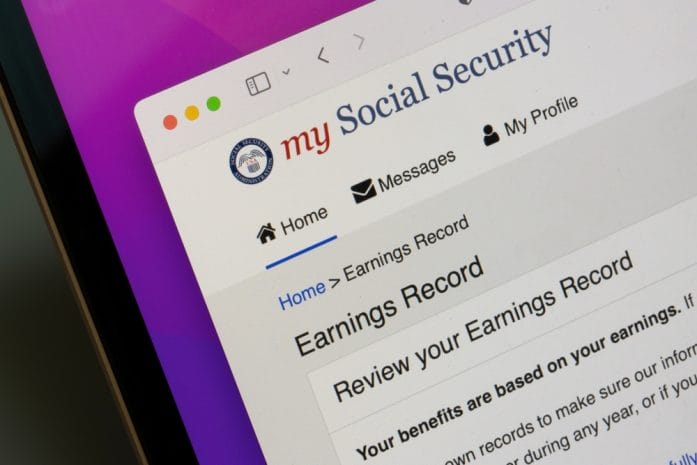
Image source: mikeledray / Shutterstock.com

Social Security is a pillar of retirement planning for millions of Americans. But with shifting demographics and ongoing debates in Congress, many people wonder what the Social Security system will look like by 2030. If you’re planning your retirement or already receiving benefits, the future of Social Security is more than just a headline—it’s a crucial part of your financial future. Understanding potential changes helps you make smarter decisions now and prepare for what’s ahead. The next few years could bring significant adjustments, and being informed is the first step to staying ready. Here’s what you might expect from Social Security by 2030.

1. Gradual Increase in Full Retirement Age

The Social Security system has already seen its full retirement age (FRA) rise from 65 to 67 for those born after 1960. By 2030, there’s a real possibility the FRA could inch even higher, perhaps to 68 or beyond. Lawmakers often see this as one of the least painful ways to shore up Social Security’s finances.

If you’re in your 40s or early 50s now, this could mean working longer before you’re eligible for full benefits. Early claiming will likely still be possible, but with even steeper reductions. Planning ahead for a later retirement age could help you avoid surprises down the road.

2. Adjustments to Social Security Payroll Taxes

Currently, payroll taxes fund most of Social Security’s revenue, but only wages up to a certain limit ($160,200 in 2023) are taxed. By 2030, Congress may raise or even eliminate this cap to increase funding. Some proposals suggest applying the tax to earnings above $400,000 as well, effectively creating a “donut hole” where income in the middle remains untaxed.

Raising the payroll tax cap would bring in more money to support the Social Security system. While this change would mainly affect higher earners, it could help stabilize the program for everyone. If you’re a high-income earner, your retirement planning might need to account for higher payroll deductions in the coming years.

3. Potential Benefit Reductions or Formula Changes

Social Security benefits are based on your lifetime earnings and a progressive formula. By 2030, the formula could be tweaked to slow the growth of benefits, especially for higher earners. Some ideas include switching to a different inflation index for cost-of-living adjustments or reducing benefits for people with above-average incomes.

This could mean smaller monthly checks for some future retirees, especially those who have earned more over their careers. If your retirement plan leans heavily on Social Security, it’s smart to consider how a smaller benefit might affect your budget. Diversifying your retirement savings can help cushion the impact.

4. Expanded Benefits for the Most Vulnerable

Even as lawmakers look to tighten Social Security’s finances, there’s bipartisan support for boosting benefits for certain groups. By 2030, the Social Security system could offer more generous minimum benefits for low-income retirees, improved survivor benefits for widows and widowers, and better support for disabled Americans.

These changes aim to reduce poverty among older adults and people with disabilities. If you or a loved one relies on Social Security as a primary source of income, these enhancements could offer extra security. For others, the impact may be less direct, but a more robust safety net helps create a stronger society overall.

5. More Digital Access and Service Improvements

By 2030, the Social Security Administration (SSA) will likely lean even more on digital tools. Expect easier online applications, faster processing times, and better access to your personal Social Security information. The pandemic pushed the SSA to accelerate its digital transformation, and this trend shows no signs of slowing down.

While this should make life simpler for most people, those less comfortable with technology might need extra support. The SSA is likely to maintain phone and in-person services, but online options will probably become the norm. Staying familiar with the SSA’s digital tools can help ensure you don’t miss out on important updates or benefits.

6. Increased Focus on Social Security System Solvency

The Social Security system’s long-term solvency is a hot topic. Current projections show that by the early 2030s, the program’s trust fund could be depleted, leaving payroll taxes to cover only about 75% of scheduled benefits. By 2030, the need for a permanent fix will be front and center in Washington.

Possible solutions include a mix of tax increases, benefit adjustments, and raising the retirement age. No matter what changes come, the Social Security system will likely remain a key part of retirement planning. It’s wise to keep an eye on developments and factor potential changes into your own plans.

Preparing for Social Security by 2030

Social Security by 2030 will almost certainly look different from today. While the details are still being debated, the main themes are clear: later full retirement ages, possible tax increases, targeted benefit changes, and a bigger focus on digital access. The Social Security system will keep evolving, and staying informed will help you make better choices for your future.

How are you planning for Social Security changes by 2030? Share your thoughts or questions in the comments below!

What to Read Next…

  • What Happens to Your Social Security If the Government Shuts Down Again
  • Is Your Social Security About to Shrink Unless Congress Acts Fast
  • 5 Quiet Changes to Social Security That Reduce Spousal Benefits
  • 7 Asset Transfers That Disrupt Your Social Security Benefits
  • Why Women Over 40 Are Twice as Likely to Outlive Their Retirement Plans
Travis Campbell
Travis Campbell

Travis Campbell is a digital marketer/developer with over 10 years of experience and a writer for over 6 years. He holds a degree in E-commerce and likes to share life advice he’s learned over the years. Travis loves spending time on the golf course or at the gym when he’s not working.

Filed Under: social security Tagged With: future of Social Security, Planning, retirement age, retirement planning, Social Security

13 Secret Worries About Retirement That Keep You Awake at Night

October 20, 2025 by Travis Campbell Leave a Comment

retirement

Image source: shutterstock.com

Retirement is supposed to be a time of relaxation, but for many, it’s a source of anxiety. The thought of leaving a steady paycheck behind is daunting. Even if you’ve saved diligently, questions about the future can creep in at night. The truth is, everyone has secret worries about retirement, even those who feel well-prepared. Addressing these concerns is important for your peace of mind and financial security. Let’s take an honest look at the most common retirement worries so you can start planning with more confidence.

1. Outliving Your Savings

One of the biggest retirement worries is running out of money. With people living longer, your nest egg needs to stretch further than ever. It’s hard to predict exactly how long your savings will last. Market downturns, unexpected expenses, and inflation can all chip away at your funds. Many retirees wonder if their careful planning will truly be enough.

2. Rising Healthcare Costs

Healthcare is unpredictable and expensive, especially as you age. Even with Medicare, out-of-pocket costs can be significant. Prescription drugs, long-term care, and unforeseen medical emergencies can derail your retirement budget quickly. This uncertainty often keeps people awake, worrying about how to cover these essential needs.

3. Losing a Sense of Purpose

Work often gives us structure, goals, and a sense of identity. Without it, some retirees feel lost or unfulfilled. This worry isn’t just emotional, it can impact your health and relationships. Finding new routines and meaningful activities is crucial, but the transition isn’t always easy.

4. Market Volatility

Even the best financial plans can be shaken by a volatile stock market. Many people worry about a major downturn just as they retire, shrinking their savings at the worst possible time. Retirement worries about investing don’t stop once you leave the workforce; they simply change, with more at stake and less time to recover losses.

5. Unexpected Family Responsibilities

Sometimes, adult children or grandchildren need financial help. Other times, aging parents require care. These situations can put additional strain on your retirement savings, especially if they last longer than expected or happen suddenly. Balancing your needs with those of loved ones is a common source of stress.

6. Inflation Eating Away Savings

Inflation might seem abstract, but its impact is real. Over the decades, rising costs can erode the purchasing power of your savings. Even a low annual inflation rate can add up, making basic expenses like groceries, housing, and utilities much more expensive in later years. Many retirees worry about how inflation will affect their standard of living.

7. Navigating Social Security Decisions

When to claim Social Security is a complex decision. Claiming early might mean smaller monthly checks, but waiting too long can feel risky. The rules are complicated, and mistakes can be costly. Many people lose sleep over whether they’re making the right choice for their situation.

8. Loneliness and Social Isolation

Retirement can change your social life dramatically. Without daily interactions at work, some people feel isolated. This can lead to depression and health problems. Building new social connections takes effort, and it’s a worry that’s easy to overlook while planning the financial side of retirement.

9. Managing Debt in Retirement

Carrying debt into retirement is more common than ever. Mortgages, credit cards, and medical bills can all linger. Servicing debt on a fixed income creates extra pressure and is a frequent retirement worry. Finding a balance between paying down debt and maintaining your lifestyle is challenging.

10. Changes in Government Policy

Social Security, Medicare, and tax laws change over time. Even small tweaks can have a big impact on your retirement plans. Many retirees worry about future policy changes that could reduce benefits or increase taxes, making financial planning feel uncertain.

11. Loss of Independence

Needing help with daily tasks is a fear for many as they age. Whether it’s driving, managing finances, or living alone, losing independence is a tough adjustment. This worry often ties back to concerns about housing choices and long-term care costs.

12. Housing Uncertainty

Should you downsize, rent, or age in place? Housing decisions in retirement are complex and emotional. Unexpected repairs, rising property taxes, or needing to move for health reasons can disrupt your plans. These unknowns add to the list of retirement worries that keep people up at night.

13. Leaving a Legacy

Many want to leave something behind for family, charities, or causes they care about. But balancing this goal with your own needs is tricky. Worries about estate taxes, legal fees, and family disputes can make legacy planning stressful.

Facing Your Retirement Worries Head-On

It’s normal to have retirement worries, no matter how well you’ve prepared. The good news is that facing these concerns directly can help you develop practical solutions. Talk openly with your family, seek advice from trusted financial professionals, and revisit your plans regularly.

What’s your biggest retirement worry? Share your thoughts in the comments below—we’d love to hear your perspective.

What to Read Next…

  • How Many of These 8 Retirement Mistakes Are You Already Making?
  • 7 Retirement Perks That Come with Shocking Hidden Costs
  • Is Your Retirement Plan Outdated by a Decade Without You Knowing?
  • 10 Financial Questions That Could Undo Your Entire Retirement Plan
  • 6 Financial Traps Retirees Walk Into Without Questioning
Travis Campbell
Travis Campbell

Travis Campbell is a digital marketer/developer with over 10 years of experience and a writer for over 6 years. He holds a degree in E-commerce and likes to share life advice he’s learned over the years. Travis loves spending time on the golf course or at the gym when he’s not working.

Filed Under: Retirement Tagged With: Estate planning, Financial Security, Personal Finance, Retirement, retirement planning, retirement worries, Social Security

The True Lifetime Cost of Being a Stay-at-Home Parent (It’s More Than You Think)

October 18, 2025 by Travis Campbell Leave a Comment

parent

Image source: pexels.com

Choosing to become a stay-at-home parent is a deeply personal decision. Many families weigh the benefits of being present for their children against the financial realities. But the true lifetime cost of being a stay-at-home parent goes far beyond lost salary. It affects your retirement savings, career growth, and even your identity. Understanding the full picture helps you make informed choices. Let’s break down the hidden and not-so-hidden costs this role can bring over a lifetime.

1. Lost Income Over the Years

The most obvious part of the lifetime cost of being a stay-at-home parent is lost wages. Even a few years out of the workforce can add up to hundreds of thousands of dollars. For many, the pause in employment isn’t just for a year or two—it can stretch for a decade or more. That’s a significant amount of money not earned, not saved, and not invested for the future.

When you factor in annual raises, potential bonuses, and promotions you might have received, the gap widens even further. The missed opportunity to build a higher earning potential is a key part of the lifetime cost calculation.

2. Reduced Retirement Savings

Missing out on a salary doesn’t just mean less cash in your checking account now. It also means you’re not contributing to retirement plans like a 401(k) or IRA. Even small, regular contributions early in your career can grow dramatically over time thanks to compounding interest.

Many employers also offer retirement plan matches. If you’re not working, you’re not getting that free money. Over a lifetime, this can translate into a much smaller nest egg when it’s time to retire. The lifetime cost of being a stay-at-home parent can leave you with fewer resources in your later years.

3. Impact on Social Security Benefits

Your future Social Security benefits depend on your work history and lifetime earnings. If you step out of the workforce, those zero-earning years lower your average, which can reduce your monthly benefit. For parents who stay home for long stretches, this can mean thousands of dollars less in Social Security income over retirement.

Even if you return to work later, those missing years can’t always be made up. This is often overlooked when considering the lifetime cost of being a stay-at-home parent, but it has real consequences for your financial security.

4. Stalled Career Progression

Time away from the workforce can slow or even halt your professional growth. Industries change, skills become outdated, and networks fade. When you decide to return, you may find yourself behind in experience or credentials compared to peers who never left.

This can mean starting at a lower position, accepting reduced pay, or facing a longer climb to promotions. For some, re-entry into their chosen field may not be possible at all. The cost is not just financial but also personal, affecting confidence and fulfillment.

5. Increased Reliance on a Partner

When one parent stays home, the family’s financial stability often depends on one income. This can increase stress and create vulnerability in case of job loss, illness, or relationship changes. If a divorce or separation occurs, the stay-at-home parent can face significant financial hardship.

Building up your own financial safety net is harder without an income. Legal protections, such as prenuptial agreements or life insurance, can help, but they don’t fully offset the lifetime cost of being a stay-at-home parent.

6. Missed Employer Benefits

Health insurance, paid leave, tuition assistance, and flexible spending accounts are just a few of the benefits that often come with a job. These can be worth thousands per year. Losing access to these perks can make the true cost of staying home even higher.

Families sometimes pay much more for health insurance or miss out on benefits that could support continuing education or family wellness. These missed opportunities are a real part of the calculation.

7. Less Opportunity for Personal Savings and Investments

Without your own income, it’s harder to save and invest for personal goals. Whether it’s a rainy day fund, a business idea, or travel, the lack of financial independence can limit your options. Over a lifetime, this can mean fewer choices and more financial stress.

While some families find creative ways to save on one income, the margin for error is slimmer. Unexpected expenses or emergencies can have a bigger impact when you don’t have your own financial cushion.

What Can You Do About the Lifetime Cost?

Recognizing the lifetime cost of being a stay-at-home parent is the first step to making smart decisions. If you’re considering this path, plan ahead for your retirement, keep your skills fresh, and look for ways to contribute to family savings. Some stay-at-home parents take on remote or part-time work to help offset costs. Others invest in professional development or maintain their networks to ease a future return to work.

It’s also wise to have open conversations about finances with your partner and set up legal protections where possible. The decision to stay home is about more than money, but understanding the full financial impact can help you prepare for a secure future. How have you weighed the lifetime cost of being a stay-at-home parent in your own family? Share your thoughts in the comments below.

What to Read Next…

  • Are These 7 Little Expenses Quietly Costing You Thousands a Year?
  • 10 Money Mistakes People Make After Losing a Spouse
  • 10 Ways You’re Wasting Money Just Trying to Keep Up Appearances
  • 6 Trends That Suggest the Middle Class Is Dying in Suburbia
  • 10 Signs You’re Living Above Your Means Without Realizing
Travis Campbell
Travis Campbell

Travis Campbell is a digital marketer/developer with over 10 years of experience and a writer for over 6 years. He holds a degree in E-commerce and likes to share life advice he’s learned over the years. Travis loves spending time on the golf course or at the gym when he’s not working.

Filed Under: parenting Tagged With: career break, family finances, parenting costs, Personal Finance, retirement planning, Social Security, stay-at-home parent

The Widow’s Penalty: A Social Security Trap That Catches Surviving Spouses Off Guard

October 16, 2025 by Travis Campbell 1 Comment

Social Security

Image source: shutterstock.com

When a spouse dies, the emotional and financial challenges can be overwhelming. But there’s a hidden issue in the Social Security system that often makes things worse for surviving spouses: the widow’s penalty. This penalty can quietly reduce the household’s retirement income, sometimes by thousands of dollars a year. Many people don’t see it coming until it’s too late, leaving them scrambling to adjust. Understanding how the widow’s penalty works is crucial for anyone planning for retirement or already collecting benefits. With a little knowledge and preparation, you can avoid being caught off guard and make informed choices for your financial future.

1. What Is the Widow’s Penalty?

The widow’s penalty is a reduction in household Social Security benefits that hits after one spouse dies. When both spouses are alive and receiving Social Security, the household gets two benefit checks each month. After a death, only one benefit continues—the larger of the two. This means the surviving spouse loses the smaller benefit, often resulting in a significant drop in income. Even though expenses may decrease slightly, the loss is usually much greater than the reduction in costs.

This penalty can be especially harsh for couples who rely on Social Security as their main source of income. The drop in monthly benefits can force difficult choices, like moving, downsizing, or cutting back on essentials. The widow’s penalty is one of the most common yet least understood pitfalls in retirement planning.

2. How the Widow’s Penalty Impacts Surviving Spouses

When the widow’s penalty strikes, the financial impact is immediate and often severe. For example, a couple receiving $2,000 and $1,400 per month would see their total household Social Security drop from $3,400 to $2,000 after one spouse dies. That’s a 41% reduction in income, while the surviving spouse’s bills don’t shrink nearly as much.

Many survivors are surprised to learn that their tax situation often gets worse, too. As a single filer, the surviving spouse may pay higher taxes on a lower income. This double whammy can erode savings, limit lifestyle choices, and create stress at a vulnerable time. The widow’s penalty doesn’t just affect those with low incomes—it can catch anyone off guard, especially if Social Security makes up a large part of the household budget.

3. Why the Widow’s Penalty Is So Common

The widow’s penalty is built into the structure of Social Security. The system was designed to provide a safety net, but it doesn’t fully account for the reality that most expenses don’t get cut in half when a spouse dies. Fixed costs like housing, insurance, and utilities often stay the same. At the same time, the rules only allow one benefit to continue after a death, not both.

Few couples plan for the widow’s penalty because it isn’t well-publicized. Many assume that Social Security will continue to provide enough income, but the math rarely works out that way. Without proactive planning, surviving spouses can find themselves in a much tighter spot than they expected. This is why it’s so important to factor the widow’s penalty into your retirement strategy.

4. Strategies to Reduce the Impact

While you can’t eliminate the widow’s penalty, you can take steps to soften the blow. One strategy is to delay claiming Social Security benefits, especially for the higher earner. The longer you wait (up to age 70), the larger your monthly benefit will be. This higher benefit will be the one that survives, providing more income for the surviving spouse.

Another smart move is to build up other sources of retirement income, such as IRAs, 401(k)s, or annuities. Having a mix of income streams can help bridge the gap when Social Security drops. Some couples consider life insurance as a way to provide a lump sum that can offset the loss of monthly income. Consulting with a financial advisor who understands the widow’s penalty can help you craft a plan that fits your unique situation.

It’s also wise to revisit your budget and living arrangements before retirement. Downsizing or reducing debt while both spouses are alive can give the survivor more flexibility later.

5. Hidden Tax Consequences

The widow’s penalty doesn’t stop with lost benefits. The surviving spouse’s tax bill may actually go up, even on a lower income. That’s because single filers reach higher tax brackets at lower income levels compared to married couples. More of your Social Security benefits may also become taxable.

This often comes as a surprise. The combination of reduced monthly income and a higher tax rate can quickly erode savings. Planning ahead for these tax changes is essential. A tax advisor can help you understand your situation and suggest strategies to minimize the hit.

Planning Ahead for the Widow’s Penalty

The widow’s penalty is a harsh reality for many surviving spouses. It’s a built-in part of the Social Security system that can catch even well-prepared couples by surprise. The best defense is to understand how it works and plan for its impact before you retire. Delaying benefits, building other income streams, and thinking ahead about taxes can help you navigate this financial trap.

If you’re married or planning for retirement, have an honest conversation about the widow’s penalty now. It’s never too early to prepare for life’s unexpected turns. What questions or experiences do you have about the widow’s penalty? Share your thoughts in the comments below.

What to Read Next…

  • 10 Money Mistakes People Make After Losing a Spouse
  • 5 Quiet Changes to Social Security That Reduce Spousal Benefits
  • Why Widowed Spouses Are Facing Delays in Accessing Retirement Accounts
  • 10 Questions Widows Wish Advisors Had Told Them Before It Was Too Late
  • 10 Stocks Widows Get Held Responsible for Even After Death
Travis Campbell
Travis Campbell

Travis Campbell is a digital marketer/developer with over 10 years of experience and a writer for over 6 years. He holds a degree in E-commerce and likes to share life advice he’s learned over the years. Travis loves spending time on the golf course or at the gym when he’s not working.

Filed Under: social security Tagged With: benefits, Personal Finance, retirement planning, Social Security, surviving spouse, tax planning, widow's penalty

The Financial Dangers of Getting Married After 50

October 15, 2025 by Catherine Reed Leave a Comment

The Financial Dangers of Getting Married After 50

Image source: shutterstock.com

Falling in love later in life can feel like a second chance at happiness, but getting married after 50 comes with financial complications that younger couples rarely face. When assets, inheritances, and retirement accounts are already in place, a marriage can unintentionally disrupt years of careful planning. From taxes to healthcare to estate laws, the financial consequences of marriage at this stage can be far-reaching and difficult to undo. Understanding these challenges before walking down the aisle can help protect your savings and preserve your independence. Here are the key financial dangers of getting married after 50 that every couple should know before saying “I do.”

1. Blending Assets Can Complicate Retirement Plans

When getting married after 50, many couples overlook how merging finances can affect their retirement strategies. Pension plans, Social Security benefits, and required minimum distributions (RMDs) may all shift depending on marital status. For instance, combining assets can push you into a higher tax bracket, reducing the net value of your withdrawals. Couples must also review beneficiary designations to ensure funds go where they’re intended. Without a careful plan, blending wealth can unintentionally reduce long-term income security.

2. Hidden Tax Implications Can Shrink Take-Home Income

Getting married after 50 can trigger what’s known as the “marriage tax penalty” for couples with comparable incomes. When both partners earn a steady salary or receive retirement income, their joint filing status can result in higher taxes than if they filed separately. This issue is especially common for professionals or retirees with similar earnings or large investment returns. Understanding how marriage impacts your combined taxable income is essential before saying yes. A meeting with a tax planner can prevent unpleasant surprises during your first joint return.

3. Marriage Can Affect Social Security Benefits

Social Security is one of the most overlooked financial areas impacted by getting married after 50. If one or both partners were previously divorced or widowed, their eligibility for spousal or survivor benefits can change. In some cases, remarrying may reduce or eliminate benefits tied to a former spouse’s record. Others may find that their new spouse’s income affects when and how they should claim benefits. Before remarrying, it’s wise to calculate both scenarios to determine whether the financial trade-off is worth it.

4. Healthcare and Long-Term Care Costs Can Rise

Healthcare is another major concern for couples getting married after 50. Medicare premiums, insurance subsidies, and eligibility for certain programs can all change once your household income is combined. Some individuals lose access to low-income benefits or need to pay higher premiums based on joint income levels. Long-term care planning also becomes more complex since one spouse’s medical needs can rapidly deplete shared savings. A solid prenuptial or postnuptial agreement can help clarify financial responsibilities if illness strikes.

5. Estate Planning Can Become Legally Complex

Estate laws can create serious complications for those getting married after 50, particularly when children from previous relationships are involved. Without updated wills or trusts, assets may automatically transfer to a surviving spouse instead of biological heirs. This can lead to family disputes and unintended financial outcomes. Updating estate documents and ensuring clarity around property ownership is critical. Legal guidance ensures both spouses’ wishes are respected and future conflicts are avoided.

6. Debt Can Quietly Transfer Between Partners

Debt is another hidden danger when getting married after 50. While many people assume they only inherit assets, they may also take on a partner’s existing financial obligations. Credit card balances, personal loans, or even old tax debts can impact joint accounts and credit scores. Transparency is essential—each partner should fully disclose their liabilities before the marriage. Reviewing credit reports together helps ensure there are no surprises once finances are merged.

7. Alimony and Support Obligations May Shift

If either partner has been previously married, getting married after 50 can affect existing alimony or spousal support arrangements. In most states, remarriage automatically ends the right to receive alimony from a previous spouse. However, it may also affect your own obligation to pay support. These rules vary widely by state, making legal review essential before remarrying. Ignoring these details could cause major financial loss or legal confusion later.

8. Real Estate Ownership Can Cause Tension

Many older couples own property independently before getting married. Once they combine households, decisions about ownership, inheritance, and home sale proceeds can cause friction. In community property states, marriage can instantly convert individual ownership into joint ownership—sometimes unintentionally. This can complicate estate planning or mortgage responsibilities. Discussing how to title property and protect each person’s equity before the wedding prevents future financial headaches.

9. Differences in Financial Habits Can Lead to Conflict

Beyond technical issues, getting married after 50 often highlights deep-rooted financial habits. One partner may be a saver while the other enjoys spending, or one might prefer aggressive investments while the other avoids risk. These differences can create tension when managing shared accounts or setting retirement goals. Communication and transparency are key to maintaining harmony. A financial advisor can help both partners align their money mindsets and create a unified plan.

Love, Security, and Smart Planning Can Coexist

Marriage after 50 doesn’t have to derail your financial stability—it just requires extra caution. Taking time to review taxes, benefits, estate plans, and debt responsibilities ensures both partners start their new chapter on solid ground. True financial compatibility isn’t just about how much you earn but how well you plan together. When couples treat money management as part of their commitment, love and financial confidence can grow side by side. The key is to approach marriage with both heart and strategy firmly in place.

Have you or someone you know faced financial surprises after getting married later in life? What lessons would you share with other couples? Join the conversation in the comments below.

What to Read Next…

10 Financial Fights Married Couples Keep Having (And How to Stop Them)

7 Expensive Mistakes Couples Make After Getting Married

5 Shocking Financial Dangers Hidden in Everyday Marriage Contracts

Married with Two Houses? Here’s How to Make the Most of Your Extra Property

Credit Card History Isn’t The Only History You Should Worry About Before Marriage

Catherine Reed
Catherine Reed

Catherine is a tech-savvy writer who has focused on the personal finance space for more than eight years. She has a Bachelor’s in Information Technology and enjoys showcasing how tech can simplify everyday personal finance tasks like budgeting, spending tracking, and planning for the future. Additionally, she’s explored the ins and outs of the world of side hustles and loves to share what she’s learned along the way. When she’s not working, you can find her relaxing at home in the Pacific Northwest with her two cats or enjoying a cup of coffee at her neighborhood cafe.

Filed Under: Marriage & Money Tagged With: Estate planning, financial risks, getting married after 50, marriage and money, Personal Finance, retirement planning, Social Security, taxes

9 Important Factors Affecting Your Social Security Benefits Calculation

October 12, 2025 by Travis Campbell Leave a Comment

SSN

Image source: shutterstock.com

Social Security benefits play a crucial role in retirement planning for millions of Americans. Yet, most people don’t realize just how many factors affect their Social Security benefits calculation. Knowing what goes into the formula can help you estimate your future payments and make smarter decisions about when and how to claim your benefits. Whether you’re close to retirement or just starting to plan, understanding these factors can help you maximize your monthly income. In this guide, we’ll break down the most important elements that determine your benefits and clear up some common misconceptions.

1. Your Lifetime Earnings

The Social Security Administration (SSA) bases your benefits on your highest 35 years of earnings. The more you earn (up to a certain limit), the higher your benefit will be. If you have fewer than 35 years of work, zeros are averaged in, which can lower your monthly payment. It’s a good idea to regularly check your earnings record for errors to ensure you get credit for all your work history.

2. Age at Which You Claim Benefits

The age you start receiving Social Security has a major impact on your benefits calculation. You can claim as early as 62, but your monthly payment will be reduced. Waiting until your full retirement age (FRA) means you get 100% of your calculated benefit. If you delay claiming past your FRA, your benefit increases each year until age 70. This decision can affect your financial security for decades, so it’s worth considering your personal situation carefully.

3. Full Retirement Age (FRA)

Your FRA depends on the year you were born. For most people today, it falls between 66 and 67. Claiming before this age means you’ll get a reduced benefit, while waiting until after increases your payment. Knowing your FRA is essential for making the best decision about when to start collecting Social Security.

4. Cost-of-Living Adjustments (COLA)

Each year, Social Security benefits may increase based on inflation. This adjustment helps benefits keep pace with rising prices. While COLA doesn’t affect your initial Social Security benefits calculation, it does impact how your payments grow over time. Even small annual increases can add up over the years, so don’t overlook this factor.

5. Work After Claiming Benefits

If you work while receiving Social Security before reaching your FRA, your benefits may be temporarily reduced if you earn over a certain limit. Once you reach FRA, you can work and earn as much as you want without affecting your benefit. However, any benefits withheld because of excess earnings are not lost—they’re recalculated and added back into your payments later on.

6. Marital Status and Spousal Benefits

Your marital status can influence your Social Security benefits calculation. If you’re married, divorced, or widowed, you may be eligible for spousal or survivor benefits. These benefits can be up to 50% of your spouse’s (or ex-spouse’s) benefit, depending on your circumstances. It’s worth reviewing your options, as spousal benefits can sometimes be higher than your own earned benefit.

7. Government Pensions and the Windfall Elimination Provision

If you receive a pension from a job where you didn’t pay Social Security taxes (such as some government jobs), your Social Security benefits may be reduced. The Windfall Elimination Provision (WEP) and Government Pension Offset (GPO) rules are complex, but they can have a significant impact on your monthly payment.

8. Taxes on Social Security Benefits

Depending on your total income, you may have to pay federal taxes on your Social Security benefits. Up to 85% of your benefit could be taxable if your income exceeds certain thresholds. Knowing how taxes factor into your overall retirement income can help you avoid surprises at tax time and plan accordingly.

9. Family Benefits and Dependent Children

If you have dependent children or certain other family members, they may also be eligible for benefits based on your work record. This can increase your household’s total Social Security income. These family benefits can make a big difference, especially for families with young children or those supporting disabled relatives.

Planning Ahead for Your Social Security Benefits Calculation

As you can see, your Social Security benefits calculation isn’t as simple as plugging in your salary and age. Each of these factors—your earnings, the age you claim, your marital status, and more—combine to determine your monthly payment. Taking the time to understand and optimize each element can help you get the most out of the Social Security system.

If you’re looking for more tools to help plan your retirement, you can try the SSA’s Retirement Estimator. It uses your actual earnings record and current law to estimate your benefits based on different scenarios.

What questions do you have about Social Security benefits calculation? Leave a comment below and share your experience!

What to Read Next…

  • What Happens to Your Social Security If the Government Shuts Down Again
  • 7 Asset Transfers That Disrupt Your Social Security Benefits
  • 5 Quiet Changes to Social Security That Reduce Spousal Benefits
  • Is Your Social Security About to Shrink Unless Congress Acts Fast?
  • Why Widowed Spouses Are Facing Delays in Accessing Retirement Accounts
Travis Campbell
Travis Campbell

Travis Campbell is a digital marketer/developer with over 10 years of experience and a writer for over 6 years. He holds a degree in E-commerce and likes to share life advice he’s learned over the years. Travis loves spending time on the golf course or at the gym when he’s not working.

Filed Under: Finance Tagged With: benefits calculation, income planning, Personal Finance, retirement planning, Social Security

10 Ways To Live Successfully on Social Security When You Have No Other Options

October 3, 2025 by Travis Campbell Leave a Comment

retirement

Image source: pexels.com

Relying solely on Social Security for retirement income can feel daunting. Many Americans find themselves in this situation, whether by choice or circumstance. The good news? You can still live successfully on Social Security, even when it’s your only option. It just takes careful planning and some creative strategies. Understanding how to stretch your benefits and make smart decisions is key to maintaining your quality of life. This article offers practical ways to thrive on Social Security when no other income sources are available.

1. Create a Detailed Budget

Start by writing down all your expenses and income. This gives you a clear picture of your financial reality. Prioritize essentials like housing, food, and healthcare. Look for areas where you can cut back. Living successfully on Social Security means knowing exactly where every dollar goes. Free budgeting apps or simple spreadsheets can make this process easier.

2. Downsize Your Living Situation

If you own a home or rent a large apartment, consider moving to a smaller, more affordable place. Downsizing can reduce housing costs, utility bills, and maintenance expenses. Some retirees find moving to a less expensive area, or even a different state, can make their Social Security benefits go further. Explore senior housing options or shared living arrangements if you’re comfortable with that lifestyle.

3. Eliminate Unnecessary Expenses

Take a hard look at subscriptions, memberships, and recurring charges. Cancel anything you don’t use or truly need. Shop around for cheaper phone, internet, and insurance plans. Living successfully on Social Security often means making tough choices, but trimming these expenses can free up money for essentials.

4. Maximize Public Assistance Programs

Many programs can help stretch your limited income. Apply for Supplemental Nutrition Assistance Program (SNAP), Medicaid, or local utility assistance programs. Some communities offer meal delivery or transportation for seniors. Don’t hesitate to take advantage of resources designed to help those living on Social Security alone. Check eligibility requirements and application processes online or at your local senior center.

5. Explore Affordable Healthcare Options

Healthcare costs can eat up a big part of your budget. Make sure you’re enrolled in Medicare and understand what’s covered. Look into Medicare Advantage or supplemental plans if they make sense for your situation. Many pharmacies and clinics offer discounts on prescriptions or free health screenings. Staying healthy helps you avoid costly medical bills down the road.

6. Use Community Resources

Local libraries, senior centers, and nonprofits often offer free or low-cost classes, entertainment, and social events. These resources help you stay active and connected without spending a lot. Some organizations provide free legal help, tax preparation, or home repair services for seniors. Don’t overlook these valuable options when living successfully on Social Security.

7. Find Ways to Supplement Your Income

Even if you can’t work a traditional job, there may be ways to earn a little extra. Consider part-time, flexible work like pet sitting, tutoring, or remote customer service. Selling crafts or collectibles online can also generate some income. Every little bit helps when Social Security is your only source of funds. Be mindful of how extra income may affect your benefits, especially if you’re younger than full retirement age.

8. Take Advantage of Senior Discounts

Many stores, restaurants, and service providers offer discounts for people over a certain age. Always ask if a senior discount is available. Over time, these savings add up. Some retailers even have special senior shopping days with lower prices. Make it a habit to research discounts before making a purchase.

9. Prioritize Your Health and Well-being

Staying healthy is one of the best ways to avoid unexpected expenses. Eat nutritious meals, get regular exercise, and keep up with preventive care. Many communities offer free fitness classes or walking groups. Good health also helps you enjoy life more, even on a limited budget. Prioritize wellness to make your Social Security benefits last longer.

10. Build a Support Network

Staying connected with friends, family, and neighbors can make a big difference. A support network provides emotional encouragement and practical assistance. Whether it’s sharing rides, exchanging meals, or just having someone to talk to, don’t underestimate the value of community. You might even find new friends or support groups through local organizations or online forums for seniors living successfully on Social Security.

Making the Most of Social Security When It’s Your Only Option

Living successfully on Social Security alone isn’t always easy, but it’s possible with the right strategies. Focus on what you can control: your spending, your health, and your connections to others. Use every resource available, from community programs to senior discounts, to stretch your benefits as far as possible. Remember, you’re not alone in this journey. Millions of Americans are navigating similar challenges and finding creative solutions.

What strategies have helped you or someone you know live successfully on Social Security alone? Share your tips and experiences in the comments below!

What to Read Next…

  • What Happens to Your Social Security if the Government Shuts Down Again
  • 5 Quiet Changes to Social Security That Reduce Spousal Benefits
  • Is Your Social Security About to Shrink Unless Congress Acts Fast
  • 10 Money Mistakes People Make After Losing a Spouse
  • 7 Retirement Perks That Come With Shocking Hidden Costs
Travis Campbell
Travis Campbell

Travis Campbell is a digital marketer/developer with over 10 years of experience and a writer for over 6 years. He holds a degree in E-commerce and likes to share life advice he’s learned over the years. Travis loves spending time on the golf course or at the gym when he’s not working.

Filed Under: Finance Tagged With: budgeting, fixed income, frugal living, public assistance, Retirement, senior living, Social Security

What Happens When People Believe Retirement Myths Too Long

September 15, 2025 by Travis Campbell Leave a Comment

retirement

Image source: pexels.com

Retirement planning is a journey full of decisions, hopes, and sometimes, misinformation. Many people fall for retirement myths that sound convincing at first. These myths can stick in our minds for years, shaping our choices and even our confidence about the future. The trouble starts when we believe these myths for too long—they quietly sabotage our plans. Understanding the real impact of retirement myths can make all the difference. Let’s break down what really happens when we hold on to false ideas about retirement.

1. Delayed Savings and Missed Opportunities

One of the most damaging retirement myths is that there’s plenty of time to start saving later. People often believe they can catch up in their 40s or 50s, so they put off saving in their 20s and 30s. The reality is, the earlier you start, the more your money can grow thanks to compound interest. Waiting too long to save means missing out on years of growth.

Believing this retirement myth can lead to smaller nest eggs and more stress later in life. You may have to save much more each month to reach the same goal. Or worse, you might never catch up, forcing you to work longer than planned.

2. Overestimating Social Security Benefits

Another common retirement myth is that Social Security will cover most or all of your expenses. Many people assume their benefits will be enough, so they don’t prioritize personal savings. However, Social Security is designed to replace only a portion of your working income—often about 40% for average earners.

When people believe this myth for too long, they may discover too late that their benefits fall short. This can lead to a much lower standard of living, unexpected financial stress, or even needing to rely on family or government programs. It’s important to check your actual estimated benefits and create a backup plan.

3. Underestimating Healthcare Costs

Many assume that Medicare will cover all medical expenses in retirement. This retirement myth leads people to overlook out-of-pocket costs, premiums, and services Medicare doesn’t cover. Dental, vision, hearing, and long-term care are often left out of the equation.

When people hold onto this myth for too long, they may find themselves facing high medical bills or having to dip into savings meant for other needs. Planning for healthcare is critical—don’t let this myth put your retirement at risk.

4. Believing You’ll Spend Much Less in Retirement

It’s easy to think your expenses will drop dramatically once you retire. Maybe you’ll travel less or downsize your home. But this retirement myth doesn’t always match reality. Many retirees spend as much—or even more—especially in the early years when they’re active and healthy.

Holding onto this belief can lead to underfunding your retirement accounts. The result? You may need to cut back on hobbies, travel, or even basic needs. Realistic budgeting is essential for a comfortable retirement.

5. Assuming You Can Work as Long as You Want

This is a comforting retirement myth: if you fall short on savings, you’ll just keep working. But health issues, layoffs, or family responsibilities can force retirement earlier than planned. The job market may not be kind to older workers, either.

Believing you can always work longer can stop you from saving enough or preparing for an unexpected early retirement. It’s wise to have a financial cushion, just in case you can’t work as long as you hope.

6. Ignoring Inflation’s Impact

Some people forget to factor inflation into their retirement plans. This myth leads to underestimating how much things will cost in 10, 20, or 30 years. Even a low inflation rate can erode your purchasing power over time.

By the time you realize the impact, your savings may not stretch as far as you thought. Planning for inflation is just as important as planning your initial savings target.

How to Break Free from Retirement Myths

Retirement myths can linger for years, shaping our decisions in ways we don’t always notice. The good news is, it’s never too late to challenge these beliefs and make real progress. Start by getting accurate information from trusted sources.

Be honest about your own situation and don’t be afraid to ask questions. The sooner you let go of retirement myths, the more control you’ll have over your financial future. What’s one myth you’ve heard about retirement that you’re not sure is true? Share your thoughts or questions in the comments below!

What to Read Next…

  • How Many of These 8 Retirement Mistakes Are You Already Making?
  • Is Your Retirement Plan Outdated by a Decade Without You Knowing?
  • 7 Retirement Perks That Come with Shocking Hidden Costs
  • Why Women Over 40 Are Twice as Likely to Outlive Their Retirement Plans
  • 10 Financial Questions That Could Undo Your Entire Retirement Plan
Travis Campbell
Travis Campbell

Travis Campbell is a digital marketer/developer with over 10 years of experience and a writer for over 6 years. He holds a degree in E-commerce and likes to share life advice he’s learned over the years. Travis loves spending time on the golf course or at the gym when he’s not working.

Filed Under: Retirement Tagged With: financial myths, healthcare costs, Personal Finance, Retirement, retirement planning, savings, Social Security

What Happens When You Outlive Your Savings by 20 Years

September 14, 2025 by Travis Campbell Leave a Comment

retirement

Image source: pexels.com

Running out of money in retirement is a fear that keeps many people up at night. With longer lifespans and rising living costs, it’s not uncommon to worry about what happens if you outlive your savings by 20 years. This scenario isn’t just possible—it’s happening to more retirees who are living well into their 80s and 90s. When your nest egg runs dry, your day-to-day life, healthcare options, and even your sense of independence can change dramatically. Understanding the realities of outliving your retirement savings is key to planning ahead and making informed decisions. Let’s break down what you might face and what actions you can take if you find yourself in this situation.

1. A Major Shift in Lifestyle

If you outlive your savings by 20 years, you’ll likely see a significant lifestyle change. Without the cushion of retirement funds, you may have to cut back on discretionary spending. Vacations, dining out, and hobbies could become rare treats rather than regular occurrences. Downsizing your home or moving in with family members might become necessary to manage expenses. This shift can be emotionally tough, especially if you’ve enjoyed a certain standard of living for many years. Planning for these possibilities early can help soften the transition if it ever becomes a reality.

2. Increased Reliance on Social Security

For many retirees, Social Security becomes the primary or even sole source of income after savings run out. While Social Security offers a safety net, the average monthly benefit often falls short of covering all expenses. If you outlive your savings by 20 years, you may have to stretch these payments further than ever intended. This can mean prioritizing essentials like housing, food, and medical care, while forgoing other comforts. It’s important to understand how much you can expect from Social Security and whether it will be enough to meet your basic needs in your later years.

3. Healthcare Challenges and Costs

Healthcare is a major concern for those who outlive their savings by 20 years. As you age, medical needs typically increase, leading to higher out-of-pocket costs for medications, treatments, and long-term care. Medicare covers many services but doesn’t pay for everything—especially long-term care, which can drain remaining assets quickly. Without adequate savings, you may have to rely on Medicaid or other assistance programs. Qualifying for these can require spending down what little you have left, leaving few resources for unexpected expenses or personal comforts.

4. Returning to Work or Finding New Income Sources

When retirement savings are gone, some people consider reentering the workforce. Part-time jobs, gig work, or consulting can help supplement Social Security and pay for necessities. However, finding suitable work can be difficult for older adults, especially if health or mobility is an issue. Alternatively, some retirees explore passive income options, such as renting out a room or selling crafts online. If you outlive your savings by 20 years, every extra dollar can make a difference. It’s wise to look at all possible sources of income, even if it means learning new skills or trying something outside your comfort zone.

5. Dependence on Family or Community Support

Many who outlive their savings by 20 years find themselves leaning more on family or community resources. This might involve moving in with adult children, sharing expenses with relatives, or seeking help from local organizations. While these relationships can provide emotional comfort and practical support, they may also bring challenges. Balancing independence with the need for assistance isn’t always easy, and family members may not have the financial means to help indefinitely. Building a network of support before you need it can make transitions smoother and less stressful for everyone involved.

6. Navigating Government and Charitable Programs

If your resources run low, various government and nonprofit programs can help. Medicaid, Supplemental Security Income (SSI), food assistance, and subsidized housing are all options to explore if you outlive your savings by 20 years. While these programs offer a safety net, they often come with strict eligibility requirements and limited benefits. It’s wise to research what’s available in your area and prepare the necessary documentation ahead of time. Many communities also have local charities that provide meals, transportation, or companionship for seniors. Seeking help is not a sign of failure—it’s a practical step to ensure your basic needs are met.

7. Emotional and Mental Health Considerations

Outliving your savings by 20 years can take a toll on your mental and emotional well-being. The stress of making ends meet, potential loss of independence, and changes in living arrangements can all contribute to anxiety or depression. Staying connected with friends, family, and community groups is crucial. Many seniors find comfort in volunteering, joining clubs, or attending senior centers, which offer social interaction and a sense of purpose. Don’t hesitate to seek professional help if you’re struggling—mental health is just as important as physical health in later life.

Planning Ahead for a Secure Future

The possibility of outliving your savings by 20 years may seem daunting, but proactive planning can make a big difference. Start by reviewing your retirement plan, estimating your lifespan, and considering how to stretch your resources. Delaying Social Security, reducing expenses, and exploring supplemental income can help. If you’re already retired, don’t be afraid to ask for help or explore new options.

Remember, outliving your savings by 20 years isn’t inevitable. With honest assessment and flexible planning, you can adapt to whatever the future holds and maintain dignity and quality of life as you age.

Have you or someone you know faced the challenge of running out of retirement savings? Share your thoughts and experiences in the comments below.

What to Read Next…

  • Why Women Over 40 Are Twice As Likely To Outlive Their Retirement Plans
  • Is Your Retirement Plan Outdated By A Decade Without You Knowing?
  • 10 Financial Questions That Could Undo Your Entire Retirement Plan
  • 7 Retirement Perks That Come With Shocking Hidden Costs
  • 6 Money Habits That Backfire After You Turn 60
Travis Campbell
Travis Campbell

Travis Campbell is a digital marketer/developer with over 10 years of experience and a writer for over 6 years. He holds a degree in E-commerce and likes to share life advice he’s learned over the years. Travis loves spending time on the golf course or at the gym when he’s not working.

Filed Under: Retirement Tagged With: family support, healthcare costs, income sources, outliving savings, retirement planning, senior finances, Social Security

5 Dangerous Myths About Saving for Retirement

September 13, 2025 by Travis Campbell Leave a Comment

retirement

Image source: pexels.com

Saving for retirement can feel overwhelming, but what makes it even harder are the myths that cloud our judgment. These beliefs can steer us in the wrong direction, leading to missed opportunities and financial stress down the road. Acting on bad information puts your future at risk. That’s why it’s so important to separate fact from fiction when it comes to saving for retirement. Let’s break down some of the most common and dangerous myths so you can make smarter decisions for your future self.

1. I Can Start Saving for Retirement Later

This is one of the most persistent myths about saving for retirement. Many people think they have plenty of time to start, especially when they’re young or facing other financial priorities. But the truth is, time is your biggest ally when it comes to retirement savings. The earlier you start, the more your money can grow thanks to compounding interest. Waiting even a few years can make a huge difference in your final nest egg.

If you delay saving, you’ll need to put away much more each month to reach the same goal. This can become overwhelming and may even cause you to give up. Even small amounts saved early can add up over decades. Don’t let this myth keep you from building a secure retirement.

2. Social Security Will Cover All My Needs

Some people believe Social Security benefits will be enough to cover their retirement expenses. Unfortunately, that’s rarely the case. Social Security was designed to supplement retirement income, not replace it entirely. Most retirees find that these benefits only cover a portion of their living costs.

Depending solely on Social Security can leave you struggling to pay for basic needs, especially as healthcare and housing costs rise. To maintain your desired lifestyle, you’ll need personal savings, investments, or other sources of income.

3. I Need to Pay Off All Debt Before Saving

It’s tempting to think that you should eliminate all debt before starting to save for retirement. While paying off high-interest debt, like credit cards, should be a priority, waiting until you’re completely debt-free can delay your retirement savings for years. This is especially true for low-interest debts like student loans or mortgages.

It’s possible—and often wise—to do both at the same time. Contributing to your retirement plan, even while paying down debt, ensures you’re taking advantage of valuable time. Many employers offer matching contributions to workplace retirement plans, which is essentially free money. Don’t miss out on that benefit while waiting to be debt-free.

4. My Employer’s Plan Is Enough

Relying solely on your employer’s retirement plan is another dangerous myth about saving for retirement. While 401(k)s and similar plans are excellent tools, they may not provide enough by themselves. Contribution limits, investment choices, and fees can all impact your final savings.

It’s a good idea to diversify your retirement savings strategy. Consider opening an IRA or investing in a taxable brokerage account to supplement your employer’s plan. This flexibility can help you manage taxes better and adapt to changing circumstances.

5. It’s Too Late to Make a Difference

Some people believe that if they haven’t started saving for retirement by a certain age, it’s too late to make an impact. This myth can be paralyzing, but it’s simply not true. While starting early gives you the biggest advantage, even late savers can make meaningful progress.

If you’re behind, consider increasing your contributions, taking advantage of catch-up provisions, or delaying retirement by a few years. Every dollar you save now improves your financial security later. Don’t let this myth stop you from taking action—there’s always something you can do to strengthen your retirement savings.

Building a Smarter Retirement Savings Plan

Believing these myths about saving for retirement can keep you from reaching your financial goals. The reality is, you don’t need a perfect plan to get started—you just need to take action. Assess your current situation, set realistic goals, and use the resources available to you. Even if you can only save a little now, consistency matters more than perfection.

Retirement savings isn’t about timing the market or waiting for the “right moment.” It’s about making steady progress and staying informed. By letting go of these common myths, you’ll be better prepared to build a secure and comfortable future.

What other retirement savings myths have you heard? Share your experiences or questions in the comments below!

What to Read Next…

  • Is Your Retirement Plan Outdated By A Decade Without You Knowing
  • How Many Of These 8 Retirement Mistakes Are You Already Making
  • 10 Financial Questions That Could Undo Your Entire Retirement Plan
  • 5 Costly Retirement Moves Men Realize Only After The Damage Is Done
  • 7 Retirement Perks That Come With Shocking Hidden Costs
Travis Campbell
Travis Campbell

Travis Campbell is a digital marketer/developer with over 10 years of experience and a writer for over 6 years. He holds a degree in E-commerce and likes to share life advice he’s learned over the years. Travis loves spending time on the golf course or at the gym when he’s not working.

Filed Under: Retirement Tagged With: 401(k), financial advice, Personal Finance, retirement myths, retirement planning, saving for retirement, Social Security

  • « Previous Page
  • 1
  • …
  • 5
  • 6
  • 7
  • 8
  • 9
  • …
  • 12
  • Next Page »

FOLLOW US

Search this site:

Recent Posts

  • Can My Savings Account Affect My Financial Aid? by Tamila McDonald
  • 12 Ways Gen X’s Views Clash with Millennials… by Tamila McDonald
  • What Advantages and Disadvantages Are There To… by Jacob Sensiba
  • 10 Tactics for Building an Emergency Fund from Scratch by Vanessa Bermudez
  • Call 911: Go To the Emergency Room Immediately If… by Stephen Kanaval
  • 7 Weird Things You Can Sell Online by Tamila McDonald
  • 10 Scary Facts About DriveTime by Tamila McDonald

Copyright © 2026 · News Pro Theme on Genesis Framework