• Home
  • About Us
  • Getting Finances Done
    • Hiring Advisors
    • Debt Management
    • Spending Plan
  • Insurance
    • Life Insurance
    • Health Insurance
    • Disability Insurance
    • Homeowners/Renters Insurance
  • Contact Us
  • Our Editorial Commitment

The Free Financial Advisor

You are here: Home / Archives for Medicaid renewal

The Medicaid Renewal Countdown: Why Missed Notices Are Leading to Sudden Coverage Loss

May 4, 2026 by Brandon Marcus Leave a Comment

The Medicaid Renewal Countdown: Why Missed Notices Are Leading to Sudden Coverage Loss
Image Source: Shutterstock.com

A quiet countdown has started for millions of Medicaid recipients, and many don’t realize it until their coverage disappears. During the ongoing post-pandemic unwinding, states have returned to full eligibility checks, and the process has become one of the most stressful parts of staying insured.

What should be a routine renewal now feels like a race against time, where missed mail, outdated contact information, or overlooked requests can trigger abrupt loss of coverage. When that happens, the cutoff isn’t gentle. Prescriptions stop, appointments get canceled, and families face medical bills they never expected.

Renewal Timelines Move Faster Than People Expect

States are required to give Medicaid recipients time to respond to renewal requests, but the window can still feel tight. Many states use 30-day deadlines for paperwork, while others use shorter response periods for follow-up requests or missing information. These timelines are legal and vary by state, but they often move faster than people anticipate. Work schedules, childcare demands, and stacks of unopened mail can easily push a renewal notice out of sight. By the time someone circles back, the deadline may already be close.

This creates a system where small delays lead to big consequences. A renewal packet that blends in with junk mail or a notice that arrives at an old address can derail the entire process. Many people expect reminders or second notices, but those don’t always arrive in time. When states don’t receive the required information, they classify the case as “procedural,” meaning eligibility couldn’t be confirmed. That triggers termination—not because the person is ineligible, but because the paperwork didn’t arrive on time.

Missed Contacts Are Becoming a Major Cause of Terminations

Phone calls, texts, emails, and mailed notices are all part of the outreach process, but none of them are perfect. Many people ignore unknown numbers because of scam calls, and Medicaid outreach often gets caught in that same filter. Others rely on mail, only to discover that notices were sent to an old address or arrived too close to the deadline. When contact information isn’t current, agencies may never reach the recipient at all.

These missed connections are now one of the biggest drivers of procedural disenrollments nationwide. People assume that if they didn’t receive a call or letter, their coverage is safe. In reality, the renewal process continues behind the scenes, and the system moves forward even when communication breaks down. Without a confirmed response, states must close the case, even if the person still qualifies.

Procedural Closures Hit Hard and Fast

When a renewal deadline passes without the required information, Medicaid systems move quickly to close the case. Coverage ends at the end of the month, and there is no automatic grace period. For families who rely on Medicaid for medications, doctor visits, or ongoing treatment, the sudden cutoff can be devastating. A prescription refill that once cost a few dollars may suddenly cost hundreds. A specialist appointment may need to be canceled or postponed.

The financial ripple effect is immediate. Households already balancing tight budgets face unexpected medical expenses. Some people delay care altogether, which can worsen health conditions and increase long-term costs. Clinics and hospitals also feel the strain when patients lose coverage unexpectedly, leading to more uncompensated care. What starts as a missed notice quickly becomes a much larger problem.

How Easy It Is to Fall Behind

Imagine a parent working two jobs who receives a renewal packet during a hectic week. The envelope sits unopened on the counter, and by the time the weekend arrives, the deadline is only days away. Or consider an older adult who relies on a landline and misses automated calls requesting verification. Language barriers, limited internet access, and confusing instructions add more layers of difficulty. Even tech-savvy individuals can miss deadlines when notices arrive through multiple channels without clear urgency.

These situations play out across the country every day. They reveal how the renewal process often clashes with the realities of people’s lives, especially for those juggling work, caregiving, or health challenges.

Practical Steps Can Reduce the Risk of Losing Coverage

Staying ahead of renewal deadlines requires a proactive approach. Keeping contact information updated with Medicaid offices is one of the most effective ways to avoid missed communication. That includes phone numbers, mailing addresses, and email when available. Opening mail promptly and treating any Medicaid notice as urgent can make a significant difference.

Many states now offer online portals where recipients can check renewal dates, upload documents, and track their status. Using these tools can help prevent delays and provide confirmation that information has been received. Community health centers, navigators, and legal aid groups also offer free assistance for people who need help understanding notices or submitting paperwork. Small steps taken early can prevent major disruptions later.

Behind Tightened Renewal Processes

The push for strict renewal timelines stems from the nationwide unwinding of pandemic-era continuous coverage. For three years, states were not allowed to remove people from Medicaid, which led to record enrollment. When those protections ended, states had to reassess eligibility for tens of millions of people. The scale of that task created pressure to process cases quickly, which increased reliance on automated systems and strict deadlines.

Supporters argue that timely renewals ensure program integrity and prevent improper payments. Critics counter that the system places too much burden on recipients, especially those with unstable housing, limited internet access, or unpredictable work schedules. The tension between efficiency and accessibility continues to shape policy debates as states refine their processes.
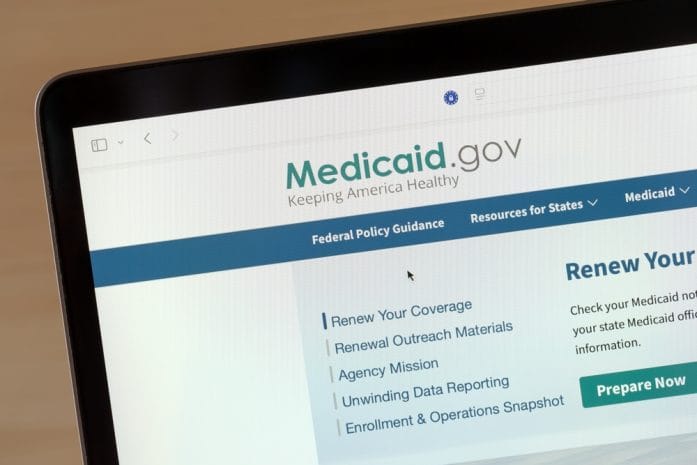
The Medicaid Renewal Countdown: Why Missed Notices Are Leading to Sudden Coverage Loss
Image Source: Shutterstock.com

When Coverage Ends, There Are Still Paths Back

Losing Medicaid coverage doesn’t always mean the end of access. Many people can reapply or submit missing documents to regain coverage, though the process may take time. Some states offer retroactive coverage for recent medical expenses, depending on eligibility rules. Marketplace insurance plans may also provide temporary options, especially for those who no longer qualify for Medicaid.

Community organizations, navigators, and legal aid groups can help people understand their options and complete applications. Acting quickly after a termination can shorten the gap in coverage and reduce financial strain. Even after a missed deadline, taking immediate steps can make a meaningful difference.

The Renewal Countdown Is a Reminder of How Fragile Coverage Can Be

The Medicaid renewal countdown doesn’t just measure time—it reveals how easily coverage can slip away when systems move faster than people’s lives. A missed notice or delayed response shouldn’t carry such heavy consequences, yet it often does in today’s environment. Staying informed and proactive offers the best protection against sudden coverage loss, but the system still demands careful attention.

What steps feel realistic for staying on top of important deadlines like this—and do current systems make it too easy to fall behind?

You May Also Like…

3-State Medicaid Slowdown: Why Louisiana, Arkansas, and Missouri Are Struggling With Renewals

4 Hidden Costs in Zero-Premium Medicare Plans

Why New Renewal Letters Are Cutting Off Coverage for Medicaid Families In Texas

How the “Community Spouse” Can Protect Family Assets When Medicaid Enters the Picture

Retirees Face $172,500 in Healthcare Costs—And Many Haven’t Saved for It

Brandon Marcus
Brandon Marcus

Brandon Marcus is a writer who has been sharing the written word since a very young age. His interests include sports, history, pop culture, and so much more. When he isn’t writing, he spends his time jogging, drinking coffee, or attempting to read a long book he may never complete.

Filed Under: Health & Wellness Tagged With: Budgeting Tips, eligibility rules, financial hardship, government benefits, health insurance, health policy, healthcare access, healthcare costs, insurance deadlines, Medicaid, Medicaid renewal, public assistance

Why New Renewal Letters Are Cutting Off Coverage for Medicaid Families In Texas

April 26, 2026 by Brandon Marcus Leave a Comment

Why New Renewal Letters Are Cutting Off Coverage for Medicaid Families In Texas
Image Source: Shutterstock.com

A plain envelope in the mailbox now carries far more weight than most families realize. Across Texas, Medicaid recipients have started receiving renewal letters that look routine but carry serious consequences. These notices demand quick action, detailed paperwork, and strict deadlines—often without much explanation. Families who miss a step, misunderstand a question, or simply overlook the letter risk losing healthcare coverage almost overnight. The result has been a growing number of eligible Texans suddenly finding themselves uninsured, confused, and scrambling for answers.

The issue has gained urgency as pandemic-era protections expired and states resumed normal eligibility checks. Texas, with one of the largest Medicaid populations in the country, has seen particularly sharp shifts. Renewal letters now act as a gatekeeper, determining who stays covered and who gets dropped.

Why Medicaid Renewal Letters Are Suddenly So Critical

Medicaid renewal letters have always existed, but recent policy changes have turned them into a high-stakes checkpoint for families. During the COVID-19 pandemic, federal rules required states to keep Medicaid recipients continuously enrolled, even if their circumstances changed. That protection ended in 2023, triggering what experts call the “unwinding” process. Texas resumed eligibility reviews for millions of residents, and renewal letters became the primary tool for verifying who still qualifies. This shift dramatically increased the volume and importance of these notices, making them far more than routine paperwork.

The problem lies in how quickly and strictly the system now operates. Families typically receive a limited window—often 30 days—to respond with updated income, household, or employment details. Missing that deadline, even by a few days, can result in automatic termination of benefits. Many households never even see the letter due to outdated addresses or mailing delays. Others receive it but struggle to interpret the dense language and requirements. This combination has led to a surge in coverage losses that often have little to do with actual eligibility.

Common Reasons Families Are Losing Coverage

One of the biggest drivers of Medicaid coverage loss in Texas involves simple administrative errors rather than ineligibility. Families often fail to return forms on time because they never received the letter or didn’t realize its urgency. Others submit incomplete information, which leads to automatic denial. Even small mistakes—like missing a signature or forgetting a document—can derail the entire renewal process. These procedural hurdles create a system where eligible families still lose coverage due to technicalities.

Another major factor involves outdated contact information. Many Medicaid recipients move frequently or change phone numbers, especially in lower-income communities. If the state cannot reach them, renewal notices go unanswered, and coverage ends by default. Language barriers and limited internet access also play a role, making it harder for some families to complete online renewals or understand instructions. The result feels less like a fair eligibility check and more like a bureaucratic obstacle course.

How Texas Stands Out in the Medicaid Unwinding Process

Texas has taken a particularly aggressive approach to reviewing Medicaid eligibility compared to some other states. Reports have shown that Texas processes renewals quickly, sometimes prioritizing speed over thorough communication. This has led to higher rates of procedural disenrollment—where people lose coverage not because they no longer qualify, but because they didn’t complete the process correctly. In practical terms, that means many families who should still receive benefits end up uninsured.

The state also relies heavily on mailed notices, despite the growing preference for digital communication. While online portals exist, not all families use them regularly, and many still depend on physical mail. Advocacy groups have raised concerns that this approach doesn’t reflect how people actually manage their daily lives. Without consistent follow-up through phone calls, texts, or emails, important notices slip through the cracks. This gap between policy and real-world behavior continues to drive coverage losses.

Real-Life Impact on Families and Healthcare Access

When Medicaid coverage disappears, the consequences hit immediately and often harshly. Parents may delay doctor visits for their children, skip prescriptions, or avoid emergency care due to cost concerns. Chronic conditions like asthma, diabetes, and hypertension can quickly worsen without regular treatment. For many families, Medicaid serves as the only affordable healthcare option, so losing it creates a domino effect on overall well-being. The financial strain adds another layer of stress, especially for households already managing tight budgets.

Healthcare providers also feel the ripple effects. Clinics and hospitals see an increase in uninsured patients, which strains resources and raises costs across the system. Families who lose coverage may eventually reapply, creating additional administrative work and delays. This cycle of losing and regaining coverage disrupts continuity of care, making it harder to maintain consistent treatment plans. In the long run, these disruptions can lead to more serious health issues and higher healthcare costs for everyone involved.

Why New Renewal Letters Are Cutting Off Coverage for Medicaid Families In Texas
Image Source: Shutterstock.com

What Families Can Do to Protect Their Coverage

Staying covered under Medicaid in Texas now requires a proactive approach. Families should regularly update their contact information with the state, including mailing address, phone number, and email. Checking the mailbox frequently and opening every official-looking letter can prevent missed deadlines. Setting reminders for renewal dates and responding immediately to any requests for information can make a significant difference. Even if the process feels tedious, timely action often determines whether coverage continues.

Seeking help can also improve the chances of a successful renewal. Community organizations, local health clinics, and nonprofit groups often provide free assistance with Medicaid applications and renewals. These resources can help families understand requirements, gather documents, and avoid common mistakes. Taking advantage of these services can turn a confusing process into a manageable one. With the right steps, families can reduce the risk of losing coverage due to preventable errors.

Behind Medicaid Coverage Losses

The surge in Medicaid coverage losses in Texas reflects more than just policy changes—it highlights how administrative systems can impact real lives. Renewal letters, while necessary, have become a critical point of failure for many families. A process designed to verify eligibility now often acts as a barrier to maintaining essential healthcare. As discussions continue about improving the system, one thing remains clear: communication and accessibility play a major role in whether families stay insured.

Families who stay informed and act quickly stand the best chance of keeping their benefits. Small steps—like updating contact details or responding promptly—can prevent major disruptions. At the same time, broader improvements in how states handle renewals could reduce unnecessary coverage losses. Until then, awareness remains the strongest tool families have.

What changes would make this process easier and fairer for everyone, including your family? Let’s hear your thoughts below in our comments section.

You May Also Like…

Medicaid Estate Recovery Allows States to Recoup Long-Term Care Costs From Estates

How the “Community Spouse” Can Protect Family Assets When Medicaid Enters the Picture

9 Reasons You Can’t Qualify For Medicaid

4 Hidden Costs in Zero-Premium Medicare Plans

Texas Property Tax Relief Is Being Offset by Rapidly Rising Appraisals

Brandon Marcus
Brandon Marcus

Brandon Marcus is a writer who has been sharing the written word since a very young age. His interests include sports, history, pop culture, and so much more. When he isn’t writing, he spends his time jogging, drinking coffee, or attempting to read a long book he may never complete.

Filed Under: Lifestyle Tagged With: family finances, health insurance, healthcare coverage, Medicaid pause, Medicaid renewal, policy changes, Texas Medicaid

Follow Us

Search this site:

Recent Posts

  • Can My Savings Account Affect My Financial Aid? by Tamila McDonald
  • 12 Ways Gen X’s Views Clash with Millennials… by Tamila McDonald
  • What Advantages and Disadvantages Are There To… by Jacob Sensiba
  • 10 Tactics for Building an Emergency Fund from Scratch by Vanessa Bermudez
  • Call 911: Go To the Emergency Room Immediately If… by Stephen Kanaval
  • 7 Weird Things You Can Sell Online by Tamila McDonald
  • 10 Scary Facts About DriveTime by Tamila McDonald

Copyright © 2026 · News Pro Theme on Genesis Framework