• Home
  • About Us
  • Toolkit
  • Getting Finances Done
    • Hiring Advisors
    • Debt Management
    • Spending Plan
  • Insurance
    • Life Insurance
    • Health Insurance
    • Disability Insurance
    • Homeowners/Renters Insurance
  • Contact Us
  • Privacy Policy
  • Risk Tolerance Quiz

The Free Financial Advisor

You are here: Home / Archives for family finance

What Happens When Your Digital Assets Are Not Included in Estate Planning?

August 16, 2025 by Travis Campbell Leave a Comment

digital assets

Image source: pexels.com

Estate planning is no longer just about bank accounts, real estate, and family heirlooms. Today, many of us have digital assets—everything from social media accounts and email to cryptocurrency and cloud storage. If you don’t include these in your estate planning, your loved ones may face confusion, legal challenges, or even permanent loss of valuable information. The consequences can be both emotional and financial, leaving family members scrambling for access or missing out on assets entirely. Understanding what could go wrong when your digital assets are overlooked is key to protecting your legacy and easing the burden on those you care about.

This article will break down the risks and complications that arise when your digital assets are not included in your estate planning. By knowing what’s at stake, you can take steps to ensure your digital life is handled according to your wishes.

1. Assets May Become Inaccessible or Lost

When digital assets are not included in estate planning, your heirs may not know what exists or how to find them. Passwords, encryption, and two-factor authentication can lock out even the most determined family members. Whether it’s cryptocurrency, online investments, or important documents stored in the cloud, these assets may remain hidden or lost forever.

For example, if you hold digital currencies in a private wallet and no one knows the credentials, the funds are likely gone for good. Similarly, photos, videos, or personal writings stored online can disappear, erasing memories and sentimental value. Including digital assets in your estate planning helps ensure your loved ones can access what matters most.

2. Legal Complications and Delays

Ignoring digital assets in estate planning can trigger legal problems. Many online platforms have strict privacy policies and terms of service that prevent anyone—even heirs or executors—from accessing an account without legal authority. This can lead to lengthy court battles, additional expenses, and months of frustration.

Your executor may need court orders or special documentation to prove their right to access your digital assets. This process is often slow and unpredictable, especially if you haven’t left clear instructions. By including digital assets in your estate planning, you reduce legal hurdles and make the transition smoother for your loved ones.

3. Loss of Financial Value

Some digital assets hold real financial value, such as online business accounts, domain names, or digital wallets. If your estate planning skips these, your heirs might never know they exist or how to claim them. Unclaimed assets can revert to companies, become dormant, or be lost due to inactivity.

For freelance workers or business owners, digital assets can be a significant part of your net worth. Failing to address them in your estate planning could mean lost revenue, missed business opportunities, or the end of a profitable venture. Proper documentation and instructions can help your heirs recover and benefit from these assets.

4. Identity Theft and Privacy Risks

When digital assets are not included in estate planning, abandoned accounts can become targets for hackers and identity thieves. Social media, email, and financial accounts left unattended may be exploited, putting your family at risk of fraud or privacy breaches.

Even after death, your digital footprint can be misused. Proactive estate planning allows your executor to close or memorialize accounts, reducing the risk of identity theft and protecting your personal information.

5. Emotional Stress for Loved Ones

Losing a loved one is hard enough without the added frustration of navigating digital mysteries. When digital assets are not included in estate planning, family members may spend countless hours searching for passwords, contacting companies, or dealing with unresponsive customer service.

This stress can compound grief, especially if sentimental digital items—like family photos or personal messages—are lost. Clear instructions and a comprehensive list of digital assets in your estate planning can spare your family unnecessary heartache and confusion.

6. Unintended Outcomes for Digital Legacies

Your digital assets are part of your legacy. If you don’t specify what should happen to them, companies may delete or freeze your accounts based on their policies. This can mean losing years of work, memories, or even your online persona.

Some platforms allow you to set legacy contacts or provide posthumous instructions, but these require proactive planning. Failing to address your digital assets in estate planning leaves your legacy up to chance and corporate policy.

Taking Control of Your Digital Assets in Estate Planning

It’s clear: overlooking digital assets in estate planning can lead to lost value, legal headaches, and added stress for your family. By clearly identifying your digital assets, storing access information securely, and documenting your wishes, you give your loved ones the tools they need to manage your digital life responsibly. Don’t let your online presence become a burden or a mystery—take steps to include digital assets in your estate planning today.

Have you thought about how your digital assets will be handled? What steps have you taken to include them in your estate planning? Share your experience or questions below!

Read More

What Happens If No One Claims Your Digital Assets After Death?

The Financial Consequences of Leaving a Digitally Unprotected Estate

Travis Campbell
Travis Campbell

Travis Campbell is a digital marketer/developer with over 10 years of experience and a writer for over 6 years. He holds a degree in E-commerce and likes to share life advice he’s learned over the years. Travis loves spending time on the golf course or at the gym when he’s not working.

Filed Under: Estate Planning Tagged With: digital assets, Digital Security, Estate planning, family finance, Inheritance, Legacy Planning

Forgetting to Update What? Documents That Break Estate Distribution

August 14, 2025 by Travis Campbell Leave a Comment

documents

Image source: pexels.com

When you think about estate planning, you probably picture a will, maybe a trust, and a few meetings with a lawyer. But there’s a hidden risk that trips up even the most careful planners: forgetting to update important documents. Life changes fast. People get married, divorced, have kids, or lose loved ones. If your paperwork doesn’t keep up, your estate distribution can go sideways. The wrong person could get your money, your kids could end up with the wrong guardian, or your family could face a legal mess. It’s not just about having documents—it’s about keeping them current. Here are the documents that, if left outdated, can break your estate distribution, and what you should do about it.

1. Beneficiary Designations

Beneficiary designations on retirement accounts, life insurance, and annuities override your will. If you forget to update these after a major life event, your assets could go to an ex-spouse or someone you no longer want to benefit. For example, if you remarry but never change your 401(k) beneficiary, your ex could get the money. This happens more often than you think. Always review and update these forms after marriage, divorce, births, or deaths. Don’t assume your will covers everything—it doesn’t. Check with your HR department or financial institution to see who’s listed. It’s a quick fix that can save your family a lot of trouble.

2. Your Will

A will is the backbone of estate distribution, but it’s not a “set it and forget it” document. If you wrote your will years ago, it might not reflect your current wishes. Maybe you’ve had more children, lost a loved one, or changed your mind about who should get what. An outdated will can cause confusion, disputes, or even lawsuits. Review your will every few years or after any big life change. Make sure it names the right executor, lists all your children, and matches your current assets. If you move to a new state, check if your will still meets local laws. A little attention now can prevent big headaches later.

3. Power of Attorney

A power of attorney lets someone act for you if you can’t make decisions. But if you forget to update it, the wrong person could end up in charge. Maybe you named a friend years ago, but now you’d rather have your spouse or adult child handle things. Or maybe your chosen agent has moved away or passed on. An outdated power of attorney can stall important decisions about your health or finances. Review this document regularly. Make sure your agent is still the best choice and willing to serve. Update it if your relationships or circumstances change.

4. Health Care Directives

Health care directives, like a living will or health care proxy, spell out your wishes if you can’t speak for yourself. But if you don’t update them, your care might not match your current values or relationships. Maybe you’ve changed your mind about life support, or you want a different person to make medical decisions. If your old directive lists someone you’re no longer close to, that person could end up making choices you wouldn’t want. Review your health care directives every few years. Talk to your family about your wishes and make sure your documents reflect them.

5. Trust Documents

Trusts are powerful tools for estate distribution, but they only work if they’re up to date. If you set up a trust years ago and never look at it again, you might have the wrong beneficiaries, outdated instructions, or assets that aren’t even in the trust. This can lead to assets going through probate or not being distributed as you intended. Review your trust documents with your attorney every few years. Make sure all your assets are properly titled in the trust and that your instructions still make sense. If you buy a new property or open new accounts, update your trust to include them.

6. Guardianship Designations

If you have minor children, your will should name a guardian. But if you forget to update this after a divorce, remarriage, or falling out with a friend, your kids could end up with someone you wouldn’t choose today. Courts look to your will for guidance, but if it’s outdated, they might have to guess your wishes. Review your guardianship choices regularly. Talk to the people you name to make sure they’re still willing and able to serve. Update your will if your family situation changes.

7. Payable-on-Death (POD) and Transfer-on-Death (TOD) Accounts

Bank accounts, brokerage accounts, and even some real estate can have POD or TOD designations. These let you name who gets the asset when you die, bypassing probate. But if you forget to update these, the wrong person could inherit your money. Perhaps you opened an account before getting married or having kids. Check your account paperwork and update your designations as needed. It’s a simple step that keeps your estate distribution on track.

8. Digital Assets and Online Accounts

More of your life is online now—photos, emails, social media, and even cryptocurrency. If you don’t update your digital asset instructions, your heirs might not get access. Or worse, your accounts could be lost forever. Make a list of your important online accounts and passwords. Decide who should have access and update your estate plan to include these instructions. Some platforms let you name a legacy contact or beneficiary. Take advantage of these features to make sure your digital life is handled the way you want.

9. Letters of Instruction

A letter of instruction isn’t a legal document, but it’s still important. It tells your family where to find things, how to handle certain assets, or what your personal wishes are. If you never update it, your family could be left guessing. Maybe you’ve changed banks, bought new insurance, or want a different kind of funeral. Review your letter of instruction every year. Keep it with your other estate documents and let your family know where to find it.

10. Life Insurance Policies

Life insurance is a key part of estate distribution, but only if the right people are named as beneficiaries. If you forget to update your policy after a divorce, remarriage, or birth of a child, your money could go to the wrong person. Insurance companies pay out based on the last beneficiary form they have, not your will. Review your policies every year and after any big life event. Make sure your beneficiaries are current and reflect your wishes.

Keep Your Estate Distribution on Track

Estate distribution isn’t just about having documents—it’s about keeping them up to date. Life changes, and your paperwork needs to keep up. Outdated documents can break your estate plan, cause family fights, or send your assets to the wrong people. Review your documents every year and after any major life event. Talk to your family and your advisors. Staying on top of your paperwork is the best way to make sure your wishes are honored and your loved ones are protected.

Have you ever found an outdated document that could have caused problems? Share your story or tips in the comments below.

Read More

7 Bank Practices That Drop Accounts When You Mention “Estate”

8 Trust Phrases That Backfire and Undermine Your Estate Plan

Travis Campbell
Travis Campbell

Travis Campbell is a digital marketer/developer with over 10 years of experience and a writer for over 6 years. He holds a degree in E-commerce and likes to share life advice he’s learned over the years. Travis loves spending time on the golf course or at the gym when he’s not working.

Filed Under: Estate Planning Tagged With: beneficiary designations, Estate planning, family finance, legal documents, life insurance, Planning, power of attorney, retirement accounts, trusts, wills

10 Trust Structures That Collapsed When Beneficiaries Quarreled

August 12, 2025 by Catherine Reed Leave a Comment

10 Trust Structures That Collapsed When Beneficiaries Quarreled

Image source: 123rf.com

Trusts are often created to protect family wealth, provide stability, and prevent disputes. Unfortunately, when emotions run high and communication breaks down, even the most carefully designed arrangements can fall apart. Some families discover too late that unclear provisions, poor planning, or unequal treatment of heirs can turn a trust into a battleground. These conflicts can drain resources, damage relationships, and sometimes destroy the trust entirely. Here are ten examples of trust structures that collapsed when beneficiaries quarreled — and the lessons they leave behind.

1. Equal Distribution Trusts with Unequal Expectations

On paper, splitting assets equally sounds fair, but in reality, it can spark resentment if beneficiaries believe their contributions or needs differ. In one case, siblings expected the trust to account for years of caregiving one provided for a parent. The lack of adjustments led to accusations of favoritism and stalled distributions. The dispute became so bitter that legal fees ate up a large share of the trust’s value. Equal doesn’t always feel fair, making this one of the most common trust structures that collapsed when beneficiaries quarreled.

2. Income-Only Trusts During Economic Downturns

Some trusts are set up to distribute only income generated from investments, leaving the principal untouched. When the economy slumps and returns drop, beneficiaries may push for changes. Disagreements over whether to dip into the principal can pit cautious heirs against those in financial need. Trustees caught in the middle may resign or face lawsuits. Without flexibility in the document, these trusts can quickly crumble under pressure.

3. Co-Trustee Arrangements Without a Tie-Breaker

Co-trustees can work well when there’s mutual respect, but when personalities clash, decision-making can grind to a halt. In one example, two siblings serving as co-trustees disagreed on nearly every investment decision. Without a tie-breaker provision, the trust’s operations stalled, bills went unpaid, and beneficiaries suffered. Court intervention became the only option, costing time and money. A clear process for resolving deadlocks is essential to avoid this outcome.

4. Discretionary Trusts with Vague Guidelines

A discretionary trust gives the trustee broad authority to decide when and how beneficiaries receive funds. While this can be helpful, vague terms can create suspicion and accusations of favoritism. In one family, the trustee gave larger distributions to certain heirs without explaining why. The lack of transparency fueled distrust and led to costly litigation. Clear criteria for discretionary payouts could have prevented the collapse.

5. Real Estate Holding Trusts Without Exit Strategies

Trusts that hold family properties can become flashpoints for disputes, especially when beneficiaries disagree on whether to keep or sell. In one case, some heirs wanted to preserve a vacation home, while others pushed for liquidation to get cash. The stalemate lasted years, during which maintenance costs drained the trust. Eventually, the property was sold under court order at a loss. Without a plan for disagreements, real estate can tear a trust apart.

6. Generation-Skipping Trusts Ignoring Current Needs

Generation-skipping trusts are designed to preserve wealth for grandchildren or beyond, often limiting what the current generation can access. When immediate heirs face financial struggles, frustration builds. In one instance, adult children fought to amend the trust so they could access more funds, clashing with those committed to the long-term vision. Legal challenges weakened the trust and eroded assets. Balancing future planning with present realities is crucial.

7. Unequal Beneficiary Shares Without Explanation

Giving beneficiaries different-sized shares can make sense for specific family situations, but without explanation, it often breeds resentment. One trust allocated significantly more to one sibling, leading others to suspect hidden motives. The resulting legal battle not only delayed distributions but also permanently fractured family bonds. In the end, legal fees consumed much of the difference in the intended shares. Transparent reasoning can prevent such disputes.

8. Business-Ownership Trusts with Conflicting Visions

When a trust holds shares in a family business, disagreements over management can get personal fast. One family split between continuing the founder’s vision and modernizing operations, leading to months of deadlock. The inability to agree on strategy caused the business to lose market share, reducing the trust’s income. Eventually, the business was sold under unfavorable terms. Business assets require clear governance rules in trust documents.

9. Special Needs Trusts Mismanaged by Siblings

Special needs trusts are meant to protect vulnerable beneficiaries, but they can fail if trustees don’t understand legal and financial responsibilities. In one family, a sibling trustee used funds for unauthorized expenses, triggering disputes with other heirs. The resulting investigation drained trust assets and disrupted care for the special needs beneficiary. Clear rules, professional oversight, and accountability measures are critical for these trusts.

10. Charitable Remainder Trusts with Disputed Donations

Charitable remainder trusts can spark conflict when beneficiaries disagree on which charities should benefit. In one example, heirs fought over whether to honor the original plan or redirect funds to causes they preferred. The dispute stalled distributions and created bad publicity for the family. Eventually, the court stepped in, but not before significant legal costs reduced the charitable gift. Detailed charitable instructions could have avoided the fight.

Planning to Prevent Trust Breakdown

The reality is that even well-intentioned planning can unravel if trust terms aren’t clear and disputes aren’t anticipated. The collapse of these trust structures that collapsed when beneficiaries quarreled shows the importance of transparency, flexibility, and conflict-resolution mechanisms. Families that invest in clear communication and legal precision stand the best chance of keeping both their assets and relationships intact. A trust’s true strength lies in its ability to survive both market pressures and human emotions.

Have you seen a family trust break down due to disagreements? Share your experiences in the comments — your perspective could help others avoid the same fate.

Read More:

8 Trusts That Sound Safer Than They Really Are

9 Estate Planning Moves That End Up in Heated Probate Cases

Catherine Reed
Catherine Reed

Catherine is a tech-savvy writer who has focused on the personal finance space for more than eight years. She has a Bachelor’s in Information Technology and enjoys showcasing how tech can simplify everyday personal finance tasks like budgeting, spending tracking, and planning for the future. Additionally, she’s explored the ins and outs of the world of side hustles and loves to share what she’s learned along the way. When she’s not working, you can find her relaxing at home in the Pacific Northwest with her two cats or enjoying a cup of coffee at her neighborhood cafe.

Filed Under: Estate Planning Tagged With: beneficiary conflicts, Estate planning, family finance, inheritance planning, trust disputes, trust management

Why Are So Many Boomers Dying Millionaires and Leaving No Will?

August 12, 2025 by Catherine Reed Leave a Comment

Why Are So Many Boomers Dying Millionaires and Leaving No Will?

Image source: 123rf.com

Baby boomers, the generation born between 1946 and 1964, hold more wealth than any other living group in history. Many of them have built fortunes through decades of real estate growth, long-term investing, and rising salaries in the prime years of their careers. Yet despite dying with impressive net worths, an alarming number are leaving no legal will behind. This lack of planning often leads to messy probate battles, delayed inheritances, and unnecessary tax burdens for grieving families. Understanding why are so many boomers dying millionaires and leaving no will can help younger generations avoid making the same costly mistake.

1. Overconfidence in Family Harmony

Many boomers believe their families will simply “figure it out” after they pass. They assume that because they have close relationships now, disagreements over money won’t happen. Unfortunately, grief often changes dynamics, and even small misunderstandings can spiral into legal disputes. Without a will, state laws decide how assets are distributed, which might not match the deceased’s wishes. This misplaced confidence is a major reason why are so many boomers dying millionaires and leaving no will.

2. Procrastination and Avoidance

Talking about death is uncomfortable, so many people delay creating a will until “later” — a time that often never comes. Some think they’ll get around to it when they’re older, only to face sudden illness or unexpected death. Others feel overwhelmed by the process and keep putting it off. In the meantime, their wealth continues to grow, making the stakes even higher if they die without a plan. Procrastination remains one of the most common and dangerous habits among wealthy boomers.

3. Misunderstanding Estate Laws

A surprising number of boomers believe that if they have a spouse or adult children, their estate will automatically be distributed fairly. In reality, intestacy laws vary by state and may split assets in unexpected ways. Without a will, blended families, stepchildren, or estranged relatives may end up with shares the deceased never intended. This can also complicate ownership of property or business assets. Misunderstanding how inheritance laws work is a key factor in why are so many boomers dying millionaires and leaving no will.

4. Trusting Informal Agreements

Some boomers rely on handwritten notes, verbal promises, or “understandings” among family members instead of formal documents. While these arrangements might feel personal and binding, they often carry no legal weight in court. Without a will, the state has no obligation to honor personal promises, no matter how heartfelt. This can result in family heirlooms, investments, or real estate going to unintended recipients. Informal agreements may provide comfort in life but create chaos after death.

5. Belief That Trusts Replace Wills Entirely

While trusts can be powerful estate planning tools, they do not always eliminate the need for a will. If certain assets aren’t placed into the trust, they may still go through probate without proper instructions. Boomers who rely solely on a trust without a corresponding will risk leaving part of their estate unmanaged. A will can also name guardians for dependents and address other issues a trust might not cover. Confusion about the difference between the two is another reason why are so many boomers dying millionaires and leaving no will.

6. Fear of Legal Costs

Estate planning can seem expensive, and some boomers believe they can save money by skipping the process. Ironically, dying without a will can cost heirs far more in court fees, legal battles, and taxes. The initial expense of creating a will is small compared to the financial and emotional cost of probate disputes. Many fail to see this until it’s too late. Avoiding short-term legal costs often results in long-term financial loss for the family.

7. Complex Family Situations

Boomers with blended families, multiple marriages, or estranged relatives sometimes avoid creating a will to sidestep tough decisions. They fear upsetting certain family members or sparking tension while they’re alive. Unfortunately, leaving no instructions can lead to even greater conflict after death. Without clear guidance, the courts make decisions that rarely satisfy everyone involved. Complex family dynamics require more planning, not less, making this a troubling reason why are so many boomers dying millionaires and leaving no will.

8. Belief They Have “Plenty of Time”

Wealth often comes with the assumption of stability, and many boomers feel they have years to sort out their affairs. Sudden illnesses, accidents, or rapid declines in health can upend these expectations. Waiting until the “right time” can mean never completing the process. Life’s unpredictability makes early estate planning essential, especially for those with significant assets. The belief in abundant time is one of the most preventable reasons behind this growing problem.

Taking Control of Your Legacy Now

The reality behind why are so many boomers dying millionaires and leaving no will is often a combination of avoidance, misunderstanding, and misplaced trust in informal arrangements. Estate planning is not just about protecting money — it’s about protecting relationships, ensuring wishes are honored, and reducing stress for loved ones. Whether your assets are modest or massive, the peace of mind that comes from having a will is worth the effort. Starting the conversation now can safeguard your legacy and spare your family from unnecessary hardship.

Have you talked with your loved ones about creating a will? Share your thoughts in the comments — your experience might encourage someone to take action today.

Read More:

8 Beneficiary Rules That Favor Banks Over Living Partners

9 Beneficiaries Who Lost Everything Because of One Signature Error

Catherine Reed
Catherine Reed

Catherine is a tech-savvy writer who has focused on the personal finance space for more than eight years. She has a Bachelor’s in Information Technology and enjoys showcasing how tech can simplify everyday personal finance tasks like budgeting, spending tracking, and planning for the future. Additionally, she’s explored the ins and outs of the world of side hustles and loves to share what she’s learned along the way. When she’s not working, you can find her relaxing at home in the Pacific Northwest with her two cats or enjoying a cup of coffee at her neighborhood cafe.

Filed Under: Estate Planning Tagged With: baby boomers, Estate planning, family finance, inheritance planning, legacy protection, wills and probate

6 “Legacy Loans” Families Regret Granting in Trust Documents

August 12, 2025 by Catherine Reed Leave a Comment

6 “Legacy Loans” Families Regret Granting in Trust Documents

Image source: 123rf.com

Trust documents are often designed with good intentions, aiming to provide long-term support for loved ones while preserving family wealth. However, certain provisions — particularly legacy loans — can create more problems than they solve. These loans, written into a trust to allow beneficiaries to borrow from the estate, often sound fair and flexible on paper. In reality, they can spark conflict, strain relationships, and drain assets faster than expected. Here are six types of legacy loans families regret granting in trust documents and why they often backfire.

1. Interest-Free Loans Without Repayment Timelines

One common mistake is allowing beneficiaries to borrow without interest and without clear deadlines for repayment. While this can feel generous, it often leads to situations where the loan is treated more like a gift. Over time, the trust’s assets shrink while the unpaid loan sits on the books indefinitely. Other beneficiaries may feel resentful, especially if they never received similar access to funds. Setting clear repayment terms and consequences is crucial to avoiding this type of regret in legacy loans families regret granting in trust documents.

2. Loans for “Business Ventures” with No Oversight

Trustees may approve loans for beneficiaries who want to start or expand a business, but without oversight, these funds can disappear quickly. Without clear guidelines or progress checks, risky or poorly planned ventures can fail, leaving the trust depleted. Family tensions rise when other beneficiaries see funds being used irresponsibly. Worse, the trust may never recover the money if the business collapses. Adding business plans, milestones, and accountability measures to trust documents can prevent this kind of costly mistake.

3. Loans Tied to Real Estate Purchases Without Exit Strategies

Using trust funds to help a beneficiary buy a home can seem like a stable, long-term investment. However, if the loan terms don’t include what happens when the beneficiary sells, defaults, or moves, the trust could lose significant value. Disputes can also arise if property values drop or upkeep costs eat into the trust’s resources. These loans can tie up large sums for decades with little return. Real estate loans in trusts should always have well-defined repayment and exit strategies.

4. Educational Loans Without Performance Requirements

Paying for education is a popular use of trust funds, but problems arise when there’s no requirement for academic progress or completion. Beneficiaries may enroll in programs without clear goals, drop out, or switch fields repeatedly, burning through funds without earning a degree or credential. This can frustrate both trustees and other family members who see the trust’s assets dwindling. Education loans should have benchmarks like maintaining grades or completing programs within a set timeframe. Without these safeguards, they often become another example of legacy loans families regret granting in trust documents.

5. Loans to Cover Personal Debt Without Financial Counseling

Some trusts allow beneficiaries to borrow funds to pay off credit cards, medical bills, or other personal debts. While this can provide temporary relief, it rarely addresses the underlying spending habits or financial mismanagement that caused the debt. Without mandatory financial counseling, the cycle often repeats, leading to repeated withdrawals from the trust. This not only drains resources but can also create ongoing dependency. A better approach is pairing debt repayment loans with education and budgeting support.

6. “Emergency Loans” with Vague Definitions

Many trust documents include clauses for emergency loans, but when “emergency” is not clearly defined, the term can be stretched to fit almost any request. Trustees can feel pressured to approve funds for situations that aren’t truly urgent, leading to uneven treatment of beneficiaries. This ambiguity often causes disagreements among family members and can undermine the trust’s long-term goals. Over time, these loosely defined loans erode both the estate and family relationships. Clear criteria for emergencies can help avoid misuse.

Building Smarter Trust Provisions

Legacy loans can be a helpful tool when used thoughtfully, but poorly structured ones can create lasting problems. By clearly defining terms, requiring accountability, and balancing generosity with safeguards, families can avoid the pitfalls of legacy loans families regret granting in trust documents. Thoughtful planning not only protects the trust’s assets but also preserves family harmony for generations to come. The key is combining flexibility with structure so that loans serve their intended purpose without undermining the trust’s stability.

Have you ever seen a trust loan create more problems than it solved? Share your experiences in the comments — your insight could help another family avoid costly mistakes.

Read More:

8 Trust Phrases That Backfire and Undermine Your Estate Plan

Why More Heirs Are Suing Over “Surprise” Trusts in 2025

Catherine Reed
Catherine Reed

Catherine is a tech-savvy writer who has focused on the personal finance space for more than eight years. She has a Bachelor’s in Information Technology and enjoys showcasing how tech can simplify everyday personal finance tasks like budgeting, spending tracking, and planning for the future. Additionally, she’s explored the ins and outs of the world of side hustles and loves to share what she’s learned along the way. When she’s not working, you can find her relaxing at home in the Pacific Northwest with her two cats or enjoying a cup of coffee at her neighborhood cafe.

Filed Under: Estate Planning Tagged With: beneficiary disputes, Estate planning, family finance, inheritance planning, legacy loans, trust management

8 Transfer Conditions That Delay Heirs From Receiving Assets

August 11, 2025 by Travis Campbell Leave a Comment

gold

Image source: pexels.com

When someone passes away, most people expect their assets to move quickly to their heirs. But that’s not always what happens. Many families find themselves waiting months—or even years—before they see a single dollar. Why? Because certain transfer conditions can slow everything down. If you’re planning your estate or expect to inherit, it’s important to know what can cause these delays. Understanding these issues can help you avoid surprises and make better decisions for your family.

Some delays are easy to fix with a little planning. Others are built into the legal system and can’t be avoided. Either way, knowing what to expect can save you time, money, and stress. Here are eight common transfer conditions that can keep heirs from getting assets right away.

1. Probate Court Proceedings

Probate is the legal process that validates a will and oversees the distribution of assets. It sounds simple, but it can take months or even years. The court reviews the will, pays off debts, and makes sure everything is done by the book. If there’s no will, the process can take even longer. Probate is public, so anyone can see what’s happening. This can lead to disputes or claims from people who think they deserve a share. If you want to avoid probate, consider using trusts or naming beneficiaries on accounts.

2. Missing or Outdated Beneficiary Designations

Many assets, like life insurance or retirement accounts, transfer directly to named beneficiaries. But if the beneficiary form is missing, outdated, or unclear, the asset might end up in probate. This can cause big delays. For example, if someone forgets to update their beneficiary after a divorce, the wrong person could inherit. Always check your beneficiary forms and update them after major life events. It’s a simple step that can save your heirs a lot of trouble.

3. Unresolved Debts and Taxes

Before heirs get anything, debts and taxes must be paid. This includes credit card bills, medical expenses, and final income taxes. Sometimes, the estate owes estate taxes, which can be complicated to calculate. If the estate doesn’t have enough cash, assets might need to be sold. This process can drag on, especially if there are disputes about what’s owed. Heirs should be ready for possible delays if the deceased had significant debts or a complex tax situation.

4. Disputes Among Heirs

Family disagreements can slow everything down. If heirs argue over who gets what, the process can grind to a halt. Sometimes, people contest the will, claiming it’s invalid or that someone influenced the deceased. These disputes can take years to resolve in court. Even small disagreements can cause big delays. Open communication and clear estate planning can help prevent these problems, but sometimes, conflict is unavoidable.

5. Assets Located in Multiple States or Countries

If the deceased owned property in different states or countries, each location may require its own legal process. This is called “ancillary probate.” Each state or country has its own rules, paperwork, and timelines. This can add months or even years to the process. If you own property in more than one place, consider using a trust or other tools to simplify things for your heirs.

6. Assets Held in Trusts with Special Conditions

Trusts can help avoid probate, but they can also cause delays if they have special conditions. For example, a trust might say that heirs only get their share when they reach a certain age or finish college. Or the trust might require the trustee to make certain decisions before distributing assets. These conditions can slow things down, especially if the trustee is slow to act or if the terms are unclear. If you’re setting up a trust, make sure the instructions are clear and realistic.

7. Missing or Hard-to-Find Assets

Sometimes, heirs don’t even know what assets exist. If the deceased didn’t keep good records, it can take months to track down bank accounts, investments, or property. Heirs might need to search through old paperwork, contact banks, or hire professionals to help. This detective work can be time-consuming and frustrating. Keeping an updated list of assets and account information can make things much easier for your heirs.

8. Legal or Government Restrictions

Certain assets come with legal strings attached. For example, some retirement accounts have rules about when and how heirs can withdraw money. Real estate might have liens or zoning issues that need to be resolved. If the deceased was involved in a lawsuit, the assets might be tied up until the case is settled. Government benefits, like Social Security, also have their own rules for survivors. These restrictions can add unexpected delays.

Planning Ahead Means Fewer Surprises

Delays in transferring assets can be frustrating, but most of them can be managed or avoided with good planning. Review your estate plan regularly. Keep your documents up to date. Talk to your family about your wishes. And if you’re an heir, be patient and ask questions if you don’t understand what’s happening. The more you know about these transfer conditions, the better prepared you’ll be.

Have you experienced delays in receiving an inheritance? What helped you get through it? Share your story in the comments.

Read More

What Trusts Experts Say Should Never Share Digital Assets

Why Some Trusts Distribute Assets Automatically—And That’s a Problem

Travis Campbell
Travis Campbell

Travis Campbell is a digital marketer/developer with over 10 years of experience and a writer for over 6 years. He holds a degree in E-commerce and likes to share life advice he’s learned over the years. Travis loves spending time on the golf course or at the gym when he’s not working.

Filed Under: Estate Planning Tagged With: asset transfer, beneficiary, Estate planning, family finance, Inheritance, probate, trusts, wills

7 Siblings Who Lost Inheritance Over a $1 Title Error

August 11, 2025 by Catherine Reed Leave a Comment

7 Siblings Who Lost Inheritance Over a $1 Title Error

Image source: 123rf.com

Imagine watching your family’s legacy vanish over a mistake worth just one dollar. That’s exactly what happened to seven siblings who lost their rightful inheritance due to a simple title error that went unnoticed for years. In estate planning, even the smallest details—like a mistyped value, a missing signature, or a misunderstood form—can cause massive legal problems. When a property title doesn’t match what the law requires, it can derail a will, override intentions, and ultimately leave heirs empty-handed. Here’s how a $1 title error turned into a life-changing loss, and what you can learn from it to protect your own family’s future.

1. A Clerical Mistake with Big Consequences

The entire ordeal started with a small clerical mistake: a $1 difference listed on the property title transfer form. Instead of showing the correct value as part of an estate gift, the title reflected a nominal fee—standard in some legal filings but problematic when not properly explained. This caused confusion about the nature of the transfer, raising red flags during probate. Because the wording suggested it was a sale, not a gift, it opened the door for others to contest the ownership. The siblings’ claim to the property quickly came under legal fire.

2. Probate Court Didn’t Accept the Title

When the estate went through probate, the court rejected the title because it didn’t match the will’s instructions. Judges rely heavily on clear, legal documents that align with one another, and any discrepancy—no matter how small—can stall the entire process. In this case, the $1 title error caused the court to question whether the property had already changed hands before the parent passed away. That confusion led the court to freeze the asset until further clarification. Unfortunately, delays and doubts gave others time to challenge the rightful ownership.

3. Another Party Claimed Legal Ownership

A distant relative who had no mention in the will used the title error as an opportunity to claim partial ownership. They argued that the $1 transaction showed the property had been sold informally, which made them eligible as a co-buyer or interested party. The court couldn’t immediately prove otherwise because the title paperwork had never been corrected or clarified. As a result, the family had to enter a legal battle to defend what should have been a simple inheritance. Time and money worked against them at every turn.

4. Legal Fees Drained the Inheritance Value

Defending a title error in court isn’t cheap. The siblings hired attorneys, filed motions, and gathered evidence to prove the mistake was just a clerical oversight. But the longer the case dragged on, the more the estate’s value dwindled. What could’ve been a shared family home or significant financial asset turned into mounting legal bills. By the time the dispute ended, there was hardly anything left to inherit—making the original $1 mistake one of the most expensive typos imaginable.

5. The Property Was Eventually Sold Off

After months of arguments and hearings, the court ultimately ordered the property to be sold so proceeds could be divided or distributed legally. While the siblings should have received the home free and clear, the disputed title meant a forced sale was the only clean solution. Unfortunately, the sale happened during a down market, and the family received far less than the home was worth. Combined with legal fees and taxes, the siblings walked away with just a fraction of what they’d expected. The $1 title error had cost them more than just money—it cost them memories and a connection to their parents’ legacy.

6. Lack of Professional Review Made Things Worse

The title document had been filed years earlier without a professional review, which is common in DIY estate planning. Without a qualified attorney or real estate expert looking over the paperwork, no one caught the error until it was too late. Estate plans often involve multiple documents that need to work together, and one small inconsistency can cause a chain reaction. In this case, relying on outdated templates and skipping a second opinion proved to be a costly mistake. It’s a powerful reminder that estate paperwork isn’t something to rush or guess through.

7. Lessons Learned the Hard Way

The seven siblings now tell others to double-check every estate-related document, especially anything involving titles, deeds, or property transfers. They’ve shared their story to help other families avoid falling into the same trap. When it comes to inheritance, emotions are already high—so adding a legal disaster only compounds the stress. Had they reviewed the title with a professional before their parent passed, the $1 error could’ve been fixed in minutes. Now, their story serves as a cautionary tale for anyone drafting or updating an estate plan.

Don’t Let a Small Mistake Destroy a Big Future

The story of the $1 title error shows how fragile inheritance plans can be when key details are overlooked. A single word, number, or checkbox can alter the course of a family’s financial future. The good news is that these problems are avoidable with a little planning, legal review, and communication. Whether you’re managing your own estate or helping an aging parent, take the time to make sure every document aligns perfectly. It’s not just about protecting money—it’s about protecting peace of mind.

Have you ever spotted an error in a legal or financial document? Share your story in the comments to help others avoid the same mistake.

Read More:

9 Beneficiaries Who Lost Everything Because of One Signature Error

Why More Heirs Are Suing Over “Surprise” Trusts in 2025

Catherine Reed
Catherine Reed

Catherine is a tech-savvy writer who has focused on the personal finance space for more than eight years. She has a Bachelor’s in Information Technology and enjoys showcasing how tech can simplify everyday personal finance tasks like budgeting, spending tracking, and planning for the future. Additionally, she’s explored the ins and outs of the world of side hustles and loves to share what she’s learned along the way. When she’s not working, you can find her relaxing at home in the Pacific Northwest with her two cats or enjoying a cup of coffee at her neighborhood cafe.

Filed Under: Estate Planning Tagged With: Estate planning, family finance, inheritance mistakes, legal documents, probate court, title error, will and trust issues

9 Estate Planning Moves That End Up in Heated Probate Cases

August 10, 2025 by Travis Campbell Leave a Comment

estate

Image source: pexels.com

Estate planning is supposed to make things easier for your loved ones. But sometimes, the way you set up your estate plan can actually cause more problems than it solves. Heated probate cases can tear families apart, drain assets, and drag on for years. If you want to avoid this, it helps to know which estate planning moves tend to spark the most conflict. Here’s what you need to watch out for—and how to keep your family out of court.

1. Leaving Unequal Shares Without Explanation

When someone leaves more to one child than another, it often leads to hurt feelings and suspicion. Maybe you have a good reason—one child needs more help, or another has already received support during your life. But if you don’t explain your reasoning, the child who gets less may feel slighted or even challenge the will. This is one of the most common triggers for probate battles. If you want to leave unequal shares, write a clear letter explaining your decision. It won’t stop someone from contesting your will, but it can help your family understand your wishes.

2. Naming Co-Executors Who Don’t Get Along

It might seem fair to name two or more people as co-executors, but if they don’t work well together, it can slow everything down. Disagreements over how to handle assets, pay debts, or distribute property can lead to court intervention. Instead, pick one person you trust to handle the job, and name a backup in case they can’t serve. If you must name co-executors, make sure they have a good relationship and can communicate well.

3. Failing to Update Beneficiary Designations

Your will doesn’t control everything. Life insurance, retirement accounts, and some bank accounts pass directly to the person named as beneficiary. If you forget to update these after a divorce, remarriage, or falling out, your assets could go to someone you no longer want to benefit. This often leads to family members contesting the distribution in probate court. Review your beneficiary designations every few years and after major life changes.

4. Using Outdated or DIY Wills

Online templates and handwritten wills might seem convenient, but they often miss important legal requirements. If your will isn’t properly signed, witnessed, or doesn’t follow state law, it can be challenged or thrown out. This leaves your estate open to intestacy laws, which may not match your wishes. Working with an experienced estate planning attorney helps ensure your documents are valid and up to date.

5. Not Addressing Blended Family Dynamics

Blended families are common, but estate plans often fail to account for stepchildren, ex-spouses, or new partners. If you don’t clearly state who gets what, your children from a previous marriage might end up fighting with your current spouse or their children. This can lead to long, expensive probate cases. Spell out your wishes for each family member, and consider using trusts to provide for everyone fairly.

6. Leaving Out a Child or Heir

Sometimes people intentionally leave a child or heir out of their will. Other times, it’s an oversight. Either way, the person left out may contest the will, claiming you made a mistake or were unduly influenced. If you want to disinherit someone, make it clear in your will. You don’t have to give a reason, but a simple statement can help avoid confusion and legal challenges.

7. Naming an Unreliable Executor

The executor of your estate has a big job. If you select someone who lacks organization, trustworthiness, or the ability to handle responsibilities, it can lead to delays and disputes. Family members may accuse the executor of mismanaging assets or acting unfairly. Choose someone who is responsible, impartial, and willing to do the work. Talk to them ahead of time to make sure they’re up for the task.

8. Failing to Fund a Trust

Many people set up a trust to avoid probate, but then forget to transfer assets into it. If your trust is empty, your assets will still go through probate, defeating the purpose. This mistake can also lead to confusion and legal battles over what you intended. After creating a trust, make sure to retitle your assets in the trust’s name. Review your trust regularly to keep it current.

9. Ignoring State Laws and Tax Implications

Estate laws vary by state, and tax rules change often. If your plan doesn’t follow state requirements, parts of it may be invalid. You could also leave your heirs with unexpected tax bills. For example, some states have their own estate or inheritance taxes, which can catch families off guard. Stay informed about the laws in your state and review your plan with a professional every few years. The IRS provides information on federal estate taxes, but state rules can be very different.

Planning Ahead Means Fewer Surprises

Estate planning isn’t just about paperwork. It’s about making things easier for the people you care about. The moves above often lead to heated probate cases, but you can avoid most of these problems with clear communication, regular updates, and a little professional help. When you plan ahead and keep your documents current, you give your family the best chance to settle your estate peacefully.

Have you seen a probate case go wrong because of one of these mistakes? Share your story or thoughts in the comments below.

Read More

9 Renovation Grants That Can Backfire on Your Estate

8 Times Real Estate Holdings Lowered a Family’s Net Worth Long-Term

Travis Campbell
Travis Campbell

Travis Campbell is a digital marketer/developer with over 10 years of experience and a writer for over 6 years. He holds a degree in E-commerce and likes to share life advice he’s learned over the years. Travis loves spending time on the golf course or at the gym when he’s not working.

Filed Under: Estate Planning Tagged With: blended families, Estate planning, executor, family finance, Inheritance, legal advice, probate, trusts, wills

Why Legal Guardians Sometimes Mismanage Family Assets

August 9, 2025 by Travis Campbell Leave a Comment

assets

Image source: unsplash.com

When a family member becomes a legal guardian, it’s usually because someone trusts them to protect assets and make good decisions. But things don’t always go as planned. Sometimes, legal guardians mismanage family assets, and the results can be painful. Money gets lost. Property disappears. Family relationships break down. If you’re thinking about naming a guardian or you’re worried about how your family’s assets are being handled, you need to know why these problems happen. Understanding the risks can help you protect what matters most.

1. Lack of Financial Knowledge

Not everyone who becomes a legal guardian has a background in finance. Many people step into the role out of love or duty, not because they know how to manage money. They might not understand investments, taxes, or even basic budgeting. This lack of knowledge can lead to mistakes. For example, a guardian might sell valuable assets at the wrong time or fail to pay important bills. Sometimes, they don’t even realize they’re making a mistake until it’s too late. If you’re choosing a guardian, look for someone who understands money or is willing to get help from a professional. Financial mismanagement can have long-term effects on the person they’re supposed to protect.

2. Conflicts of Interest

A legal guardian is supposed to act in the best interest of the person they’re protecting. But sometimes, personal interests get in the way. Perhaps the guardian could benefit from certain decisions, such as selling a family home or cashing out investments. This conflict of interest can lead to choices that aren’t best for the family member. Even if the guardian doesn’t mean to do harm, the temptation is real. It’s important to set up clear rules and regular reviews to keep things transparent. If you’re worried about this, consider appointing a neutral third party or requiring regular financial reports.

3. Poor Record-Keeping

Managing family assets means keeping track of a lot of details. There are bank statements, bills, investment records, and more. Some guardians don’t keep good records. They lose receipts, forget to document transactions, or mix personal and family funds. This makes it hard to see what’s really happening with the money. Poor record-keeping can also make it difficult to spot mistakes or fraud. If you’re a guardian, set up a simple system for tracking every dollar. If you’re trusting someone else, ask to see regular reports. Good records protect everyone.

4. Emotional Decision-Making

Family situations are emotional. When a guardian is also a close relative, feelings can cloud judgment. Maybe they hold onto a house because of memories, even though it’s draining money. Or they might give in to pressure from other family members to make certain decisions. Emotional choices often lead to poor financial outcomes. Guardians need to step back and look at the facts. Sometimes, working with a financial advisor or counselor can help keep decisions on track.

5. Overwhelming Responsibilities

Being a legal guardian is a big job. There’s paperwork, bills, investments, and sometimes even property to manage. Many guardians have their own families and jobs to worry about. The workload can be overwhelming. When people get busy or stressed, things slip through the cracks. Bills go unpaid. Investments are ignored. Important deadlines are missed. If you’re a guardian, don’t be afraid to ask for help. If you’re choosing a guardian, make sure they have the time and support they need.

6. Lack of Oversight

Sometimes, guardians work alone with little or no oversight. No one checks their work. This lack of accountability can lead to mistakes or even intentional misuse of assets. Regular reviews by a court, family members, or a professional can help catch problems early. If you’re setting up a guardianship, build in regular check-ins. Oversight protects both the guardian and the person they’re helping.

7. Misunderstanding Legal Duties

Legal guardians have specific duties under the law. But not everyone understands what’s required. Some guardians don’t know they need to file reports or get approval for certain actions. Others don’t realize they can’t use the assets for their own benefit. This misunderstanding can lead to legal trouble and financial loss. If you’re a guardian, take time to learn the rules. If you’re appointing one, make sure they get proper guidance.

8. Temptation and Fraud

Sadly, some guardians take advantage of their position. They might steal money, sell property for personal gain, or hide assets. This kind of fraud is more common than people think. Even trusted family members can make bad choices when money is involved. To reduce the risk, set up safeguards like requiring two signatures for big transactions or hiring an independent auditor. If you suspect fraud, act quickly. The longer it goes on, the harder it is to fix.

9. Ignoring Professional Help

Managing family assets can be complicated. There are taxes, investments, and legal rules to follow. Some guardians try to handle everything themselves, even when they’re in over their heads. They might avoid hiring an accountant or lawyer to save money. But skipping professional help often leads to bigger problems. If you’re a guardian, don’t be afraid to ask for advice. If you’re setting up a guardianship, encourage the use of professionals when needed.

Protecting Family Assets Starts with Awareness

Legal guardians play a crucial role in managing family assets, but mistakes and mismanagement can happen for many reasons. Knowing the risks—like lack of financial knowledge, conflicts of interest, and overwhelming responsibilities—can help you make better choices. Set up clear rules, regular oversight, and don’t hesitate to get professional help. Protecting family assets isn’t just about money; it’s about trust and security for the people you care about.

Have you seen a legal guardian mismanage family assets? What advice would you give to others in that situation? Share your thoughts in the comments.

Read More

Why More Adults Are Dying Without a Legal Guardian Plan in Place

What Happens When You List a Child Jointly on Deeds Without Legal Advice

Travis Campbell
Travis Campbell

Travis Campbell is a digital marketer/developer with over 10 years of experience and a writer for over 6 years. He holds a degree in E-commerce and likes to share life advice he’s learned over the years. Travis loves spending time on the golf course or at the gym when he’s not working.
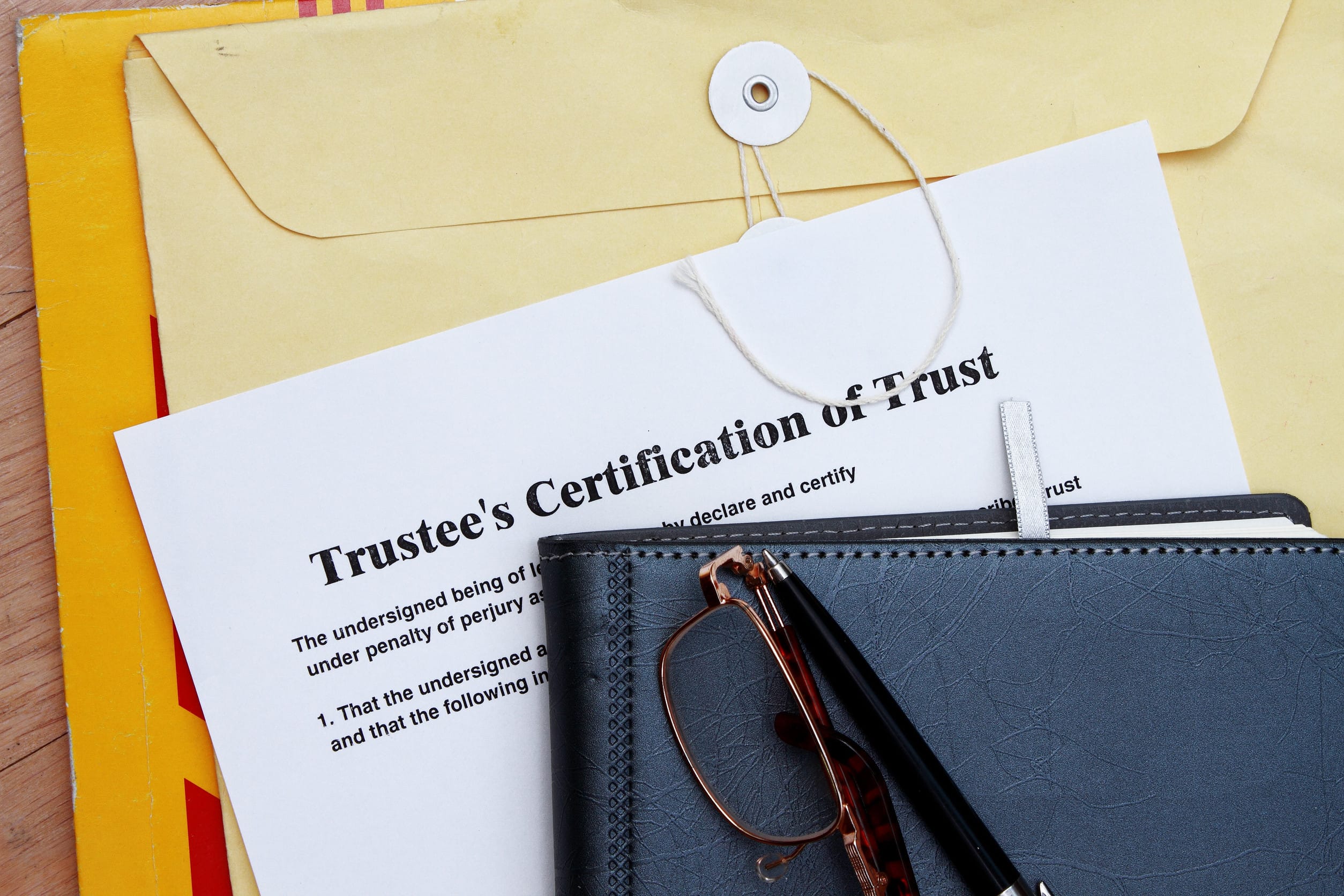
Filed Under: Finance Tagged With: asset protection, Estate planning, family assets, family finance, financial management, guardianship, legal guardians

What Happens When Power of Attorney Is Signed Too Late?

August 8, 2025 by Travis Campbell Leave a Comment

power of attorney

Image source: unsplash.com

When someone you care about starts to lose the ability to make decisions, it’s natural to worry about what comes next. You might consider their finances and health, and how you can assist them if they need help. That’s where a power of attorney comes in. It’s a legal document that lets someone else step in and make choices when needed. But what if you wait too long? What happens when power of attorney is signed too late? This isn’t just a legal issue—it’s a real-life problem that can affect families, money, and peace of mind. Here’s what you need to know, and why acting early matters.

1. The Person May Lose Legal Capacity

If someone waits too long to sign a power of attorney, they might lose the legal capacity to do so. Legal capacity means the person understands what they’re signing and what it means. If dementia, a stroke, or another illness takes away that understanding, it’s too late. No lawyer or notary can let them sign a power of attorney if they don’t know what’s happening. This is a hard line. Once capacity is gone, the option to sign is gone too. Families often realize this only after it’s too late, and by then, the choices are much more limited.

2. Court Intervention Becomes Necessary

When there’s no valid power of attorney and the person can’t make decisions, the family usually has to go to court. This process is called guardianship or conservatorship, depending on the state. It’s not quick or easy. You’ll need to file paperwork, attend hearings, and sometimes fight with other family members about who should be in charge. The court will decide who manages the person’s money and health care. This can take months and cost thousands of dollars in legal fees. It’s stressful, public, and often leads to family conflict.

3. Financial Accounts May Be Frozen

Banks and other financial institutions need legal proof before letting someone else access an account. Without a power of attorney, they won’t just hand over control. If the account owner can’t act and there’s no legal paperwork, the accounts may be frozen. Bills go unpaid. Investments can’t be managed. Even simple things like paying for groceries or medical care become a problem. This can lead to late fees, missed payments, and even foreclosure or loss of services. The longer it takes to sort out, the bigger the mess.

4. Health Care Decisions Get Complicated

Without a power of attorney for health care, doctors may not know who to listen to. Hospitals often look for a legal document before letting someone else make medical choices. If there isn’t one, the medical team might turn to the courts or follow state laws about next of kin. This can delay treatment or lead to decisions that don’t match the person’s wishes. In emergencies, every minute counts. Not having the right paperwork can mean the difference between getting the care someone wants and being stuck in limbo.

5. Family Disputes Can Erupt

When there’s no clear legal authority, families often argue. One sibling might think Mom would want one thing, while another disagrees. Without a power of attorney, there’s no easy way to break the tie. These fights can get ugly and last for years. Sometimes, they end up in court, costing everyone time, money, and relationships. Even close families can fall apart under this kind of stress. A power of attorney signed early can prevent these battles by making one person the clear decision-maker.

6. The Person’s Wishes May Not Be Followed

If someone can’t sign a power of attorney and there’s no plan in place, their wishes might not be honored. The court or state laws will decide what happens, not the person or their family. This can mean money is spent in ways they wouldn’t want, or medical care is given that goes against their beliefs. It’s a loss of control at the worst possible time. Planning ahead with a power of attorney is the best way to make sure someone’s voice is heard, even if they can’t speak for themselves.

7. The Process Gets More Expensive

Going to court for guardianship or conservatorship costs a lot more than preparing a power of attorney. There are filing fees, attorney fees, and sometimes ongoing costs for court oversight. The person’s money may be used to pay these bills, which means less is left for their care or for their family. In some cases, the court may require regular reports or audits, adding to the expense. A power of attorney is a simple, low-cost way to avoid these extra costs.

8. Stress and Uncertainty Increase for Everyone

When power of attorney is signed too late, everyone feels the impact. The person who needs help may not get it quickly. Family members are left scrambling, unsure what to do next. The legal process is slow and confusing. Bills pile up. Medical care is delayed. The stress can be overwhelming, especially when emotions are already running high. Acting early with a power of attorney gives everyone peace of mind and a clear path forward.

9. Some Assets May Be Lost

Without someone to manage finances, assets can slip through the cracks. Property taxes might go unpaid, leading to liens or even foreclosure. Insurance policies could lapse. Investments might lose value because no one is watching them. These losses can be permanent. A power of attorney lets someone step in and protect what matters most.

10. It’s Harder to Fix Mistakes

If mistakes happen—like missed payments or bad investments—it’s much harder to fix them without a power of attorney. The court process is slow, and by the time someone is appointed, the damage may be done. Quick action is often needed to prevent bigger problems. With a power of attorney, someone can step in right away and keep things on track.

Planning Ahead Protects Everyone

Signing a power of attorney before it’s needed is one of the simplest ways to protect yourself and your family. It keeps things private, saves money, and makes sure your wishes are followed. Don’t wait until it’s too late.

Have you or someone you know faced challenges because a power of attorney was signed too late? Share your story in the comments.

Read More

The Power of Attorney Move That Can Spark a Family Lawsuit

8 Reasons Every Small Business Needs An Attorney On Speed Dial

Travis Campbell
Travis Campbell

Travis Campbell is a digital marketer/developer with over 10 years of experience and a writer for over 6 years. He holds a degree in E-commerce and likes to share life advice he’s learned over the years. Travis loves spending time on the golf course or at the gym when he’s not working.

Filed Under: Law Tagged With: elder law, Estate planning, family finance, guardianship, legal capacity, Planning, power of attorney

  • « Previous Page
  • 1
  • …
  • 5
  • 6
  • 7
  • 8
  • 9
  • 10
  • Next Page »

FOLLOW US

Search this site:

Recent Posts

  • Can My Savings Account Affect My Financial Aid? by Tamila McDonald
  • 12 Ways Gen X’s Views Clash with Millennials… by Tamila McDonald
  • What Advantages and Disadvantages Are There To… by Jacob Sensiba
  • 10 Tactics for Building an Emergency Fund from Scratch by Vanessa Bermudez
  • Call 911: Go To the Emergency Room Immediately If… by Stephen Kanaval
  • 7 Weird Things You Can Sell Online by Tamila McDonald
  • 10 Scary Facts About DriveTime by Tamila McDonald

Copyright © 2026 · News Pro Theme on Genesis Framework