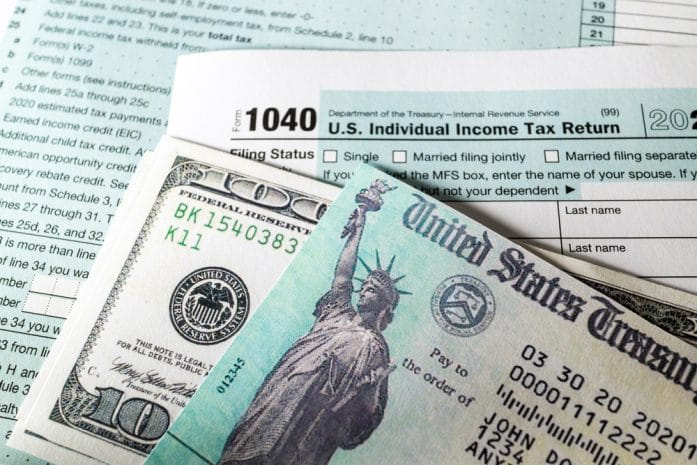
Tax season often feels like a race against the clock, but rushing through it can quietly cost time instead of saving it. Many Americans expect their refunds to land quickly, yet small mistakes frequently push those payments into long delays. The IRS processes millions of returns, and even minor errors can bump a file into the “needs review” pile. That delay can stretch from days into weeks, especially during peak filing season. Smart filing habits can make the difference between a smooth refund and a frustrating wait.
Understanding what slows down refunds gives taxpayers a real advantage. Most delays don’t come from audits or major issues but from simple, preventable missteps. These habits often repeat year after year, creating unnecessary stress for households counting on their refund. Fixing them early helps ensure the IRS processes returns without interruptions.
1. Rushing Through Early Filing Without Double-Checking Details
Filing early can speed up refunds, but rushing through forms creates costly mistakes that slow everything down. Many taxpayers enter incorrect numbers, skip sections, or forget to review auto-filled data from tax software. The IRS system flags inconsistencies quickly, which forces manual review and delays processing. A careful second look before submitting reduces these risks significantly. Accuracy always beats speed when it comes to tax filing.
Taking a few extra minutes to review Social Security numbers, income entries, and spelling prevents major setbacks. Simple errors in these areas often trigger rejection or adjustment notices. A calm, deliberate filing approach keeps refunds moving through the system without interruption.
2. Entering Incorrect Personal Information
Small identity errors often create surprisingly long refund delays. A mismatched name, wrong Social Security number, or outdated address can stop processing instantly. The IRS must verify identity before releasing any funds, and mismatches slow that verification process. Even a missing middle initial can create unnecessary complications. Precision matters more than most taxpayers realize.
Taxpayers should always compare their return details with official documents before submitting. W-2 forms, Social Security cards, and government IDs should match exactly. Consistency across all records helps the IRS approve refunds without additional review steps.
3. Miscalculating Income or Forgetting Tax Forms
Income reporting errors rank among the most common causes of refund delays. Missing a W-2, 1099, or side income entry creates mismatches in IRS systems. The agency cross-checks employer submissions, and discrepancies trigger automatic holds. Even small underreporting mistakes can slow down refund approval. Accuracy in income reporting keeps the process smooth.
Taxpayers should gather all income documents before starting their return. Double-checking totals against employer statements helps prevent mismatches. Organized records reduce confusion and help filings move through quickly.
4. Providing Incorrect Bank Account Information
Direct deposit speeds up refunds, but incorrect banking details can completely derail them. A wrong digit in an account or routing number sends refunds into processing limbo. The IRS may reject the deposit or send a paper check instead, which takes much longer. These errors often go unnoticed until the refund fails to arrive. Precision in banking information protects refund timing.
Reviewing account numbers carefully before submitting prevents unnecessary delays. Taxpayers should avoid copying outdated information from previous years. Updated banking details ensure refunds land in the correct account without interruption.
5. Ignoring IRS Letters or Requests for Verification
IRS notices often require quick action, yet many taxpayers delay responding or overlook them entirely. These letters usually request identity confirmation or missing documentation. Ignoring them freezes refund processing until the issue gets resolved. The longer the delay in response, the longer the refund sits on hold. Fast replies keep the process moving.
Reading all IRS mail carefully helps avoid unnecessary setbacks. Responding with the correct documents ensures faster resolution. Staying alert to these notices prevents refunds from getting stuck in review cycles.
6. Choosing the Wrong Filing Status
Filing status mistakes can change refund calculations and trigger processing delays. Selecting the wrong category, such as single instead of head of household, often creates mismatches with IRS records. These errors may require manual correction before the refund gets released. Even small misunderstandings of eligibility rules can slow everything down. Correct filing status ensures smoother processing.
Taxpayers should review IRS guidelines before selecting their status. Life changes like marriage, divorce, or dependents can affect eligibility. Accurate selection helps avoid unnecessary corrections later.
7. Missing Out on Supporting Documents for Deductions
Claiming deductions without proper documentation often leads to refund delays. The IRS may request proof for charitable donations, education expenses, or business costs. Without records, the agency pauses processing until verification arrives. This step can stretch refunds out for weeks. Organized documentation speeds up approval.
Keeping receipts and records throughout the year simplifies filing. Taxpayers who prepare early reduce the risk of missing important proof. Strong documentation supports faster and cleaner processing.
8. Using Outdated or Incompatible Tax Software
Old or unreliable tax software can create hidden filing errors that delay refunds. Software updates often include new tax law changes, and outdated versions may miscalculate returns. Submission errors from technical glitches also trigger IRS rejections. These issues often confuse taxpayers who assume everything submitted correctly. Reliable software reduces these risks.
Updating software before filing ensures accurate calculations and smooth submission. Choosing trusted platforms helps prevent technical interruptions. A stable digital filing process leads to faster refund approval.
A Smarter Filing Mindset That Keeps Refunds Moving
Tax refund delays rarely come from one major issue; they usually come from a pattern of small, avoidable habits. Careful attention to details like personal information, income accuracy, and documentation dramatically improves processing speed. The IRS system works efficiently when returns arrive clean and complete. Taxpayers who slow down slightly during filing often get paid faster in the end. Smart preparation consistently beats rushed submission every time.
What tax filing habit has caused the most frustration for you in past seasons, and what strategies help prevent it now?
You May Also Like…
The IRS Is Sending More “Math Error” Notices—Here’s What They Really Mean
7 “Trigger Words” the IRS Uses to Flag Returns Faster
6 Mistakes People Make When Appealing an IRS Identity Check
Waiting on a Refund? New IRS Identity Flags Are Pulling More Returns
Refunds Are Being Frozen Over Missing Bank Details—And Some Filers Won’t Get Paid for Weeks

Brandon Marcus is a writer who has been sharing the written word since a very young age. His interests include sports, history, pop culture, and so much more. When he isn’t writing, he spends his time jogging, drinking coffee, or attempting to read a long book he may never complete.
.png)
Leave a Reply