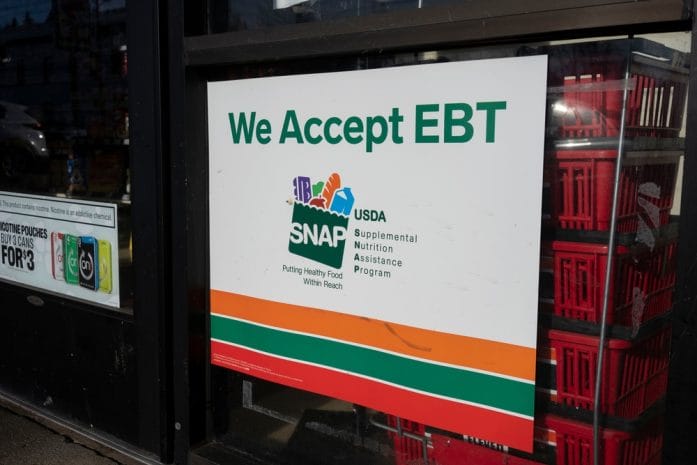
SNAP benefits are suddenly under a sharper microscope as states move fast to recheck files after an uptick in error rates. That shift signals a major tightening in how agencies handle one of the most important food assistance programs in the country. Millions of households rely on these benefits each month, so even small data issues trigger big administrative responses. Now state officials are combing through eligibility records, payment histories, and reporting systems to spot inconsistencies. The goal centers on protecting program integrity while making sure households receive accurate support without delays or disruptions.
This wave of reviews doesn’t just sit inside government offices—it connects directly to grocery carts, monthly budgets, and family meal planning across the country. When error rates climb, agencies don’t wait around; they launch audits, revalidations, and cross-checks to tighten accuracy. The process aims to correct overpayments, prevent underpayments, and reduce administrative mistakes that strain budgets.
Why States Are Rechecking SNAP Files Right Now
States are responding quickly to rising SNAP error rates because federal oversight rules require accuracy in eligibility and payment distribution. Even small percentage shifts can trigger compliance concerns that push agencies into review mode. Officials now focus on identifying where data mismatches, reporting delays, or income miscalculations slipped through. This process protects funding streams and helps states avoid penalties tied to federal benchmarks. Agencies also want to preserve public trust in a program that serves millions of households every month.
State departments of human services now run targeted audits across different case categories to locate patterns in mistakes. They compare income data, household size updates, and employment records against eligibility decisions. These reviews help pinpoint whether system gaps or reporting errors caused the increase. Administrators also examine staffing workloads and system upgrades that may have contributed to processing delays. Each finding helps shape faster corrections and more accurate benefit distribution moving forward.
How Error Rates Climbed and What Sparked the Review
Error rates in SNAP programs often climb when reporting systems lag behind real-life changes in household circumstances. People may change jobs, move homes, or adjust income levels faster than agencies can process updates. That mismatch creates gaps that show up during federal reviews as overpayments or underpayments. States now work harder to close that timing gap through faster verification tools and updated reporting systems. Officials treat even small increases seriously because they signal larger structural inefficiencies.
Federal monitoring also plays a major role in triggering statewide reviews when thresholds shift upward. Once error percentages pass acceptable limits, agencies face pressure to identify root causes quickly. Some states discover outdated software systems, while others find inconsistent caseworker documentation practices. These findings push departments to standardize procedures and improve training across offices. The review process then becomes both corrective and preventive, aimed at stabilizing future reporting accuracy.

What SNAP Recipients Can Expect During the Review Process
Households receiving SNAP benefits may notice additional requests for documentation as states verify eligibility details. Agencies often ask for updated income statements, proof of residency, or household composition changes. These requests help confirm that benefit levels match current circumstances rather than outdated information. Most recipients experience only minor administrative updates, though some cases may require temporary follow-ups. States aim to keep disruptions minimal while still improving data accuracy.
Communication plays a big role during these review cycles, and agencies increasingly rely on online portals, text alerts, and mailed notices. Recipients should expect clearer instructions and faster response timelines as systems modernize. In some cases, benefits may adjust slightly if income or household changes affect eligibility levels. States also prioritize quick resolution for flagged cases to avoid unnecessary delays in food access. The overall goal centers on maintaining continuity while improving precision.
How States Strengthen Verification Systems After Errors Rise
States now invest heavily in upgraded data-matching systems that connect SNAP records with employment and tax databases. These tools help agencies detect inconsistencies faster and reduce manual errors. Many departments also train staff to spot red flags earlier in the application and renewal process. That combination of technology and training helps lower future error rates while improving program efficiency. Agencies view these upgrades as long-term solutions rather than short-term fixes.
Policy teams also refine internal review guidelines to ensure consistent decision-making across offices. Standardized procedures help reduce confusion among caseworkers and improve fairness for applicants. Some states introduce automated alerts that flag potential discrepancies before benefits get issued. Others improve coordination between local and state offices to reduce processing delays. Together, these efforts aim to build a more reliable and transparent benefits system.
What This SNAP Review Wave Means for Households and Agencies
This nationwide push to recheck SNAP files highlights a growing focus on accuracy, accountability, and system modernization. States want to reduce costly errors while maintaining consistent support for families who rely on food assistance. Agencies now balance tighter oversight with efforts to avoid unnecessary disruptions in benefit delivery. That balance requires both improved technology and clearer communication with recipients. The outcome will likely shape how SNAP operates for years to come as states refine their systems.
What do you think about states tightening SNAP reviews? Does this improve fairness or create unnecessary stress for households? Give us your opinions below.
You May Also Like…
Illinois’ 1-in-6 SNAP Denial Rate: Why More Cases Are Failing the Income Check
The 72-Hour SNAP Hold: Why Millions Of Applications Are Stuck in “Pending Review”
The Rent Cap Shift: Why Oregon and California Landlords Are Issuing New Notices
Hidden SNAP Rule Hitting Millions Of Adults — And Why States Are Sending New Work Notice
What are ETFs and How do They Benefit the Average Investor?

Brandon Marcus is a writer who has been sharing the written word since a very young age. His interests include sports, history, pop culture, and so much more. When he isn’t writing, he spends his time jogging, drinking coffee, or attempting to read a long book he may never complete.